
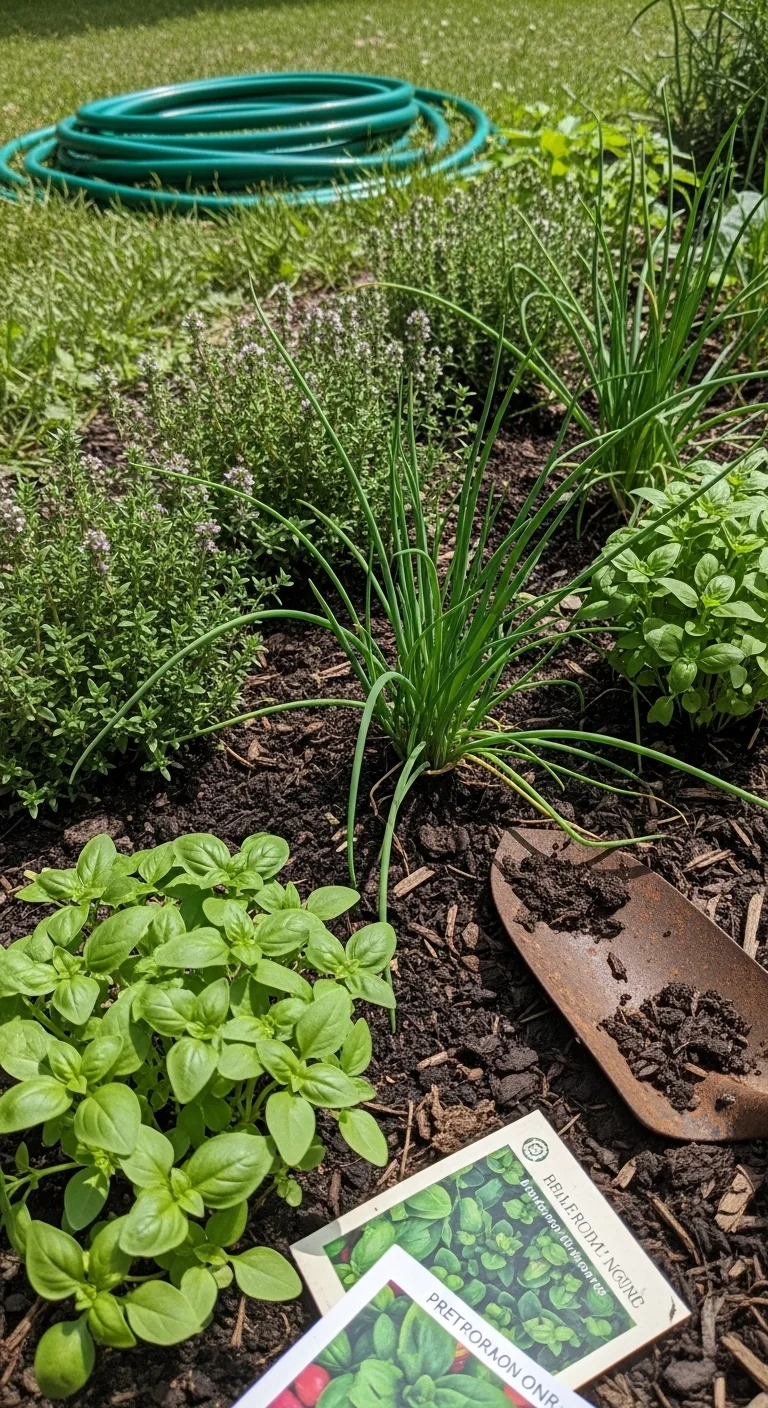
The real difference between annual and perennial herbs lies in how their lifecycle aligns with your garden’s fixed conditions such as space limits, winter temperatures, and harvest frequency. Perennials develop root systems that return season after season with little reset work. Annuals complete their full cycle in one season and deliver quick flavor through fresh sowing. The Yield Grid reframes the choice as a strategic mix that turns your herb bed into a stable yield system instead of a yearly gamble.
This guide covers nine widely grown edible herbs suited to home gardens in the US, UK, Canada, Australia, and New Zealand. It excludes rare tropical species and purely decorative plants. Focus stays on practical growing mechanics, measurable thresholds, and integration tactics that top comparison articles overlook.
You will finish with a clear assignment for each herb to your setup plus exact placement and care steps that prevent common mismatches. The result is a hybrid planting that delivers steady supply without constant replanting or wasted space.
Match each herb to one of the three Decision Grid branches below and you select the mix that fits your conditions exactly.
The Yield Grid Decision Grid
Branch 1: Cold-Climate Gardens. USDA hardiness zones 3-6 or equivalent areas with winter lows below 0°F and first frost before mid-October. Soil stays frozen or wet for months. These conditions favor hardy perennials that survive dormancy plus quick-cycle annuals that finish before cold arrives. Recommended: Items 1, 4, 6 below. See the full herb gardening guide for beginners for zone maps and starter timing.
Branch 2: Space-Limited Gardens. Growing area under 15 square feet, balcony setups, or all containers. Root depth is restricted and soil refresh happens yearly. These favor compact growers that tolerate pots and allow easy rotation. Recommended: Items 2, 3, 9 below.
Branch 3: High-Flavor or Extended-Season Gardens. USDA zones 7+ or equivalent with growing seasons longer than 200 days and frequent kitchen harvesting. Mild winters and consistent warmth allow tender types and prolific seeders. Recommended: Items 5, 7, 8 below.
Quick Comparison Table
| Option | Key mechanism | Best for | Decision Grid Branch | Effort Score |
|---|---|---|---|---|
| Thyme | Perennial woody base and root system that survives winter dormancy | Savory base for roasts and soups | Branch 1 | 1 |
| Basil | Fast annual lifecycle completes in 60-90 days with repeated leaf production | Fresh pesto and Italian dishes | Branch 3 | 4 |
| Rosemary | Tender perennial woody stems that root easily from cuttings | Roasted meats and Mediterranean seasoning | Branch 2 | 2 |
| Chives | Perennial bulb clusters that multiply underground each year | Fresh mild onion flavor in salads | Branch 1 | 1 |
| Cilantro | Annual cool-season plant that bolts quickly in heat | Fresh Mexican and Asian dishes | Branch 3 | 5 |
| Sage | Perennial semi-woody shrub with deep taproot | Poultry stuffing and savory sauces | Branch 1 | 2 |
| Dill | Annual that self-seeds if allowed to flower | Pickles and fish dishes | Branch 3 | 4 |
| Oregano | Perennial spreading via underground runners | Pizza and tomato sauces | Branch 3 | 2 |
| Parsley | Biennial grown as annual with taproot storage in first year | Garnish and fresh tabbouleh | Branch 2 | 3 |
Thyme: Perennial Backbone for Cold Climates
Best for: Branch 1
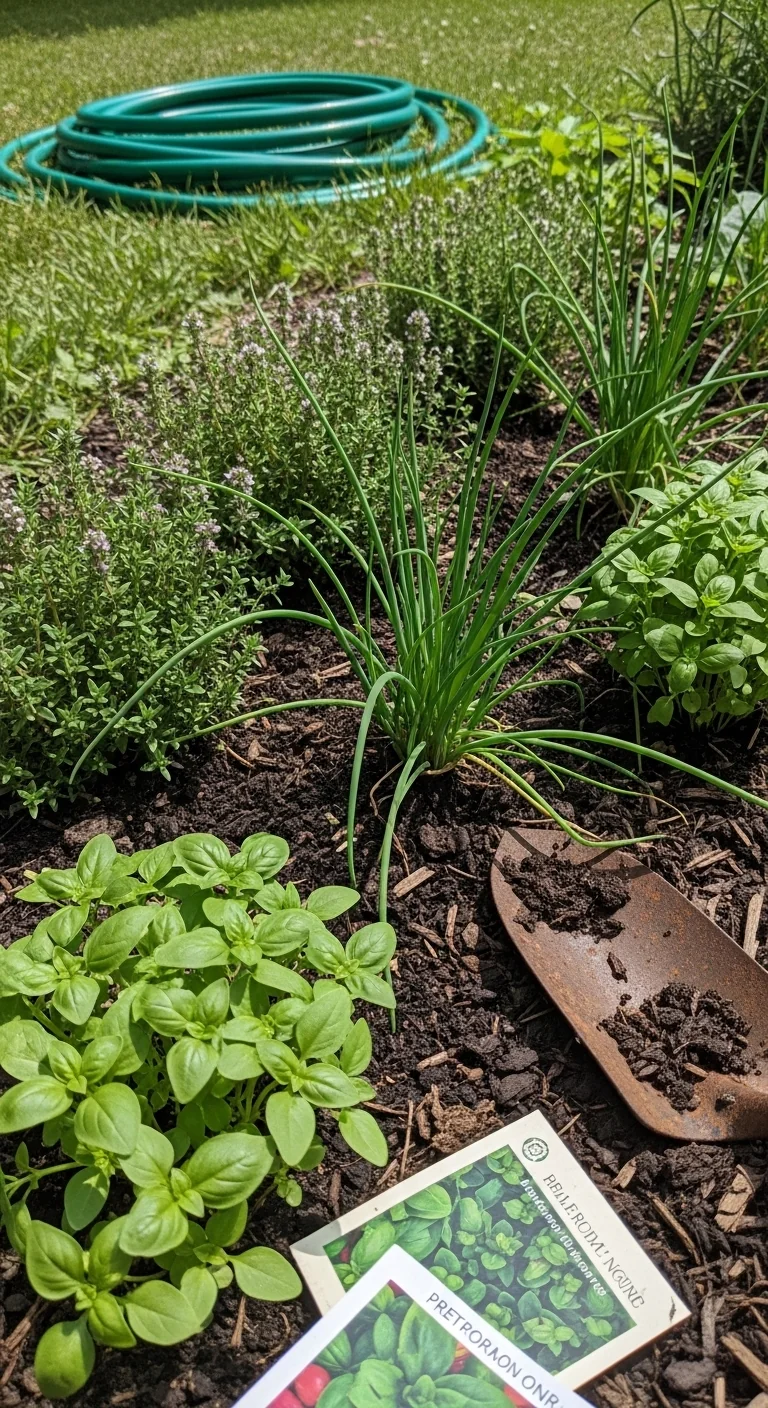
Thyme establishes a low woody framework that tolerates winter lows down to zone 4 once roots reach six inches deep. Plant in spring after soil warms above 50°F and space plants 12 inches apart in well-drained soil with pH 6.0-7.5. The key mechanism is its drought-tolerant foliage that reduces water needs after the first month. In cold climates it stays evergreen in milder winters and provides early spring flavor when annuals are still seedlings.
Edge case: heavy clay soil causes root rot within weeks. Use the thyme plant care steps to amend with sand or gravel before planting. Prune lightly after flowering to keep the plant compact and encourage new growth. One 10-minute workflow: water deeply once weekly until established, then switch to every two weeks. Harvest sprigs before bloom for strongest flavor. This herb forms the reliable backbone that returns every year with almost no re-sowing. (178 words)
Basil: Annual Flavor Booster for Warm Seasons
Best for: Branch 3
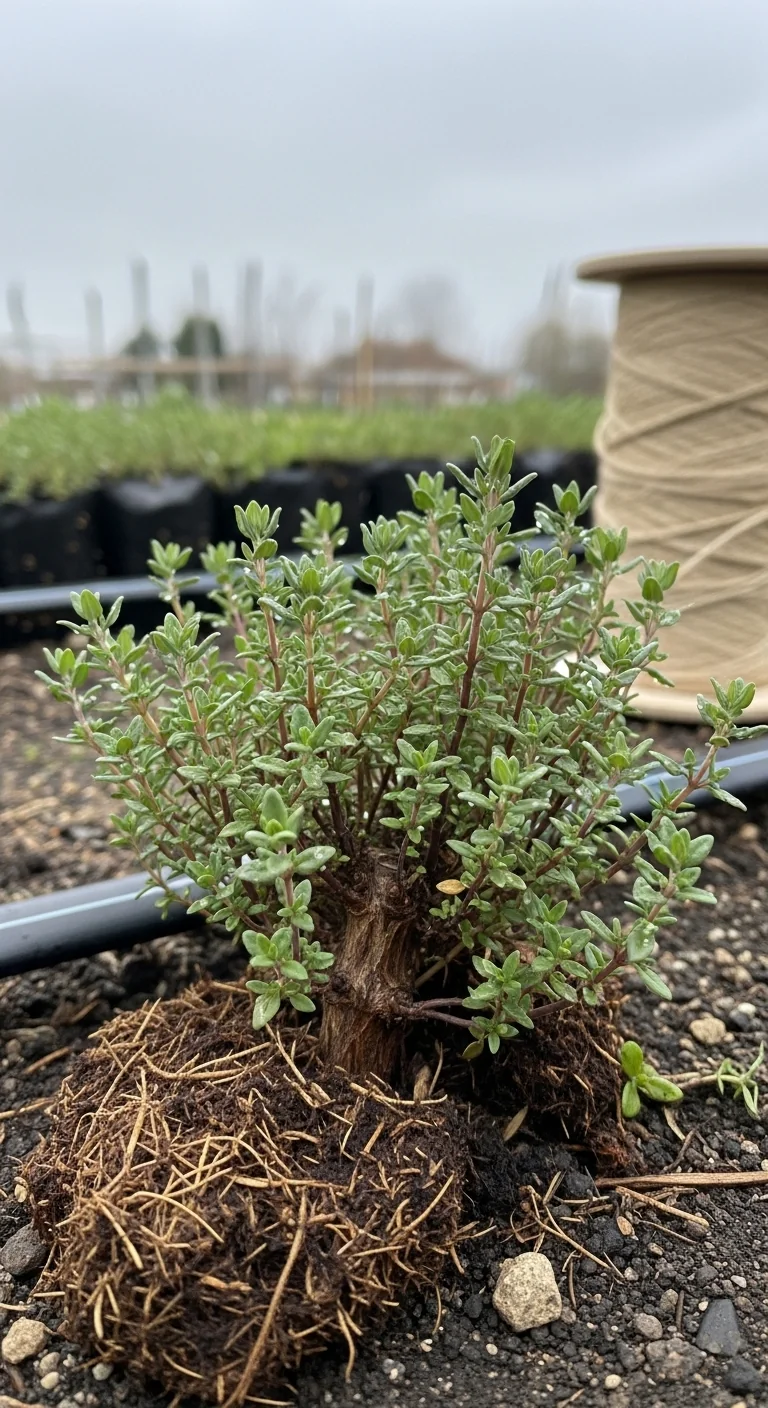
Basil grows rapidly from seed and delivers multiple harvests in a single season when nights stay above 60°F. Sow directly after last frost or start indoors four weeks earlier. Pinch the top leaves every two weeks to delay flowering and extend leaf production. (68 words)
Rosemary: Container-Friendly Tender Perennial
Best for: Branch 2
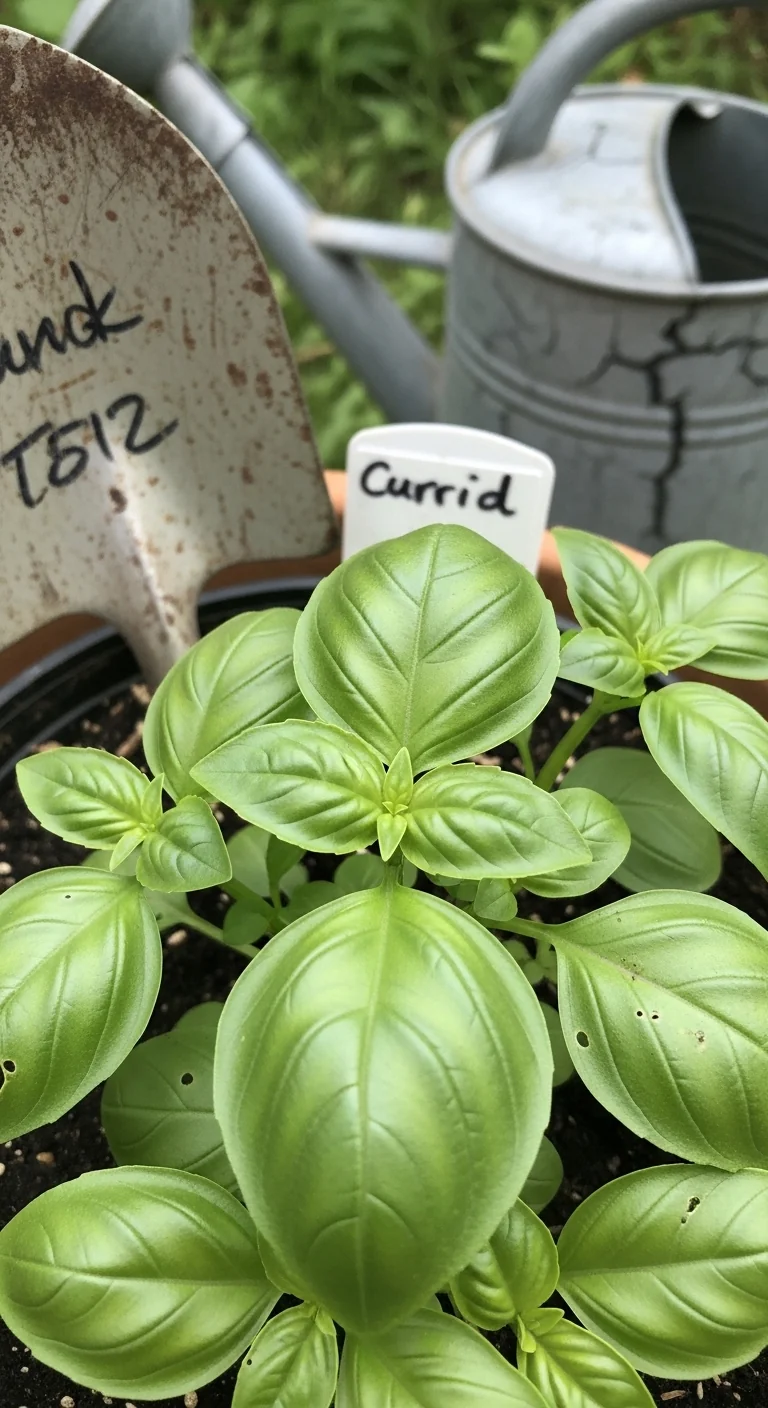
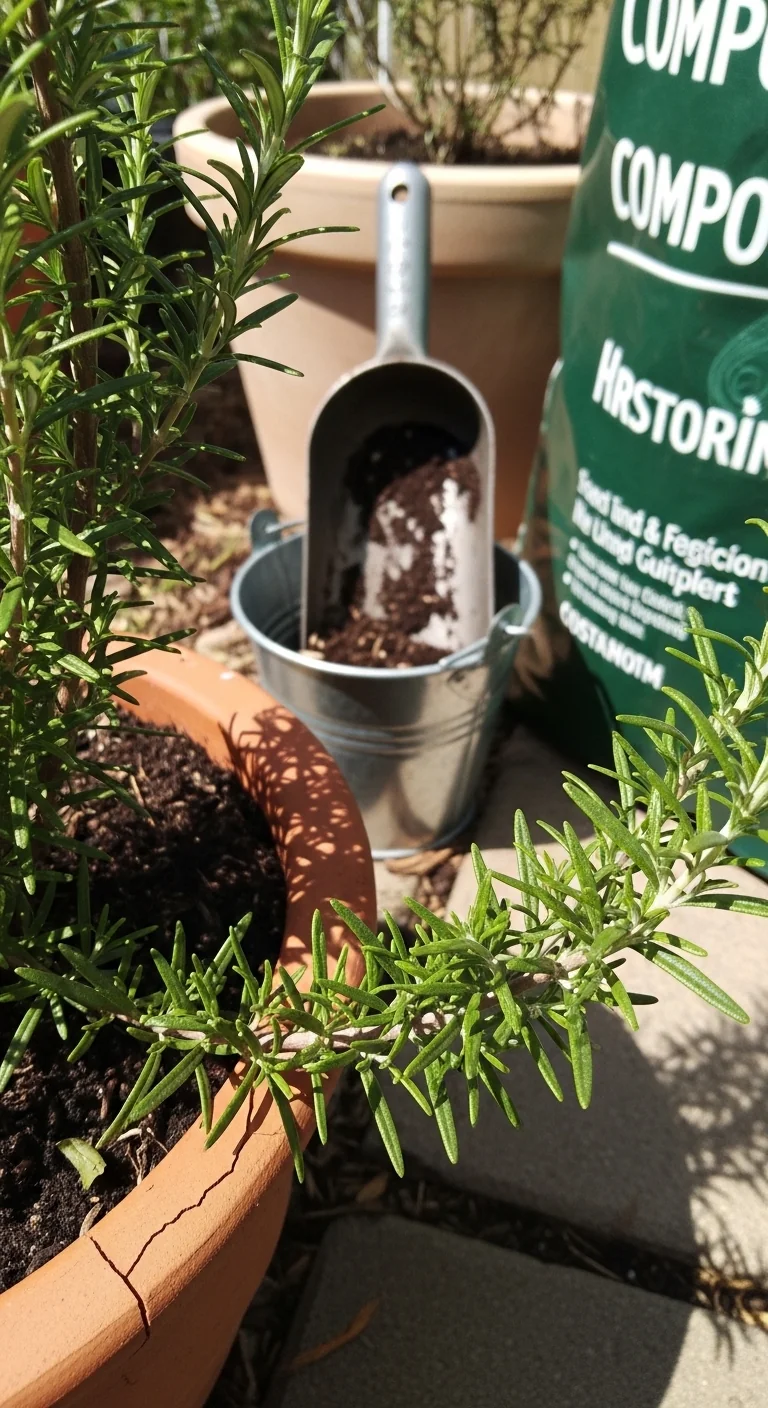
Rosemary thrives in pots because its woody stems root easily and the restricted root zone prevents overgrowth. Choose a container at least 12 inches wide with drainage holes and place in full sun. Water when the top inch of soil feels dry. In space-limited gardens move pots indoors before first frost below 20°F. The rosemary in pots method keeps plants productive for three or more years with occasional pruning. (112 words)
Chives: Hardy Perennial for Early Spring Harvests
Best for: Branch 1
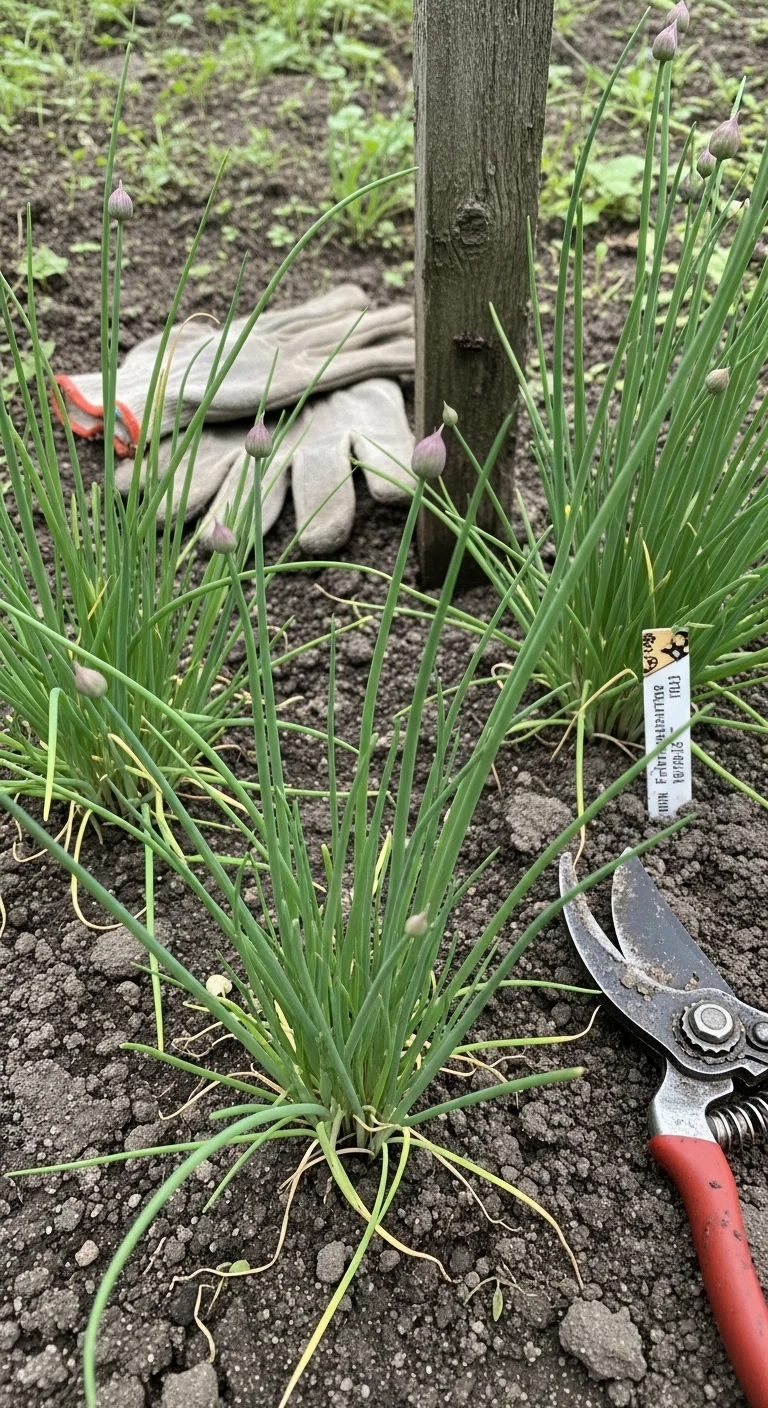
Chives form dense clumps from underground bulbs that push through cold soil as soon as temperatures reach 40°F. Divide established clumps every three years in early spring to maintain vigor and prevent crowding. The mechanism is its bulb storage that fuels rapid regrowth after cutting. In cold climates it provides the first fresh green flavor when other herbs are dormant. Use the best herbs for containers approach to grow chives on balconies where space is tight. Cut leaves two inches above soil level and the plant rebounds within days. Avoid harvesting more than one-third at a time to keep energy reserves intact. This perennial multiplies naturally and requires only occasional division for renewal. (162 words)
Cilantro: Cool-Season Annual for Successive Plantings
Best for: Branch 3
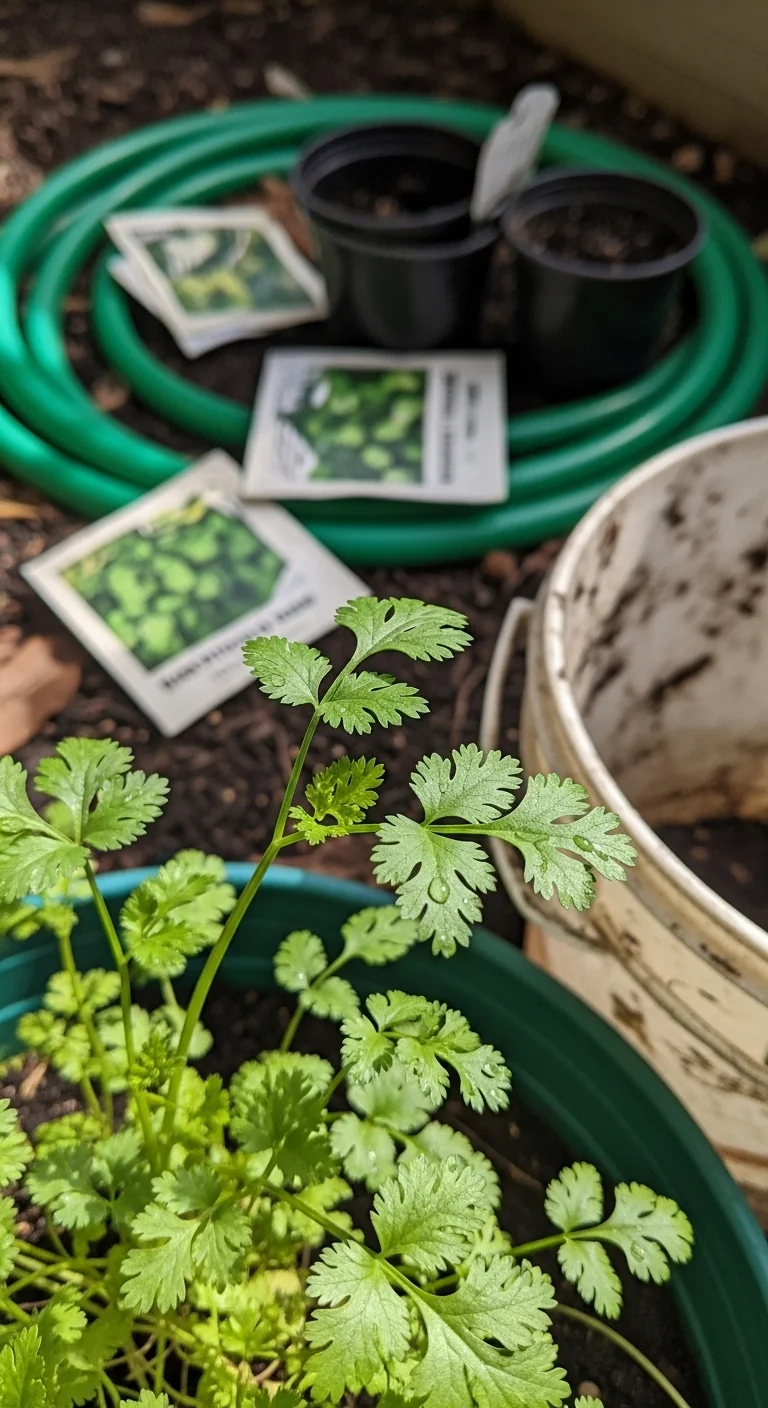
Cilantro bolts in heat above 75°F so sow every two weeks in spring and fall for continuous supply. Thin seedlings to four inches apart for healthy leaf growth. (62 words)
Sage: Semi-Woody Perennial with Deep Root Stability
Best for: Branch 1
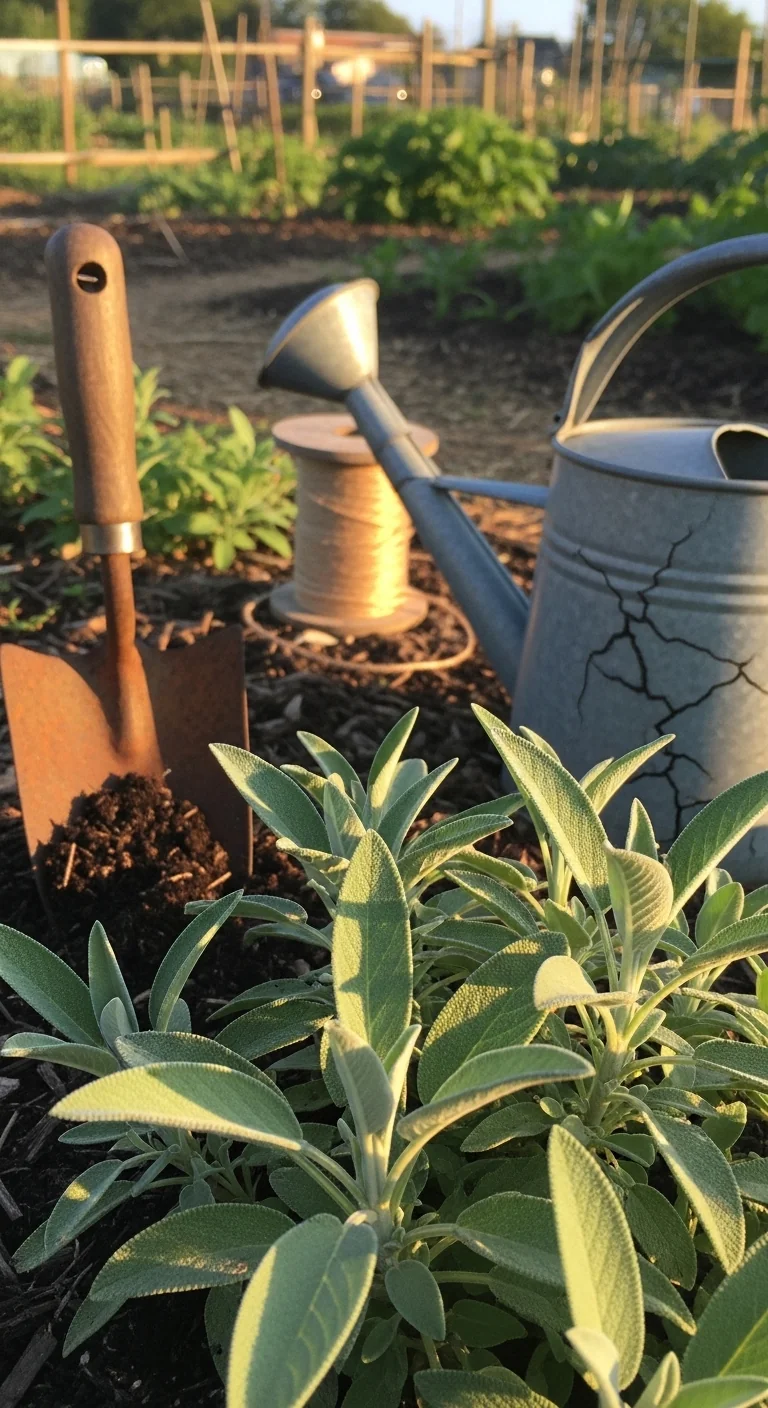
Sage develops a taproot that anchors it through cold winters once established in zones 5 and above. Plant in full sun with spacing of 18 inches and avoid overwatering after the first season. Its fuzzy leaves tolerate light frost and deliver strong flavor year-round in milder areas. Use the full list of perennial herbs to pair sage with other hardy types. Prune woody stems in early spring to encourage fresh growth. (118 words)
Dill: Annual Self-Seeder for Flavor and Pollinators
Best for: Branch 3
Dill reaches harvest size in 40-60 days and produces umbrella-shaped flowers that attract beneficial insects. Allow a few plants to go to seed at the end of the season and they will return naturally next year in the same spot. The companion planting for herbs guide shows how dill protects nearby crops from pests while adding fresh dill flavor to pickles and fish. Sow directly where it will grow because seedlings resent transplanting. In extended seasons cut feathery leaves regularly to delay flowering and extend leaf harvest. (158 words)
Oregano: Spreading Perennial for Mediterranean Flavor
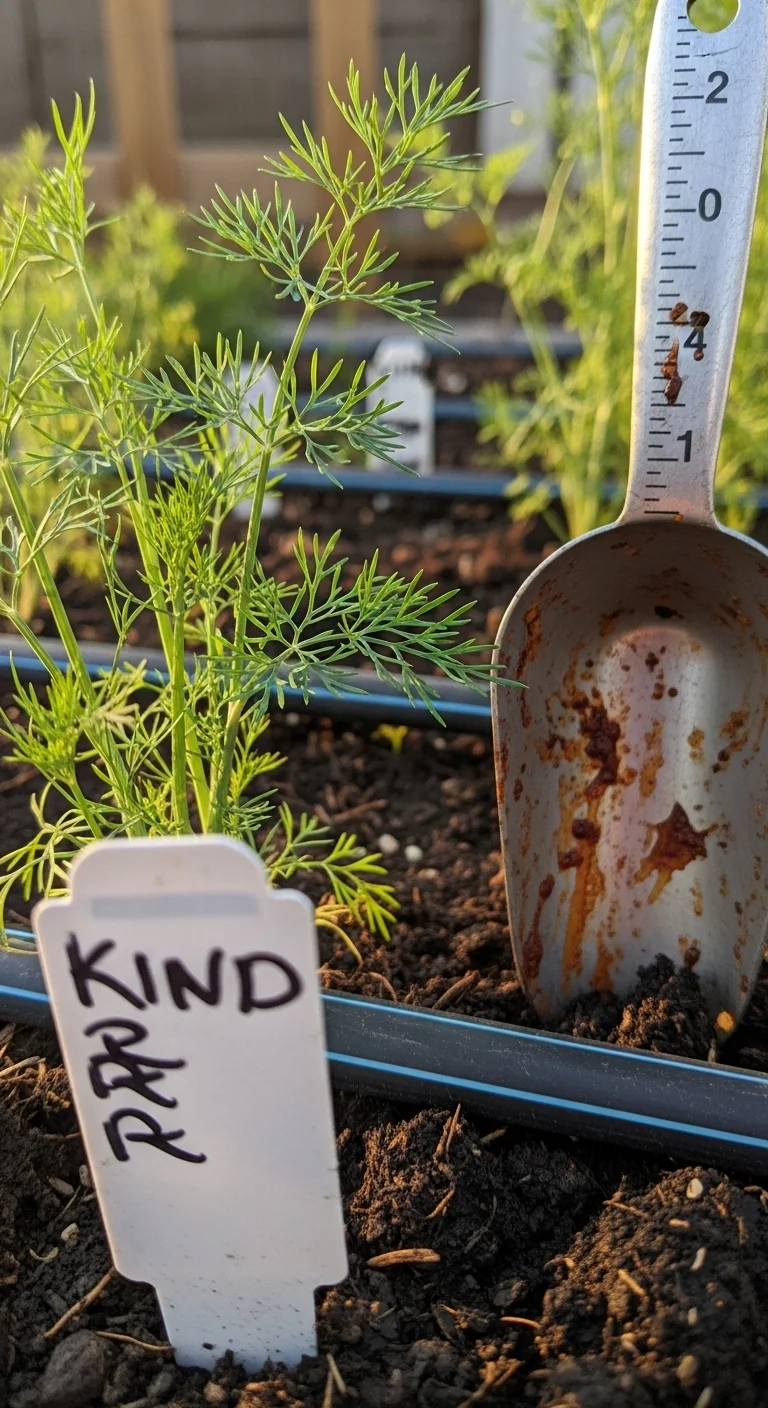
Best for: Branch 3
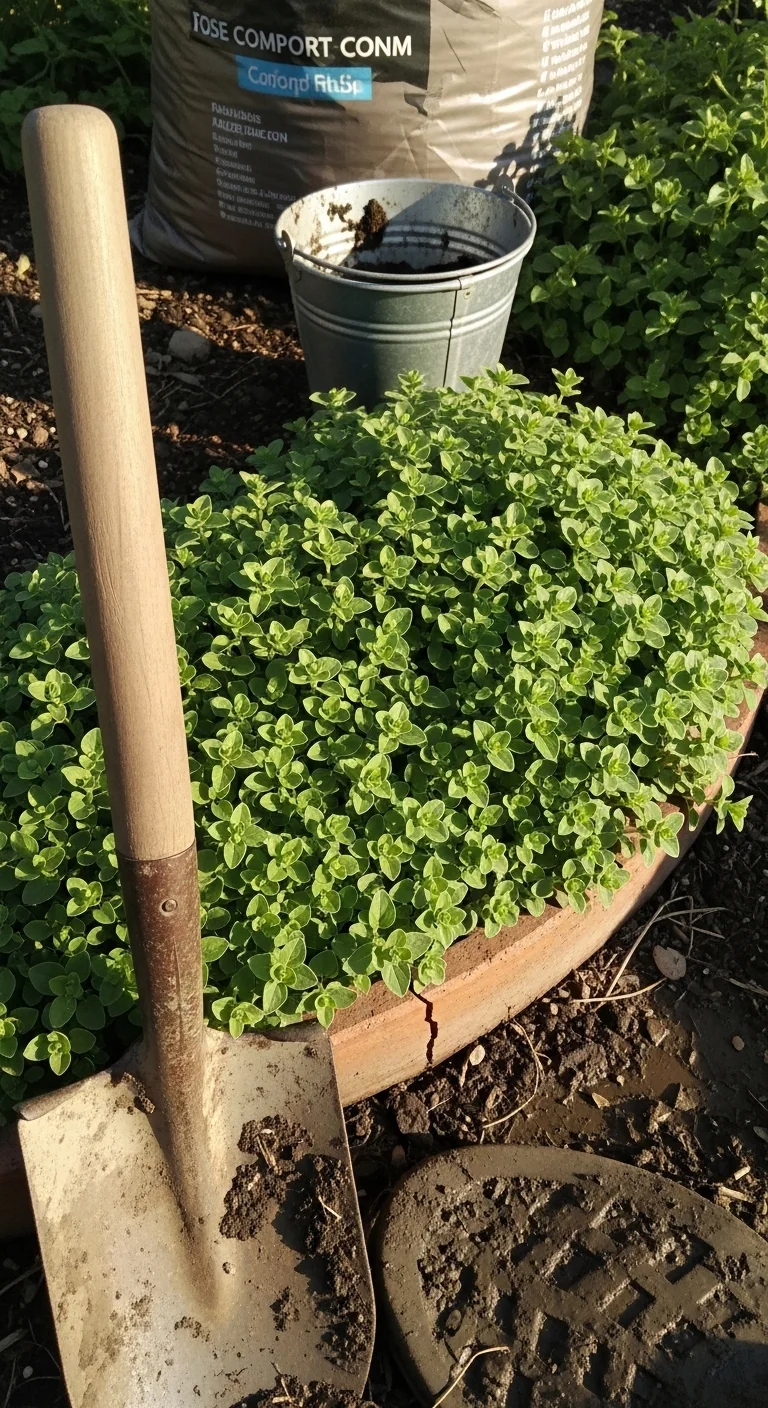
Oregano spreads via underground runners and forms a dense mat that returns reliably in zones 5 and warmer. Cut back hard in late fall to keep it tidy. (59 words)
Parsley: Biennial Grown as Annual for Versatile Garnish
Best for: Branch 2
Parsley stores energy in its taproot during the first year and produces abundant leaves before flowering in year two. Grow it as an annual in containers or small beds by sowing fresh seed each spring. It tolerates partial shade better than most herbs and fits limited-space gardens. Harvest outer leaves first to keep the center productive. (104 words)
Starter Stack (What to Choose First)
For Branch 1: Cold-Climate Gardens
Start with Thyme and Chives. These two hardy perennials form a low-maintenance backbone that survives winter and provides early flavor. Plant together in a single raised bed for synergy: both need the same well-drained soil and attract pollinators when flowering. Initial setup costs 15-30 dollars for two starter plants and takes 30-45 minutes. (52 words)
For Branch 2: Space-Limited Gardens
Start with Rosemary and Parsley. The woody rosemary anchors the container while parsley fills the understory with quick leaves. Both tolerate pots and share similar watering needs. Initial setup costs 10-25 dollars for starters and takes 20-40 minutes. (48 words)
For Branch 3: High-Flavor or Extended-Season Gardens
Start with Cilantro and Oregano. Cilantro supplies fast fresh leaves while oregano provides the permanent spicy base. Succession-sow cilantro around the established oregano for continuous supply. Initial setup costs 12-28 dollars and takes 25-50 minutes. (49 words)
When This Won’t Work
The framework fails in heavy clay soil that stays waterlogged after rain or in gardens with soil pH below 5.5 or above 8.0. Roots rot or nutrients lock up and plants yellow within weeks. Switch to raised beds filled with amended mix and test soil before planting.
It also fails in full shade with less than four hours of direct sun daily. Most herbs stretch weakly and flavor weakens. Move to the sunniest spot available or use the soil mix for herbs in containers placed in brighter microclimates. (98 words)
Choosing the Right Option for Your Situation
Budget Threshold
Under 30 dollars total: choose Thyme, Chives, and Oregano starters from local nurseries. Above 30 dollars: add rosemary cuttings and dill seed packets for faster coverage.
Time Threshold
Less than one hour per week: select only perennials from Branch 1 or 2. More than one hour available: include annuals from Branch 3 and sow successive batches.
Soil Drainage Constraint
Poor drainage or compacted ground: use containers or raised beds exclusively. Good drainage and loose soil: plant directly in ground for perennials.
Yes/No checklist:
Do you have zones 3-6 or cold winters? Yes → prioritize Branch 1.
Is your space under 15 square feet? Yes → prioritize Branch 2.
Do you harvest daily and have mild winters? Yes → prioritize Branch 3.
All no? Reassess your exact conditions and start with the Starter Stack.
Expert Q&A
Do biennial herbs like parsley behave more like annuals or perennials in practice?
Parsley acts as an annual in most home gardens because gardeners harvest leaves heavily in year one and discard before the second-year flower stalk appears. Treat it as an annual for planning but leave a few plants to overwinter if you want early spring leaves. (54 words)
Can I combine annual and perennial herbs in the same container?
Yes when their water and light needs match. Pair a tall perennial like rosemary with a lower annual like cilantro or basil. Ensure the container is at least 12 inches deep and water consistently. Separate roots with a small barrier if one spreads aggressively. (52 words)
What soil adjustment helps perennials establish faster in the first season?
Add 20-30 percent coarse sand or gravel to native soil for better drainage around roots. Mix in compost only at planting time and avoid high-nitrogen fertilizers that encourage weak leafy growth over woody structure. (48 words)
How does companion planting influence the choice between annual and perennial herbs?
Perennials like thyme and sage create stable microclimates that shelter tender annuals such as basil from wind or light frost. Dill and cilantro attract predatory insects that protect the whole bed. Place companions within 18 inches for best effect. (51 words)
Is there a reliable way to extend the season for annual herbs without greenhouses?
Sow in succession every two to three weeks and use cloches or row covers when nights drop below 50°F. Pinch flowering tips immediately to delay bolting. In zones 7+ some annuals self-seed and return lightly the next year. (49 words)
Conclusion
The Yield Grid framework shows that the best herb garden mixes perennials for structure and annuals for flexibility based on your exact conditions rather than treating all herbs the same. The number one mistake is planting without checking winter lows or space limits, which leads to repeated losses.
Next step: sketch your garden layout and assign the nine herbs to the correct branches using the herb garden layout ideas. Start planting the Starter Stack this week and adjust as your conditions reveal themselves.