
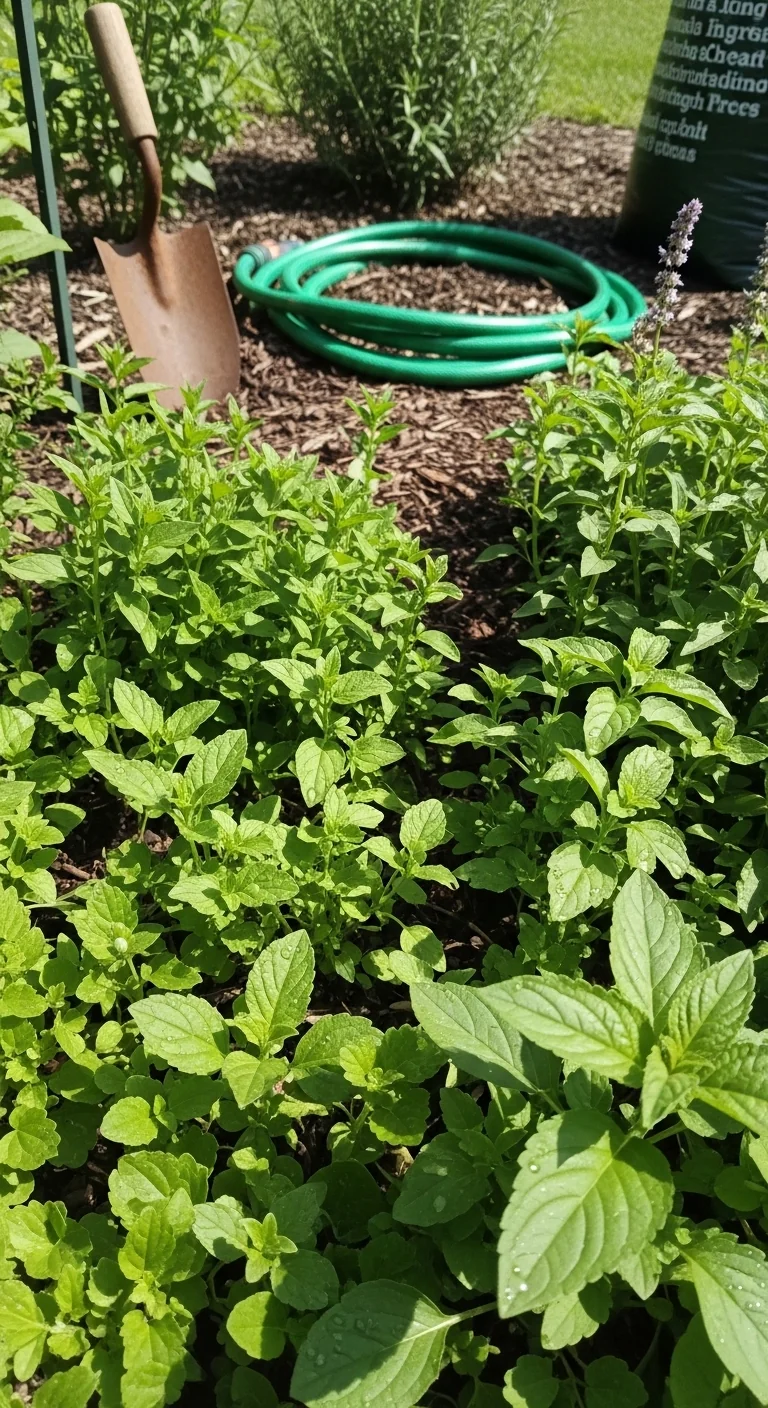
The real difference with herbs for shade comes down to matching the herb’s native light and moisture needs to your spot’s daily hours of indirect sun. Most guides stop at “try mint” and ignore how mismatched light causes leggy stems or weak flavor. This grid fixes that by sorting nine reliable performers into three measurable light categories so you plant once and harvest consistently.
The list covers only culinary herbs that deliver usable leaves or stems in low light. It excludes full-sun Mediterranean types such as rosemary or oregano that stretch and lose aroma below four hours of direct sun. Focus stays on edible results in typical backyard, balcony, or patio shade across USDA zones 4 through 9.
By the end you will know which herb fits your exact conditions, how to site it, and what single adjustment keeps flavor strong. You will also spot the two common setup mistakes that turn shade into failure.
Use the three-branch grid below to select your first two herbs and skip the rest until your light profile changes.
The Yield Grid Decision Grid
Branch 1: Dappled shade. Light filtered through tree leaves or lattice equals three to five hours of indirect sun daily. Soil stays evenly moist but never soggy. Test by checking if a newspaper page in the spot remains readable at noon. Recommended: Mint, Chives, Lemon Balm below. See our herb garden design ideas for layout tips that keep these three contained.
Branch 2: Partial shade. Two to four hours of direct morning sun followed by afternoon shade. Soil pH stays between 6.0 and 7.0 and drains within 30 minutes after watering. Recommended: Parsley, Cilantro, Dill below.
Branch 3: Deep shade. Less than two hours of direct sun with mostly indirect light. Soil holds consistent moisture and stays above 55 °F (13 °C) after the last frost. Recommended: Chervil, French Tarragon, Sorrel below.
Quick Comparison Table
| Option | Key mechanism | Best for | Decision Grid Branch | Effort Score |
|---|---|---|---|---|
| Mint | Rhizomatous spread captures limited light fast | Teas and garnishes | Branch 1 | 2 |
| Parsley | Biennial leaf production holds in cool partial light | Finishing dishes | Branch 2 | 3 |
| Cilantro | Cool-season bolting delay in morning sun only | Salsas and curries | Branch 2 | 4 |
| Chives | Tubular leaves photosynthesize efficiently in filtered light | Eggs and potatoes | Branch 1 | 1 |
| Lemon Balm | Lemon-scented foliage thrives on dappled moisture | Teas and desserts | Branch 1 | 2 |
| Chervil | Fine leaves tolerate near-constant indirect light | French sauces | Branch 3 | 3 |
| French Tarragon | Woody stems store flavor through low-light periods | Vinegar and chicken | Branch 3 | 2 |
| Dill | Upright growth uses short sun windows before seeding | Pickles and fish | Branch 2 | 4 |
| Sorrel | Oxalic acid leaves refresh in steady deep shade | Soups and salads | Branch 3 | 1 |
Mint
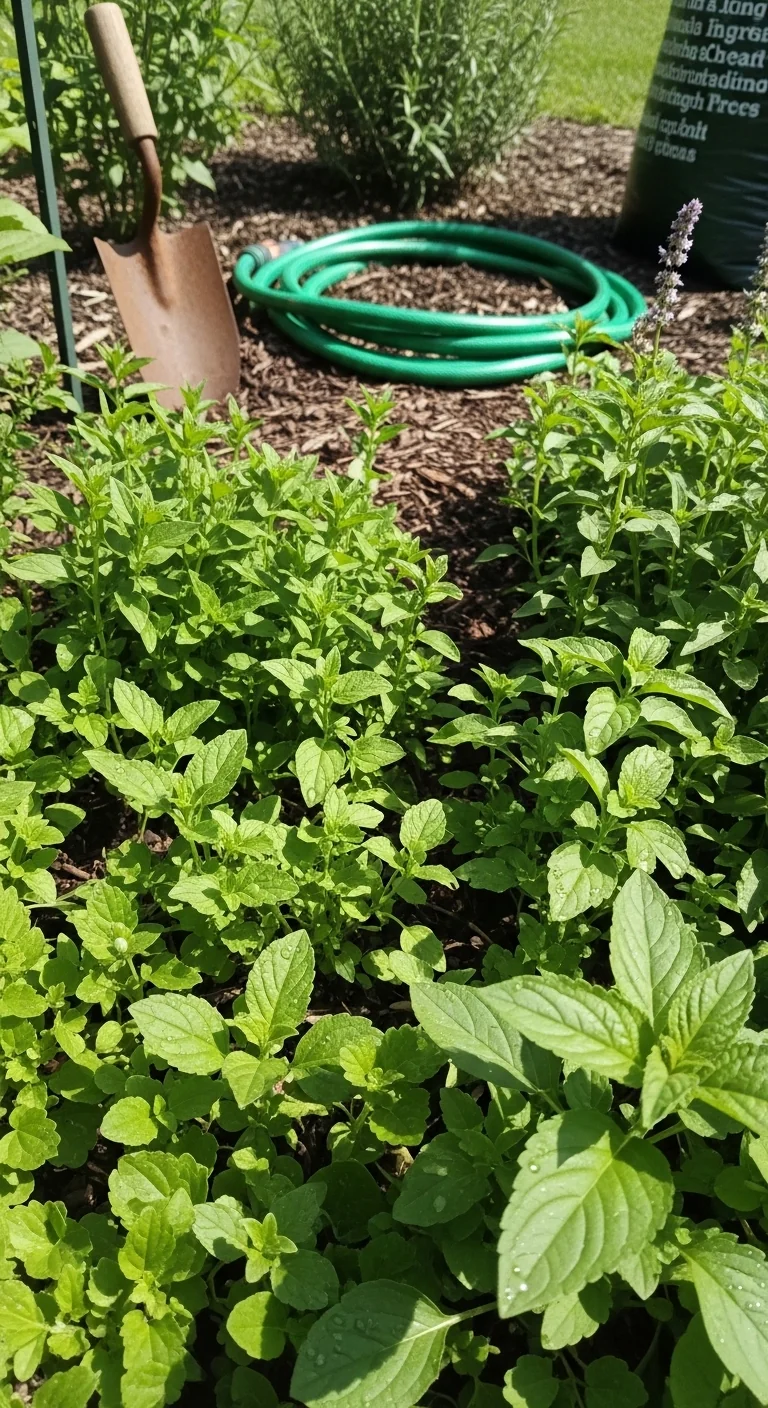
Best for: Branch 1
Blueprint for success. Plant mint in rich, moist soil amended with compost at a 6.0 to 7.0 pH. Space plants 18 inches apart in containers or beds to control spread. Water when the top inch of soil feels dry, usually every three to five days in dappled shade. Harvest sprigs before flowering to keep leaves tender. Common mistake: letting soil dry out completely, which triggers woody stems and reduced aroma. Pair with a self-watering planter for steady moisture. For more on long-term management see our guide to perennial herbs list.
Parsley
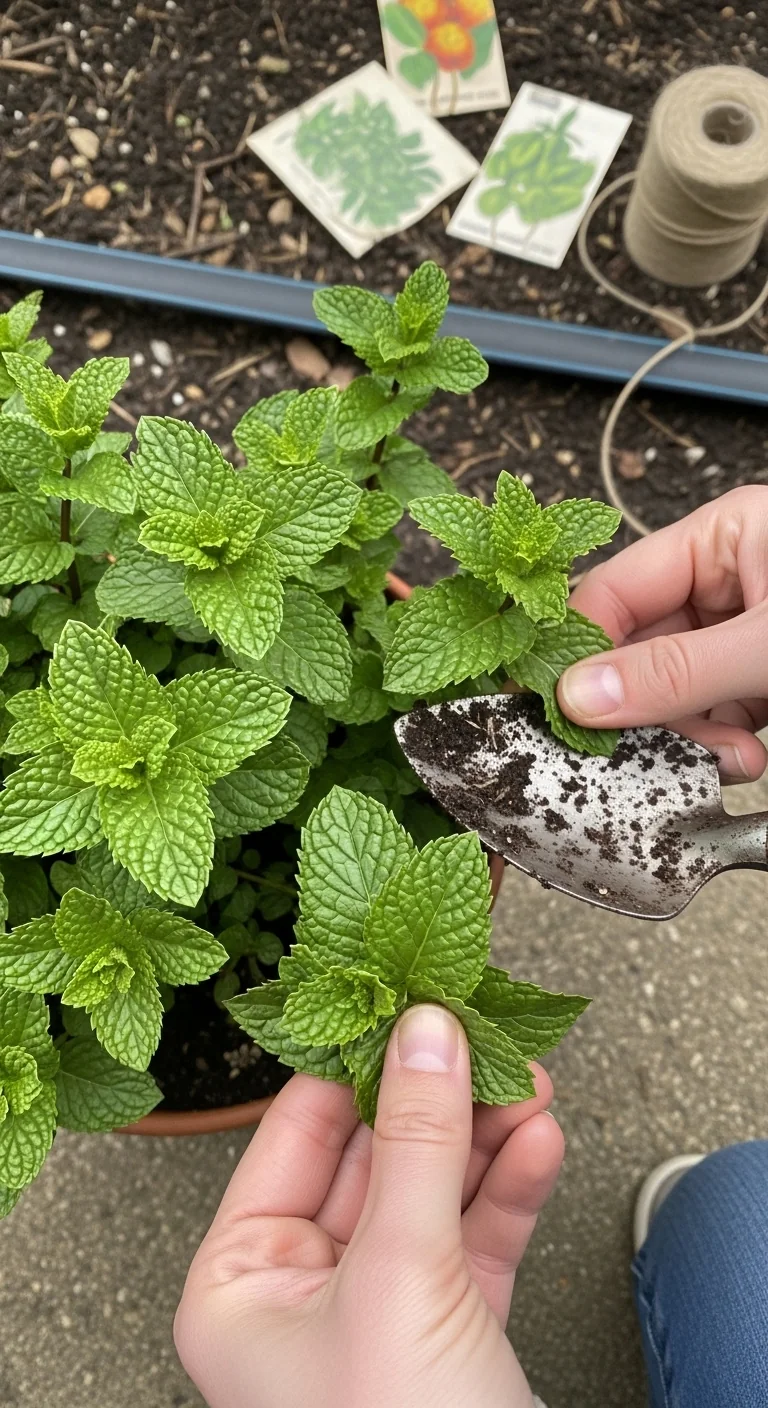
Best for: Branch 2
Use parsley when you need a reliable biennial that holds flavor through cool months. Skip it if your partial shade turns hot and dry above 80 °F (27 °C) in summer.
Cilantro
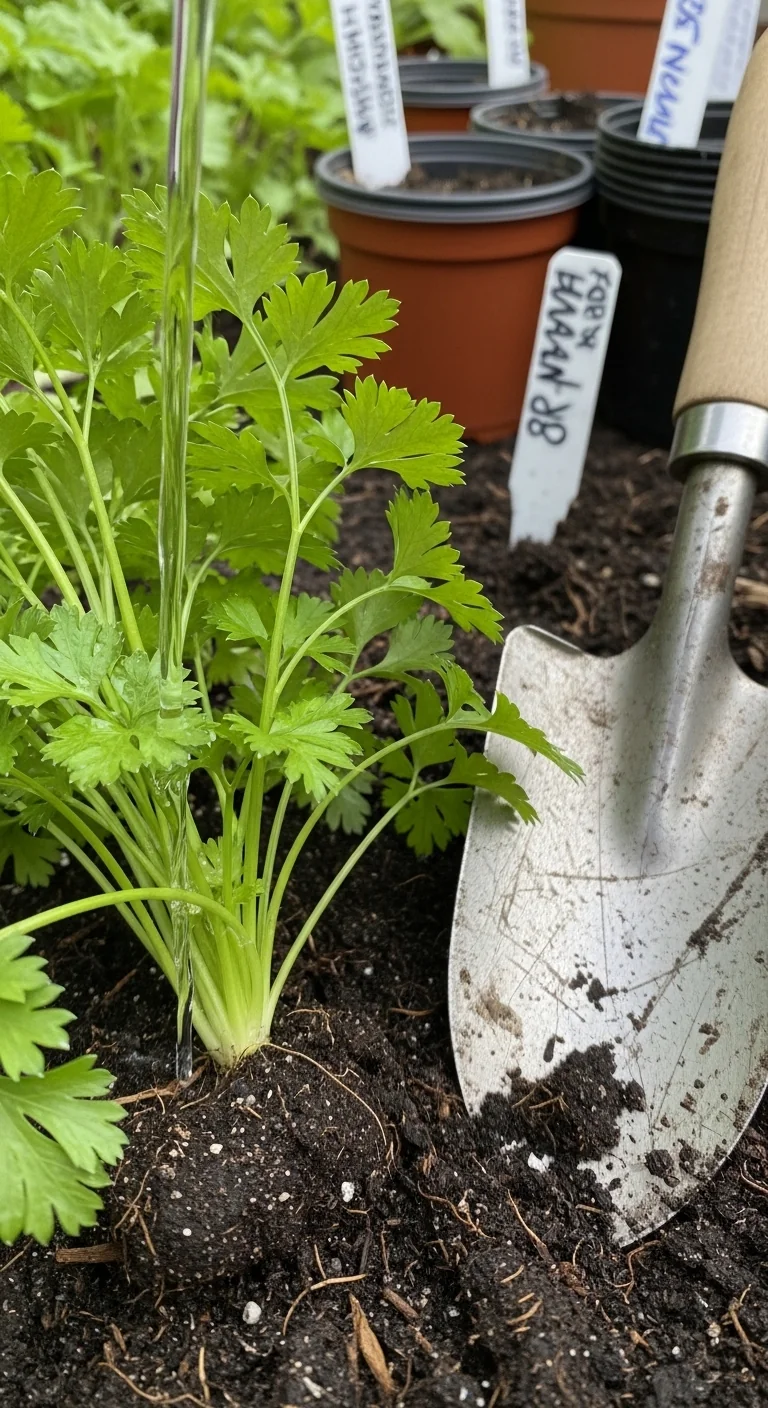
Best for: Branch 2
Cilantro succeeds in partial shade only when daytime temperatures stay below 75 °F (24 °C). Sow every three weeks in spring and fall for continuous supply. Threshold rule: if your spot receives more than four hours of direct afternoon sun, move pots to morning light or expect early bolting. Adjust by shading with taller companions during peak heat.
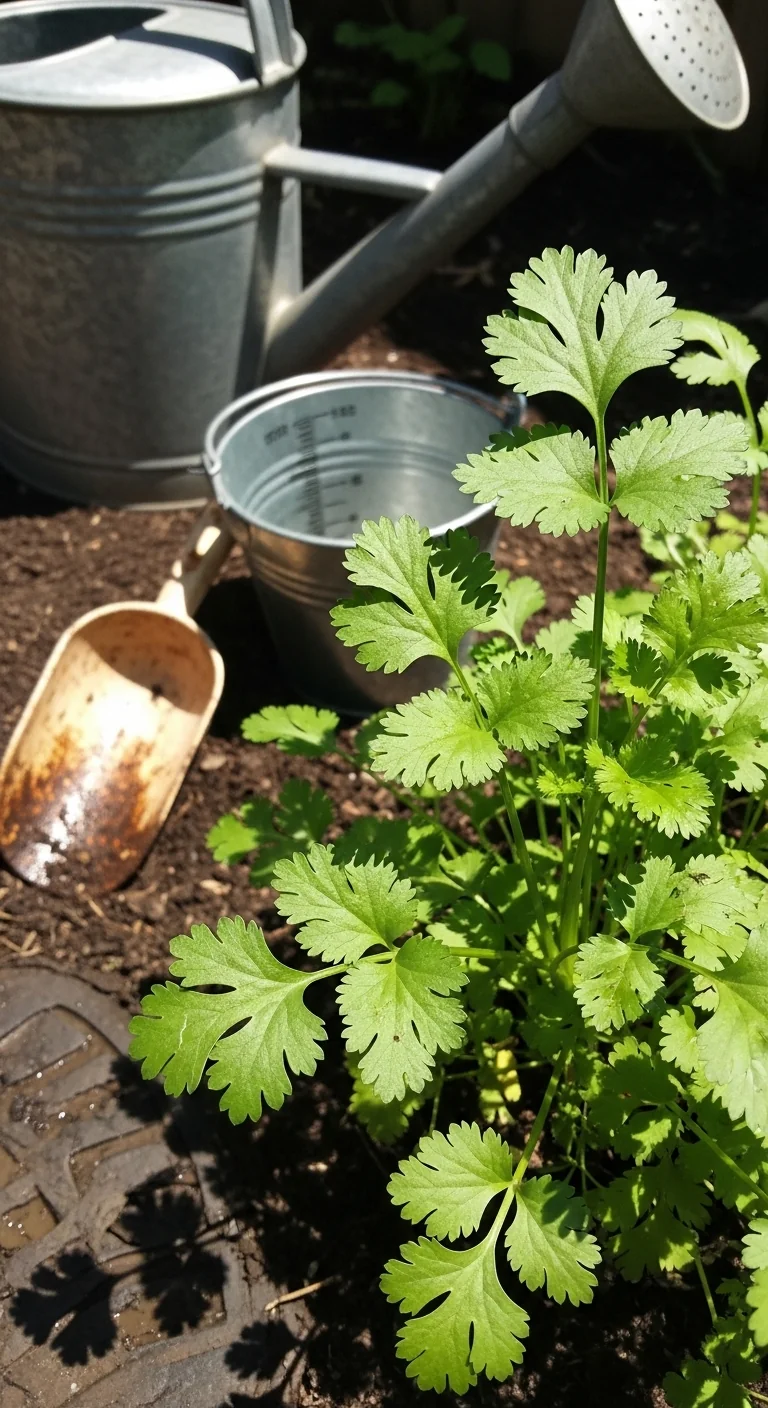
Chives
Best for: Branch 1
Blueprint for success. Set chives in well-drained soil at pH 6.0 to 7.0 and space clumps 12 inches apart. Water weekly to keep soil evenly moist. Cut outer leaves at soil level for harvest; the plant regrows from the center. Mistake to avoid: letting clumps dry out, which reduces the mild onion flavor. For container ideas read our chives in containers guide.
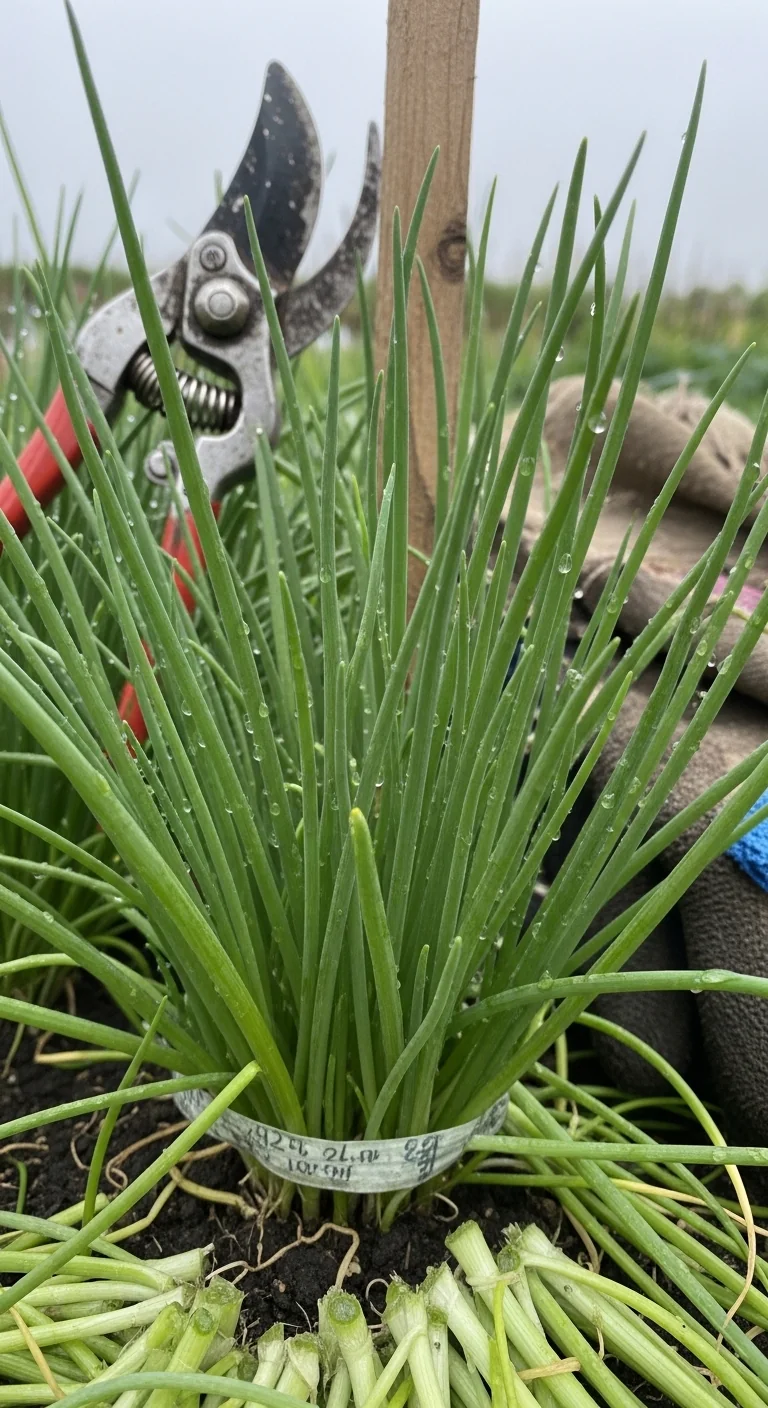
Lemon Balm
Best for: Branch 1
Lemon balm works best in dappled shade where it stays leafy instead of stretching. Skip it if your soil stays dry for more than four days in a row.
Chervil
Best for: Branch 3
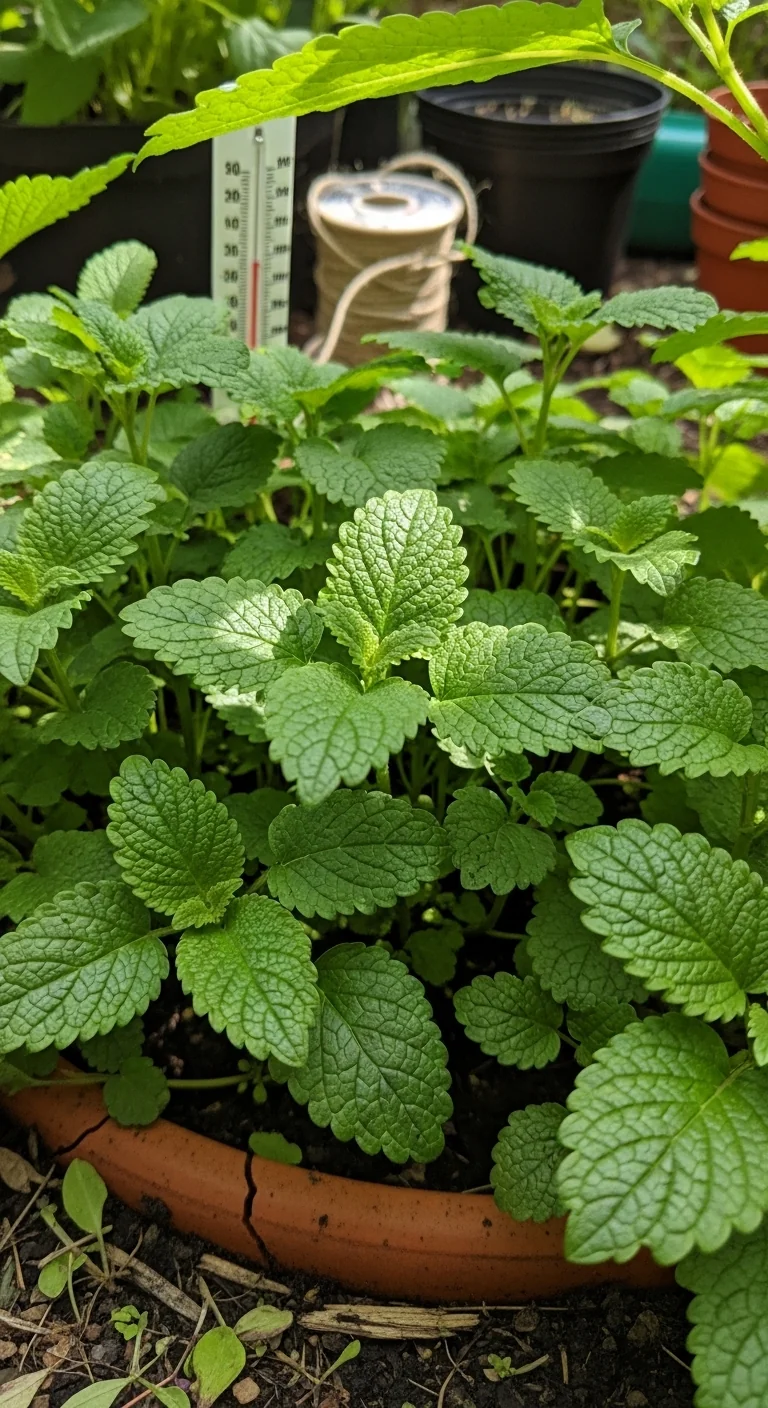
Chervil tolerates deep shade because its fine leaves need only filtered light. Sow directly in cool soil between 50 °F and 65 °F (10 °C to 18 °C). Threshold rule: harvest before the plant reaches 12 inches tall or flavor turns bitter. Keep soil consistently moist and mulch with 1 inch of compost to maintain even temperature.
French Tarragon
Best for: Branch 3
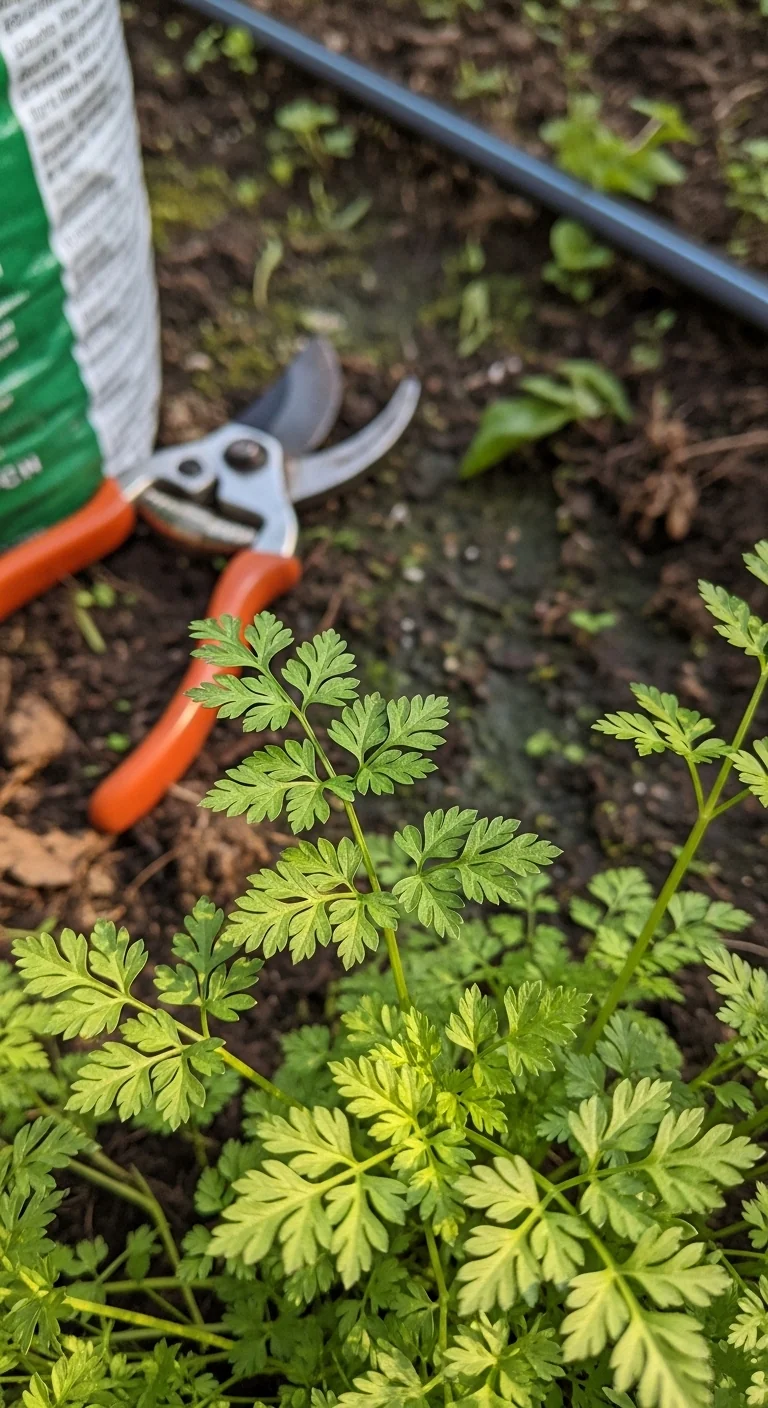
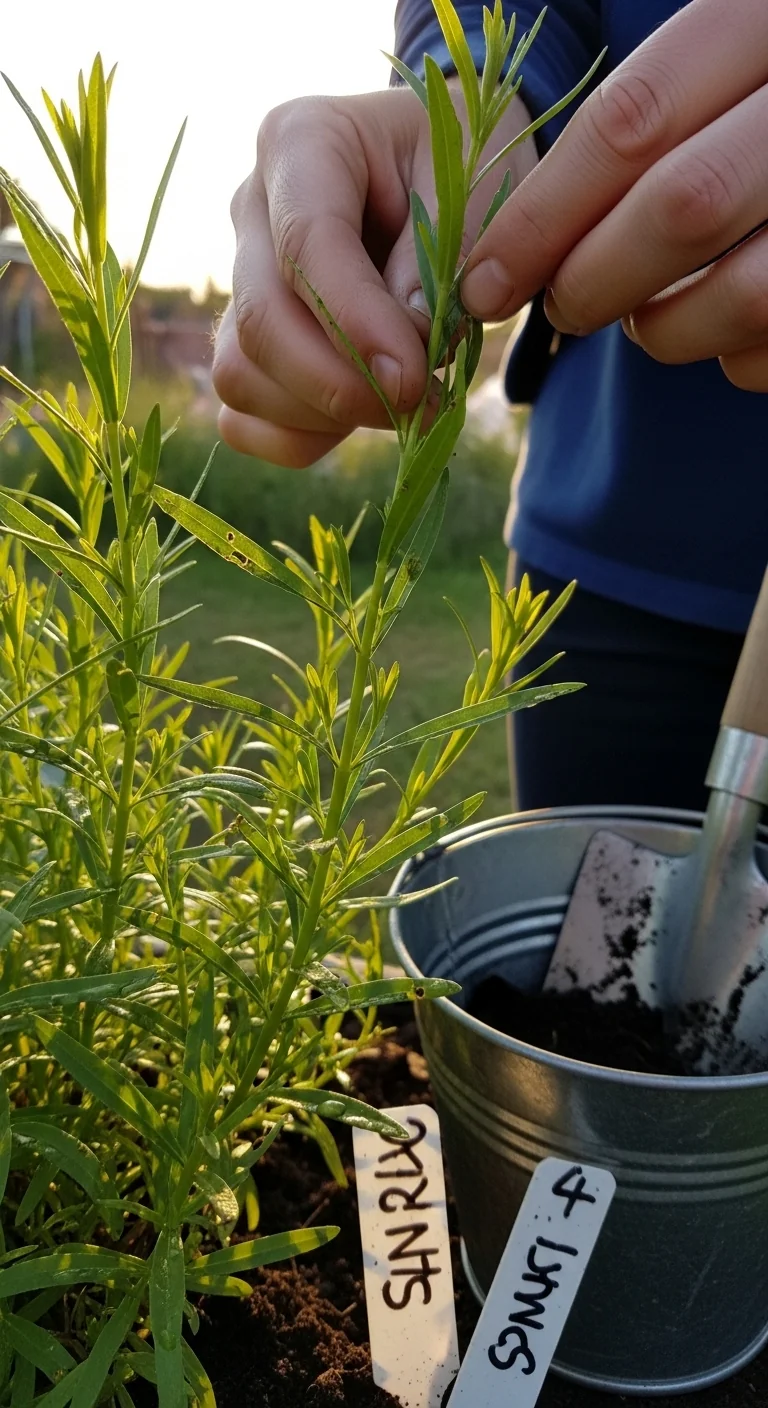
Blueprint for success. Plant French tarragon in spring after soil warms to 55 °F (13 °C). Space 18 inches apart in moist, well-drained soil at pH 6.5 to 7.0. Water when the top 2 inches feel dry. Divide clumps every three years to keep flavor strong. Mistake to avoid: overwatering, which causes root rot in low light. See our soil mix for herbs for the exact blend.
Dill
Best for: Branch 2
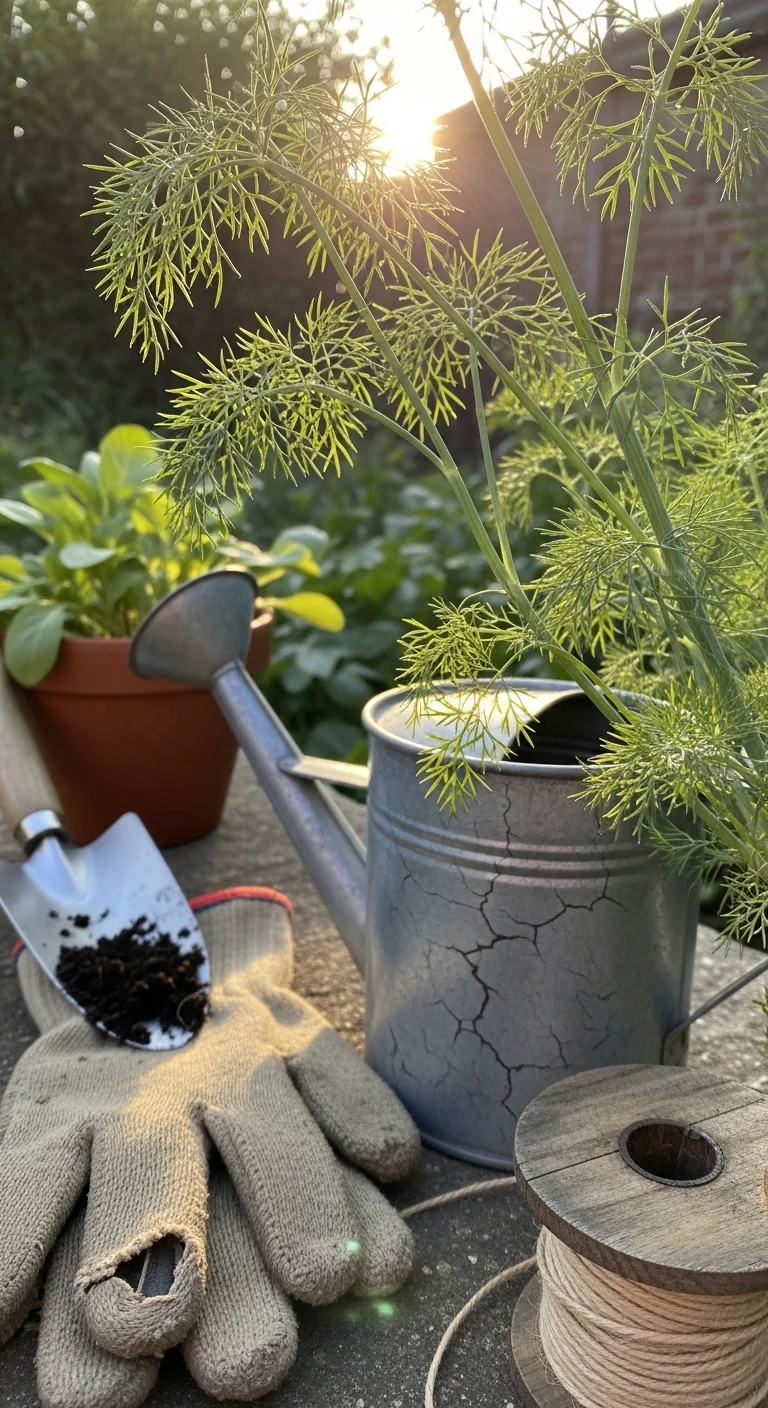
Use dill in partial shade for feathery leaves before it sets seed. Skip it in deep shade where growth slows to unusable levels.
Sorrel
Best for: Branch 3
Sorrel refreshes salads with its tart leaves even in deep shade. Threshold rule: cut outer leaves when they reach 6 inches long and keep soil pH above 5.5 to prevent yellowing. Mulch with 2 inches of organic matter to hold moisture and cool roots.
Starter Stack (What to Choose First)
For Branch 1 (Dappled shade)
Start with Mint and Lemon Balm. Both spread readily in moist filtered light and share the same watering schedule, cutting total care time to under 15 minutes per week. Expect $8 to $12 total for two starter plants and 20 minutes of planting time.
For Branch 2 (Partial shade)
Start with Parsley and Cilantro. Their cool-season timing overlaps so one sowing window covers both, and they tolerate the same morning-sun window. Expect $6 to $10 total for two plants and 15 minutes of planting time.
For Branch 3 (Deep shade)
Start with Chervil and Sorrel. Both stay compact and leaf-heavy without direct sun, and their harvest windows align for steady kitchen supply. Expect $7 to $11 total for two plants and 15 minutes of planting time.
When This Won’t Work
Herbs for shade fail when daily light drops below one hour of indirect sun combined with soil that dries out in under 48 hours. Leaves turn pale and flavor disappears within two weeks. The fix is to move pots to a brighter spot or install a simple reflective surface.
They also fail when soil pH falls below 5.5 and stays wet for more than four days after rain. Roots rot and growth stops. Switch to raised beds filled with the proper mix and test drainage before planting. If your shade is too deep year-round, see our grow lights for herbs guide for supplemental options.
Choosing the Right Option for Your Situation
Budget threshold
If your starter budget is under $15, choose Chives or Sorrel first. Both return every year and need only basic potting mix.
Time threshold
If you can spend only 10 minutes per week on care, pick Mint or Chives. They tolerate minor moisture swings better than annuals.
Soil drainage constraint
If your native soil stays wet longer than 24 hours after rain, grow everything in containers with drainage holes and the right soil blend.
Quick yes/no checklist
Does your spot get at least two hours of indirect light daily? Yes → proceed.
Can you keep soil evenly moist without sogginess? Yes → proceed.
Is soil pH between 6.0 and 7.0 or adjustable? Yes → proceed.
No to any? Use containers or grow lights instead.
Expert Q&A
How do shade herbs compare to full-sun herbs for flavor intensity?
Shade herbs often develop milder, more nuanced flavors because slower growth allows more essential-oil buildup in leaves. Full-sun herbs concentrate oils faster but can turn bitter if light exceeds their tolerance window.
Will these herbs still attract pollinators in low light?
Yes, flowering types such as chives and lemon balm produce nectar even in dappled shade, though bloom volume drops by half compared with full sun. Plant in groups of three to increase visibility for bees.
Can I combine shade herbs with vegetables in the same bed?
Yes, pair mint or sorrel with leafy greens that share the same moisture needs. Keep aggressive spreaders like mint in buried pots to protect neighboring roots.
What happens if I start these herbs from seed instead of transplants?
Seed works well for cilantro, dill, and chervil in cool soil, but mint, chives, and tarragon establish faster from divisions or small plants. Expect 10 to 14 extra days to first harvest with seeds.
Do any of these herbs tolerate winter shade in colder zones?
Mint, chives, lemon balm, and sorrel survive winter under mulch in zones 4 and warmer. Harvest stops below 40 °F (4 °C) but roots remain viable for spring regrowth.
Conclusion
The decision grid removes guesswork by tying each herb to its exact light and moisture window. The single biggest mistake is planting without measuring daily light hours first. Pick your branch, start with the two-herb stack that fits, and adjust one condition at a time.
Next step: map your shade pockets with the simple newspaper test, then head to our balcony herb garden guide for container layouts that work in tight spaces.