
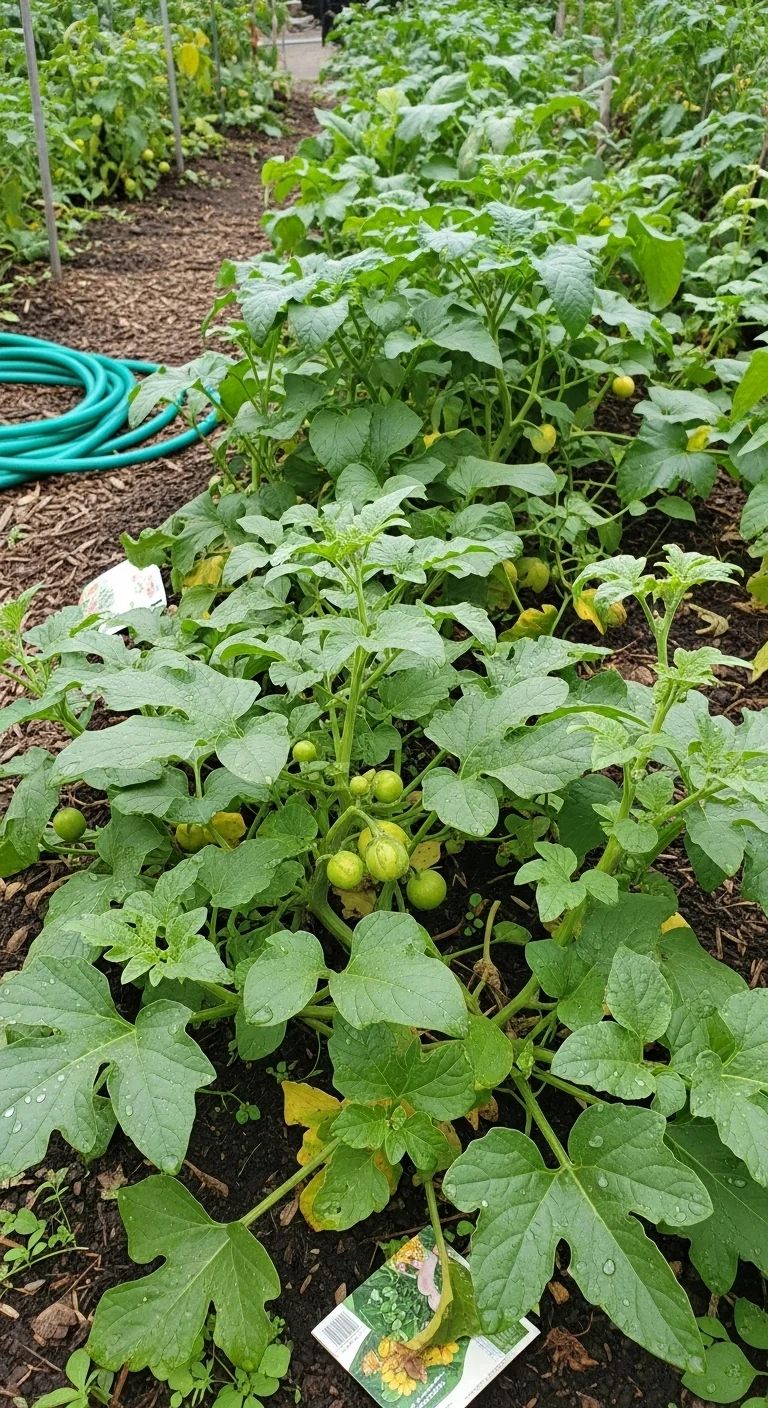
Full sun is not a uniform condition. Vegetables that excel in six or more hours of direct light do so because of built-in responses to high light intensity, elevated soil temperatures, and rapid evaporation rates. Most lists stop at hours of sun and miss these mechanisms, leaving gardeners with scorched foliage or poor fruit set when site specifics do not align.
This guide covers nine fruiting and pod vegetables optimized for full sun exposure. It excludes cool-season crops such as lettuce or spinach that bolt or turn bitter under prolonged direct light. Focus stays on types where full sun directly increases sugar accumulation, fruit size, and natural disease resistance.
You will gain clear decision rules tied to measurable conditions: peak daytime temperature, midday soil moisture retention, and available planting footprint. These rules let you select the right vegetable for your exact plot instead of guessing from generic recommendations.
Align the vegetable’s documented response to full sun with your site’s temperature, moisture, and space data to eliminate common full-sun failures.
The Yield Grid Decision Grid
Branch 1: High-heat full sun. Daytime temperatures exceed 85°F (29°C) on 20 or more days during the growing season. These conditions speed evaporation and challenge pollination in sensitive types.
Recommended: Items 2, 3, and 7 below.
Branch 2: Moderate full sun with steady moisture. Midday soil moisture stays above 50 percent field capacity without daily watering and peak temperatures remain below 90°F (32°C) most days.
Recommended: Items 1, 4, and 8 below. For full-sun bed preparation suited to these branches, see our guide to raised bed vegetable garden layouts.
Branch 3: Space-constrained full sun. Planting area measures under 32 square feet or uses containers on patios and balconies.
Recommended: Items 5 and 6 below.
Quick Comparison Table
| Option | Key mechanism | Best for | Decision Grid Branch | Effort Score |
|---|---|---|---|---|
| Tomatoes | Full sun drives higher photosynthesis rates that increase fruit sugar content when light exceeds six hours daily | Trellised setups in beds with consistent moisture | Branch 2 | 4 |
| Peppers | Intense direct light thickens fruit walls and deepens color when soil temperature reaches 70°F (21°C) at planting | Compact bush types in containers or small beds | Branch 1 | 2 |
| Eggplant | Full sun accelerates flower-to-fruit transition in temperatures above 80°F (27°C) | Heat-prone sites with good drainage | Branch 1 | 3 |
| Zucchini | High light intensity supports rapid leaf expansion that shades soil and reduces evaporation around the base | Moderate moisture beds with room for spreading | Branch 2 | 3 |
| Cucumbers | Direct sun boosts pollination efficiency when vines receive unobstructed light for six-plus hours | Trellised vertical growth in limited footprints | Branch 3 | 4 |
| Green Beans | Full sun promotes pod set through elevated temperatures that speed nitrogen fixation in the root zone | Vertical trellis systems in small spaces | Branch 3 | 2 |
| Okra | Full sun and high temperatures above 85°F (29°C) trigger continuous pod production without bolting | Heat-heavy sites with minimal supplemental water | Branch 1 | 2 |
| Sweet Corn | Direct overhead sun ensures even kernel fill by maintaining consistent daytime heat for pollen viability | Block plantings in moderate moisture conditions | Branch 2 | 3 |
| Pumpkins | Extended full sun exposure enlarges fruit size through maximized carbohydrate storage in vines | Spacious beds with steady moisture during fruit swell | Branch 2 | 4 |
Tomatoes
Best for: Branch 2
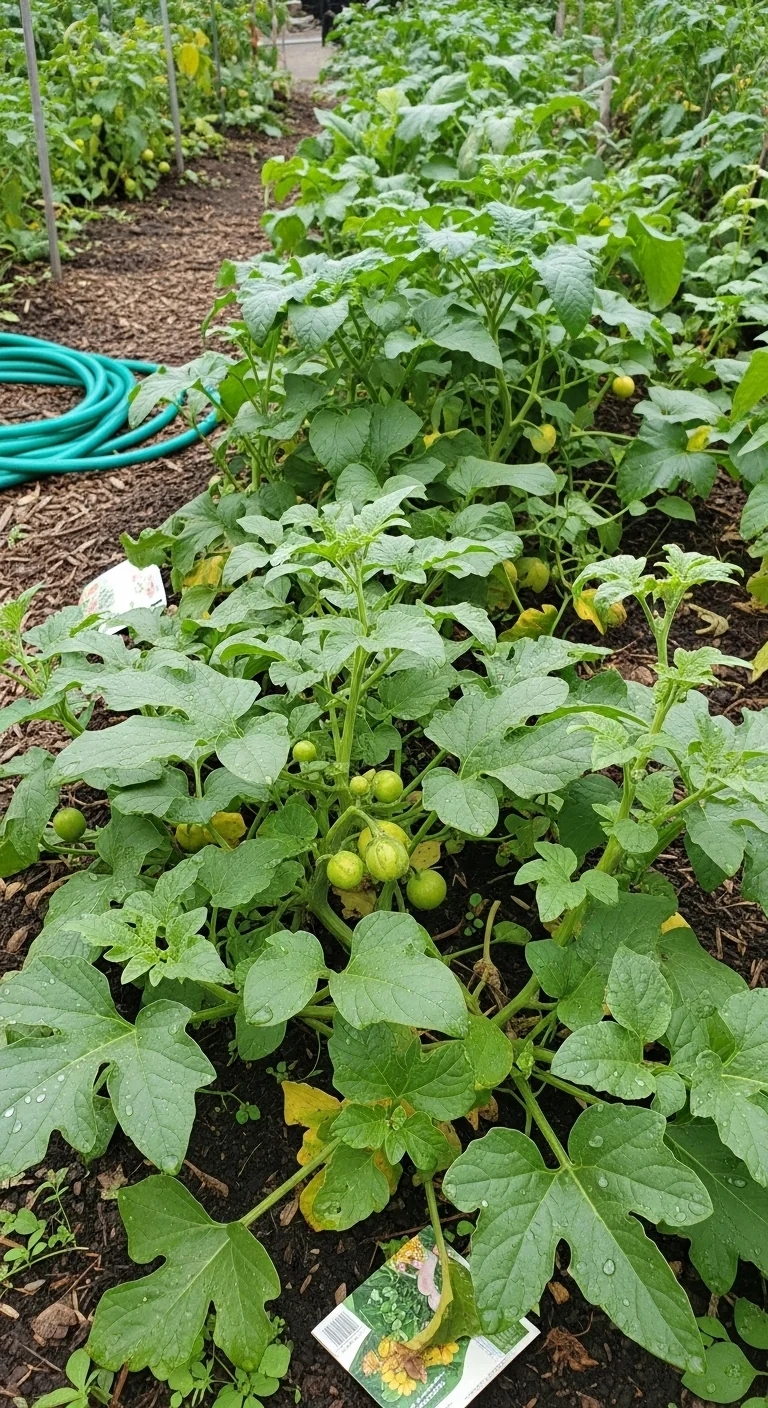
Tomatoes respond to full sun by ramping up photosynthesis that converts light into sugars stored in the fruit. Plant after the last frost when soil temperature holds at 60°F (16°C) or higher at 4-inch depth. Space plants 24 to 36 inches apart in rows 4 feet wide to allow air circulation that reduces fungal pressure in humid conditions. Drive stakes or install cages at planting to support indeterminate growth. Water at the base to keep foliage dry. The most common mistake is planting too early when soil stays below 55°F (13°C), which delays root establishment and lowers overall fruit set even under perfect light. For variety selection matched to your conditions, see best tomato varieties.
Peppers
Best for: Branch 1
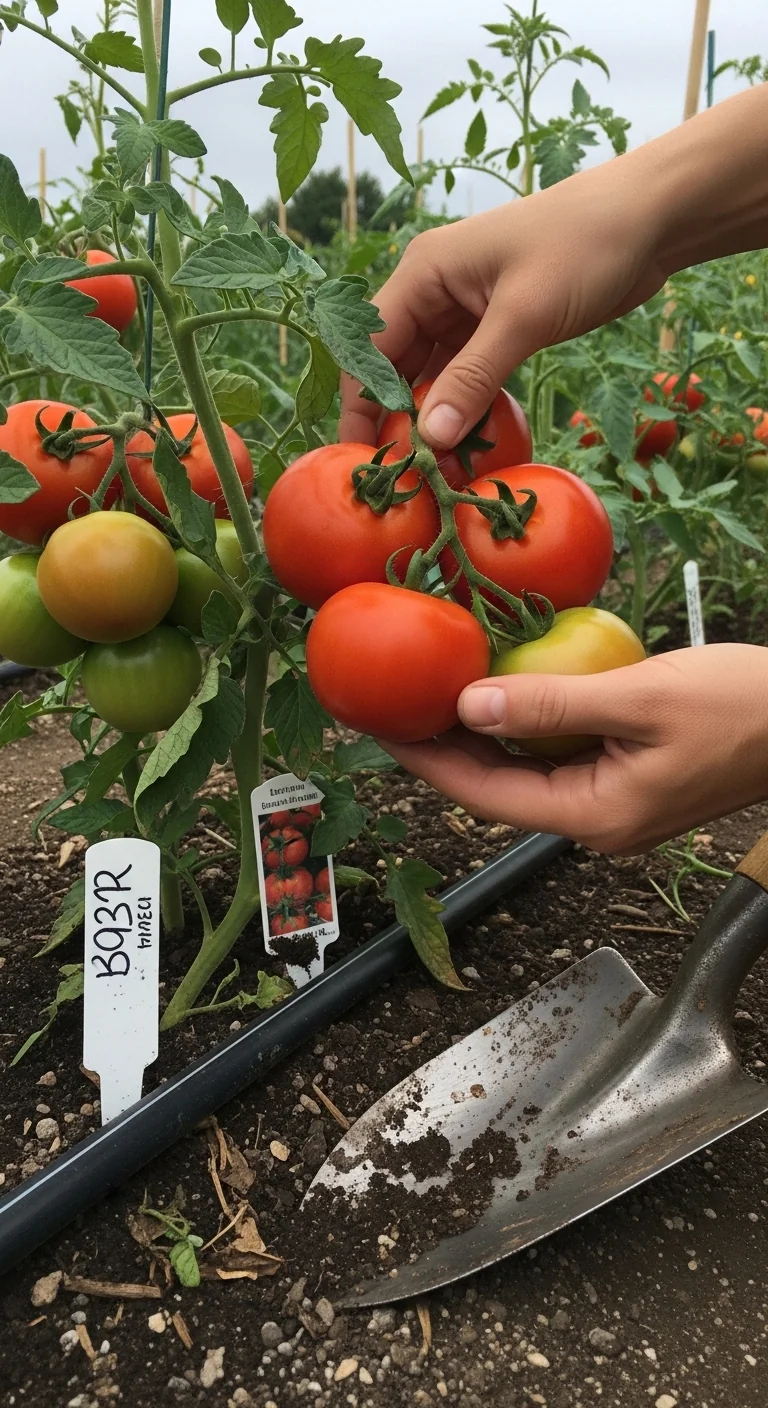
Use peppers when your site hits high daytime heat above 85°F (29°C). Skip them if soil moisture drops below 40 percent field capacity without irrigation because fruit may develop blossom end rot. Their compact habit makes them ideal where space is tight yet sun is intense.
Eggplant
Best for: Branch 1
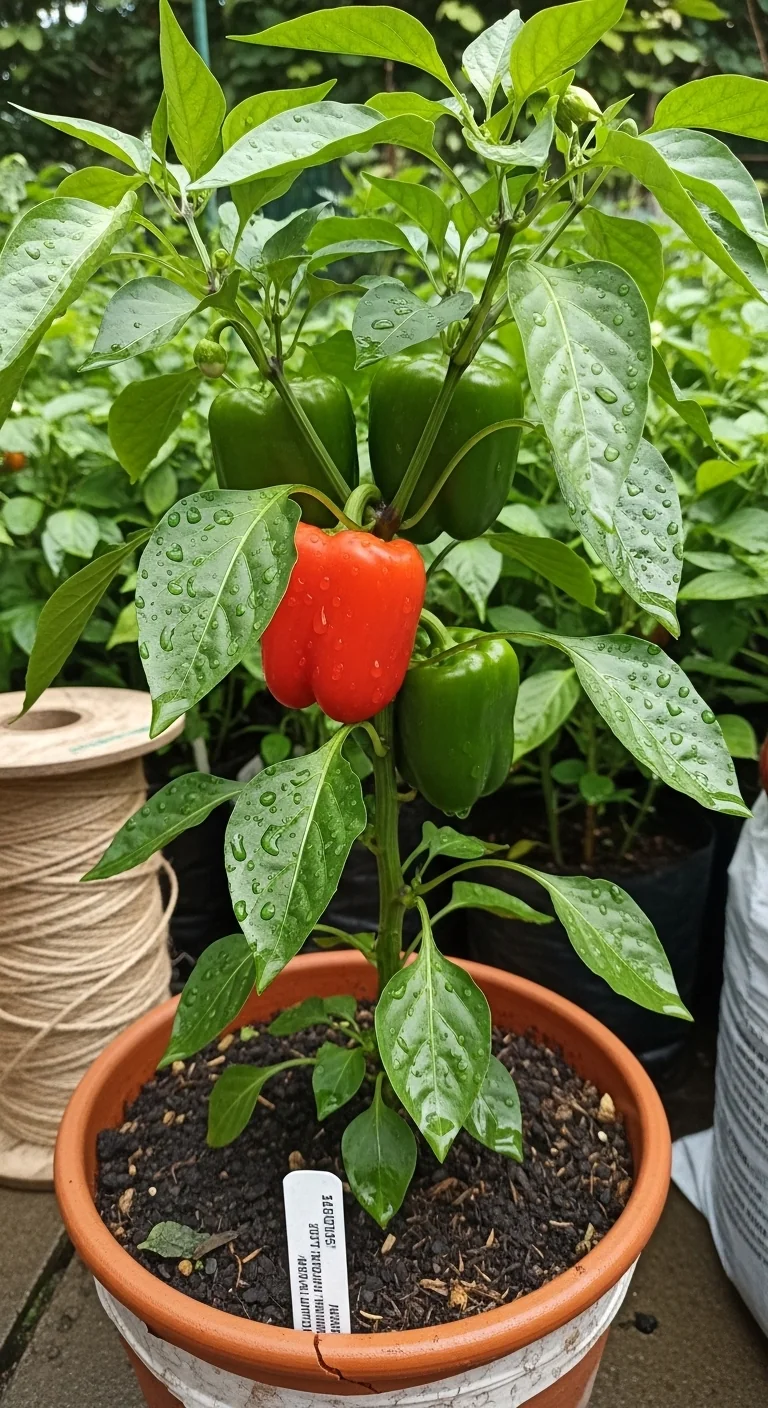
Eggplant follows a clear temperature threshold rule: transplant only after soil reaches 70°F (21°C) at 4-inch depth and daytime highs consistently exceed 80°F (27°C). Below these levels fruit set slows dramatically regardless of light hours. Space plants 24 inches apart with 3-foot row spacing to maintain airflow that prevents verticillium wilt. Apply organic fertilizer at transplant and again at first flower using the rate listed on the product label. In high-heat sites this schedule supports continuous fruiting without additional side dressings. The edge case occurs when nights drop below 60°F (16°C) for more than three consecutive days, which halts flower production even under full sun.
Zucchini
Best for: Branch 2
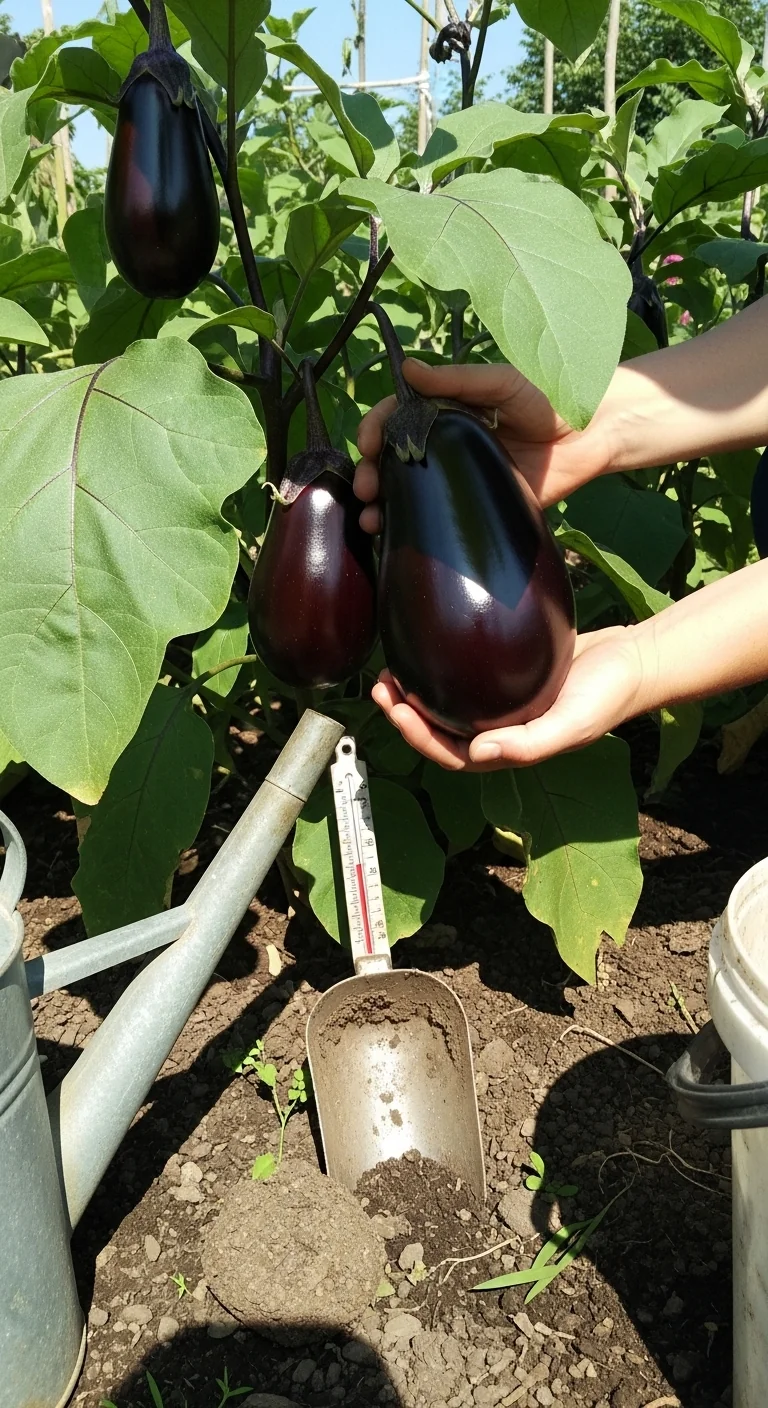
Zucchini uses a 10-minute weekly workflow that keeps full-sun production steady. Step 1: check soil moisture at 6-inch depth with a finger probe. Step 2: harvest fruits at 6 to 8 inches long to prevent plant energy drain. Step 3: remove any yellowed lower leaves to improve air flow. Step 4: apply a 2-inch layer of organic mulch if soil surface temperature exceeds 90°F (32°C). Upgrade option: install a simple drip line at planting to automate moisture delivery and cut manual watering time in half. This routine prevents the common vine collapse that occurs when large leaves shade the crown in dense plantings. For complete growing details matched to full sun, see zucchini and squash.
Cucumbers
Best for: Branch 3
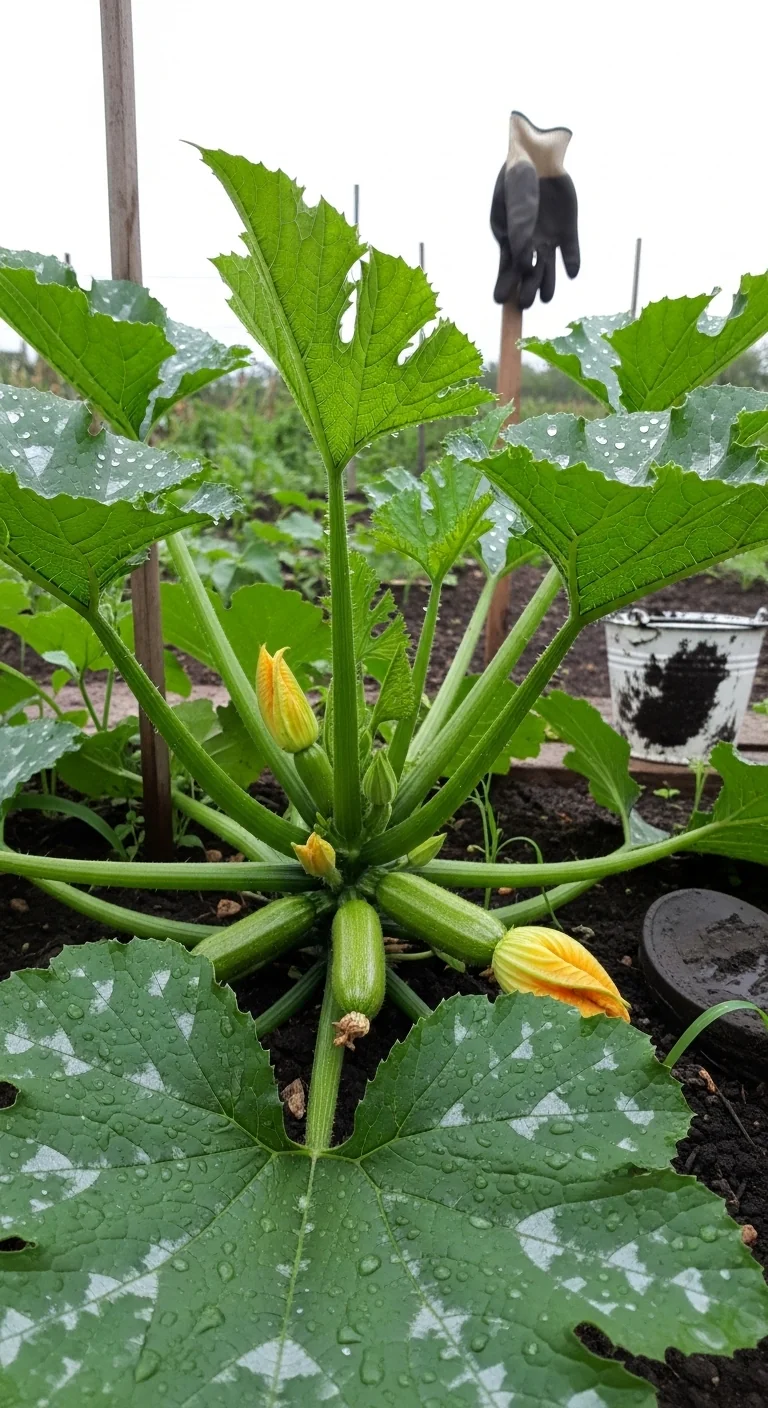
Use cucumbers on trellises when your footprint is under 32 square feet. Skip ground planting in the same space because vines will sprawl and reduce light penetration to developing fruit. Their vertical habit turns limited full sun into high productivity.
Green Beans
Best for: Branch 3
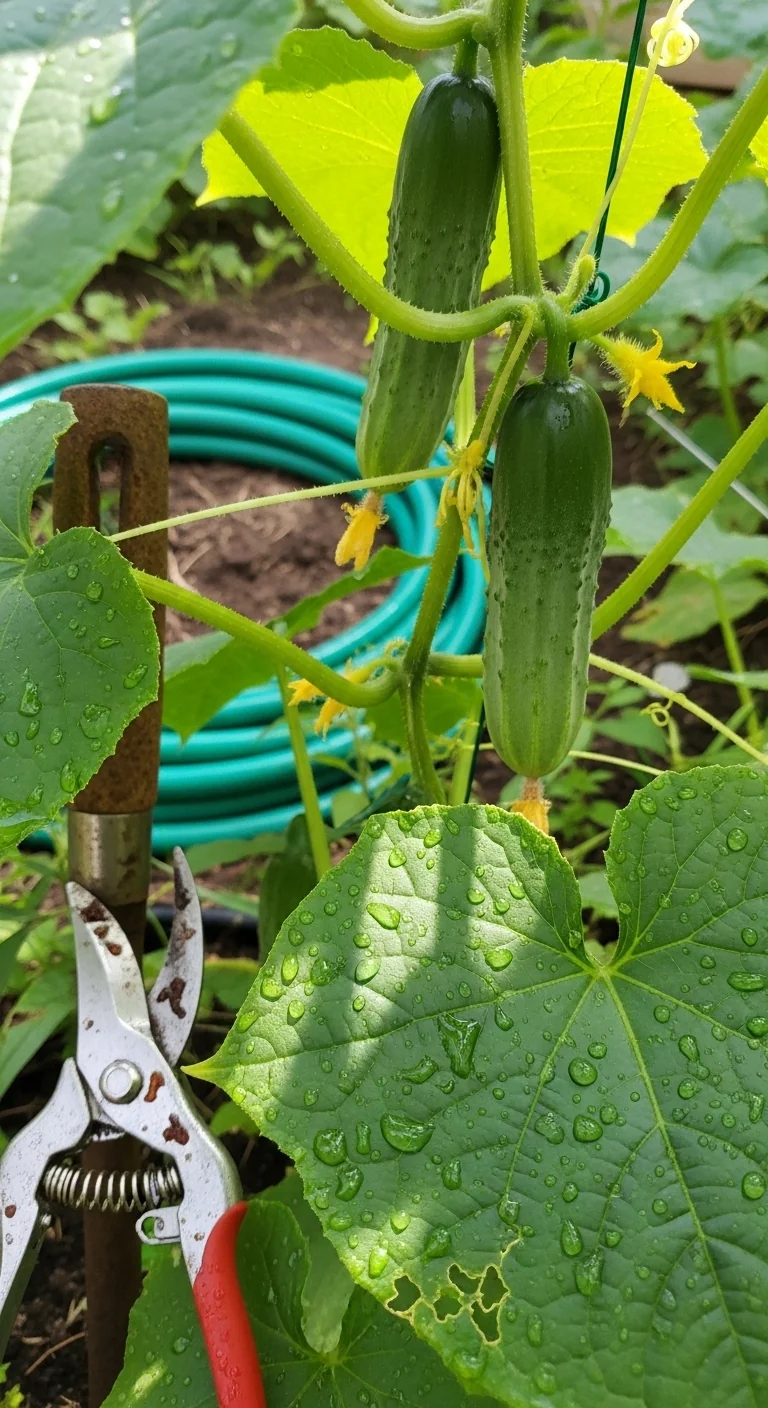
Green beans follow a threshold rule tied to soil temperature and moisture. Direct seed when soil reaches 65°F (18°C) and maintain consistent moisture above 50 percent field capacity during flowering. Pole varieties trained on a trellis use vertical space efficiently in small full-sun areas while bush types stay compact at 18-inch spacing. The mechanism is simple: full sun accelerates nitrogen fixation in the roots, producing pods faster when light hits the entire plant profile. Edge case: if wind exceeds 15 mph regularly, add a temporary windbreak on the north side to protect flowers without blocking sun. Harvest every two to three days once pods reach pencil thickness to keep production rolling through the season. For vertical training techniques, see beans on trellis.
Okra
Best for: Branch 1
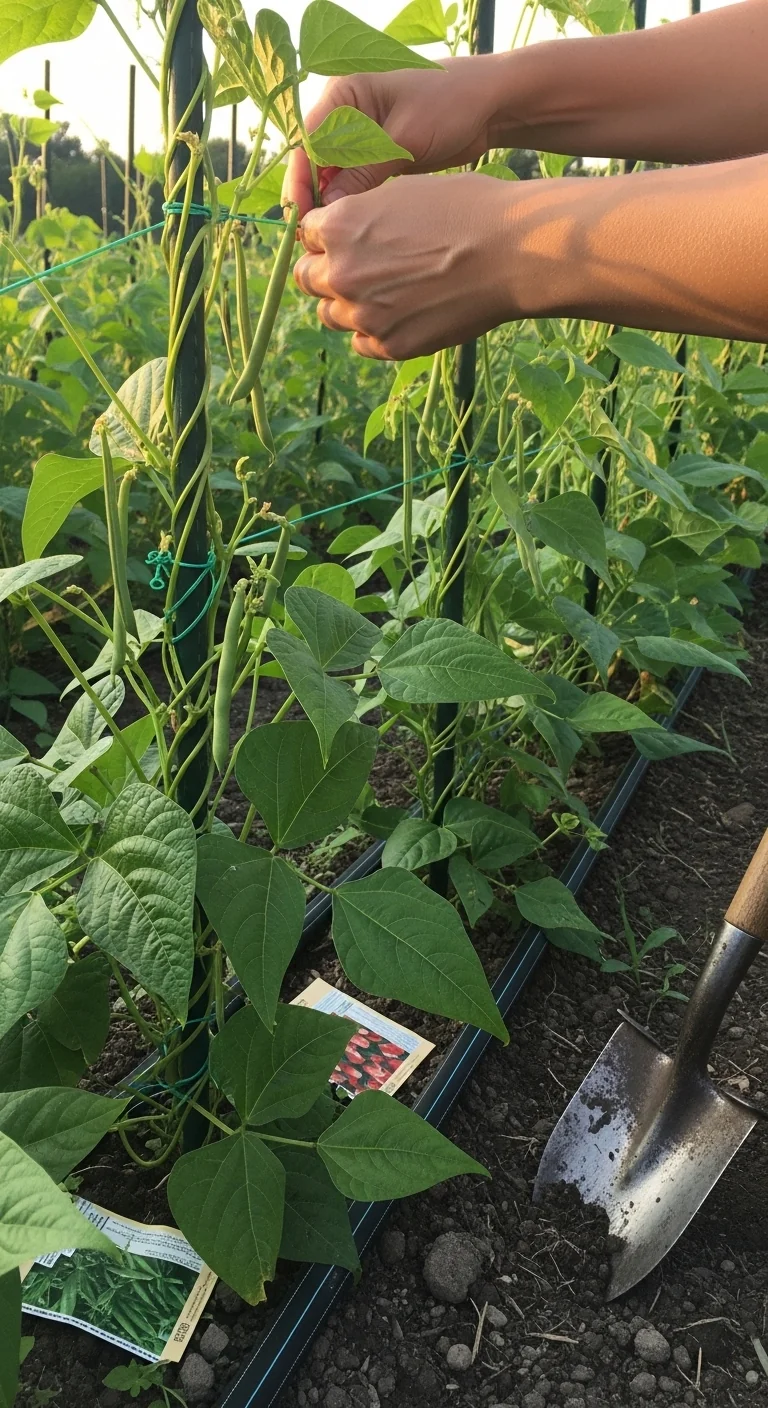
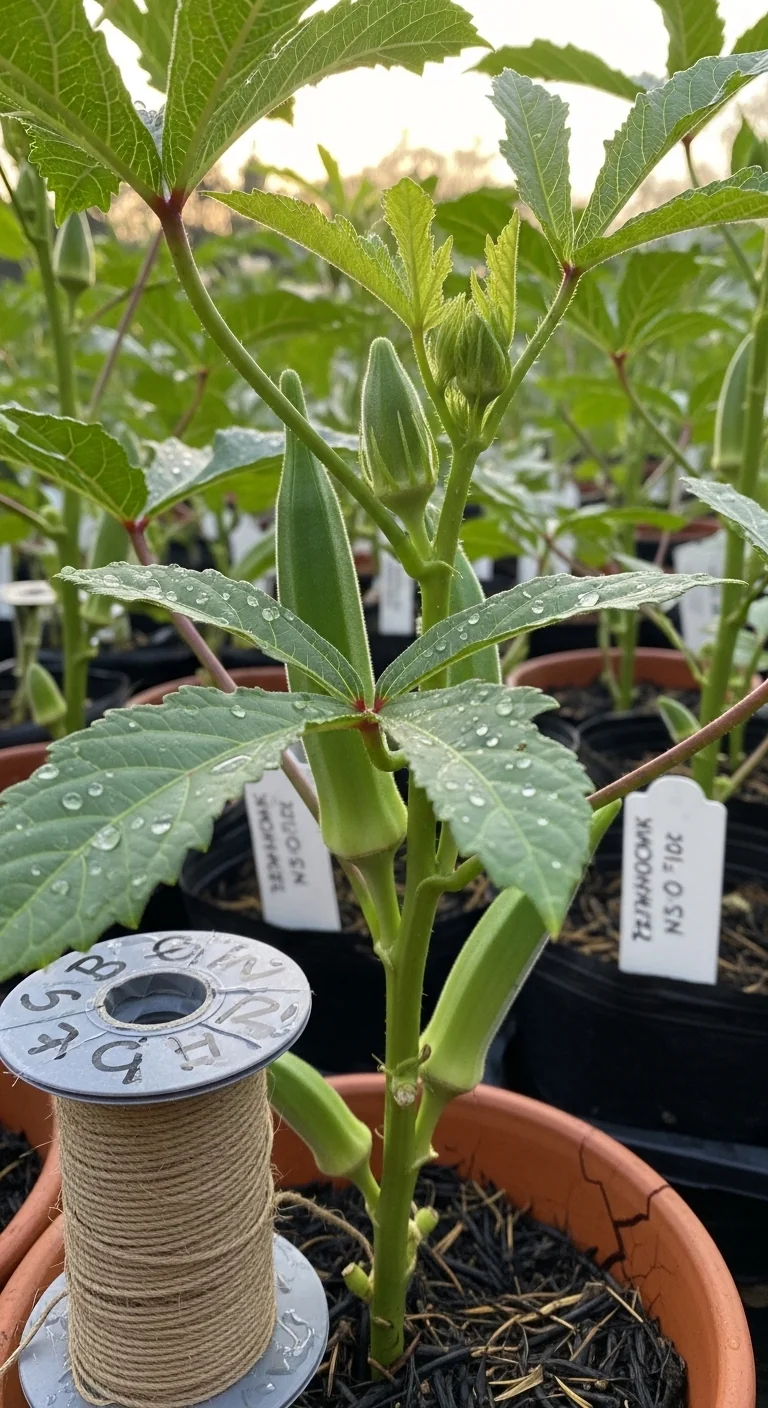
Okra thrives when daytime temperatures stay above 85°F (29°C) for weeks at a time. Plant after soil warms to 65°F (18°C) and space 12 to 18 inches apart in rows 3 feet wide. Its tall stature allows lower leaves to capture morning sun while upper pods develop in peak afternoon light. The unique detail is its drought tolerance once established: roots reach 3 feet deep within six weeks, pulling moisture that other full-sun vegetables cannot access. Avoid overwatering after the third week because excess moisture around the base encourages root rot in heat. Harvest pods at 3 to 4 inches long every other day to prevent woody texture.
Sweet Corn
Best for: Branch 2
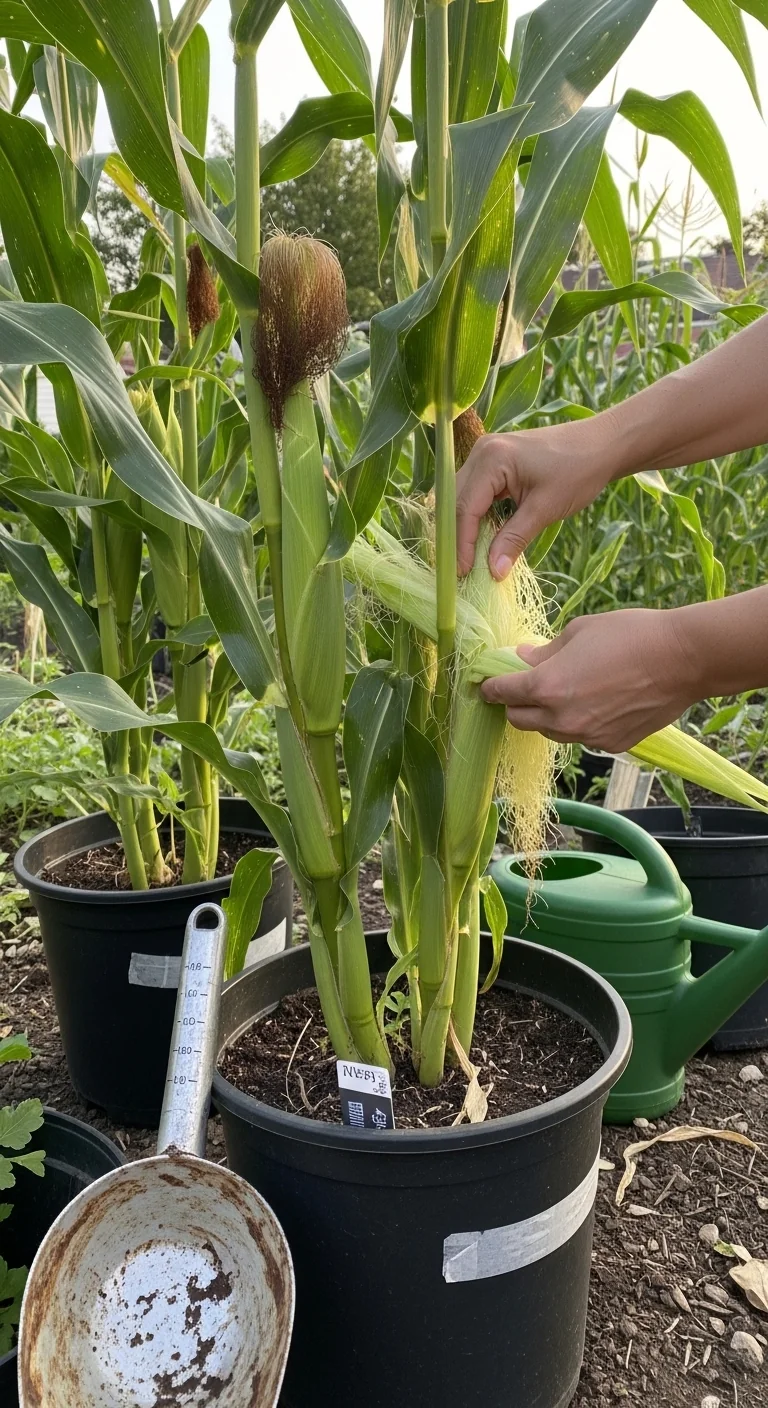
Sweet corn requires block planting of at least four rows for proper wind pollination under full sun. Space plants 8 to 12 inches apart within rows set 30 inches apart. The key mechanism is consistent daytime heat above 75°F (24°C) that keeps pollen viable for 18 to 24 hours. Plant in succession every 10 to 14 days for staggered harvest. The edge case appears in sites with strong prevailing winds: orient rows perpendicular to the wind direction to reduce lodging without sacrificing light.
Pumpkins
Best for: Branch 2
Pumpkins convert extended full sun into stored carbohydrates that enlarge fruit when moisture remains steady. Direct seed or transplant after soil temperature holds at 70°F (21°C). Allow 4 to 6 feet between plants and 8 feet between rows to accommodate vines. The 10-minute workflow involves checking soil moisture weekly at 8-inch depth and pruning secondary runners after three fruits set per plant. This concentrates energy into fewer but larger fruits. In moderate moisture conditions the broad leaves act as living mulch, shading soil and lowering evaporation rates around the root zone. Avoid planting near other heavy feeders because competition for nutrients appears quickly under full sun.
Starter Stack (What to Choose First)
For Branch 1 (High-heat full sun)
Start with eggplant and okra. Both tolerate temperatures above 85°F (29°C) and share similar nutrient uptake patterns, allowing a single application of organic fertilizer at planting. Estimated cost per 10 square feet: 15 to 25 dollars. Weekly monitoring time: 10 to 15 minutes.
For Branch 2 (Moderate full sun with steady moisture)
Start with tomatoes and zucchini. Zucchini’s large leaves provide ground cover that retains soil moisture for tomatoes while both benefit from the same trellis height. Estimated cost per 10 square feet: 20 to 35 dollars. Weekly monitoring time: 15 to 20 minutes.
For Branch 3 (Space-constrained full sun)
Start with peppers and cucumbers. Both train vertically on the same trellis structure, doubling usable light exposure in small footprints. Estimated cost per 10 square feet: 12 to 22 dollars. Weekly monitoring time: 8 to 12 minutes.
When This Won’t Work
Full sun vegetables fail when your site receives fewer than six hours of direct light daily because fruit set and sugar accumulation drop sharply. Measure light with a simple sun calculator app at the summer solstice; anything below the threshold means these crops will produce small or misshapen fruit even with perfect soil.
They also underperform when supplemental water is unavailable and rainfall stays below 1 inch per week during fruit development. Rapid evaporation in full sun quickly depletes soil moisture below 40 percent field capacity, triggering blossom end rot or vine collapse. Test moisture at 6-inch depth daily during heat waves.
In either case, switch to options designed for lower light or reduced water. See drought-tolerant vegetables for alternatives that maintain production under stress.
Choosing the Right Option for Your Situation
Budget threshold
If your total starter cost stays under 20 dollars per 10 square feet (seeds, basic trellis, and initial mulch), choose peppers, green beans, or okra. These require no additional structures beyond a single stake or string trellis and use the same fertilizer rate across the season.
Time threshold
If you can commit only 10 to 15 minutes per week for monitoring and harvest, select peppers, okra, or green beans. Their compact or upright habits reduce the need for frequent pruning or runner management compared with sprawling types.
Technical constraint: soil drainage rate
If water drains slower than 1 inch per hour, avoid zucchini, cucumbers, and pumpkins because full sun increases evaporation demand and waterlogged roots lead to rot. Amend with compost to reach the 1-inch-per-hour rate before planting.
Yes/No checklist:
Does your site get 6+ hours direct sun? Yes → proceed.
Does peak daytime temperature stay under 90°F most days? Yes → any branch works.
Can you maintain soil moisture above 50 percent without daily watering? Yes → Branch 2 or 3.
Is planting area under 32 square feet? Yes → choose Branch 3.
Expert Q&A
How do you adjust spacing in full sun to prevent disease without reducing light?
Increase spacing by 6 inches beyond standard recommendations when humidity exceeds 70 percent during fruiting. Wider gaps improve airflow around stems and leaves, lowering fungal spore settlement while still delivering the six-plus hours of direct light needed for sugar production. Test the adjustment on a single row first.
What soil temperature threshold ensures successful germination for full-sun vegetables?
Most full-sun vegetables germinate reliably when soil at 2-inch depth reaches 65°F (18°C). Peppers and eggplant need 70°F (21°C) while beans and corn start at 60°F (16°C). Use a soil thermometer at 10 a.m. for three consecutive days before planting to confirm the window.
Can full-sun vegetables be interplanted with flowers for better pest control?
Yes. Marigolds or nasturtiums planted at the border deter aphids and beetles through natural compounds released into the air and soil. Place flowers 12 inches from vegetable stems to avoid competition for light while still allowing full sun to reach the main crop canopy.
How does trellising impact yield mechanics in vining types under full sun?
Trellising raises leaves and fruit into unobstructed light, increasing photosynthetic area by up to 30 percent compared with ground sprawl. It also improves air circulation that reduces moisture on foliage, lowering disease pressure while directing energy into fruit instead of runner growth.
What is the best way to time succession planting for continuous harvest in full sun?
Stagger plantings every 10 to 14 days after the first sowing once soil temperature holds steady. This keeps the plot producing through the season without a mid-summer gap. Track the first harvest date and back-calculate the next sowing window based on days to maturity listed on the seed packet.
Conclusion
The key decision is always to measure your site’s temperature peaks, moisture retention, and footprint before choosing any full-sun vegetable. The number one mistake is treating full sun as identical across locations instead of matching each plant’s response mechanism to your exact conditions.
Take the next step by mapping your plot’s data against the decision grid above. Then layer in companion strategies to further strengthen resilience. Explore companion planting for vegetables to build a complete full-sun system.