Growing peppers succeeds when you first classify your setup into one of three decision branches based on measurable climate and space factors instead of following the same generic steps that most guides recommend.
This guide covers practical methods for both sweet and hot peppers in home gardens. It focuses on soil temperature thresholds, container rules, and protection techniques that determine fruit set. It excludes large scale commercial production and advanced hydroponic systems.
You will gain the ability to select the right starting approach, avoid failure points like poor fruit set from temperature swings or inconsistent moisture, and build a starter stack tailored to your exact conditions.
Bottom line: Classify your garden into one decision branch below, then pull the matching items from the list to start strong.
The Yield Grid Decision Grid
Branch 1: Cool or short season gardens (soil temperature below 65 degrees F at transplant time or fewer than 130 frost free days). Recommended: Items 1, 5, 7 below.
Branch 2: Space constrained gardens (containers under 5 gallons or total garden area under 25 square feet). Recommended: Items 2, 4, 8 below.
Branch 3: Warm long season full sun gardens (soil temperature above 65 degrees F and 150 or more frost free days). Recommended: Items 3, 6, 9 below.
Check your local vegetable planting calendar to confirm frost dates and soil temperatures before choosing a branch.
Quick Comparison Table
| Option | Key mechanism | Best for | Decision Grid Branch | Effort Score |
|---|---|---|---|---|
| Mulch Timing and Types to Hit Soil Temperature Thresholds for Transplanting | Black plastic or organic mulch to warm soil before planting | Short season gardens | 1 | 1 |
| Container Volume Rules to Avoid Stunted Pepper Roots | Minimum 5 gallon pots with drainage holes to support root growth | Limited space setups | 2 | 2 |
| Companion Planting Partners That Reduce Pepper Pest Pressure | Interplanting basil or marigolds to deter aphids and other insects | Warm full sun areas | 3 | 2 |
| Fertilizer Side Dress Windows to Support Fruit Development Without Excess Nitrogen | Timed applications after first fruit set using balanced organic mixes | Container or any setup | 2 | 3 |
| Nighttime Temperature Checks for Reliable Pepper Fruit Set | Monitor nights to stay in 60 to 70 degrees F range or add protection | Cool climates | 1 | 4 |
| Pinching Early Flower Buds to Build Stronger Pepper Plants | Remove first buds to redirect energy to roots and stems | Established plants in good sun | 3 | 1 |
| Row Cover and Greenhouse Methods for Short Season Pepper Success | Protective covers or structures to extend the growing period | Cool or short seasons | 1 | 3 |
| Soil Moisture Monitoring to Maintain Uniform Watering | Check soil depth to prevent dry or wet swings that cause blossom end rot | Containers or hot areas | 2 | 4 |
| Cutting Techniques and Ripeness Indicators for Maximum Pepper Harvests | Cut stems instead of pulling and pick at full size or desired color | All mature plants | 3 | 1 |
Mulch Timing and Types to Hit Soil Temperature Thresholds for Transplanting
Best for: Branch 1
Apply mulch 4 to 6 weeks before transplanting when soil stays below 65 degrees F. Black plastic mulch raises soil temperature faster than organic options like straw or grass clippings. Lay it over prepared beds and secure the edges to trap heat.
Threshold rule: Wait until soil reaches at least 60 degrees F at 4 inch depth before removing plastic for transplanting. In cool zones this can advance planting by 2 to 3 weeks. Adjust by switching to clear plastic if daytime air temperatures stay under 70 degrees F to avoid overheating later in the season.
Common edge case: In areas with late spring rains, combine with raised beds to improve drainage under the mulch. See the mulching vegetable garden guide for material choices that match your soil type.
Container Volume Rules to Avoid Stunted Pepper Roots
Best for: Branch 2
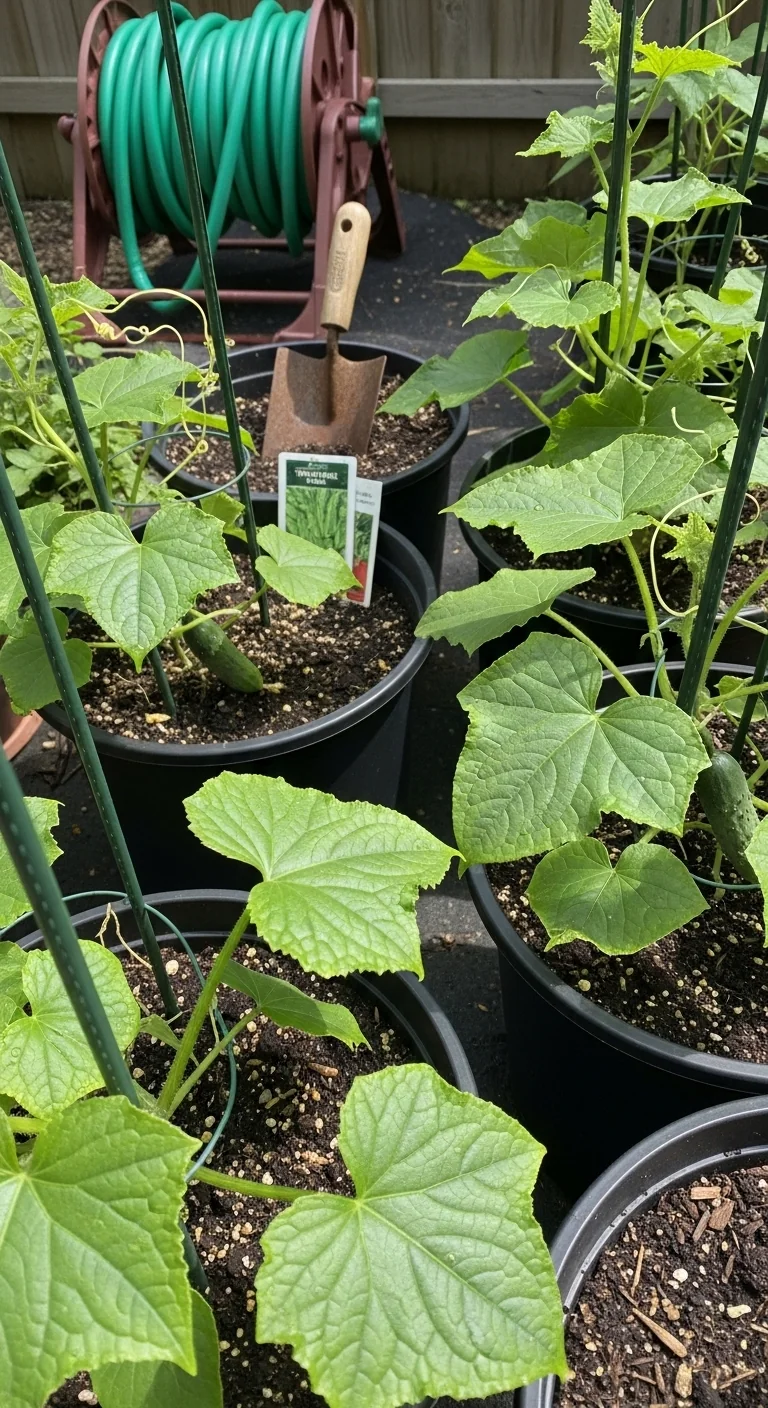
Use vs skip: Choose pots of 5 gallons or larger with drainage holes in the bottom and sides. Smaller volumes lead to root circling and quick drying. Skip fabric grow bags under 5 gallons in windy spots because they lose moisture faster.
Pros include better root expansion and easier watering control. Edge case arises with hot pepper varieties that develop larger root systems: move them to 10 gallon pots midway through the season if leaves show midday wilt despite regular checks.
Fill with well draining potting mix rather than garden soil. Elevate containers off the ground to improve air flow. For details on variety specific sizing see peppers in pots.
Companion Planting Partners That Reduce Pepper Pest Pressure
Best for: Branch 3
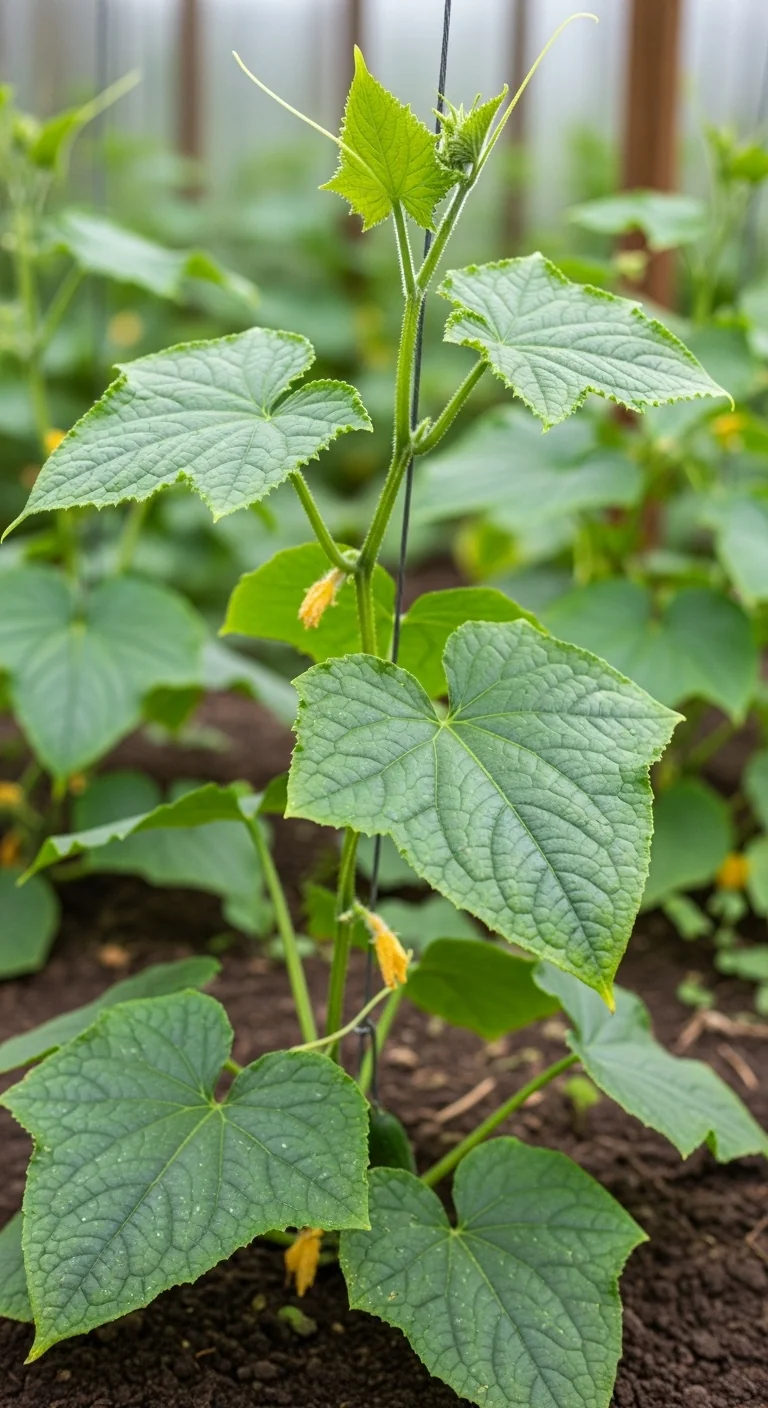
Blueprint: Plant basil or marigolds 12 inches from pepper stems to deter aphids and nematodes. These partners work by releasing natural compounds that repel insects while attracting beneficial predators.
For: Warm full sun beds where pest activity peaks in midsummer. Steps: Space companions in a ring around each pepper group at transplant time and maintain even watering so both thrive.
Common mistake: Placing companions too close blocks pepper roots from spreading. Keep at least 8 inches clear to avoid competition. Full details on pairings appear in the companion planting for vegetables resource.
Fertilizer Side Dress Windows to Support Fruit Development Without Excess Nitrogen
Best for: Branch 2
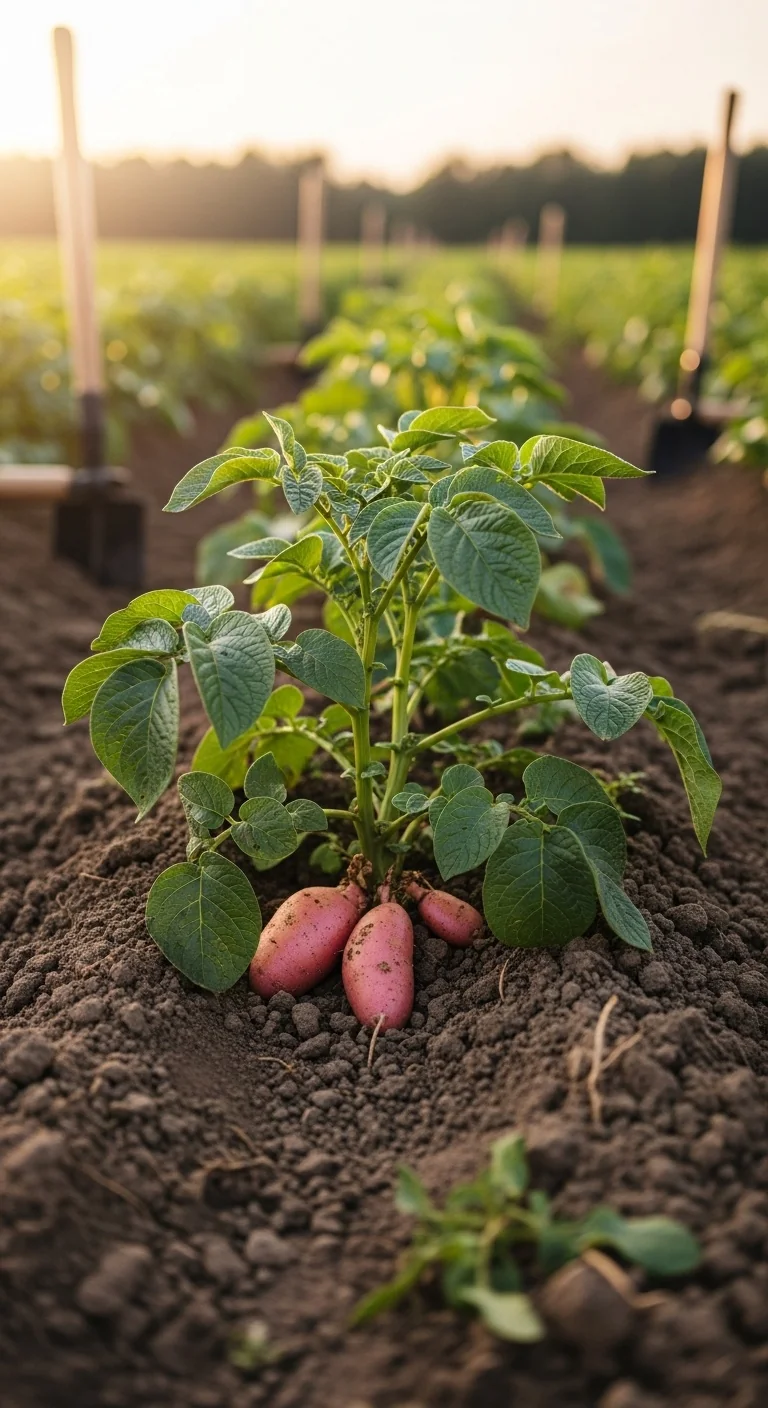
Apply a balanced organic fertilizer only after the first fruits appear and again 4 weeks later. Focus on phosphorus and potassium sources to support fruit sizing rather than leaf growth.
10 minute workflow: Mix the recommended rate into the top 2 inches of soil around each plant base, water thoroughly, and repeat on schedule. Upgrade option: Use compost tea for containers to deliver nutrients without disturbing roots.
In space limited setups this timing prevents leggy growth that crowds pots. Match rates to soil test results for calcium to further guard against blossom end rot. See organic fertilizer for vegetables for exact product guidelines.
Nighttime Temperature Checks for Reliable Pepper Fruit Set
Best for: Branch 1
Use vs skip: Check nighttime lows with a soil thermometer every evening during bloom. Skip if temperatures stay above 55 degrees F. Add floating row covers only when lows dip below 60 degrees F for more than three nights in a row.
Pros include steady fruit production. Edge case: In variable spring weather, combine checks with mulch to buffer soil heat loss overnight. Peppers drop blossoms quickly outside the 60 to 70 degrees F night range.
Pinching Early Flower Buds to Build Stronger Pepper Plants
Best for: Branch 3
Pinch the first two or three flower buds within 2 weeks of transplanting. This redirects energy to root and stem growth before fruit load begins.
Threshold rule: Stop pinching once the plant reaches 12 inches tall and shows four sets of true leaves. In warm long season zones this step leads to bushier plants with more branches for later fruit. Adjust by skipping the pinch on fast maturing hot varieties that set fruit early.
Perform the task with clean shears on a dry morning to reduce disease entry.
Row Cover and Greenhouse Methods for Short Season Pepper Success
Best for: Branch 1
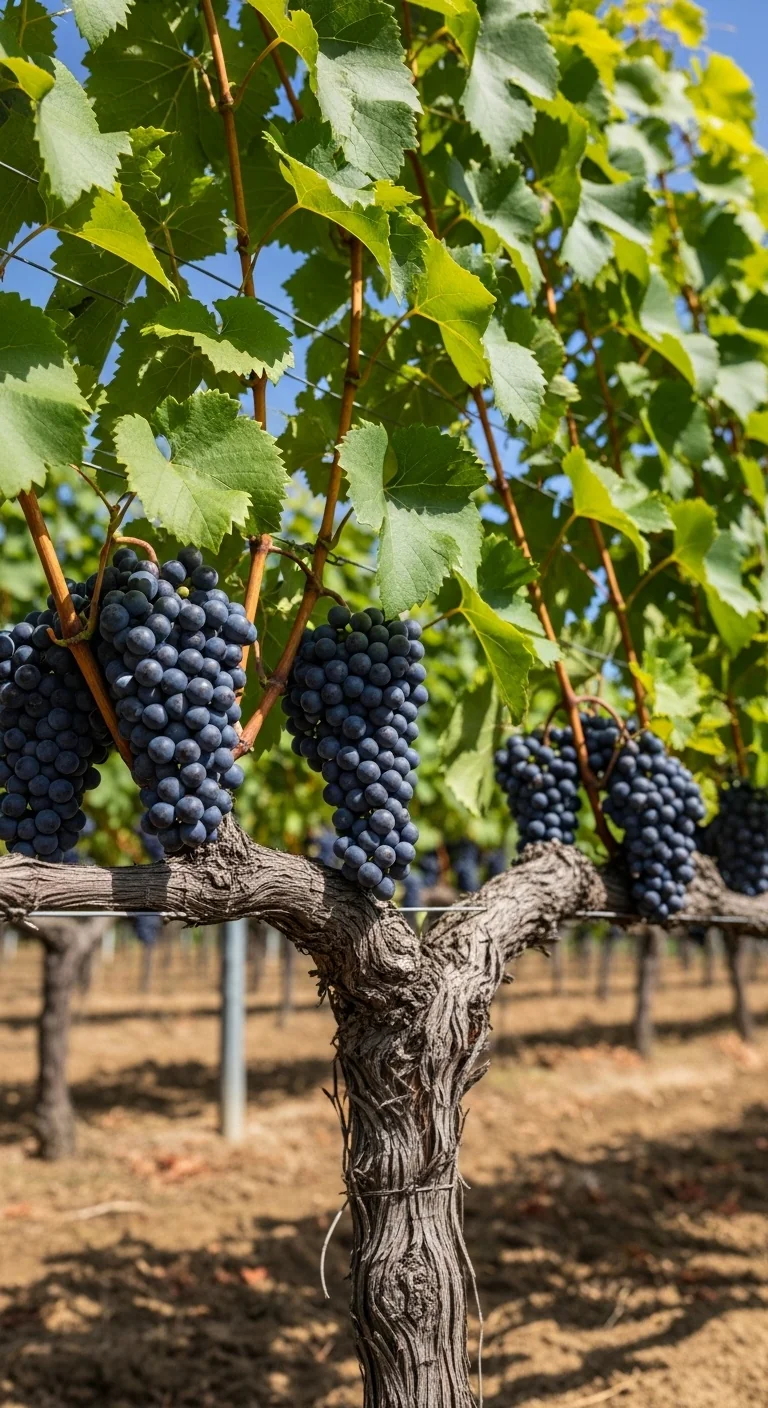
Blueprint: Install floating row covers or move plants into a greenhouse when frost risk remains. What: Lightweight covers that raise air temperature by several degrees. For: Zones with fewer than 130 frost free days.
Steps: Drape covers at transplant and vent daily when daytime highs exceed 80 degrees F. Mist leaves lightly if humidity builds inside. Mistake: Leaving covers sealed during heat waves causes blossom drop.
Combine with black plastic mulch for double protection. Full guidance on structures appears in the greenhouse vegetables overview.
Soil Moisture Monitoring to Maintain Uniform Watering
Best for: Branch 2
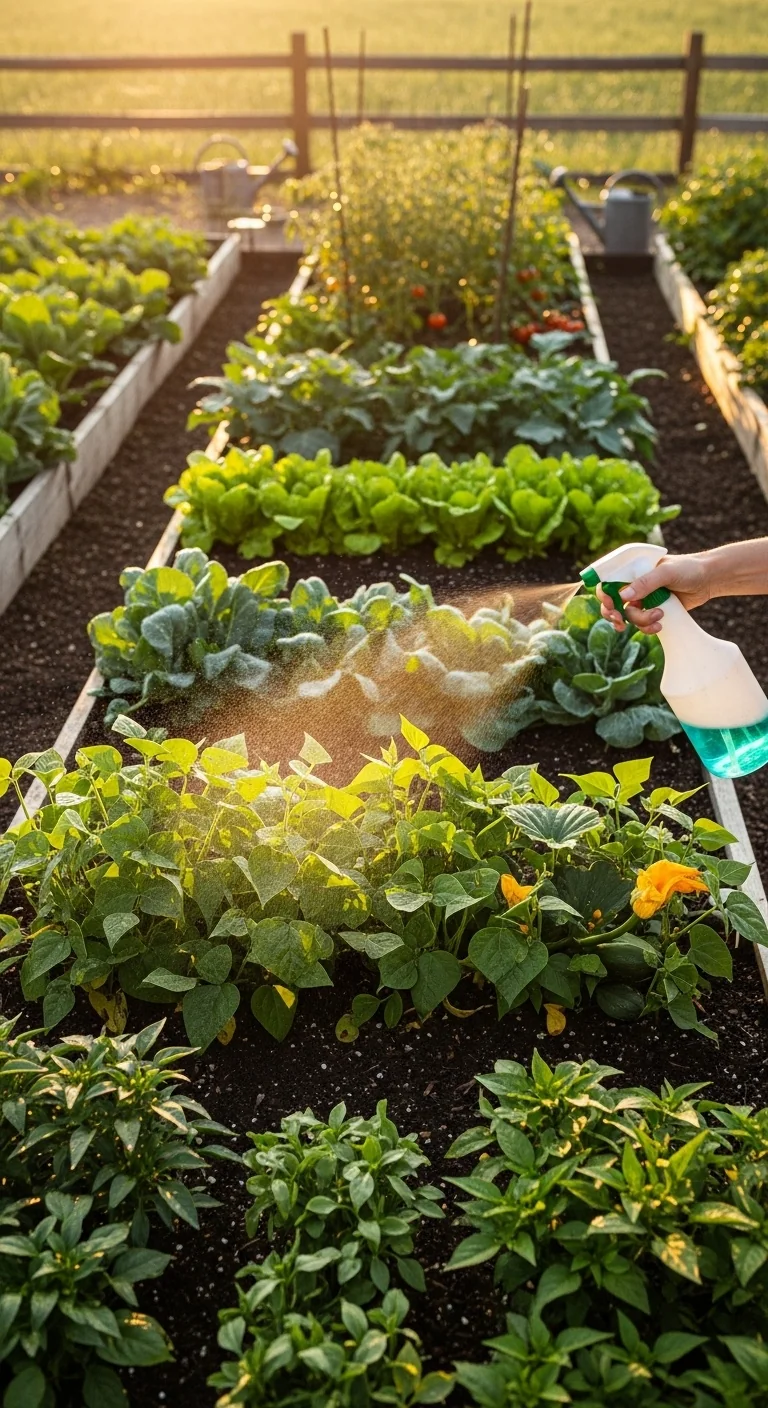
10 minute workflow: Push a finger 1 to 2 inches into the soil around each plant every 3 days. Water only when the top layer feels dry. Upgrade option: Add drip tubing for containers to deliver steady moisture without overhead wetting.
This prevents the dry wet cycles that trigger blossom end rot. In small spaces containers dry out faster than in ground beds so checks become essential after week 4 of growth.
Cutting Techniques and Ripeness Indicators for Maximum Pepper Harvests
Best for: Branch 3
Cut fruits with sharp shears leaving a short stem attached rather than pulling. Pick when fruits reach full size and show firm glossy skin regardless of color.
Blueprint: For sweet bells harvest green at 70 days or wait 2 to 3 weeks for full color and sweeter flavor. Hot varieties reach peak heat when fully red. Steps: Harvest every 3 to 5 days to encourage new flowers. Mistake: Delaying past full size reduces total yield because the plant slows new fruit production.
See the harvesting vegetables guide for storage tips after picking.
Starter Stack (What to Choose First)
Branch 1: Cool or short season gardens
Start with items 1 and 7. Mulch warms the soil early while row covers or greenhouse protection extend the season. Synergy comes from combining soil heat with air protection so transplants establish before nights cool. Cost range: 10 to 30 dollars for materials. Time estimate: 30 to 60 minutes setup.
Branch 2: Space constrained gardens
Start with items 2 and 4. Proper container volume prevents root issues while timed fertilizer supports fruit without overload. Synergy keeps plants compact and productive in limited footprints. Cost range: 15 to 35 dollars for pots and amendments. Time estimate: 20 to 40 minutes initial setup.
Branch 3: Warm long season full sun gardens
Start with items 3 and 6. Companions reduce pest pressure while early pinching builds bushier structure. Synergy produces stronger plants with more fruit sites under ideal sun. Cost range: 5 to 20 dollars for companion seeds or starts. Time estimate: 15 to 30 minutes at transplant.
When This Won’t Work
If nighttime temperatures stay below 55 degrees F for more than a week without row covers or greenhouse protection fruit set fails across all branches. Switch to indoor container growing on a sunny windowsill or heat mat until conditions improve.
If soil pH tests outside the 6.0 to 7.0 range nutrient uptake drops and plants show yellowing or stunted growth. Amend with lime for low pH or sulfur for high pH and retest before planting.
Poor drainage that leaves water pooled longer than 24 hours after rain also stops root function. In that case shift to raised beds for better aeration and faster warming. See the raised bed vegetable garden resource for construction details.
Choosing the Right Option for Your Situation
Budget threshold
If your startup budget stays under 40 dollars focus on items 1, 6, and 9. Mulch, pinching, and basic harvesting tools deliver results without expensive structures or multiple pots.
Time threshold
If you can spend less than 2 hours per week on maintenance choose items 2, 3, and 9. Container rules, companions, and harvesting require minimal ongoing effort once set up.
Technical constraint
If soil tests show low calcium or inconsistent moisture opt for items 4 and 8. Fertilizer timing and moisture checks directly address blossom end rot risk without extra equipment.
Yes or no checklist:
Do you have at least 6 hours of full sun? Yes: proceed with any branch.
Is soil temperature above 60 degrees F at planting? Yes: skip extra warming steps.
Can you check moisture every 3 days? Yes: containers become viable.
Will nights stay above 55 degrees F after transplant? Yes: row covers are optional.
Expert Q&A
Do sweet and hot peppers cross pollinate when grown near each other?
No. Sweet peppers stay mild even when planted beside hot varieties because pungency comes from genetics not pollen transfer. Keep 500 feet apart only if saving seeds for the next year.
How early can I start pepper seeds indoors without leggy seedlings?
Start 8 to 10 weeks before your last frost date. Provide bright overhead light and 70 degrees F soil temperature to keep stems stocky. Harden off for 7 to 10 days before moving outside.
Why do my pepper leaves curl even with no visible pests?
Leaf curl often traces to temperature swings above 85 degrees F daytime or below 60 degrees F at night. Consistent moisture and light shade cloth during heat waves correct it without sprays.
Can I overwinter pepper plants indoors for a second year crop?
Yes in a bright south facing window or under grow lights at 65 to 70 degrees F. Cut back stems by half in fall, reduce water, and resume feeding in late winter. Expect earlier fruit the next season.
What causes sunscald on pepper fruit and how do I stop it?
Sunscald appears as white or brown patches on exposed fruit during sudden hot dry spells. Provide afternoon shade cloth or plant taller companions on the south side to filter intense midday sun.
Conclusion
The right branch and two starter items from the list give peppers the exact conditions they need for steady fruit set. The top mistake is ignoring soil temperature or moisture checks at transplant time.
Next step: Head to the how to start a vegetable garden guide to map your full layout around the chosen peppers.

Lead Data Architect
Umer Hayiat
Founder & Lead Data Architect at TheYieldGrid. I bridge the gap between complex agronomic data and practical growing, transforming verified agricultural science into accessible, mathematically precise tools and guides for serious growers.
View all tools & guides by Umer Hayiat →