
“`html
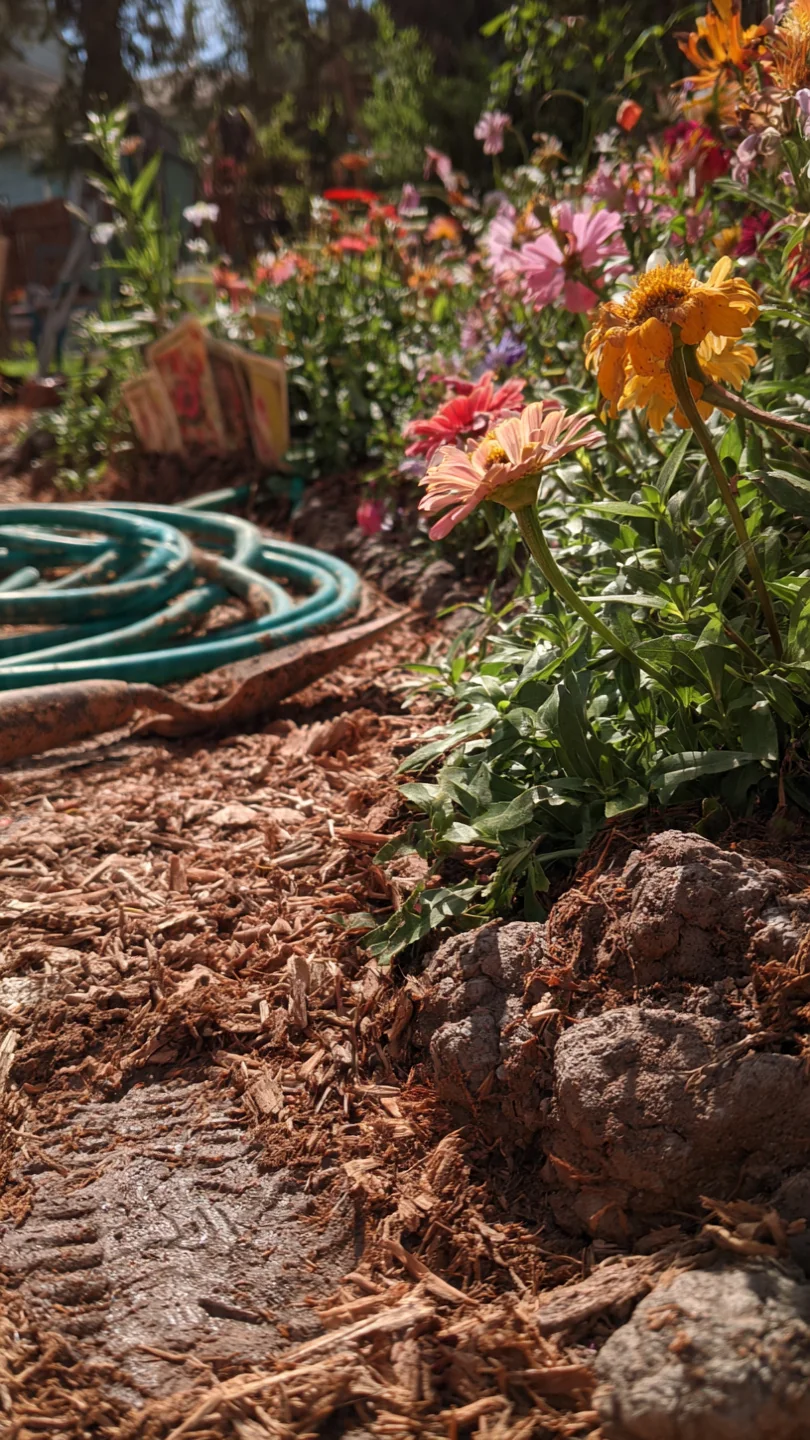
Clay soil presents unique mechanics that most flower lists ignore. Instead of battling compaction or moisture retention with repeated amendments, select clay soil flowers whose root systems naturally create channels for air and water while drawing on the soil’s nutrient reserves.
This guide scopes to nine reliable performers (mix of perennials and annuals) suited to typical clay conditions in the US, UK, Canada, and Australia. It excludes species that demand sandy drainage or constant dry feet, such as true Mediterranean herbs.
You will walk away with a clear match for your site-specific clay profile, a planting blueprint for each option, and starter combinations that deliver continuous color with minimal intervention.
Bottom line: Align the flower’s root type with your clay’s dominant challenge, and achieve dependable blooms while the plants progressively loosen the soil.
The Yield Grid Decision Grid
Branch 1: Compacted clay that resists digging when dry and forms surface crusts (test by attempting to insert a spade 6 inches deep in dry conditions).
Recommended: Items 1, 4, and 7 below.
Branch 2: Clay with high moisture retention that holds standing water longer than 24 hours after rain.
Recommended: Items 3, 6, and 9 below.
Branch 3: Balanced clay with moderate drainage that neither cracks excessively nor stays saturated (typical garden clay).
Recommended: Items 2, 5, and 8 below.
For additional perennial selections suited to varied conditions, see our perennial flowers overview.
Quick Comparison Table
| Option | Key mechanism | Best for | Decision Grid Branch | Effort Score |
|---|---|---|---|---|
| Echinacea | Deep taproot penetration for aeration | Compacted full-sun beds | 1 | 1 |
| Zinnias | Fibrous root spread for quick coverage | Balanced clay in full sun | 3 | 3 |
| Cosmos | Flexible root adaptation to variable moisture | Moisture-retentive clay | 2 | 3 |
| Black-eyed Susan | Taproot that fractures layers over seasons | Compacted clay borders | 1 | 1 |
| Coreopsis | Clumping fibrous roots for stability | Balanced clay groundcover | 3 | 2 |
| Salvia | Drought-tolerant roots handle clay density | Moisture-retentive full-sun spots | 2 | 2 |
| Sunflowers | Aggressive taproot for deep restructuring | Compacted clay backdrops | 1 | 4 |
| Marigolds | Compact fibrous roots deter soil pests | Balanced clay edging | 3 | 3 |
| Hydrangeas | Fibrous roots exploit moisture retention | Moisture-retentive part-shade | 2 | 2 |
Echinacea
Best for: Branch 1
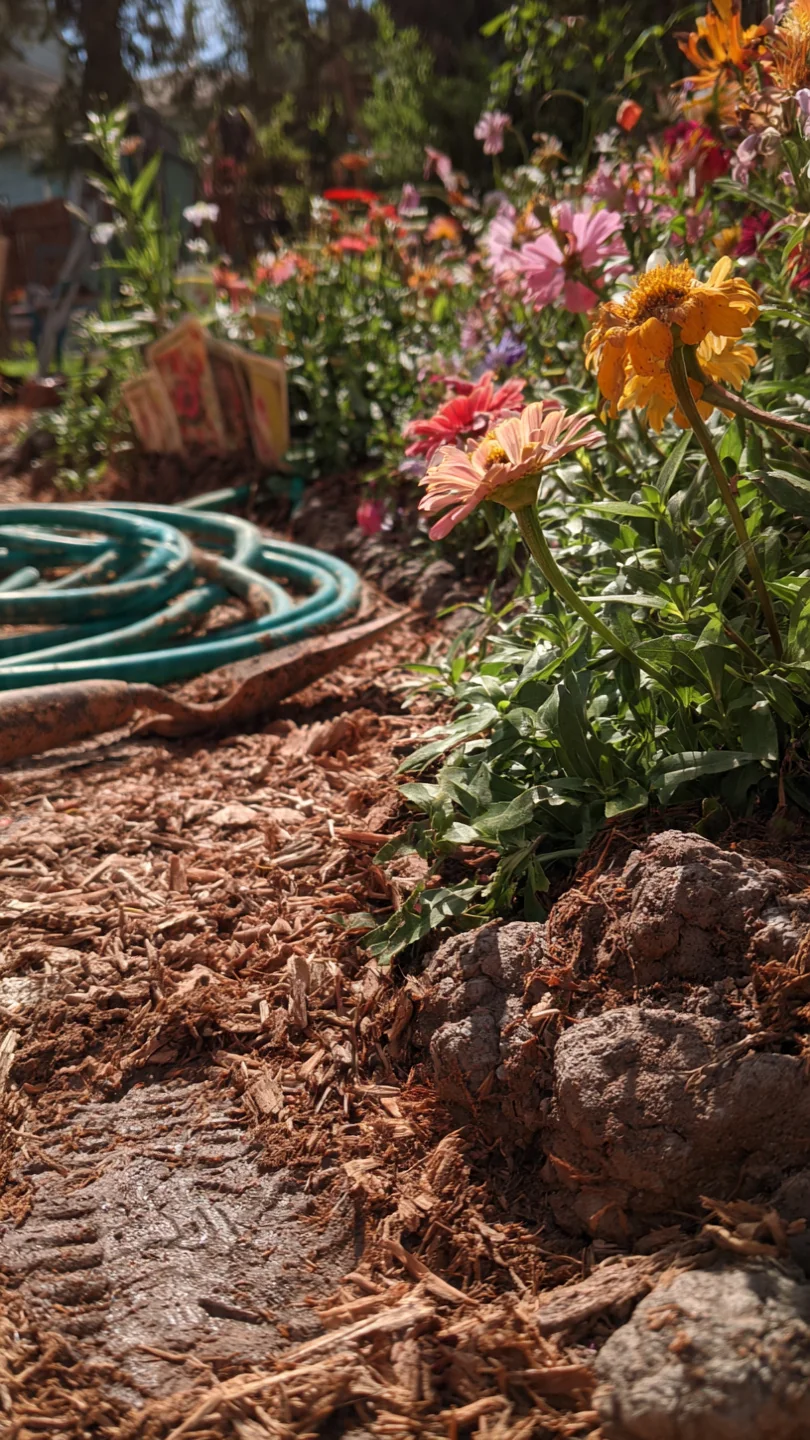
Blueprint for success in compacted clay. Echinacea uses its deep taproot to penetrate hard layers and create natural pathways for water infiltration. It draws nutrients locked in clay while tolerating pH ranges of 6.0 to 8.0 common in such soils. For: sites with summer cracking and poor aeration. Steps: in early spring or fall, dig hole twice root ball width, position crown at soil level, space 18 to 24 inches apart, water deeply weekly first season then reduce. Common mistake: overwatering after establishment leads to crown rot in dense clay. In edge cases of very heavy compaction, pair with a 2- to 3-inch mulch layer to retain initial moisture without sogginess. See our echinacea guide for cultivar selection.
Zinnias
Best for: Branch 3
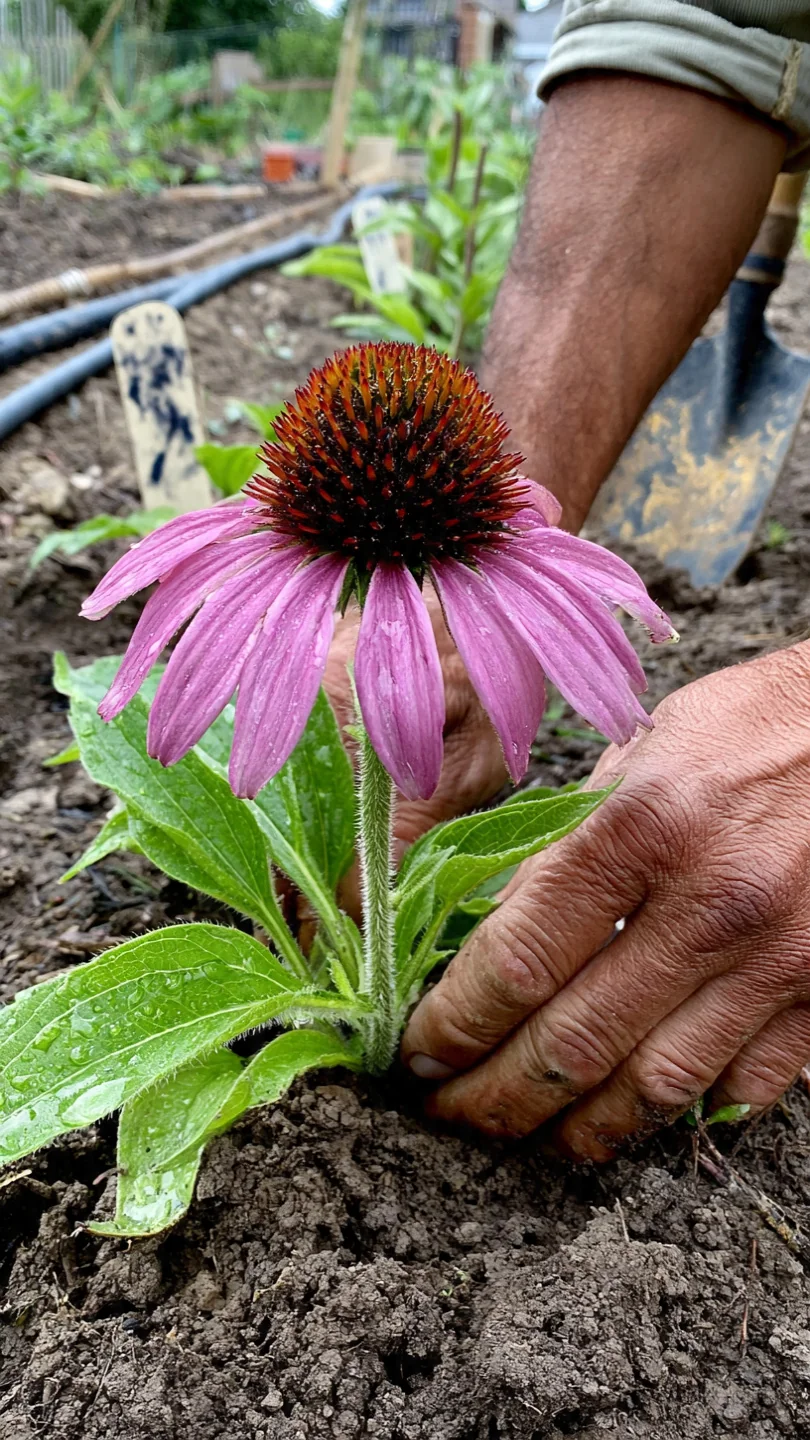
Use versus skip: plant zinnias for fast summer color in balanced clay; skip if puddling exceeds 48 hours to avoid root rot. Pros include reliable reseeding in mild climates and butterfly appeal. Edge case: they outperform in nutrient-rich clay but need full sun to prevent leggy growth.
Cosmos
Best for: Branch 2
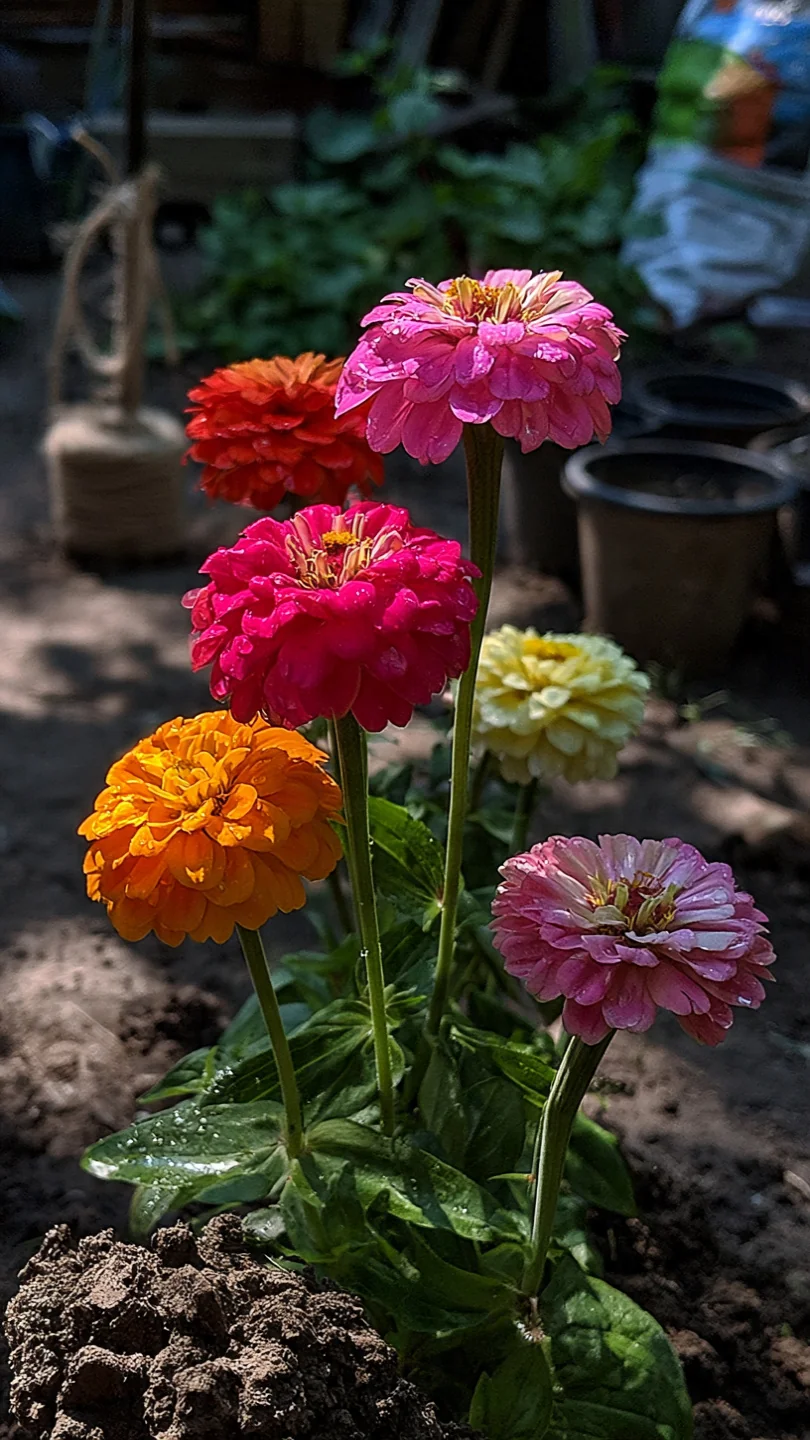
Threshold rule: cosmos succeeds when soil moisture holds 24 to 48 hours post-rain but drains thereafter. Plant when soil temperature reaches 65 degrees Fahrenheit. Adjust spacing to 12 inches in heavy clay for better air flow. Upgrade option: pinch tips at 12 inches tall for bushier form and more blooms.
Black-eyed Susan
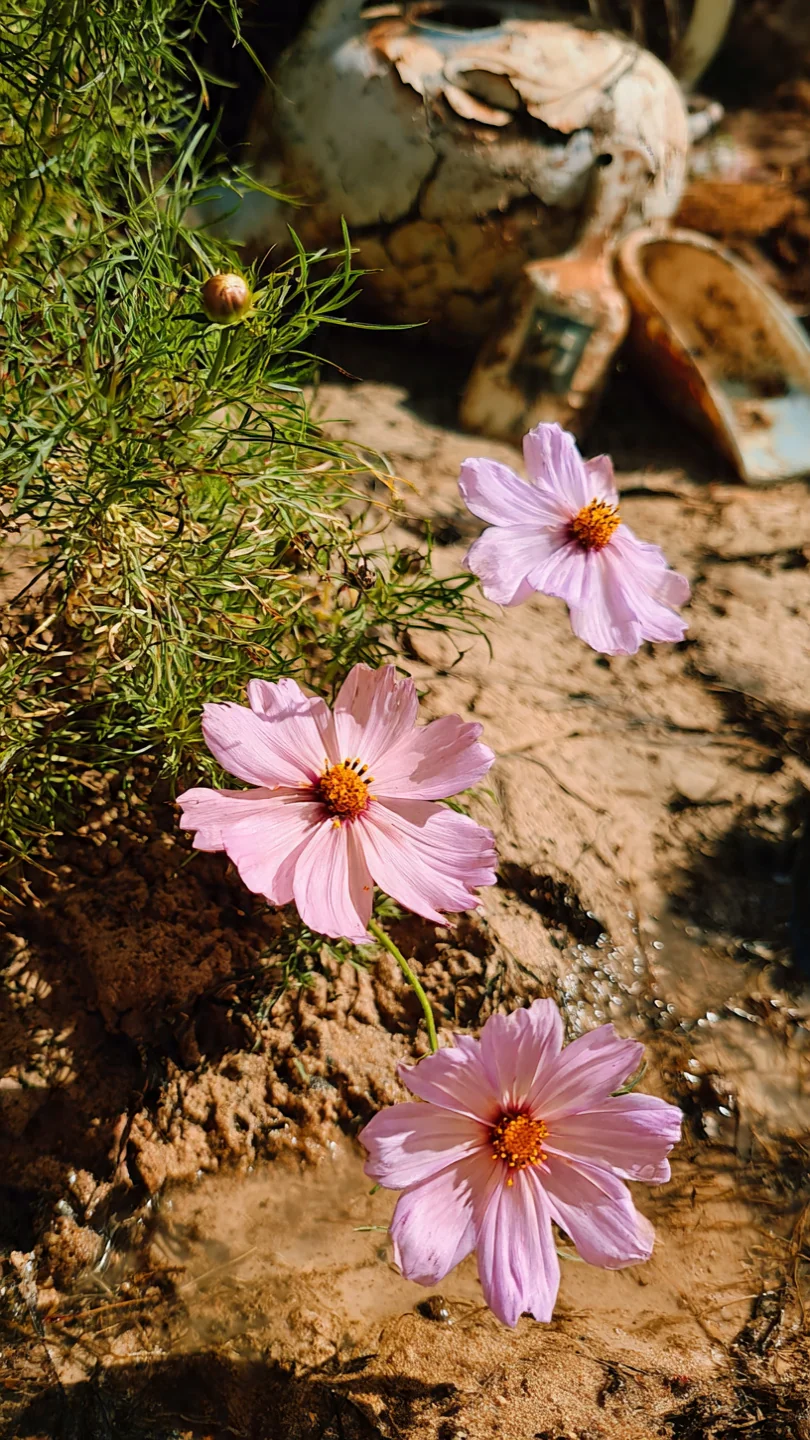
Best for: Branch 1
Blueprint for success in compacted clay. Black-eyed Susan deploys its taproot to fracture layers and improve long-term drainage while producing golden daisies from midsummer into fall. For: borders with dry cracks and full sun exposure. Steps: site in spring after last frost, plant at soil level with 18-inch spacing, water deeply first year. Common mistake: disturbing established roots during division. In edge cases of extreme compaction, it self-seeds readily once channels form. See our black-eyed Susan guide for variety details.
Coreopsis
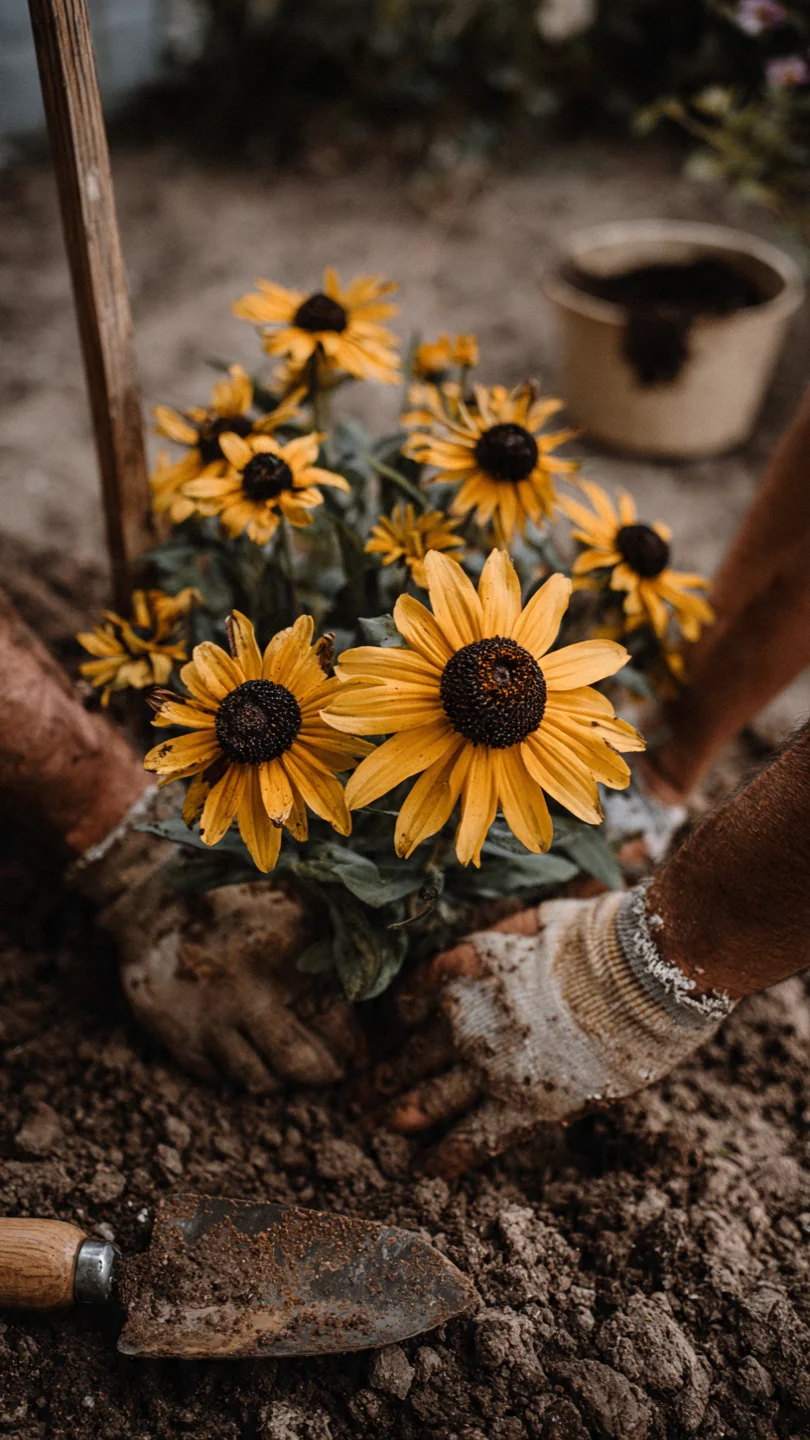
Best for: Branch 3
Use versus skip: coreopsis spreads reliably in balanced clay for low-effort groundcover; skip in constant shade where flowering drops. Pros include drought tolerance once established. Edge case: threadleaf types handle clay compaction better than taller varieties.
Salvia
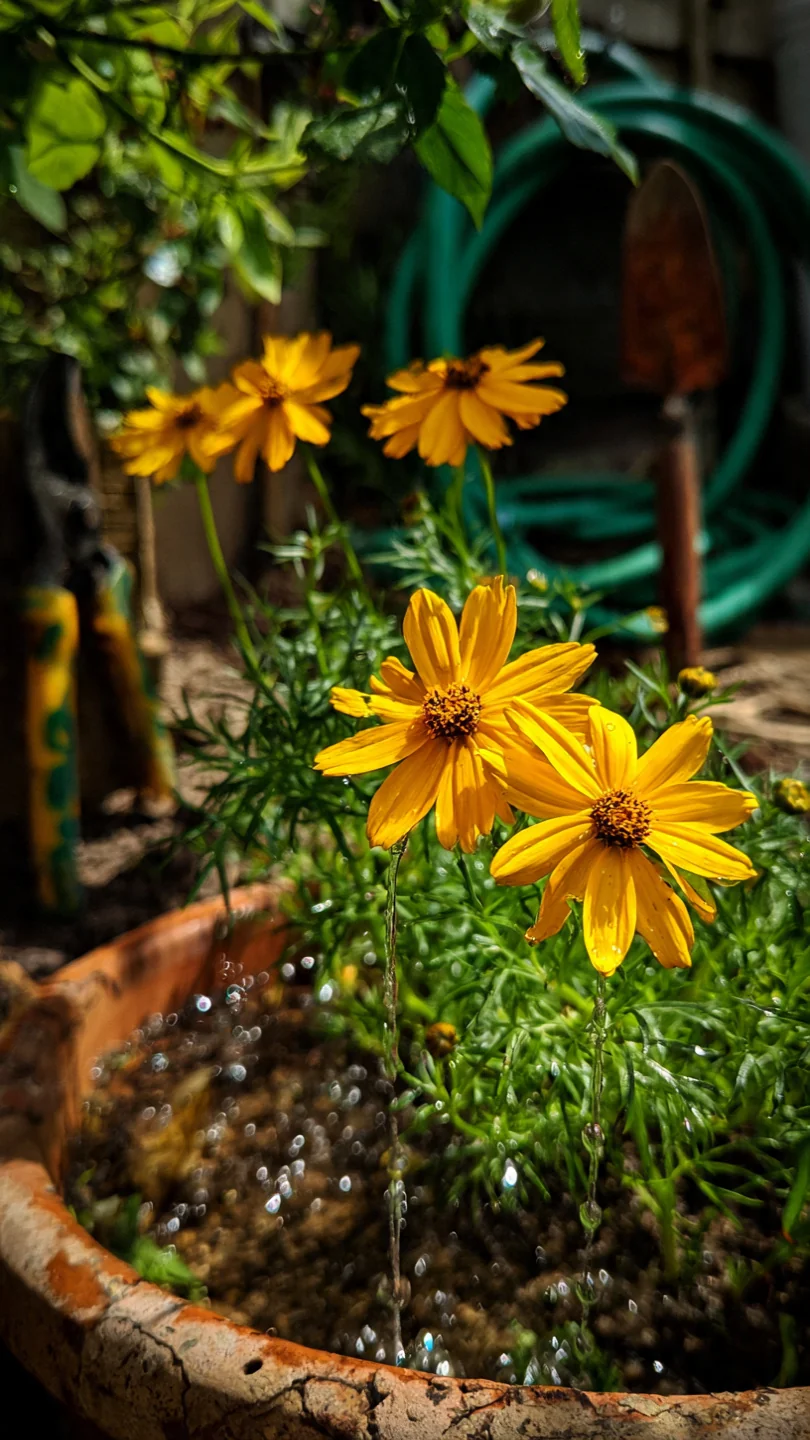
Best for: Branch 2
Threshold rule: salvia thrives when clay retains moisture up to 48 hours but avoids full waterlogging. Space 18 inches apart in full sun. Monitor soil temperature above 60 degrees Fahrenheit at planting. Upgrade option: deadhead spent spikes monthly to extend bloom window into fall. See our salvia guide for perennial selections.
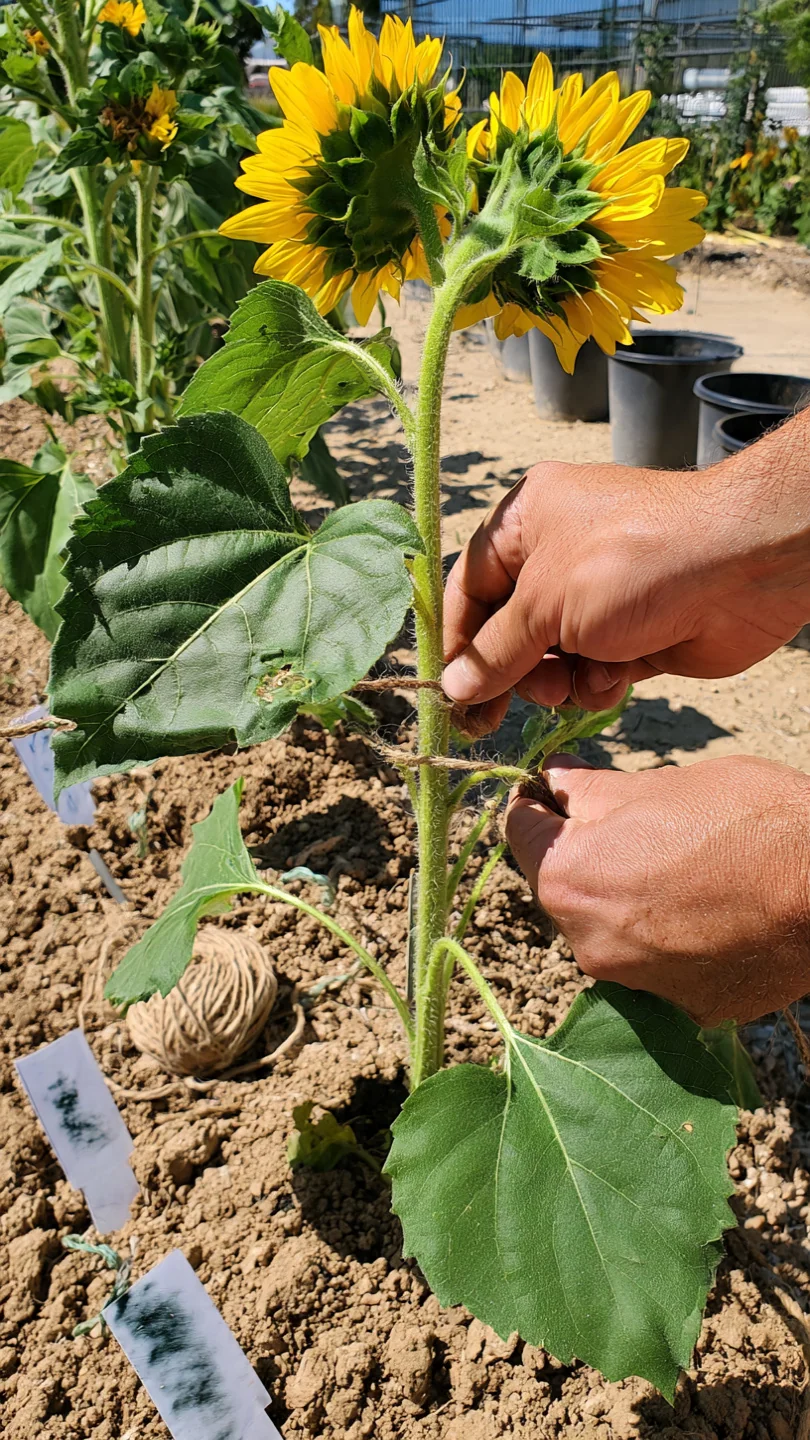
Sunflowers
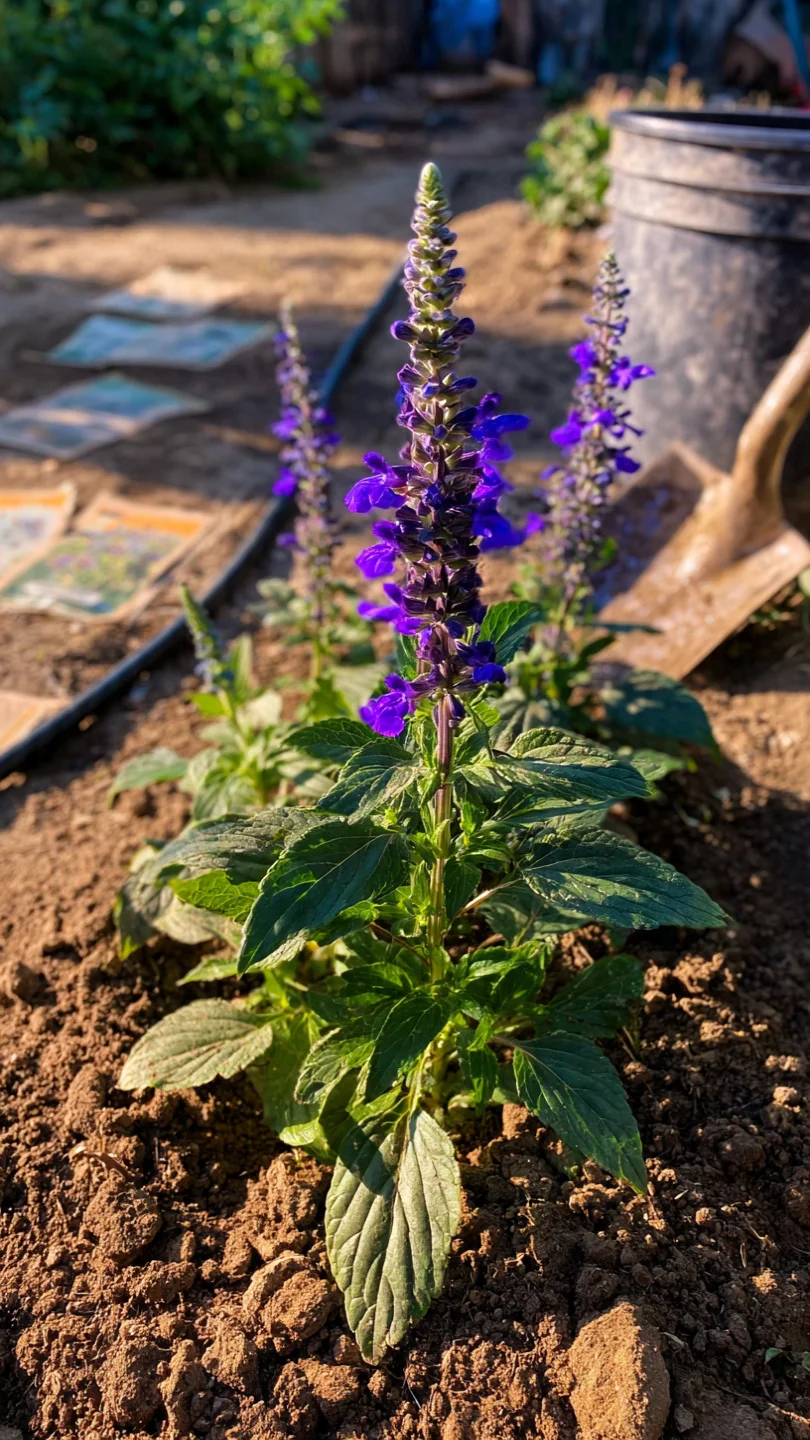
Best for: Branch 1
Blueprint for success in compacted clay. Sunflowers drive aggressive taproots deep to restructure heavy layers while delivering tall summer drama and bird seed heads. For: backdrops with cracking clay and full sun. Steps: direct sow after last frost when soil warms to 65 degrees Fahrenheit, thin to 18 inches, water deeply weekly until established. Common mistake: overcrowding blocks root expansion. In edge cases of nutrient-poor clay, they still bloom vigorously due to taproot access. See our sunflowers guide for variety selection.
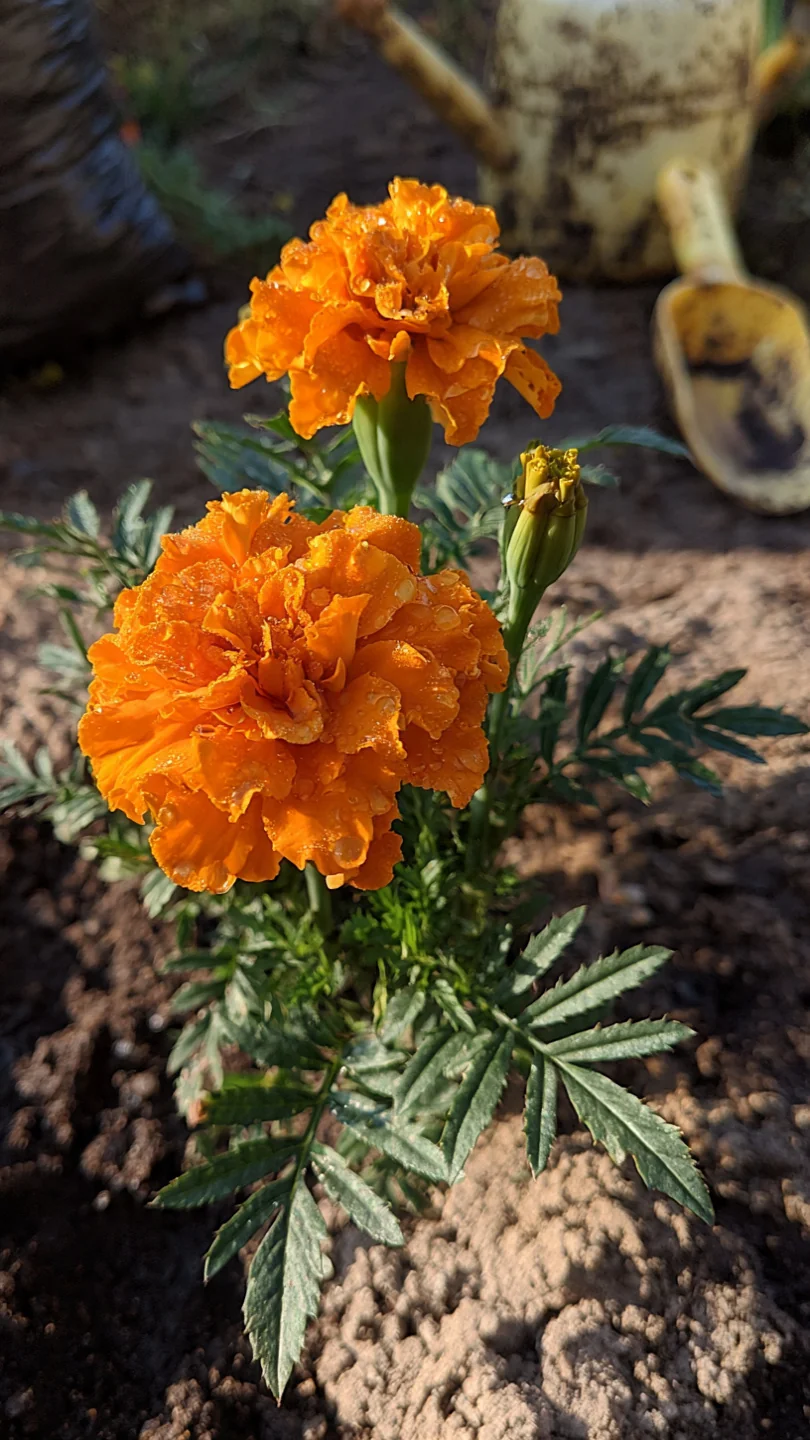
Marigolds
Best for: Branch 3
Use versus skip: marigolds excel for quick edging and pest deterrence in balanced clay; skip if shade exceeds four hours daily. Pros include continuous bloom and root exudates that suppress nematodes. Edge case: they reseed modestly in warmer zones.
Hydrangeas
Best for: Branch 2
Threshold rule: hydrangeas perform best when clay holds moisture 24 to 72 hours without permanent saturation. Plant in part shade with 36-inch spacing. Soil pH 5.5 to 6.5 influences bloom color. Upgrade option: apply 2-inch mulch ring to stabilize moisture swings. See our hydrangeas guide for site-specific cultivars.
Starter Stack (What to Choose First)
Branch 1: Compacted Clay
Pair Echinacea and Black-eyed Susan. Their complementary taproots accelerate soil restructuring in tandem. Initial cost range: 15 to 35 dollars for two established plants. Planting time: 15 to 25 minutes per pair.
Branch 2: Moisture-Retentive Clay
Combine Cosmos and Hydrangeas. Cosmos provides quick height while hydrangeas anchor with moisture-loving roots. Initial cost range: 20 to 40 dollars. Planting time: 20 to 30 minutes.
Branch 3: Balanced Clay
Start with Zinnias and Coreopsis. Fast color from zinnias pairs with coreopsis spread for season-long coverage. Initial cost range: 10 to 25 dollars. Planting time: 10 to 20 minutes.
When This Won’t Work
These clay soil flowers fail in two measurable conditions. First, constant saturation where water stands longer than 72 hours even after basic drainage improvements. Second, full shade for sun-dependent options like echinacea or sunflowers, where bloom production drops sharply.
In such cases, shift to container culture or raised beds filled with amended mix. Apply targeted mulch to moderate extremes.
For mulch strategies suited to clay, consult our flower bed mulch guide.
Choosing the Right Option for Your Situation
Budget Threshold
Under 50 dollars for five plants favors annuals like zinnias or marigolds over larger perennials.
Time Threshold
Less than 1 hour total setup points to low-effort perennials such as black-eyed Susan.
Technical Constraint
If soil pH tests below 5.5 or above 8.0, prioritize adaptable options like coreopsis or salvia.
Yes/No checklist:
Does your clay match one decision branch? Yes/No
Can you provide full sun for at least 6 hours? Yes/No
Will you commit to first-year deep watering? Yes/No
Is space available for root spread? Yes/No
Expert Q&A
How does clay soil change bloom timing for these flowers?
Clay’s nutrient hold often delays initial bloom by 7 to 14 days compared to lighter soils but extends the overall season through sustained moisture availability during dry spells.
What companions enhance clay soil flower performance?
Pair with deep-rooted native grasses or perennials that further aerate without competing for surface resources, creating layered root zones that improve overall bed drainage.
Can these flowers reseed reliably in clay?
Annuals like cosmos and zinnias reseed modestly in balanced clay when left to drop seed in fall, but perennials such as black-eyed Susan spread more consistently once established.
How do root systems interact with clay compaction over multiple seasons?
Taproot types fracture layers gradually while fibrous clumpers stabilize the surface, leading to measurable improvements in soil tilth after two to three growing seasons.
What mulch depth works best around clay soil flowers?
A 2- to 3-inch layer of organic mulch conserves moisture and moderates temperature swings without smothering crowns in dense clay.
Conclusion
The decision grid eliminates guesswork by tying each flower’s root mechanics directly to your clay’s primary limitation. The number one mistake is treating all clay the same instead of matching specific root traits to site conditions.
Test your clay drainage today then select your first two from the starter stack. See our low maintenance flowers page for ongoing care tips.
“`