
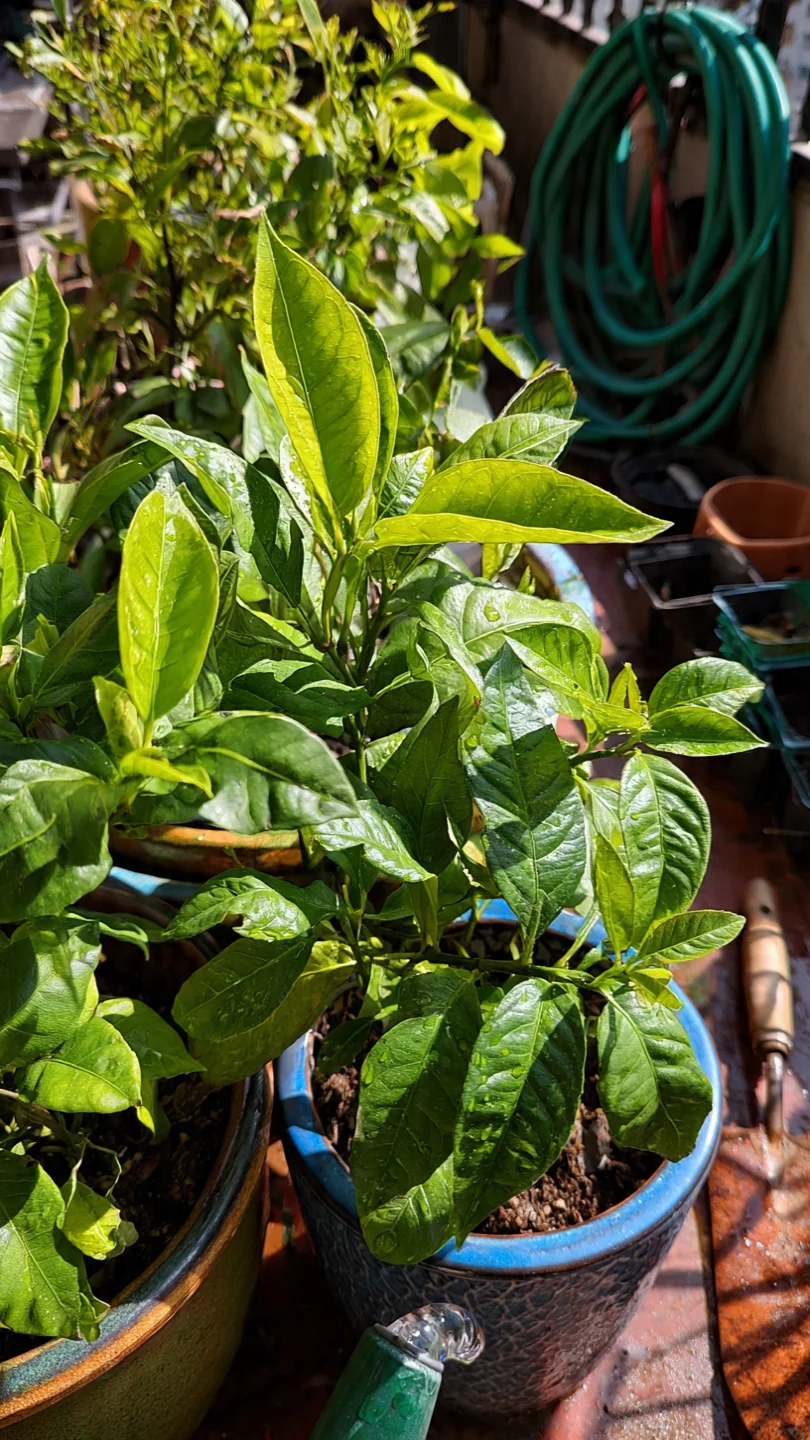
Growing citrus in containers succeeds when you match the variety to measurable constraints like pot volume, minimum winter temperature, and care frequency instead of chasing generic dwarf labels that ignore root vigor or fruit load.
This listicle covers nine container-suited citrus options with specific mechanisms for urban small spaces. It excludes in-ground planting and non-dwarf rootstocks that outgrow pots quickly.
You will gain the ability to select a variety that avoids common root-binding or frost damage failures and decide on upgrades like pot material or overwintering setup.
Bottom line: Align the citrus variety to your exact conditions first for reliable fruiting in limited space.
The Yield Grid Decision Grid
Branch 1: Container volume is 20 gallons or smaller. Recommended: Items 1, 2, 3 below.
Branch 2: Winter temperatures regularly drop below 28 degrees F (requiring indoor protection). Recommended: Items 4, 5, 6 below.
Branch 3: Care time is limited to monthly checks (no weekly pruning or pH adjustments). Recommended: Items 7, 8, 9 below.
For foundational skills that support any branch see container gardening for beginners.
Quick Comparison Table
| Option | Key mechanism | Best for | Decision Grid Branch | Effort Score |
|---|---|---|---|---|
| Calamondin | Naturally compact growth habit | Small patios and balconies | Branch 1 | 2 |
| Kumquat | Edible skin and high cold tolerance | Patios with wind exposure | Branch 1 | 1 |
| Finger Lime | Caviar-style fruit vesicles | Specialty harvest needs | Branch 1 | 3 |
| Improved Meyer Lemon | Disease resistance and thinner rind | Early fruiting in limited space | Branch 2 | 3 |
| Persian Lime | Seedless fruit and vigorous recovery | Consistent lime supply | Branch 2 | 2 |
| Variegated Pink Lemon | Ornamental foliage with pink flesh | Visual appeal plus harvest | Branch 2 | 3 |
| Satsuma Mandarin | Early ripening and leaf drop tolerance | Cooler season extension | Branch 3 | 2 |
| Key Lime | Compact shrub form | Fresh lime flavor in pots | Branch 3 | 2 |
| Bearss Lime | Large fruit size on dwarf frame | High yield per square foot | Branch 3 | 3 |
Calamondin
Best for: Branch 1
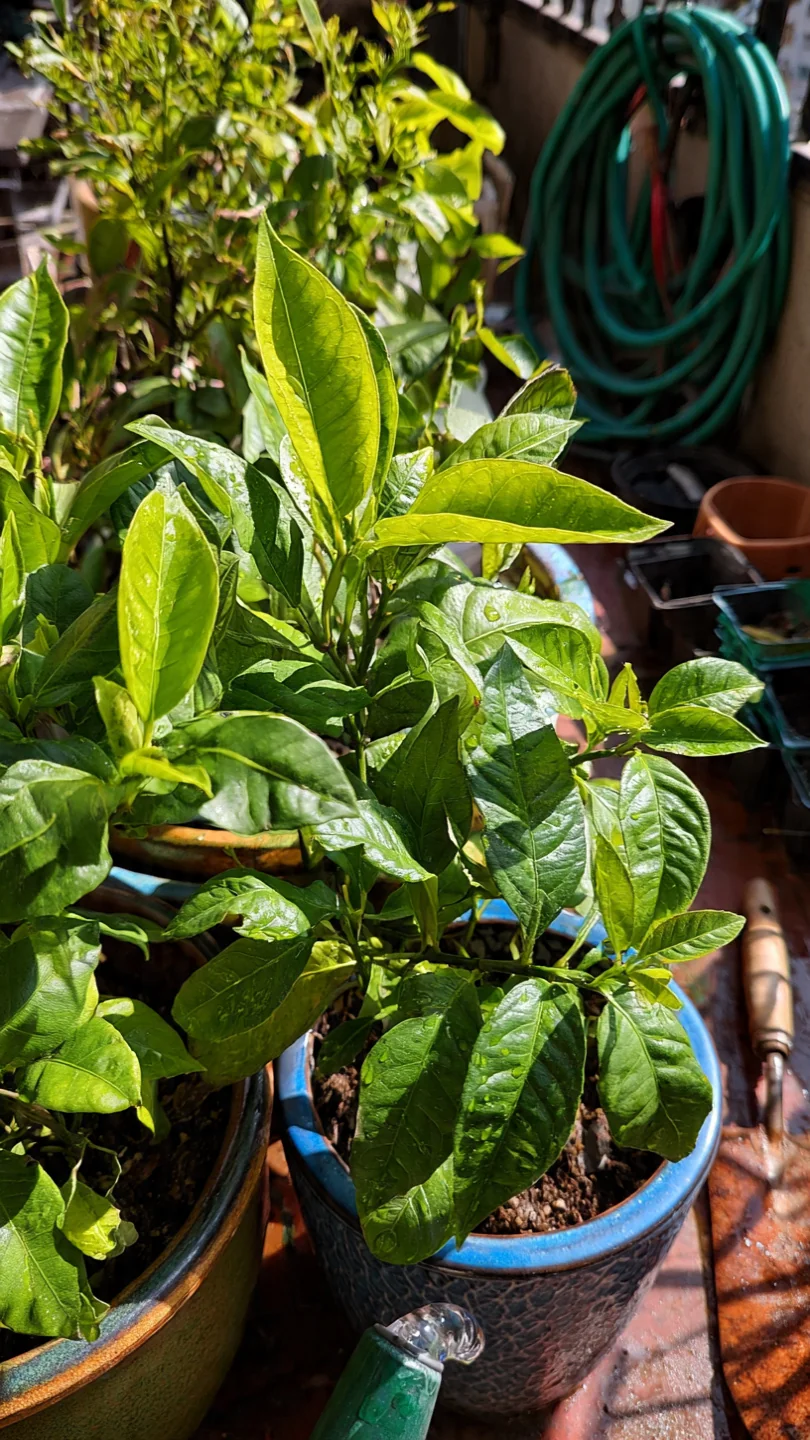
Blueprint for success starts with a 12- to 16-inch diameter pot filled with a well-draining mix. Plant the tree so the crown sits at soil level. Water when the top 2 inches of soil feel dry. Fertilize with a citrus-specific formula at half strength every 6 weeks during active growth. Prune lightly in spring to maintain shape. The key mistake is allowing the pot to sit in standing water for more than 24 hours, which invites root issues. This variety produces small, tangy fruit nearly year-round once established and tolerates brief dips to 20 degrees F without major setback.
Kumquat
Best for: Branch 1
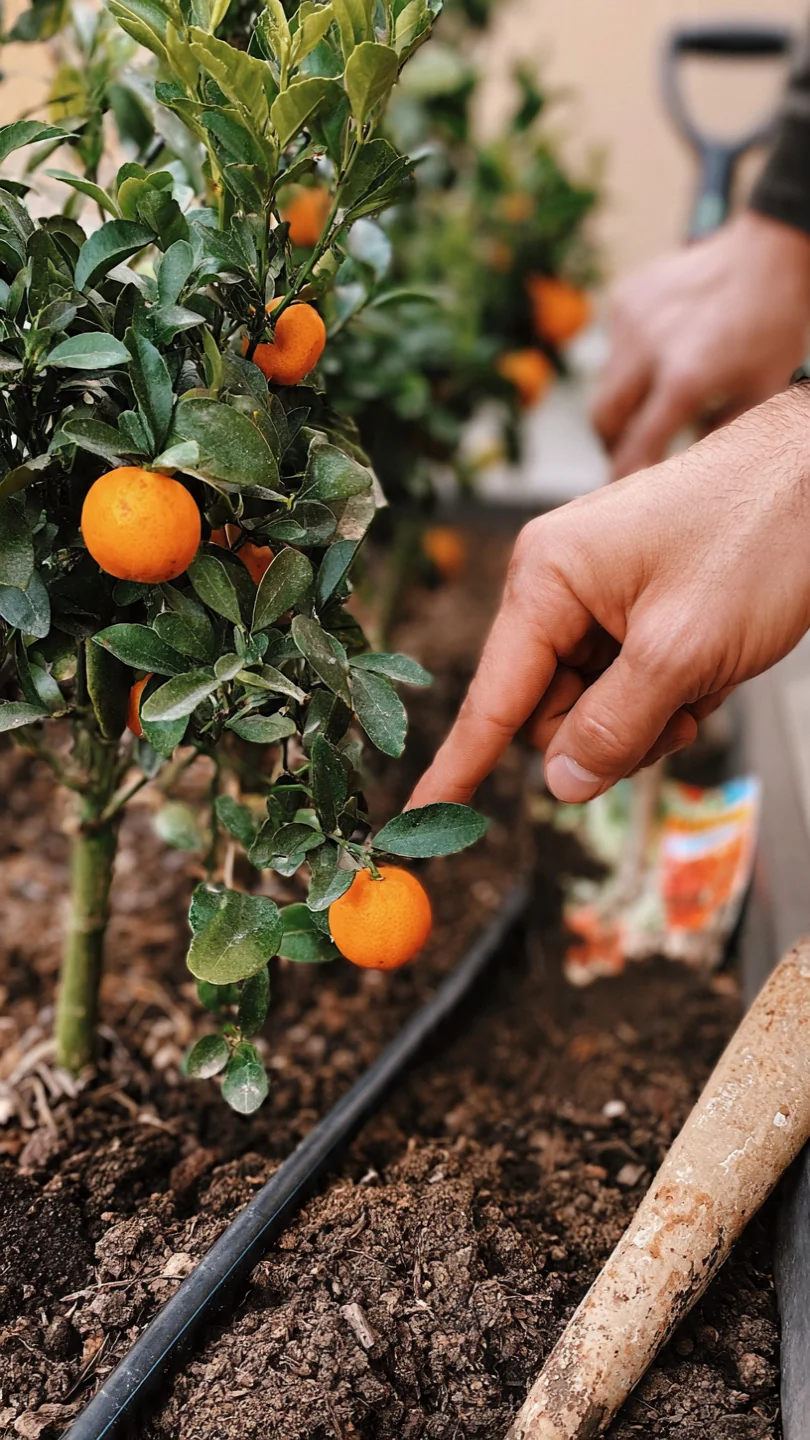
Use kumquat when you want edible skin and a tree that handles wind better than most citrus. Skip it only if your space has zero winter protection and temperatures fall below 18 degrees F for extended periods. Edge case: in high humidity it resists common pests without sprays.
Finger Lime
Best for: Branch 1
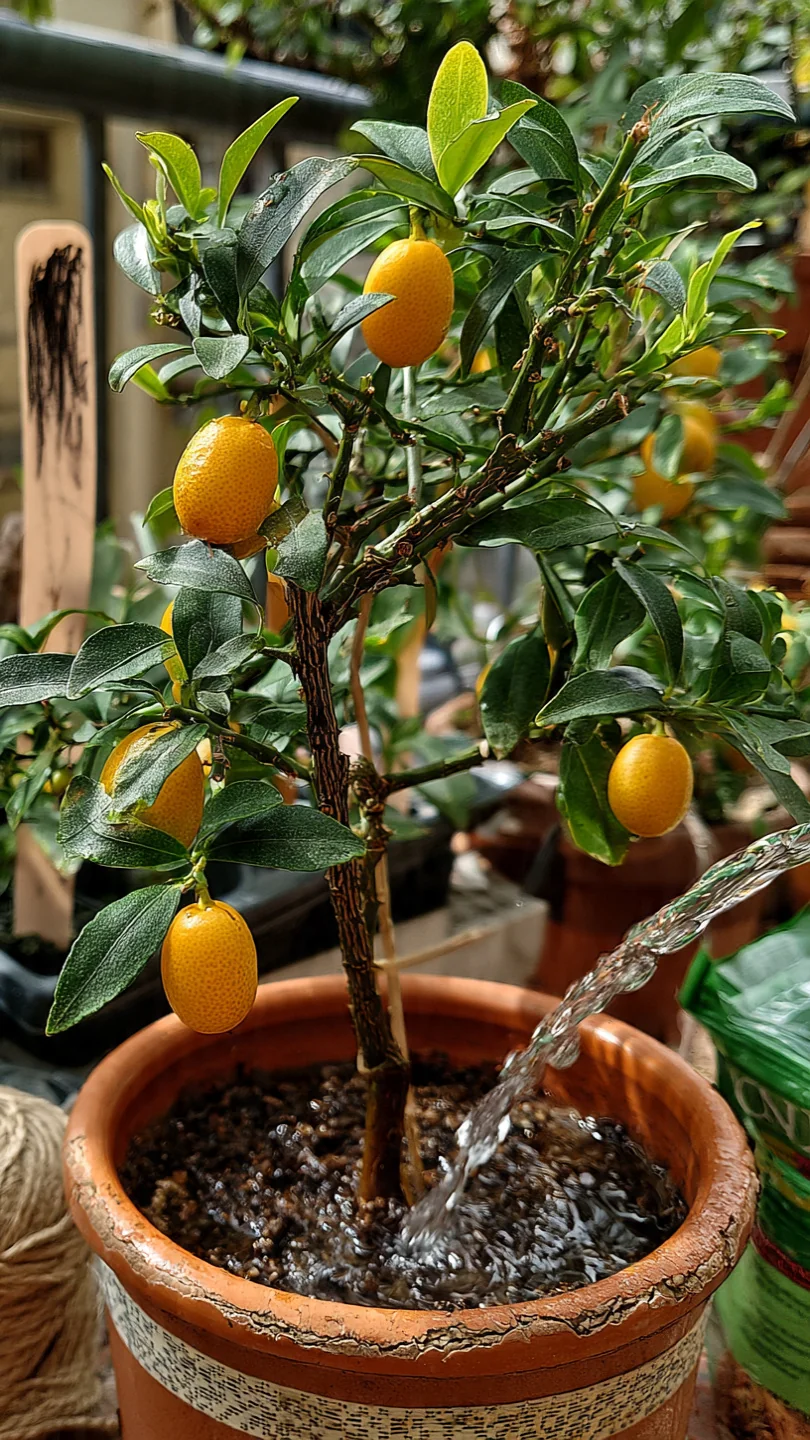
Threshold rule: maintain soil pH between 6.0 and 7.5 and provide at least 6 hours of direct sun daily. If pH drifts below 6.0, adjust with a lime supplement and retest in 14 days. Fruit vesicles form best when daytime temperatures stay above 65 degrees F for 4 consecutive months. Adjust watering frequency upward by 20 percent during heat waves above 85 degrees F to prevent vesicle collapse.
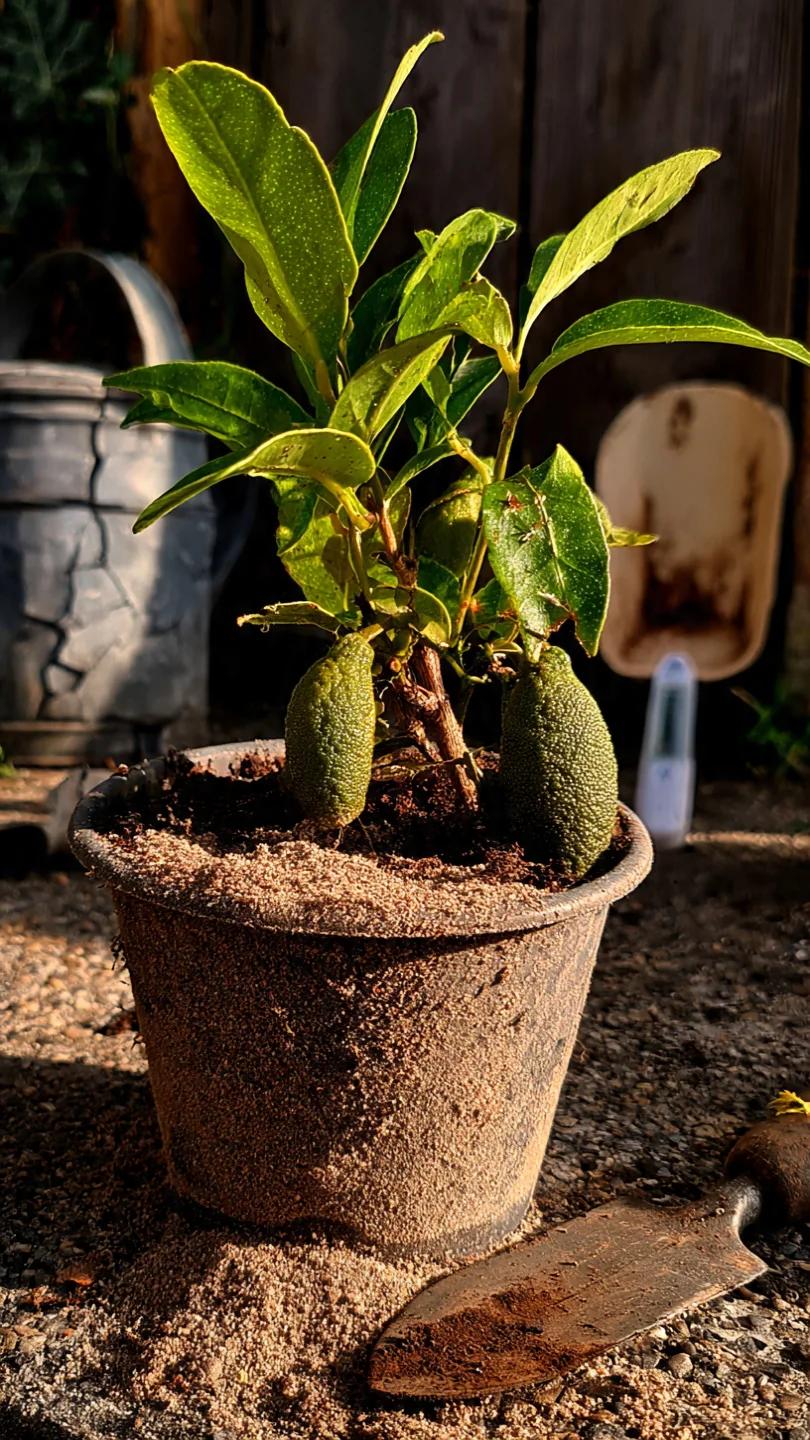
Improved Meyer Lemon
Best for: Branch 2
10-minute workflow: (1) position in full sun for 6 to 8 hours, (2) check soil moisture by lifting the pot weekly, (3) apply citrus fertilizer at label rate every 30 days from March to September, (4) move indoors before nights hit 28 degrees F. Upgrade option: add a lightweight planter for easier seasonal transport.
Persian Lime
Best for: Branch 2
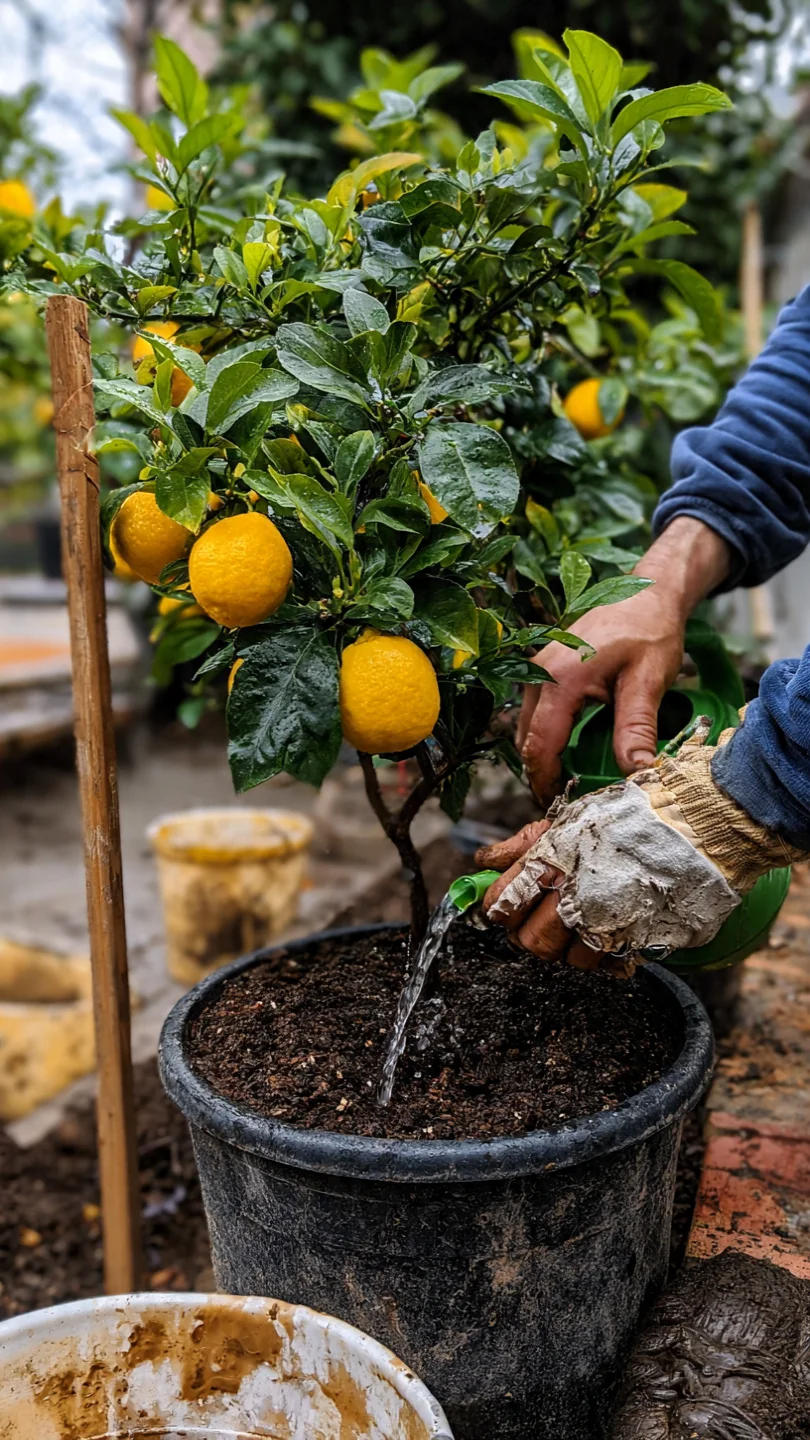
Use Persian lime for seedless fruit and fast recovery from cold snaps. Skip it if your winter protection space receives less than 4 hours of bright light daily. Edge case: it fruits reliably even after 2 weeks indoors during short cold periods.
Variegated Pink Lemon
Best for: Branch 2
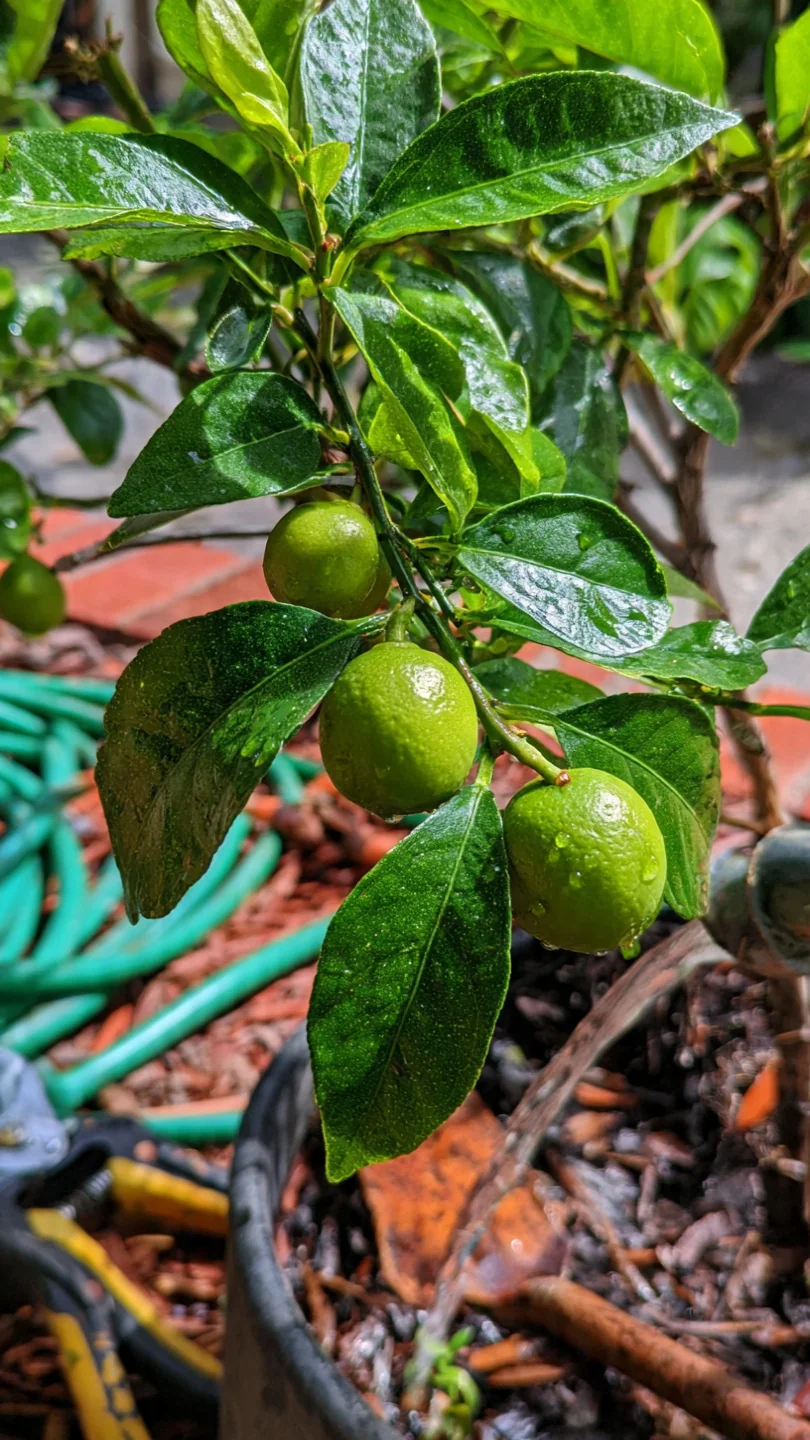
Threshold rule: protect foliage when temperatures drop below 28 degrees F and ensure the container holds at least 15 gallons once the tree reaches 3 feet tall. If leaf variegation fades, increase light exposure to 8 hours and re-evaluate soil drainage within 7 days. Adjust pot size upward by one increment every 24 months to sustain pink flesh quality.
Satsuma Mandarin
Best for: Branch 3
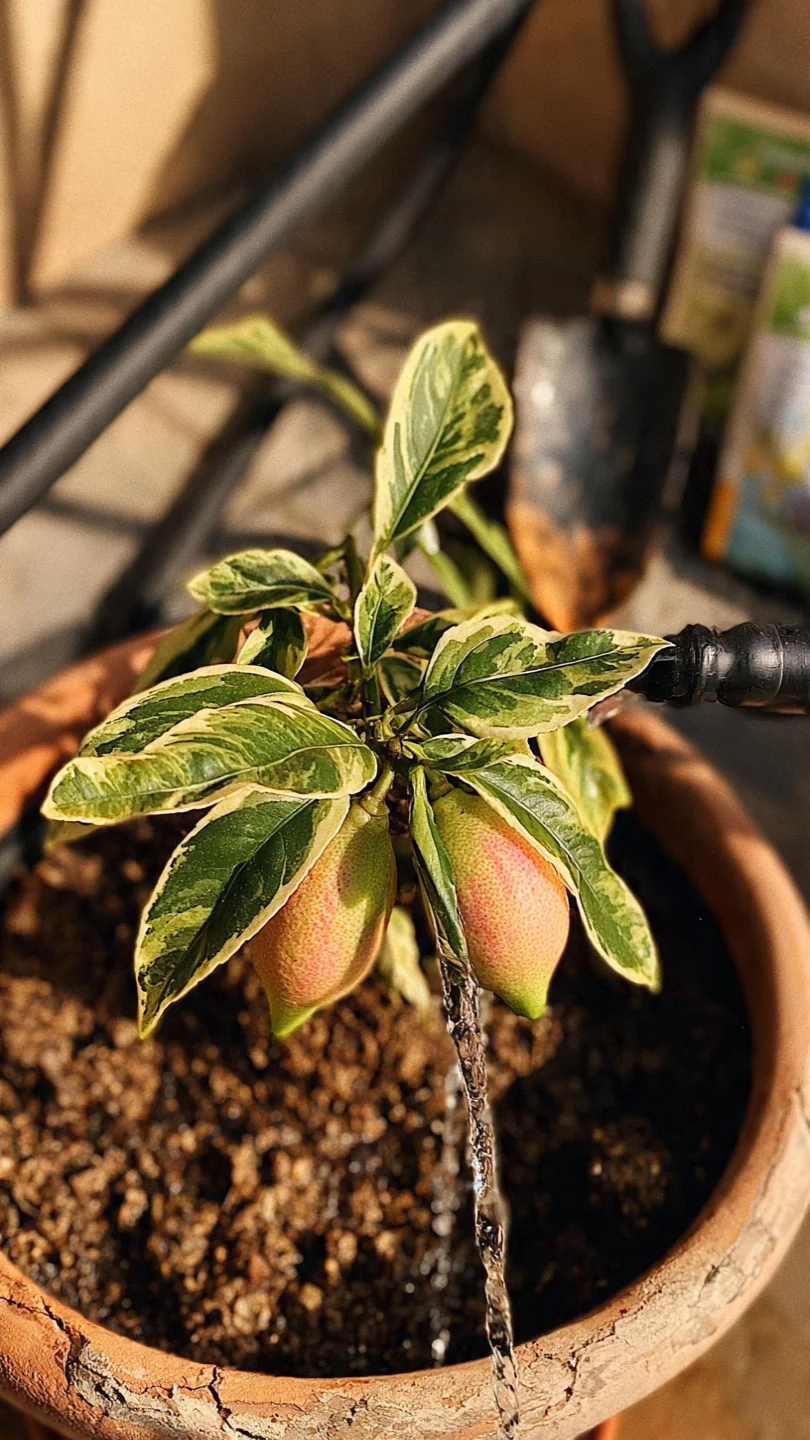
Threshold rule: apply fertilizer only once every 4 to 6 weeks from spring through early fall and keep night temperatures above 25 degrees F during fruit set. If fruit drop exceeds normal seasonal patterns, reduce water by allowing the top 3 inches of soil to dry before the next watering. This adjustment restores balance within 10 days without additional inputs.
Key Lime
Best for: Branch 3
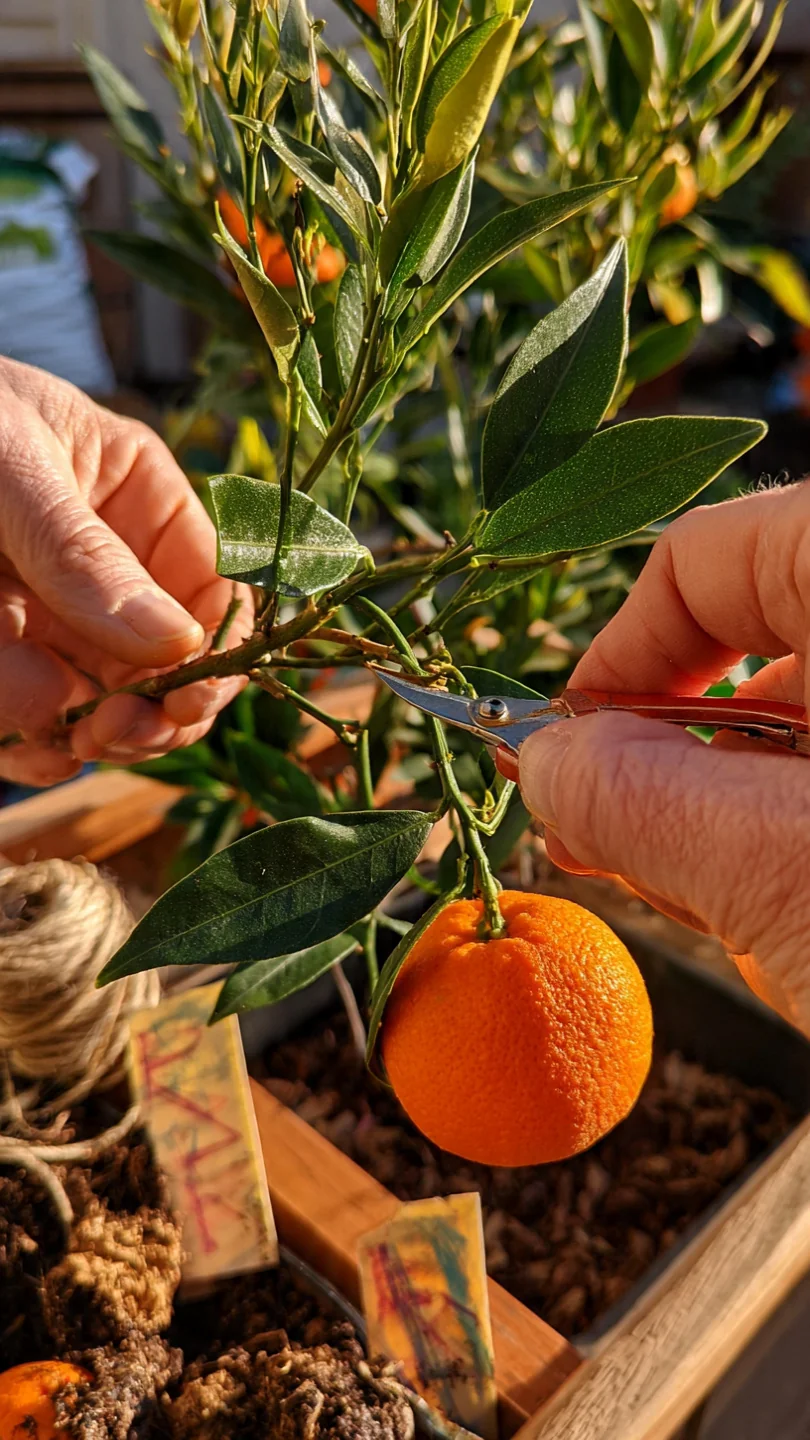
Use key lime when you need compact shrub form and intense flavor in a low-input setup. Skip it only if your area experiences consistent summer highs above 95 degrees F without afternoon shade. Edge case: it produces usable fruit in 10-gallon pots longer than larger-fruited limes.
Bearss Lime
Best for: Branch 3
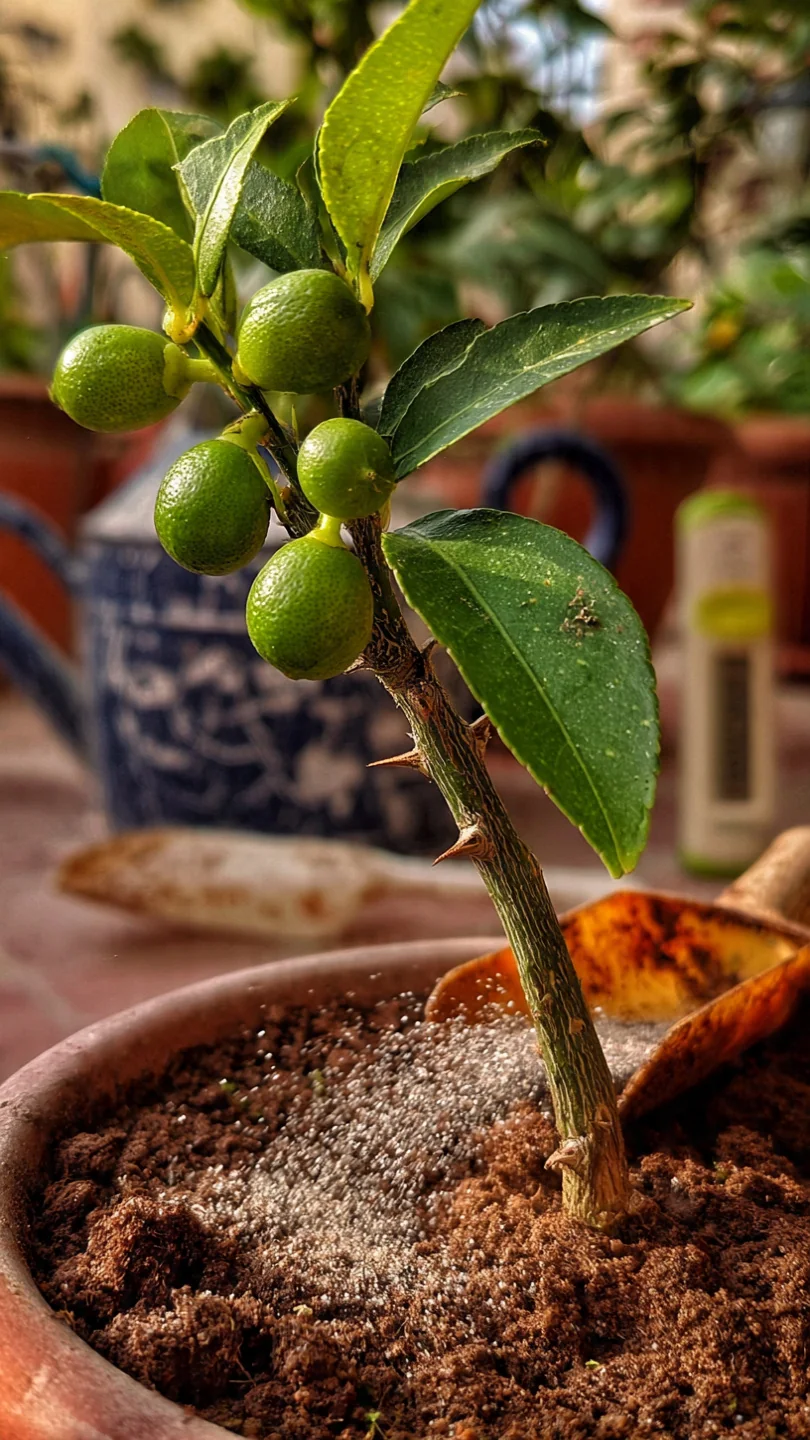
Blueprint for success begins with a 20-gallon minimum container and a mix that includes perlite for drainage. Position for morning sun and afternoon protection if summers exceed 90 degrees F. Water to field capacity then allow the surface to dry. Fertilize monthly during growth. The primary mistake is delaying repotting beyond 30 months, which leads to reduced fruit size.
Starter Stack (What to Choose First)
Branch 1: Compact Space
Start with Calamondin and Kumquat. These two pair for continuous small-fruit harvest in 12- to 16-inch pots while keeping combined root spread under control. Setup cost range: 35 to 60 dollars. Time investment: 15 to 25 minutes initial planting.
Branch 2: Cold Climate Protection Needed
Start with Improved Meyer Lemon and Persian Lime. Together they extend harvest across seasons and recover quickly after indoor moves. Setup cost range: 45 to 75 dollars. Time investment: 20 to 30 minutes initial planting plus 10 minutes per seasonal shift.
Branch 3: Moderate Effort Only
Start with Satsuma Mandarin and Key Lime. These deliver reliable fruit with monthly checks only and share similar low-pruning needs. Setup cost range: 40 to 65 dollars. Time investment: 15 to 25 minutes initial planting.
When This Won’t Work
If your chosen container holds less than 10 gallons after the second year or lacks drainage holes, even the most compact varieties become root-bound within 18 months and stop setting fruit. Switch immediately to a larger lightweight planter or grow-bag system and refresh the soil completely.
If winter lows stay below 15 degrees F for more than 48 hours without reliable indoor space, leaf drop and branch dieback become permanent even in hardy selections. For precise watering schedules that prevent this see watering container plants.
In both cases the alternative action is to overwinter under grow lights or relocate the entire setup to a protected porch until conditions stabilize.
Choosing the Right Option for Your Situation
Budget Threshold
If total starter cost stays under 50 dollars for tree plus pot, select from Branch 1 or 3 options first. Above 50 dollars, prioritize Branch 2 varieties that justify the investment through extended indoor performance.
Time Threshold
If available weekly care time is under 15 minutes, limit choices to Branch 3 items that require only monthly fertilizer and surface checks. Above 15 minutes, any branch works with the 10-minute workflow.
Technical Constraint: Sun Exposure
If your site delivers fewer than 6 hours of direct sun, pair any variety with a sun-optimized companion layout rather than forcing full-sun types.
Yes/No checklist:
Does your pot hold at least 15 gallons?
Can you protect below 28 degrees F?
Will you check soil monthly?
Is sun exposure at least 6 hours?
Expert Q&A
How often should you repot citrus in containers?
Repot every 2 to 3 years or when roots circle the pot edge and growth slows noticeably. Use fresh potting mix to restore drainage and nutrients. Perform the task in early spring before new flush to minimize stress.
Can citrus in containers produce fruit without cross-pollination?
Most varieties listed here are self-fertile and set fruit reliably from a single tree. Hand-pollination with a soft brush during bloom improves yield when indoor air circulation is low or bees are absent.
How do you adjust fertilizer for container citrus in different seasons?
Apply citrus-specific fertilizer at half the label rate every 4 to 6 weeks from March through September. Stop feeding entirely from October through February to allow natural dormancy and prevent weak growth.
What container material best prevents root circling in citrus?
Terra cotta or fabric grow bags promote air pruning and reduce circling compared with smooth plastic. Choose materials that allow evaporation to keep soil moisture balanced.
How do you handle leaf drop in overwintered citrus trees?
Leaf drop often follows sudden light reduction or temperature shifts. Gradually acclimate the tree over 7 to 10 days, maintain consistent 50- to 60-degree F indoor temperatures, and resume light watering only when the top inch of soil dries.
Conclusion
The decision grid delivers the clearest path by tying each variety directly to your pot size, winter lows, and monthly care window. The number-one mistake is selecting solely on marketing claims without measuring your constraints first.
Your next step is to measure your available container volume and winter protection space, then review style-matched options in mediterranean planters.