
Apartment flowers require selection based on your exact microclimate rather than generic easy-care lists. High-rise units often combine low or inconsistent light from windows, dry air caused by HVAC systems, and tight container space that limits root growth. This decision grid reframes the choice around three measurable apartment conditions to avoid common failures such as leggy stems or failed buds.
This guide covers only flowering plants suited to indoor pots or small balconies. It excludes large perennials meant for ground beds, full-sun meadow mixes, and any varieties that demand outdoor soil planting or frequent outdoor overwintering.
You will evaluate your windowsill or balcony setup against the grid below and select varieties that deliver steady blooms using routines no more complex than standard houseplant care. Each option includes one unique detail on an edge case or mechanism that separates success from disappointment in apartments.
Bottom line: Align your apartment light exposure and space limits with the matching variety from the grid and maintain consistent color through simple weekly checks.
The Yield Grid Decision Grid
Branch 1: Low-light apartments (fewer than four hours of bright indirect light per day from north-facing windows or interior rooms). Recommended: Items 1, 2 and 3 below.
Branch 2: Medium-light apartments (four to six hours of bright indirect or filtered light from east- or west-facing windows). Recommended: Items 5, 6 and 8 below.
Branch 3: Bright-light or balcony apartments (six or more hours of direct sun or strong light from south-facing windows or outdoor balcony space). Recommended: Items 4, 7, 9 and 10 below.
Select the right container size and type using our container flowers guide to ensure proper drainage and root health.
Quick Comparison Table
| Option | Key mechanism | Best for | Decision Grid Branch | Effort Score |
|---|---|---|---|---|
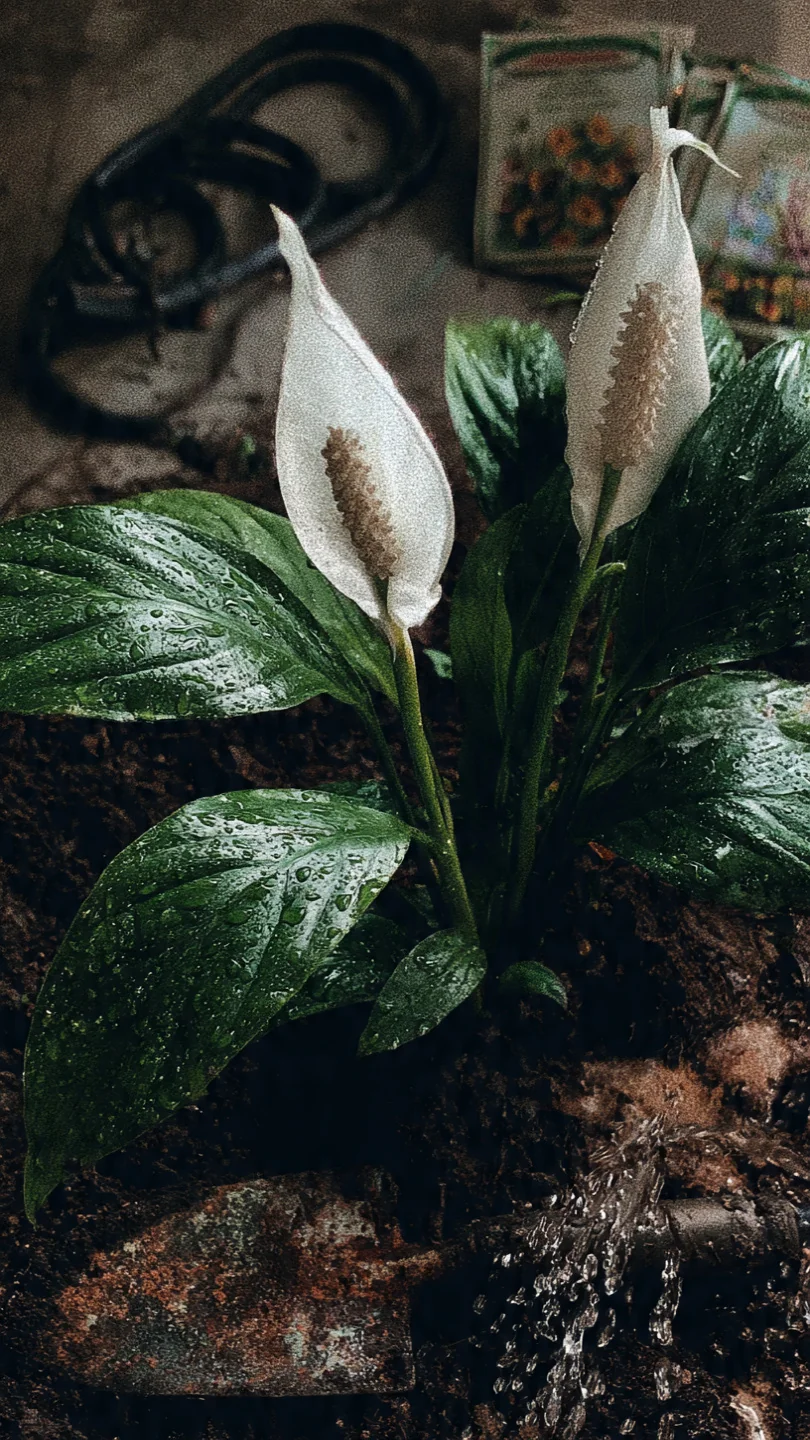
| Peace Lily | Drooping leaves signal exact watering time; white spathes bloom in low light | Dim apartment corners with stable room temperatures | Branch 1 | 2 |
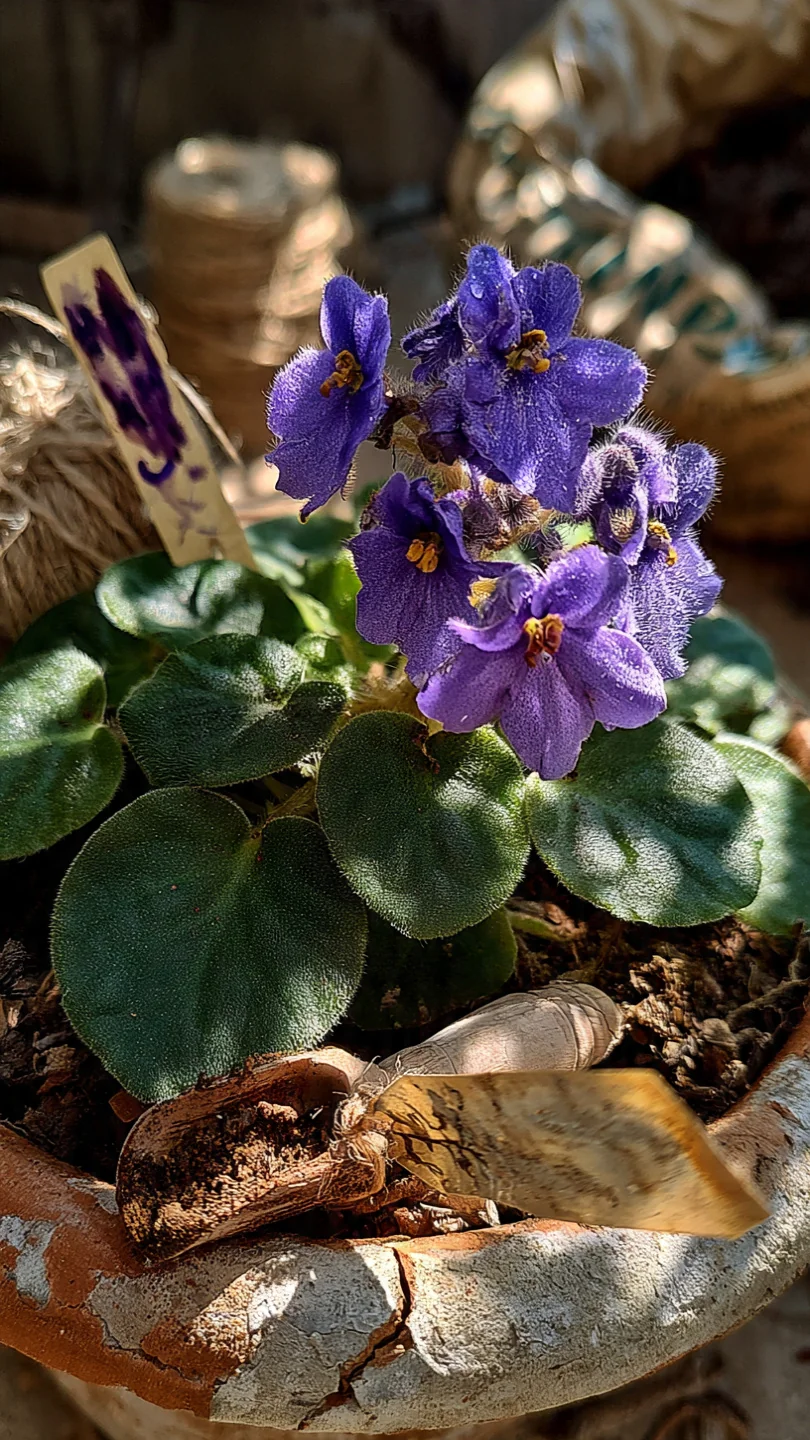
| African Violet | Bottom watering prevents leaf spotting; continuous small blooms under indirect light | Windowsills with consistent indirect light and average humidity | Branch 1 | 3 |
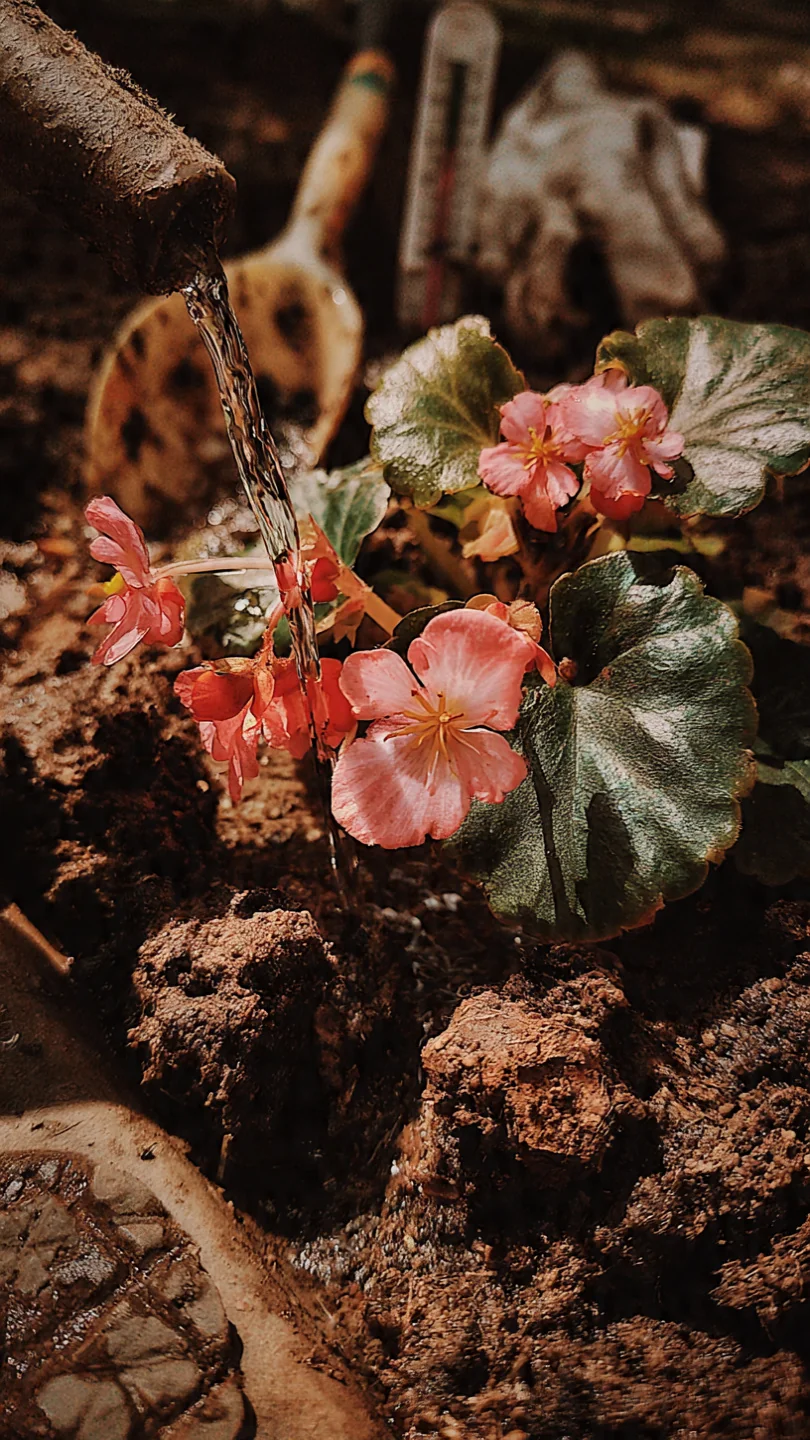
| Wax Begonia | Waxy leaves resist common pests; self-cleaning spent flowers drop naturally | Low light with moderate humidity near kitchen or bathroom | Branch 1 | 2 |
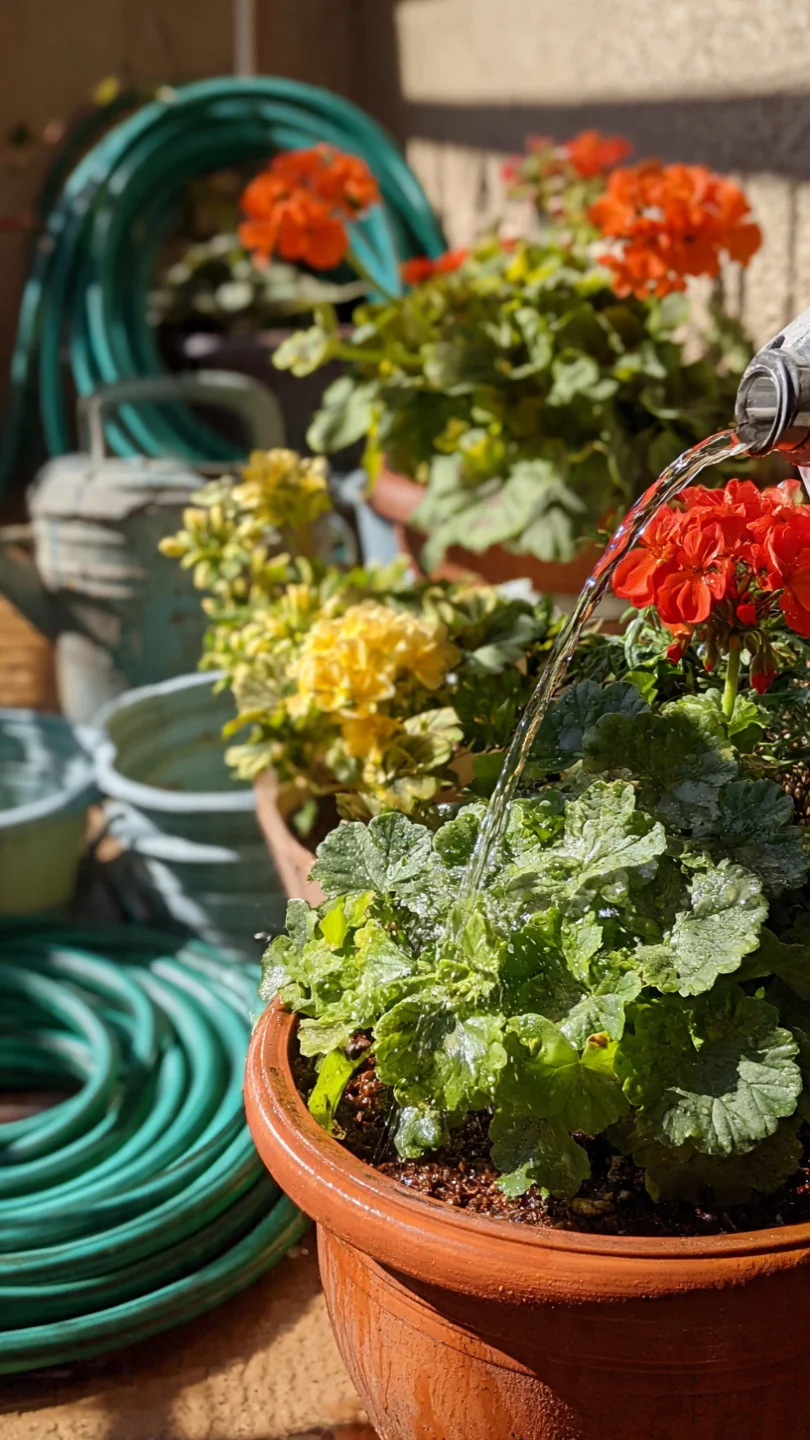
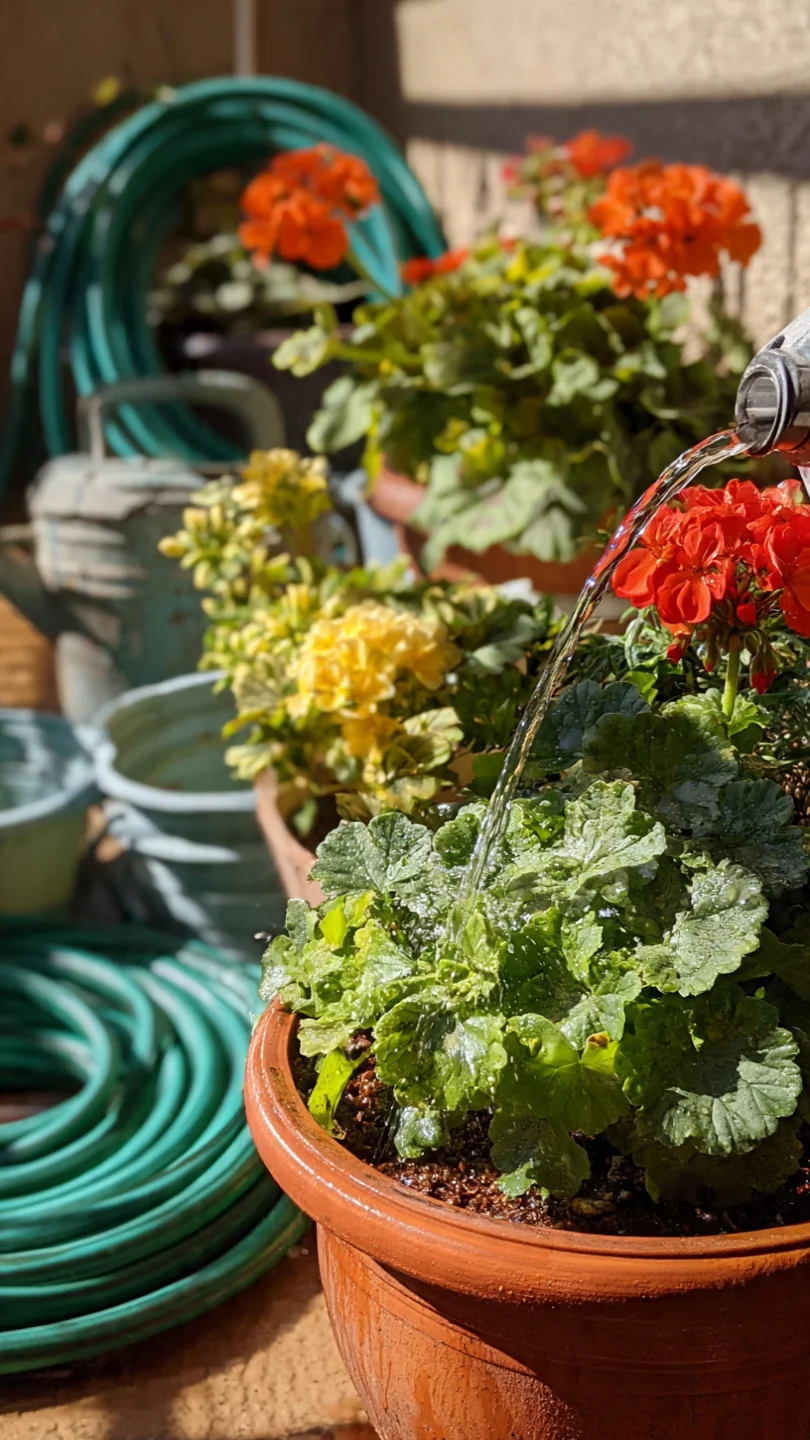
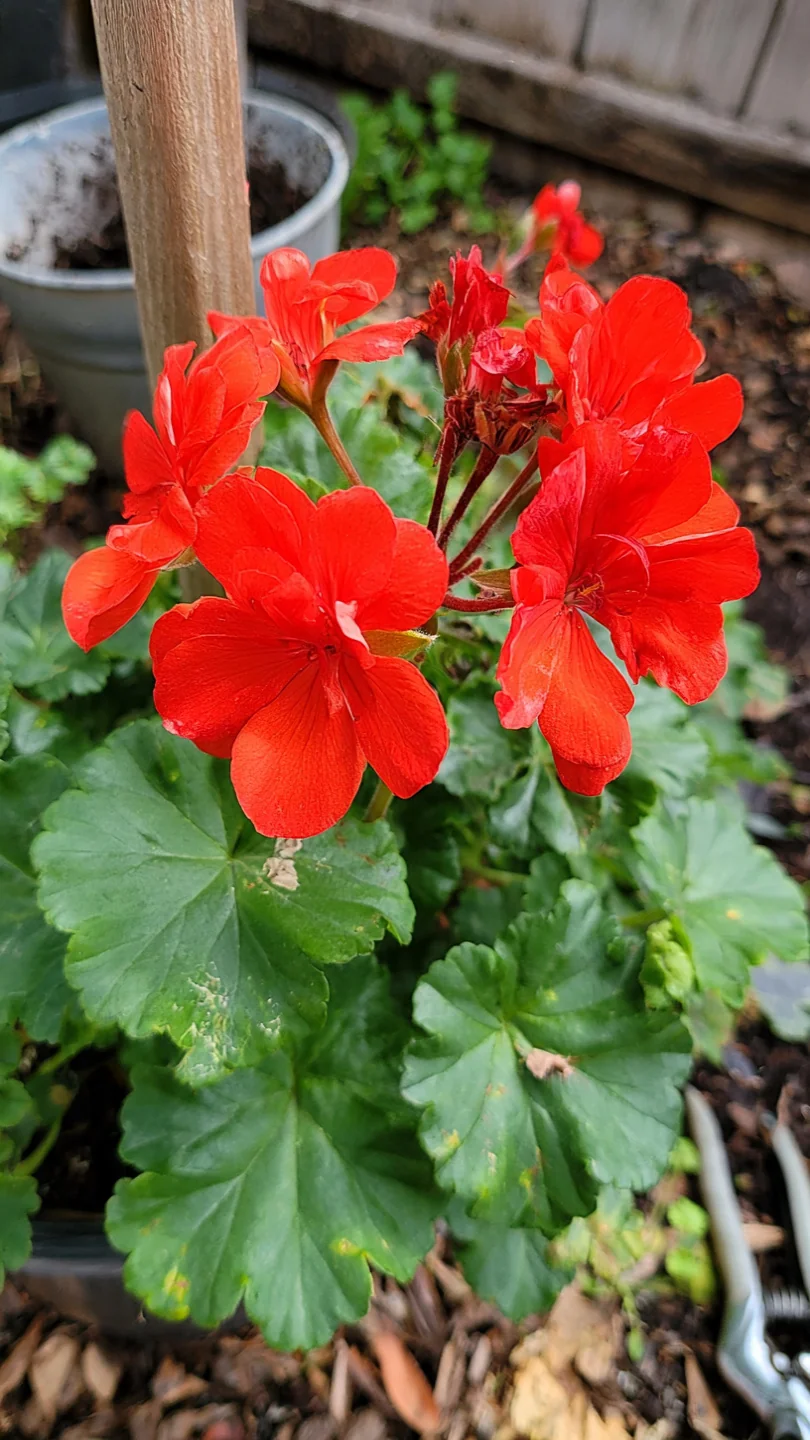
| Zonal Geranium | Scented foliage naturally deters insects; upright stems produce repeated bloom cycles | Sunny windows or balconies with good air circulation | Branch 3 | 4 |
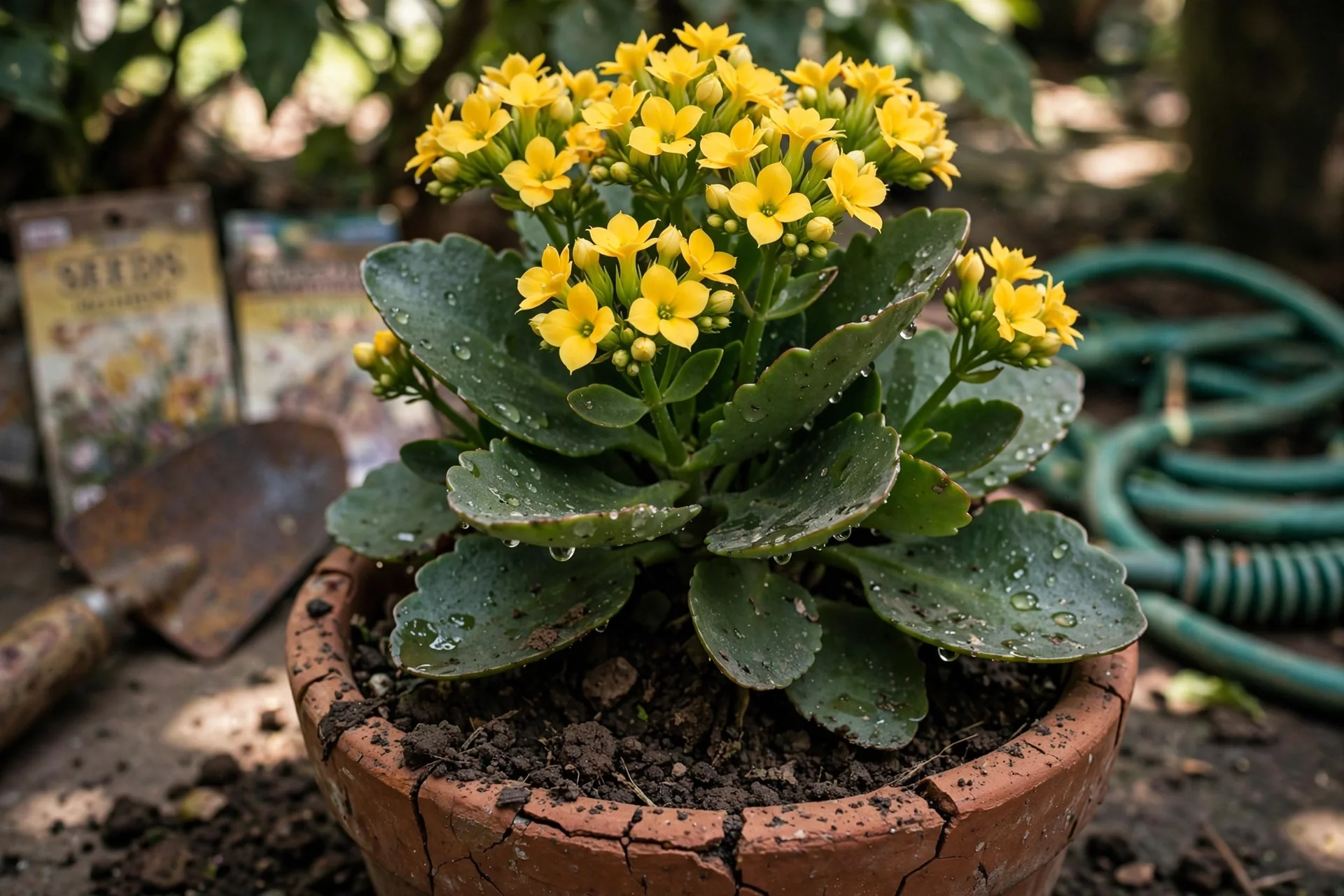
| Kalanchoe | Succulent leaves store water for extended dry intervals; clusters last weeks | Medium light with drier indoor air from heating | Branch 2 | 1 |
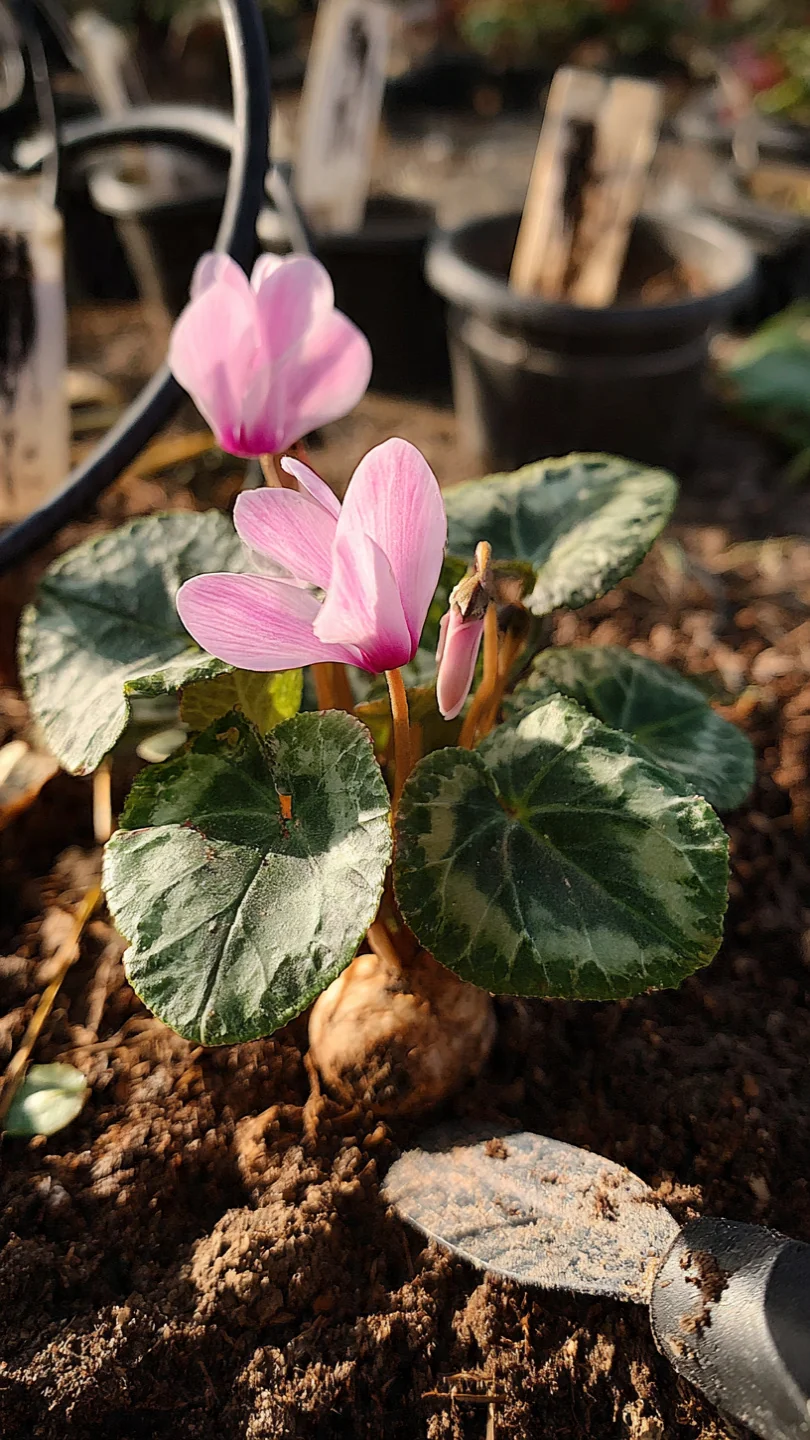
| Cyclamen | Tuber stores energy for seasonal color; prefers cooler indoor temperatures | Medium light during cooler months near a north or east window | Branch 2 | 3 |
| Petunia | Trailing growth fills vertical space; heat-tolerant blooms cascade over edges | Balconies or hanging setups with strong light | Branch 3 | 4 |
| Pansy | Cool-weather tolerance with bi-color petals; compact growth fits small pots | Medium to bright light with spring or fall temperatures | Branch 2 | 2 |
| Fuchsia | Pendant flowers dangle for visual depth; prefers protected bright spots | Bright but cooler balconies shielded from midday heat | Branch 3 | 3 |
| Snapdragon | Dwarf varieties produce vertical spikes in containers; good air flow prevents mildew | Bright balconies with steady ventilation | Branch 3 | 3 |
Peace Lily
Best for: Branch 1
The critical threshold rule for peace lilies in apartments centers on temperature and soil moisture. Keep daytime temperatures above 65 F (18 C) and nighttime above 60 F (16 C). Water only when the top inch of soil feels dry to the touch. This timing prevents root rot in the limited container volume typical of apartment setups.
Place the plant in bright indirect light. Direct sun scorches leaves while complete darkness halts blooming. The large white spathes appear reliably once the plant establishes. A unique edge case occurs with cold drafts from poorly sealed windows: buds drop below the temperature threshold but recover once conditions stabilize.
Soil should drain freely. Use a standard potting mix amended with perlite. Fertilizer needs remain minimal: one balanced liquid feed every six weeks during active growth. This combination delivers consistent white blooms even in low-light corners where other flowering plants stall.
African Violet
Best for: Branch 1
Use African violets when your apartment offers steady indirect light but skip them if humidity falls below average room levels or if you prefer top watering. The fuzzy leaves mark water spots easily and develop rot if foliage stays wet. Bottom watering in a saucer keeps blooms coming without leaf damage.
Choose varieties labeled for continuous bloom. They perform best on east-facing windowsills. The compact size fits narrow ledges common in apartments.
Wax Begonia
Best for: Branch 1
Follow this blueprint for wax begonias in low-light apartments. Select a well-draining pot at least six inches wide. Fill with standard potting mix. Position in bright indirect light. Water when the top half inch of soil dries. Remove any yellowed leaves promptly to maintain airflow.
The waxy foliage resists common apartment pests such as fungus gnats. Spent flowers drop cleanly without manual deadheading. For more shade-tolerant options check our shade flowers guide. This setup produces pink or white blooms steadily once the plant adjusts to your indoor humidity range.
Zonal Geranium
Best for: Branch 3
Adopt this 10-minute weekly workflow for zonal geraniums. Check soil moisture by inserting a finger one inch deep. Water thoroughly if dry. Pinch off faded flower clusters and any yellow leaves in one session. Rotate the pot 90 degrees each week for even growth.
In bright apartment light the scented foliage deters insects without sprays. The upright habit fills vertical window space. Upgrade option: move the plant outdoors to a balcony during warm months for heavier bloom sets. Detailed pruning steps appear in our geranium care guide.
Kalanchoe
Best for: Branch 2
The threshold rule for kalanchoe is simple: allow the top two inches of soil to dry completely between waterings. This succulent storage mechanism tolerates the drier air produced by apartment heating systems. Blooms last four to six weeks once triggered by shorter daylight periods in fall.
Place in medium light. Avoid direct midday sun that burns the fleshy leaves. One application of balanced fertilizer at the start of growth season sustains color. The plant remains compact and requires no deadheading.
Cyclamen
Best for: Branch 2
Use cyclamen in medium-light apartments during cooler months and skip during summer heat above 70 F (21 C). The tuber stores reserves that power winter blooms when daytime temperatures stay between 60 F and 68 F (16 C to 20 C). Water from below to keep the crown dry and prevent rot.
Position near an east window. The heart-shaped leaves and upright flowers add seasonal color without taking much space. Reduce watering once blooms finish to allow dormancy.
Petunia
Best for: Branch 3
Follow this blueprint for trailing petunias in bright apartment settings. Choose a hanging basket or window box at least 12 inches wide. Use a lightweight potting mix with added perlite. Hang or place where the plant receives at least six hours of strong light daily.
Water when the top inch dries. Pinch the growing tips once in early season to encourage branching and more flowers. The cascading habit softens hard balcony edges. For more ideas on vertical displays see our hanging basket flowers guide. This approach fills limited balcony space with continuous color through the warm months.
Pansy
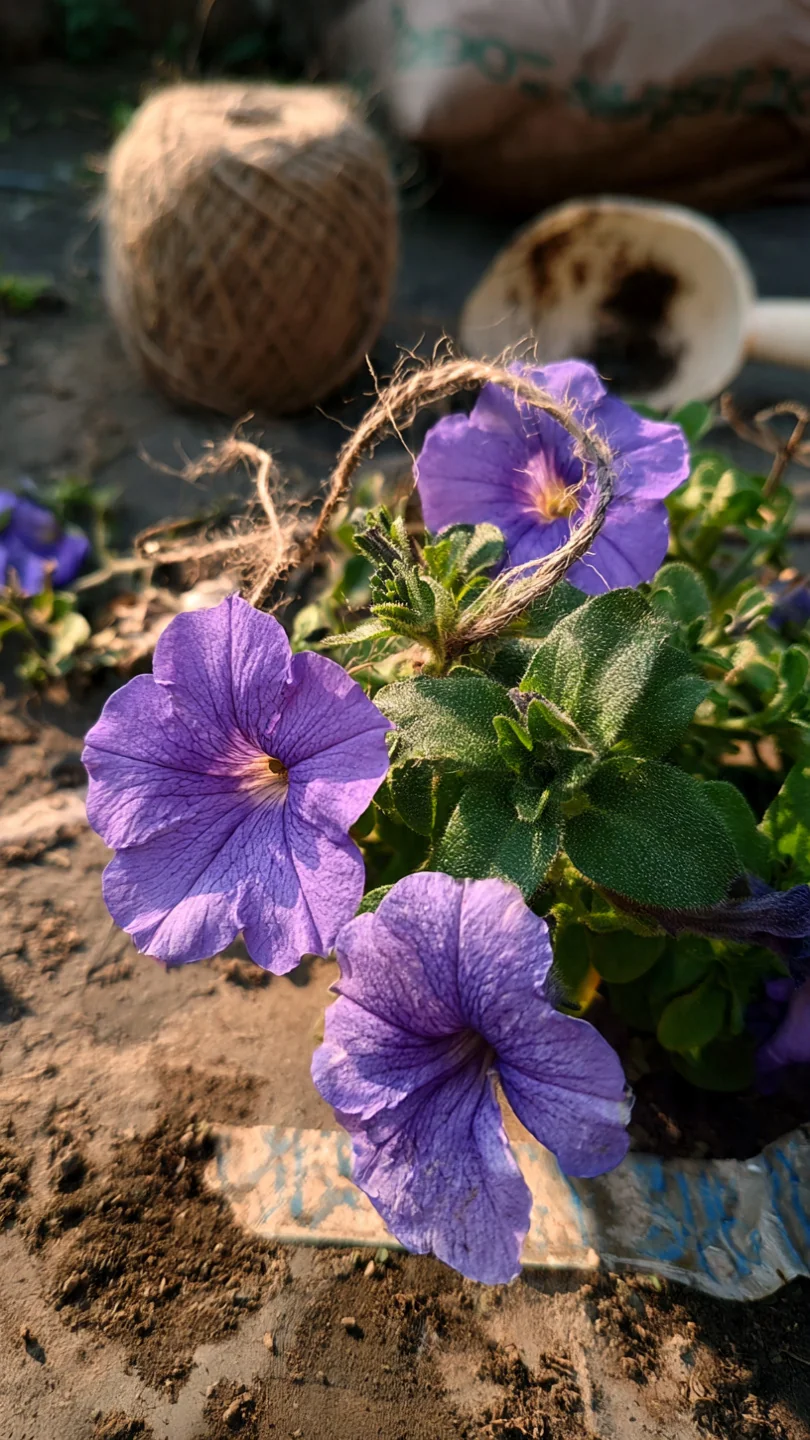
Best for: Branch 2
Complete this 10-minute workflow for pansies. Inspect soil moisture every seven days. Water at the base if the top inch is dry. Remove faded blooms by pinching the stem base. Rotate the pot for balanced growth.
Pansies tolerate the cooler temperatures common in medium-light apartments during spring and fall. Their compact form suits narrow windowsills. For detailed variety selection and seasonal timing see our pansies guide.
Fuchsia
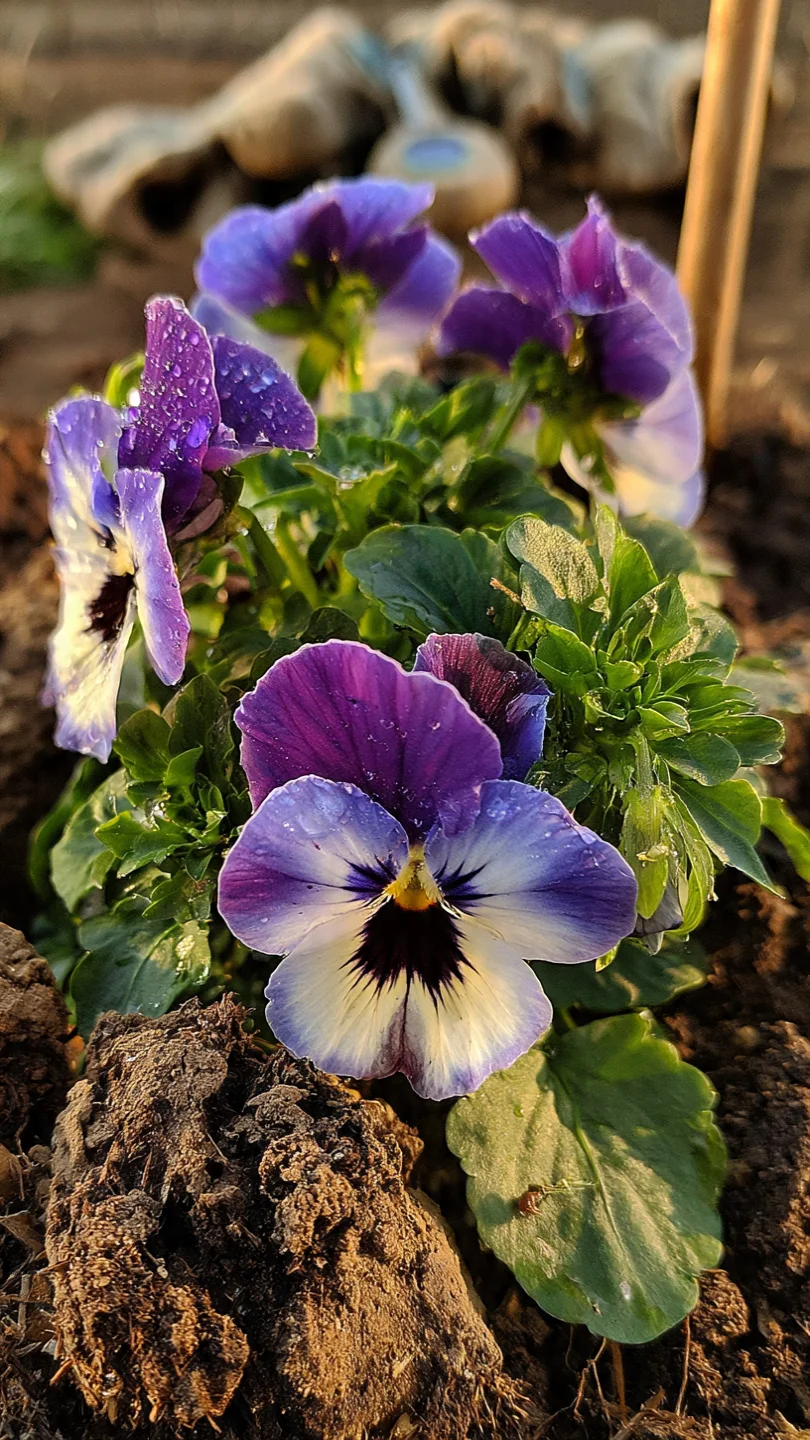
Best for: Branch 3
The key threshold for fuchsia in bright apartments is temperature: keep daytime highs below 75 F (24 C) to prevent bud drop. Provide bright light without intense midday sun. Water when the top inch of soil dries but maintain even moisture around the roots.
The pendant flowers add movement in balcony corners. Protect from strong winds that damage delicate stems. This variety rewards consistent conditions with weeks of dangling color.
Snapdragon
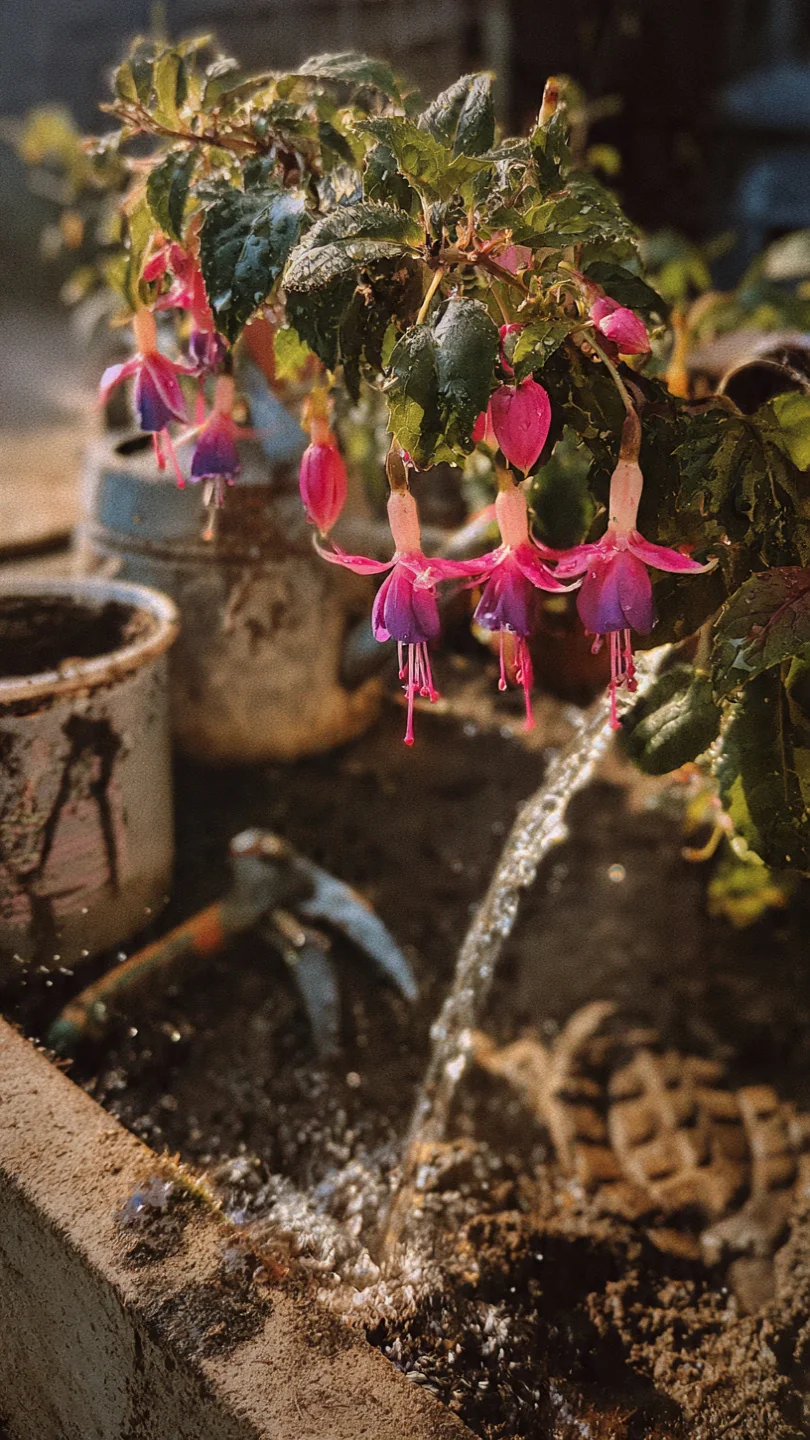
Best for: Branch 3
Use dwarf snapdragons on bright balconies and skip them in stagnant indoor air that promotes mildew. Good airflow around the container prevents fungal issues on the tall flower spikes. Water at soil level to keep foliage dry.
Plant in a pot at least eight inches deep for stable roots. The vertical habit adds height without spreading sideways. In mild climates the plants may self-seed lightly in the same container for the following season.
Starter Stack (What to Choose First)
For Branch 1 (Low-light apartments)
Start with peace lily and African violet. The peace lily signals watering needs clearly while the African violet adds continuous small blooms in the same indirect light conditions. Together they cover both foliage interest and flower color. Initial cost range: 15 to 30 dollars total. Weekly care time: 10 minutes combined.
For Branch 2 (Medium-light apartments)
Start with kalanchoe and pansy. Kalanchoe handles drier air with minimal watering while pansy provides cool-season color that shifts with the calendar. The pair fits the same windowsill without competition for space. Initial cost range: 12 to 25 dollars total. Weekly care time: 8 minutes combined.
For Branch 3 (Bright-light or balcony apartments)
Start with zonal geranium and petunia. The geranium offers upright structure and natural pest resistance while the petunia fills vertical space with cascading blooms. Both thrive under strong light and share similar watering intervals. Initial cost range: 18 to 35 dollars total. Weekly care time: 12 minutes combined.
When This Won’t Work
Apartment flowers fail under two measurable conditions. First, if your space receives fewer than two hours of any bright indirect light daily the plants become leggy and stop producing buds regardless of variety. Second, if indoor humidity stays below 40 percent for weeks at a time (common near heating vents) even tolerant varieties drop buds and develop crispy leaf edges.
In either case shift to a different location such as a brighter balcony if available or add a small humidifier near the plants. For balcony-specific troubleshooting and alternatives see our balcony flowers guide.
Choosing the Right Option for Your Situation
If Your Budget Is Under 20 Dollars Per Plant
Select African violet, wax begonia or kalanchoe. All three deliver reliable color from small starter pots and require no expensive specialty soil or supports.
If You Have Less Than 10 Minutes Weekly for Care
Choose kalanchoe or peace lily. Both tolerate seven- to ten-day watering intervals and need no regular deadheading once established.
If Your Apartment Runs Hot and Dry (Above 75 F or Low Humidity)
Pick kalanchoe or zonal geranium. Their succulent or scented foliage mechanisms handle reduced moisture and higher temperatures without immediate decline.
Yes/No checklist:
Do you have at least three hours of bright indirect light daily?
Can you check soil moisture once per week?
Is your average room temperature above 60 F (16 C)?
Does your chosen spot allow free airflow around the container?
Expert Q&A
How do apartment growers manage spider mites without repeated chemical sprays?
Isolate the plant at the first sign of fine webbing. Rinse foliage thoroughly under lukewarm water every three days for two weeks. Increase humidity around the plant with a pebble tray. This physical approach breaks the mite life cycle in the dry air typical of apartments.
What soil mix ratio prevents root rot in small apartment containers?
Use two parts standard potting mix to one part perlite. The added perlite creates air pockets that allow excess water to escape quickly. Test drainage by watering a new pot fully: water should exit the bottom holes within 30 seconds.
How can you extend bloom time on apartment flowers during short winter days?
Move the plant closer to the brightest window available. Remove spent blooms promptly to redirect energy. Maintain consistent daytime temperatures between 65 F and 72 F (18 C to 22 C). These steps trigger repeat flowering without supplemental lighting.
Which apartment flowers combine well in a single wide container for color contrast?
Pair wax begonia with pansy in a 12-inch pot. The begonia provides rounded foliage and summer blooms while the pansy adds upright cool-season color. Space plants six inches apart and use the same watering schedule for both.
What is the best way to propagate apartment flowers for free replacements?
Take four-inch stem cuttings from healthy geranium or petunia plants in spring. Remove lower leaves and place in moist perlite. Keep in bright indirect light. Roots form within three weeks allowing new plants without purchase.
Conclusion
The decision grid simplifies apartment flower selection by matching light exposure and space limits to specific varieties. The most common mistake is ignoring the temperature and humidity thresholds that trigger bud drop even when watering is correct.
Review your windowsill conditions today and select the first two plants from the starter stack that fit your branch. Build confidence with the low-effort options before expanding. For additional low-effort varieties see our low-maintenance flowers guide.