
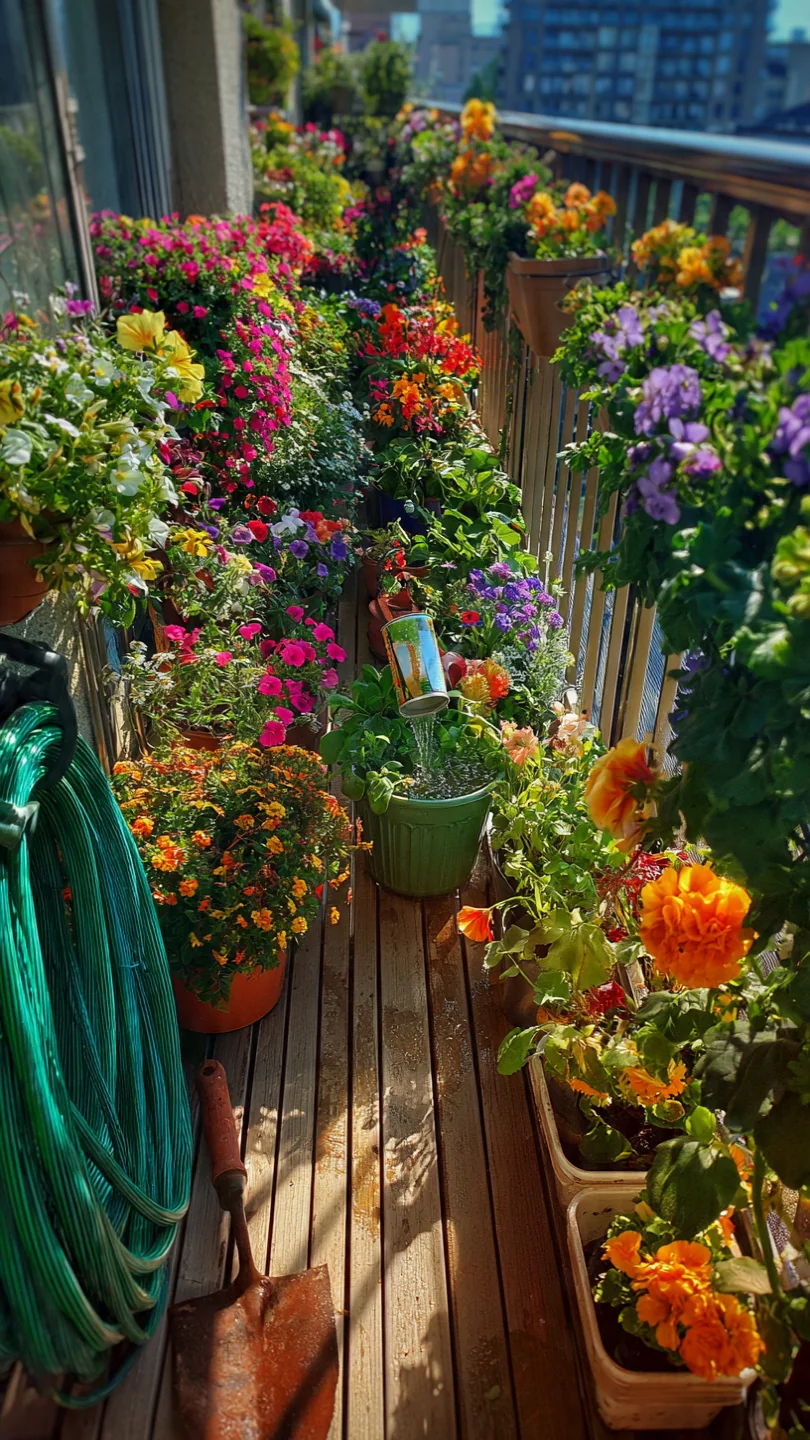
The real difference between balcony flowers that bloom nonstop and those that fade by midsummer comes down to two measurable balcony conditions: daily direct sun hours and how often you can water containers. This guide reframes selection around those numbers instead of popularity or color alone.
It focuses on nine container-suited annuals and perennials proven for balconies in the US, UK, Canada, Australia, Germany, and France. Ground beds, large shrubs, and houseplants are excluded.
You leave with an exact match for your space, a ready-to-plant starter pairing, and setup steps that prevent the two most common failures.
Bottom line: Measure your sun hours and watering interval once, then pick from the grid to get months of reliable color with no guesswork.
The Yield Grid Decision Grid
Branch 1: Full sun exposure (6+ hours direct sunlight daily). Recommended: Items 1, 4, and 7 below.
Branch 2: Partial sun exposure (3-5 hours direct sunlight daily). Recommended: Items 2, 5, and 8 below.
Branch 3: Low watering frequency (able to water only once or twice weekly). Recommended: Items 3, 6, and 9 below. For potting mix and drainage details see our container flowers guide.
Quick Comparison Table
| Option | Key mechanism | Best for | Decision Grid Branch | Reapply Class |
|---|---|---|---|---|
| Petunias | Trailing stems that spill over edges | Cascading color impact | Branch 1 | Weekly |
| Geraniums | Thick foliage with built-in pest resistance | Upright structure and reliability | Branch 2 | Biweekly |
| Pansies | Cool-season bloom cycle | Early and late season color | Branch 2 | Weekly |
| Marigolds | Compact rounded habit and natural pest deterrence | Bright filler in hot spots | Branch 1 | Monthly |
| Snapdragons | Vertical spikes that add height without width | Architectural interest | Branch 2 | Weekly |
| Lavender | Silver foliage and essential oil glands | Fragrance and drought tolerance | Branch 3 | Once-per-season |
| Cosmos | Feathery foliage and daisy-like blooms | Airiness and self-seeding potential | Branch 3 | Monthly |
| Zinnias | Sturdy stems and prolific flowering | Cut-flower production | Branch 1 | Biweekly |
| Morning Glory | Twining vines that climb railings | Vertical screening | Branch 3 | Monthly |
Petunias
Best for: Branch 1
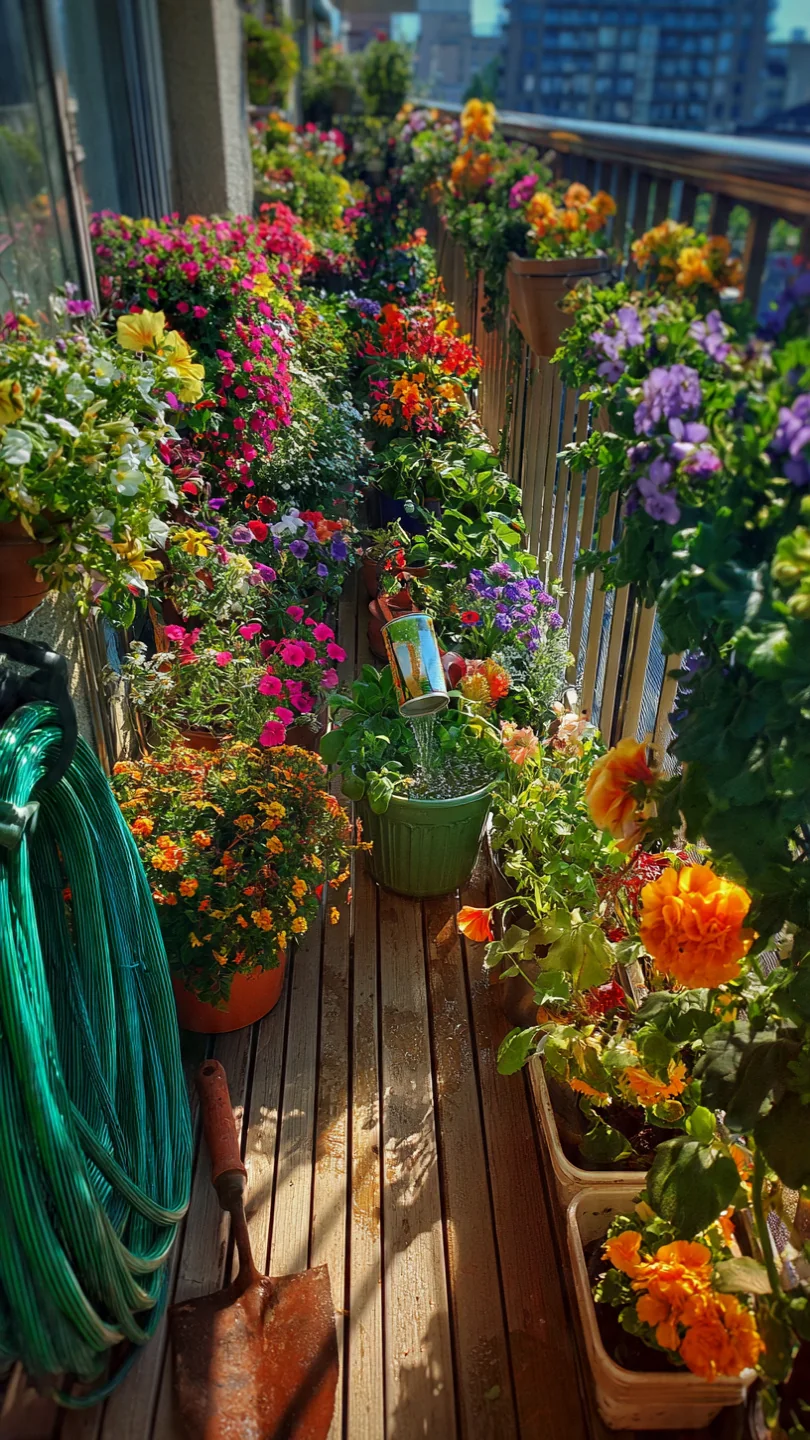
Petunias are trailing annuals that produce nonstop color through cascading stems when given full sun. They suit sunny balconies needing fast coverage over railings or in hanging setups. Plant in 12-inch or larger pots filled with well-draining potting mix. Space transplants 8 to 10 inches apart after last frost when night temperatures stay above 55 F. Water when the top inch of soil feels dry and deadhead spent blooms every few days to redirect energy. The most common mistake is using pots without drainage holes, which leads to root rot even in hot conditions. Pair with other hanging basket flowers for layered vertical interest.
Geraniums
Best for: Branch 2
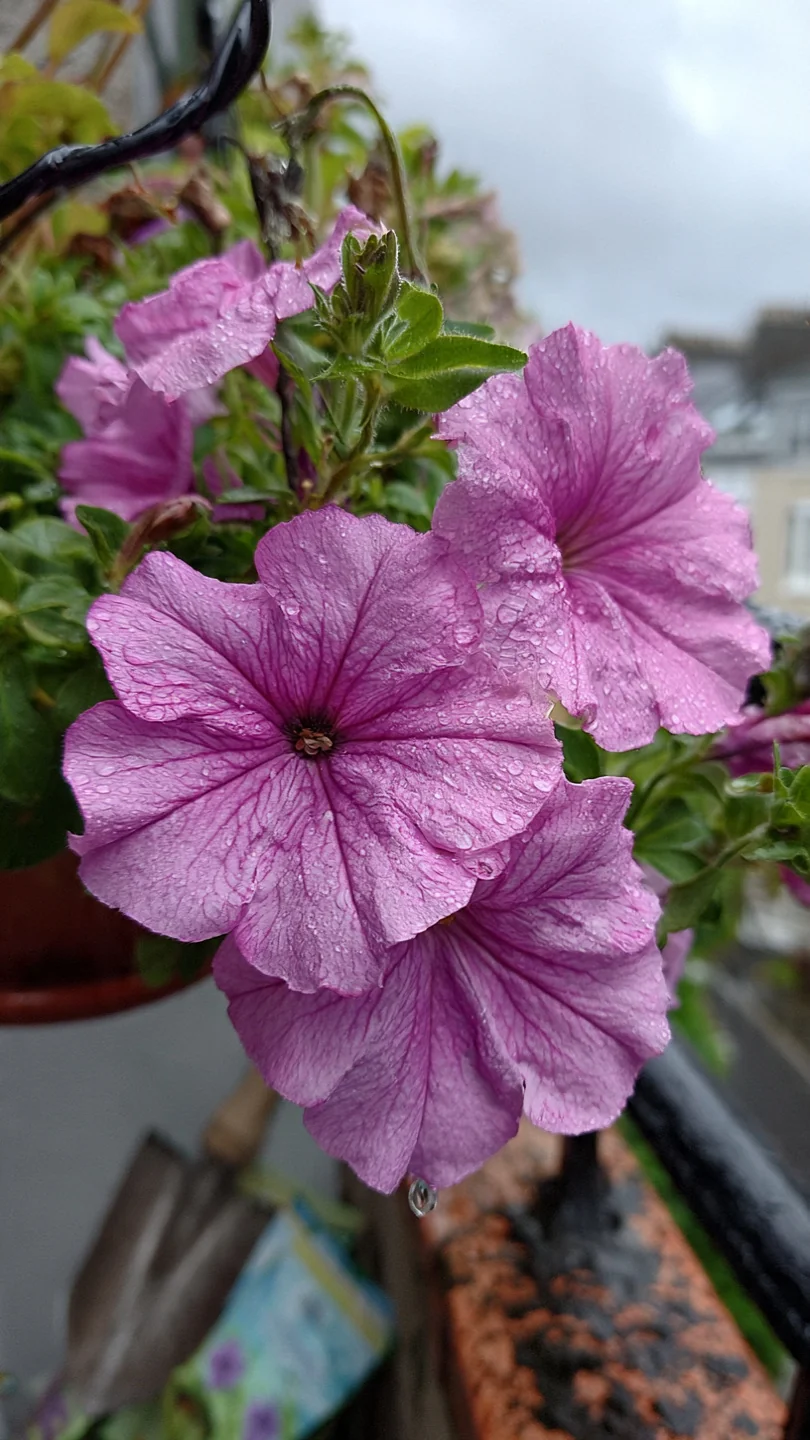
Use geraniums when you want upright form and foliage that holds up to light wind. Skip them on fully shaded balconies because flower production drops sharply below 3 hours of sun. Edge case: in temperatures above 90 F they benefit from afternoon shade cloth to prevent leaf scorch.
Pansies
Best for: Branch 2
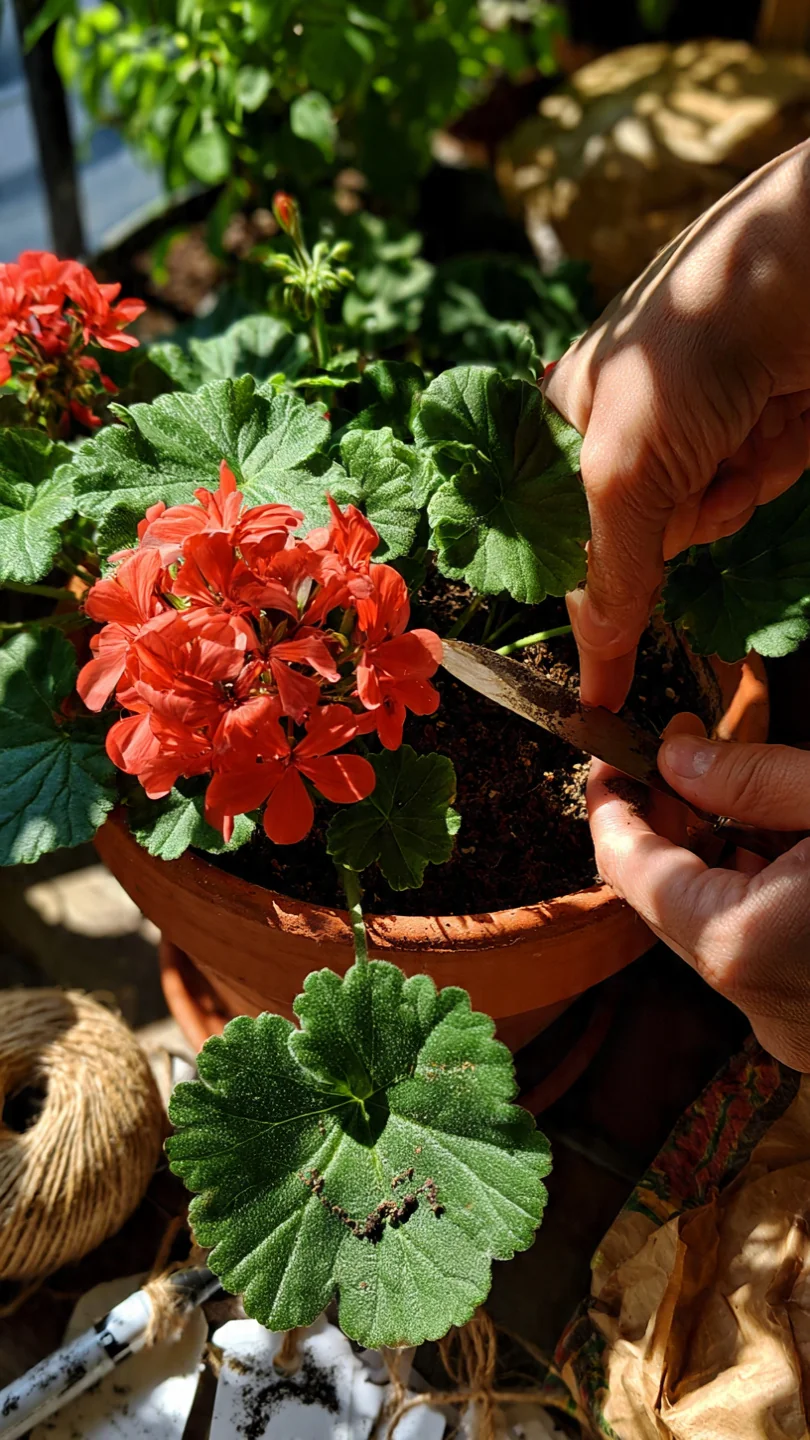
Pansies follow a threshold rule based on temperature and light. They deliver best color when daytime highs stay between 50 F and 75 F and receive 3 to 5 hours of sun. Below 40 F they slow but survive. Adjust by moving pots to a protected spot during early spring cold snaps. In heat above 80 F they stop blooming and become leggy. Fertilize every 4 weeks with a balanced liquid formula diluted to label strength.
Marigolds
Best for: Branch 1
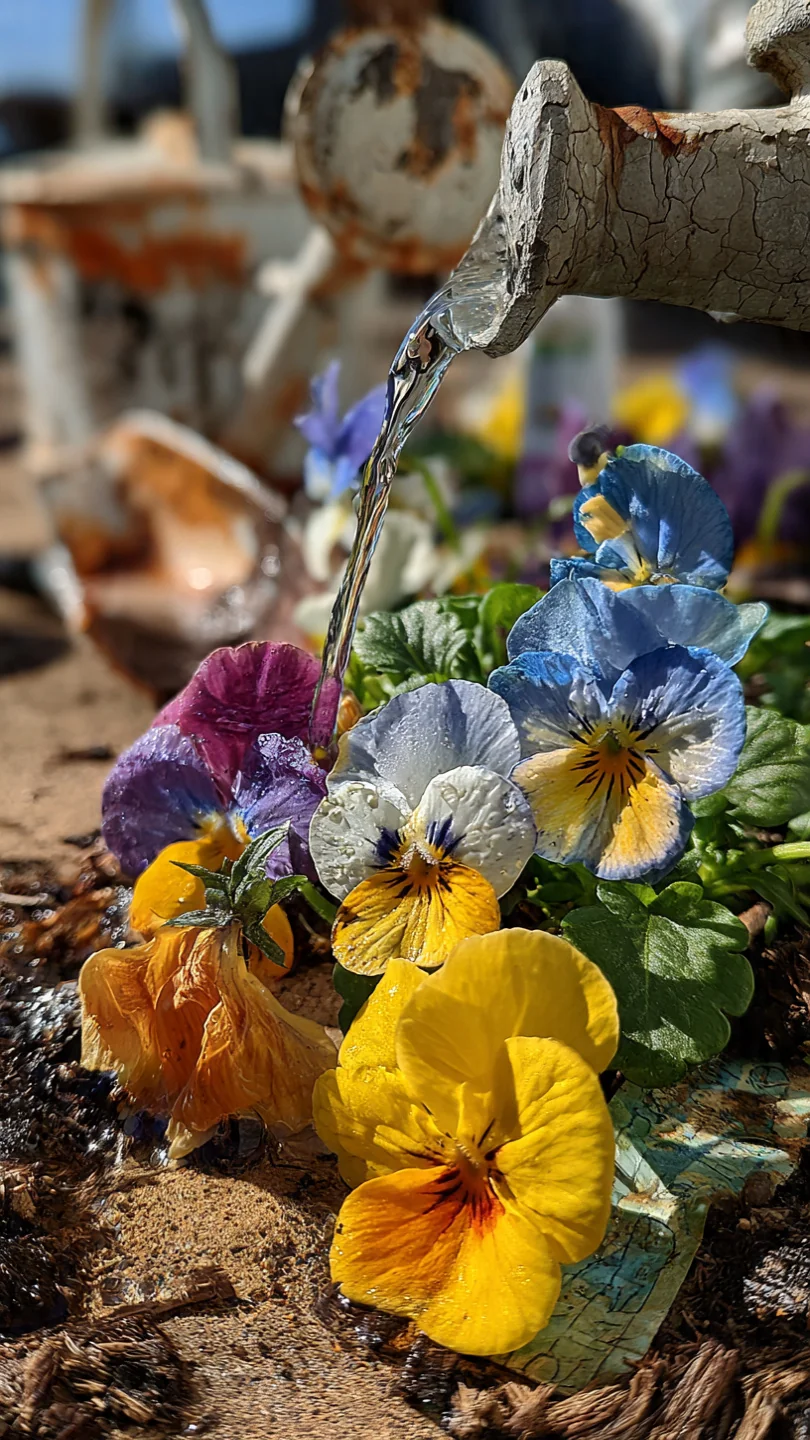
Marigolds use a 10-minute workflow that fits busy schedules on full-sun balconies. Start with nursery transplants in 10-inch pots. Fill with standard potting mix, water thoroughly at planting, and place where they receive 6+ hours of sun. Every 7 days spend 10 minutes deadheading and checking soil moisture. Upgrade option: add a slow-release granular fertilizer at planting to extend the window between feedings. They tolerate wind better than taller flowers because of their compact rounded habit. For full-sun performance details see our full-sun flowers guide.
Snapdragons
Best for: Branch 2
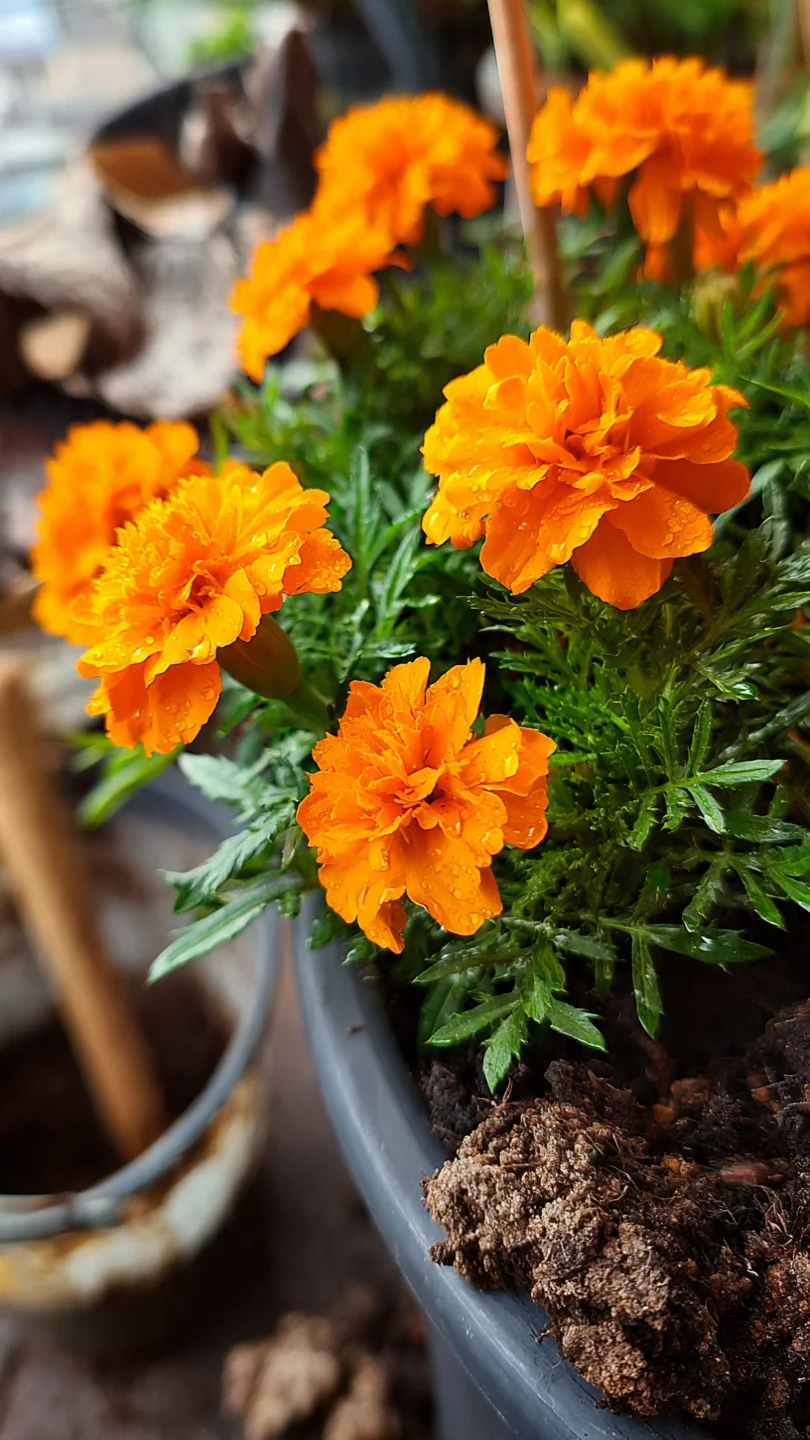
Use snapdragons for vertical spikes in partial sun. Skip them if your balcony stays above 85 F for weeks because heat reduces flower size. Edge case: cool nights below 50 F extend bloom time into late fall.
Lavender
Best for: Branch 3
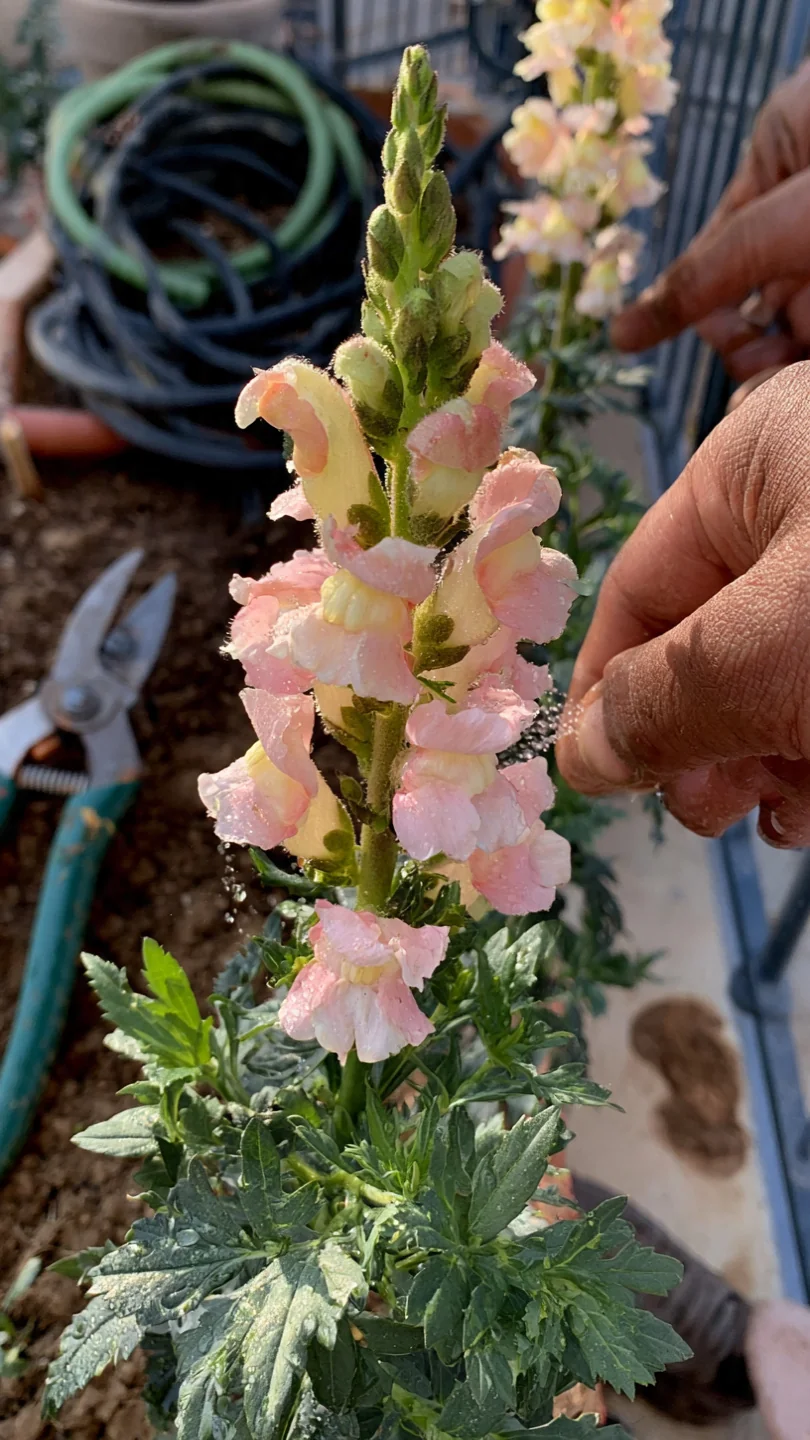
Lavender tolerates watering once or twice weekly once established because its essential oil glands reduce transpiration. It needs full sun for compact growth and fragrance but survives dry spells better than most annuals. Plant in 12-inch pots with gritty, fast-draining mix. Water deeply at planting then allow the top 2 inches of soil to dry before the next cycle. Trim spent stems in early summer to encourage a second flush. Its silver foliage reflects heat and deters deer. For more scent-focused selections see our fragrant flowers guide.
Cosmos
Best for: Branch 3
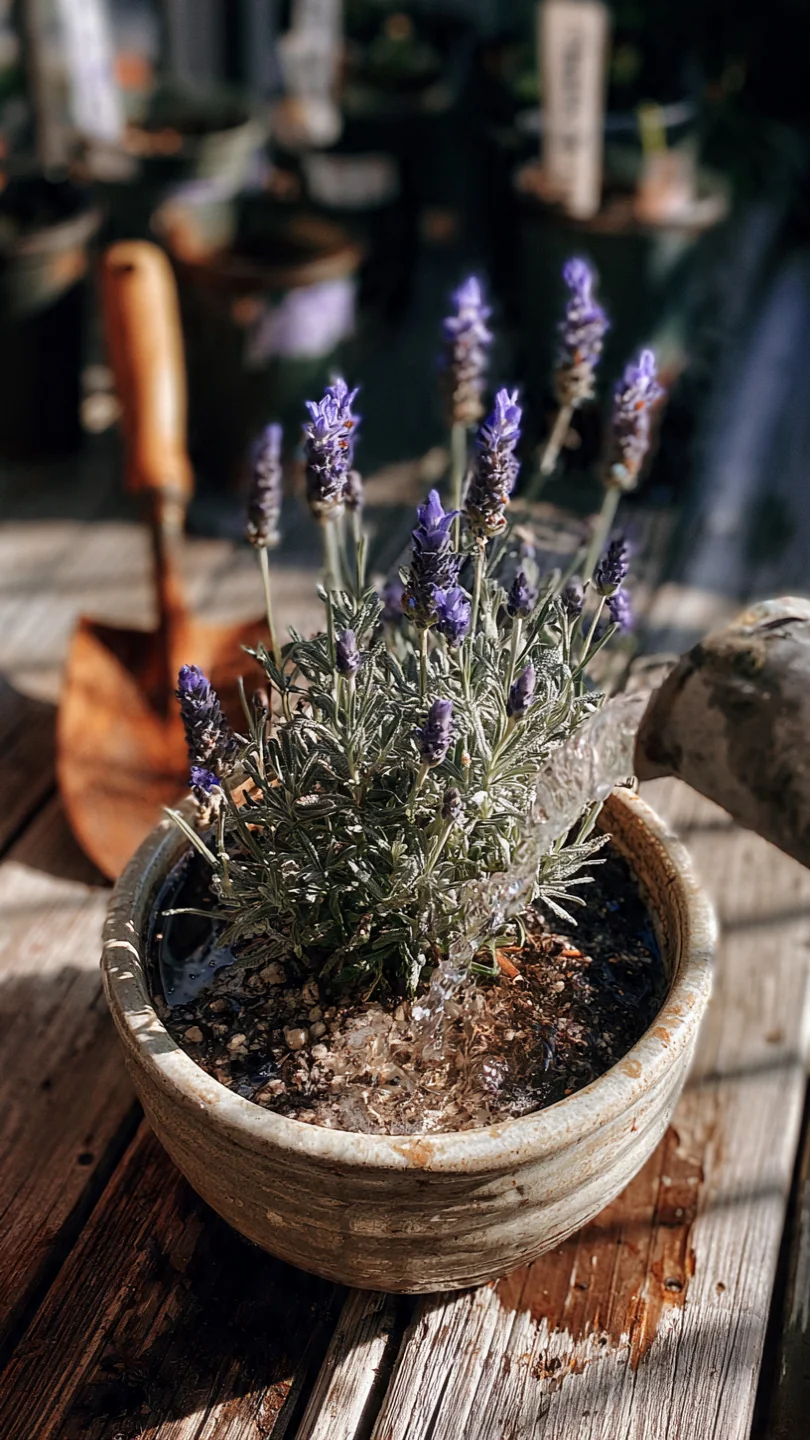
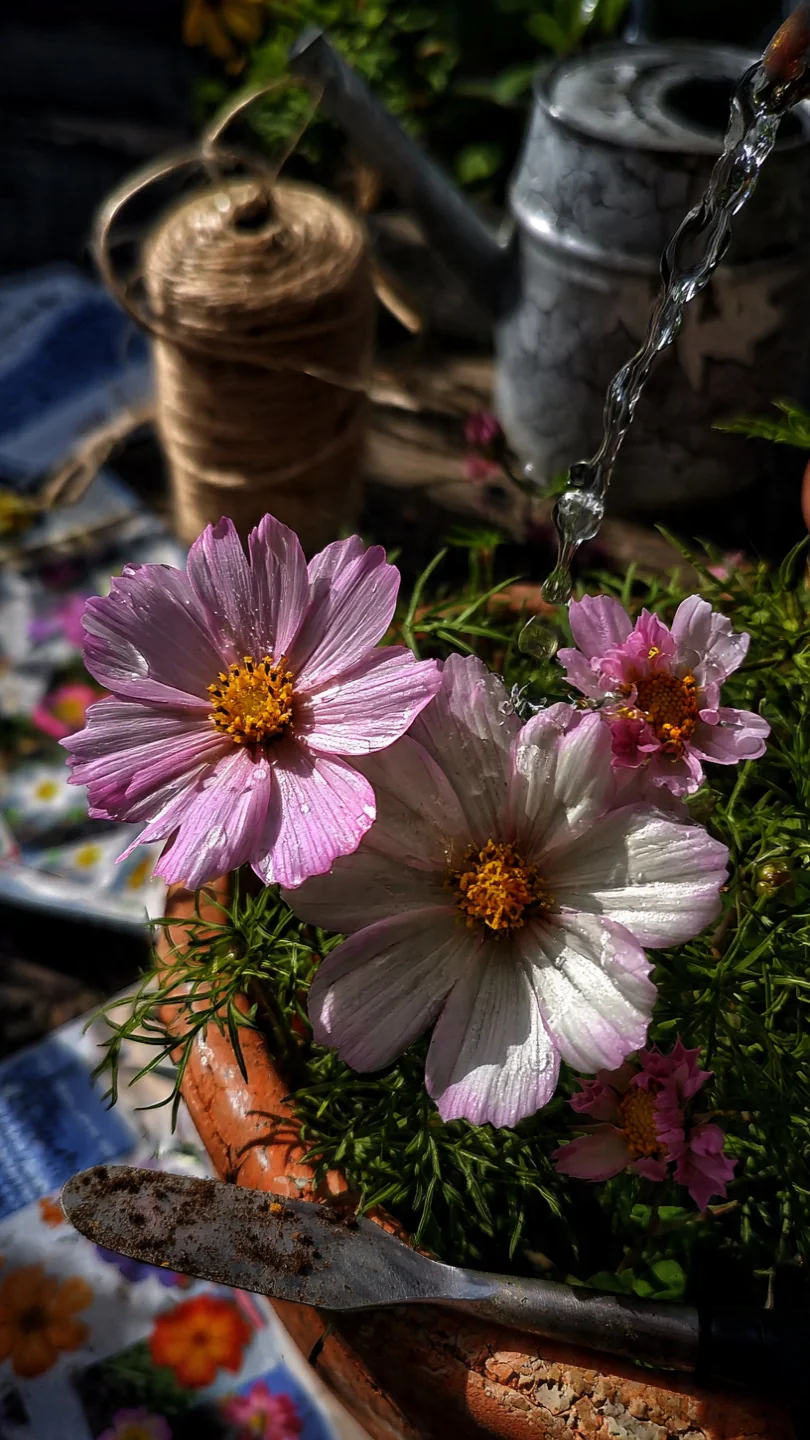
Cosmos use airy foliage and daisy blooms to fill space with minimal water once roots establish. They fit low-water balconies because they survive short dry periods without wilting. Sow seeds directly or use transplants in 10-inch pots after soil warms to 65 F. Space 12 inches apart and water only when the top 1.5 inches of soil is dry. They self-seed lightly in containers so remove spent heads if you want control. For lower-effort options see our low-maintenance flowers guide.
Zinnias
Best for: Branch 1
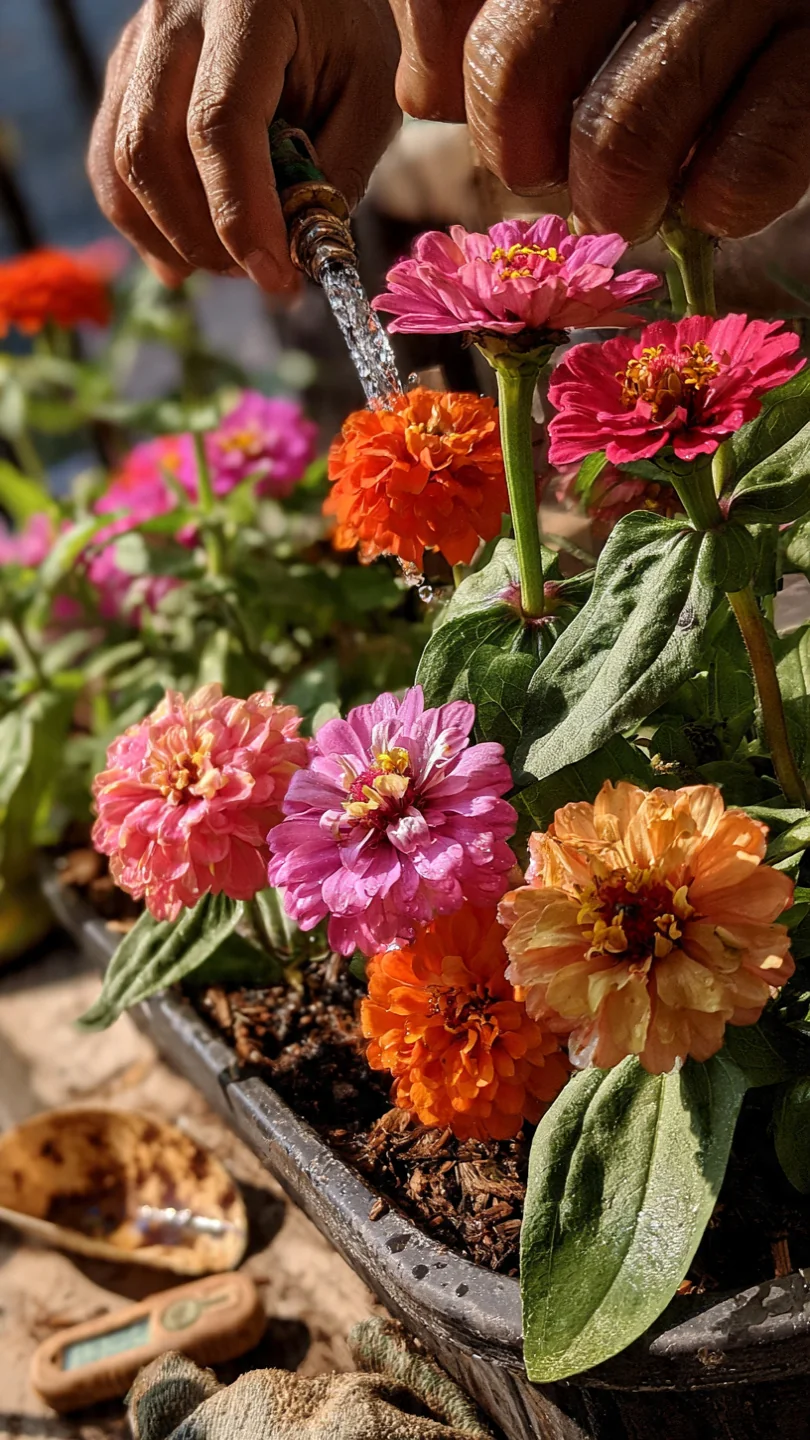
Zinnias deliver sturdy stems and bright blooms suited to full-sun balconies where you want cut-flower material. They require 6+ hours of direct light for strong stems that resist flopping. Plant in 10- to 12-inch pots with well-draining mix after last frost. Water at the base when the top inch dries and remove faded blooms every 10 to 14 days. Their key mechanism is prolific side branching that fills pots quickly. They attract pollinators without extra effort. For pollinator-friendly pairings see our pollinator flowers guide.
Morning Glory
Best for: Branch 3
Morning glory vines climb railings with twining stems that create vertical screening even on low-water balconies. They tolerate dry spells once established because deep roots access moisture efficiently. Sow seeds in 12-inch pots after soil reaches 65 F or use transplants. Provide a trellis or railing tie points and water when the top 2 inches of soil dry. They bloom from midsummer until frost in full sun. Avoid over-fertilizing because it reduces flowers in favor of leaves.
Starter Stack (What to Choose First)
For Branch 1 Balconies
Start with petunias and zinnias. Trailing petunias cover edges while upright zinnias add height and cut-flower stems. Setup cost range: 25 to 45 dollars for two 12-inch pots. Weekly time estimate: 8 to 12 minutes.
For Branch 2 Balconies
Start with geraniums and snapdragons. Geraniums supply foliage texture while snapdragons add vertical spikes. Setup cost range: 20 to 40 dollars for two 10-inch pots. Weekly time estimate: 6 to 10 minutes.
For Branch 3 Balconies
Start with lavender and morning glory. Lavender forms a fragrant base while morning glory screens railings. Setup cost range: 30 to 50 dollars for two 12-inch pots. Weekly time estimate: 4 to 8 minutes.
When This Won’t Work
If your balcony receives fewer than 3 hours of direct sun even during peak summer these selections produce sparse blooms and elongated stems. Move to shade-tolerant varieties instead.
If night temperatures stay below 40 F for more than five consecutive nights without protection tender annuals suffer frost damage. Bring pots inside overnight or choose cold-hardy replacements. In either case consult our shade flowers guide for suitable replacements.
Choosing the Right Option for Your Situation
If Your Budget Threshold Is Under 30 Dollars per Pot
Choose marigolds or pansies. Both deliver high bloom volume from inexpensive nursery starts and use standard potting mix without additives.
If Your Time Threshold Is Under 10 Minutes Weekly
Prioritize lavender or cosmos from Branch 3. Once established they tolerate dry spells without daily checks.
If Your Technical Constraint Is Wind Exposure Over 15 mph Average
Select compact geraniums or marigolds and use heavy ceramic pots for stability. Avoid tall climbers unless secured to railings.
Yes/No Checklist:
Does your balcony meet the sun hours for the chosen branch?
Can you water at the frequency listed for that branch?
Do your pots have drainage holes and fast-draining mix?
Are night temperatures above 40 F during bloom season?
Expert Q&A
What soil mix ratio prevents root rot in balcony containers?
Use 60 percent potting mix, 30 percent perlite, and 10 percent compost. This combination drains excess water while retaining enough moisture for roots. Test drainage by watering a filled pot: water should exit the bottom holes within 30 seconds.
How do you stop balcony pots from tipping in gusts above 20 mph?
Choose pots that weigh at least 10 pounds empty and fill with soil. Position them against walls or railings and secure with heavy-duty zip ties or brackets. Compact varieties like geraniums and marigolds lower the center of gravity.
Will morning glory vines damage wooden balcony railings over time?
Twining stems wrap without penetrating wood if you provide separate trellis wires or netting. Inspect ties monthly and loosen any that constrict growth. Annual morning glory dies back each winter so permanent damage is rare.
What is the safe planting window after last frost for these flowers?
Wait until night temperatures stay above 55 F consistently. In most regions this falls 2 to 3 weeks after the last spring frost date. Harden transplants outdoors for 5 to 7 days before final planting.
Does deadheading change bloom duration between petunias and lavender?
Petunias need deadheading every 4 to 7 days to keep producing new buds. Lavender requires only one trim after the main flush to trigger a lighter second set of flowers. The difference comes from their growth habits: petunias bloom on new tips while lavender sets buds on older wood.
Conclusion
The decision grid turns balcony flower selection into a repeatable system based on two numbers you measure in one afternoon: sun hours and watering interval. Follow the branch recommendations and starter stacks to avoid mismatched plants that stop blooming early.
The number one mistake is skipping drainage holes or using heavy garden soil in containers, which causes waterlogging regardless of flower choice. Next step: measure your balcony sun exposure this week and review the starter stack pairings. For more ideas suited to small urban spaces see our apartment flowers guide.