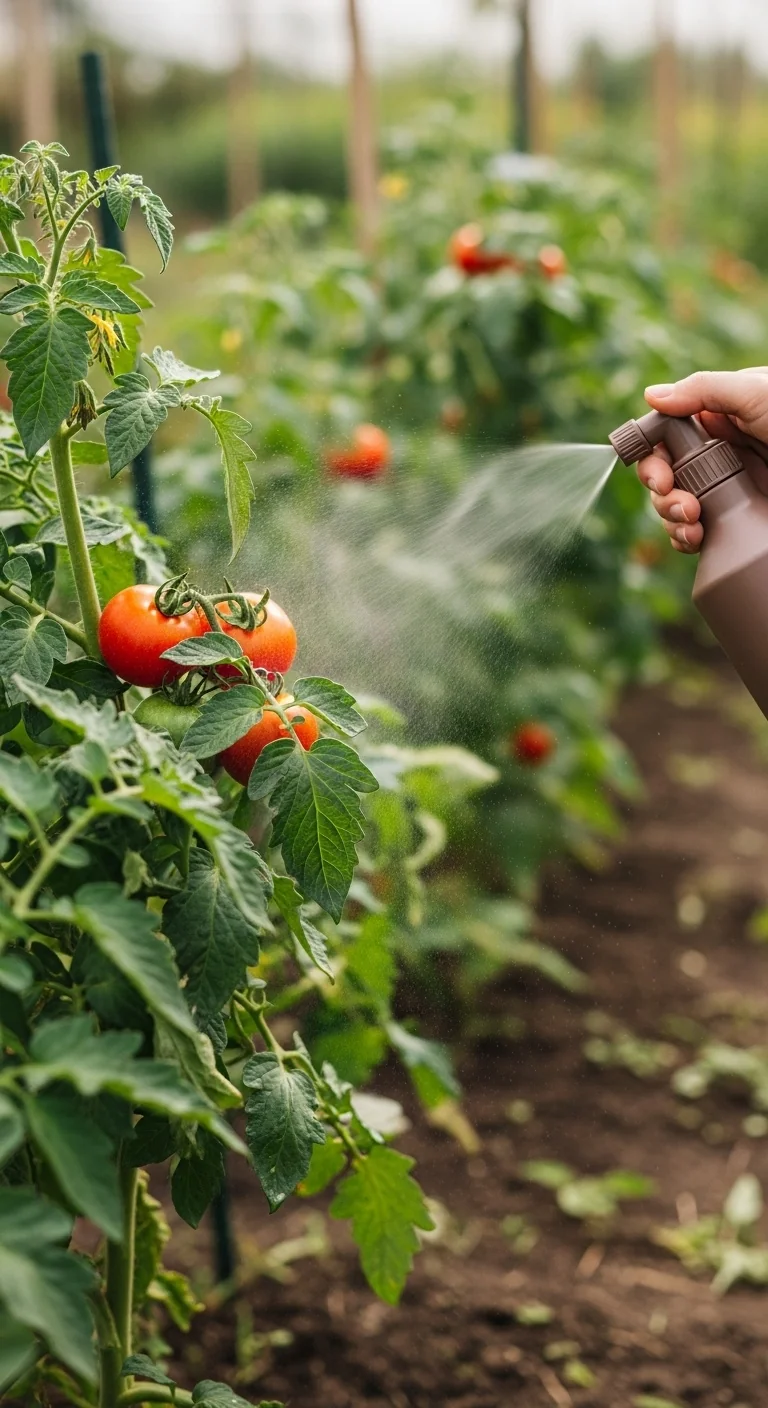
Most edible flower lists treat blooms as optional garnishes for plates. In a working vegetable garden the higher value comes from selecting companions that address specific issues such as aphid spikes, pollination shortfalls, or tight spacing while delivering harvestable petals at the exact moment your main crops peak.
This guide focuses on flowers that integrate directly into vegetable rows or beds without competing for resources. It covers practical companions for common crops like tomatoes, peppers, beets, and squash. Purely ornamental types or those with toxicity risks stay outside scope.
You will finish with clear matches for your plot conditions, precise planting placements, and harvest timing rules so you avoid crowding vegetables or missing peak flavor windows.
Bottom line: Slot the right two companions from the grid below into your existing vegetable setup this season and gain both crop protection and fresh edible accents without redesigning the garden.
The Yield Grid Decision Grid
Branch 1: Pest pressure plots. Visible aphids, beetles, or cabbage worms appear on leaves more than twice per week. Recommended: Items 1, 2, 6 below.
Branch 2: Pollination gaps. Fewer than five bees or hoverflies observed daily during vegetable bloom periods. Recommended: Items 3, 4, 8 below.
Branch 3: Space limited setups. Total growing area under 20 square feet or container based. Recommended: Items 5, 7, 9, 10 below.
For pairing rules across all branches see the dedicated companion flowers for vegetables guide.
Quick Comparison Table
| Option | Key mechanism | Best for | Decision Grid Branch | Effort Score |
|---|---|---|---|---|
| Nasturtium | Trap crop that draws aphids away from vegetables | Brassicas and tomatoes | Branch 1 | 2 |
| Calendula | Confuses soil pests with root exudates | Root crops like beets and carrots | Branch 1 | 3 |
| Borage | Attracts bees with high nectar output | Tomatoes and squash | Branch 2 | 1 |
| Chamomile | Draws beneficial insects with daisy like blooms | General vegetable beds | Branch 2 | 2 |
| Pansies | Low growing habit fits between rows | Intensive raised beds | Branch 3 | 4 |
| Chive flowers | Releases sulfur compounds that repel aphids | Onion family companions | Branch 1 | 2 |
| Squash blossoms | Uses existing vegetable plants for male flower harvest | Zucchini and summer squash patches | Branch 3 | 3 |
| Bee balm | Long bloom period feeds pollinators steadily | Pepper and eggplant rows | Branch 2 | 2 |
| Lavender | Compact perennial form works in small containers | Herb and vegetable edges | Branch 3 | 3 |
| Dill flowers | Umbrella shaped blooms attract predatory wasps | Cucumbers and cabbage | Branch 1 | 1 |
Nasturtium
Best for: Branch 1
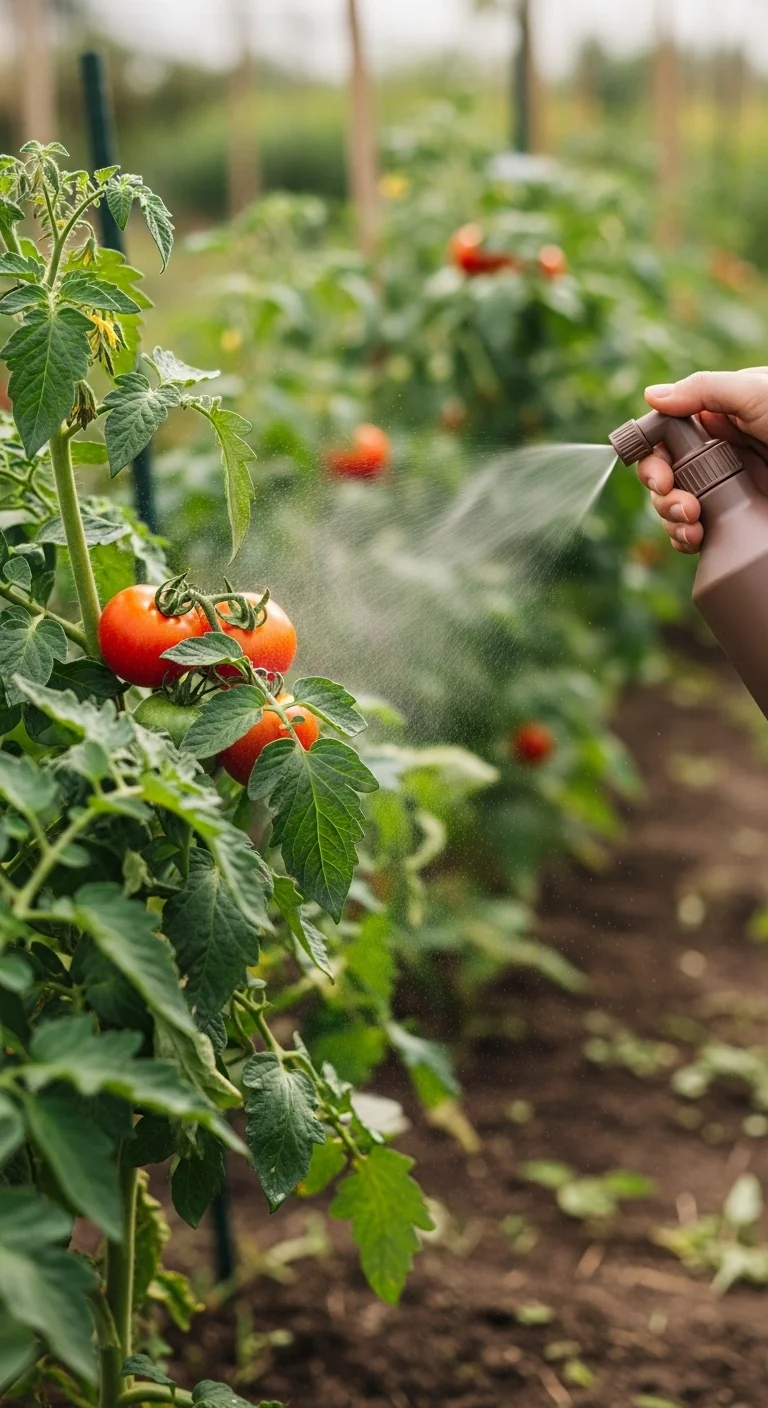
Nasturtium serves as a classic trap crop by concentrating aphids on its leaves instead of nearby brassicas or tomatoes. Sow seeds directly after the last frost when soil temperature holds above 55 degrees Fahrenheit and space plants 12 inches apart along the outer edges of vegetable rows. The peppery petals and leaves add sharp flavor to salads exactly when early summer greens bolt. One edge case detail: in regions with hot afternoons above 85 degrees Fahrenheit the flowers close by midday so harvest in early morning to capture peak texture. Combine with the companion planting strategies in our companion planting vegetables resource to maximize the trap effect without shading low growing crops. Deadhead spent blooms weekly only if self seeding becomes too aggressive in warm climates. This approach delivers both pest relief and edible yield from the same planting without extra fertilizer or amendments.
Calendula
Best for: Branch 1
Calendula confuses root knot nematodes and other soil pests around beets and carrots through its root zone chemistry.
Borage
Best for: Branch 2
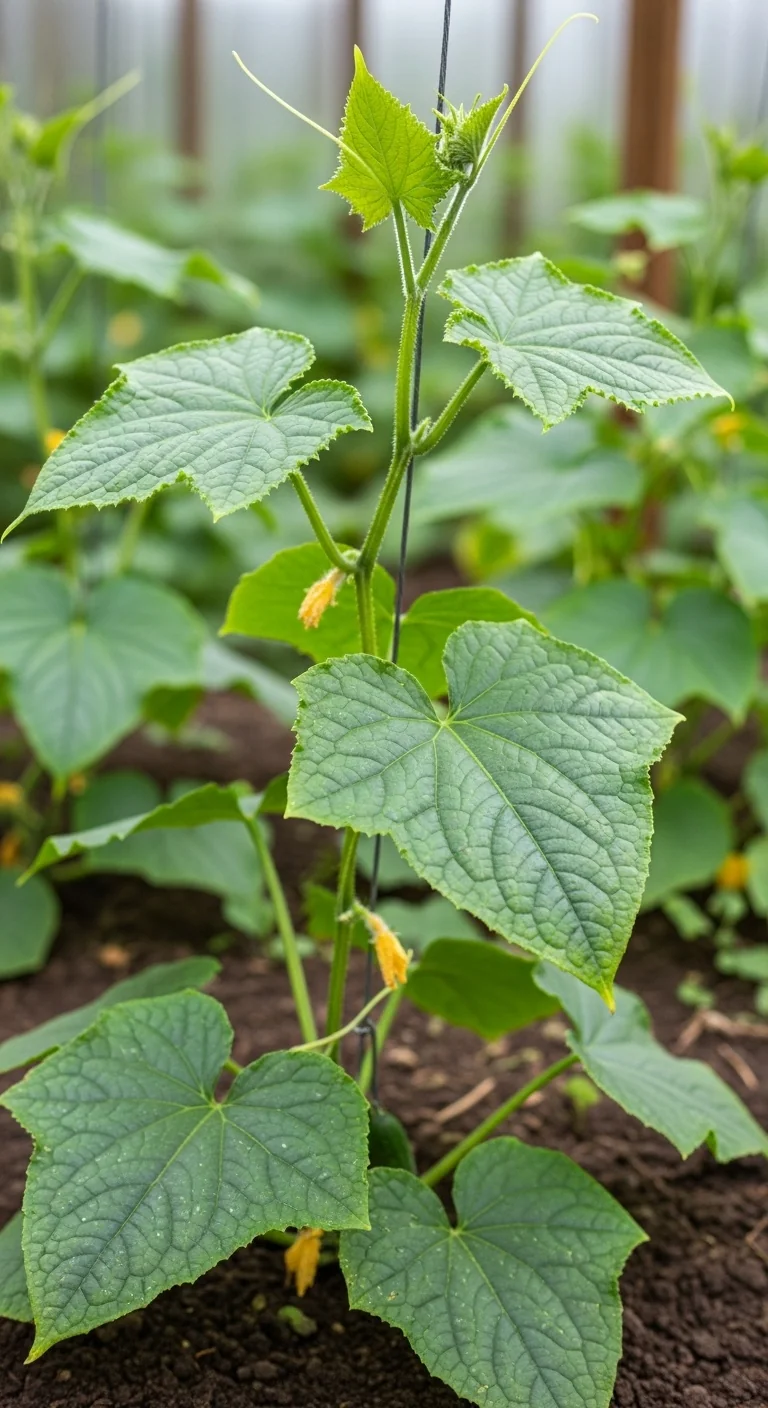
Borage draws bees with star shaped blue flowers that appear in waves from early summer onward. Plant it near tomatoes or squash where its deep roots break up compacted soil without competing for surface nutrients. The cucumber flavored petals work well in teas or fresh salads. Use versus skip decision: include it when your vegetable patch shows low pollinator activity but skip in very windy exposed sites where tall stems may flop onto crops. Threshold rule applies here: remove volunteer seedlings only when they exceed 18 inches tall to prevent overcrowding. This flower fits the vegetable garden layout ideas for vertical or sprawling companions without additional staking.
Chamomile
Best for: Branch 2
Chamomile functions as a living mulch that attracts hoverflies and parasitic wasps while its shallow roots stay out of the way of deeper vegetable feeders. Direct sow in full sun after soil warms to 60 degrees Fahrenheit or start indoors four weeks earlier for earlier blooms. The apple scented flowers dry easily for tea and pair with mint family vegetables. Blueprint steps include scattering seeds lightly on raked soil then pressing in without burying deeper than one eighth inch. Common mistake: overwatering leads to damping off so keep surface soil barely moist until germination. In raised bed vegetable garden systems this plant fills gaps between taller crops and improves overall beneficial insect traffic.
Pansies
Best for: Branch 3
Pansies offer sweet mild petals and a low spreading habit that slots neatly between vegetable seedlings in tight quarters.
Chive flowers
Best for: Branch 1
Chive flowers release sulfur compounds that naturally repel aphids and carrot rust fly when planted near onions or carrots. The mild onion flavored blooms open in globes that last two weeks in cool spring weather. Harvest by snipping entire flower heads before petals drop to keep the plant tidy and productive. This option thrives in the same conditions as most alliums so it integrates without changing your vegetable planting calendar timing.
Squash blossoms
Best for: Branch 3
Squash blossoms come from the male flowers of zucchini and other summer squash already growing in your patch. Harvest only the male blooms (those on long thin stems without a swelling base) in the morning when they are fully open then stuff or fry them for immediate use. Threshold rule: never remove more than one third of male flowers per plant per week to maintain pollination for female fruit set. Unique mechanism detail: the delicate squash flavor intensifies when picked before noon heat. Pair this practice with the detailed timing in our zucchini and squash guide so you gain edible flowers without sacrificing vegetable production. In space limited gardens this turns an existing crop into a double duty source.
Bee balm
Best for: Branch 2
Bee balm provides tubular red or pink blooms over a six week period that sustain pollinators when vegetable flowers taper off.
Lavender
Best for: Branch 3
Lavender grows compact in containers or along bed edges and releases aromatic oils that deter some flying pests around peppers. Use sparingly in cooking because the flavor is strong. Ten minute workflow: plant in well drained soil with pH between 6.5 and 7.5 then mulch lightly with gravel to reflect heat. Upgrade option includes shearing after first bloom to encourage a second flush in late summer. This perennial requires no annual replanting once established.
Dill flowers
Best for: Branch 1
Dill flowers form umbrella clusters that attract predatory wasps which control cabbage worms and cucumber beetles. Let a few plants bolt after leaf harvest so the yellow blooms appear exactly when brassicas or cucurbits need protection. The mild anise taste works in pickles or salads. Self seeding habit makes it nearly maintenance free after the first year.
Starter Stack (What to Choose First)
For Branch 1 (Pest pressure plots)
Start with nasturtium and chive flowers. Nasturtium handles surface aphids while chives target soil and flying pests. Together they create layered defense around brassicas and tomatoes. Time investment: 20 minutes for direct sowing plus monthly spot checks. Cost range: under 10 dollars for seed packets covering 50 square feet.
For Branch 2 (Pollination gaps)
Start with borage and bee balm. Borage offers quick nectar while bee balm extends the bloom window. Synergy keeps beneficial insects active through midsummer vegetable flowering. Time investment: 15 minutes planting plus one midseason trim. Cost range: 8 to 15 dollars for established plants or seeds.
For Branch 3 (Space limited setups)
Start with pansies and lavender. Both stay under 12 inches tall and fit container or raised bed edges. They deliver flavor without robbing vegetables of light or nutrients. Time investment: 10 minutes transplanting plus light watering. Cost range: 5 to 12 dollars for starts or seed.
When This Won’t Work
These companions fail in heavy clay soil that stays waterlogged past 48 hours after rain because most listed flowers develop root rot under those conditions. Switch to container vegetable gardening on raised platforms with free draining mix instead.
They also underperform in gardens treated with synthetic pesticides within the past 12 months since residue transfer makes blooms unsafe to eat. The alternative action is to follow organic transition steps such as soil testing and switching to approved inputs before planting. For soil preparation details see our mulching vegetable garden guide.
Choosing the Right Option for Your Situation
Budget threshold
If your seed and start budget stays under 15 dollars per season choose self seeding annuals such as borage dill or calendula. They return year after year from dropped seed with no repurchase needed.
Time threshold
If you can dedicate only 10 minutes weekly to maintenance select low effort options like borage or dill that require no deadheading or frequent watering once established.
Technical constraint: soil drainage
If your soil drains slower than one inch per hour test by digging a 12 inch hole and filling with water. Choose container adapted flowers such as pansies or lavender and grow them in pots with the same soil mix as your main vegetables.
Yes or no checklist:
Do you have visible pests more than twice weekly? Yes leads to Branch 1.
Do you notice low pollinator activity? Yes leads to Branch 2.
Is your total space under 20 square feet? Yes leads to Branch 3.
If none match review your vegetable garden layout ideas for adjustments.
Expert Q&A
How do edible flowers affect neighboring vegetable flavor profiles?
Some like chive or dill flowers impart subtle onion or anise notes to nearby leaves through root zone signaling but the effect stays mild and never overpowers the main crop. Harvest the flowers separately to keep vegetable taste clean.
Can you harvest edible flowers and still maintain full vegetable yields?
Yes. For squash remove only male blossoms and leave females untouched. For companions like nasturtium or calendula pick petals without cutting stems so foliage continues its protective role.
What timing aligns edible flower blooms with peak vegetable harvest?
Direct sow companions four weeks after main vegetable crops or use starts so blooms coincide with vegetable flowering or early fruit set. Track local last frost dates to stagger plantings.
Do any edible flowers improve soil structure around vegetables?
Borage and calendula develop taproots that loosen compacted zones between rows. Leave roots in place at season end to add organic matter as they decompose.
How do you prevent edible flowers from becoming invasive in a vegetable bed?
Deadhead before seed set for borage or nasturtium and pull volunteer seedlings early. Dill and calendula stay manageable when confined to designated border strips.
Conclusion
The key decision is matching one companion from each relevant branch to your current vegetable conditions rather than planting every option at once. The most common mistake is treating all flowers the same regardless of pest levels or space limits which leads to wasted effort and crowded beds.
Next step: review your plot against the decision grid then reference the vegetable planting calendar to time your first sowings for immediate dual purpose results.

Lead Data Architect
Umer Hayiat
Founder & Lead Data Architect at TheYieldGrid. I bridge the gap between complex agronomic data and practical growing, transforming verified agricultural science into accessible, mathematically precise tools and guides for serious growers.
View all tools & guides by Umer Hayiat →