
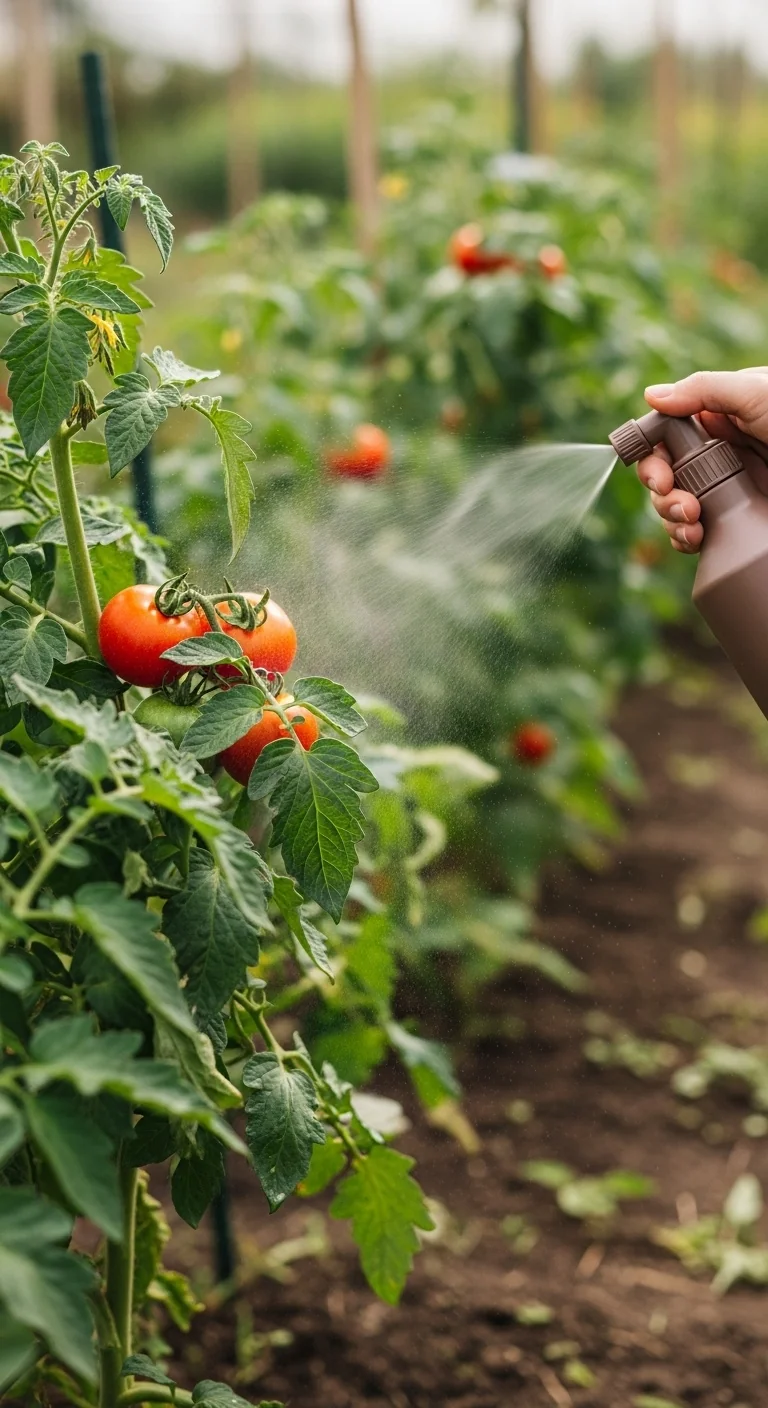
Companion flowers for vegetables deliver results only when selected against one clear garden condition rather than scattered as general additions. University extension research shows mechanisms like root biochemical release or beneficial insect attraction work best under specific triggers such as observable root galls or low bee counts during bloom.
This article covers nine flowers backed by documented plant interactions. It focuses on measurable conditions in edible gardens and excludes non-flowering companions or broad herb pairings.
You will identify your branch, compare options in a table, and select pairs with defined workflows for integration into raised beds, containers, or layouts.
Bottom line: Audit your garden for one dominant issue, plant the matching pair this season, and position them at the recommended spacing for targeted support.
The Yield Grid Decision Grid
Branch 1 applies when previous vegetables show swollen roots or stunted growth despite adequate water and nutrients. This signals soil pest pressure such as root-knot nematodes. Recommended: Items 1 and 4 below.
Branch 2 applies when fewer than three bees or butterflies appear during a 10-minute count at peak vegetable flowering. This signals pollination limits. Recommended: Items 3, 6, and 7 below.
Branch 3 applies when aphids, beetles, or bugs cluster visibly on leaves weekly. This signals foliar pest pressure. Recommended: Items 2 and 5 below.
For broader strategies across all vegetable types, see the companion planting guide for vegetables.
Quick Comparison Table
| Option | Key mechanism | Best for | Decision Grid Branch | Effort Score |
|---|---|---|---|---|
| French Marigolds | Roots release biochemical compounds toxic to root-knot nematodes | Nightshades and root crops | 1 | 2 |
| Nasturtiums | Trap crop that draws aphids away from main plants | Squash family and leafy greens | 3 | 1 |
| Borage | Star-shaped flowers attract pollinators and predatory wasps | Fruiting vegetables needing bee activity | 2 | 2 |
| Calendula | Strong scent and nectar draw predatory insects | Tomato family and brassicas | 1 | 2 |
| Sweet Alyssum | Low carpet of blooms boosts hoverfly larvae that consume aphids | Leafy crops under insect pressure | 3 | 1 |
| Cosmos | Abundant nectar supports beneficial insects and pollinators | Fruiting vegetables in open beds | 2 | 2 |
| Zinnias | Bright composite blooms draw wide range of pollinators and predators | Pollinator-dependent crops in full sun | 2 | 3 |
| Lavender | Aromatic oils interfere with beetle and moth feeding | Herb-adjacent vegetables under foliar attack | 3 | 2 |
| Sunflowers | Tall structure provides landing sites and heavy pollen for bees | Tall or vining vegetables needing support | 2 | 1 |
French Marigolds
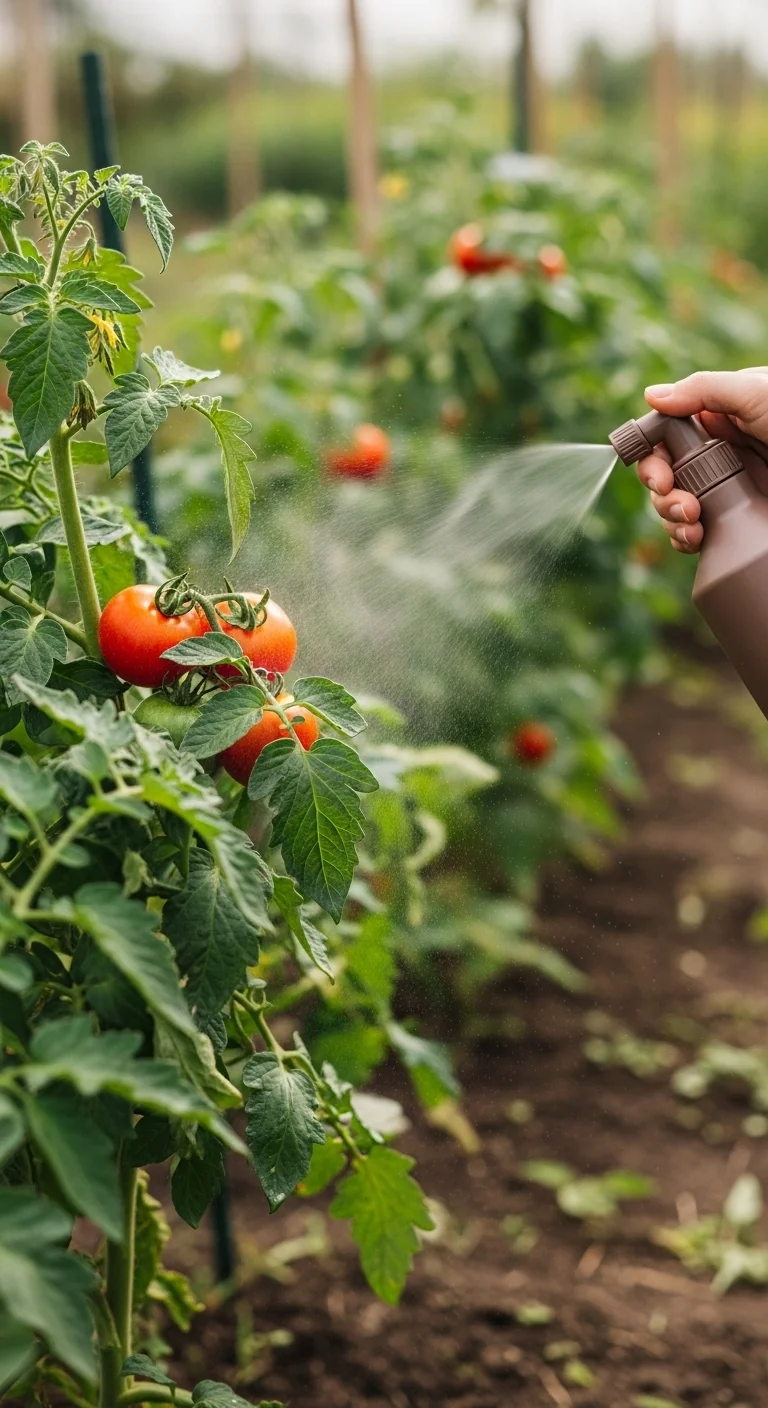
Best for: Branch 1
French marigolds (Tagetes patula) serve as precision tools when soil tests or past harvests reveal nematode pressure. Plant them 6 to 12 inches from vegetable stems so root zones overlap without crowding. The variety matters: French types produce the active compounds more reliably than taller African marigolds in interplanted setups.
Blueprint steps: (1) direct-sow or transplant after last frost; (2) space in a ring around target plants; (3) allow full bloom before any light deadheading. Common mistake: using them only as border plants instead of interplanted, which limits root-zone contact.
Edge case: in heavy clay, amend with compost first for better root establishment. For integration examples with peppers, see the growing peppers guide.
Nasturtiums
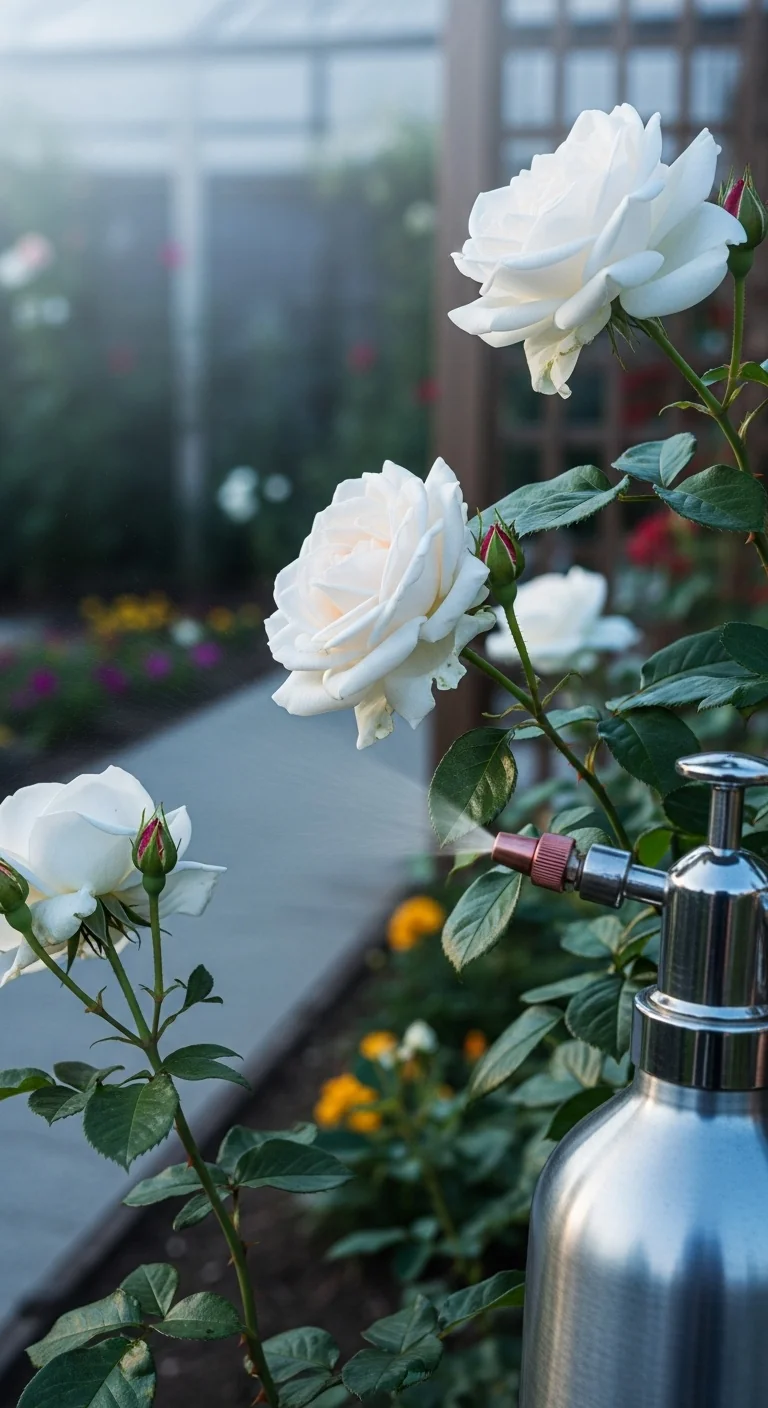
Best for: Branch 3
Use nasturtiums when foliar pests cluster early. Pros: trailing habit fills gaps and draws aphids away. Cons: they can spread if not pinched back in small spaces. Edge case: avoid near brassicas if cabbage aphids are already high.
Borage
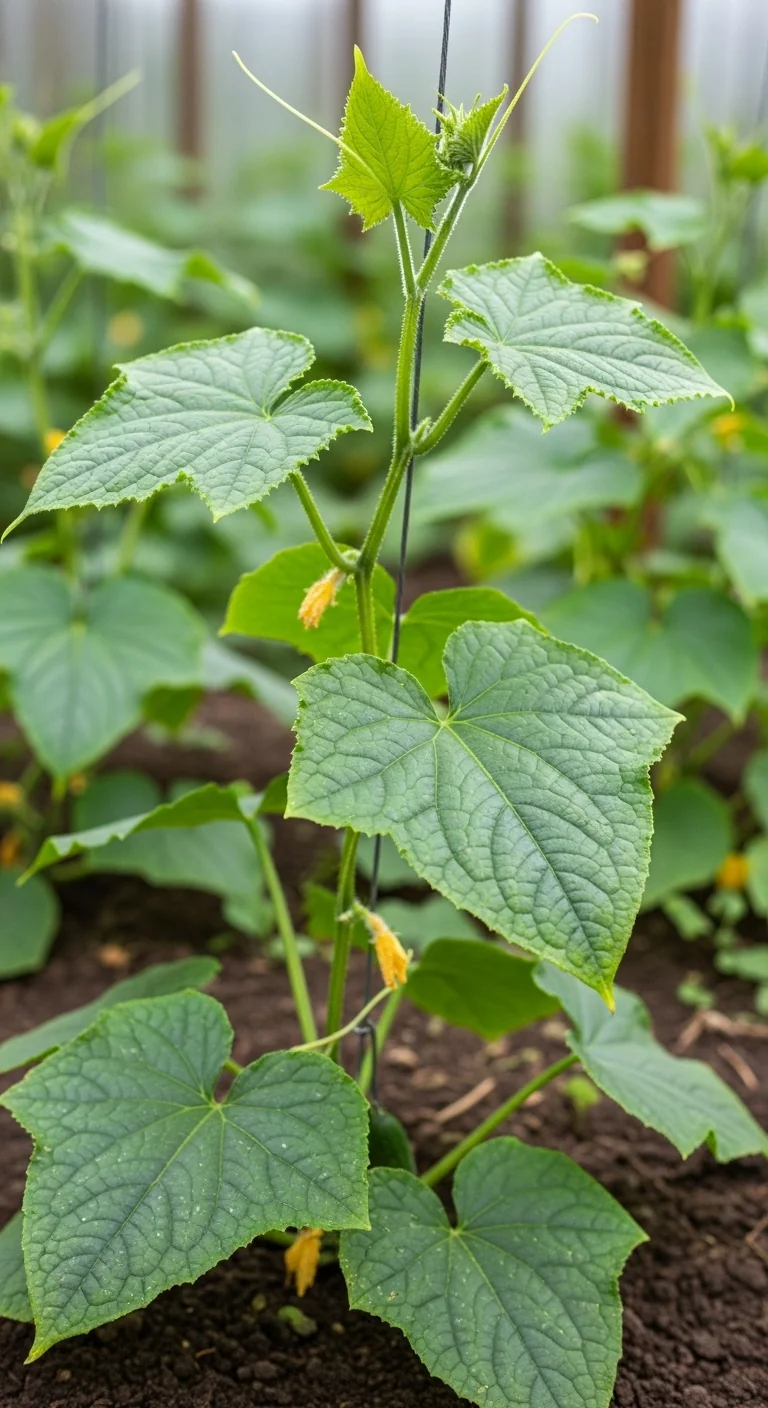
Best for: Branch 2
Borage addresses low pollinator counts through its constant nectar flow. Threshold rule: count pollinators at midday; if under target, interplant one borage per four vegetable plants. Adjust spacing wider in windy sites to keep stems upright. Many borage varieties double as edibles. For edible flower options that also support companion roles, see the edible flowers guide.
Calendula
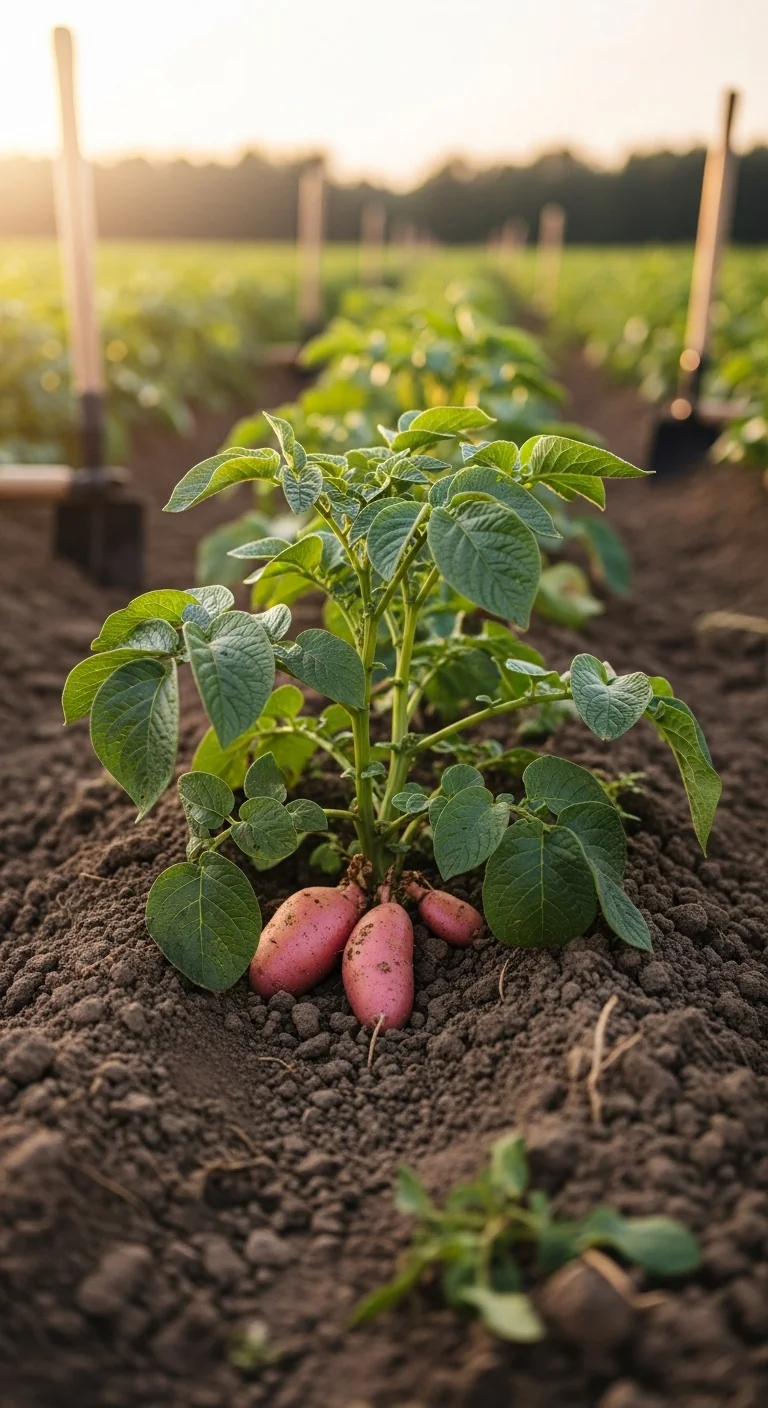
Best for: Branch 1
Calendula pairs with marigolds for layered soil and insect support. 10-minute workflow: (1) prepare soil to 8 inches deep; (2) sow seeds 8 inches apart in rings; (3) water to settle and label positions; (4) check weekly for self-seeding. Upgrade option: combine with the raised bed vegetable garden plan for border rows that stay contained.
Sweet Alyssum
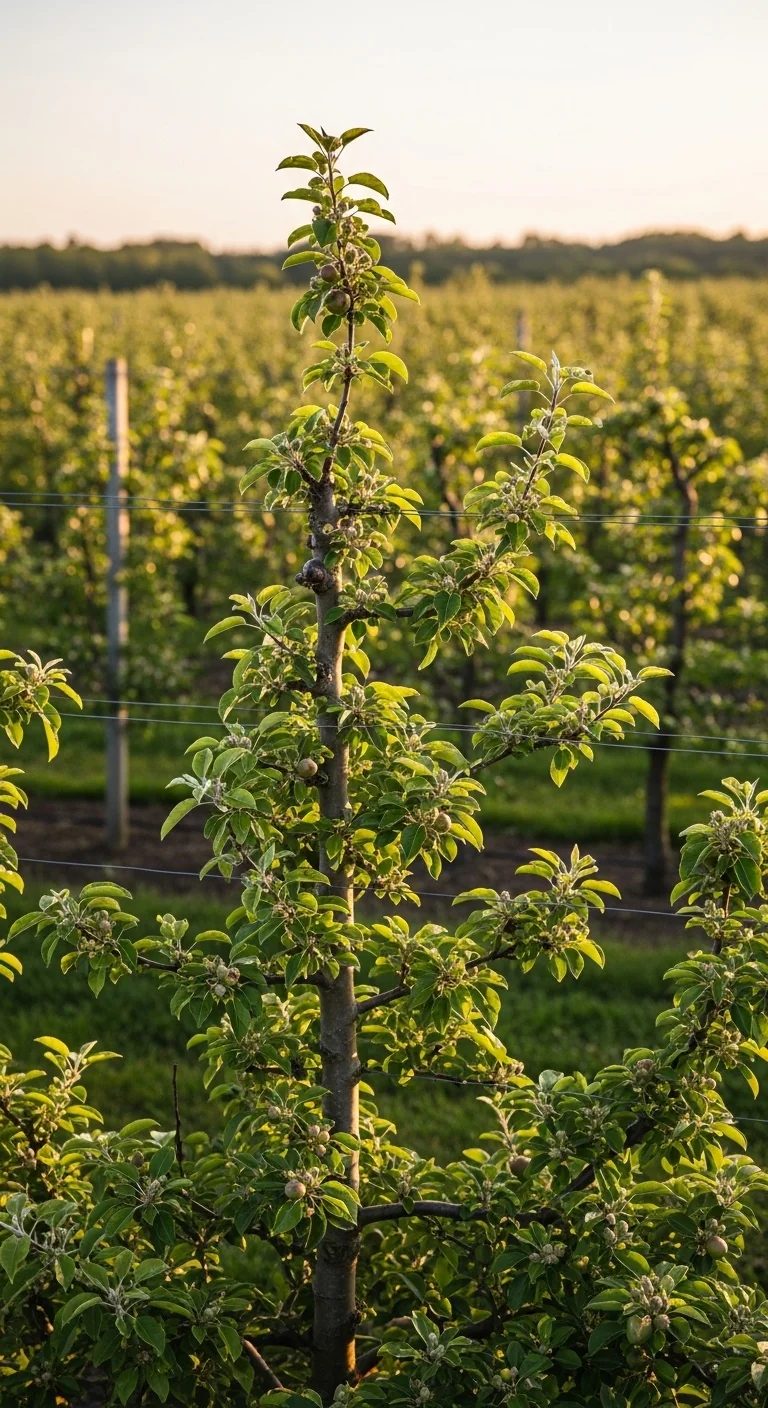
Best for: Branch 3
Sweet alyssum forms a living mulch under taller crops. Plant once and let it spread. It requires no mixing or reapplication in most climates.
Cosmos
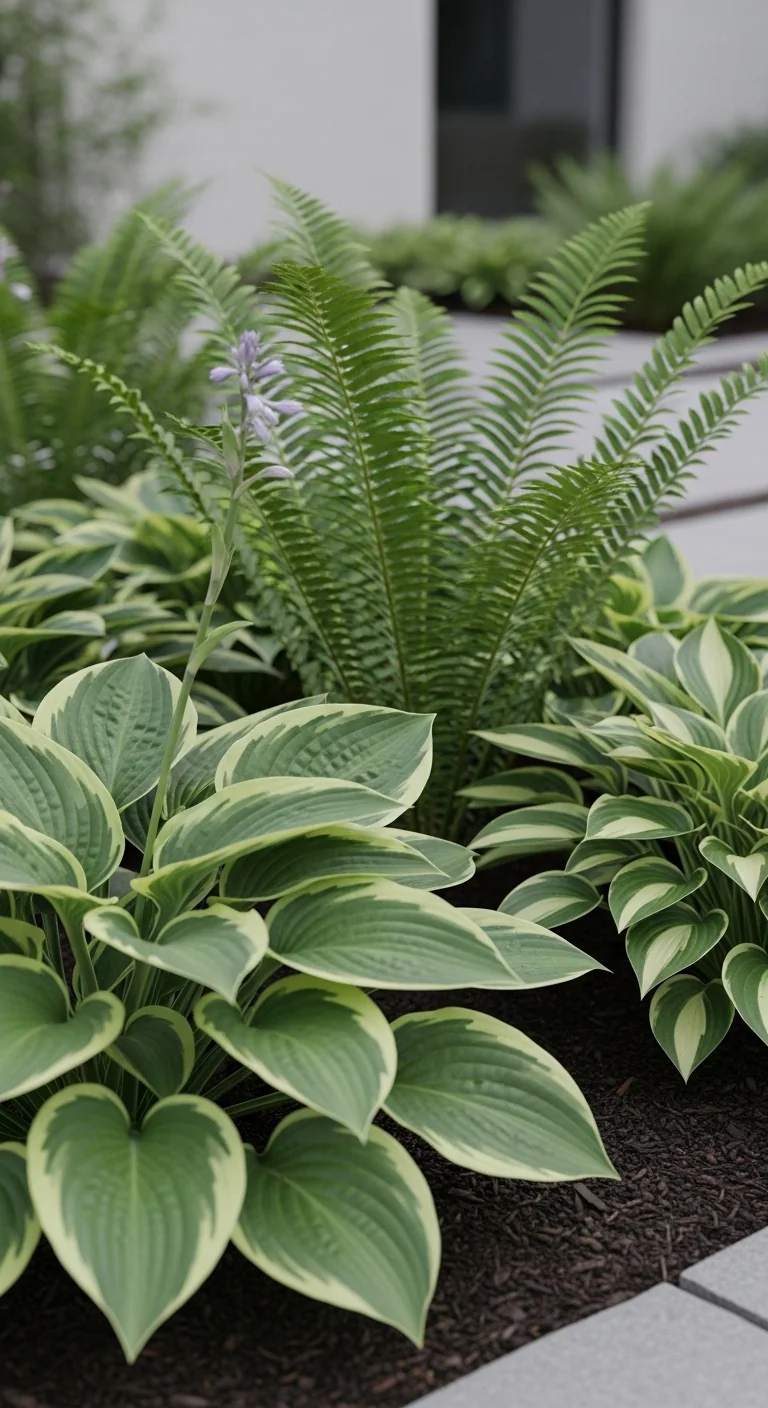
Best for: Branch 2
Cosmos suits open layouts when pollinator activity lags. Use versus skip: plant if your bed gets six-plus hours of sun; skip in deep shade where bloom drops. Edge case: taller varieties may need staking near vining squash. For full garden integration, see the container vegetable gardening guide.
Zinnias
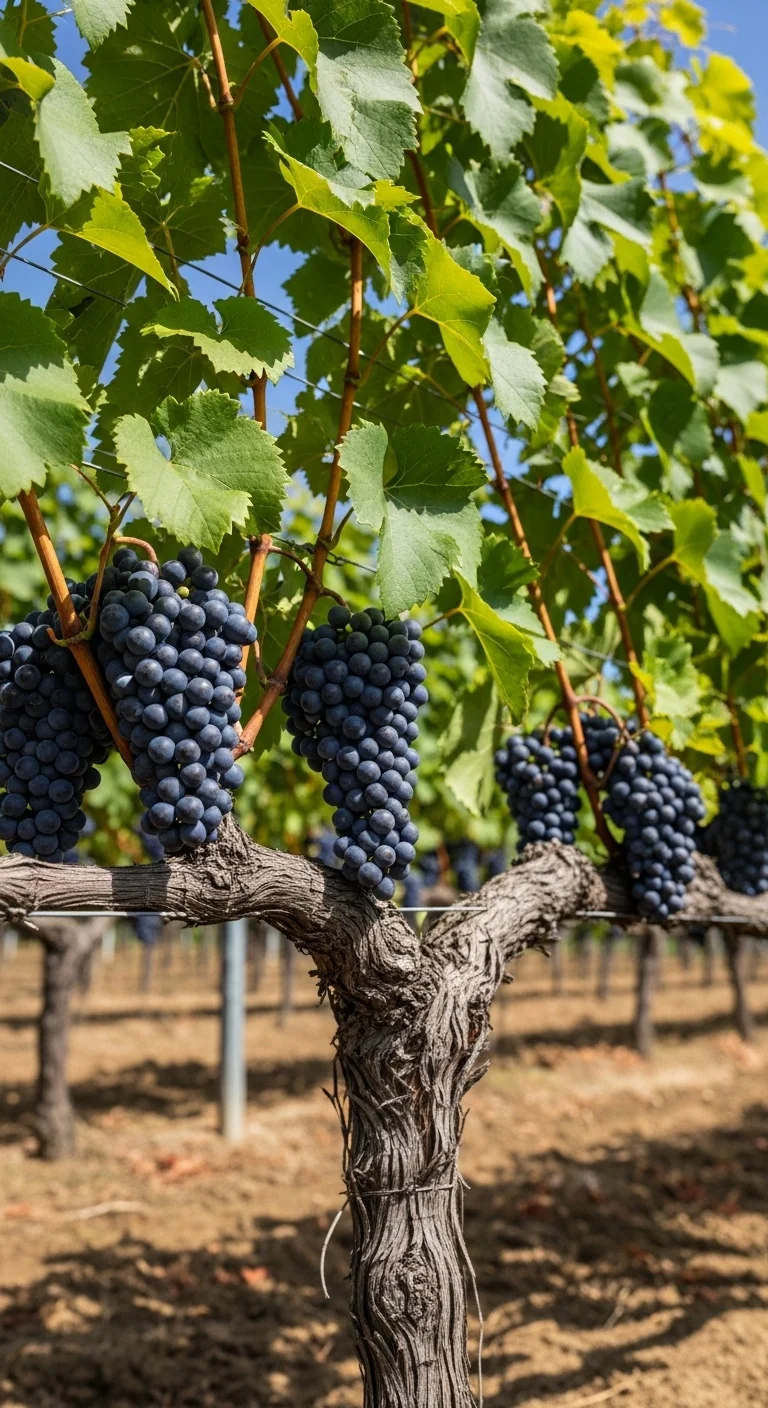
Best for: Branch 2
Zinnias deliver extended bloom when deadheaded every seven to ten days. Threshold rule: monitor flower count; if fewer than five open blooms per plant by mid-season, increase deadheading frequency. Adjust by pinching tips at transplant for bushier growth. In full-sun beds, they align well with the vegetable garden layout ideas.
Lavender
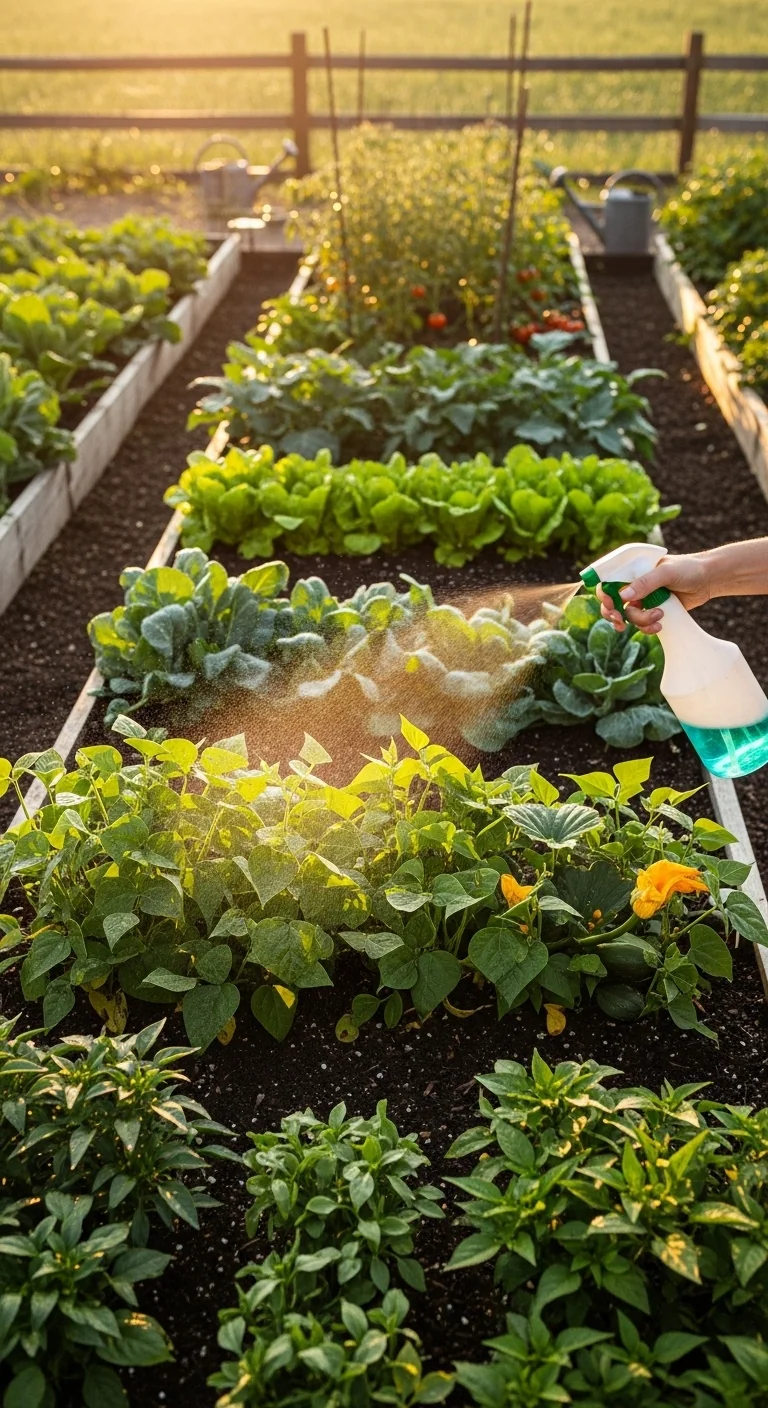
Best for: Branch 3
Lavender works in 10-minute workflows: transplant established starts, space 12 inches apart along edges, and water until established. It needs no weekly checks beyond occasional trimming.
Sunflowers
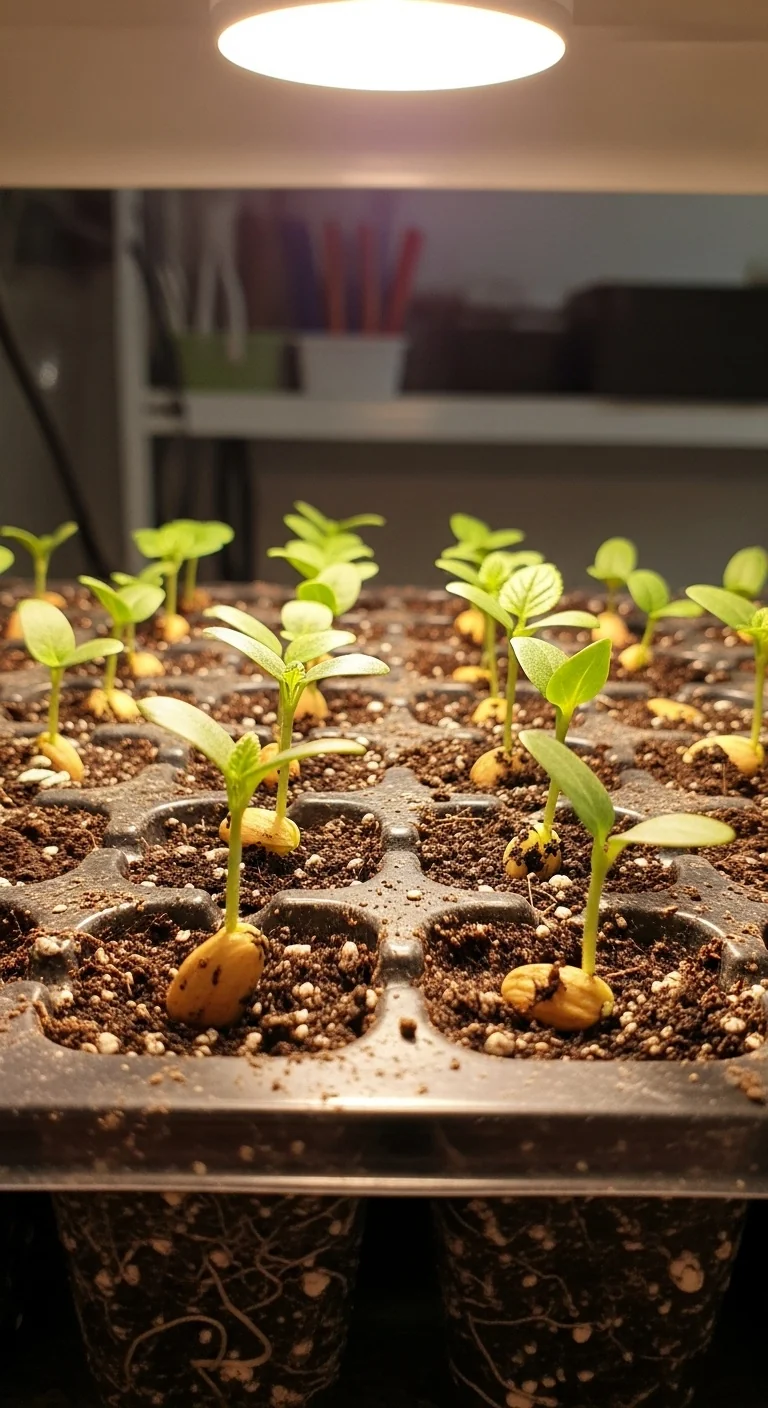
Best for: Branch 2
Sunflowers provide vertical structure and pollen. Blueprint: sow directly after soil warms to 60 degrees Fahrenheit, thin to 18 inches, and position on north side to avoid shading shorter vegetables. Mistake to avoid: overcrowding, which reduces air flow around fruiting crops.
Starter Stack (What to Choose First)
For Branch 1 Gardens
Start with French marigolds plus calendula. The root-level biochemical action of marigolds combines with calendula’s insect draw for dual coverage in one bed. Planting time estimate: 20 to 40 minutes per 50 square feet. Seed cost range: 6 to 12 dollars for two packets.
For Branch 2 Gardens
Start with borage plus zinnias. Continuous nectar from borage pairs with zinnias’ broad bloom window to sustain pollinators through the season. Planting time estimate: 15 to 30 minutes per 50 square feet. Seed cost range: 5 to 10 dollars for two packets.
For Branch 3 Gardens
Start with nasturtiums plus sweet alyssum. Trap action from nasturtiums plus hoverfly support from alyssum creates layered foliar defense. Planting time estimate: 10 to 25 minutes per 50 square feet. Seed cost range: 4 to 9 dollars for two packets.
When This Won’t Work
Companion flowers fail under two measurable conditions. First, when daily sun falls below six hours: most listed flowers require full sun for biochemical production or nectar flow. Second, when soil stays waterlogged beyond 48 hours after rain: poor drainage limits root establishment and compound release.
In either case, shift to container or raised-bed setups on the sunniest available spot. This keeps the same flowers viable without changing varieties.
Choosing the Right Option for Your Situation
Budget Threshold
Under 15 dollars total seed spend favors nasturtiums or sunflowers (one packet covers 100 square feet). Above that threshold, add zinnias or calendula for extended coverage.
Time Threshold
Under 30 minutes total planting time favors sweet alyssum or sunflowers. Above that, select marigolds or zinnias for their structured placement steps.
Technical Constraint: Sun Exposure
If your site measures under six hours of direct sun, limit choices to alyssum and nasturtiums, which tolerate partial shade better than others.
Yes/No checklist:
– Root galls or stunting visible last season? Yes: choose Branch 1 pair.
– Pollinator count under three in 10 minutes? Yes: choose Branch 2 pair.
– Foliar insects visible weekly? Yes: choose Branch 3 pair.
– All conditions met with chosen pair? Proceed to planting.
Expert Q&A
Which companion flowers also serve as edibles without losing garden benefits?
Nasturtium petals and borage flowers add flavor to salads while their trap and nectar roles remain active. Calendula petals work similarly for teas or garnishes. Harvest only outer blooms to keep plants flowering.
How do you time companion flower planting with a standard vegetable calendar?
Sow or transplant flowers two weeks before or at the same time as vegetables. This aligns root establishment with early pest pressure and bloom with vegetable flowering windows in most temperate zones.
Do companion flowers perform differently in raised beds versus in-ground plots?
Raised beds improve drainage for root-compound flowers like marigolds. In-ground plots allow more natural spread for trailing types like nasturtiums. Space remains the same in both.
What makes certain flowers better for nightshade vegetables like eggplant or peppers?
Marigolds and calendula target soil pests common to nightshades. Their scent and biochemical profiles align with the root zone vulnerabilities of peppers and eggplant without competing for nutrients.
Can companion flowers help in small-space or balcony vegetable setups?
Yes, when chosen for low spread such as sweet alyssum or compact zinnias. Vertical sunflowers work along edges if containers allow 18-inch spacing and full sun.
Conclusion
The core decision comes down to one measurable garden challenge and the matching flower pair. The number-one mistake is treating all companion flowers as interchangeable add-ons instead of precision matches for soil, pollination, or foliar needs.
Next step: walk your vegetable plot today, note the dominant condition, and reference the how to start a vegetable garden guide for exact spacing in your layout.