The fastest growing vegetables deliver edible results only when their growth mechanism lines up with your actual garden constraints instead of generic maturity charts. A radish listed at 25 days can stall for weeks below 50 degrees F soil temperature or in containers that dry out twice daily.
This guide examines 10 crops that reach harvest size quickest from direct sowing under home conditions. It excludes fruiting plants such as tomatoes or cucumbers that need 60 days minimum even in ideal setups. Coverage stays on leaf, root, and stem vegetables suited to repeated sowing cycles.
Readers finish with a clear match between each crop and their container size, daily sun hours, or current soil temperature plus the precise sowing window that prevents bolting or slow starts.
Bottom line: Align the vegetable’s temperature threshold and space requirement with your setup, and harvest begins in three to six weeks.
The Yield Grid Decision Grid
Branch 1: Container or balcony setups (planting area 10 square feet or less per crop, with 6 or more hours of direct sun daily). Recommended: Items 1, 2, and 5 below.
Branch 2: Raised bed or in-ground plots (more than 10 square feet available, 4 to 6 hours sun daily). Recommended: Items 3, 6, and 8 below.
Branch 3: Cool or shaded conditions (soil temperature between 40 and 65 degrees F, or under 4 hours direct sun). Recommended: Items 4, 7, 9, and 10 below. For full setup details see our how to start a vegetable garden guide.
Quick Comparison Table
| Option | Key mechanism | Best for | Decision Grid Branch | Effort Score |
|---|---|---|---|---|
| Radishes | Rapid root bulking | Salads, pickling, garnishes | Branch 1 | 2 |
| Arugula | Quick leafy growth | Peppery salads and pesto | Branch 1 | 3 |
| Leaf Lettuce | Cut-and-come-again regrowth | Fresh salads | Branch 2 | 1 |
| Spinach | Cool-weather leaf production | Salads, cooking | Branch 3 | 2 |
| Green Onions | Continuous leaf and bulb growth | Garnishes, stir-fries | Branch 1 | 1 |
| Bok Choy | Rapid stem elongation | Stir-fries, soups | Branch 2 | 3 |
| Mustard Greens | Spicy leaf development | Salads, cooking | Branch 3 | 2 |
| Baby Kale | Tender leaf regrowth | Salads, smoothies | Branch 2 | 3 |
| Swiss Chard | Multi-cut leaf and stem harvest | Cooking, colorful accents | Branch 3 | 2 |
| Beet Greens | Dual-purpose leaf harvest | Salads, sauteed greens | Branch 3 | 2 |
Radishes
Best for: Branch 1
Radishes follow a simple blueprint: direct sow into loose soil at 40 degrees F minimum soil temperature, space seeds 1 inch apart in rows 6 inches apart, and harvest at 1 inch root diameter. They suit containers because their shallow roots need only 6 inches of depth and tolerate daily temperature swings common on balconies.
Steps begin with pre-soaking seeds for 4 hours to speed germination by 2 days. Thin seedlings to 2 inches once true leaves appear to avoid crowding that produces woody roots. Common mistake: leaving roots past 30 days in warm soil above 75 degrees F, which turns them pithy and hot. In the container vegetable gardening setup they deliver crisp roots ready for harvest in three to four weeks with no trellis or support required.
Arugula
Best for: Branch 1
Use arugula when you need peppery leaves in tight spaces and skip it if your garden runs hotter than 70 degrees F for weeks at a time. Pros include 30-day harvest from seed and cut-and-come-again growth that yields multiple cuts from one sowing. The edge case appears in full-sun containers during early summer: plants bolt within days once daytime highs hit 85 degrees F.
Cons center on its short window of mild flavor. Succession sowing every 10 days keeps supply steady without gaps.
Leaf Lettuce
Best for: Branch 2
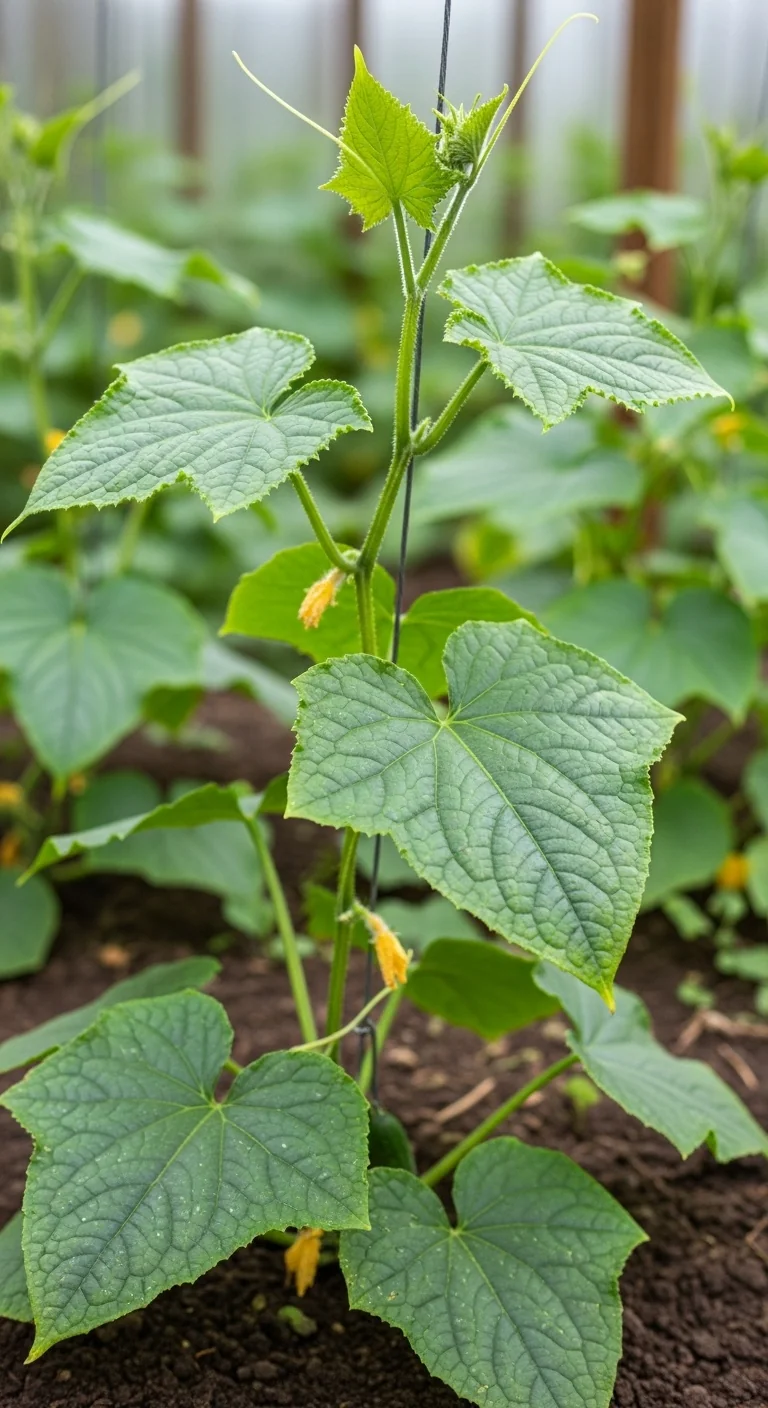
Leaf lettuce operates on a clear threshold rule: sow when soil reaches 45 degrees F and maintain consistent moisture so leaves stay tender. Below 4 hours of sun daily growth slows by half; above 6 hours it remains crisp longer. Adjust spacing to 6 inches for baby leaves or 10 inches for larger heads.
The rule extends to harvest: cut outer leaves at 4 inches tall and the center continues producing for 4 to 6 additional weeks. In moderate-sun raised beds this prevents bolting better than full-sun locations and delivers continuous salad greens without replanting the entire row.
Spinach
Best for: Branch 3
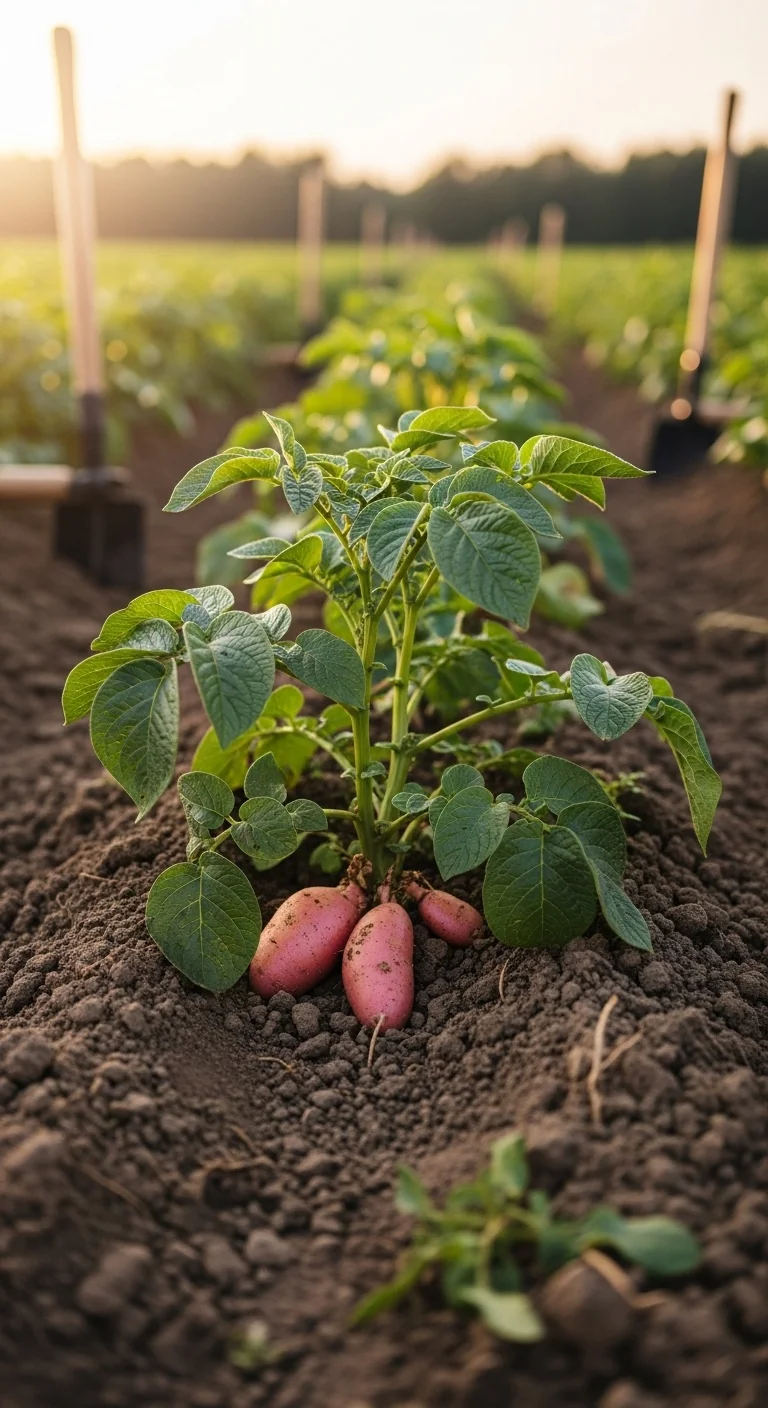
Spinach follows a 10-minute workflow that fits cool shaded spots. Minute 1-3: broadcast seeds 1 inch apart in soil at 40 degrees F minimum. Minute 4-6: cover with 0.25 inch soil and water gently. Minute 7-10: label the row and set a reminder to thin to 4 inches at the two-leaf stage.
Upgrade option: add row cover fabric during nights below 35 degrees F to extend the harvest window by two weeks. The workflow repeats every 14 days for succession planting. In shaded conditions spinach maintains leaf production longer than in full sun and resists bolting when daytime temperatures stay under 75 degrees F.
Reference the vegetable planting calendar to time the first sowing for your local last frost date.
Green Onions
Best for: Branch 1
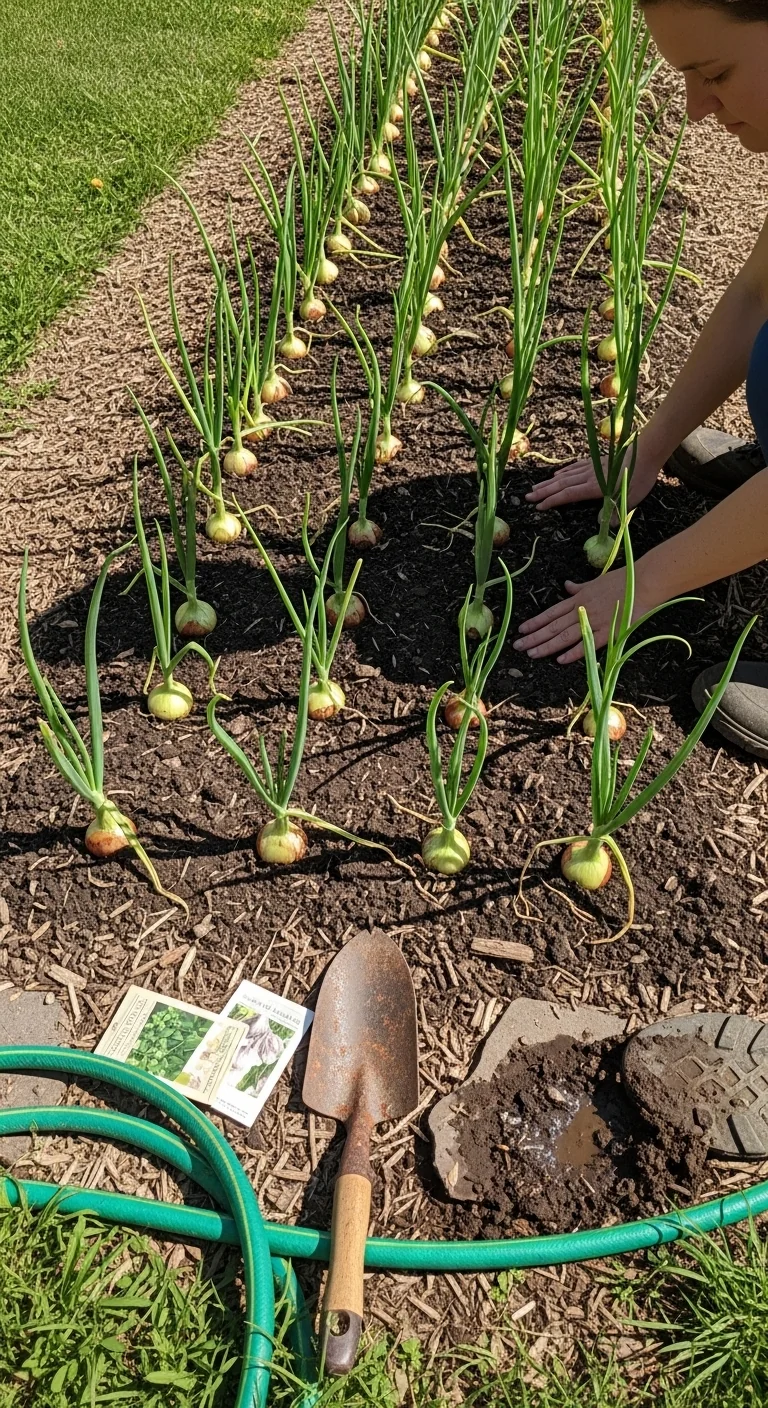
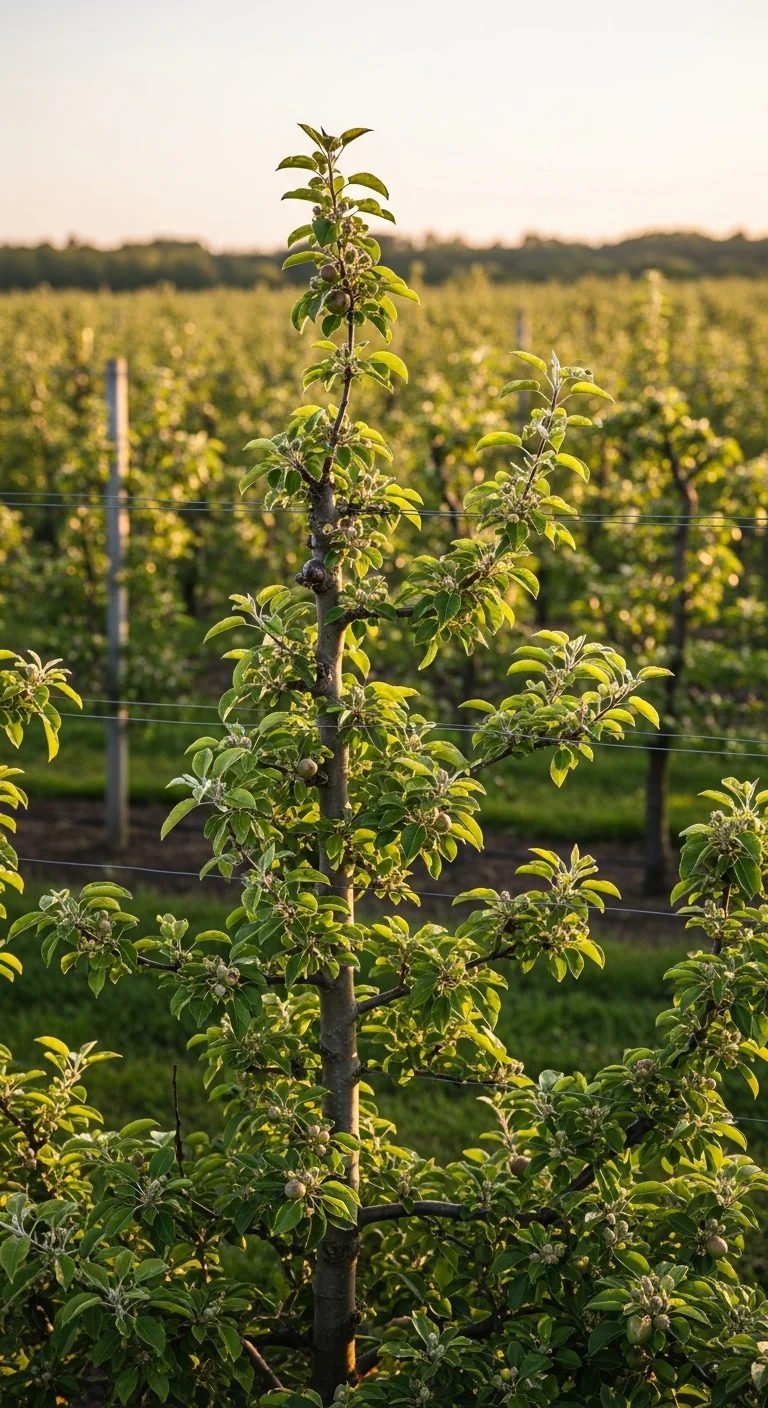
Green onions deliver a blueprint that requires only one sowing per season in containers. Direct seed 0.5 inch deep, 1 inch apart, and harvest by pulling every other plant once stems reach 6 inches tall. Remaining bulbs continue to size up for a second cut 10 days later.
They need no support and tolerate the temperature swings common on patios. The mechanism of continuous leaf extension means one 6-inch pot supplies garnish for months with weekly watering only.
Bok Choy
Best for: Branch 2
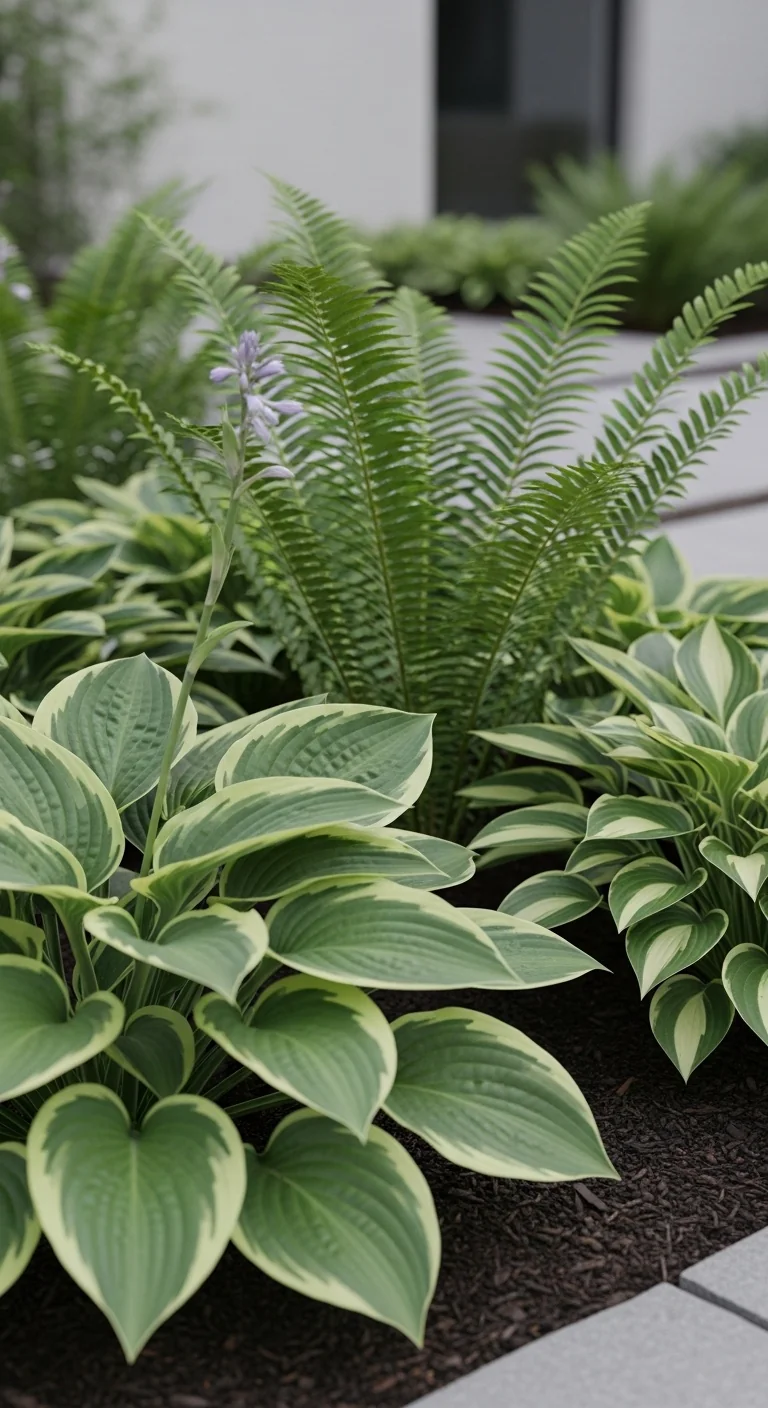
Bok choy uses rapid stem elongation that rewards raised-bed spacing of 8 inches between plants. It reaches edible baby size in 30 days and full heads in 45 days when soil stays between 50 and 70 degrees F.
Pair it with companions that deter flea beetles for cleaner leaves. In moderate-sun plots the stems stay crisp and mild; heat above 80 degrees F shortens the window and increases bitterness. Succession sowing every 14 days maintains steady supply without overcrowding the bed.
See companion planting vegetables for proven pairings that protect young transplants.
Mustard Greens
Best for: Branch 3
Mustard greens follow a blueprint built for cool shaded beds: direct sow 0.25 inch deep when soil hits 40 degrees F, space 4 inches apart, and begin harvesting outer leaves at 4 inches tall. The spicy flavor peaks in cool weather and mellows after the first light frost.
They tolerate pH as low as 5.5 and still produce tender leaves. Common mistake in raised beds: allowing soil to dry between waterings, which causes leaves to turn tough within days. One 4-foot row supplies enough for salads and stir-fries through a full cool season.
Plant in the raised bed vegetable garden layout for easiest access during repeated harvests.
Baby Kale
Best for: Branch 2
Use baby kale in moderate-sun raised beds when you want tender leaves for smoothies and skip it if your plot receives less than 4 hours of sun. Pros include regrowth after each cut that extends harvest for 8 weeks from one sowing. The edge case hits in containers: roots need at least 8 inches depth or plants yellow from restricted nutrient uptake.
Cons center on slower initial germination compared with lettuce. Succession sowing every 12 days keeps the patch productive without gaps.
Swiss Chard
Best for: Branch 3
Swiss chard operates on a threshold rule tied to temperature and light: sow when soil exceeds 50 degrees F and maintain even moisture so stems stay crisp. Below 40 degrees F germination drops sharply; above 80 degrees F leaves develop bitterness faster.
Harvest outer stalks at 8 inches tall and the center keeps producing colorful leaves for months. In cool shaded conditions the rule allows multi-cut harvests without replanting and delivers both visual contrast and edible greens from the same plant.
Beet Greens
Best for: Branch 3
Beet greens deliver a blueprint focused on dual harvest: direct sow seeds 1 inch apart at 45 degrees F soil temperature, thin to 3 inches once seedlings reach 2 inches tall, and begin cutting outer leaves at 4 inches while the roots continue to size below ground.
The mechanism allows two crops from one sowing without extra space. In shaded cool beds leaves stay tender longer than in full sun. Common mistake: overcrowding beyond 3 inches, which forces small roots and forces earlier leaf harvest to prevent bolting. One 4-foot row supplies salad greens for 6 weeks before roots become usable as a bonus crop.
Starter Stack (What to Choose First)
Branch 1: Container Setups
Start with radishes and green onions. The shallow-rooted radish pairs with the continuous-growth onion to fill the same pot without competition. Seed packets cost 3 to 6 dollars total. Initial sowing takes 15 to 25 minutes and requires only weekly watering checks.
Branch 2: Raised Bed or In-Ground Plots
Start with leaf lettuce and baby kale. Both use cut-and-come-again growth that fills the bed quickly and tolerates moderate sun without support structures. Seed cost ranges 4 to 8 dollars. Sowing and thinning take 20 to 30 minutes with monthly succession sowing afterward.
Branch 3: Cool or Shaded Conditions
Start with spinach and mustard greens. Their cool-weather leaf production overlaps in timing and shares the same low-light tolerance for steady supply. Seed packets run 3 to 7 dollars. Initial planting takes 10 to 20 minutes with minimal follow-up beyond consistent moisture.
When This Won’t Work
These crops fail when soil temperature stays below 40 degrees F for more than 7 consecutive days after sowing. Germination stalls and seeds rot in cold wet conditions. The alternative action is to start seeds indoors in trays at 65 degrees F and transplant seedlings once soil warms above the threshold.
They also stall when daily light drops below 4 hours without corrective steps. Leaves yellow and growth halts within 10 days. The alternative action is to install reflective mulch or move containers to brighter spots during peak daylight hours. If nutrient levels limit leaf expansion, apply organic fertilizer for vegetables at the label dilution rate to restore green color within 7 days.
Choosing the Right Option for Your Situation
Budget Threshold
If your total seed budget sits under 10 dollars per crop, choose radishes, green onions, or leaf lettuce. All deliver multiple harvests from one low-cost packet and require no additional inputs beyond basic soil.
Time Threshold
If you have under 20 minutes per week available, select green onions or leaf lettuce. Both need only one initial sowing and occasional watering with no weekly thinning or support structures required.
Technical Constraint: Soil pH Range
If your soil pH measures outside 6.0 to 7.0, prioritize mustard greens or beet greens. Both tolerate ranges from 5.5 to 7.5 while still reaching harvest size on schedule.
Yes/No checklist:
Is your space 10 square feet or less? Yes leads to Branch 1.
Does your plot receive 4 to 6 hours sun? Yes leads to Branch 2.
Is soil temperature 40 to 65 degrees F? Yes leads to Branch 3.
Does your schedule allow monthly succession sowing? Yes unlocks continuous supply from any branch.
Expert Q&A
How does succession planting change harvest timing for these crops?
Sowing every 10 to 14 days creates overlapping maturity windows so one row finishes just as the next reaches baby size. In small spaces this keeps production steady for 8 to 12 weeks without expanding the garden footprint. Adjust the interval shorter in warm weather to match faster growth rates.
What container depth works for the shallowest versus deepest roots on this list?
Radishes and green onions need only 6 inches of soil depth while beet greens require 8 to 10 inches for healthy root development alongside leaf harvest. Shallower pots under 6 inches cause stunted growth and early bolting across all listed crops.
Which of these vegetables extend into fall gardens in temperate zones?
Spinach, mustard greens, and Swiss chard continue producing after light frost when soil stays above 40 degrees F. Cover with row fabric on nights below 30 degrees F to push harvest into early winter without losing quality.
How do temperature swings affect flavor profiles across these leafy crops?
Cool nights below 55 degrees F intensify peppery notes in arugula and mustard while mellowing bitterness in kale and chard. Daytime highs above 80 degrees F reverse the effect and shorten the mild-flavor window by half for most entries on the list.
What starting method shortens the timeline from sowing to first edible leaves?
Pre-soaking seeds for 4 hours before planting cuts germination by 1 to 3 days for radishes, arugula, and spinach. Combine with soil at the exact minimum temperature threshold to gain the full speed advantage without indoor lights or heat mats.
Conclusion
The decision grid turns the search for fastest growing vegetables into a precise match between crop mechanism and your measurable conditions of space, sun, and soil temperature. The number one mistake is sowing without checking the temperature threshold first, which leads to failed germination and wasted weeks.
Check your current soil temperature today and select the first crop from the matching branch. Begin with the low-maintenance approach outlined in our low-maintenance vegetable garden guide to keep the harvest rolling with minimal effort.

Lead Data Architect
Umer Hayiat
Founder & Lead Data Architect at TheYieldGrid. I bridge the gap between complex agronomic data and practical growing, transforming verified agricultural science into accessible, mathematically precise tools and guides for serious growers.
View all tools & guides by Umer Hayiat →