
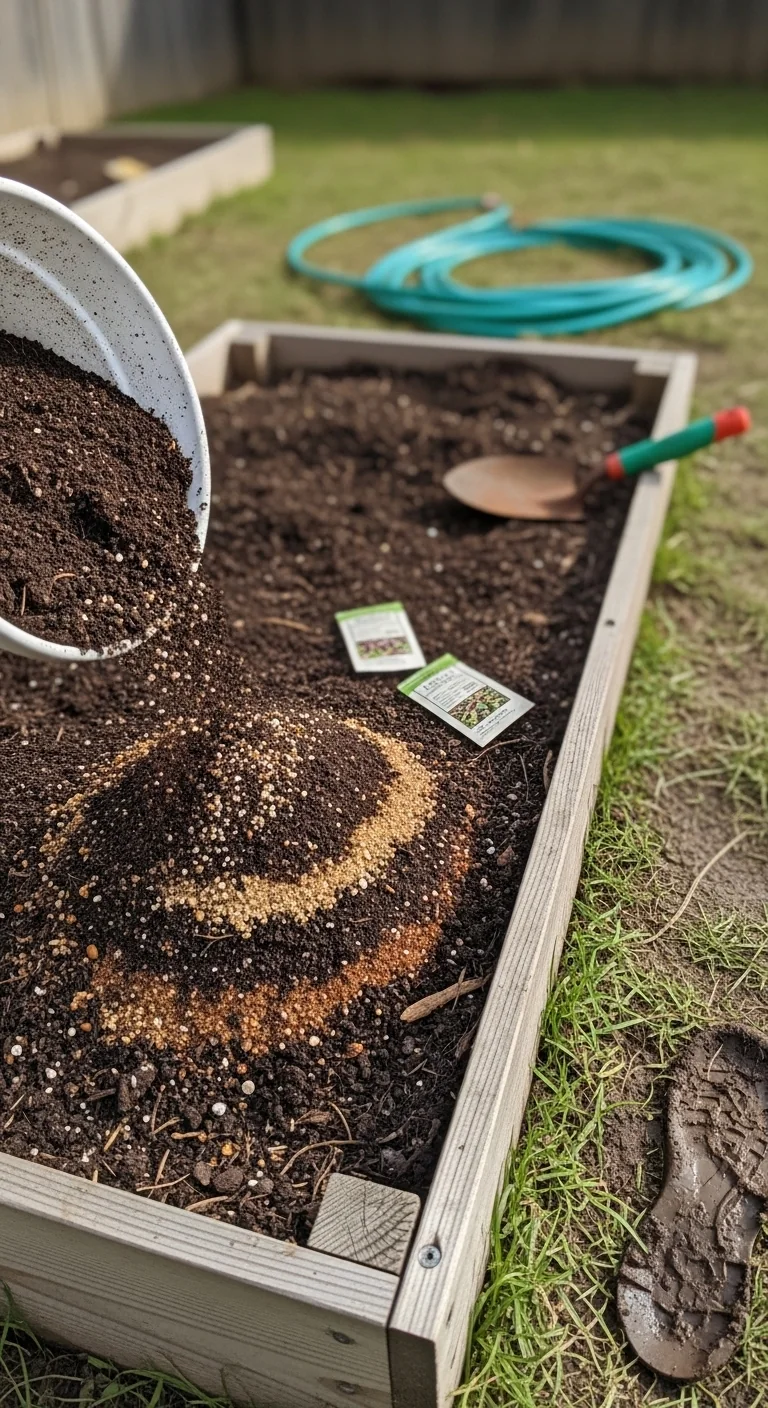
The best soil mix for raised beds succeeds when it aligns three measurable factors: your bed height and base drainage, your region’s typical moisture availability, and the nutrient demands of your edible crops. Most guides list one universal recipe. This reframes the choice as a targeted selection from proven component combinations that avoid settling, compaction, or nutrient lockup over multiple seasons.
This article covers nine distinct mixes built from topsoil, compost, sand, coir, and targeted amendments. It excludes bagged potting soils alone, pure sand fills, or untested native soil transfers. Scope stays within edible gardening in raised beds 8 inches or taller.
You will finish with a clear decision on which mix to source or blend, how to fill your specific beds, and what single adjustment keeps performance steady year after year.
Select one mix from the decision grid below, fill once, and maintain with one annual top-dress of compost.
The Yield Grid Decision Grid
Branch 1: Drainage priority. Applies when water stands longer than four hours after rain or your bed sits directly on clay or compacted native soil. Focus here on mixes that increase pore space and prevent root rot.
Branch 2: Moisture retention priority. Applies to beds 18 inches or shorter in full sun or regions where supplemental watering occurs less than twice weekly during peak season. Focus here on mixes that hold available water without sogginess.
Branch 3: Nutrient density priority. Applies when growing tomatoes, zucchini, peppers or other heavy feeders and you perform a soil test each spring targeting pH 6.0 to 7.0. Focus here on mixes that supply steady organic matter release.
Recommended: Branch 1 uses Items 3, 6, 9 below. Branch 2 uses Items 1, 4, 7. Branch 3 uses Items 2, 5, 8. For context on why raised beds handle soil differently than in-ground plots, see our raised bed versus in-ground guide.
Quick Comparison Table
| Option | Key mechanism | Best for | Decision Grid Branch | Effort Score |
|---|---|---|---|---|
| 1. Equal Parts Topsoil, Compost, and Coarse Sand | Balanced mineral structure plus organic matter | General edible crops in moderate climates | Branch 2 | 2 |
| 2. Two Parts Compost to One Part Soilless Mix | Rapid nutrient release from high organic content | Heavy feeders needing quick establishment | Branch 3 | 3 |
| 3. Predominantly Topsoil with Coarse Sand Amendment | Increased macropores for fast water movement | Wet climates or clay-base beds | Branch 1 | 1 |
| 4. Hugelkultur Layered Wood-Core Mix | Decomposing wood holds moisture and releases nutrients slowly | Long-term beds in variable moisture areas | Branch 2 | 2 |
| 5. Compost-Heavy Blend with Worm Castings | Continuous microbial activity and trace elements | Intensive vegetable production | Branch 3 | 3 |
| 6. Wicking-Optimized Capillary Mix | Uniform particle size creates consistent upward water flow | Self-watering or low-irrigation setups | Branch 1 | 2 |
| 7. Coir-Amended Topsoil Retention Mix | Coir fibers increase water-holding capacity without compaction | Dry or windy sites with shallow beds | Branch 2 | 2 |
| 8. Balanced Mineral Base with Manure Boost | Stable structure plus slow-release nitrogen from aged manure | Long-season crops in nutrient-poor starting conditions | Branch 3 | 3 |
| 9. Drainage-Focused Perlite and Sand Hybrid | Lightweight inorganic particles prevent saturation | High-rainfall areas or low-lying beds | Branch 1 | 1 |
1. Equal Parts Topsoil, Compost, and Coarse Sand Mix
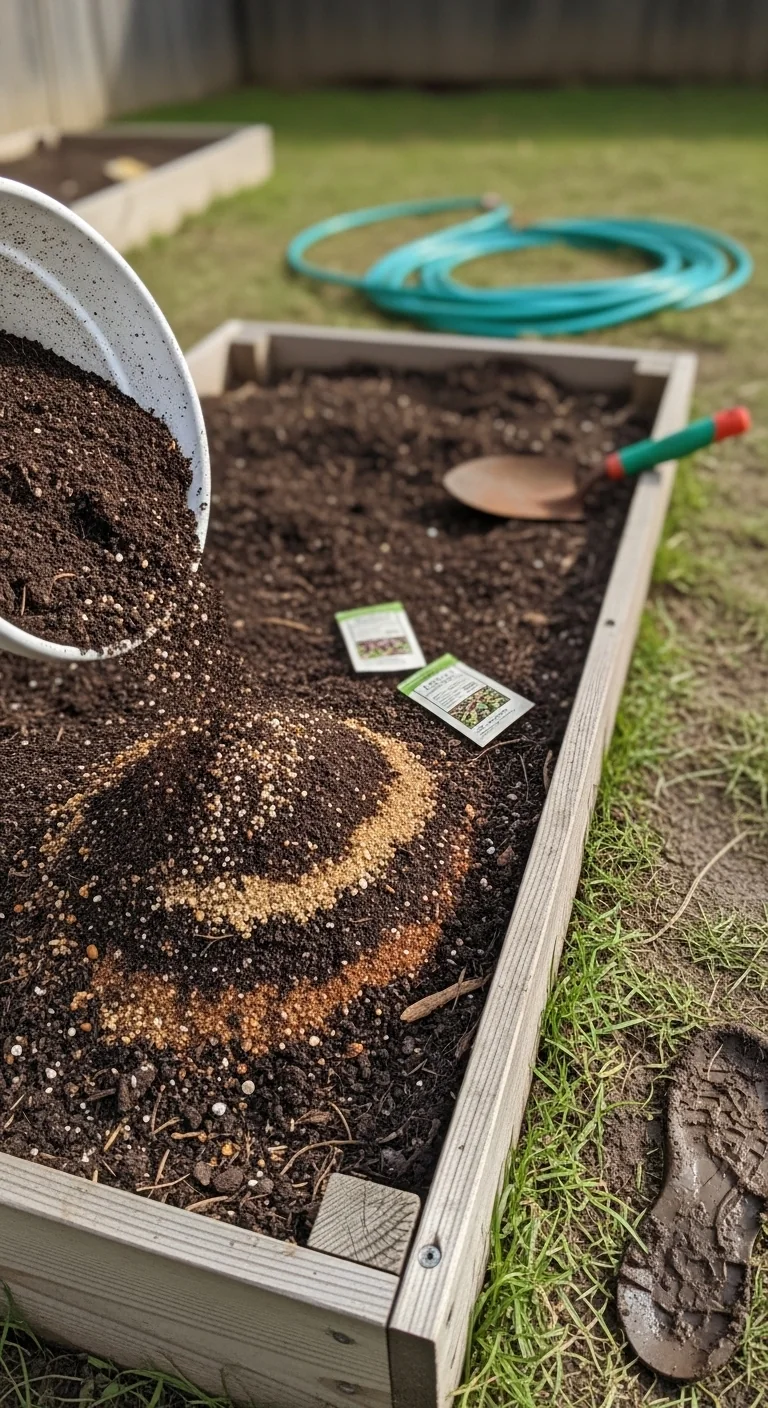
Best for: Branch 2
Blueprint. Source screened topsoil, mature compost, and coarse builder sand. Measure equal volumes by cubic yard or wheelbarrow load. Layer one-third topsoil, one-third compost, and one-third sand into the bed. Mix thoroughly with a garden fork or tiller in place. Top with 2 inches of additional compost after settling.
Edge case: In beds over 24 inches tall this mix maintains structure without excessive weight on the frame. Common mistake: using fine play sand instead of coarse builder sand, which compacts and reduces aeration. Test drainage by pouring one gallon of water; it should pass through in under 30 minutes.
This combination draws from university extension recommendations for balanced texture that resists both drought and waterlogging in typical temperate conditions.
2. Two Parts Compost to One Part Soilless Mix
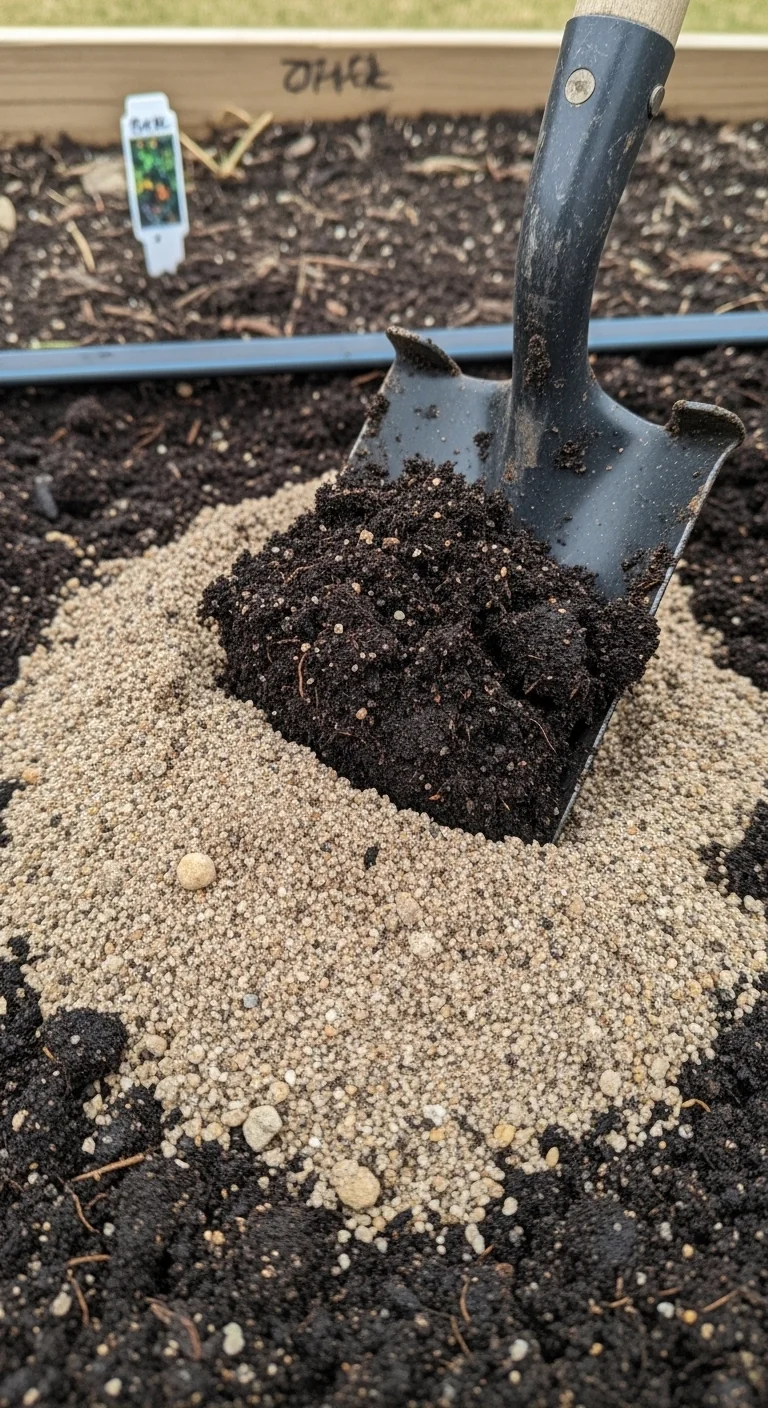
Best for: Branch 3
Use versus skip. Use when starting a new bed for fast root development in heavy feeders. Skip if your bed already contains mineral soil or if you prefer zero annual refresh. Pros include immediate nutrient availability. The single edge case is extremely hot summers where the higher organic fraction may dry faster than mineral mixes.
3. Predominantly Topsoil with Coarse Sand Amendment
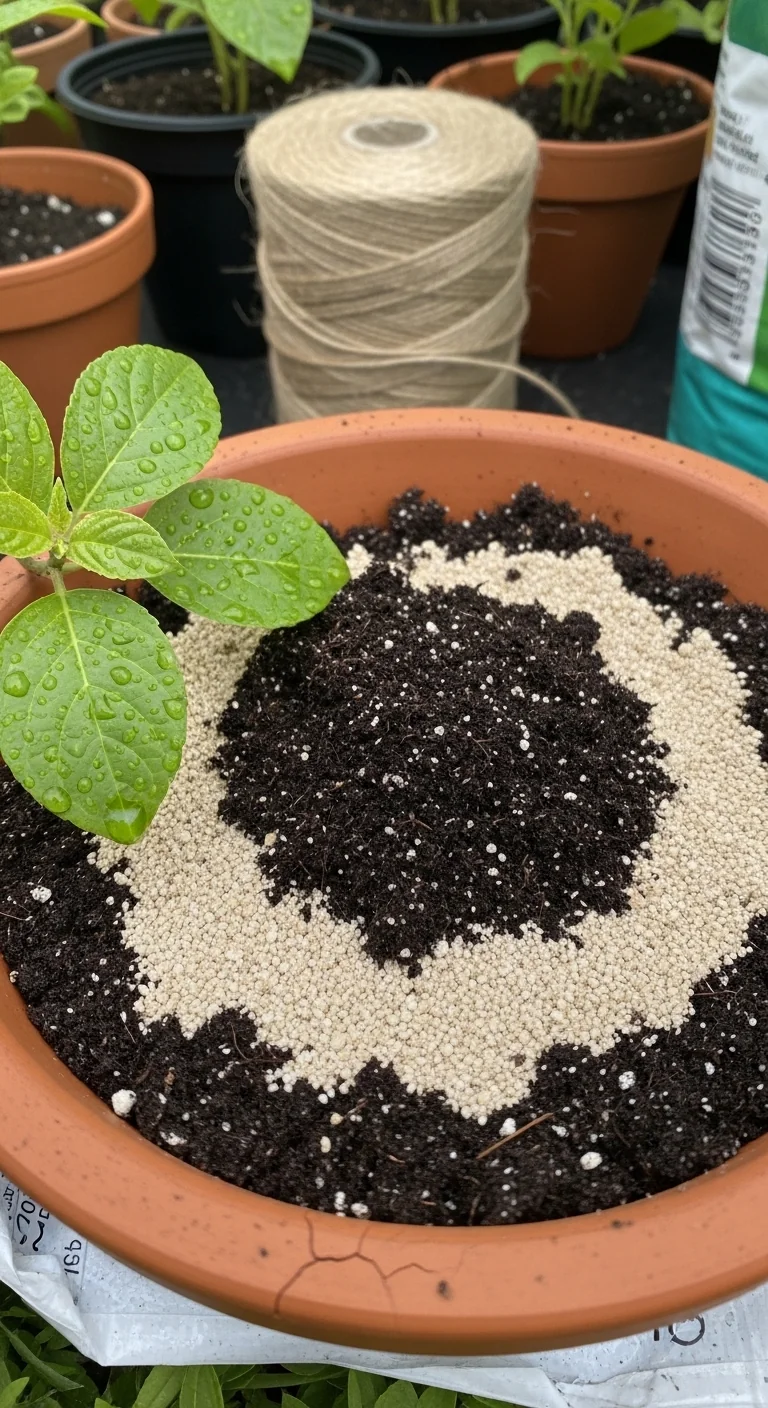
Best for: Branch 1
Threshold rule. Use two parts topsoil to one part coarse sand when your bed experiences standing water longer than four hours. Adjust upward to one part sand if native base is pure clay. Maintain by adding one inch of compost each spring. This rule keeps the mix under 30 percent organic matter to preserve long-term structure and prevent settling beyond 2 inches per year.
4. Hugelkultur Layered Wood-Core Mix
Best for: Branch 2
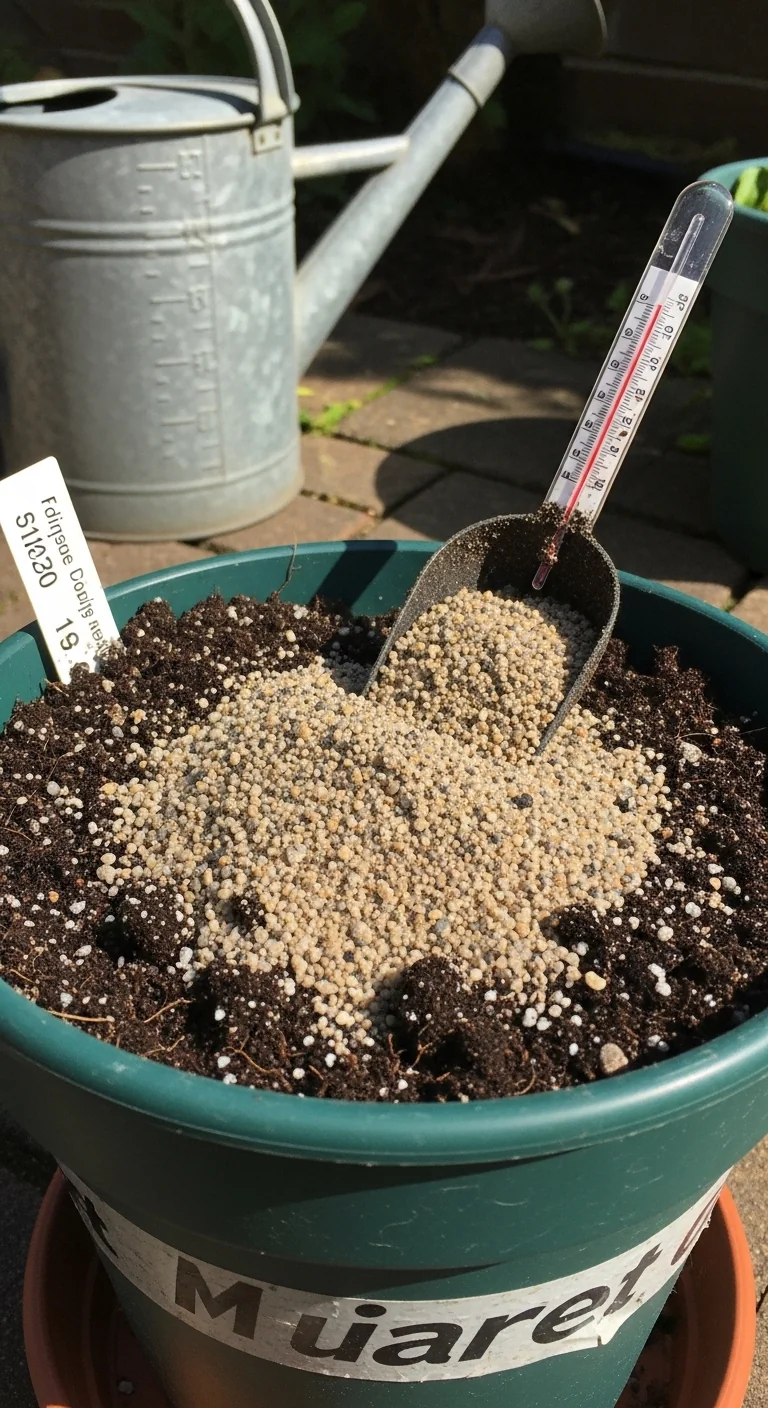
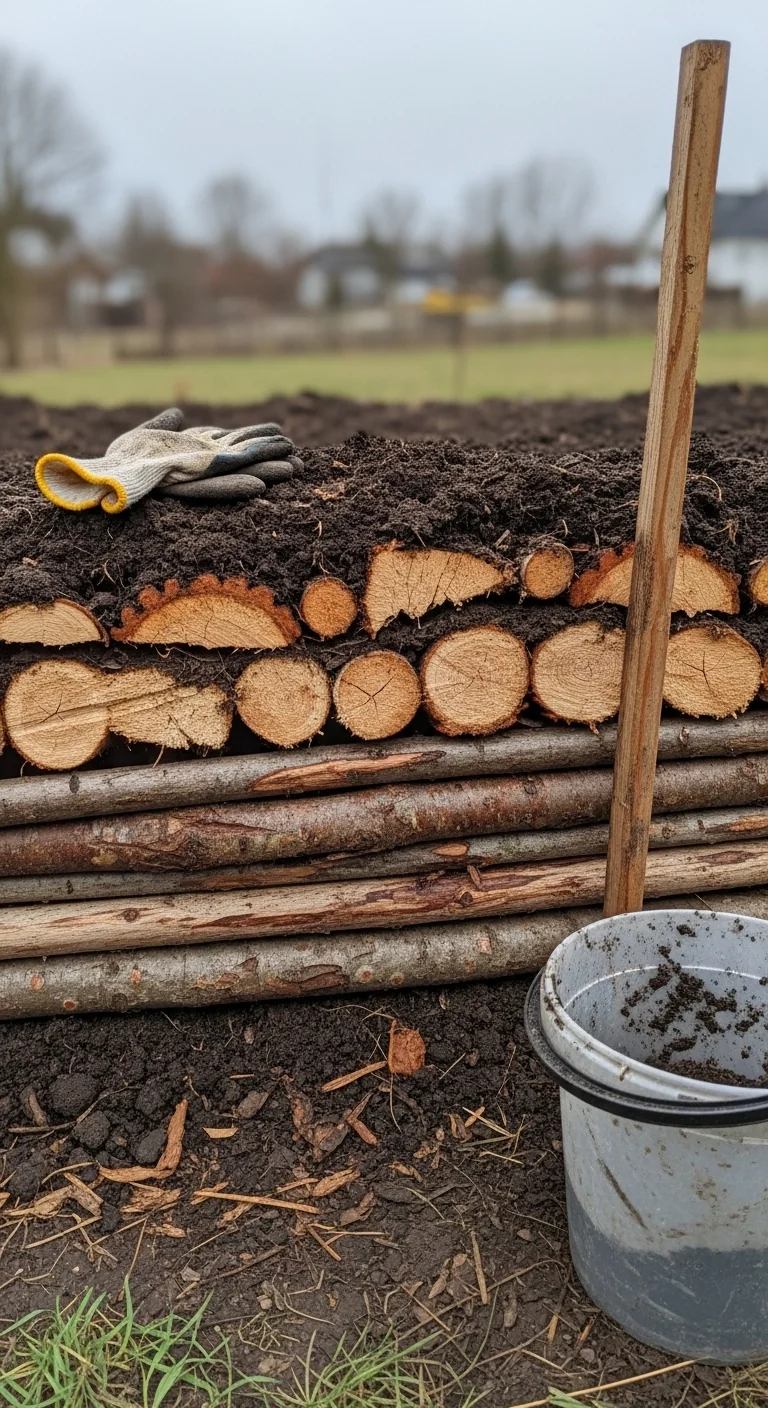
10-minute workflow. Place 6 to 12 inches of untreated hardwood logs or branches at the bottom of the bed. Cover with 4 inches of twigs and leaves. Add equal parts topsoil and compost to fill the remaining depth. Water deeply once. Total active time is under 10 minutes per 4-by-8 bed. Upgrade option: incorporate one layer of aged manure between the wood and soil for extra nitrogen release.
Unique detail: The wood core decomposes over three to five years, creating a self-sustaining moisture reservoir. Combine this approach with the techniques in our hugelkultur raised bed guide for beds that require the fewest water inputs after year one.
5. Compost-Heavy Blend with Worm Castings
Best for: Branch 3
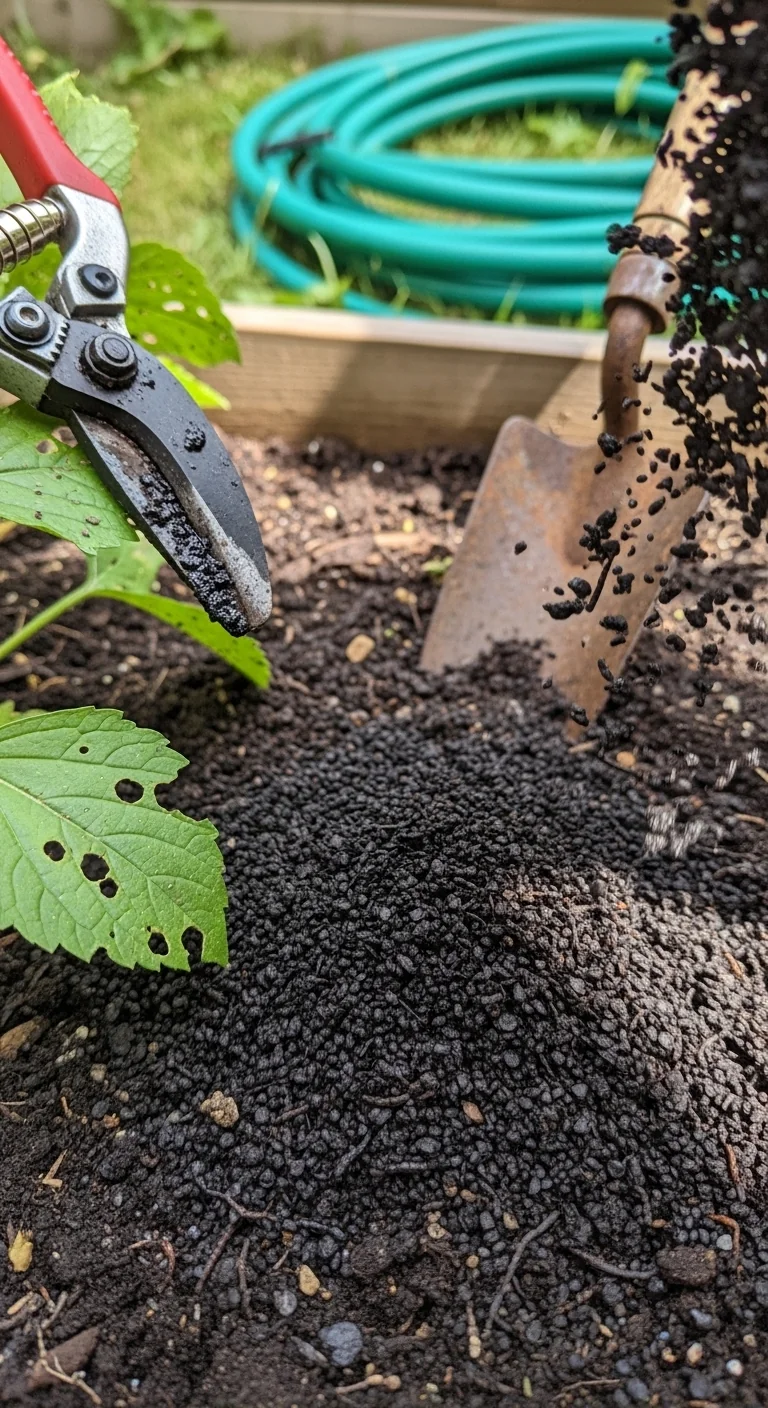
Blueprint. Blend two parts compost to one part soilless mix, then incorporate 5 pounds of worm castings per cubic yard. Fill the bed and rake level. This delivers steady microbial support and trace minerals without synthetic inputs. Edge case: Works best in beds at least 12 inches deep to buffer against rapid drying.
6. Wicking-Optimized Capillary Mix
Best for: Branch 1
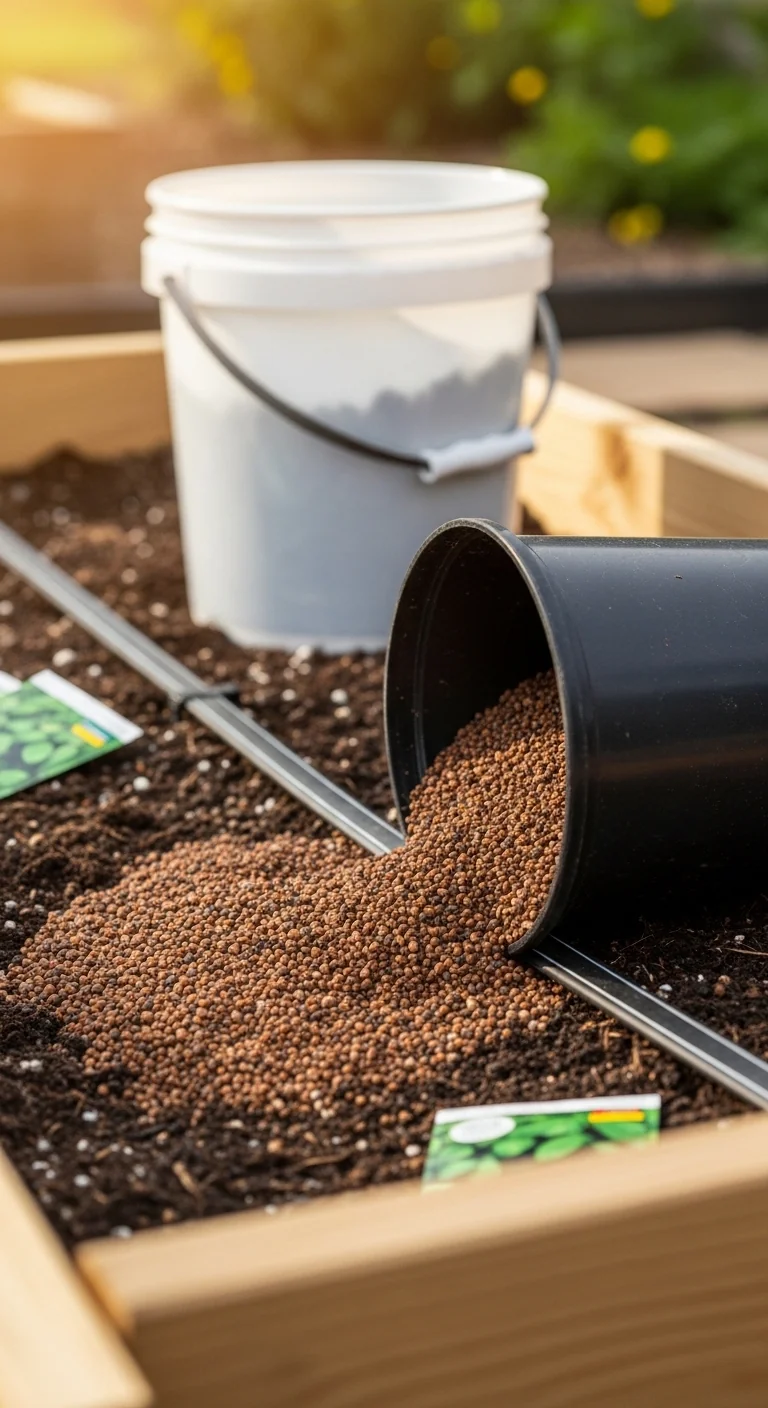
Use versus skip. Use in any wicking or self-watering system where uniform particle size drives capillary action. Skip in standard gravity-drained beds where excess water must exit quickly. Pros include even moisture distribution to roots at all depths. The edge case is very tall beds over 24 inches where capillary rise may not reach the top layer without supplemental top watering.
Pair this mix with the design details in our wicking raised bed guide.
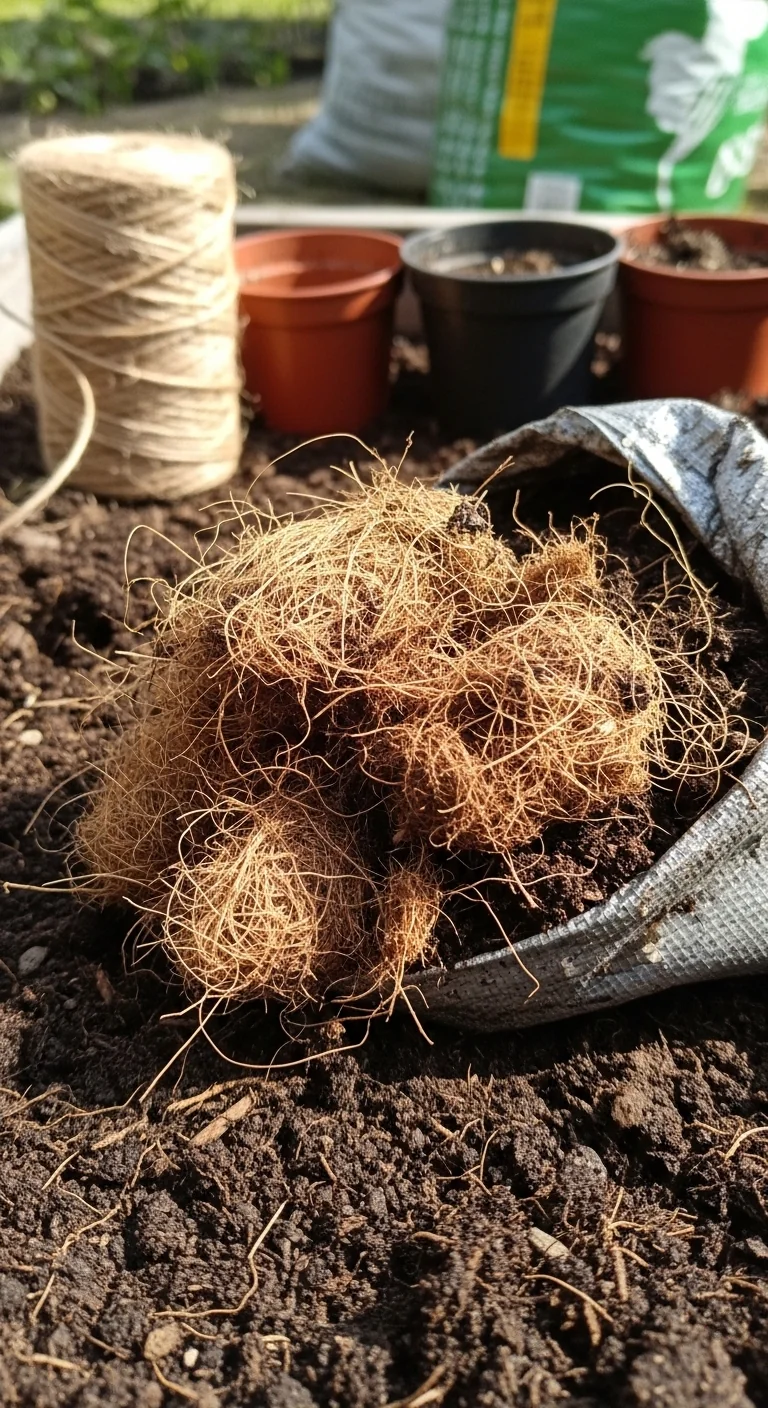
7. Coir-Amended Topsoil Retention Mix
Best for: Branch 2
Threshold rule. Substitute one part coir for every four parts topsoil when average daily high temperatures exceed 85 degrees Fahrenheit during the growing season or when beds receive direct wind exposure. Reapply a 1-inch coir top layer every 18 months to maintain water-holding capacity. This adjustment prevents the top 4 inches from drying out faster than the root zone.
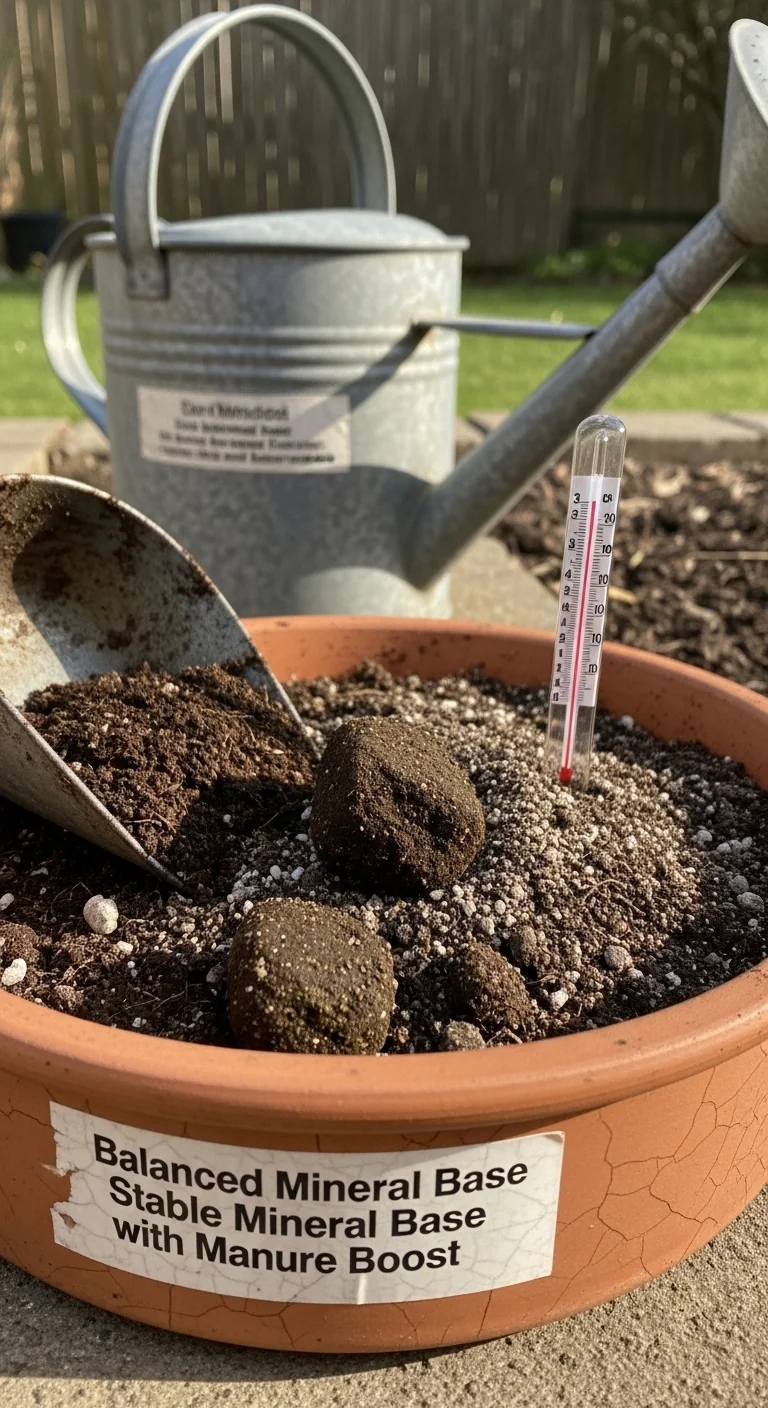
8. Balanced Mineral Base with Manure Boost
Best for: Branch 3
10-minute workflow. Fill 70 percent of bed volume with topsoil. Add 20 percent aged manure and 10 percent compost. Mix in place for 10 minutes using a broadfork. Level and plant immediately. Upgrade option: top-dress with additional compost mid-season for continuous feeding.
9. Drainage-Focused Perlite and Sand Hybrid
Best for: Branch 1
Blueprint. Combine equal volumes of topsoil and coarse sand, then add perlite at 15 percent of total volume by measure. Incorporate thoroughly before filling. This creates permanent macropores that handle heavy rainfall events without saturation. Common constraint: perlite floats during initial watering, so tamp the surface firmly after the first thorough soak.
Starter Stack (What to Choose First)
Branch 1: Drainage Priority
Start with Item 3 and Item 6. The sand-amended topsoil provides immediate water exit while the wicking-optimized mix ensures capillary flow during dry intervals between rains. Synergy prevents both waterlogging and drought stress in clay-base or high-rainfall sites. Estimated cost for a 4-by-8-by-12-inch bed: 40 to 60 dollars. Mixing time: 1 to 2 hours.
Branch 2: Moisture Retention Priority
Start with Item 1 and Item 4. The equal-parts base supplies balanced texture while the hugelkultur core adds long-term water storage in the lower profile. Synergy keeps shallow beds productive through dry spells without daily irrigation. Estimated cost for a 4-by-8-by-12-inch bed: 50 to 75 dollars. Mixing time: 2 to 3 hours.
Branch 3: Nutrient Density Priority
Start with Item 2 and Item 5. The high-compost blend jump-starts growth while worm castings sustain microbial activity through the season. Synergy supports continuous fruiting in heavy feeders without mid-season side dressing. Estimated cost for a 4-by-8-by-12-inch bed: 45 to 70 dollars. Mixing time: 1 to 2 hours.
When This Won’t Work
Two measurable failure conditions stand out. First, beds under 8 inches deep compact too quickly regardless of mix because there is insufficient volume for root anchorage and air exchange. Second, beds without drainage holes or weep slots in regions expecting more than 2 inches of rain in 24 hours will saturate even the best drainage-focused mix, leading to anaerobic conditions within 48 hours.
In either case, switch to elevated raised beds or containers filled with the same chosen mix. Prepare the site by adding gravel or landscape fabric beneath the frame for improved base drainage.
See our winterizing raised beds guide for steps to protect any mix through off-season freeze-thaw cycles.
Choosing the Right Option for Your Situation
Budget Threshold
If fill cost exceeds 100 dollars for a standard 4-by-8 bed, default to bulk topsoil-based mixes from Items 1 or 3. Source local landscape suppliers for screened material delivered by the cubic yard to stay under this threshold.
Time Threshold
If you have under 3 hours available for mixing and filling, select Items 3 or 9 that require minimal on-site blending. Pre-blend at the supplier or use a small tiller to cut active time in half.
Technical Constraint
If a soil test shows pH below 5.5, incorporate dolomitic lime at the rate printed on the package label before filling with any mix. Retest after 30 days to confirm the range of 6.0 to 7.0.
Yes/No checklist:
Does your bed meet the drainage condition for Branch 1?
Does your watering schedule match Branch 2 moisture needs?
Do your crops fall under Branch 3 heavy feeders?
Is your chosen mix effort score 3 or lower?
Expert Q&A
How does raised bed height change the ideal soil mix ratio?
Beds 12 inches or shorter benefit from higher organic fractions for water retention because root zones are limited. Taller beds over 18 inches perform best with at least 60 percent mineral topsoil by volume to maintain structural integrity and resist settling over multiple seasons.
What role do inorganic amendments like sand or perlite play long-term?
They create permanent pore space that does not break down, unlike compost. This prevents the mix from becoming dense after two or three years, preserving drainage and root penetration without annual replacement of the entire bed volume.
Is it necessary to replace raised bed soil completely each season?
No. Top-dress with 1 to 2 inches of compost annually and fork it into the top 6 inches. Full replacement is only required after five to seven years if compaction or disease appears, or when switching bed styles entirely.
How do you adjust mixes when rotating between leafy greens and fruiting crops?
Leafy greens tolerate higher nitrogen from fresh compost additions. Fruiting crops need balanced phosphorus and potassium; add aged manure or worm castings in early spring before planting to support flower and fruit development without excess foliage.
What single factor most often causes compaction in raised bed mixes?
Repeated foot traffic on the bed surface during wet conditions. Always use stepping stones or boards placed across the frame and limit walking inside the bed to planting and harvesting days.
Conclusion
The right soil mix for raised beds comes down to matching drainage needs, moisture availability, and crop demands using the decision grid and component ratios above. The number-one mistake is filling with 100 percent bagged potting mix, which collapses within one season and requires constant replacement.
Next step: measure your bed dimensions, identify your branch, and source the two starter items for that branch. Pair the chosen mix with efficient watering using the methods in our drip irrigation raised beds guide.