
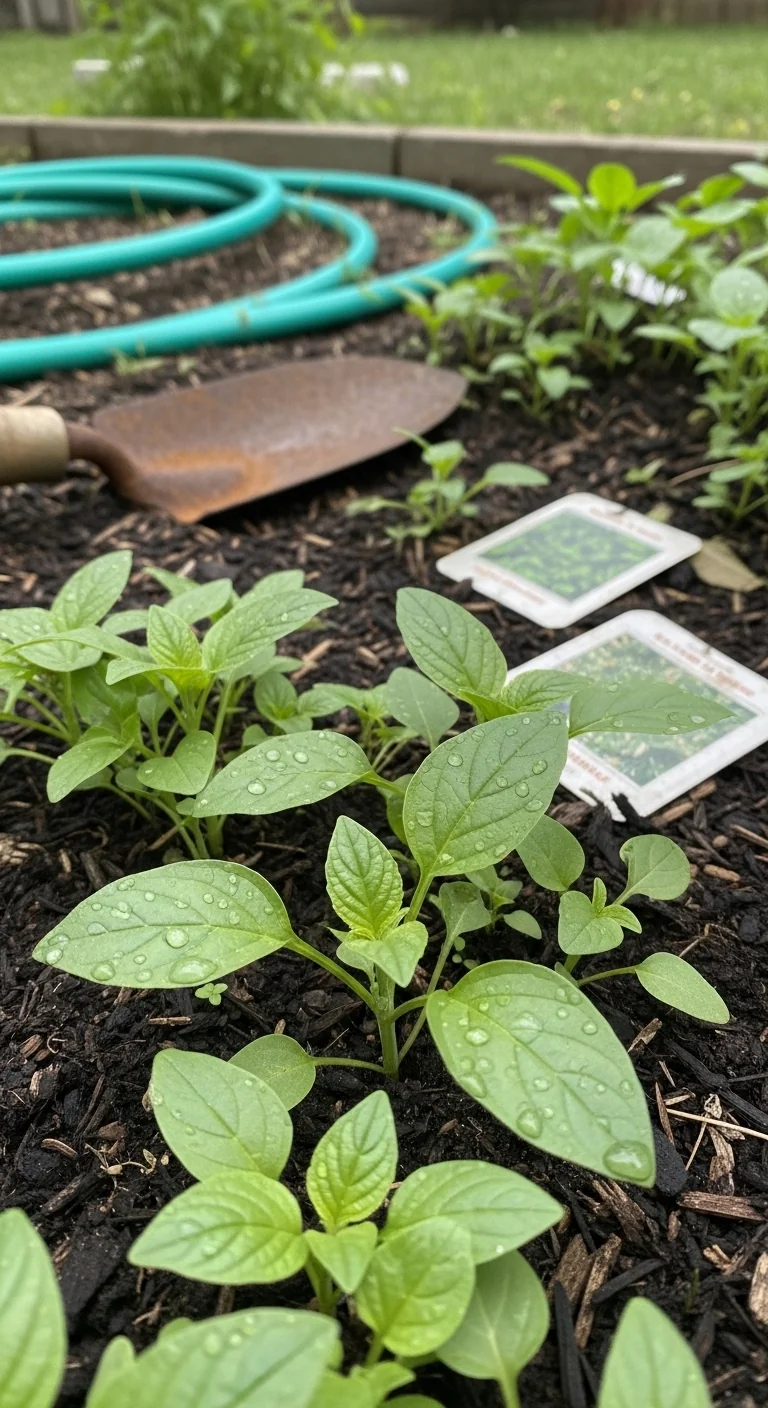
Fastest growing herbs deliver repeated edible yields only when their regrowth habit lines up with your exact soil temperature, light hours, and space constraints. Generic rankings overlook this match, leaving gardeners with bolted plants or empty pots after the first cut.
This article covers nine options proven to reach first leaf harvest in 30 to 45 days under typical home conditions. It focuses strictly on leaf production for kitchen use and leaves out woody perennials or slow starters that need 90 days or longer before any harvest.
You will gain a clear decision path: match your site to one of three branches, select the right starting pair, and follow precise timing windows to avoid failure. No guesswork on sowing dates or spacing remains.
Choose the branch that fits your measurable conditions today and you will cut fresh leaves weeks ahead of standard recommendations.
The Yield Grid Decision Grid
Branch 1 applies to outdoor sites where soil temperature stays consistently above 65°F for two full weeks and you receive 6 or more hours of direct sunlight daily. Recommended: Dill, Basil, and Oregano below.
Branch 2 covers cooler microclimates with soil temperatures below 65°F or 4 hours or less of direct sun. Recommended: Cilantro, Parsley, and Chervil below.
Branch 3 fits any container, balcony, or indoor setup that relies on pots or supplemental grow lights delivering 12 hours of light daily. Recommended: Chives, Mint, and Lemon Balm below. For full setup instructions see our herb gardening for beginners.
Quick Comparison Table
| Option | Key mechanism | Best for | Decision Grid Branch | Effort Score |
|---|---|---|---|---|
| Dill | Rapid stem elongation plus cut-and-come-again leaf regrowth | Repeated kitchen harvests in warm outdoor beds | Branch 1 | 3 |
| Cilantro | Quick leaf production before bolting cycle begins | Cool-season flavor in shaded or short-day sites | Branch 2 | 4 |
| Basil | Continuous side-shoot development after first pinch | High-volume leaf supply in full sun | Branch 1 | 3 |
| Parsley | Biennial leaf rosette that sustains multiple cuts | Steady supply across cool periods | Branch 2 | 2 |
| Chives | Clump-forming regrowth from established bulbs | Year-round snipping in tight spaces | Branch 3 | 1 |
| Mint | Underground runners that refill harvested stems quickly | Fast biomass recovery in containers | Branch 3 | 1 |
| Oregano | Low spreading mat with dense new shoots after trim | Reliable Mediterranean flavor in warm beds | Branch 1 | 2 |
| Lemon Balm | Fast vertical leaf expansion in limited root zones | Aromatic tea or garnish in pots | Branch 3 | 1 |
| Chervil | Delicate leaf clusters that mature ahead of heat | Mild anise notes in cool shaded spots | Branch 2 | 3 |
1. Dill
Best for: Branch 1
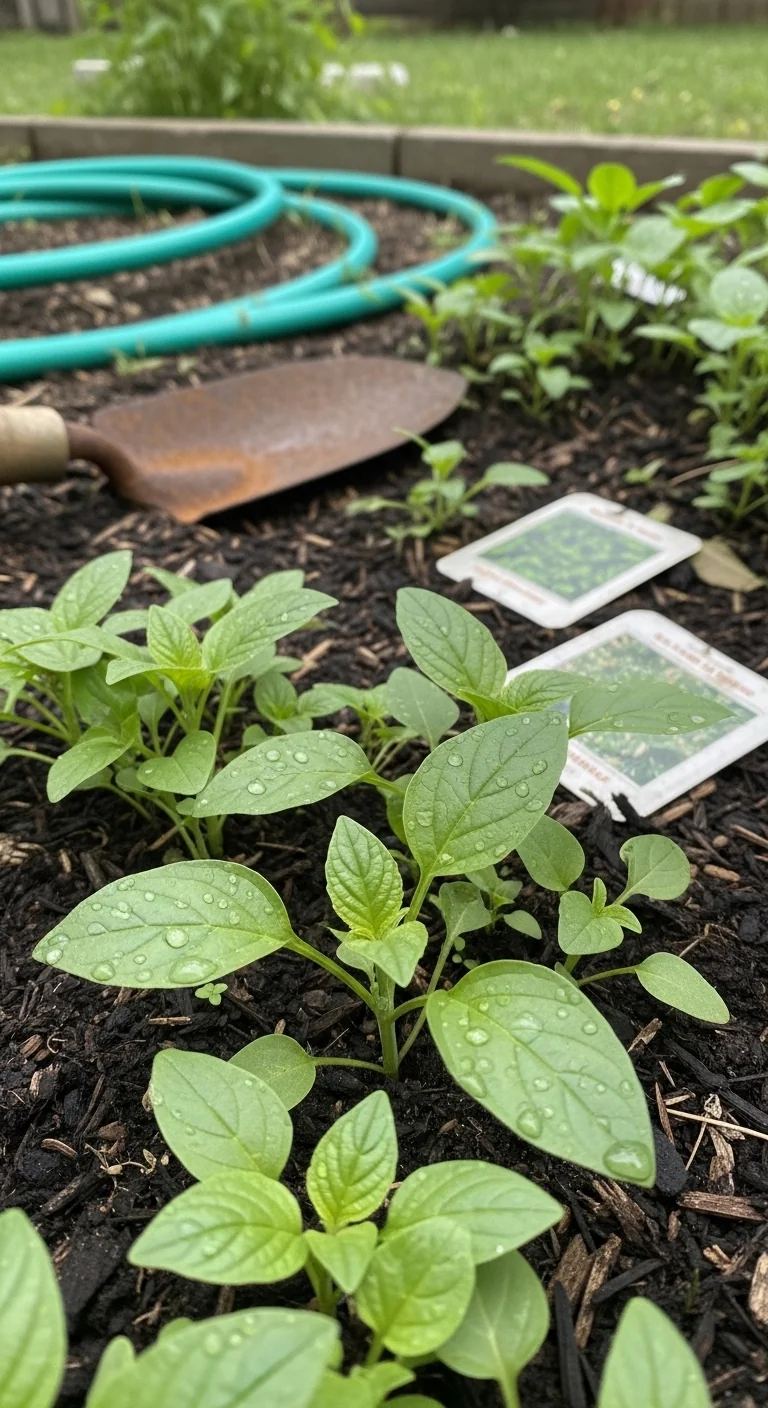
Dill serves as the blueprint for rapid warm-season production. Plant seeds directly into prepared soil once soil temperature holds above 65°F. Space plants 12 inches apart in rows to allow air flow that prevents fungal buildup. Harvest outer leaves and stems starting at 35 to 40 days when they reach 8 inches tall. Pinch flower heads immediately if they appear to redirect energy back into foliage.
Follow these steps each season: sow a fresh patch every 14 days for continuous supply. Water at the base to keep soil evenly moist without overhead splash. The most common mistake occurs when gardeners leave mature seed heads intact, which halts leaf production within days. Correct timing keeps the plant in vegetative mode for three full cycles before natural decline. This approach turns one packet into months of fresh dill for pickles or fish dishes.
2. Cilantro
Best for: Branch 2
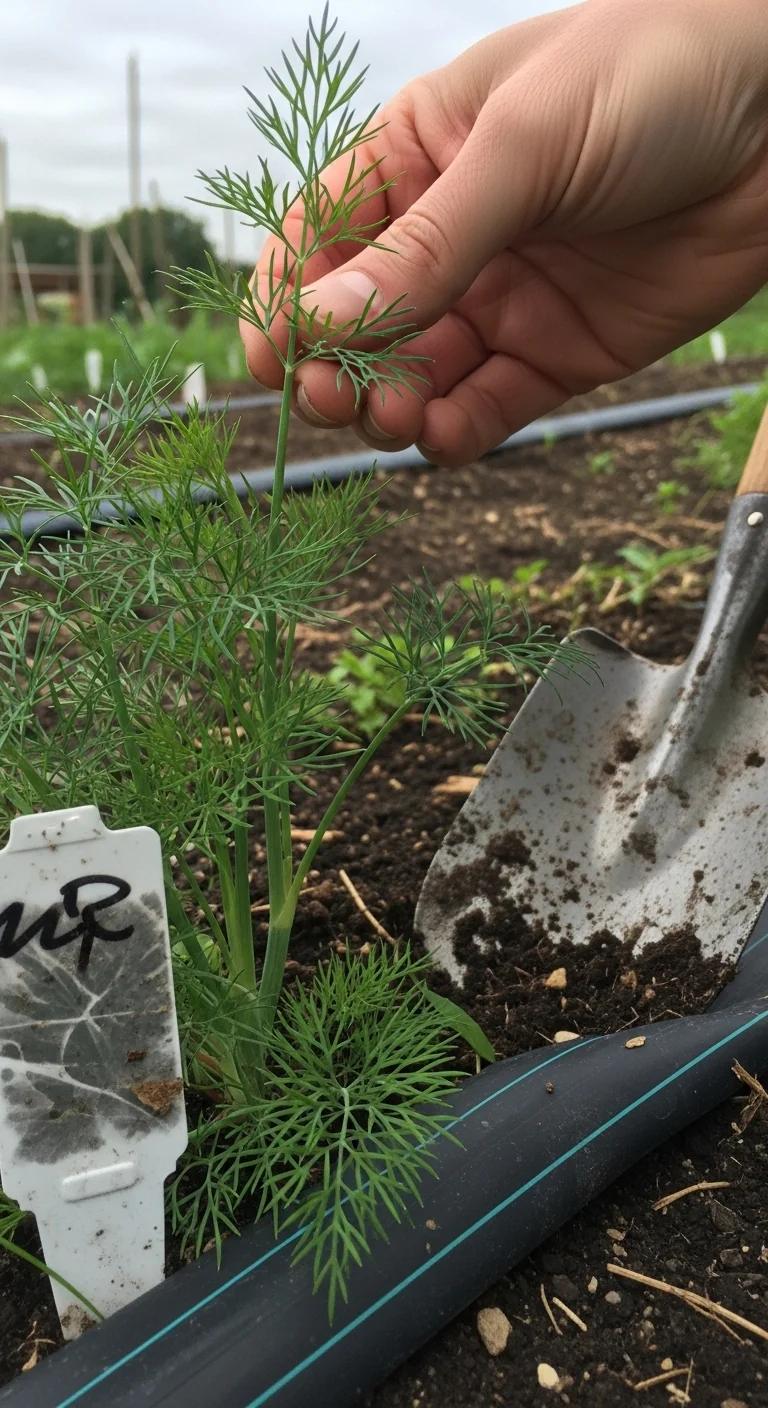
Use cilantro when your site runs cool or shaded because it bolts above 75°F soil temperature. Skip it in Branch 1 conditions where heat triggers rapid flowering and bitter leaves within two weeks. Edge case: southern gardens can still succeed with afternoon shade cloth that drops peak temperature by 5°F.
3. Basil
Best for: Branch 1
Basil follows a strict threshold rule: first harvest begins only after the plant reaches four true leaf pairs and daytime temperatures stay above 70°F for seven consecutive days. Pinch the top set of leaves at that point to force side shoots. Adjust spacing to 10 inches if your site receives exactly 6 hours of sun; reduce to 8 inches in 8-plus-hour locations to maximize density without crowding.
Monitor soil moisture daily during the first 14 days after sowing. Any drop below consistent dampness delays the threshold by up to 10 days. Follow this number-driven window and you gain three separate cutting cycles before the plant naturally slows.
Full details on maintaining this cycle appear in our basil growing tips.
4. Parsley
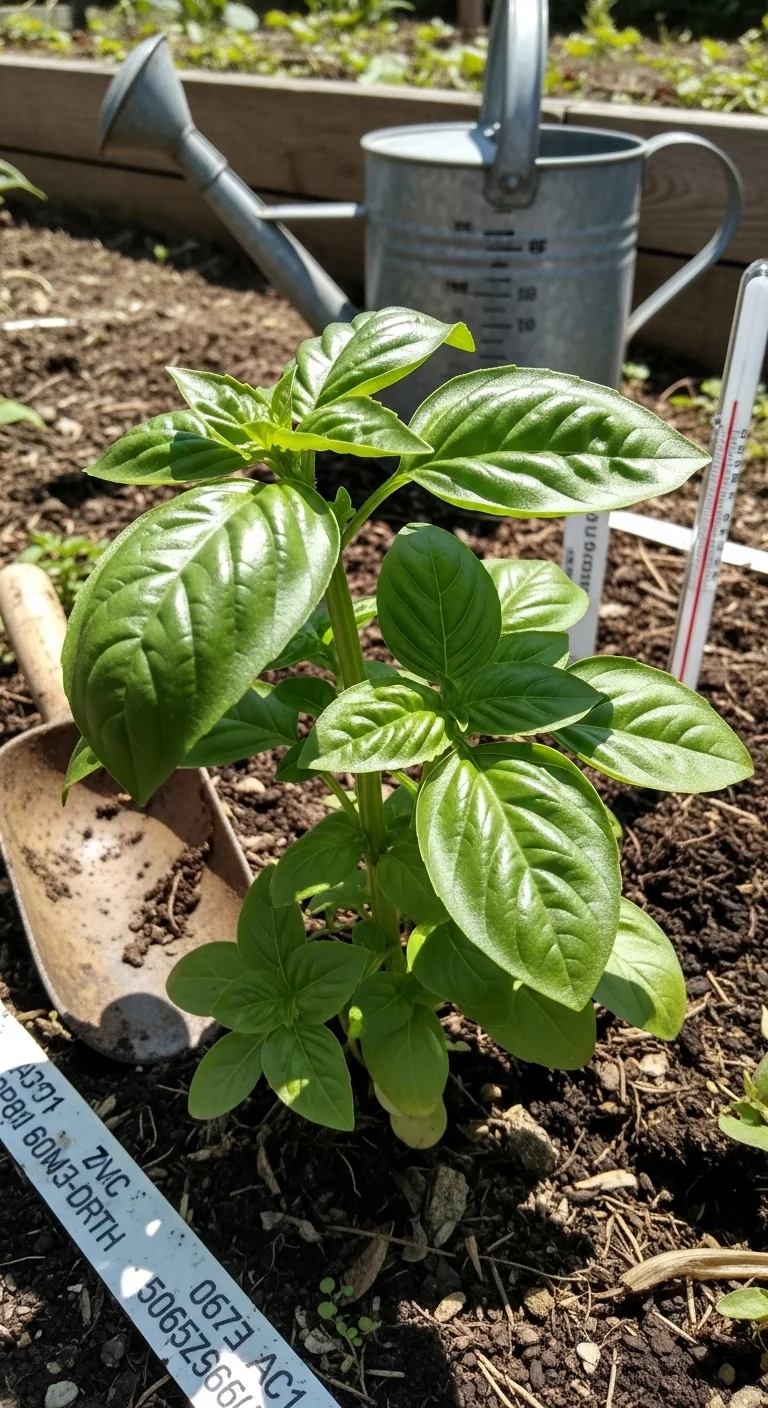
Best for: Branch 2
Parsley works best through a 10-minute workflow that starts with soil preparation and ends with the first cut. Measure soil pH and adjust to the 6.0 to 7.0 range if needed (takes under 5 minutes with a simple test kit). Sow seeds ¼ inch deep in rows spaced 6 inches apart. Water gently to settle soil, then mark the calendar for day 60 when outer leaves reach 6 inches.
At the 60-day mark spend 5 minutes snipping the oldest stems at the base. This triggers new central growth within 7 days. Upgrade option: transplant thinned seedlings into a secondary bed on day 30 for staggered supply. The entire process fits inside one weekly garden session and sustains harvest through the cool season without extra inputs beyond initial spacing.
Match the starting mix to local conditions with guidance from our soil mix for herbs.
5. Chives
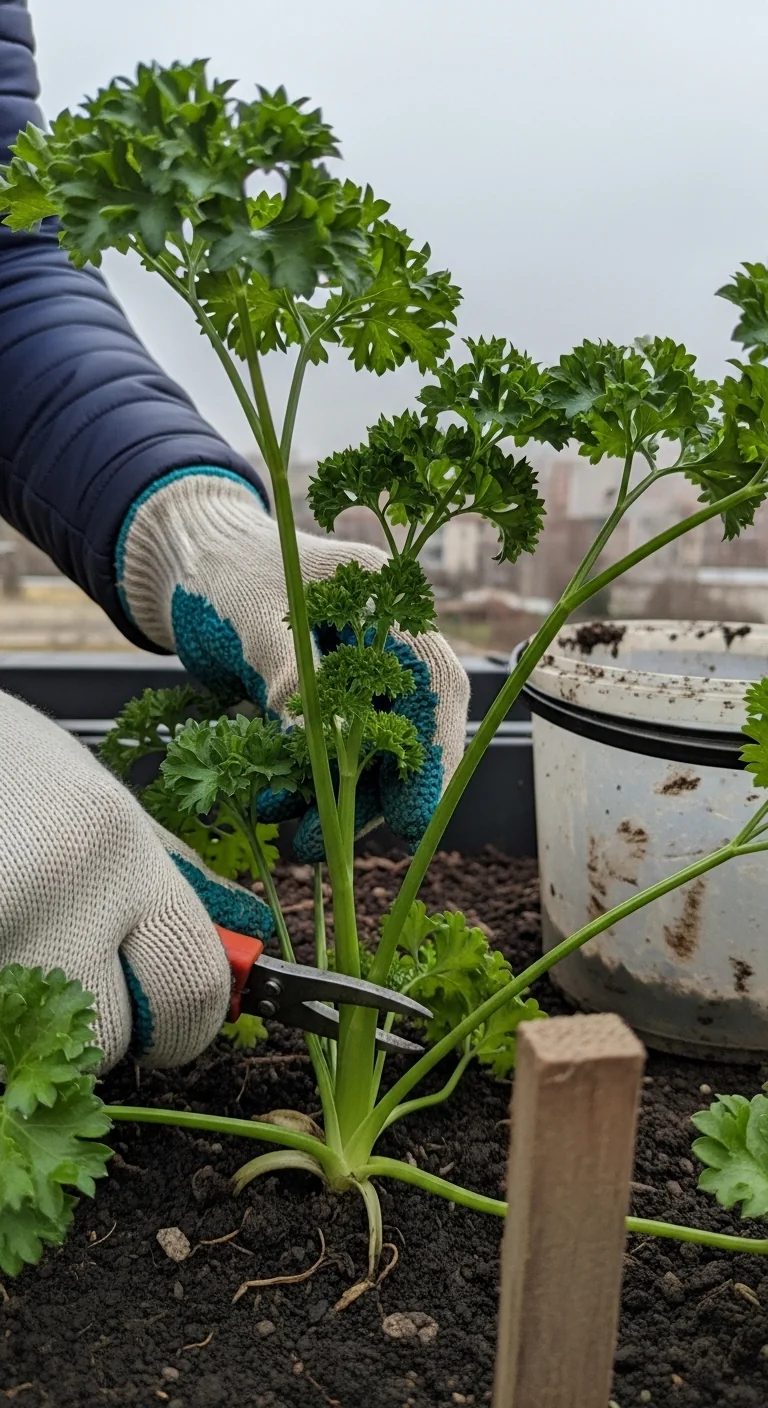
Best for: Branch 3
Chives deliver the blueprint for low-intervention container production. Plant established clumps or seeds into pots at least 6 inches deep. Position where they receive 12 hours of light from grow lights or bright windows. Harvest by cutting outer stalks to 2 inches above soil level every 14 days once clumps reach 8 inches tall. One planting lasts multiple seasons with nothing more than occasional division in spring.
6. Mint
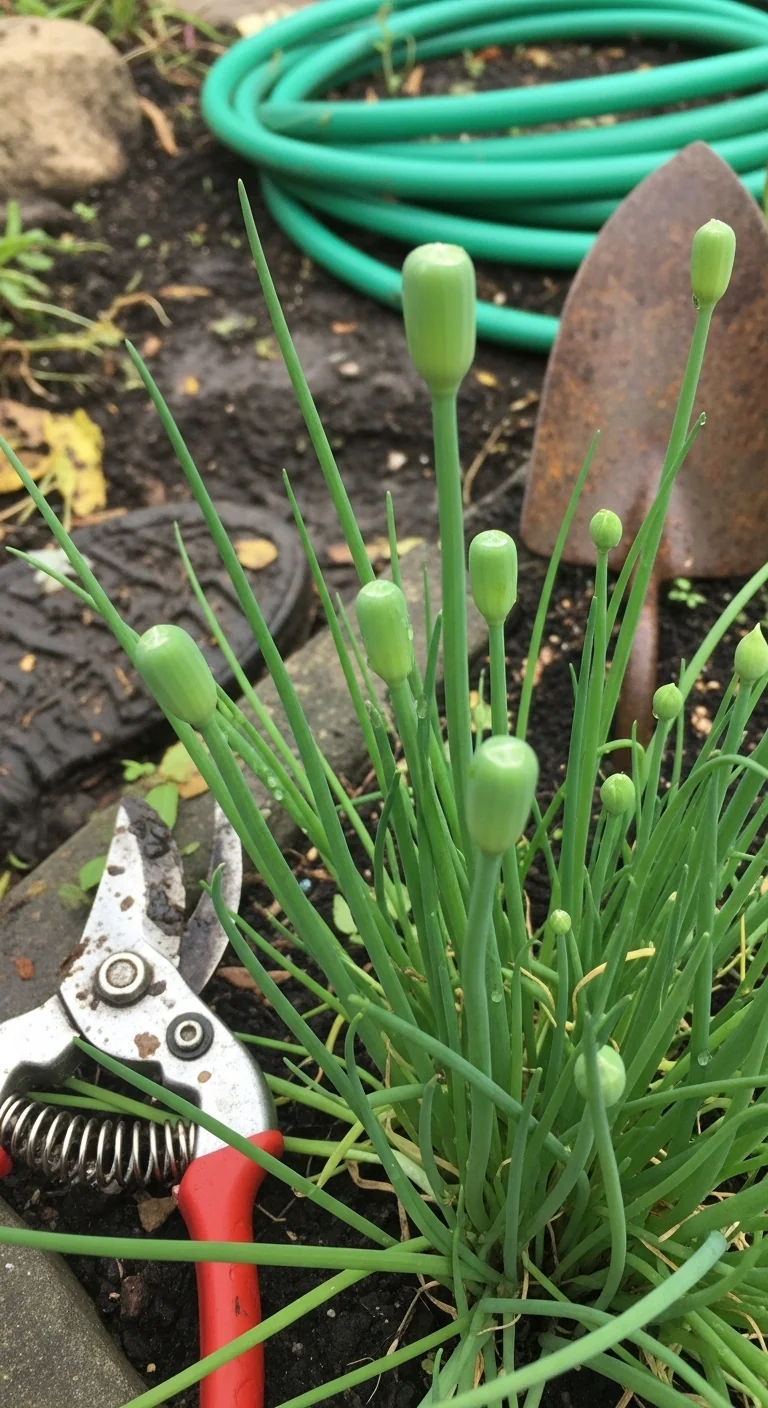
Best for: Branch 3
Use mint in any confined root zone because its runners refill harvested stems within 10 days. Skip it in open ground where it overtakes neighboring plants within one season. Edge case: varieties confined to 8-inch pots still produce three full cuts per month even when night temperatures drop to 50°F.
Full container strategies appear in our best herbs for containers.
7. Oregano
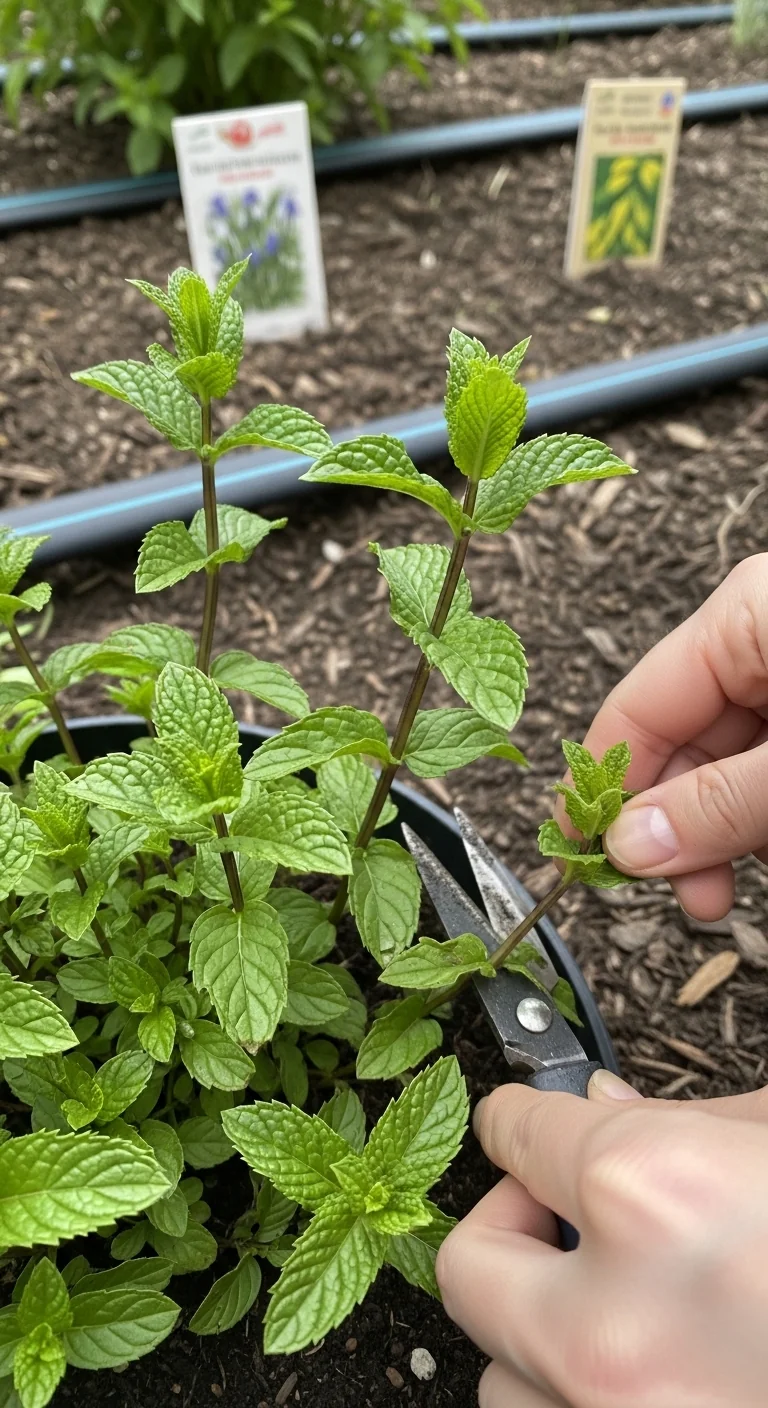
Best for: Branch 1
Oregano follows a threshold rule based on soil temperature and trim timing. Wait until soil holds above 65°F for 10 days before setting plants 12 inches apart. Trim the top third of stems once they reach 6 inches; new growth appears within 7 days. Adjust frequency to every 21 days in peak summer to keep the mat dense and flavorful. This measured cycle prevents woody stems and maintains leaf quality through the entire warm window.
8. Lemon Balm
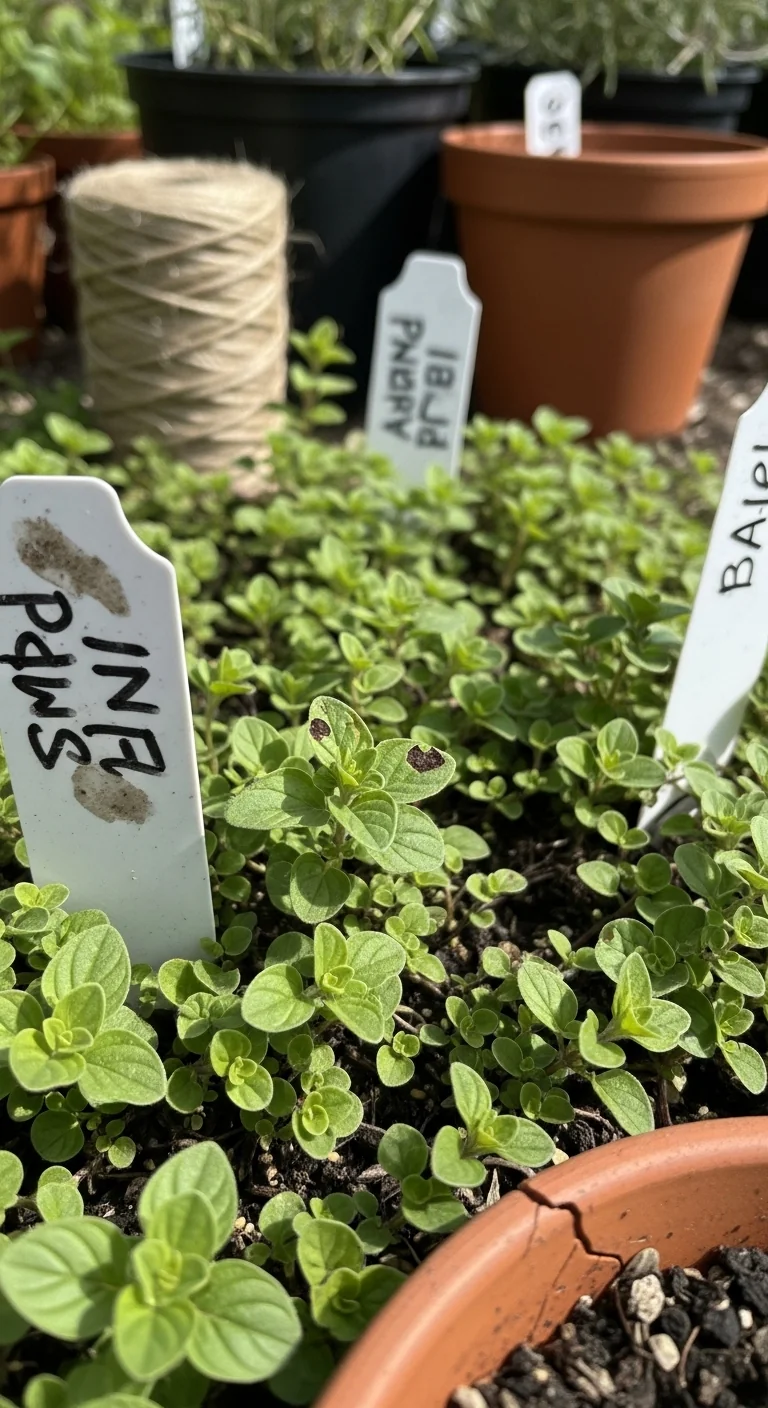
Best for: Branch 3
Lemon balm offers the blueprint for aromatic pot production. Sow or set transplants into containers with drainage holes. Provide 12 hours of light daily. Harvest upper leaves starting at 30 days when stems reach 10 inches. Pinch tips weekly to encourage bushy regrowth. The plant tolerates root restriction better than most fast options and yields enough for tea or garnish from a single 6-inch pot.
9. Chervil
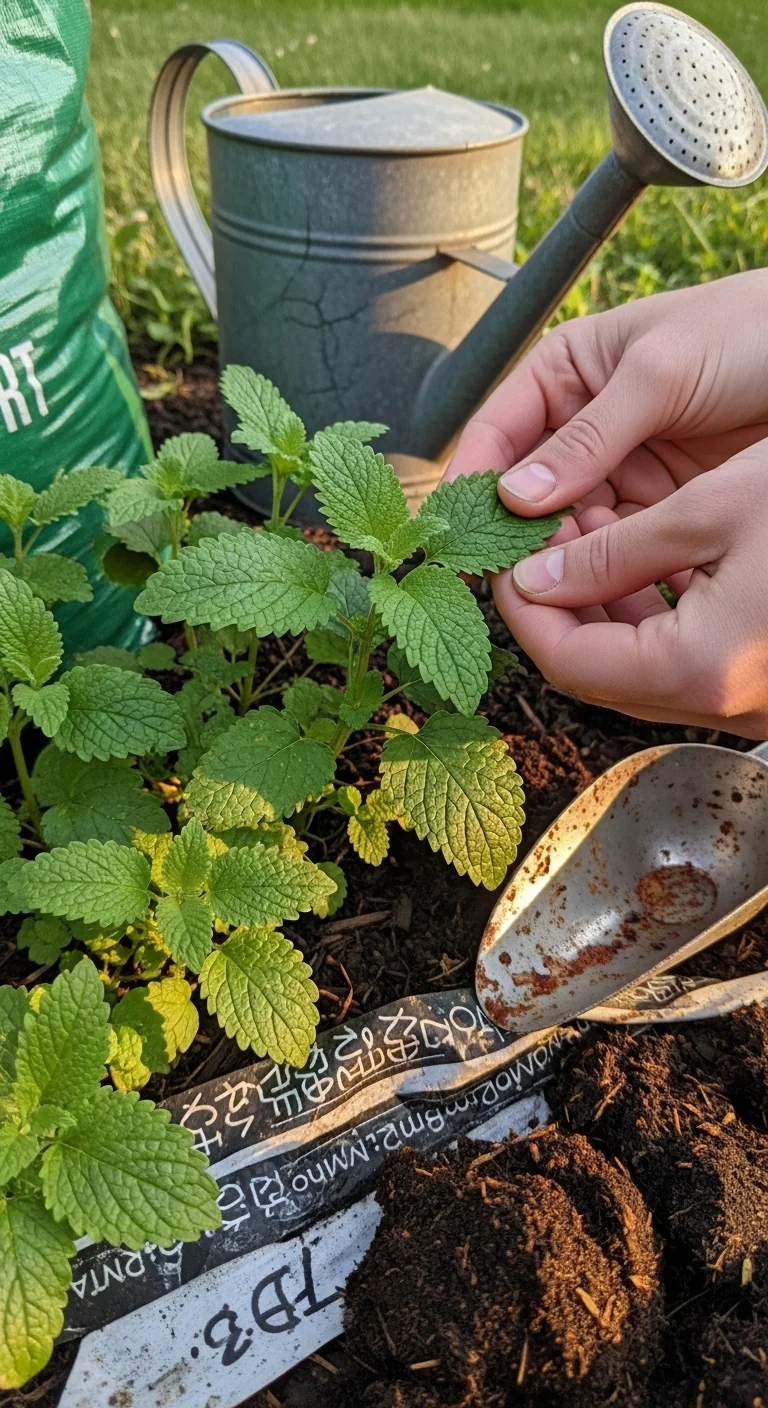
Best for: Branch 2
Chervil succeeds through a 10-minute workflow tailored to cool shaded sites. Sow seeds directly on the surface of moist soil and press lightly to ensure contact. Water once to settle, then place where morning sun reaches but afternoon heat stays away. Mark day 25 for first harvest of outer leaves at 4 inches tall. Spend 5 minutes cutting back to 2 inches above soil to trigger the next flush. Upgrade option: interplant with parsley for shared shade tolerance and staggered flavor profiles.
Starter Stack (What to Choose First)
Branch 1 Starter: Dill and Basil
Begin with Dill plus Basil for warm full-sun sites. Dill reaches first harvest at 35 to 40 days while Basil follows at 45 days, creating overlapping supply without extra sowing. Total seed cost stays under 8 dollars and first combined harvest arrives inside 6 weeks when planted at the same time.
Branch 2 Starter: Cilantro and Parsley
Start with Cilantro plus Parsley in cool or shaded locations. Cilantro delivers leaves by day 25 while Parsley sustains production from day 60 onward. The pair fills the cool-season gap with minimal overlap effort and seed packets totaling under 6 dollars.
Branch 3 Starter: Chives and Mint
Launch with Chives plus Mint in containers or indoor setups. Chives provide steady snips from week 4 and Mint refills every 10 days after the first cut. One-time pot investment under 15 dollars yields continuous supply for the full season with no additional sowing.
When This Won’t Work
Fastest growing herbs fail when soil stays waterlogged for more than 48 hours after rain or irrigation, which drops oxygen levels below the threshold roots need for rapid expansion. They also stall if night temperatures drop below 45°F for more than five consecutive nights, halting cell division regardless of daytime warmth.
In either case switch to indoor containers placed under grow lights with bottom heat mats set to maintain 65°F at root level. This bypasses the failure conditions and restores the 30-day timeline.
Review differences between short-cycle annuals and longer-lived types before moving indoors with our annual vs perennial herbs overview.
Choosing the Right Option for Your Situation
Budget Threshold
If your total seed and pot budget stays under 15 dollars, select any pair from the Starter Stack. All nine options begin from standard packets or small transplants that fit this limit.
Time Threshold
If you can give only 30 minutes per week, choose Chives, Mint, or Lemon Balm from Branch 3. These require nothing beyond weekly cuts once established.
Technical Constraint: Drainage
If your site has heavy clay or poor drainage, limit choices to Branch 3 container options raised on feet or saucers. This keeps roots above standing water at all times.
Yes/No checklist:
Do you have soil above 65°F and full sun? Yes → Branch 1.
Do you have cool soil or shade? Yes → Branch 2.
Are you limited to pots or indoors? Yes → Branch 3.
Match one condition and plant the Starter Stack pair today.
Expert Q&A
How does succession sowing keep fastest growing herbs producing past the first cycle?
Sow a new batch every 14 days in the same branch conditions. This overlaps maturity windows so one patch finishes while the next reaches harvest size. The method extends supply from a single 30-day window into continuous cutting without gaps.
What minimum daily light hours prevent leggy growth in container versions of these herbs?
Provide 12 uninterrupted hours under grow lights or bright windows. Below that threshold stems stretch and leaf flavor weakens within 10 days. Consistent duration maintains compact habit and full essential-oil content.
Which soil amendment timing actually speeds initial germination for the fastest options?
Incorporate a thin top layer of compost only at sowing time, never deeper than ¼ inch. Pre-mixing months ahead does nothing measurable for these quick-cycle herbs because they draw nutrients primarily after the first true leaves appear.
How do companion plantings reduce bolting risk in cilantro or dill?
Place taller companions like tomatoes on the south side to cast afternoon shade that lowers peak soil temperature by 3 to 5°F. This delay in heat stress extends the leafy phase by up to two weeks in Branch 2 sites.
What harvest height rule maximizes regrowth speed across all nine herbs?
Cut no lower than 2 inches above soil level on every pass. Leaving this stub preserves the growing points that push new leaves within 7 days. Cutting to soil level forces the plant to restart from seed energy and adds 14 days to the next cycle.
Conclusion
The key decision sits in matching your site’s temperature and light window to one Decision Grid branch, then planting the two-herb Starter Stack that fits. The single biggest mistake is ignoring the 14-day succession window, which breaks the continuous supply these fast options promise.
Take the next step by checking your soil temperature today and sowing the matching Starter Stack. Review exact germination timing with our herb germination chart before you begin.