
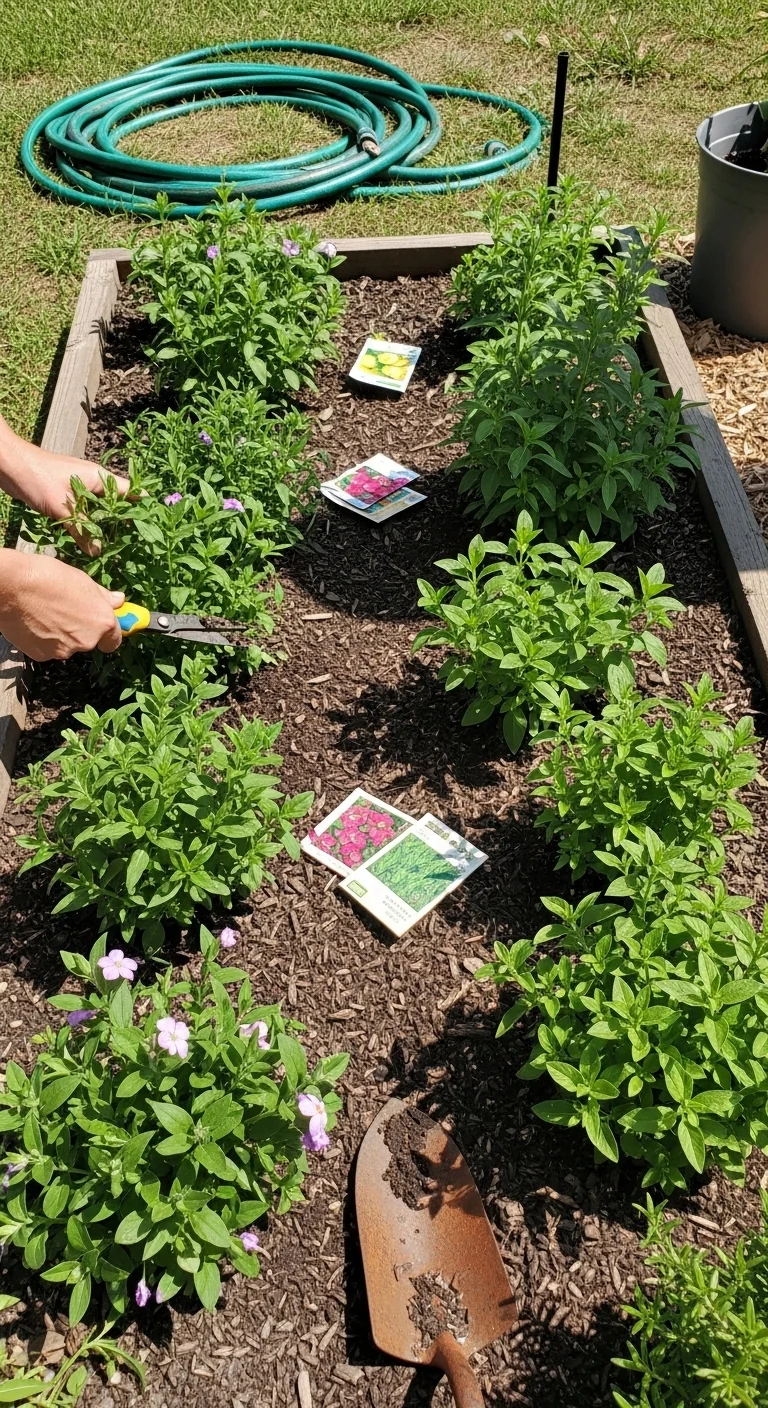
Harvest timing and cut depth trigger specific regrowth patterns that align with your local frost dates and kitchen needs. Most guides repeat the same generic steps. This framework reframes harvesting as three measurable branches so you select the exact protocol that keeps plants productive without shock.
The guide covers 10 protocols for common edible herbs. It focuses on home gardens in the US, UK, Canada, Australia, Germany, and New Zealand. It excludes commercial machinery, medicinal root digging, and large-scale drying operations.
You gain clear rules for when to cut, how deep, and what to do afterward. That lets you decide daily fresh supply versus bulk preservation while protecting plant health through your first frost window.
Check days remaining until your first frost, then follow the matching branch protocol below.
The Yield Grid Decision Grid
Branch 1: Tender annuals in active vegetative growth. Conditions: plant height at least 8 inches, nights above 55 degrees F, and at least 60 days until first frost. Light cuts above leaf nodes every 7 to 10 days maintain bushy foliage. Recommended: Items 1, 4, 8 below. For setup basics see our perennial herbs list.
Branch 2: Woody perennials in sustained production. Conditions: established plants in zones with winter dormancy, stems hardening, and 40 to 90 days until first frost. Moderate stem removal early in the season encourages compact shape. Recommended: Items 2, 5, 9 below.
Branch 3: Maturing plants for flowers, seeds, or preservation. Conditions: buds visible but not fully open, or seed heads turning from green to tan, with fewer than 45 days until first frost. Single timed harvest captures peak oils. Recommended: Items 3, 6, 7, 10 below.
Quick Comparison Table
| Option | Key mechanism | Best for | Decision Grid Branch | Effort Score |
|---|---|---|---|---|
| Timing Harvest Cuts to Your Local Frost Window | Align cut depth with days until frost to trigger regrowth | Steady supply planning | 1 | 2 |
| Selecting Tools for Clean Cuts That Promote Regrowth | Sharp bypass shears prevent tissue crush | All herb types | 3 | 1 |
| Harvesting in the Optimal Morning Window | Cut after dew dries but before 75 degrees F | Peak oil concentration | 1 | 3 |
| Node Pruning Protocol for Leafy Annual Herbs | Cut above node with at least two sets of leaves remaining | Basil, cilantro, parsley | 1 | 4 |
| Light Shearing for Woody Perennial Herbs | Remove top one-third of new stems before wood hardens | Rosemary, thyme, oregano | 2 | 3 |
| Bud-Stage Cuts for Maximum Aroma in Flowers | Harvest when buds form but before full bloom | Chamomile, lavender, chives | 3 | 2 |
| Post-Harvest Cooling and Sorting Workflow | Rinse in cool water then air-dry in shade within 30 minutes | Fresh or preservation use | 3 | 5 |
| Container Herb Adjustments for Limited Root Space | Reduce cut volume by half compared to in-ground plants | Balcony or patio setups | 1 | 4 |
| End-of-Season Heavy Prune for Overwintering | Cut back to 4 inches above soil line after final harvest | Perennials entering dormancy | 2 | 1 |
| Seed Head Collection Timing for Dill and Coriander | Clip heads when seeds turn brown but before shattering | Seed saving or spice use | 3 | 2 |
Timing Harvest Cuts to Your Local Frost Window
Best for: Branch 1
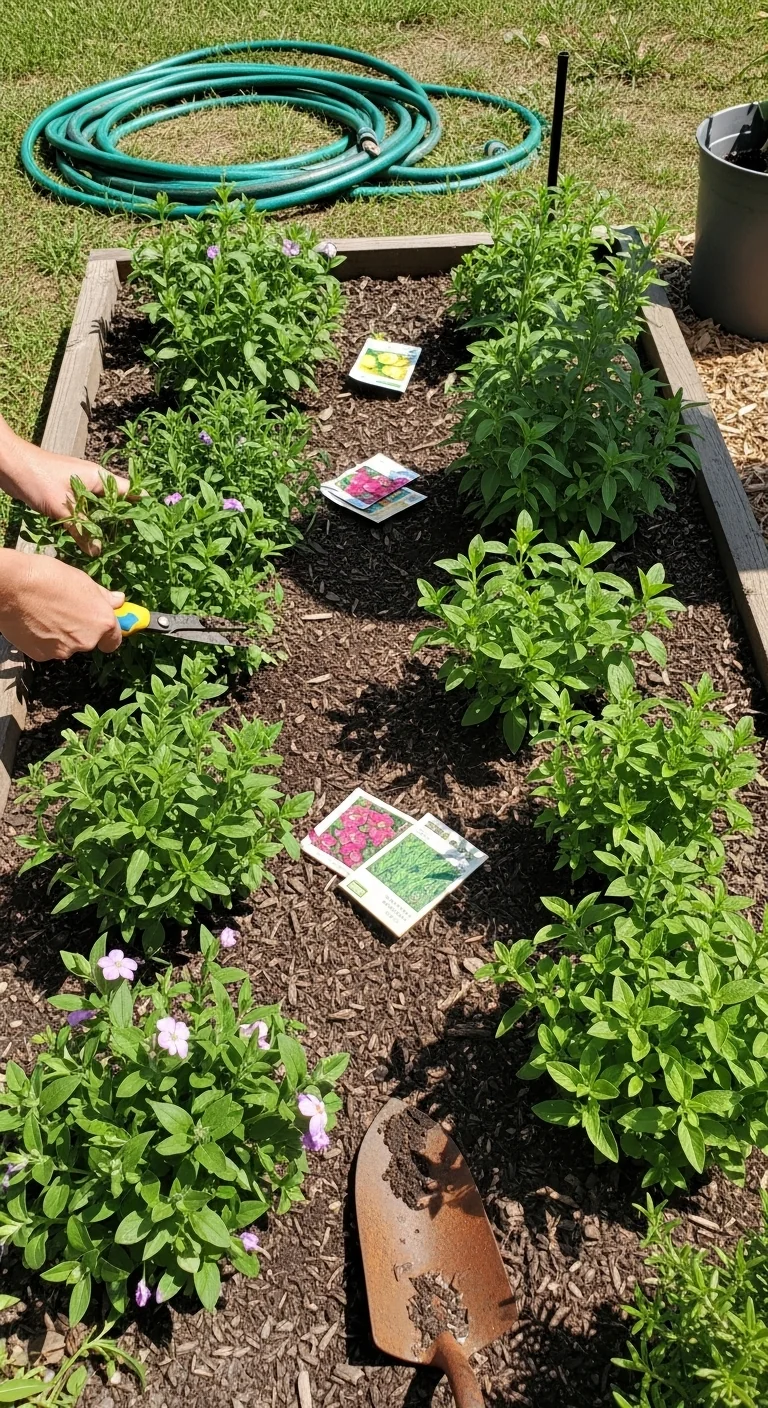
Calculate days to your average first frost date using your zip code data from local extension services. For annual herbs with 60 or more days left, make cuts that leave at least four leaf nodes on each stem. This window allows the plant to replace removed foliage before cooler nights slow growth. In shorter seasons, shift to single heavier cuts 45 days out to concentrate energy into final leaves. The mechanism works because herbs respond to pruning by releasing growth hormones only when soil temperatures stay above 50 degrees F. Edge case: if a sudden heat wave above 85 degrees F hits, delay cuts by three days to avoid wilting. Pair this with a simple calendar mark to track the next safe harvest date. (178 words)
Selecting Tools for Clean Cuts That Promote Regrowth
Best for: Branch 3
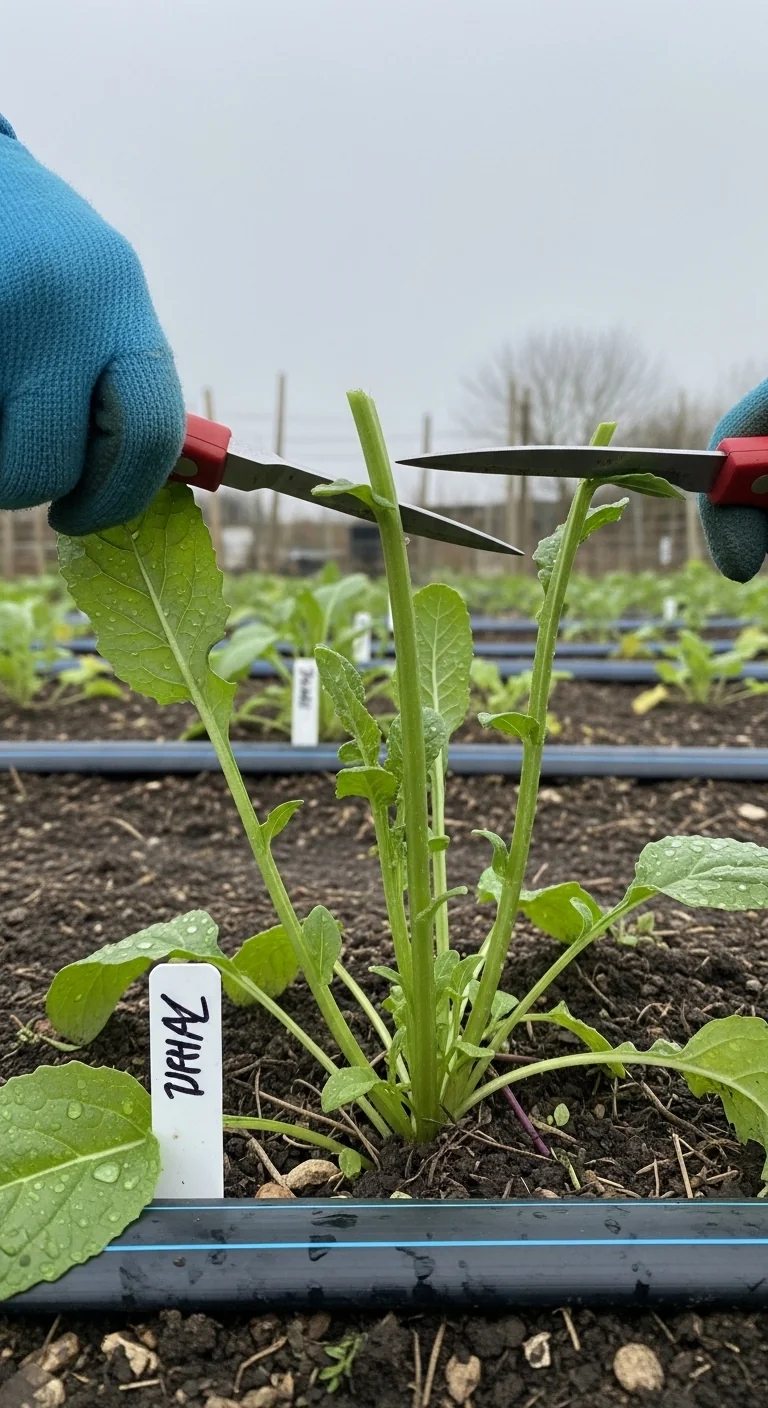
Use bypass pruners or kitchen scissors sharpened to a 20-degree edge. Clean blades with 70 percent isopropyl alcohol between plants to stop disease spread. The clean cut seals vascular tissue faster than tearing by hand. (62 words)
Harvesting in the Optimal Morning Window
Best for: Branch 1
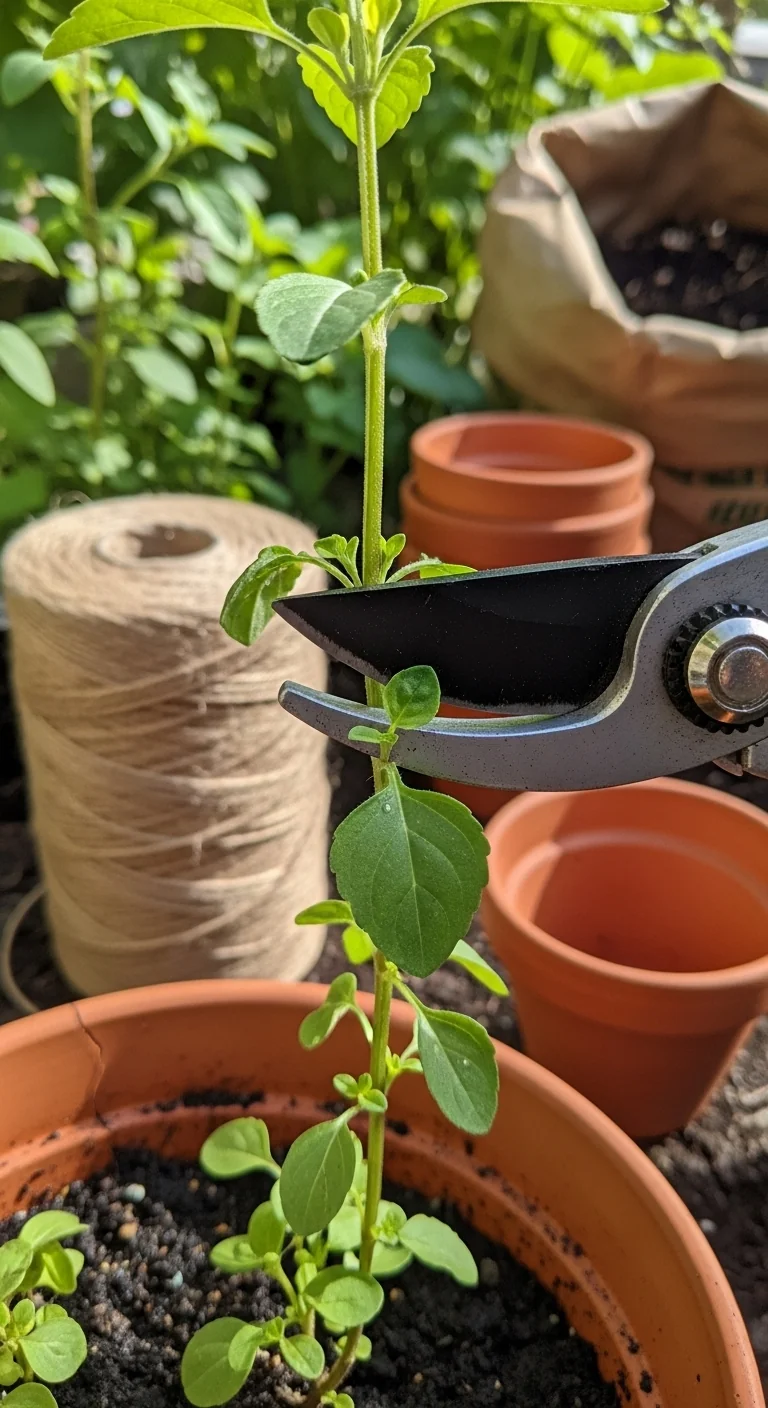
Wait until dew evaporates but before air temperature reaches 75 degrees F. Essential oils peak at this point because cooler mornings slow evaporation from leaf surfaces. In the UK and Canada where mornings stay damp longer, add 30 minutes after visible dew disappears. Skip entirely on rainy days. (98 words)
Node Pruning Protocol for Leafy Annual Herbs
Best for: Branch 1
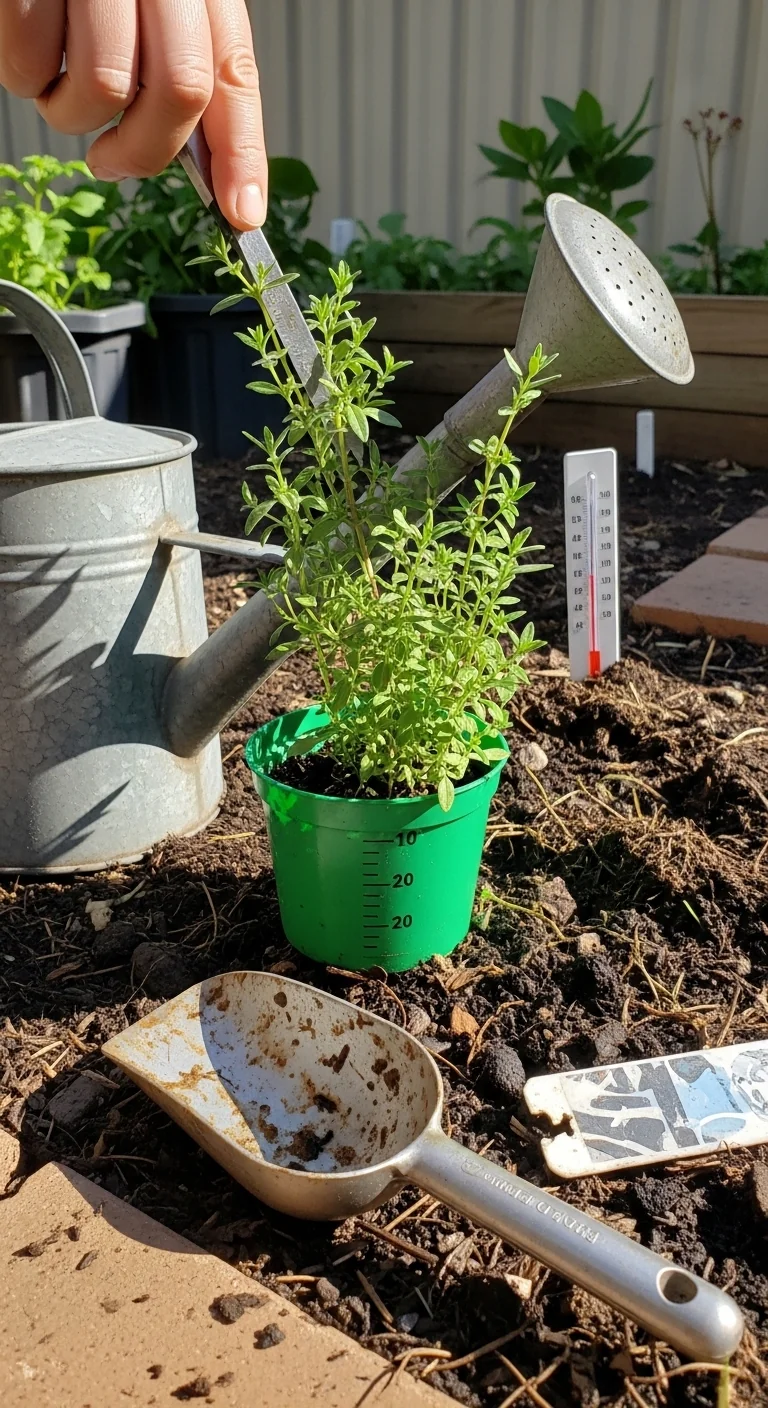
For basil and similar tender annuals locate the node where two new leaves emerge and cut the stem 1/4 inch above it. Leave at least two full sets of leaves below the cut so the plant can photosynthesize immediately. This protocol forces lateral branching within 7 days when nights stay above 55 degrees F. Avoid cutting below the lowest leaves or the plant stalls. In hot Australian summers reduce frequency to every 10 days to prevent stress. Full details on basil specific timing appear in our basil growing tips. (162 words)
Light Shearing for Woody Perennial Herbs
Best for: Branch 2
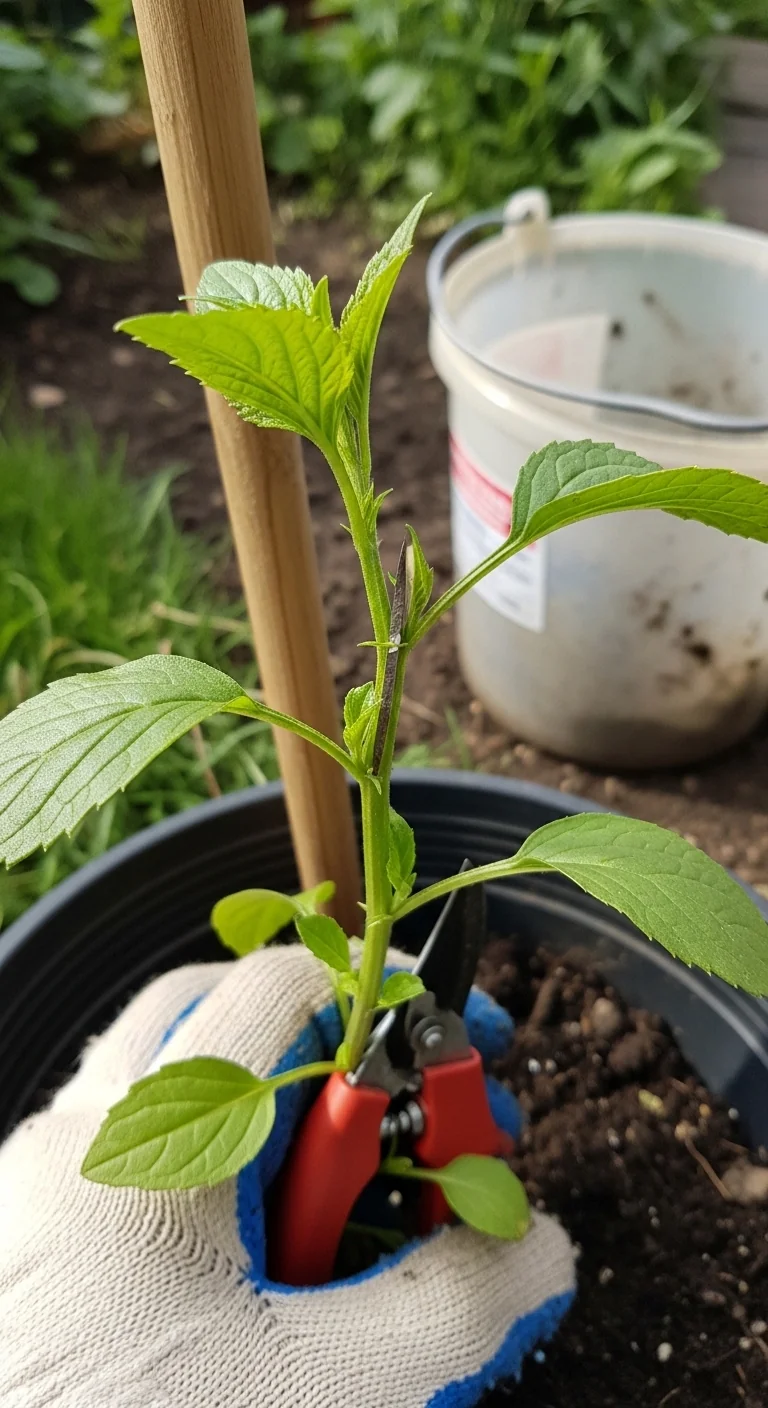
On rosemary, thyme, and oregano remove only the soft new growth at the tips, stopping at the point where stems begin to turn woody. Do this once every 14 days during active growth. The light shear keeps the plant compact without exposing older wood that heals slowly. (71 words)
Bud-Stage Cuts for Maximum Aroma in Flowers
Best for: Branch 3
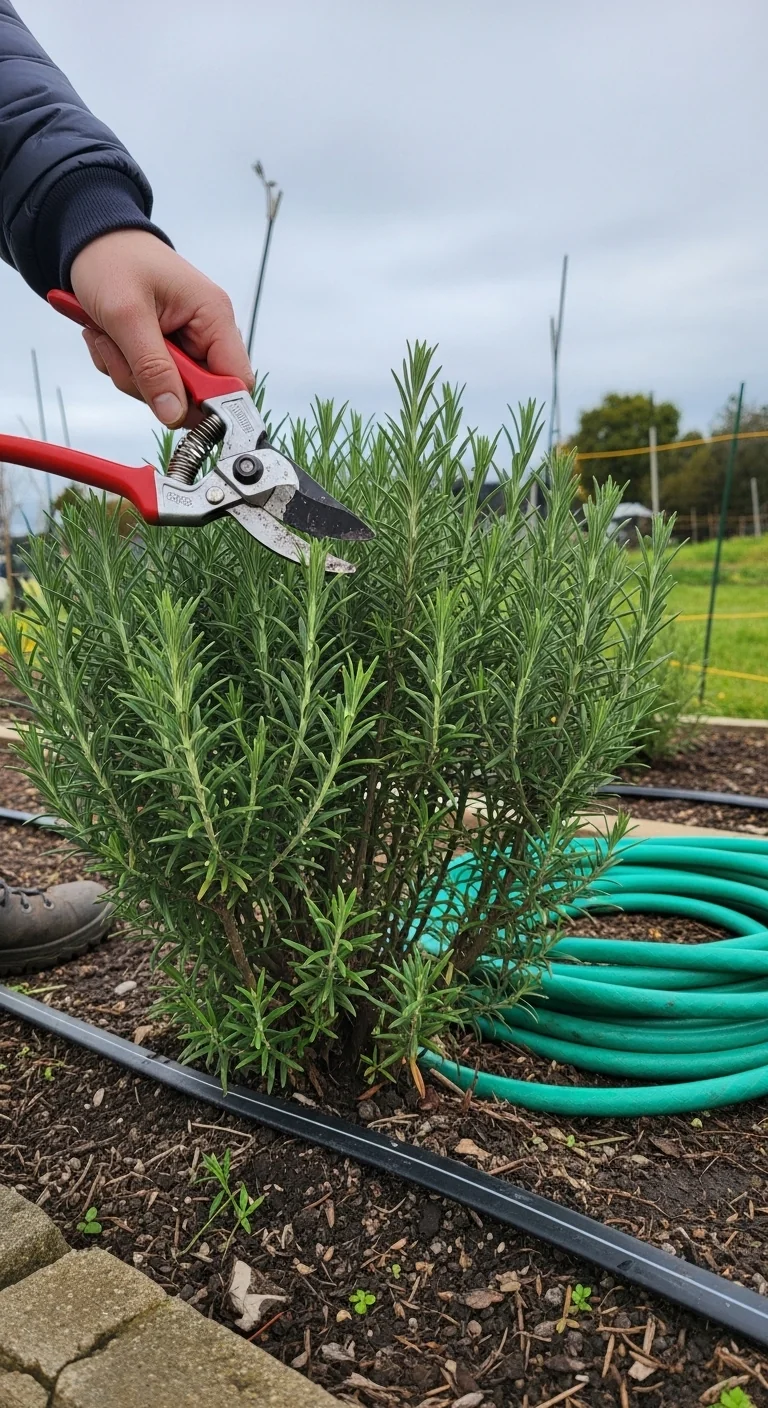
Clip flower heads or stems when buds swell but remain closed. At this stage volatile oils reach their highest concentration before pollen release dilutes flavor. For chives cut the entire scape at soil level. Dry or freeze immediately to lock in compounds. See our drying herbs at home for next steps. (112 words)
Post-Harvest Cooling and Sorting Workflow
Best for: Branch 3
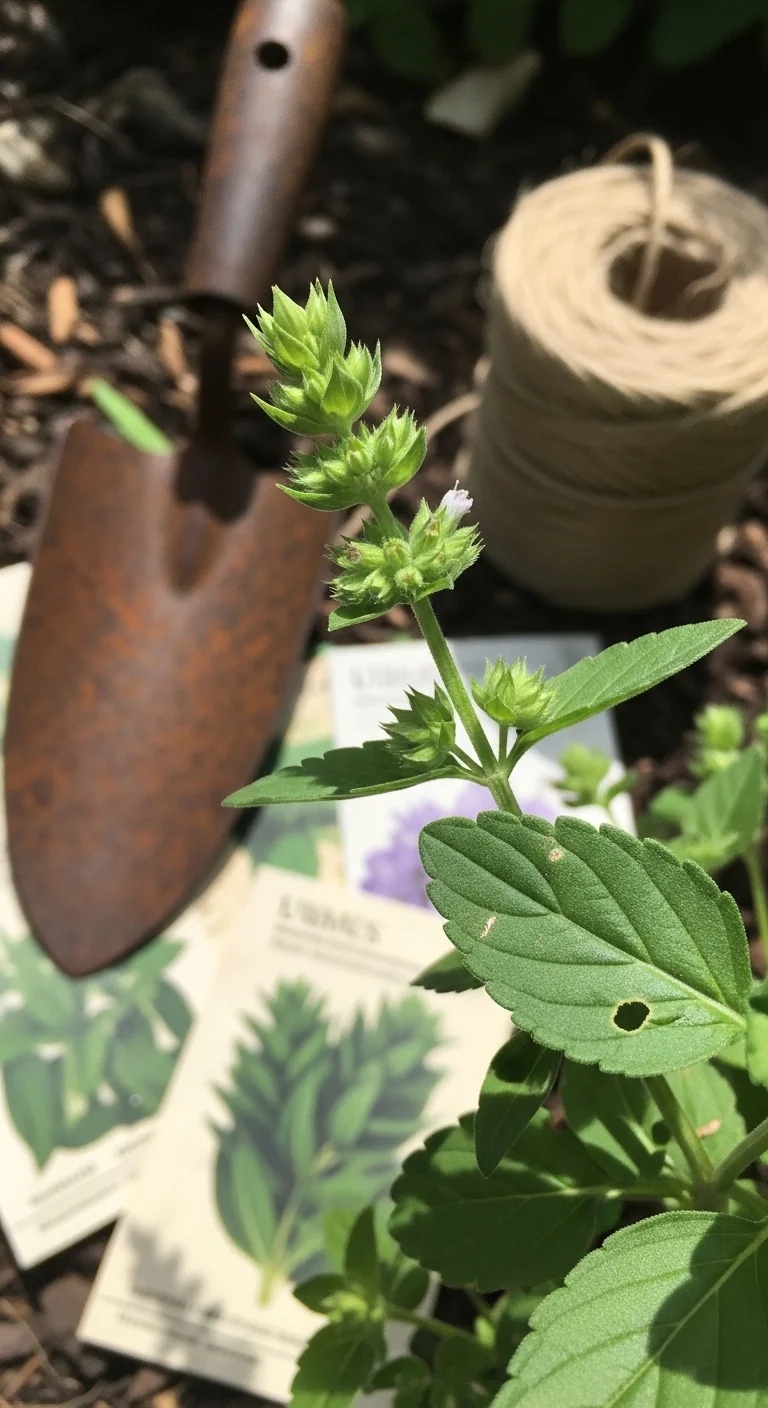
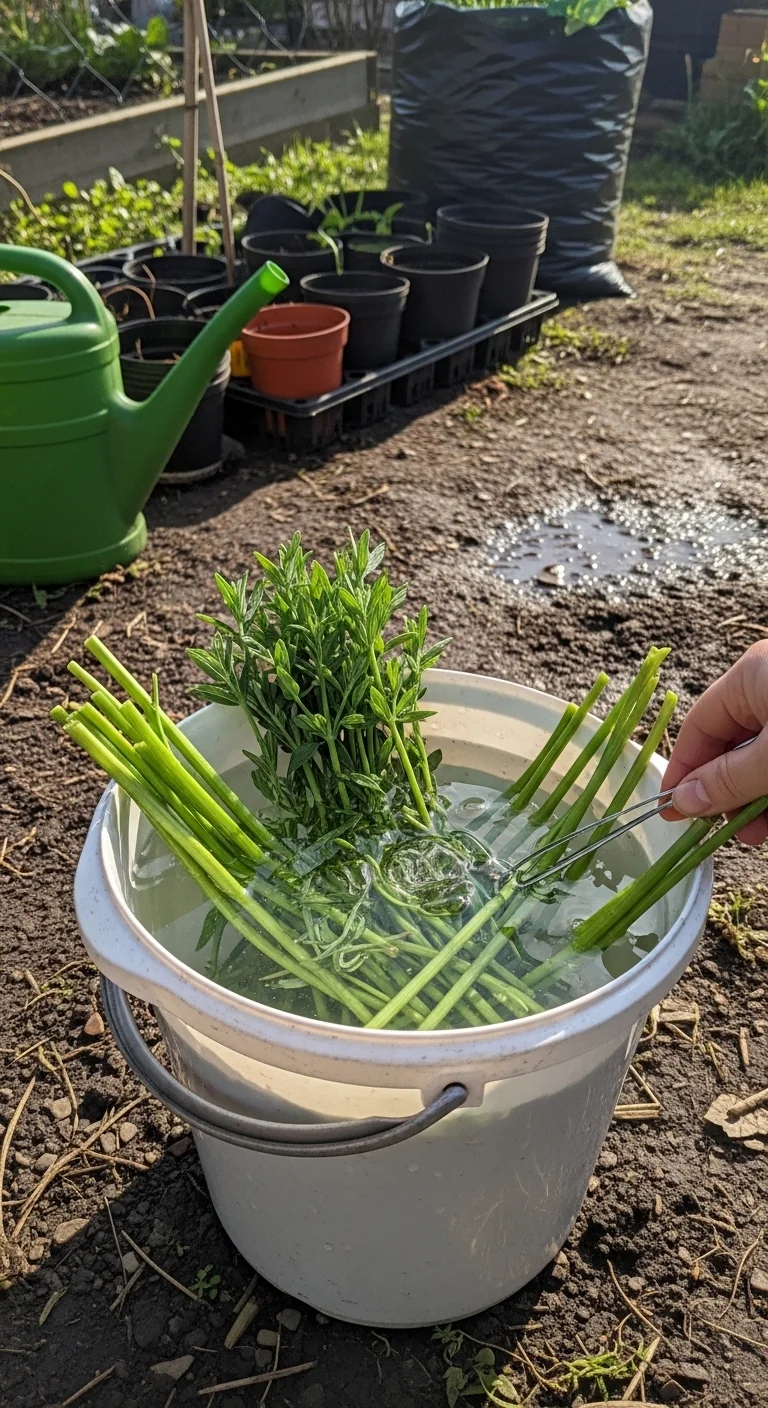
Within 30 minutes of cutting place stems in a bucket of cool water at 50 degrees F. Sort out any damaged leaves then pat dry with a clean towel before storage or preservation. This step slows respiration and prevents bruising that leads to off flavors within hours. For larger batches use a salad spinner on low speed for 20 seconds. The workflow adds only 10 minutes but extends usable life by several days. Combine with freezing fresh herbs when you plan long-term storage. (158 words)
Container Herb Adjustments for Limited Root Space
Best for: Branch 1
In pots reduce the normal cut volume by half because restricted roots recover slower. Water immediately after harvest with a diluted kelp solution at label rates to replace lost turgor. Monitor soil moisture daily for the next 48 hours. Full container strategies appear in our best herbs for containers. (68 words)
End-of-Season Heavy Prune for Overwintering
Best for: Branch 2
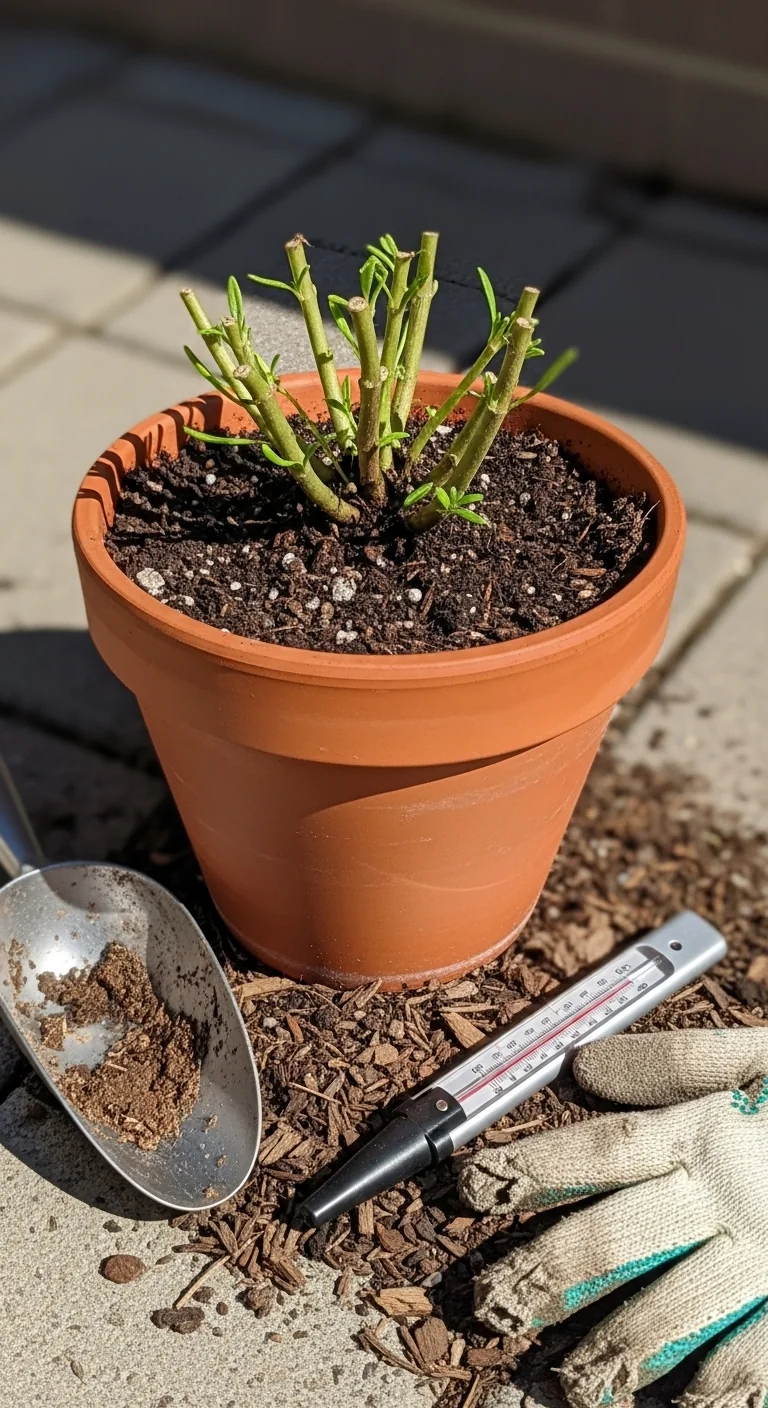
After the final harvest cut perennial herbs back to 4 inches above the soil line once nights drop below 45 degrees F consistently. This removes spent growth and directs energy to root storage. Leave a small crown of green leaves if mild winters are expected in your zone. (105 words)
Seed Head Collection Timing for Dill and Coriander
Best for: Branch 3
Watch seed heads daily once they shift from green to light brown. Clip the entire umbel into a paper bag when the first seeds rattle but before the head shatters. Hang upside down in a dry shaded spot at 70 degrees F for two weeks. This prevents loss to wind or birds while capturing full maturity. (98 words)
Starter Stack (What to Choose First)
Branch 1: Tender annuals in active growth
Start with Item 1 (frost window timing) and Item 4 (node pruning). Together they create a 7-day cycle that supplies fresh leaves without exhausting the plant. Time investment: 15 minutes per session, repeatable through the season.
Branch 2: Woody perennials in sustained production
Begin with Item 5 (light shearing) and Item 9 (end-of-season prune). The early light cuts build structure while the final prune prepares for dormancy. Combined effort: under 20 minutes total across two dates.
Branch 3: Maturing plants for flowers, seeds, or preservation
Combine Item 6 (bud-stage cuts) and Item 10 (seed head collection). One timed pass captures peak aroma or viable seeds for next year. Total time: 25 minutes per plant type on harvest day.
When This Won’t Work
Heavy pruning fails when soil temperature falls below 50 degrees F after the cut. The plant cannot generate replacement growth and enters stress instead. Switch to light tip pinching only and protect with row cover until soil warms.
Repeated harvests on the same stems without rotation also fail when the plant shows yellowing lower leaves within 48 hours. That signals nutrient drawdown. Rest the plant for 14 days and apply a balanced liquid feed at label rates. For differences between annual and perennial responses see our annual vs perennial herbs.
Choosing the Right Option for Your Situation
Budget threshold
If your tool budget stays under 30 dollars select Items 2 and 3 only. Basic scissors and a morning routine deliver 80 percent of the benefit without specialized gear.
Time threshold
When you have fewer than 10 minutes per session use Items 9 and 10. Single heavy cuts at key windows replace frequent light maintenance.
Technical constraint: limited space or shade
Choose Items 4 and 8 when root volume is under 2 gallons or light drops below 6 hours daily. Halve cut volume and monitor regrowth every 10 days.
Yes/No checklist:
Do you have 60+ days to frost? Yes → Branch 1
Are your herbs woody and established? Yes → Branch 2
Buds or seeds visible? Yes → Branch 3
None match? Reassess frost date and restart.
Expert Q&A
Does harvesting change flavor compounds when herbs grow near companions?
Companion planting can shift essential oil levels slightly through root interactions. Harvest leafy herbs one day earlier than usual when grown beside strong aromatic neighbors like garlic to capture balanced taste before any cross-influence peaks.
How does partial shade alter the ideal harvest window?
Plants in four to six hours of sun produce oils more slowly. Extend the morning harvest window by one hour and reduce cut frequency by two days to let foliage rebuild sugars.
Can you harvest the same herb multiple times in one week without loss?
Only if you take no more than tip pinches from different stems and soil stays consistently moist. Full stem removal twice weekly slows recovery in most zones.
What signals tell you the plant has reached its flavor peak for preservation?
Look for firm buds just before color break or seed heads that release a strong scent when rubbed. Test one small piece; if aroma fades within minutes the window has closed.
How do container versus in-ground herbs differ in post-harvest recovery time?
Container plants need seven extra days between cuts because roots hit pot walls faster. Water with room-temperature solution immediately after harvest to speed recovery.
Conclusion
The Yield Grid turns harvesting herbs from guesswork into repeatable decisions based on frost days, herb habit, and intended use. The number one mistake is ignoring your local frost window and cutting too late, which forces the plant into survival mode instead of production.
Next step: mark your first frost date on the calendar and apply the matching branch protocol this week. Store your harvest properly with our storing dried herbs guide.