“`html
Growing beets succeeds when you classify your soil temperature at sowing into one of three measurable branches first. This approach replaces generic step-by-step lists with a decision framework that aligns variety selection, spacing, and soil prep to your exact conditions at planting time.
The guide focuses on direct seeding, variety choices, amendments, and care for home vegetable gardens using in-ground beds, raised beds, or containers. It applies to temperate climates in the US, UK, Canada, Australia, and New Zealand. It excludes hydroponic systems and commercial production scales.
You will exit with clear choices on which options to combine for your garden size and climate plus the exact thresholds that prevent common setbacks such as delayed germination or undersized roots.
Bottom line: Measure your soil temperature at sowing, match it to the correct branch, and stack the recommended options below for uniform beet roots.
The Yield Grid Decision Grid
Branch 1: Soil temperature at sowing measures 41 to 55 degrees F. This covers early spring or fall plantings in cooler regions.
Recommended: Items 1, 4, and 8 below.
Branch 2: Soil temperature at sowing measures 56 to 75 degrees F. This fits moderate spring conditions in most home gardens.
Recommended: Items 2, 5, and 6 below.
Branch 3: Soil temperature exceeds 75 degrees F or you use containers or raised beds that warm faster. This applies to late sowings or warmer microclimates.
Recommended: Items 3, 7, and 9 below.
For precise timing across zones, consult the vegetable planting calendar.
Quick Comparison Table
| Option | Key mechanism | Best for | Decision Grid Branch | Effort Score |
|---|---|---|---|---|
| Direct Seeding When Soil Temperature Reaches 41 Degrees F | Seed clusters germinate once minimum temperature threshold is met | Early cool-season plantings | Branch 1 | 2 |
| Companion Planting with Onions or Garlic | Alliums release compounds that deter leafminers and other insects | Pest-prone in-ground beds | Branch 2 | 1 |
| Mulching to Stabilize Soil Moisture and Temperature | Organic layer prevents surface crusting and evaporation | Variable weather conditions | Branch 3 | 1 |
| Selecting Detroit Dark Red Variety for Reliable Roots | Consistent root shape and color across cool temperature windows | Storage and fresh use | Branch 1 | 1 |
| Succession Sowing at 2 to 3 Week Intervals | Staggered plantings extend harvest window without overlap | Continuous supply | Branch 2 | 3 |
| Amending with Organic Fertilizer Before Planting | Balanced nutrients support root swelling in prepared soil | Low-fertility soils | Branch 2 | 2 |
| Growing Beets in Containers for Limited Space | Controlled soil mix allows taproot development in small areas | Patios or balconies | Branch 3 | 2 |
| Thinning Seedlings to 3 to 4 Inches Apart | Removes competition from multi-seed clusters for full root size | All planting methods | Branch 1 | 2 |
| Adjusting Planting Dates for Fall Harvests | Timing allows roots to size up before heavy frost | Cool fall extension | Branch 3 | 2 |
Direct Seeding When Soil Temperature Reaches 41 Degrees F
Best for: Branch 1
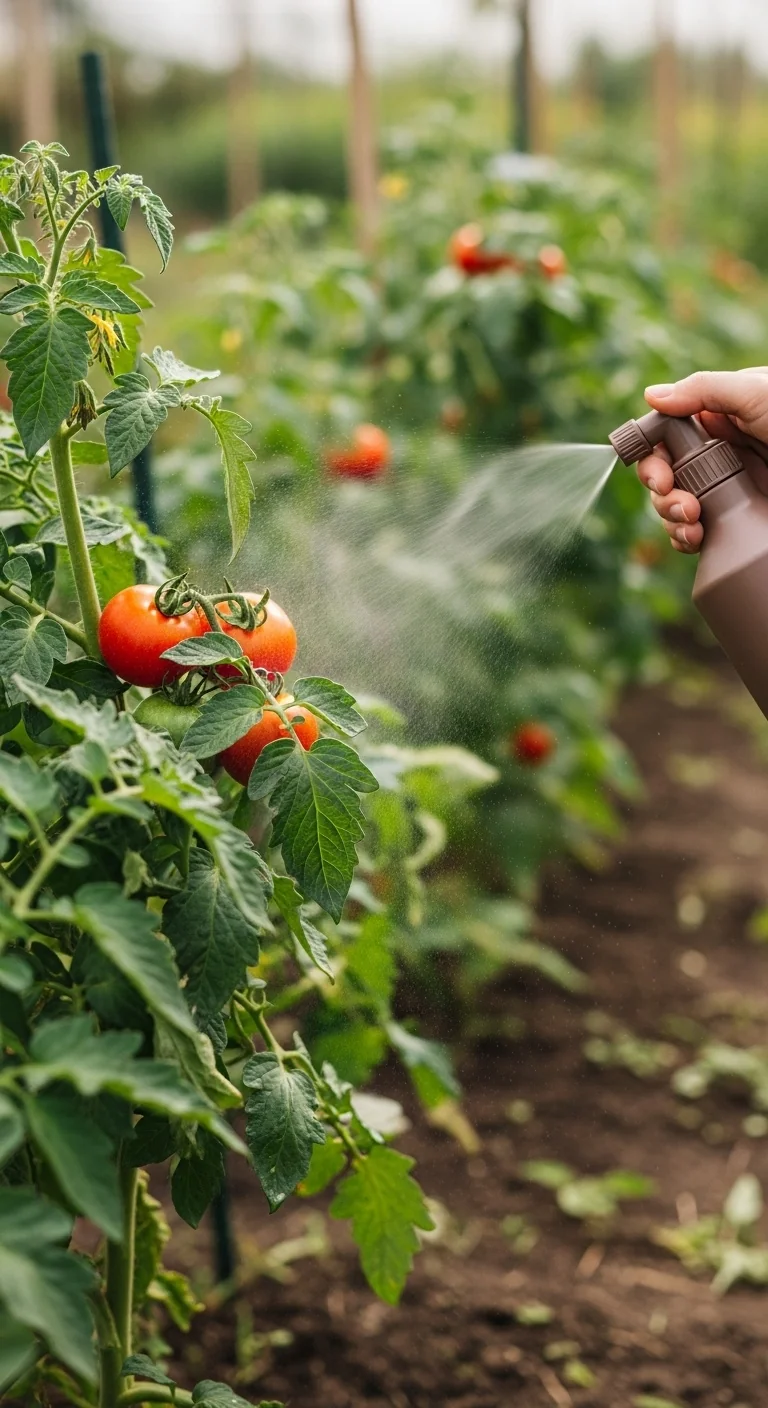
Direct seeding when soil temperature reaches 41 degrees F follows a threshold rule that ensures reliable germination without delay. Soil below this point keeps seeds dormant for weeks. Prepare a loose, well-drained bed by working in compost to 6 to 8 inches deep. Sow seeds one-half inch deep and one to two inches apart in rows 12 to 18 inches apart. Cover lightly and keep surface moist until emergence in 10 to 15 days. The unique detail here is that each beet seed is actually a dried fruit cluster containing two to six embryos, so early thinning prevents crowding. Mistake to avoid: allowing a hard crust to form on dry soil, which blocks seedlings. This method sets up uniform stands for the entire cool window.
Companion Planting with Onions or Garlic
Best for: Branch 2
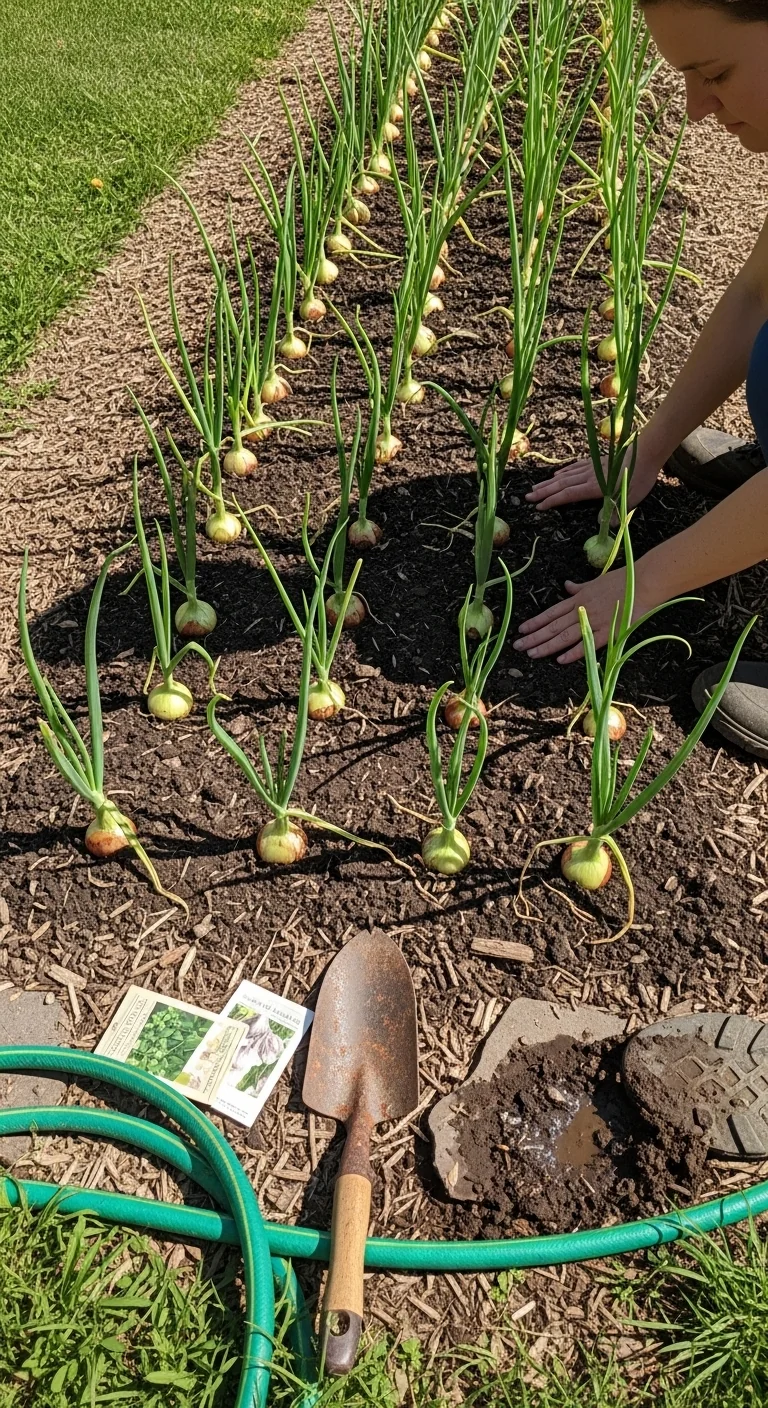
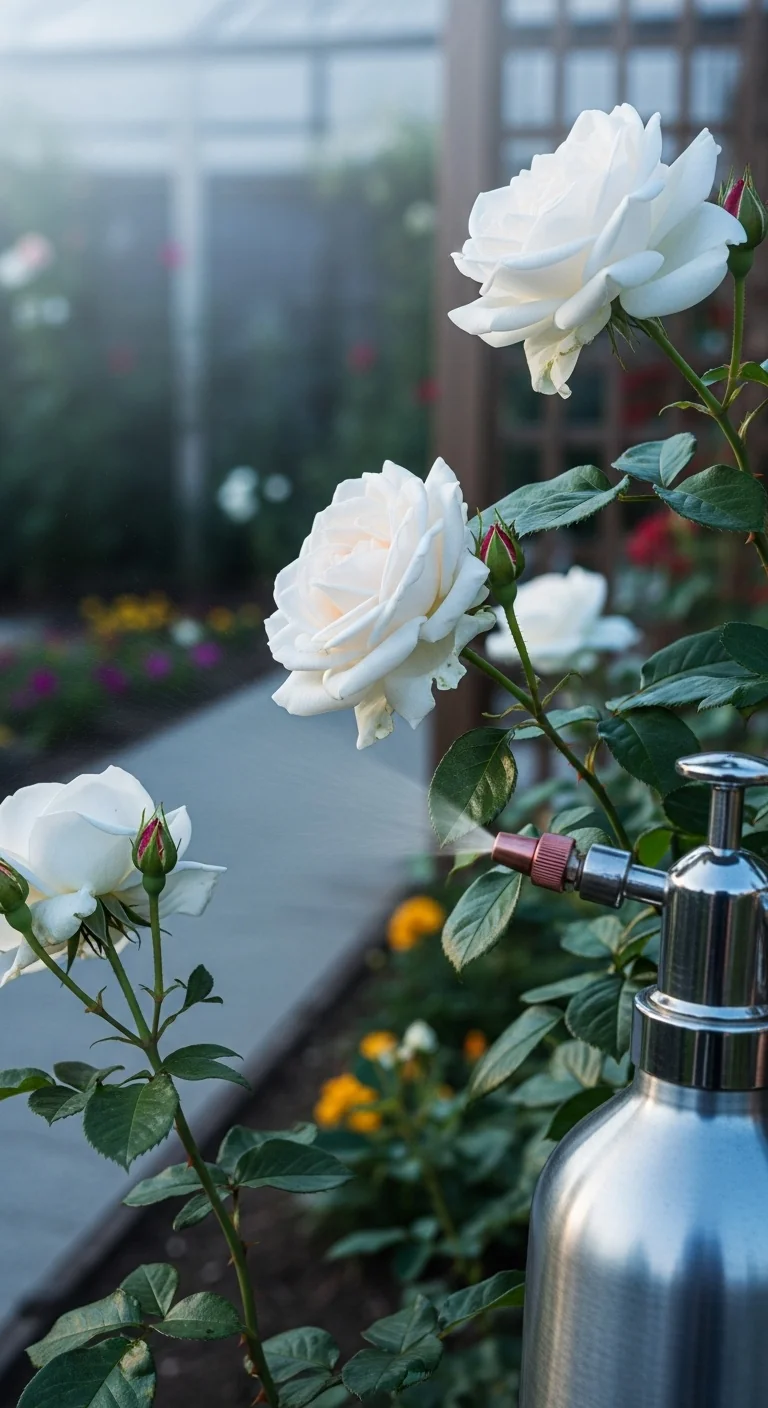
Use companion planting with onions or garlic when pest pressure appears in moderate spring conditions. These alliums release sulfur compounds that deter beet leafminers. Skip this only in very small beds where space competition outweighs benefits. Plant onions or garlic in alternate rows or as border plants at the same time as beets. Edge case: avoid pole beans nearby because they may compete for nitrogen. See details in companion planting vegetables.
Mulching to Stabilize Soil Moisture and Temperature
Best for: Branch 3
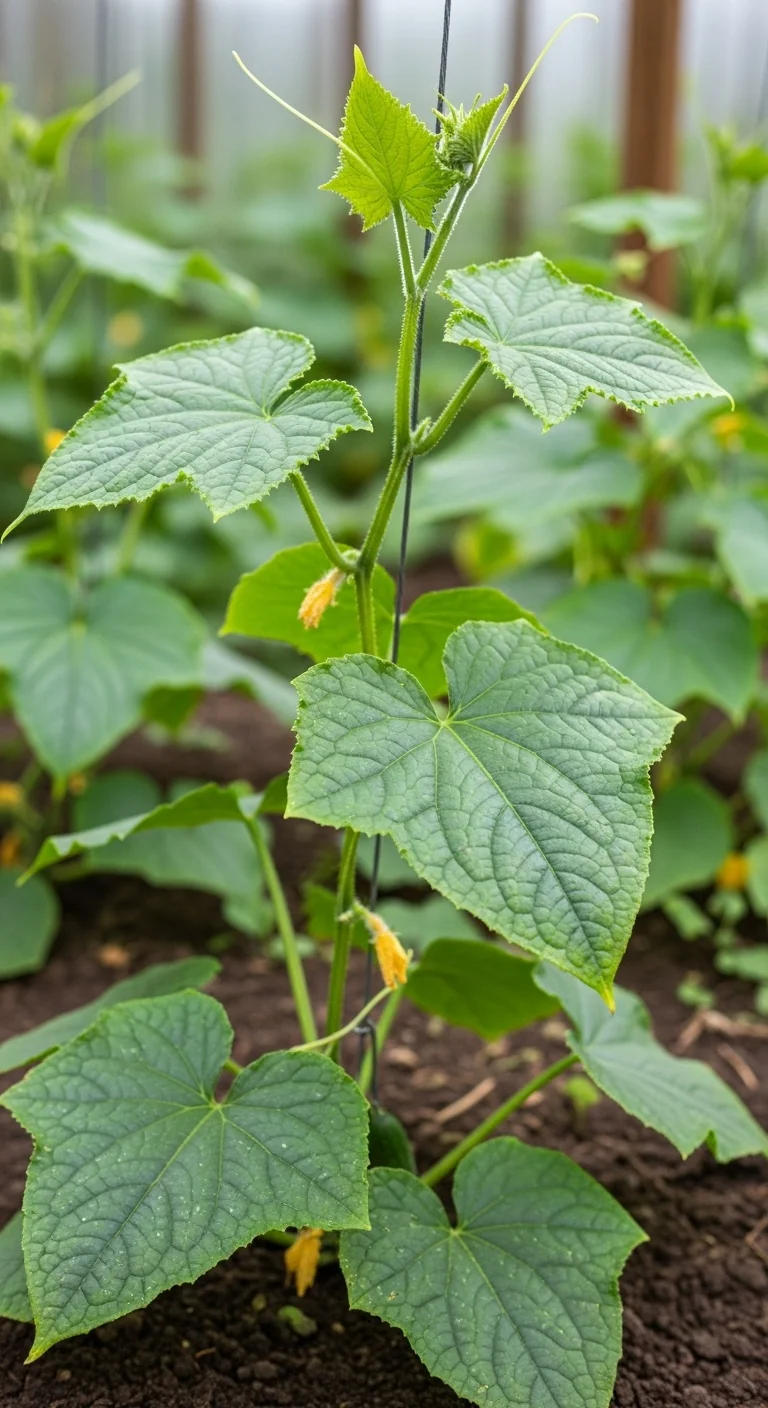
Mulching follows a 10-minute workflow that locks in even conditions once seedlings reach two inches tall. Spread a one- to two-inch layer of straw or shredded leaves between rows after thinning. This prevents surface crusting and reduces evaporation during warmer spells. Upgrade option: combine with a light watering immediately after application. Full guide at mulching vegetable garden.
Selecting Detroit Dark Red Variety for Reliable Roots
Best for: Branch 1
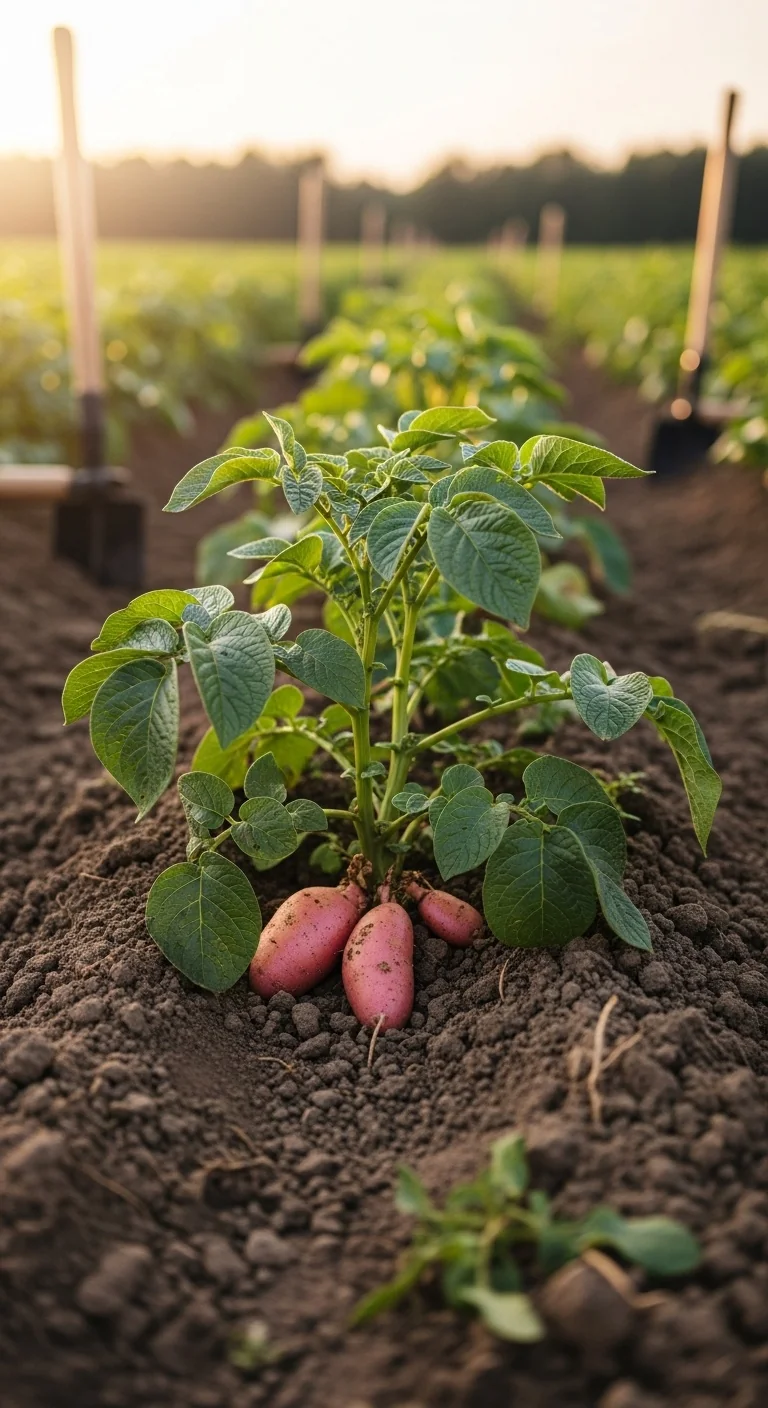
Selecting Detroit Dark Red variety follows a blueprint for cool-soil reliability. This variety produces deep red, round roots with strong flavor suited to storage. It tolerates the 41-to-55-degree-F window without bolting quickly. Sow as part of your cool branch plan. Steps include sourcing seed packets labeled for 50-to-60-day maturity, planting at the temperature threshold, and thinning to three-to-four-inch spacing. It delivers consistent size even when nights stay cool. Pair it with direct seeding for best results in short seasons.
Succession Sowing at 2 to 3 Week Intervals
Best for: Branch 2
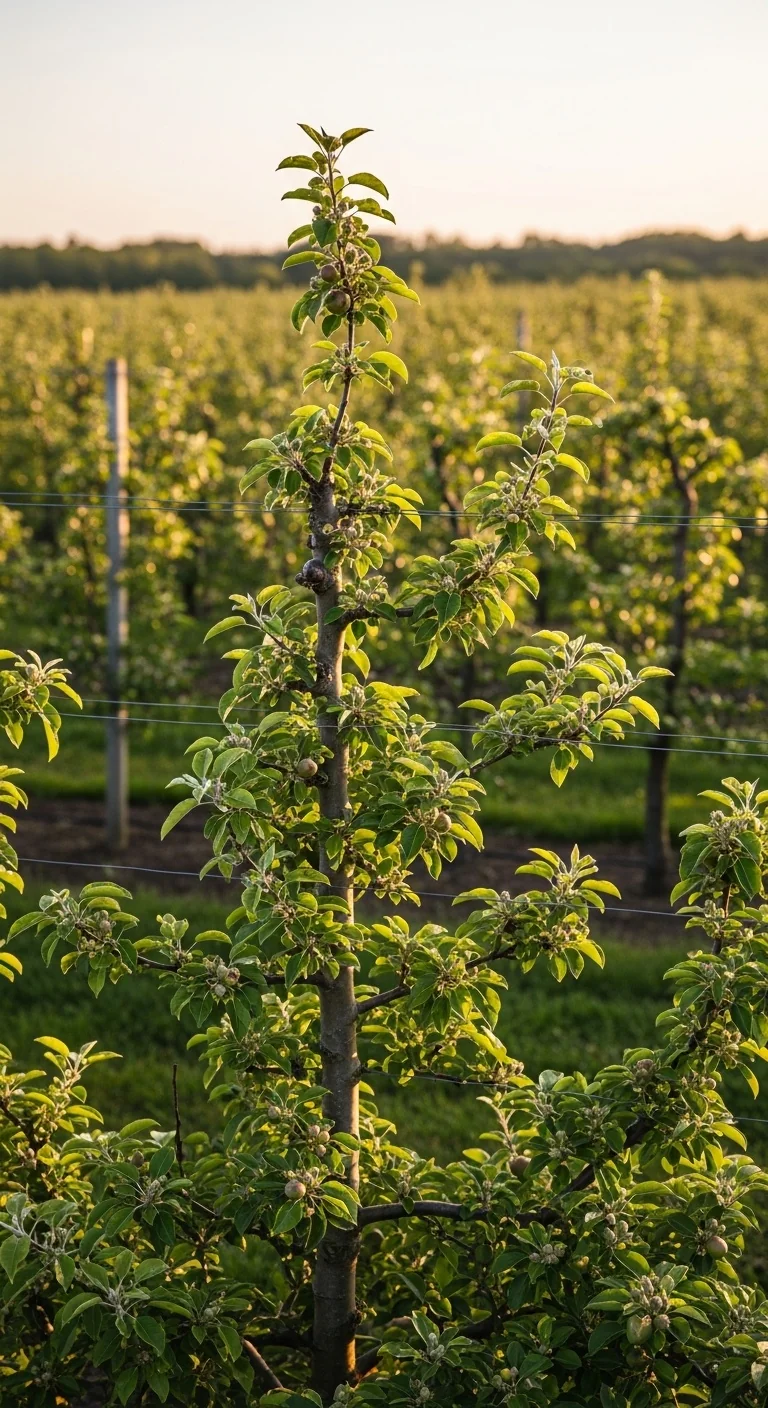
Succession sowing at two-to-three-week intervals keeps harvests rolling through moderate conditions. Sow a new short row each time after the previous seedlings emerge. This avoids a single large glut and extends the window until soil warms too much.
Amending with Organic Fertilizer Before Planting
Best for: Branch 2
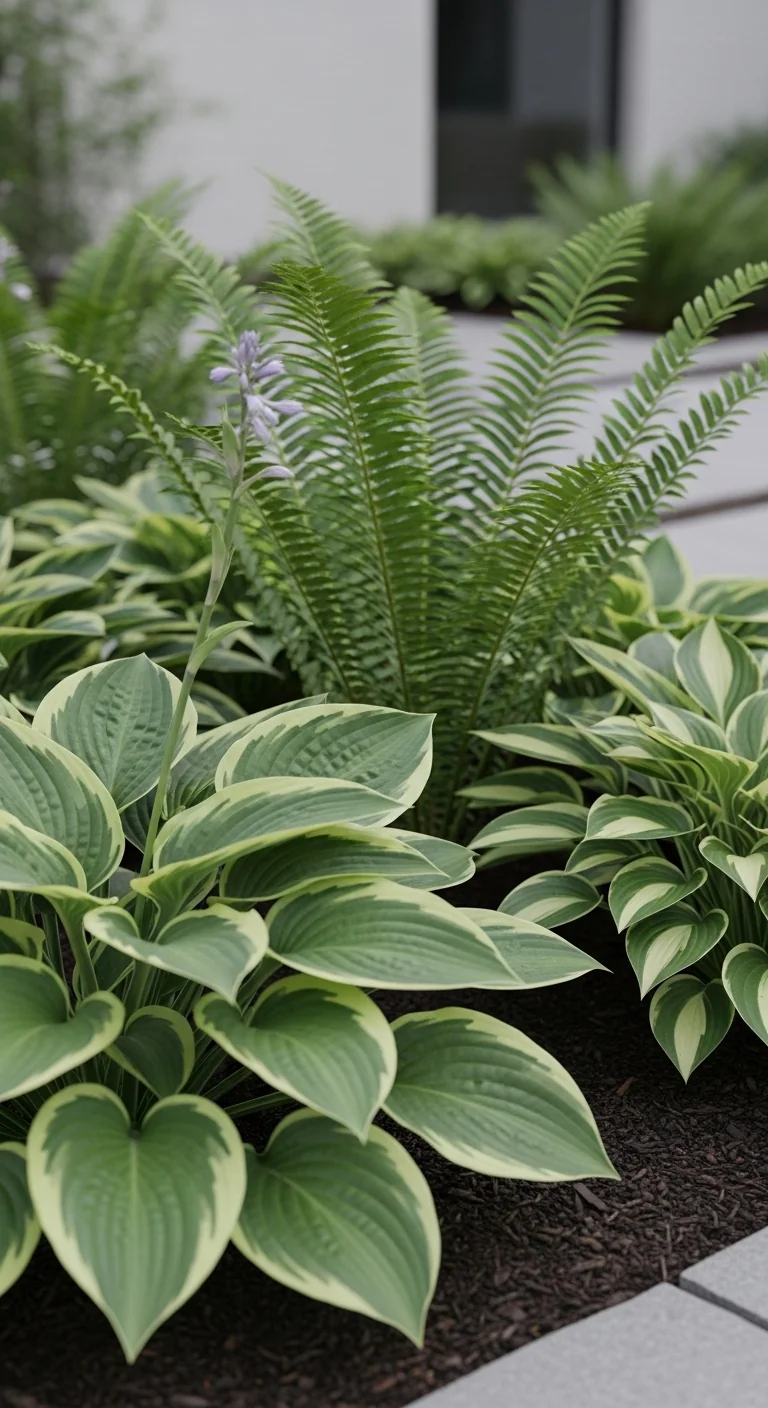
Amending with organic fertilizer before planting supplies balanced nutrients for root swelling in moderate temperatures. Incorporate a slow-release vegetable formula into the top six inches of soil two weeks ahead of sowing. This supports steady growth without excess nitrogen that pushes tops over roots. Full rates and options appear in organic fertilizer for vegetables.
Growing Beets in Containers for Limited Space
Best for: Branch 3
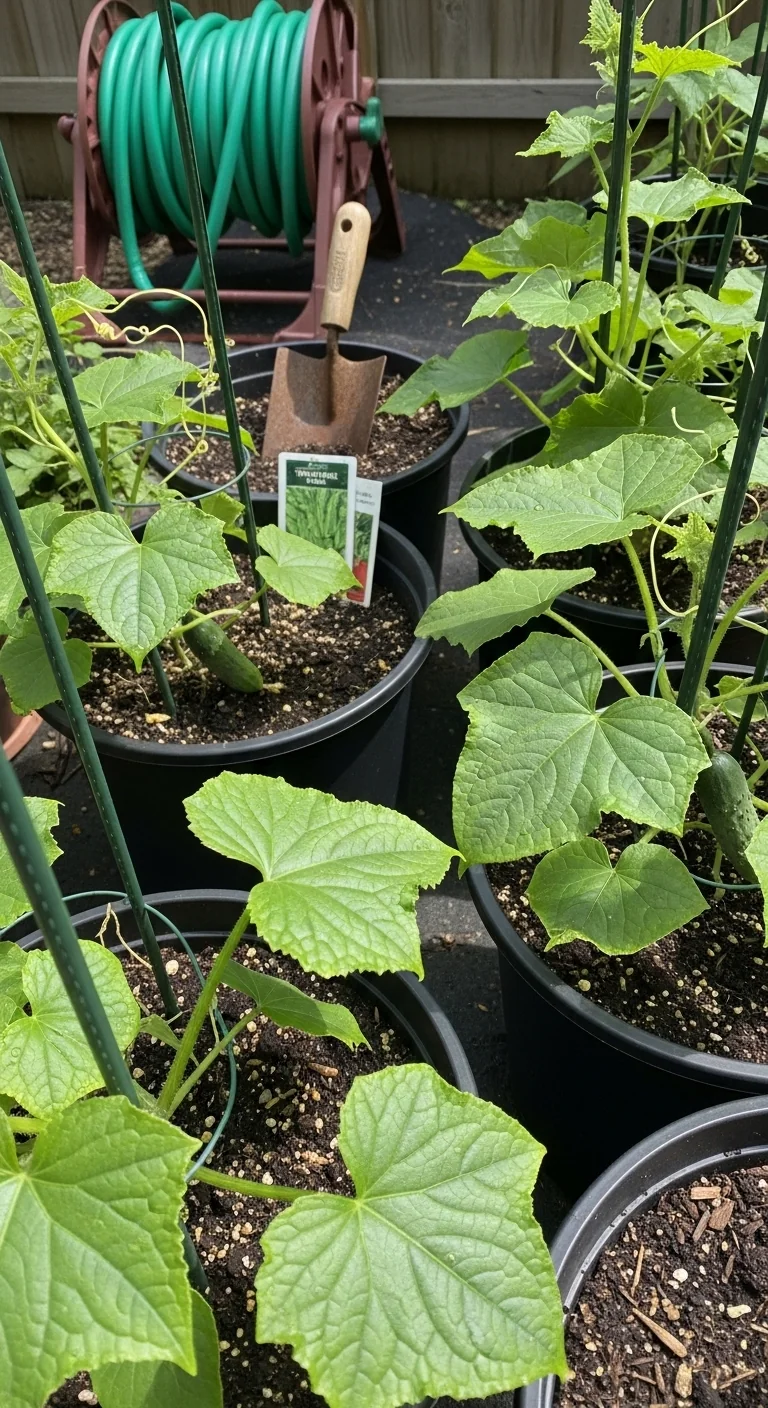
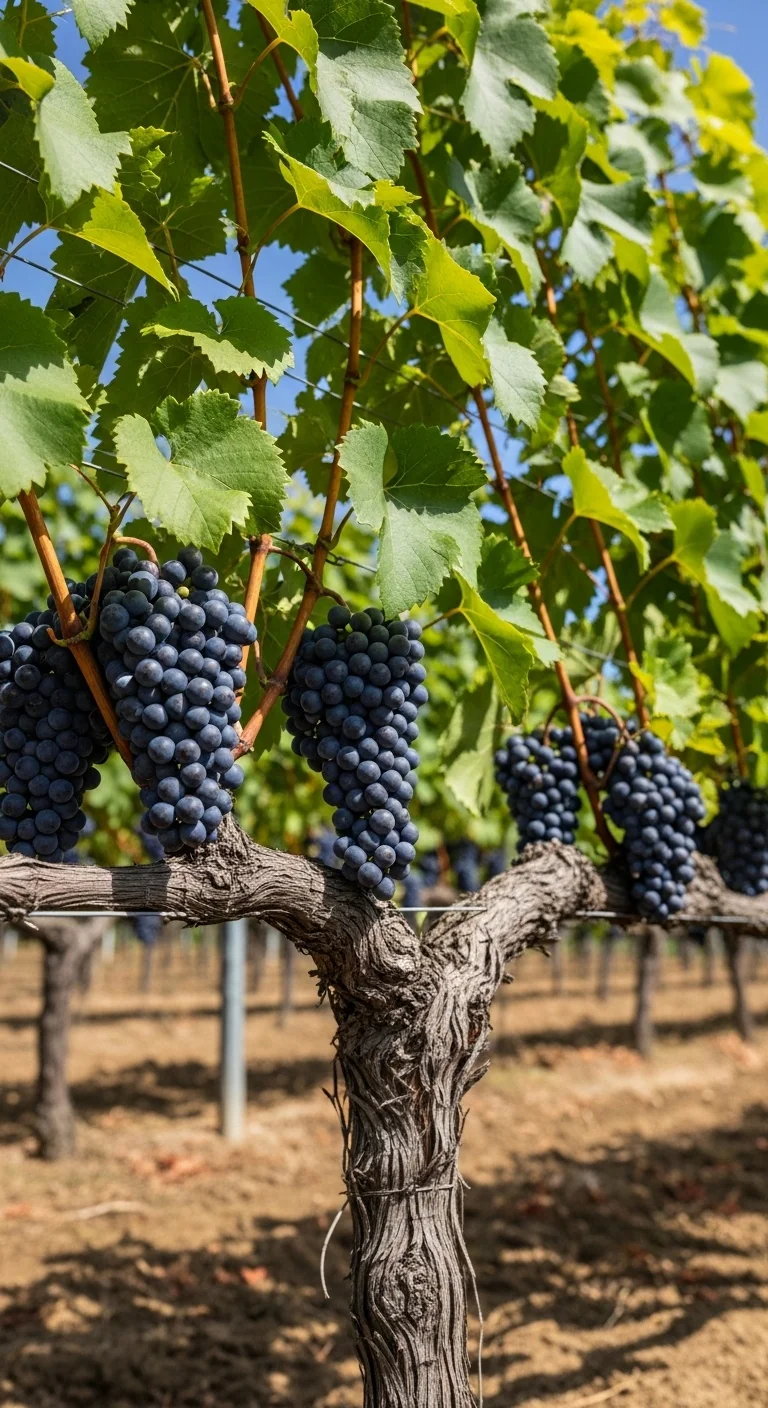
Growing beets in containers follows a blueprint when ground space is limited or soil warms quickly. Use pots or troughs at least 12 inches deep filled with a well-drained potting mix amended with compost. Sow seeds one-half inch deep and thin to three-to-four-inch spacing per container. The unique mechanism is that containers let you control moisture and temperature better in warmer microclimates. Water consistently to field capacity and place in full sun or partial shade. See complete steps in container vegetable gardening.
Thinning Seedlings to 3 to 4 Inches Apart
Best for: Branch 1
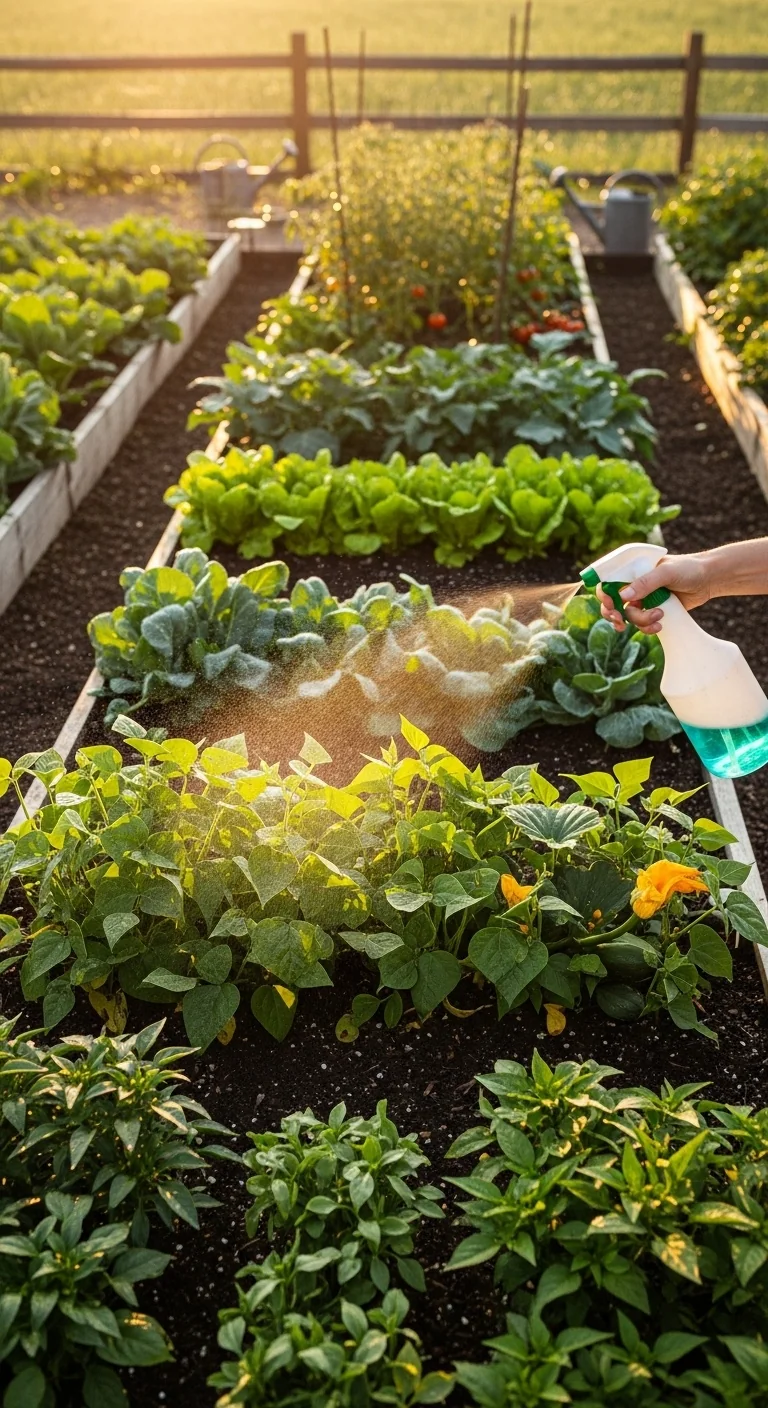
Thinning seedlings to three-to-four-inch spacing is a threshold rule that determines final root size. Perform it once tops reach one to two inches tall by cutting unwanted plants at soil level instead of pulling. This avoids disturbing neighboring roots. In cool branch conditions, tight spacing leads to small or forked beets. The step takes under five minutes per row and directly increases usable harvest weight.
Adjusting Planting Dates for Fall Harvests
Best for: Branch 3
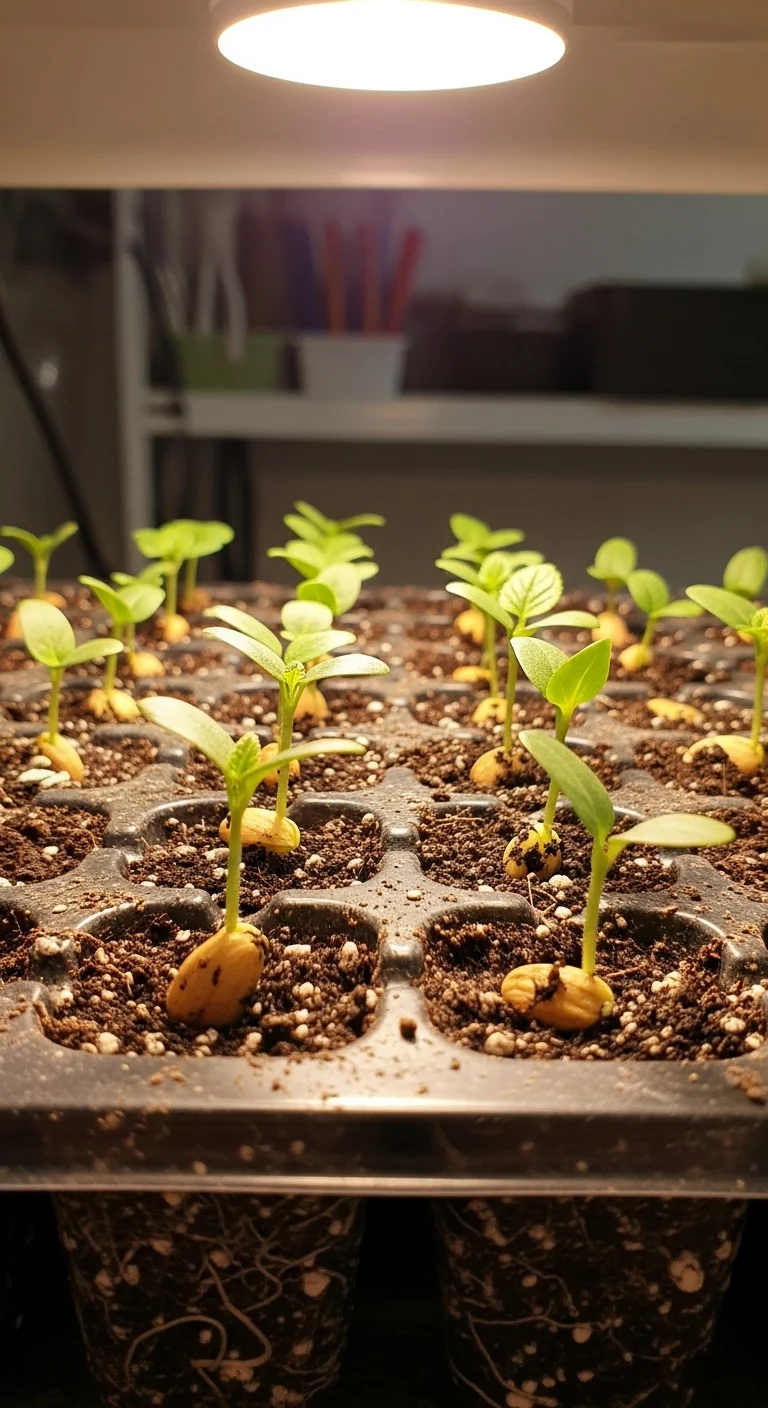
Adjusting planting dates for fall harvests uses a timing workflow suited to late warm soil. Sow eight to ten weeks before the first expected heavy frost so roots size up during cooling weather. This extends the season after summer heat passes. Combine with mulch for moisture retention. Full calendar adjustments appear in fall vegetable garden.
Starter Stack (What to Choose First)
Branch 1 Starter Stack
Combine items 1 and 4 first. Direct seeding at the 41-degree-F threshold pairs with Detroit Dark Red for fast, uniform establishment in cool windows. Synergy comes from matching low-temperature germination to a proven variety. Estimated setup time: 20 to 40 minutes per 20-foot row. Materials cost range: 10 to 25 dollars.
Branch 2 Starter Stack
Combine items 2 and 6 first. Companion planting with onions pairs with pre-plant organic fertilizer amendment for pest protection and steady root growth. Synergy maintains balanced nutrition while reducing insect damage. Estimated setup time: 15 to 35 minutes per bed. Materials cost range: 15 to 30 dollars.
Branch 3 Starter Stack
Combine items 3 and 7 first. Mulching for stability pairs with container growing for controlled conditions in warmer spots. Synergy keeps moisture even while fitting small spaces. Estimated setup time: 25 to 45 minutes for three medium containers. Materials cost range: 20 to 40 dollars.
When This Won’t Work
If soil temperature stays under 41 degrees F for more than two weeks after sowing, germination fails or becomes patchy. The alternative action is to wait for the threshold or cover the bed with clear plastic for one week to raise soil temperature naturally. If soil pH tests below 6.0, roots remain small and woody regardless of variety. The alternative action is to apply lime according to a soil test or switch to raised beds filled with amended mix.
See details on building effective raised beds in raised bed vegetable garden.
Choosing the Right Option for Your Situation
Budget Threshold
If your total seed and amendment budget stays under 30 dollars per 50-square-foot bed, prioritize items 1, 4, and 8. These require only basic seeds and one-time thinning with no ongoing purchases.
Time Threshold
If you have under 30 minutes per week available, select items 2, 3, and 4. These need one setup session and minimal follow-up beyond occasional watering checks.
Technical Constraint: Soil Test Results
If your soil test shows low boron or phosphorus, add item 6 before any sowing. This addresses nutrient limits that other options cannot fix alone.
Yes/No checklist:
Do you know your current soil temperature? Yes: proceed to branch matching.
Have you tested pH in the last year? Yes: adjust amendments first.
Is your bed loose and well-drained? Yes: direct seed confidently.
Will you thin at the two-inch stage? Yes: roots will size properly.
Expert Q&A
Why does each beet seed ball require thinning to 3 to 4 inches?
Beet seeds are actually dried fruits containing two to six viable seeds. Without thinning, the resulting plants compete for space and produce small or forked roots.
What role does soil pH play in beet root formation?
Beets perform poorly below pH 6.0. Maintaining 6.0 to 7.0 ensures nutrient uptake for proper root swelling and avoids stunted growth.
How do high soil temperatures above 85 degrees F impact beet quality?
Temperatures above 85 degrees F can cause rapid growth that leads to white rings inside the roots and reduced sweetness.
Is it possible to grow beets from transplants instead of direct seeding?
Direct seeding is preferred because beets have taproots that resent disturbance. Transplants work only if done very early at the two-leaf stage but increase risk of poor root shape.
What companion plants specifically benefit beets by repelling pests?
Onions and garlic deter beet leafminers and other insects when planted nearby. Avoid planting near pole beans which may compete.
Conclusion
The soil temperature decision grid gives you a repeatable way to choose beet varieties and techniques that match your garden exactly. The number-one mistake is skipping the initial temperature check and thinning step, which leads to patchy stands or woody roots.
Take the next step by testing your soil temperature today and reviewing sowing dates for your area in the spring vegetable garden guide.
“`

Lead Data Architect
Umer Hayiat
Founder & Lead Data Architect at TheYieldGrid. I bridge the gap between complex agronomic data and practical growing, transforming verified agricultural science into accessible, mathematically precise tools and guides for serious growers.
View all tools & guides by Umer Hayiat →