
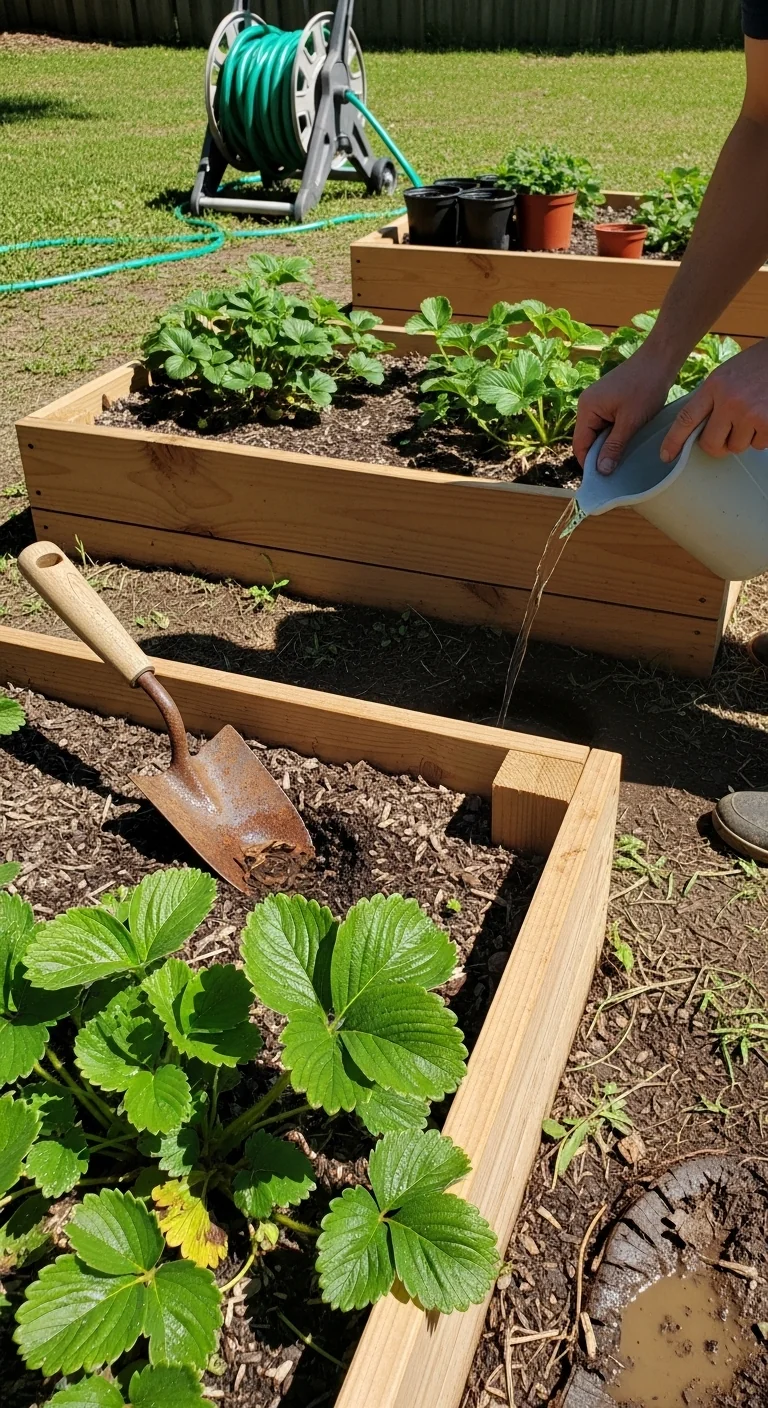
Raised beds for strawberries deliver reliable root health and easier harvests only when the design starts with a 30-minute drainage test on your actual site. Most guides recommend generic lumber frames without checking percolation rates or runner spread, leading to waterlogged roots in clay-heavy soils common across the US, UK, Canada, Australia, New Zealand, and Germany.
This listicle covers nine practical configurations for home fruit gardeners. It focuses exclusively on raised bed systems for strawberries and excludes in-ground mounding, full hydroponics, vertical towers without soil fill, and commercial plasticulture setups.
After the comparison table you will match your site to one of three branches and select the exact items that fit your space, climate constraints, and upkeep tolerance. Each option includes one unique mechanism or edge-case detail that affects long-term success.
Run the drainage test first, identify your branch, then combine the two recommended items from that branch for your first season.
The Yield Grid Decision Grid
Branch 1 (slow drainage): Dig a 12-inch deep hole, fill it with water, and time how long the water level drops. If it drains slower than 2 inches per hour, your site needs extra drainage layers. Recommended: Items 1, 4, 7 below.
Branch 2 (space limit): Measure your flat planting area. If it is under 16 square feet or you are working on a balcony or patio, choose compact footprints. Recommended: Items 2, 5, 8 below.
Branch 3 (accessibility): If you prefer to harvest or weed without bending below waist height (24 inches or taller), select elevated designs. Recommended: Items 3, 6, 9 below.
For extreme space limits, see the strawberries in containers guide.
Quick Comparison Table
| Option | Key mechanism | Best for | Decision Grid Branch | Effort Score |
|---|---|---|---|---|
| 12-Inch Gravel-Base Cedar Raised Bed | 4-inch gravel layer plus landscape fabric separator | Sites with slow percolation | 1 | 2 |
| Galvanized Metal Kit Bed | Pre-formed panels with snap assembly | Small urban spaces | 2 | 1 |
| Three-Tier Pyramid Planter | Stepped levels direct runners downward | Vertical space use | 3 | 3 |
| Elevated Fabric Grow Bag Frame | Breathable fabric sides with bottom drainage grid | Heavy clay soils | 1 | 2 |
| No-Frame Mounded Soil Bed | Hugelkultur wood core for internal drainage | Budget or temporary setups | 2 | 4 |
| Waist-High 24-Inch Wooden Bed | Double-height sides with internal cross bracing | Reduced bending | 3 | 2 |
| Recycled Pallet Bed with Runner Channel | Side channels force runners into designated paths | Large runner-producing varieties | 1 | 3 |
| Modular Composite Panel Bed | Interlocking panels with UV-resistant coating | Quick seasonal adjustments | 2 | 1 |
| Hybrid Metal-Reinforced Wood Bed | Metal corner brackets on cedar sides | Long-term durability | 3 | 2 |
1. 12-Inch Gravel-Base Cedar Raised Bed
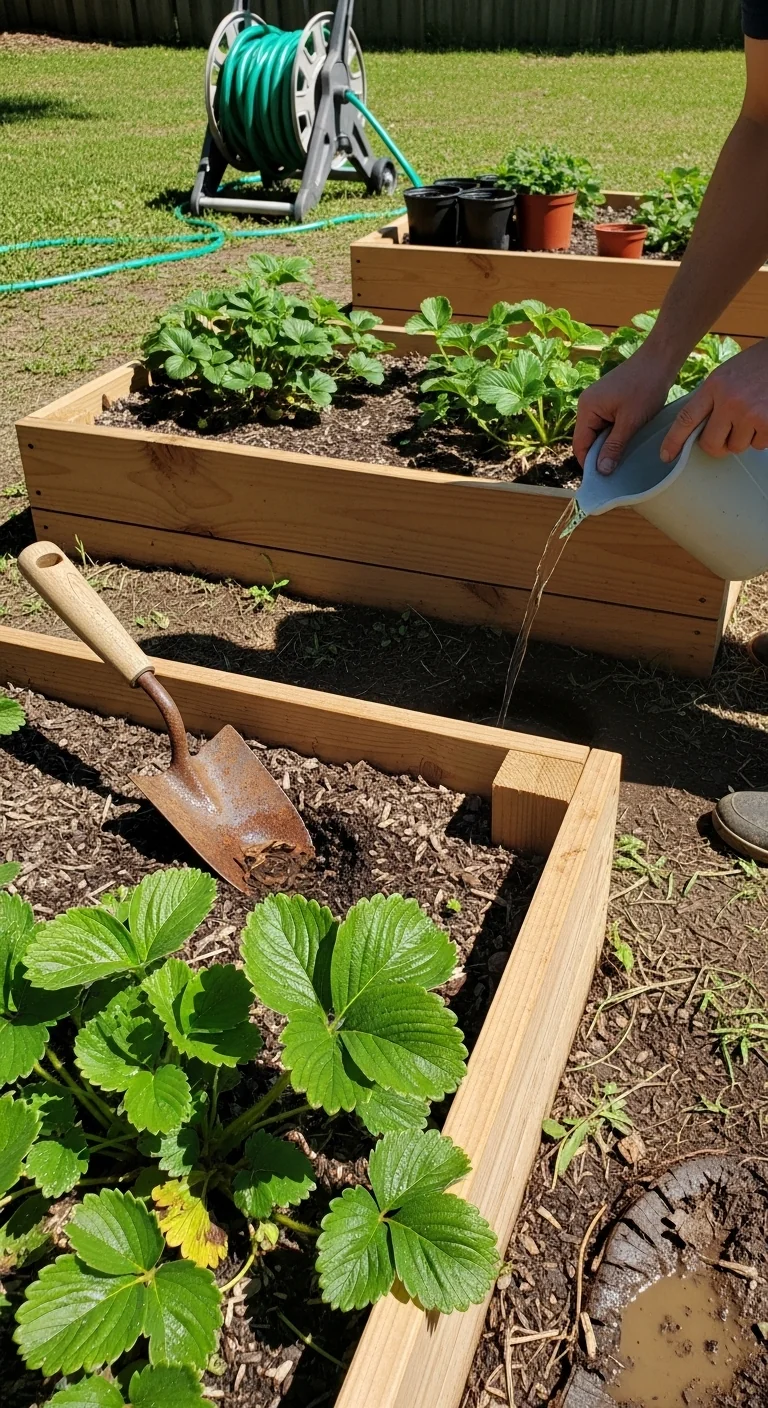
Best for: Branch 1
This configuration uses untreated cedar sides with a 4-inch gravel base separated by landscape fabric. It suits sites where the drainage test shows slow percolation because the gravel layer creates an immediate escape route for excess water while the 12-inch soil depth matches the shallow 6- to 8-inch root zone of strawberries. Build steps: level the site, add gravel, lay fabric, attach cedar boards with exterior screws, and fill with a 50-50 mix of garden soil and compost. The common mistake is skipping the fabric separator, which allows gravel to mix into the soil and reduces aeration over time. In zones with winter lows below 20 degrees F add 4 inches of straw mulch after the first hard freeze to insulate roots near the edges.
2. Galvanized Metal Kit Bed
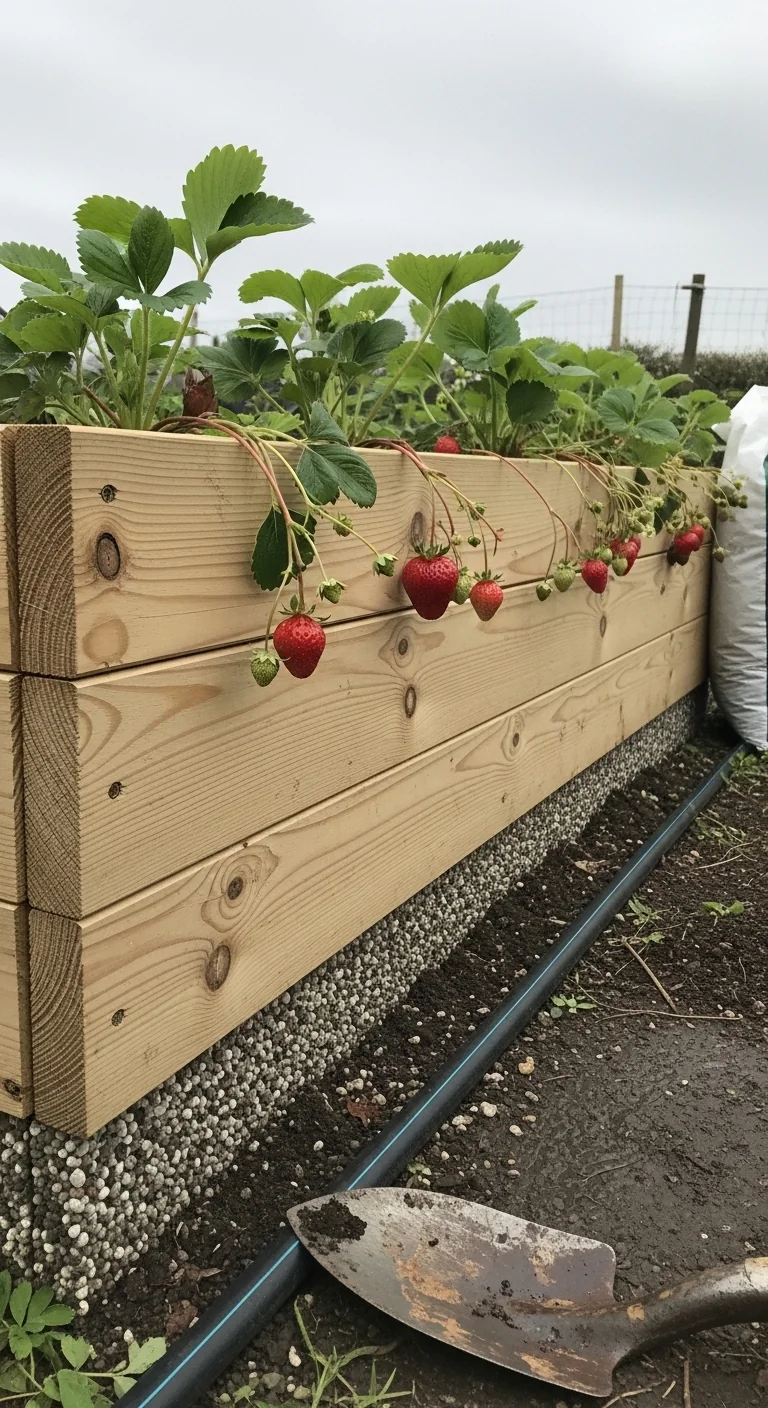
Best for: Branch 2
Pre-cut galvanized steel panels assemble in under 20 minutes with no tools beyond a rubber mallet. The metal sides heat the soil faster in spring, which benefits early strawberry varieties in cooler climates like the UK or Canada. Skip this option only if your site receives full afternoon sun in Australia or the southern US, because metal can raise soil temperatures above 85 degrees F at the edges during peak summer.
3. Three-Tier Pyramid Planter
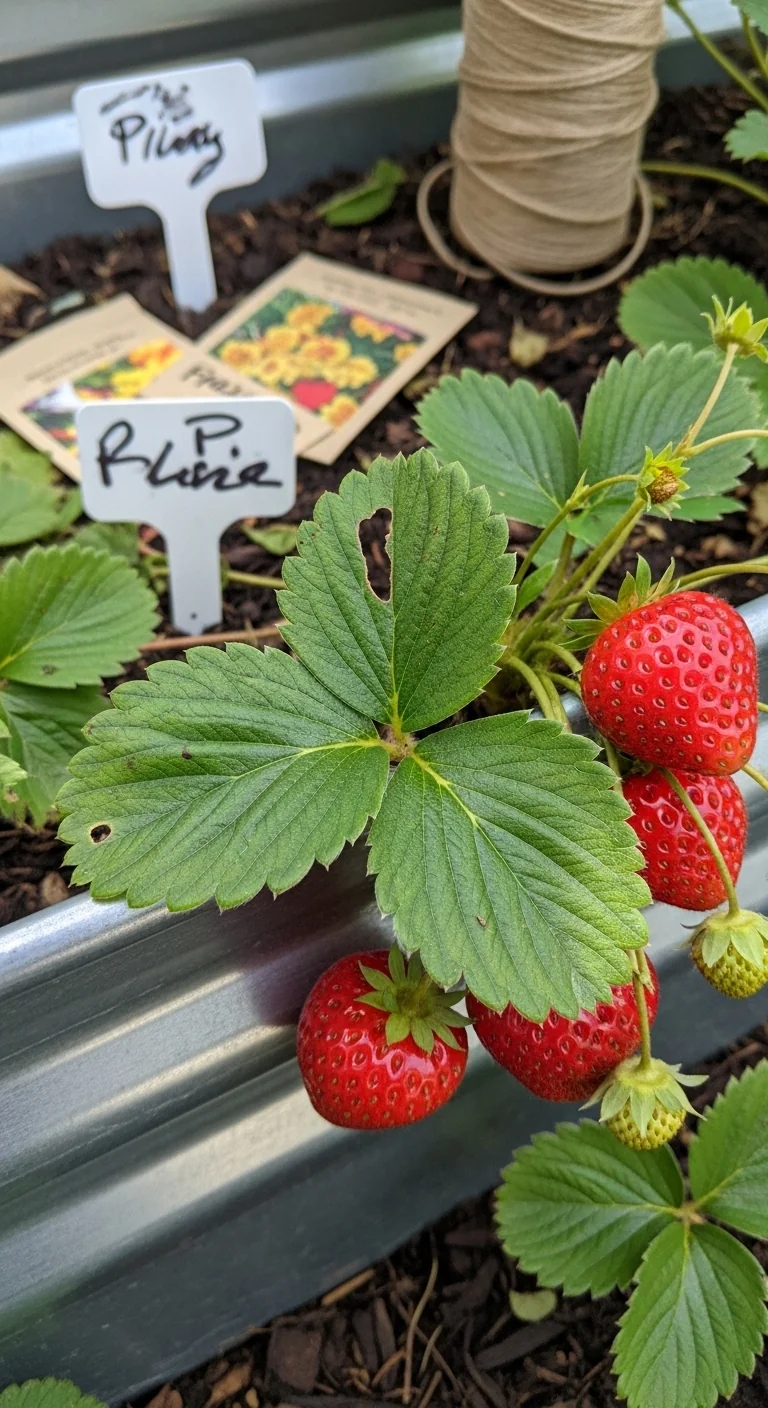
Best for: Branch 3
Stepped wooden or composite tiers create three planting levels that naturally direct runners downward instead of outward. Use this design when accessibility is the priority and space is limited vertically. The threshold rule: keep each tier no wider than 24 inches so the center soil stays within arm reach and air circulation reaches all plants. Fill with the same amended soil mix across tiers but place everbearing varieties on the top level where harvest is easiest.
4. Elevated Fabric Grow Bag Frame
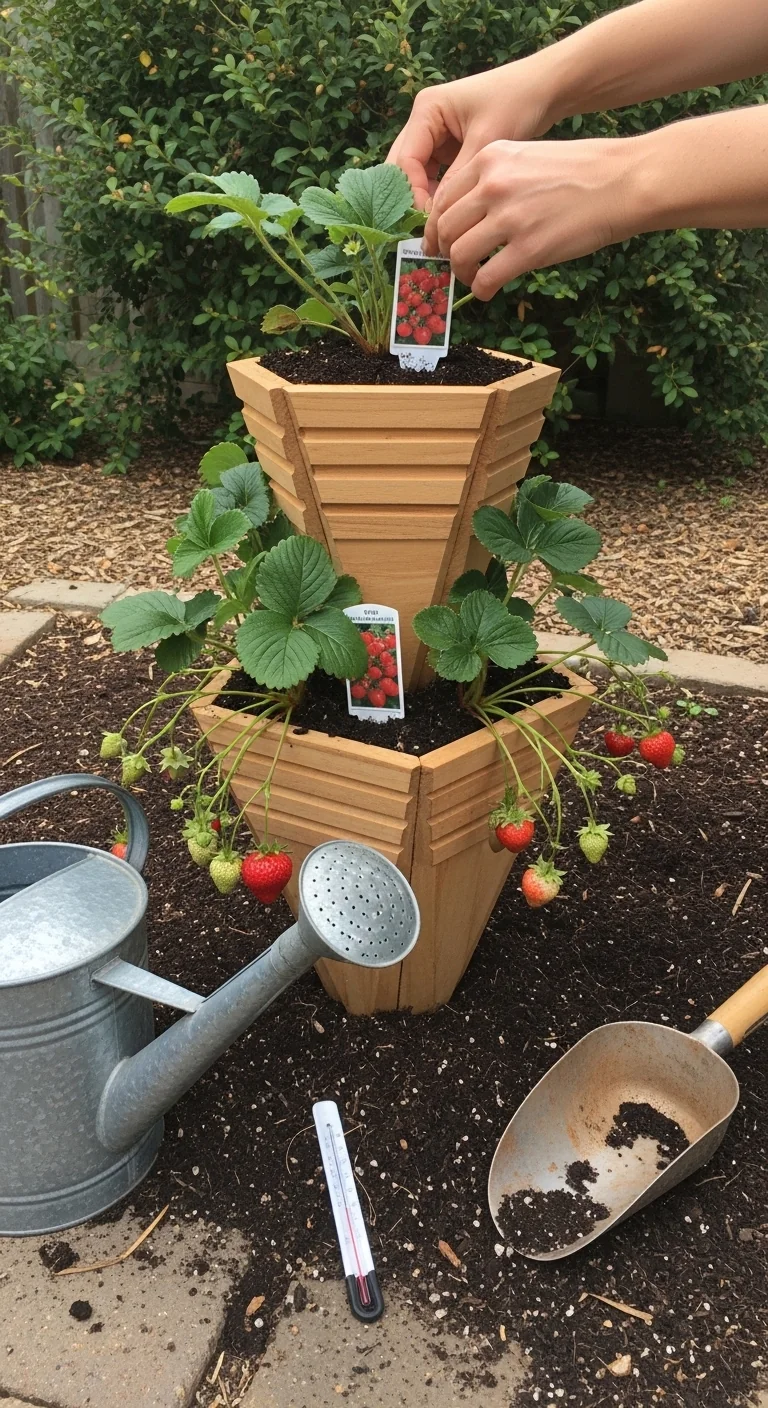
Best for: Branch 1
A simple wooden frame holds multiple 20-gallon fabric grow bags at 12 inches off the ground. The breathable fabric sides release excess moisture faster than solid wood in clay soils. Ten-minute workflow: assemble the frame from four 2-by-4s and corner brackets, position the bags inside, fill each with potting mix amended to pH 5.5-6.5, and plant. Upgrade option: add a drip line along the frame for consistent moisture without overhead wetting. This setup also allows easy bag replacement after two seasons when soil compaction occurs.
5. No-Frame Mounded Soil Bed
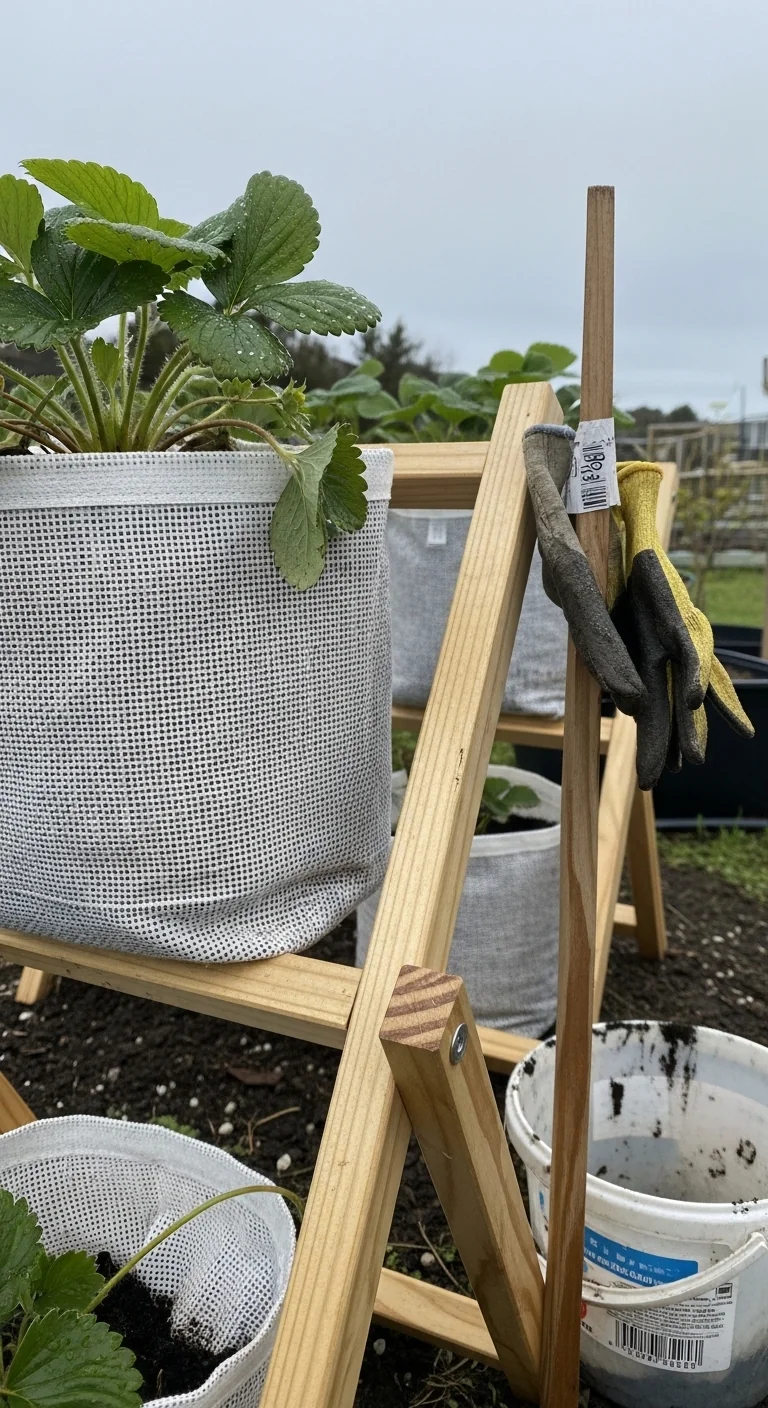
Best for: Branch 2
Build a 12-inch high mound using a central layer of rotting logs or branches covered with soil and compost. It requires no lumber yet provides the same drainage benefit as framed beds. Use versus skip: choose this for temporary or budget setups in any of the focus countries, but skip if your garden has heavy foot traffic because the mound edges erode faster than contained beds.
6. Waist-High 24-Inch Wooden Bed
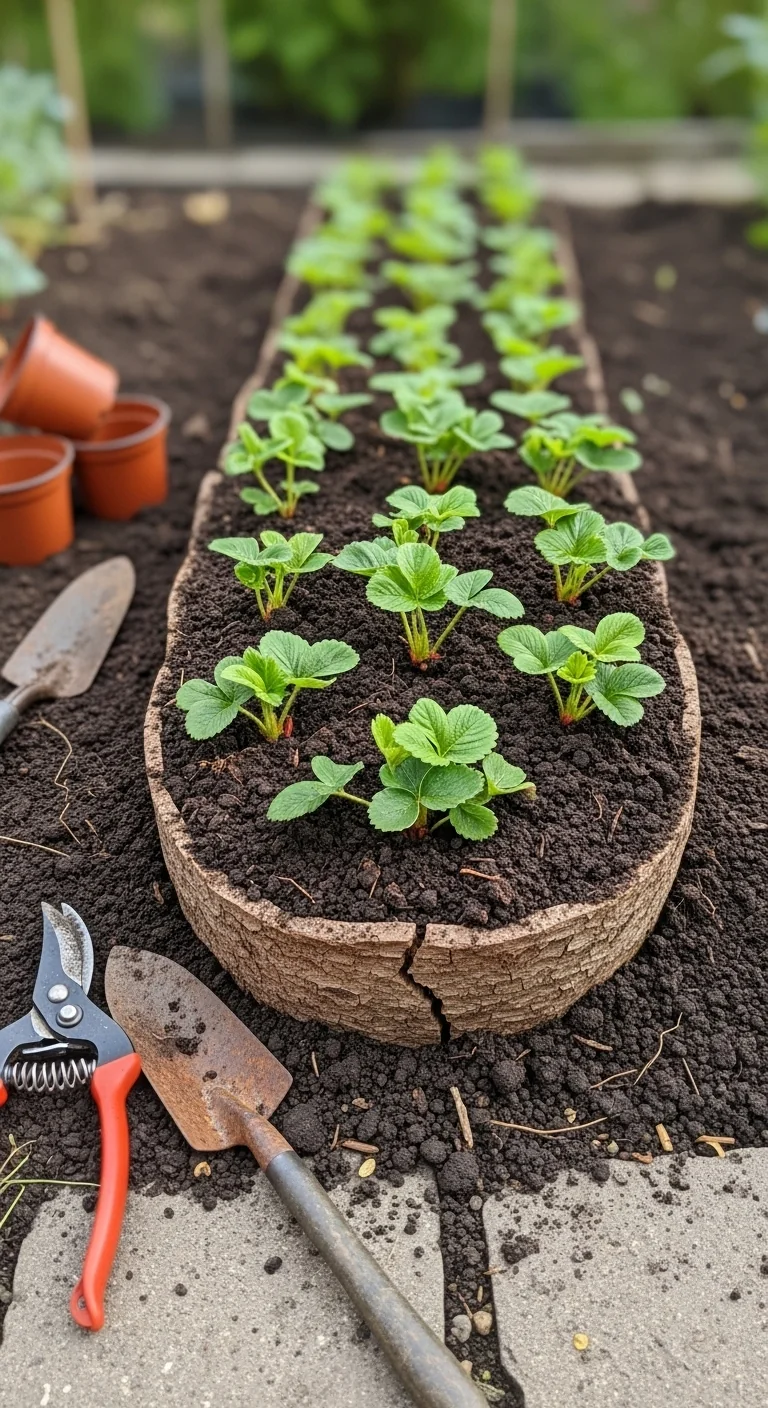
Best for: Branch 3
Double-height cedar sides with internal cross bracing reach 24 inches, placing the planting surface at comfortable standing height. The extra depth allows a 6-inch gravel base plus 18 inches of soil without overflow risk. Build steps: set posts 4 feet apart, attach boards, and backfill. This design works across the listed countries but requires extra mulch in Germany or New Zealand winters to prevent freeze-thaw cycles from heaving the taller sides.
7. Recycled Pallet Bed with Runner Channel
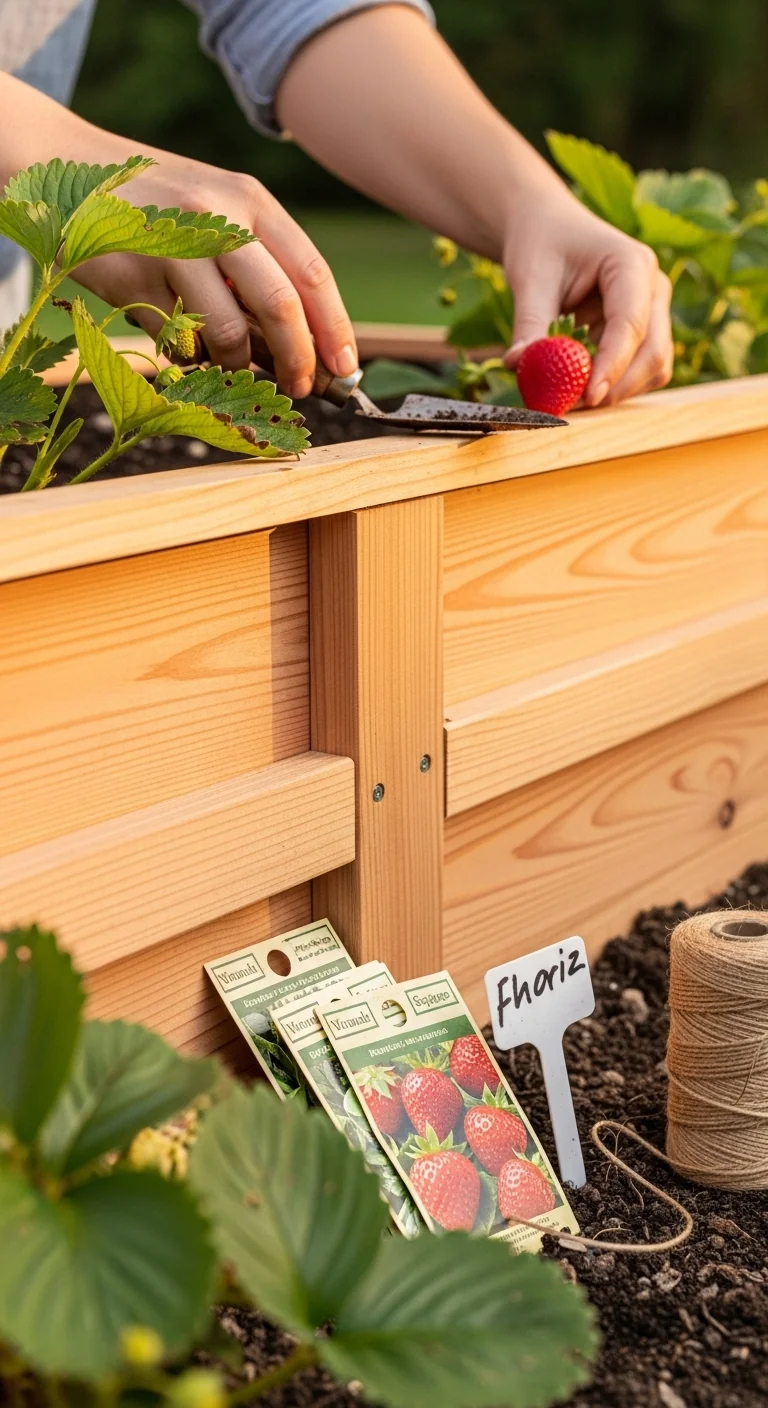
Best for: Branch 1
Disassembled pallets form the sides while a 6-inch wide channel along one long side contains runners and directs them into a narrow harvest row. The threshold rule: maintain the channel depth at exactly 8 inches so runners root in place without escaping into paths. This mechanism keeps aggressive June-bearing varieties from overrunning the bed while the gravel base addresses drainage. Disassemble pallets with a pry bar, sand rough edges, and line interior with fabric before filling.
8. Modular Composite Panel Bed
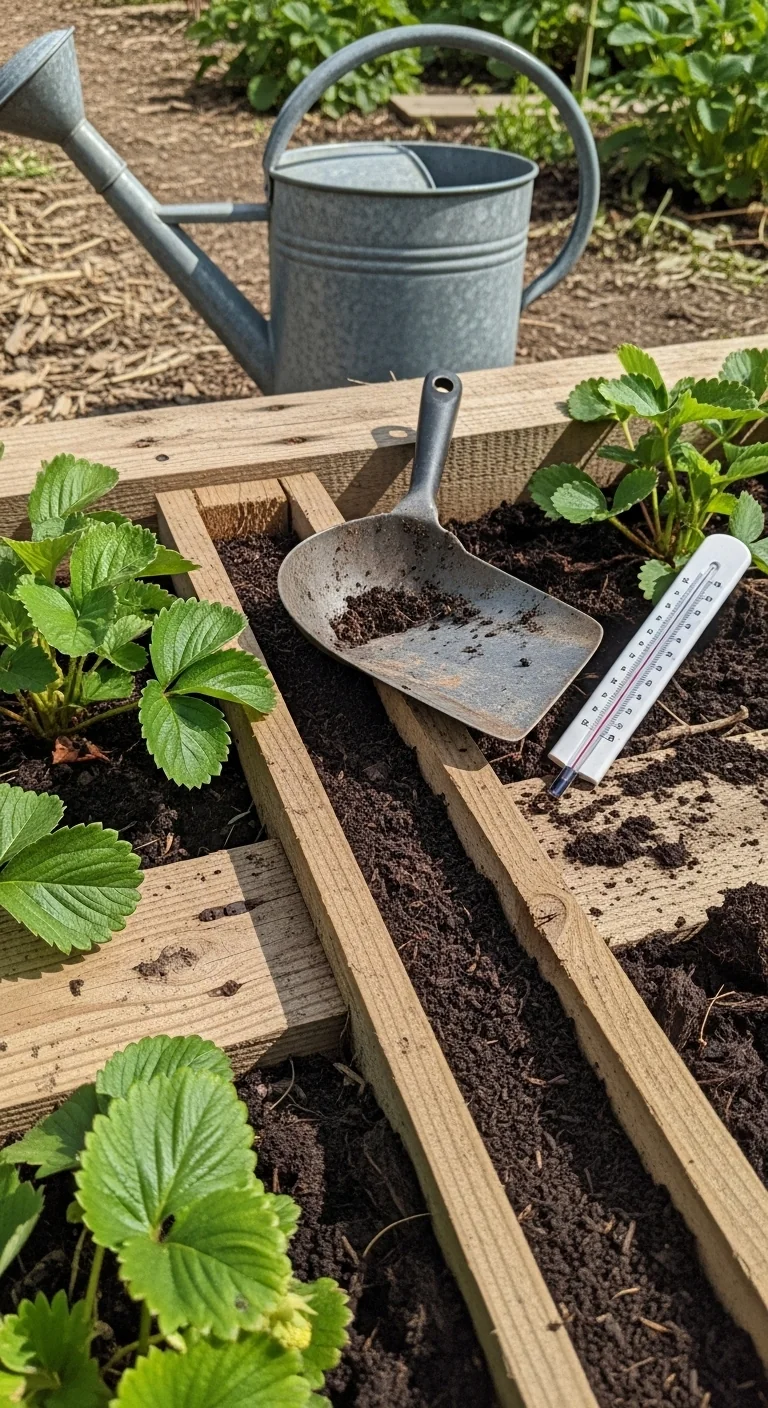
Best for: Branch 2
Interlocking composite panels connect without hardware and expand or shrink by one panel at a time. The UV-resistant material lasts longer than wood in wet UK or Canadian winters. Snap together on level ground, add the soil mix, and plant within the hour. It suits balcony gardeners who may need to relocate the bed seasonally.
9. Hybrid Metal-Reinforced Wood Bed
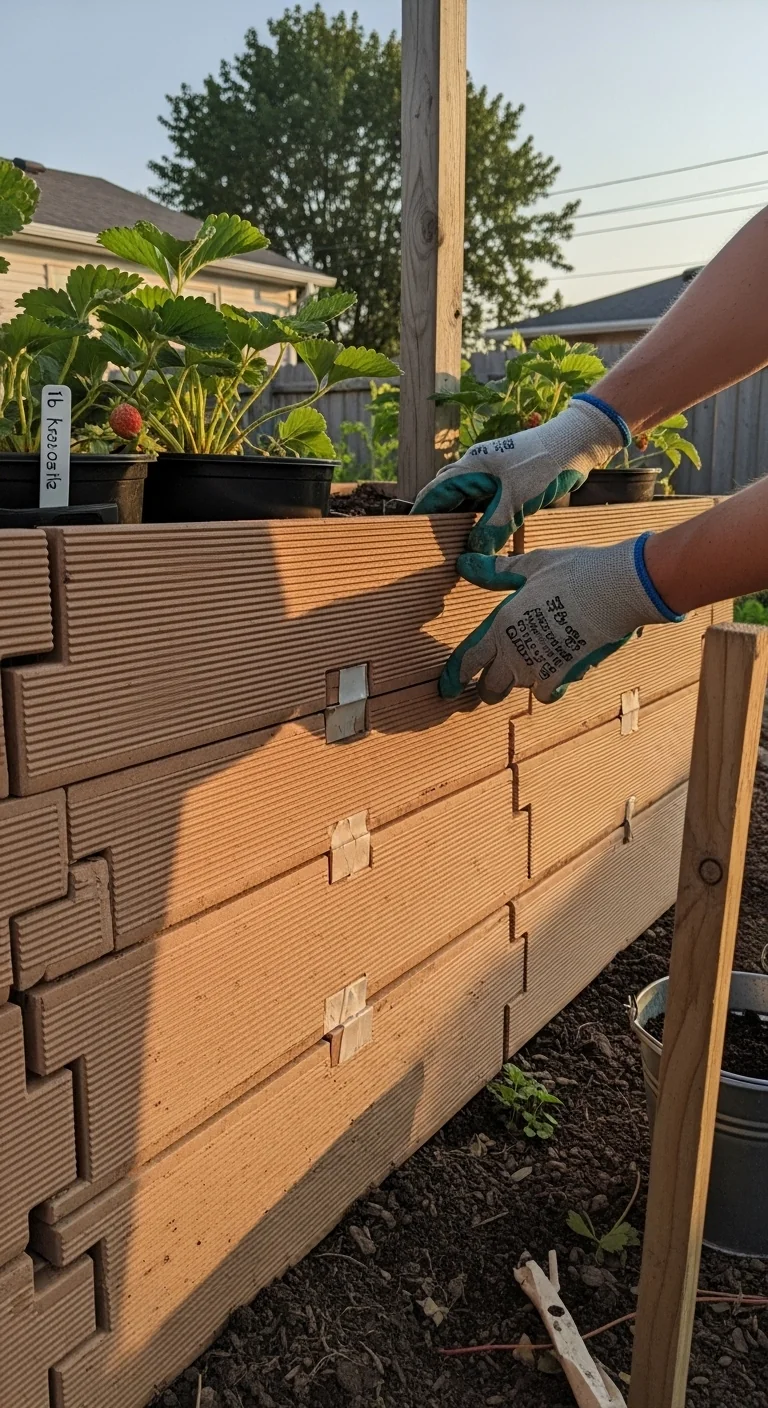
Best for: Branch 3
Cedar sides reinforced with metal corner brackets combine the warmth of wood with structural longevity. The brackets prevent corner rot common after three seasons in moist climates. This hybrid reaches 18 to 24 inches tall for accessibility and includes pre-drilled drainage holes along the base. It offers the best balance for gardeners who want one bed to last eight or more years across varying weather patterns in the focus countries.
Starter Stack (What to Choose First)
For Branch 1 Sites
Combine Item 1 (12-Inch Gravel-Base Cedar) and Item 7 (Recycled Pallet Bed with Runner Channel). The gravel layer handles slow drainage while the runner channel prevents overcrowding that worsens root rot. Materials range 80 to 180 dollars. Build time ranges 3 to 5 hours.
For Branch 2 Sites
Combine Item 2 (Galvanized Metal Kit) and Item 8 (Modular Composite Panel). Both assemble quickly and fit small footprints without permanent commitment. Materials range 60 to 140 dollars. Build time ranges 1 to 2 hours.
For Branch 3 Sites
Combine Item 3 (Three-Tier Pyramid) and Item 6 (Waist-High 24-Inch Wooden). The tiers save bending at harvest while the taller bed keeps the main planting surface accessible. Materials range 120 to 250 dollars. Build time ranges 4 to 6 hours.
When This Won’t Work
If the drainage test still exceeds 6 hours even after adding a 6-inch gravel layer, raised beds alone cannot overcome severe compaction or high water tables. The alternative action is to switch entirely to elevated containers placed on a hard surface so water drains away immediately.
Second condition: soil pH tests outside the 5.5 to 6.5 range and cannot be corrected within one season using sulfur for high pH or lime for low pH. In that case, test a small container batch first before committing to a full bed.
Choosing the Right Option for Your Situation
Budget Threshold
Under 150 dollars in materials: select Items 2, 5, or 8. These use kits, mounds, or modular panels that minimize lumber costs while still meeting drainage needs.
Time Threshold
Under 4 hours total build time: choose Items 2, 4, or 8. All rely on pre-formed or snap-together components that require only leveling and filling.
Technical Constraint
Clay soil confirmed by the drainage test: prioritize Items 1, 4, or 7 because each incorporates a gravel base or fabric sides that accelerate water movement.
Yes/No checklist:
Does your drainage test pass with gravel added?
Is your flat space under 16 square feet?
Do you need harvest height above 24 inches?
Have you tested soil pH in the last 12 months?
Expert Q&A
How do runners affect long-term success in raised beds?
Runners from June-bearing varieties can fill the bed within one season and reduce fruit size if not directed. Create a 6-inch channel along one edge and root new plants there, or pinch runners after the first flush to concentrate energy on the mother plants. This keeps the original bed productive for three seasons before soil replacement.
What mulch type prevents berry rot best in raised beds?
Straw or pine needles applied 2 to 3 inches thick after planting keep fruit off the soil and reduce splash. Renew the layer after each heavy rain in humid regions like the UK or Pacific Northwest. Avoid wood chips because they tie up nitrogen needed for fruit development.
Do everbearing strawberries need different spacing than June-bearing types?
Everbearing types perform better at 10 to 12 inches apart because they produce fewer runners. June-bearing types need 18 inches to accommodate heavy runner spread. Measure from crown center to crown center and adjust one inch closer in cooler zones where growth is slower.
How often should soil be refreshed in a strawberry raised bed?
Replace the top 6 inches of soil every third season or when yields drop noticeably. Mix in fresh compost and re-test pH before replanting. This cycle maintains fertility without full bed disassembly.
Can bird netting be installed permanently over raised beds?
Yes, use lightweight netting draped over 24-inch hoops or a simple PVC frame clipped to the bed sides. Remove it only during pollination on calm days to avoid trapping pollinators. This method protects fruit through the entire harvest window without daily adjustments.
Conclusion
The core decision for strawberry raised beds is always the drainage test followed by the matching branch. The number one mistake is choosing a design based on appearance or kit price without verifying percolation and pH first.
Review the fruit planting calendar to time your installation for your local last frost date and get the strongest start possible this season.