
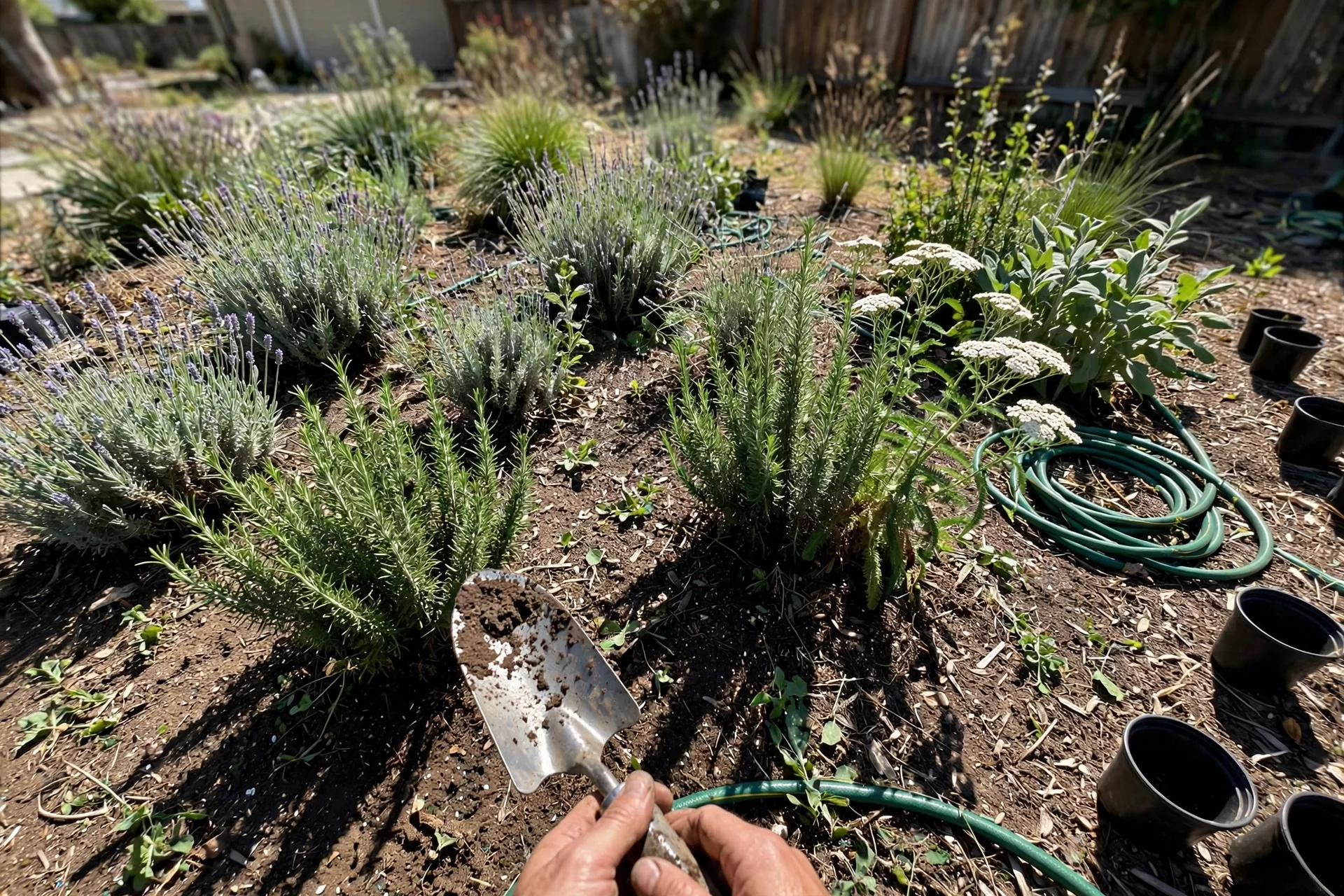
Most deer resistant plant lists treat all gardens as equal. They are not. A lavender plant that thrives untouched in a suburban courtyard may be devoured within a week in a rural woodland edge where deer density exceeds 20 animals per square mile. The difference is not the plant. It is the browsing pressure and the availability of alternative food.
This guide groups plants by the level of deer pressure they can realistically withstand. It covers perennials, shrubs, bulbs, and ornamental grasses suited to USDA zones 3 through 9, with notes on regional differences across the US, UK, Canada, Australia, New Zealand, Germany, and France. What is excluded: annuals that require replanting each season, physical fencing solutions, and spray repellents.
You will finish this article knowing which three plants to try first based on your specific deer density, how to layer them for cumulative protection, and the one condition under which even the toughest plants will fail.
Bottom line: Choose plants that match your deer pressure level, not a generic “resistant” label, and start with the highest-pressure zone in your yard.
The Yield Grid Decision Grid
Choose your branch based on observed browsing frequency, not on plant labels. Walk your property at dawn or dusk for one week during spring and count deer sightings.
Branch 1: Occasional Browser (0-2 sightings per week). Deer pass through but have ample wild forage. Fragrant, fuzzy, or bitter plants usually deter casual sampling. Recommended: Items 1, 2, 3, 4 below.
Branch 2: Regular Visitor (3-6 sightings per week). Deer consistently browse your neighborhood. You need plants with multiple defense mechanisms: strong scent combined with rough texture or mild toxicity. Recommended: Items 5, 6, 7 below.
Branch 3: High Pressure (7+ sightings per week, visible browse lines on trees). Deer are hungry and habituated to gardens. Only plants with toxic compounds, extreme bitterness, or impenetrable texture survive without supplemental protection. Recommended: Items 8, 9, 10, 11 below.
For a broader strategy that combines plant selection with garden design, see our guide on companion planting for pest deterrence.
Quick Comparison Table
| Option | Key Mechanism | Best For | Decision Grid Branch | Effort Score (1-5) |
|---|---|---|---|---|
| Lavender | Strong camphoraceous scent | Full sun borders, low-water gardens | Branch 1 | 2 |
| Catmint | Minty aromatic foliage | Edging, groundcover, drought-prone spots | Branch 1 | 2 |
| Russian Sage | Resinous, sage-like scent | Hot, dry, sunny beds | Branch 1 | 2 |
| Rosemary | Pungent essential oils | Herb gardens, containers, Mediterranean climates | Branch 1 | 3 |
| Lamb’s Ear | Dense, woolly leaf texture | Children’s gardens, sensory borders | Branch 2 | 1 |
| Yarrow | Bitter alkaloids plus hairy stems | Meadows, pollinator strips, poor soils | Branch 2 | 2 |
| Ornamental Allium | Sulfur compounds, onion-family odor | Mixed borders, bulb displays | Branch 2 | 1 |
| Boxwood | Alkaloid content in all plant parts | Formal hedges, foundation plantings | Branch 3 | 3 |
| Barrenwort | Rough texture plus bitter compounds | Dry shade under trees | Branch 3 | 2 |
| Ornamental Grasses | Low-nutrition, high-silica foliage | Privacy screens, mass plantings | Branch 3 | 2 |
| Daffodil | Lycorine and other toxic alkaloids | Woodland edges, naturalized lawns | Branch 3 | 1 |
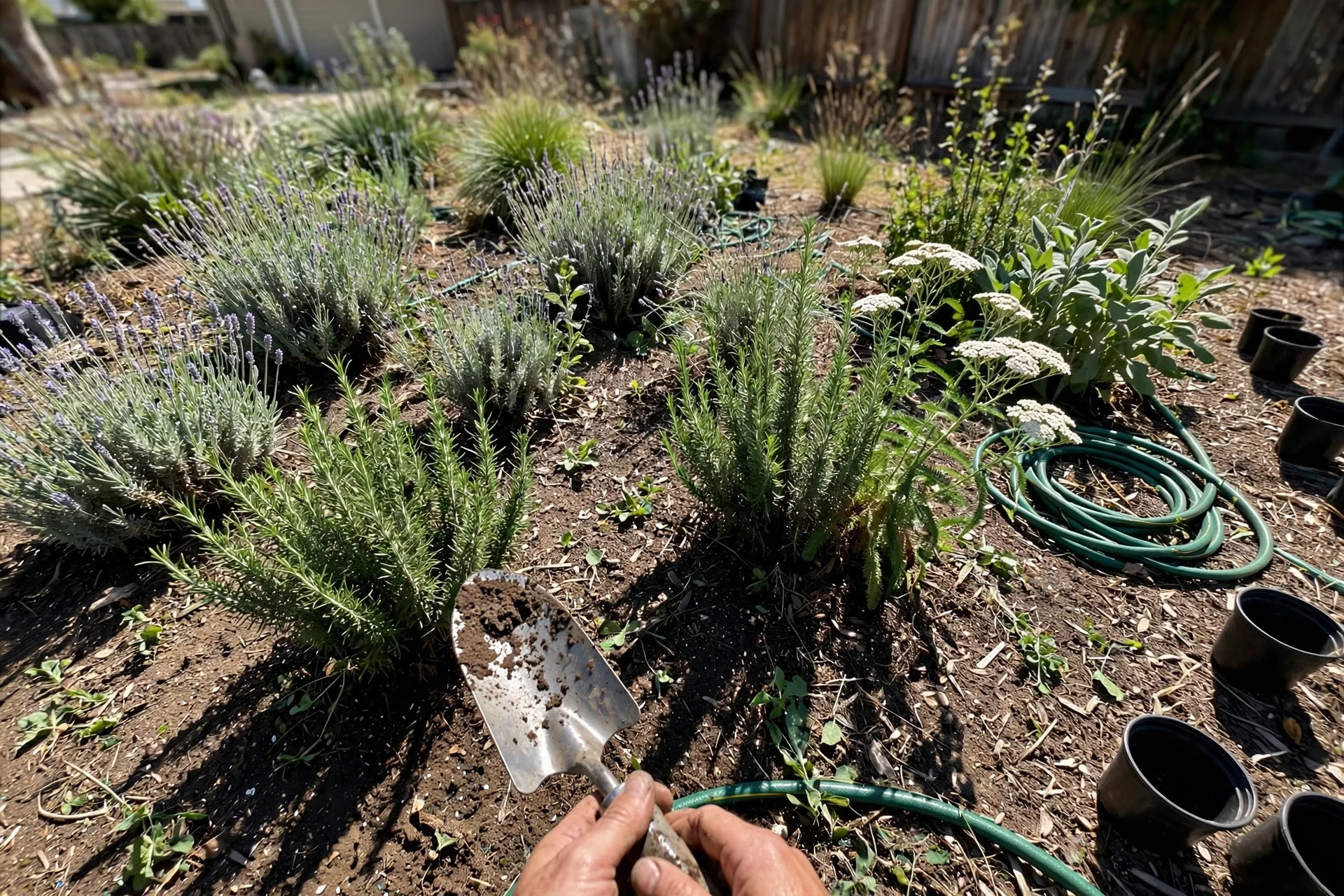
1. Lavender (Lavandula angustifolia)
Best for: Branch 1 (occasional browsing pressure).
What it does: Lavender produces camphor, linalool, and 1,8-cineole in its leaf and flower oils. These volatile organic compounds overwhelm a deer’s olfactory system. Deer rely on scent to evaluate food safety at a distance of several feet. A strong conflicting odor disrupts this assessment and they move on.
Where it works: Full sun, well-drained soil with a pH between 6.5 and 7.5, USDA zones 5-9. Heavy clay or consistently wet soil causes root rot within a single season.
Edge case that matters: In regions with high summer humidity (US Southeast, coastal New Zealand North Island, southern UK), lavender’s aromatic oil concentration drops as the plant struggles with fungal pressure. This can reduce its deterrent effect noticeably during August and September when deer are building fat reserves.
Common mistake: Planting in rich, amended soil. Lavender produces the highest oil concentration on lean, slightly stressed plants. Overfertilizing with nitrogen creates lush foliage with minimal scent.
Lavender pairs well with other aromatic plants in a defensive border. Learn more about strategic plant combinations in our companion planting guide.
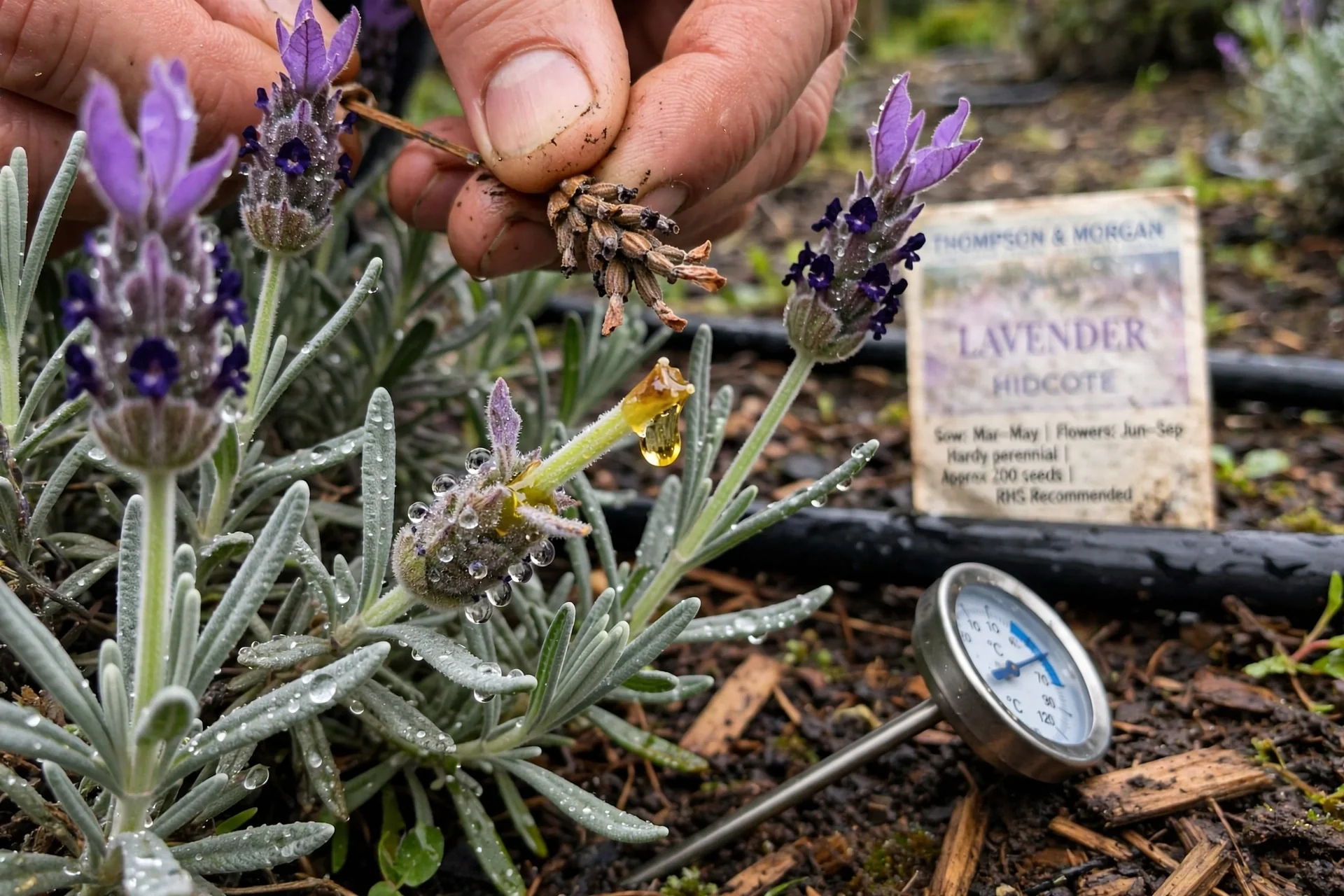
2. Catmint (Nepeta spp.)
Best for: Branch 1 (occasional browsing pressure).
Catmint produces nepetalactone, the same compound that attracts cats, and this mint-family aroma reliably deters casual deer browsing. It spreads into low mounds 12 to 24 inches tall and blooms purple from late spring through early fall with a single mid-summer shearing. Choose ‘Walker’s Low’ for larger spaces or ‘Cat’s Pajamas’ for compact borders. The one limitation: in deep shade, nepetalactone production declines and deer may sample the softer, less aromatic new growth.
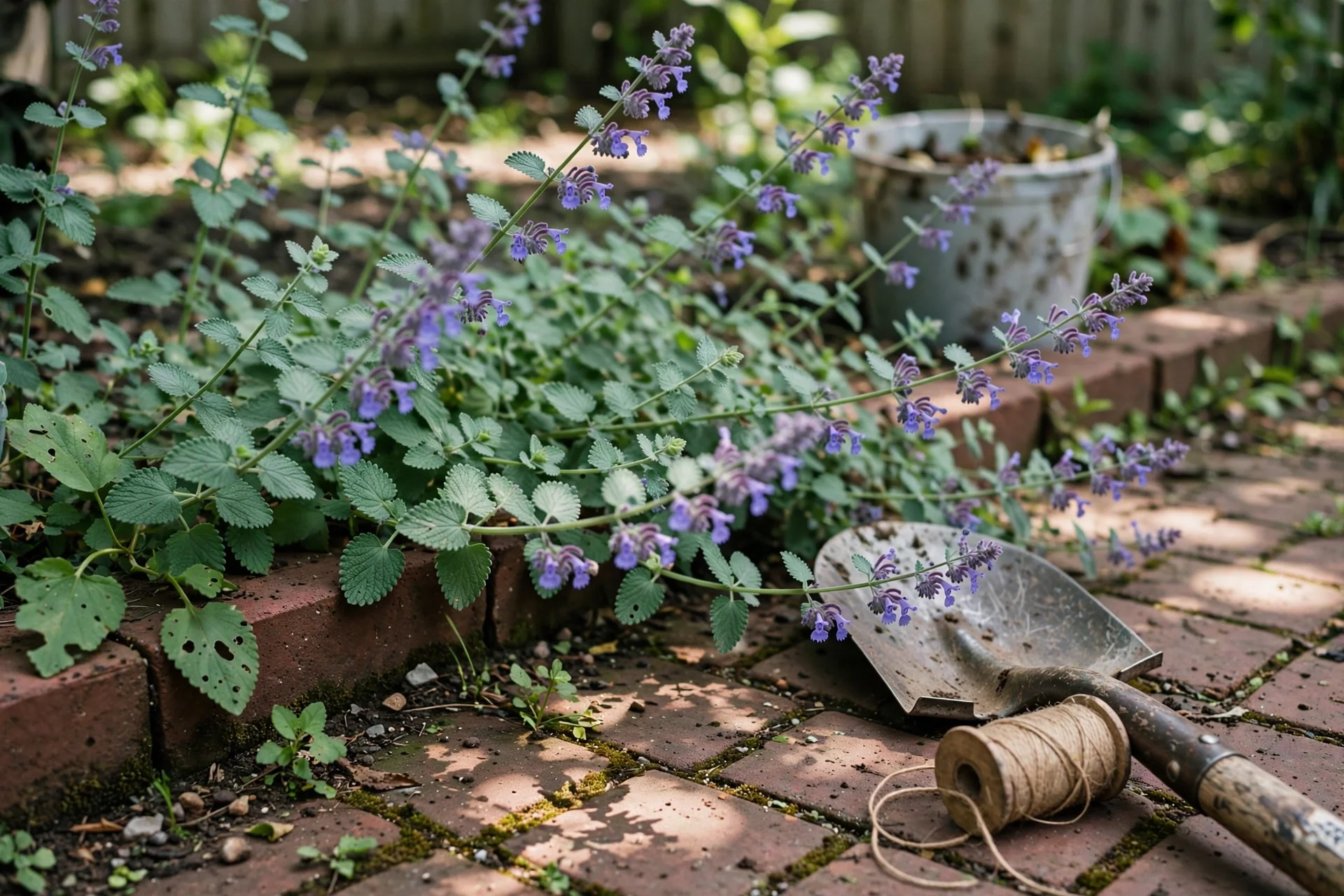
3. Russian Sage (Perovskia atriplicifolia)
Best for: Branch 1 (occasional browsing pressure).
Russian sage has a resinous, sage-and-lavender scent profile that deer find unappealing. Its wiry stems and finely divided, silvery foliage present an additional textural barrier. The plant reaches 3 to 4 feet tall and 2 to 3 feet wide, producing airy lavender-blue flower spikes from July through October.
Constraint to know: Russian sage requires a cold winter dormancy period (minimum 8-10 weeks below 45 degrees Fahrenheit) to bloom properly. In warm climates without sufficient chill hours (USDA zones 9b and above, coastal Australia, parts of New Zealand’s North Island), it may grow leggy and produce few flowers, even though the deer resistance remains intact due to the aromatic foliage.
Supporting beneficial insects alongside deer-resistant plants creates a healthier garden ecosystem. Read about attracting beneficial insects.
4. Rosemary (Rosmarinus officinalis)
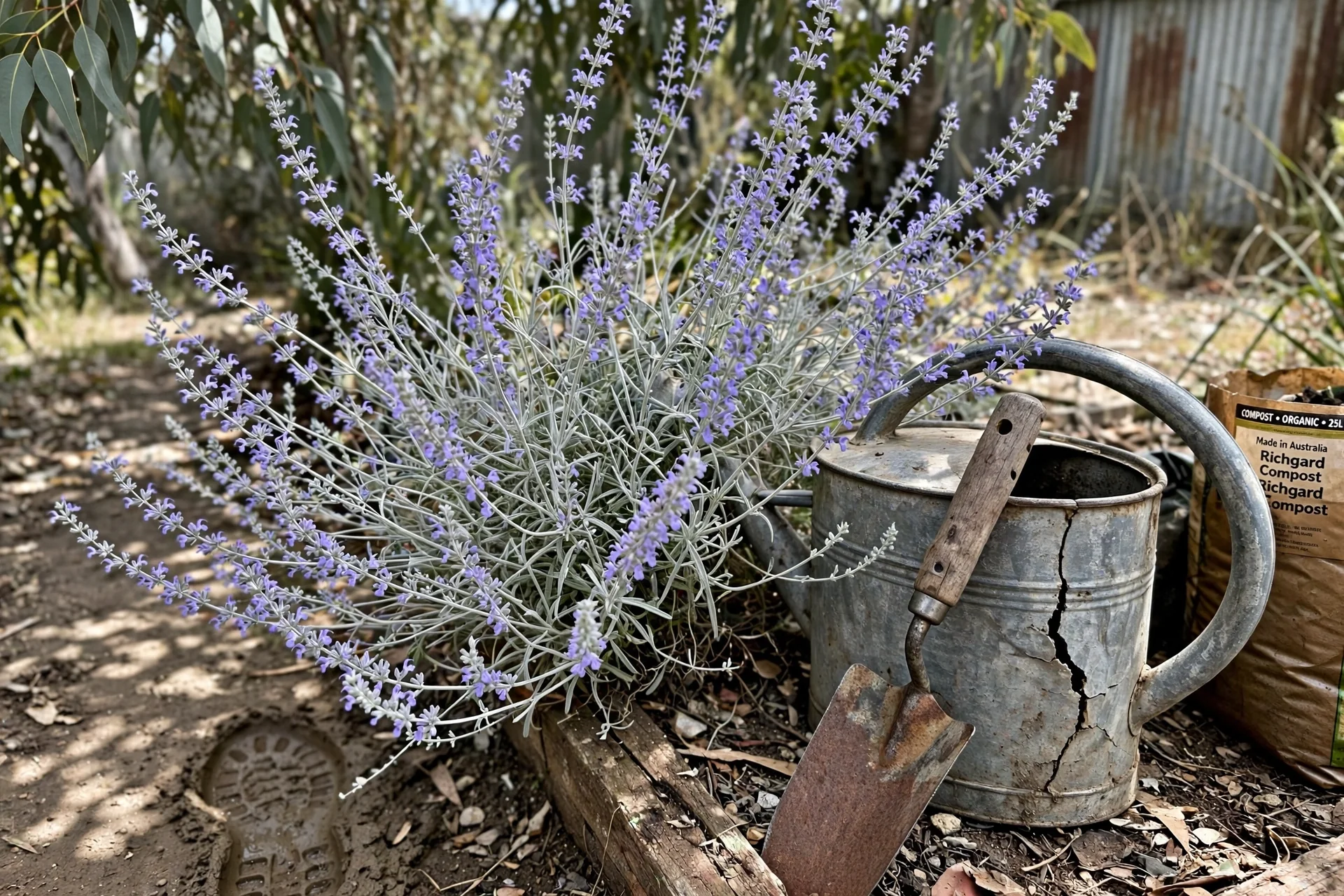
Best for: Branch 1 (occasional browsing pressure).
Mechanism: Rosemary leaves contain 1,8-cineole, camphor, and alpha-pinene at concentrations between 0.5 and 2.5 percent of fresh leaf weight. These oils create a pungent, resinous barrier. Deer that sample rosemary typically take a single bite, register the sharp bitterness, and abandon the plant.
Hardiness threshold: Rosemary survives winter only where temperatures stay above 10 to 15 degrees Fahrenheit (USDA zones 8-10). In colder zones, grow it in containers and overwinter indoors near a south-facing window. A plant brought indoors in October and placed back outside after the last frost in April maintains its deterrent oils year-round.
Workflow: Plant in terracotta pots with a potting mix of 1 part coarse sand to 2 parts standard potting soil. Water only when the top 2 inches of soil are dry. Overwatering kills more rosemary plants than cold temperatures do.
If pets share your garden space, check our guide on pet-safe pest control approaches.
5. Lamb’s Ear (Stachys byzantina)
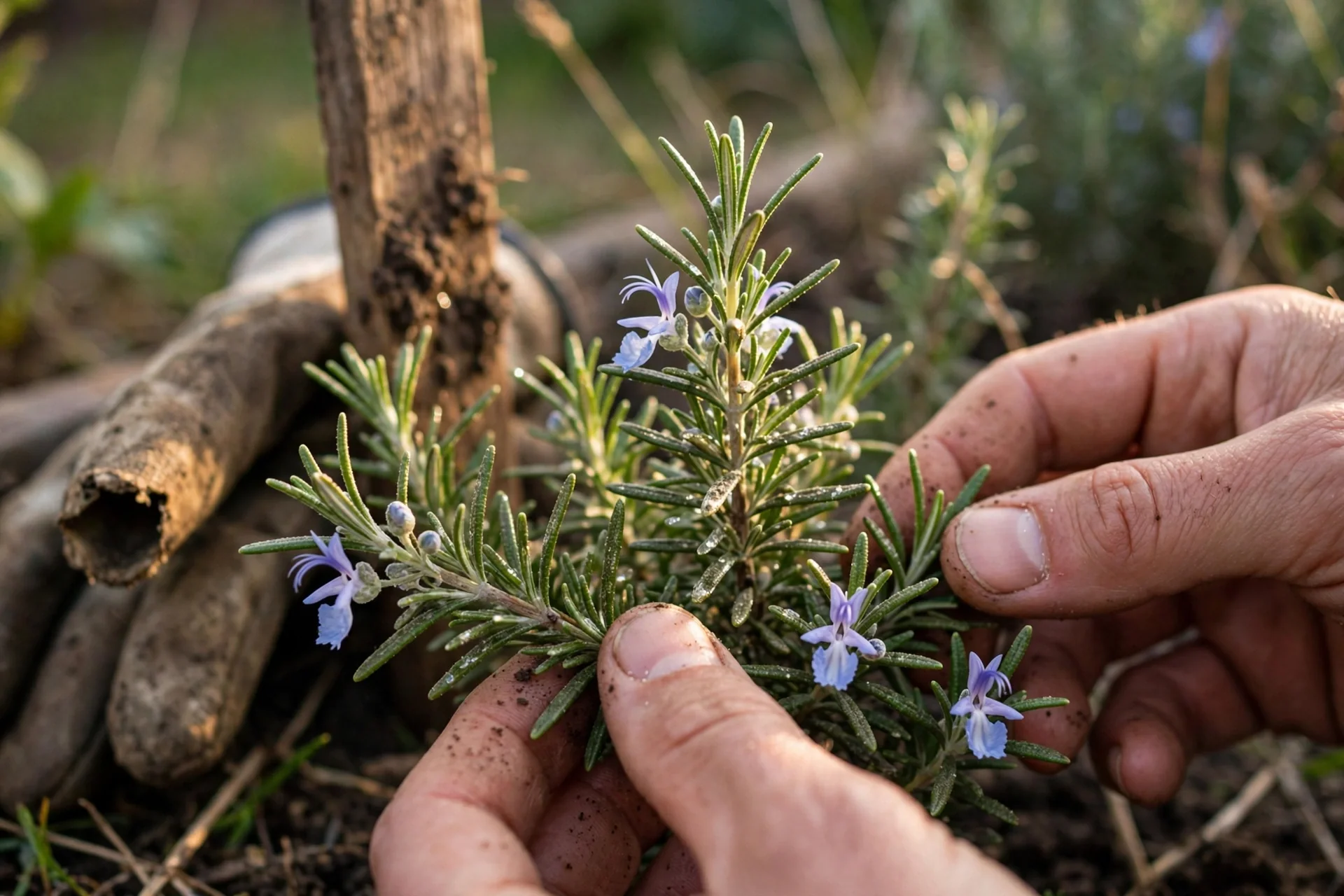
Best for: Branch 2 (regular browsing pressure).
The thick, woolly-felted leaves of lamb’s ear create a mouthfeel that deer reject. The leaf surface is covered with dense, silvery trichomes (plant hairs) that feel dry and fibrous on the tongue. This plant spreads rapidly as a groundcover in full sun to partial shade and tolerates poor, dry soils. Divide clumps every three to four years to prevent center die-off. One weakness: in prolonged wet weather, the fuzzy leaves trap moisture and develop fungal spots, which reduces plant vigor.
6. Yarrow (Achillea millefolium)
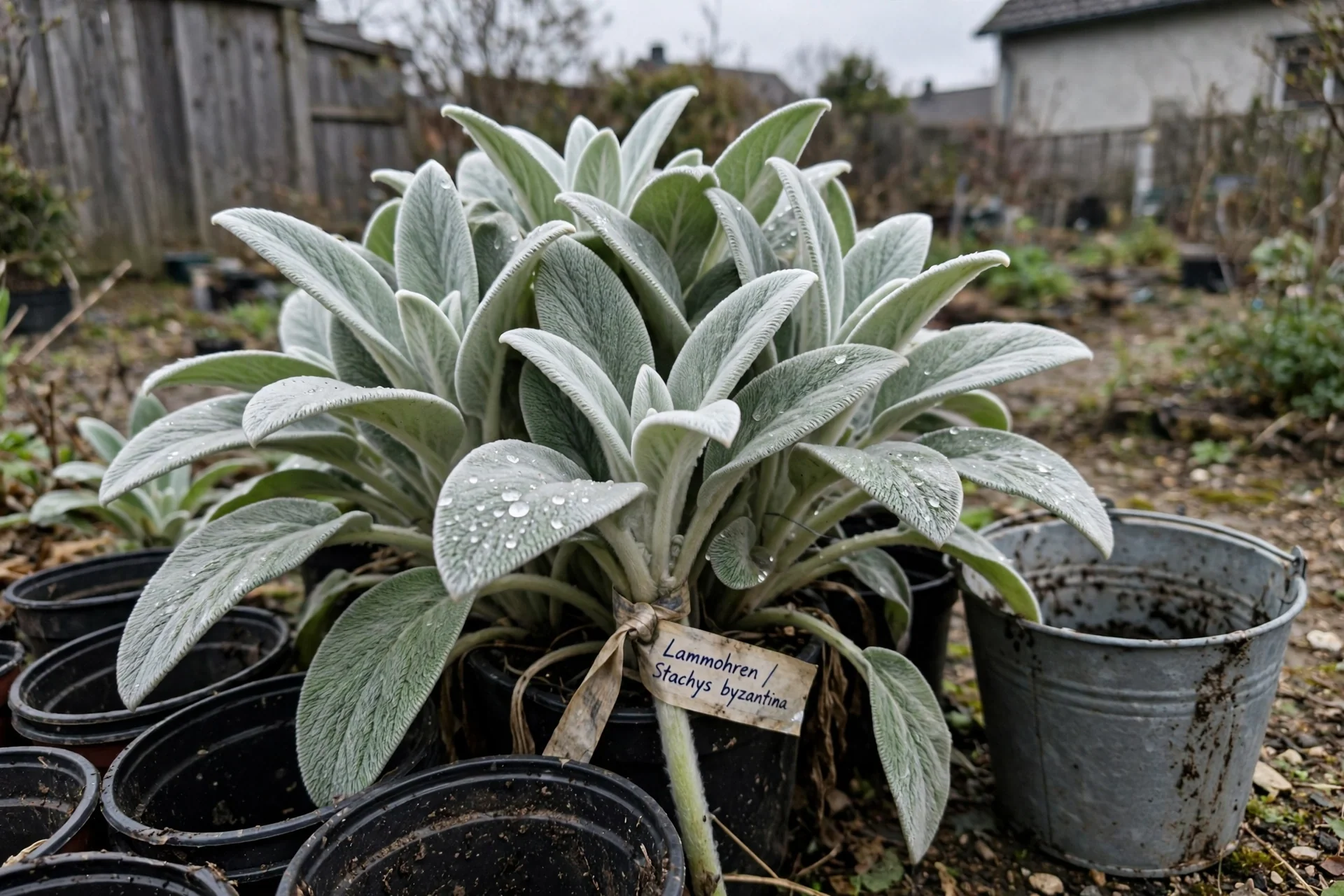
Best for: Branch 2 (regular browsing pressure).
Yarrow combines two deterrent strategies in a single plant. Its leaves contain bitter sesquiterpene lactones that taste unpleasant, and the finely dissected foliage has a rough, hairy texture that deer dislike. This dual defense makes yarrow effective even under moderate browsing pressure where single-mechanism plants sometimes fail.
Regional adjustment: In the US Northeast and UK, common yarrow (white-flowered) spreads aggressively via rhizomes and can overtake smaller perennials. In drier regions like the US Southwest, inland Australia, and parts of Germany, the plant stays more contained. Choose a clumping cultivar such as ‘Moonshine’ or ‘Coronation Gold’ if spread is a concern.
For physical barrier options that complement plant selection in high-pressure areas, see our article on using diatomaceous earth in the garden.
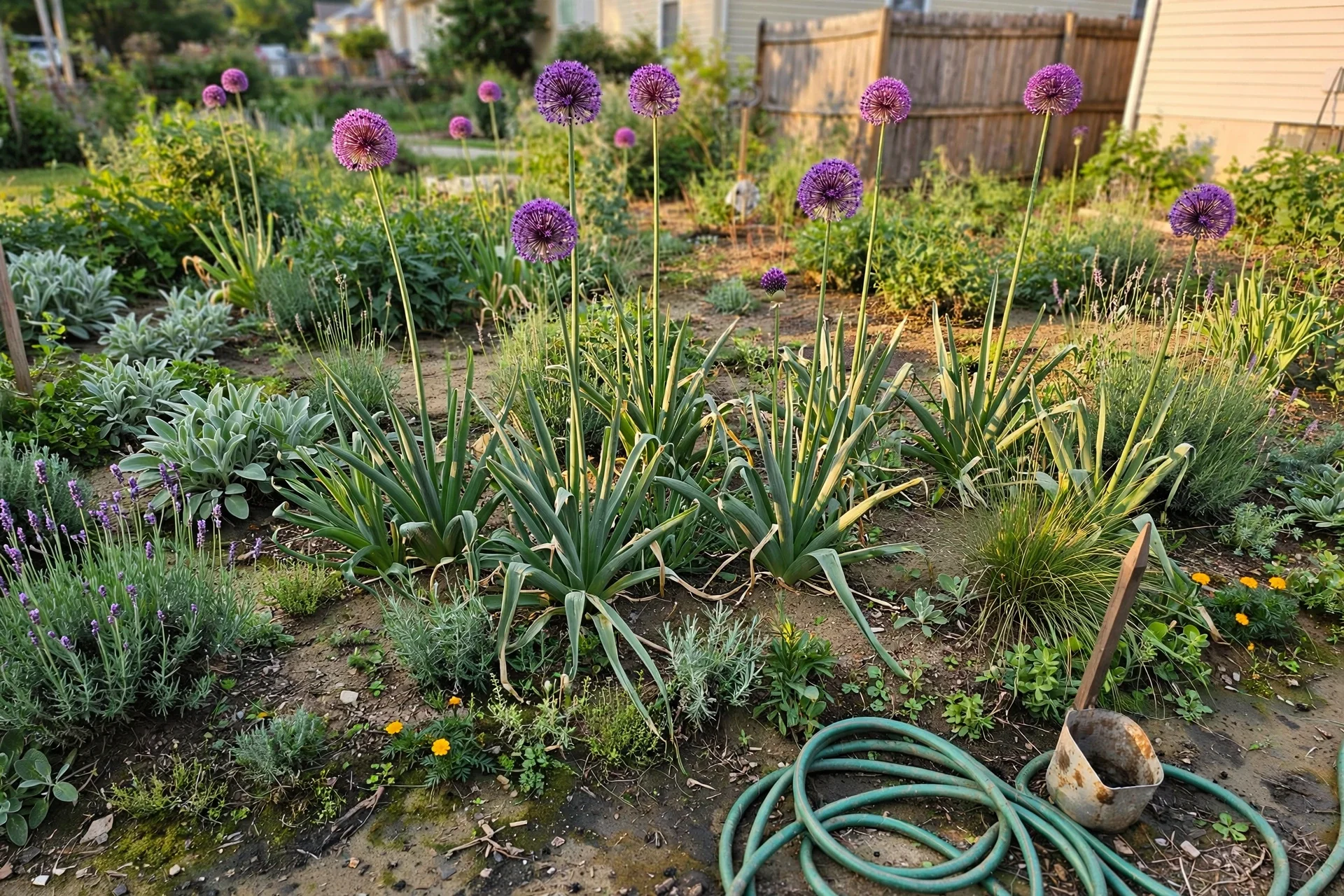
7. Ornamental Allium (Allium spp.)
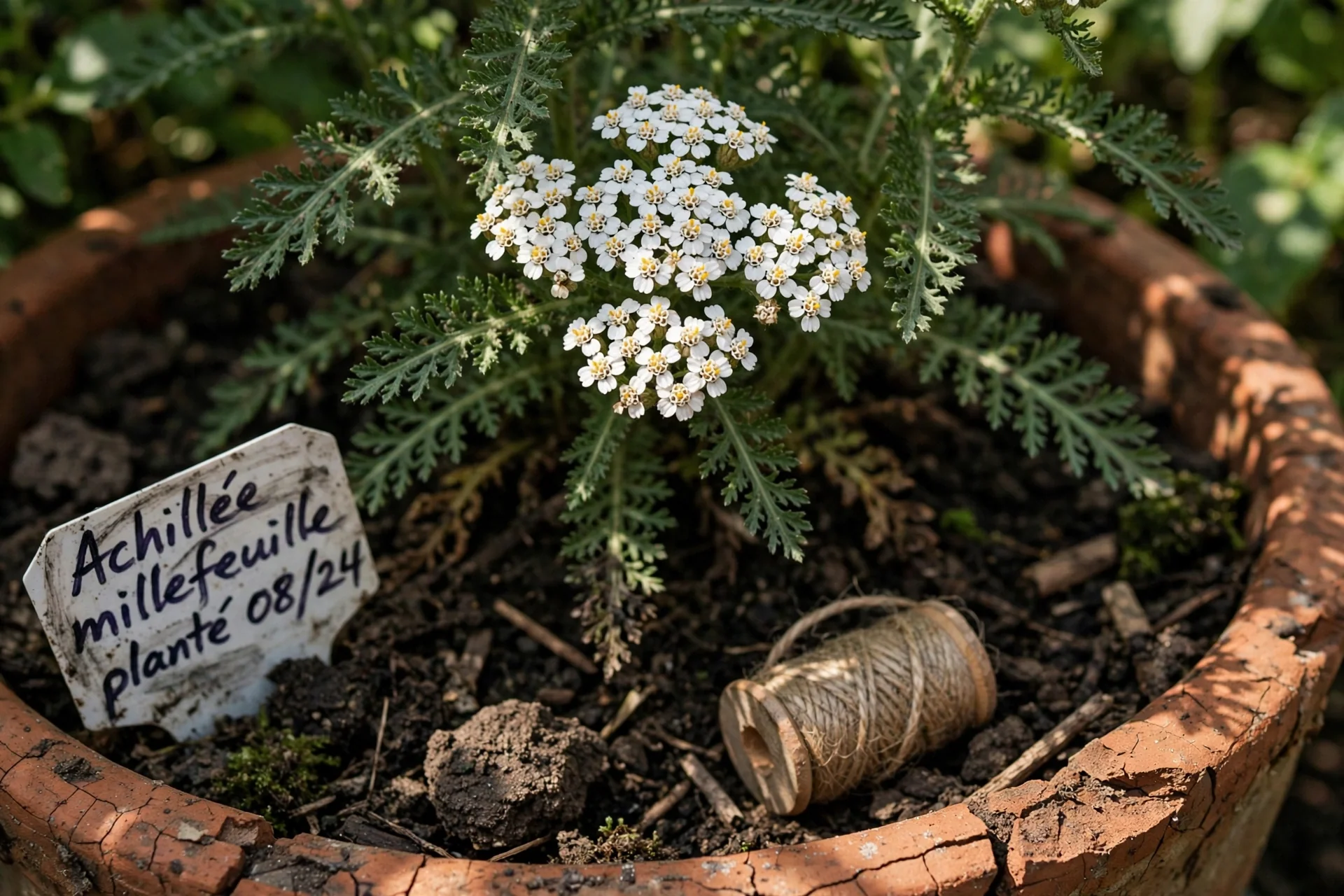
Best for: Branch 2 (regular browsing pressure).
Why it works: Alliums belong to the Amaryllidaceae family alongside garlic and onions. They produce organosulfur compounds including allicin, diallyl disulfide, and methyl allyl thiosulfinate. When a deer crushes even a small piece of leaf tissue, these sulfur compounds activate and deliver an immediate, pungent taste signal that the plant is inedible.
Timing advantage: Allium foliage emerges in early spring, precisely when deer are hungriest after winter and when most other plants are producing tender, unprotected shoots. The onion odor creates a protective zone that can indirectly shield nearby emerging perennials.
Steps to plant: Purchase bulbs in September or October. Dig holes 4 to 6 inches deep (three times the bulb diameter). Space bulbs 6 to 8 inches apart in full sun. Plant with the pointed tip facing up. Water once after planting and then allow natural rainfall. No additional fertilizer is needed. Bulbs naturalize and return yearly.
Similar mammal deterrent strategies apply across different pest species. Read our guide on rabbit deterrent methods.
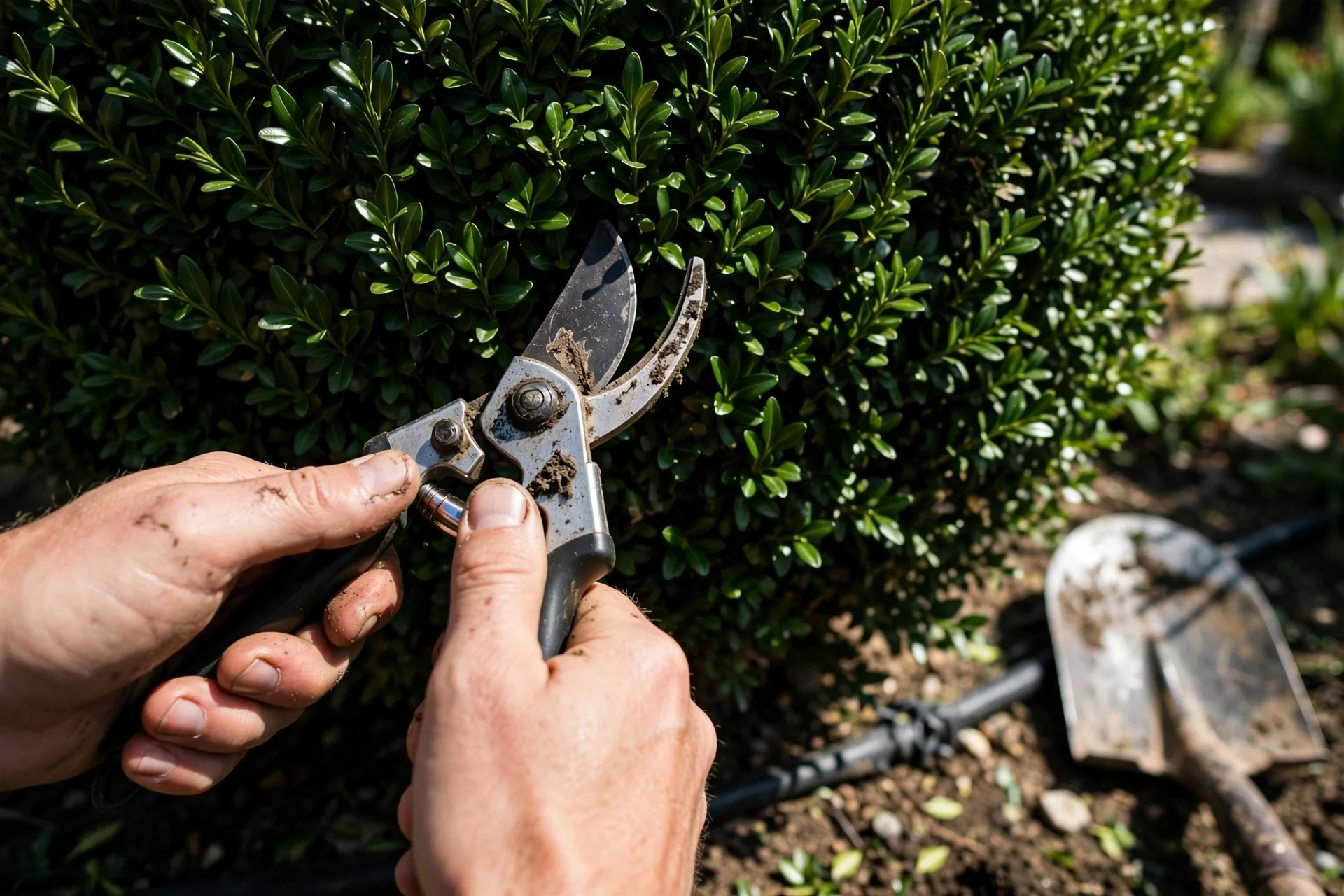
8. Boxwood (Buxus spp.)
Best for: Branch 3 (high browsing pressure).
Boxwood leaves contain steroidal alkaloids, primarily buxine, that make all parts of the plant toxic to mammals when ingested in quantity. Deer that sample boxwood typically experience digestive irritation and learn avoidance. In high-pressure zones where deer eat almost anything green, this genuine toxicity provides protection that scent or texture alone cannot match. The trade-off: boxwood grows slowly at 3 to 6 inches per year and requires consistent pruning to maintain a dense form.
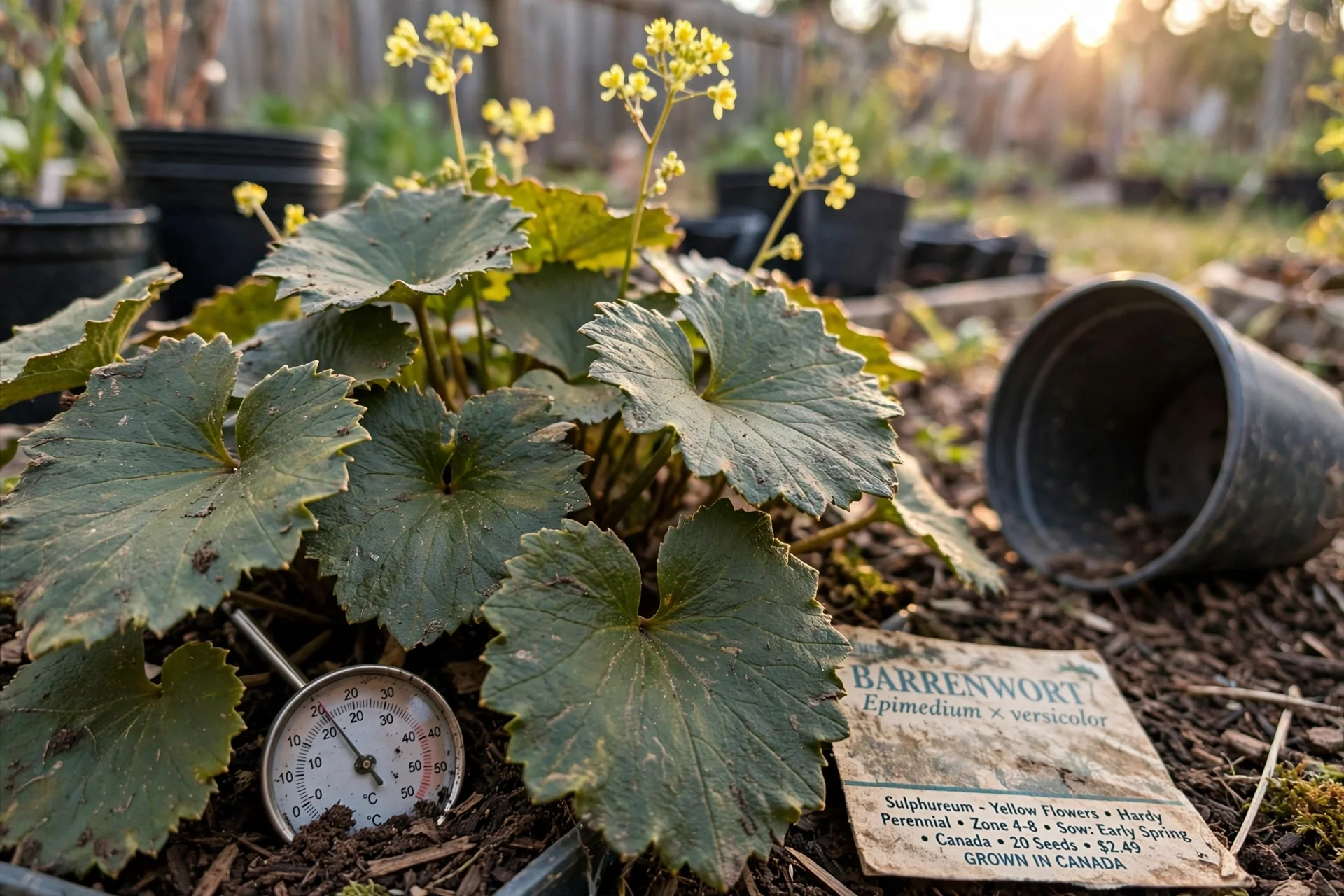
9. Barrenwort (Epimedium spp.)
Best for: Branch 3 (high browsing pressure).
Barrenwort handles two difficult conditions simultaneously: heavy deer pressure and dry shade. Its heart-shaped leaflets are leathery and rough textured, containing bitter flavonoid compounds that deer find unpalatable. The plant spreads slowly by rhizomes to form a dense, weed-suppressing carpet 8 to 12 inches tall.
Constraint: Barrenwort takes two to three growing seasons to establish a meaningful colony. During the first year, plants are small and vulnerable. In high-pressure areas, cover new plantings with a temporary physical barrier such as bird netting suspended on stakes for the first 12 months.
For temporary barrier solutions while plants establish, see our bird netting guide.
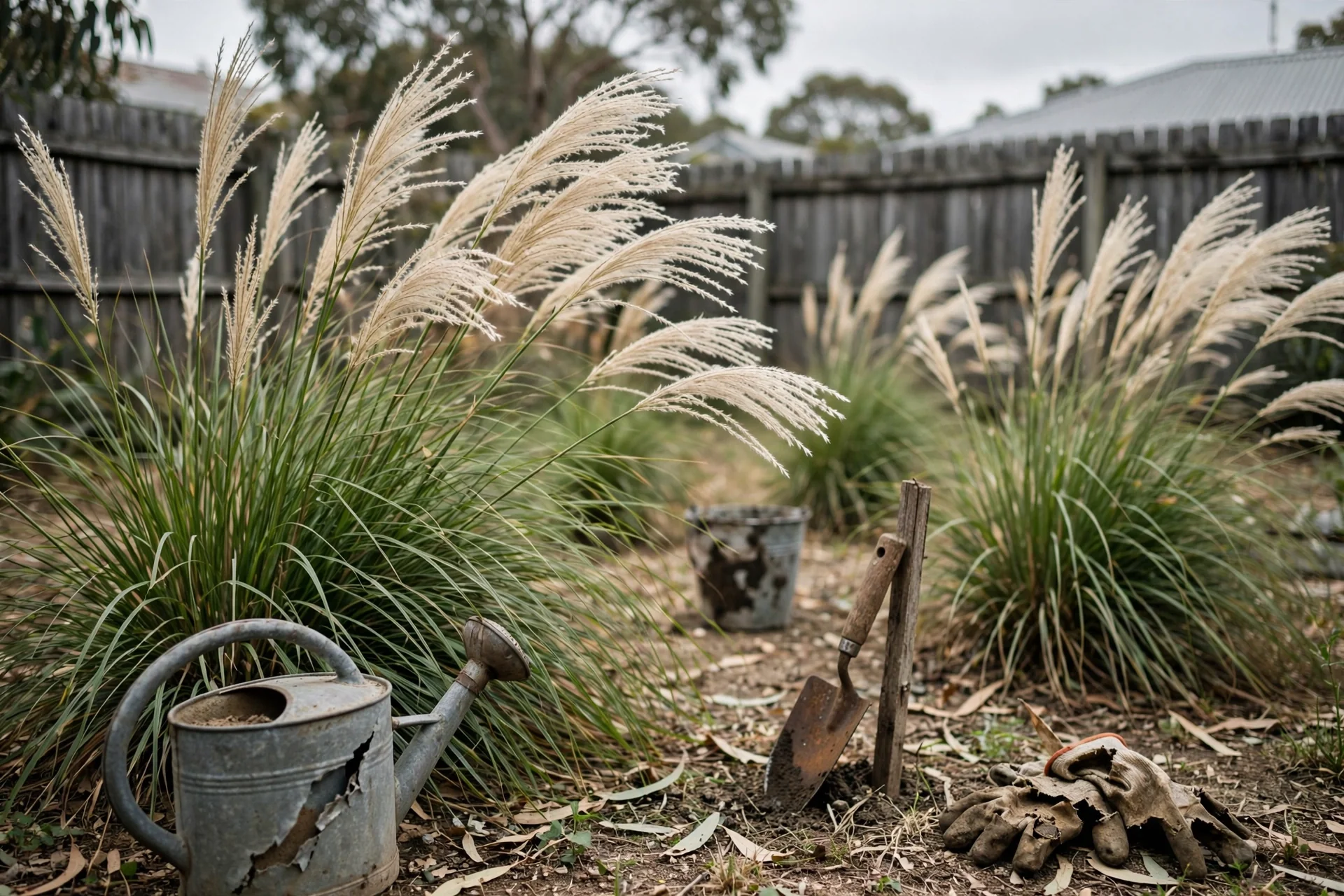
10. Ornamental Grasses (Miscanthus, Panicum, Calamagrostis)
Best for: Branch 3 (high browsing pressure).
What and why: Ornamental grasses contain high levels of silica (silicon dioxide) in their leaf blades. Silica makes the foliage physically abrasive to chew and nutritionally unrewarding. Deer may sample a blade or two but rarely continue feeding on grasses that offer low digestible energy relative to the chewing effort required.
Species selection: Switchgrass (Panicum virgatum) tolerates both drought and periodic flooding, making it reliable across variable conditions. Feather reed grass (Calamazostis x acutiflora ‘Karl Foerster’) provides a narrow, upright form for tight spaces. Miscanthus sinensis forms large clumps suitable for screening. Avoid turf-type grasses, which deer readily consume.
Care workflow: Cut back all old growth to 4 to 6 inches above ground in late winter (February or March in most regions) before new shoots appear. Divide clumps every four to five years when centers thin out. No supplemental watering or fertilization is needed once established.
For strategies to manage other persistent garden visitors, read about raccoon deterrent techniques.
11. Daffodil (Narcissus spp.)
Best for: Branch 3 (high browsing pressure).
Daffodil bulbs and foliage contain lycorine, a toxic alkaloid that causes severe digestive distress in mammals. Deer and rodents both avoid them. Plant bulbs 6 inches deep in fall in well-drained soil under full sun to partial shade. Daffodils naturalize readily in USDA zones 3-8. The one consideration: lycorine toxicity means all plant parts, including cut flowers, should be kept away from pets that might chew them.
For more on protecting your garden from four-legged visitors, see our cat deterrent guide.
Starter Stack (What to Choose First)
Branch 1 Starter: Lavender + Catmint
Combine lavender and catmint along a sunny border edge. Both share identical soil and light requirements: full sun and well-drained, slightly alkaline soil. The overlapping fragrance profiles from camphor (lavender) and nepetalactone (catmint) create a broader aromatic buffer than either plant alone. Expect to spend $25 to $45 for two 1-gallon plants and 1 to 2 hours for initial planting. Maintenance totals roughly 20 minutes per year for a single post-bloom shearing session.
Branch 2 Starter: Yarrow + Ornamental Allium
Plant yarrow as a ground-level bitter barrier with allium bulbs emerging through it at mid-height. Yarrow’s early foliage provides immediate spring protection while allium shoots rise through in April and May, adding sulfur compounds to the defensive mix. Cost runs $20 to $35 for one yarrow plant plus a bag of 10 to 15 allium bulbs. Planting takes about 90 minutes. Both species return yearly with zero replanting.
Branch 3 Starter: Boxwood + Daffodils
Use boxwood as a structural evergreen anchor with a ring of daffodils planted around its drip line. The boxwood provides year-round alkaloid-based protection while daffodils add a toxic spring barrier during the peak browsing season. Two 1-gallon boxwood shrubs and 25 daffodil bulbs cost roughly $50 to $80. Initial planting requires 3 to 4 hours. Ongoing care: annual boxwood shaping in late spring and allowing daffodil foliage to die back naturally for 6 weeks after bloom.
When This Won’t Work
Condition 1: Prolonged drought reduces wild forage. During a drought lasting 6 weeks or longer, native vegetation dries out and becomes unpalatable. Deer shift feeding to irrigated garden plants. Under these conditions, even Branch 3 plants may be sampled. The alternative: temporarily apply a scent-based repellent such as an egg-and-soap spray on the most valuable plants until rainfall returns and wild forage recovers.
Condition 2: Deer population exceeds the habitat carrying capacity. When white-tailed deer density rises above roughly 20 to 25 animals per square mile, natural food sources are exhausted and deer browse everything, including plants with toxic compounds. In these situations, no plant selection strategy alone is sufficient. The alternative: install a physical barrier. A fence 8 feet tall or a double-fence system with 4 feet between parallel fences is the only reliable solution at extreme densities.
For additional physical deterrent strategies that work alongside plant selection, see our guide on deterrent methods.
Choosing the Right Option for Your Situation
Budget threshold
If your plant budget is under $50, focus entirely on Branch 1 plants. Lavender, catmint, and Russian sage provide the most deer resistance per dollar because they establish quickly and spread over time. Daffodil bulbs (Branch 3) are also cost-effective at roughly $0.50 to $1.00 per bulb. Avoid boxwood at this budget level; individual shrubs run $20 to $35 each and require multiple plants for visual impact.
Time threshold
If you can dedicate no more than 2 hours per month to garden maintenance, choose plants with an Effort Score of 2 or lower: catmint, lamb’s ear, yarrow, allium, barrenwort, ornamental grasses, and daffodils. Lavender (Effort Score 2) fits here as well. Rosemary (Effort Score 3) demands more attention to soil moisture monitoring and winter protection in cold zones, and boxwood (Effort Score 3) needs consistent pruning to maintain density and disease resistance.
USDA zone constraint
Match plants to your hardiness zone before considering deer resistance. Rosemary will not survive winter in zones 6 and below unless container-grown and brought indoors. Boxwood struggles in zone 9 and above due to heat stress and nematode pressure. Allium bulbs require a cold period of 8 to 10 weeks below 45 degrees Fahrenheit to initiate flowering, which makes them unreliable in zones 9b and warmer. Check your USDA zone at planthardiness.ars.usda.gov before purchasing.
Quick yes/no checklist:
- Have you observed deer on your property more than twice in the past week? If yes, start at Branch 2 or 3.
- Is your soil heavy clay that stays wet after rain? If yes, avoid lavender and rosemary.
- Do deer in your area have a visible browse line on trees at roughly 4 to 5 feet? If yes, only Branch 3 plants apply.
- Is your garden deeper than 30 feet from a woodland edge? If yes, consider adding physical barriers alongside plants.
Expert Q&A
Will deer eat deer-resistant plants if they are hungry enough?
Yes. Deer resistance is a measure of preference, not immunity. When natural forage is depleted during drought, heavy snow cover, or overpopulation, deer will sample and consume plants they normally avoid. The threshold at which this shift occurs depends on local deer density and available alternative food sources.
Does planting marigolds as a border actually keep deer out of a garden?
No single plant species creates a reliable perimeter barrier against deer. Marigolds contain pyrethrins that deter some insects, but deer will walk through or over them to reach preferred food. A buffer planting works only when it uses dense, tall, and genuinely unpalatable species across a depth of at least 3 to 5 feet.
Are native plants systematically more deer-resistant than non-native ornamentals?
Not systematically. Some native plants co-evolved with deer and developed chemical or physical defenses, while others are highly palatable. Conversely, many non-native ornamentals from regions without deer (such as certain Mediterranean species) lack any defensive traits. Evaluate each species individually by its specific deterrent mechanism, not its origin.
How can I determine my property’s deer pressure level before buying plants?
Conduct a one-week observation period during spring (April or May in the Northern Hemisphere). Visit the garden at sunrise and sunset for 10 minutes each session. Count total deer sightings and look for hoof prints, pellet droppings, and browse damage on existing plants. Seven or more sightings in a week indicates high pressure (Branch 3).
Can I protect hostas and other vulnerable plants by surrounding them with deer-resistant species?
Interplanting provides mild protection but is not a reliable standalone strategy. Deer navigate through aromatic or textured plants to reach preferred food if the reward is sufficient. The most effective approach positions vulnerable plants within 5 to 10 feet of the house foundation or behind a physical barrier, with resistant plants used as an outer layer.
Conclusion
The decision that matters most is matching your plant selection to your real browsing pressure, not to a generic label on a nursery tag. The number one mistake gardeners make is purchasing plants rated “deer resistant” without first measuring how many deer actually visit the property. A Branch 1 plant placed in a Branch 3 zone will fail, and that failure is a mismatch, not a plant problem.
Start by spending one week observing deer activity at dawn and dusk. Then choose your starter stack from the matching branch above. For additional protection strategies that complement plant selection, read our guide on safe pest control for pets.