
Most beneficial insect guides start with the bug and then list what it eats. This one starts with the pest you already have and works backward. The distinction matters because releasing ladybugs when aphids are absent wastes money, and installing a pollinator strip when your real problem is soil-dwelling grubs misses the target entirely. This article uses a pest-forward decision framework: identify the pest, match the enemy, then verify that your garden conditions can sustain it.
We cover predatory insects, parasitoid wasps and flies, and predatory mites that attack common garden pests: aphids, caterpillars, thrips, whiteflies, spider mites, scale, mealybugs, soil-dwelling larvae, slugs, and more. Pollinators are excluded, except where a species performs both pollination and predation. The focus is on insects you can actively attract, purchase, or conserve with measurable actions, not passive biodiversity theory.
You will finish with a clear answer to three questions: Which beneficial insect matches the pest you are currently fighting? Should you attract it with plants, buy and release it, or simply stop killing it with broad-spectrum sprays? And under what temperature, humidity, and timing conditions does it actually succeed?
Bottom line: Skip the generalist ladybug release until you know exactly which pest you are targeting and whether your garden meets that insect’s minimum establishment threshold.
The Yield Grid Decision Grid
Choose your path based on what you can measure right now.
Branch 1: You have a visible, identified pest outbreak right now. Pest density exceeds your damage tolerance. You need a predator or parasitoid that targets that specific pest and can be deployed within the current temperature and photoperiod window. This branch prioritizes speed and specificity over long-term establishment. Recommended: Items 1, 2, 3, 4 below.
Branch 2: You want to prevent recurring pest problems by building a resident beneficial insect population. You are not currently in crisis. You are willing to invest in plant diversity, reduce pesticide use, and wait one to two seasons for results. This branch prioritizes habitat engineering and overwintering sites. Recommended: Items 5, 6, 7, 8 below.
Branch 3: You have a greenhouse, hoophouse, or indoor grow environment. Confined space with elevated humidity, controlled temperatures, and year-round pest pressure. You need biocontrol agents that reproduce under cover without requiring wind pollination or seasonal diapause. Recommended: Items 9, 10, 11, 12 below. For more on greenhouse-specific strategies, see our greenhouse pest control guide.
Quick Comparison Table
| Option | Key Mechanism | Best For | Decision Grid Branch | Effort Score (1–5) |
|---|---|---|---|---|
| Green Lacewing Larvae | Voracious larval predation | Aphids, thrips, whiteflies, moth eggs | Branch 1 | 3 |
| Parasitoid Wasps (Trichogramma) | Egg parasitism | Caterpillar and moth eggs | Branch 1 | 3 |
| Predatory Mites (Phytoseiulus persimilis) | Active hunting on leaf undersides | Two-spotted spider mites | Branch 1 | 4 |
| Lady Beetles (Ladybugs) | Generalist predation, adults and larvae | Aphids, soft-bodied pests | Branch 1 | 4 |
| Hoverfly (Syrphid Fly) Larvae | Larval aphid predation; adult pollination | Established aphid colonies | Branch 2 | 1 |
| Ground Beetles (Carabidae) | Nocturnal soil-surface predation | Slugs, cutworms, root maggots | Branch 2 | 1 |
| Soldier Beetles (Cantharidae) | Adult pollen-feeding plus larval soil predation | Grasshopper eggs, cucumber beetles | Branch 2 | 1 |
| Minute Pirate Bugs (Orius) | Aggressive generalist predation, all life stages | Thrips, spider mites, aphids | Branch 2 | 2 |
| Encarsia formosa (Parasitoid Wasp) | Host-specific parasitism | Greenhouse whitefly | Branch 3 | 3 |
| Dalotia coriaria (Rove Beetle) | Soil-surface and compost predation | Fungus gnat larvae, shore flies | Branch 3 | 3 |
| Stratiolaelaps scimitus (Predatory Mite) | Soil-dwelling predation | Fungus gnat larvae, thrips pupae | Branch 3 | 2 |
| Aphidius colemani (Parasitoid Wasp) | Aphid-specific parasitism | Greenhouse aphid colonies | Branch 3 | 3 |
1. Green Lacewing Larvae (The Precision Strike)
Best for: Branch 1.
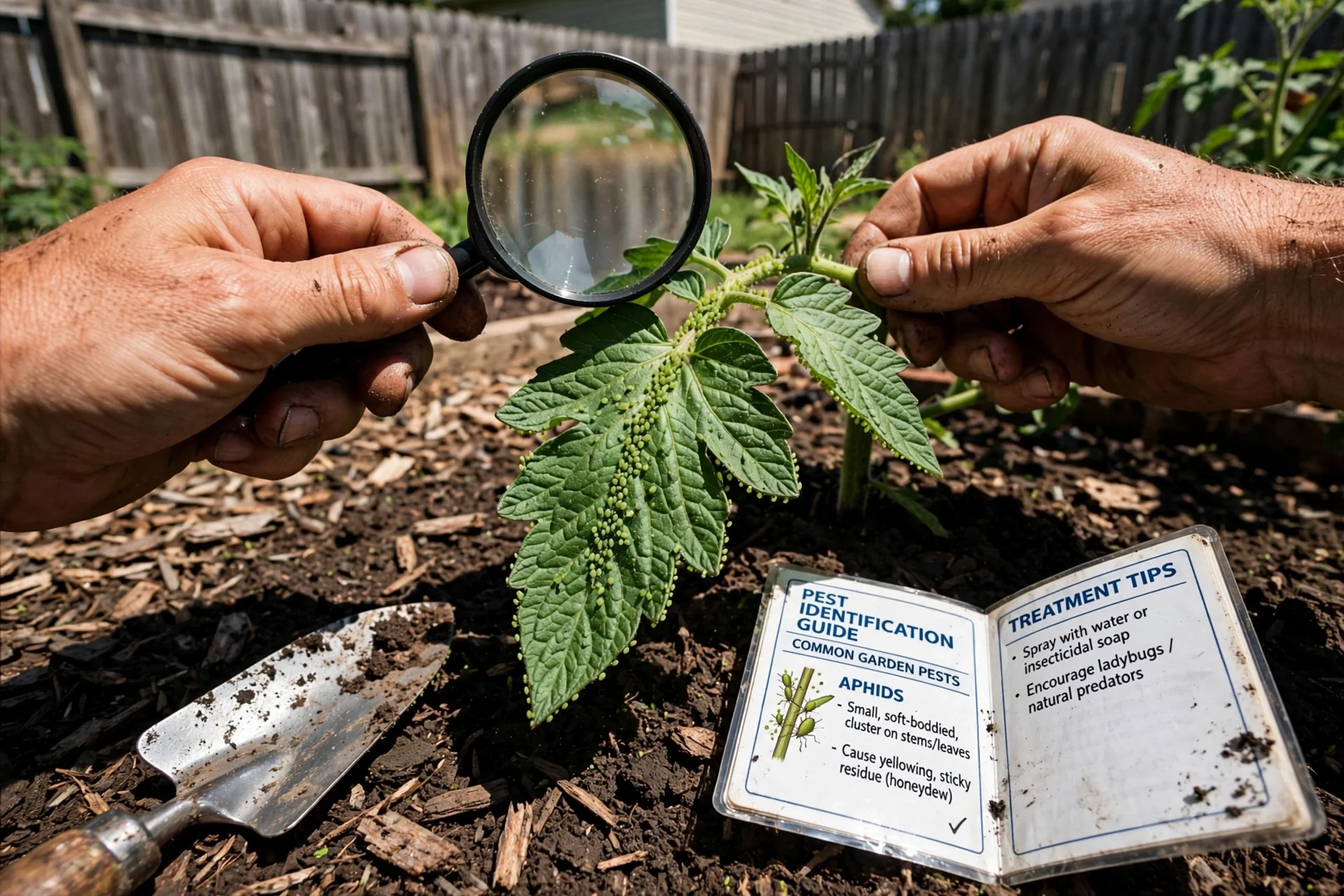
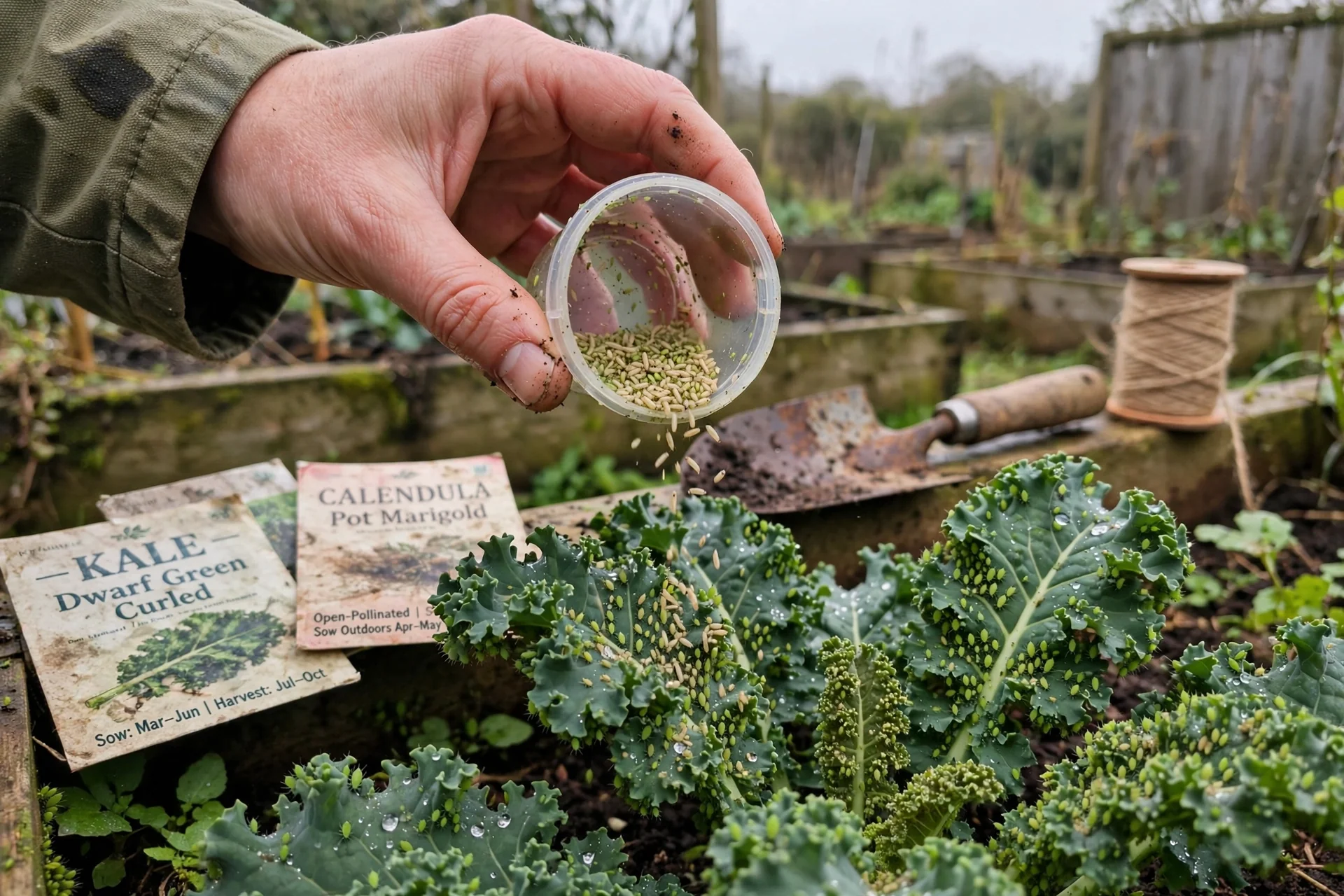
What it does: Green lacewing larvae (Chrysoperla carnea) are obligate predators with piercing-sucking mouthparts that inject digestive enzymes into prey, then consume the liquefied contents. A single larva can consume 100 to 200 aphids during its two-to-three-week larval stage. They also feed on thrips, whitefly nymphs, spider mites, and lepidopteran eggs.
When to use it: Release larvae when daytime temperatures are between 18°C and 32°C (64°F to 90°F) and when aphid or thrips colonies are visible on leaf undersides. Apply at dusk to reduce UV exposure. Do not release if you applied insecticidal soap within 48 hours; residues on foliage kill larvae on contact.
Release steps: Order eggs or larvae from a commercial insectary. If eggs, distribute in paper cups suspended in plants, away from direct sun. If larvae, sprinkle the carrier material directly onto infested leaves. Water the foliage lightly before release to provide drinking moisture. For heavy infestations, plan a second release 10 days later.
A common mistake: Releasing lacewing eggs when ant populations are high. Ants farm aphids for honeydew and will aggressively remove lacewing eggs from plants. Control ants with sticky barriers on plant stems before releasing lacewings. If you are also managing aphids directly, review our aphid control options for integrated strategies.
2. Trichogramma Parasitoid Wasps (The Egg Destroyer)
Best for: Branch 1.
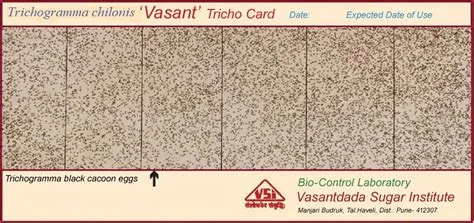
Trichogramma wasps measure under 0.5 mm and parasitize the eggs of over 200 moth and butterfly species. The female wasp lays her own eggs inside a host egg, which darkens and fails to hatch. Release Trichogramma when you observe adult moths flying or when you find egg masses on leaf undersides. Timing is everything: release too late, and larvae have already emerged. Use Trichogramma cards hung at canopy height; one card treats approximately 50 square feet. For caterpillar pests that have already hatched, see our Bt for caterpillars guide.
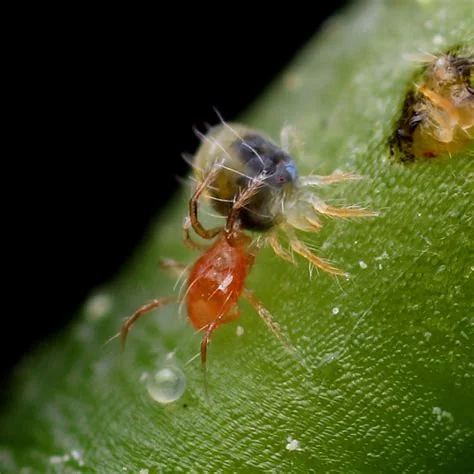
3. Predatory Mites (Phytoseiulus persimilis) (The Specialist)
Best for: Branch 1.
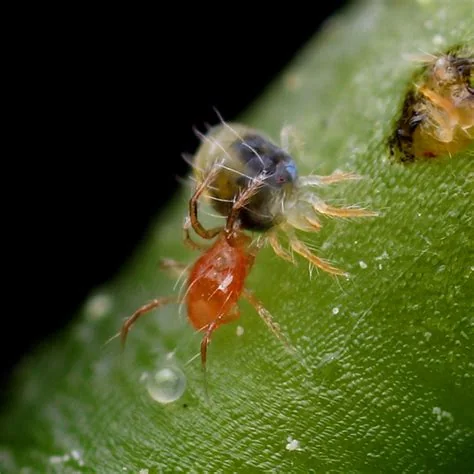
Phytoseiulus persimilis is a specialist predator of two-spotted spider mites (Tetranychus urticae). It does not survive on alternative prey, so release it only when spider mites are confirmed. These mites move faster than their prey, locate colonies by following webbing and odor cues, and consume all life stages of pest mites.
Threshold rule: Release at a rate of 1 predator per 10 pest mites for moderate infestations, or 1:5 for heavy webbing. Optimal conditions: 20°C to 28°C (68°F to 82°F) with relative humidity above 60 percent. Below 50 percent humidity, Persimilis eggs desiccate and fail to hatch. If your humidity is too low for Persimilis, switch to Neoseiulus californicus, which tolerates humidity as low as 40 percent but feeds more slowly. For broader spider mite management, check our spider mites control guide.
4. Lady Beetles (Hippodamia convergens) (The Popular but Problematic Choice)
Best for: Branch 1.
Use vs. Skip: Lady beetles are the most recognized beneficial insect, but they are also the most misused. Wild-collected Hippodamia convergens adults are harvested from overwintering aggregations in California and shipped dormant. Upon release, a large fraction disperse within 48 hours if food is insufficient or if they have not been properly acclimated.
Pros: Adults and larvae consume aphids, mealybugs, whiteflies, and insect eggs. They are widely available and inexpensive. Cons: High dispersal rate in garden settings; wild-collected beetles may carry parasites; releases often fail when aphid density is low.
Edge case that matters: Lady beetles perform best in enclosed spaces such as greenhouses or under fine-mesh netting where dispersal is blocked. In open gardens, pre-water the release area, apply at dusk, and release in batches of 500 to 1,000 over multiple evenings rather than all at once.
5. Hoverfly (Syrphid Fly) Larvae (The Double Agent)
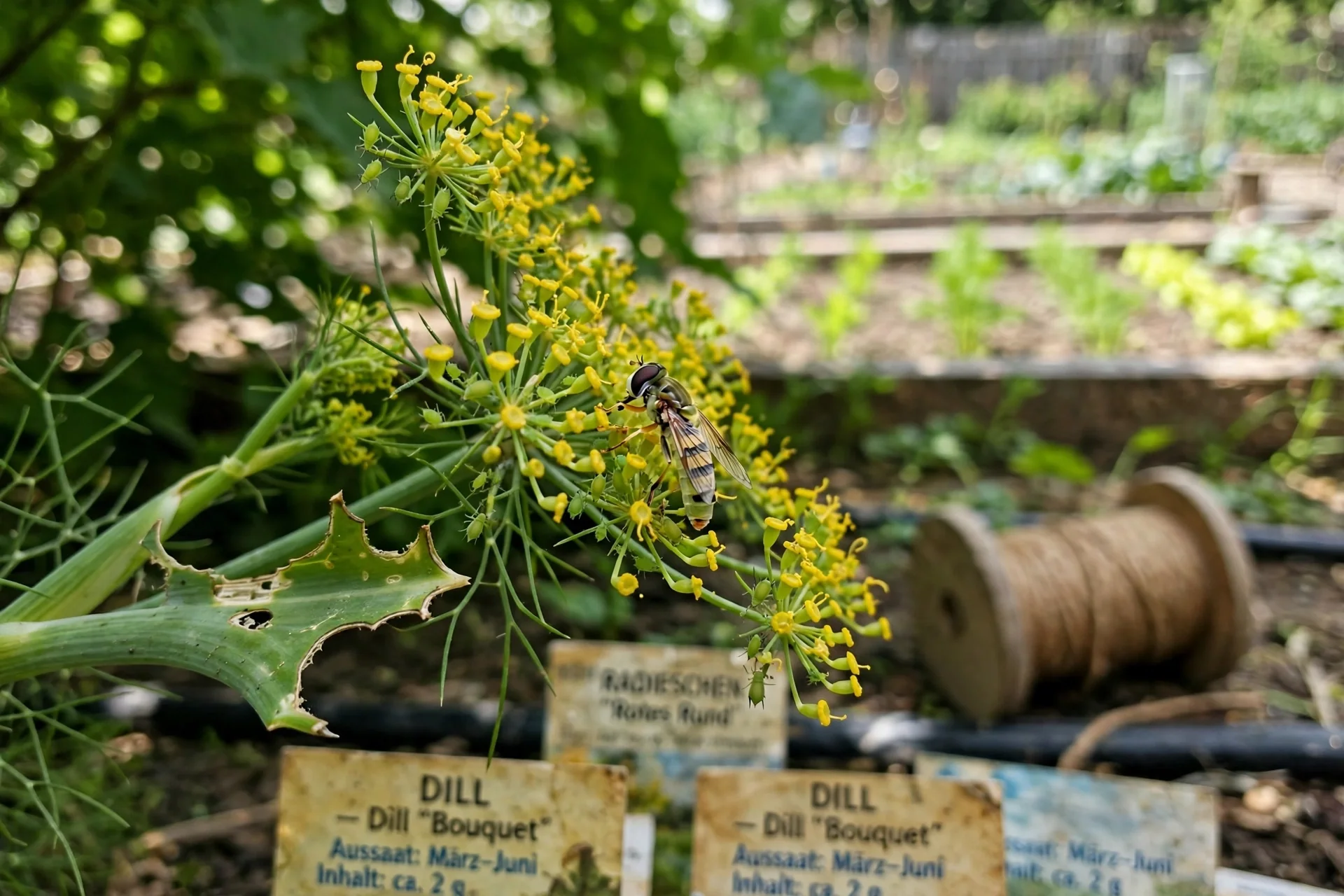
Best for: Branch 2.
Adult hoverflies are pollinators that feed on nectar and pollen from open-faced flowers, especially umbellifers (dill, fennel, cilantro allowed to flower). The real pest control comes from their larvae: legless maggots that slide across leaf surfaces and consume aphids by the dozens. Unlike lady beetles, hoverflies do not disperse far from their emergence site, and their larvae are blind hunters that stay on the same plant.
Establishment threshold: You need a continuous nectar source from early spring through late autumn. Plant sweet alyssum, buckwheat, and Phacelia tanacetifolia in succession. Avoid broad-spectrum insecticides entirely during flowering periods. If adjacent properties spray heavily, hoverfly recruitment drops sharply. For plants that support beneficial insect populations, explore our companion planting for pests guide.
6. Ground Beetles (Carabidae) (The Night Patrol)
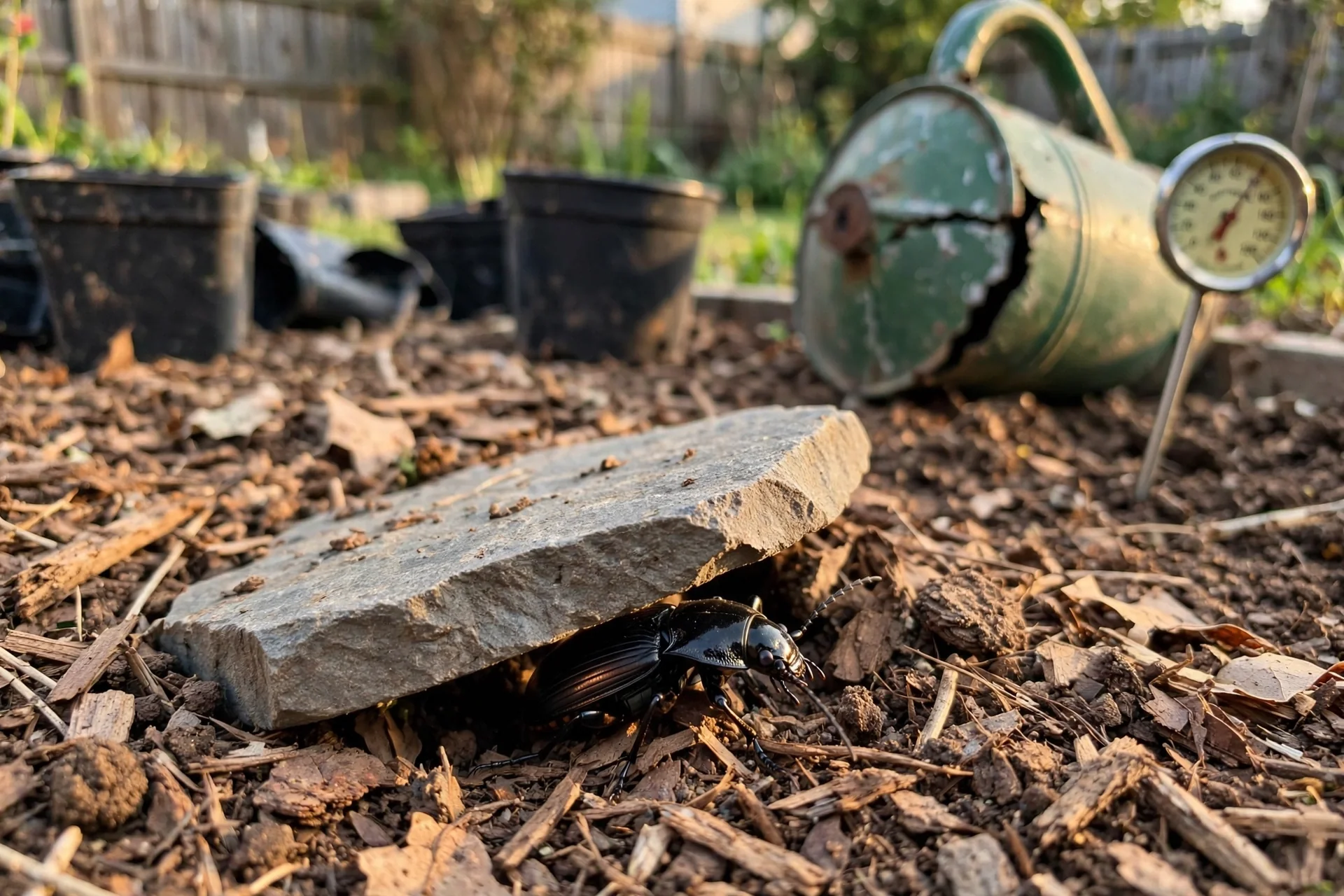
Best for: Branch 2.
Ground beetles hunt at night across the soil surface, consuming slug eggs, cutworms, root maggots, and Colorado potato beetle larvae. They require permanent shelter: flat stones, dense groundcover, leaf litter, or perennial grass tufts where they hide during daylight hours. The single most effective action is leaving a strip of unmowed, untilled perennial vegetation adjacent to vegetable beds. Ground beetles will colonize it within one season if nocturnal prey is present.
7. Soldier Beetles (Cantharidae) (The Pollinator-Predator)
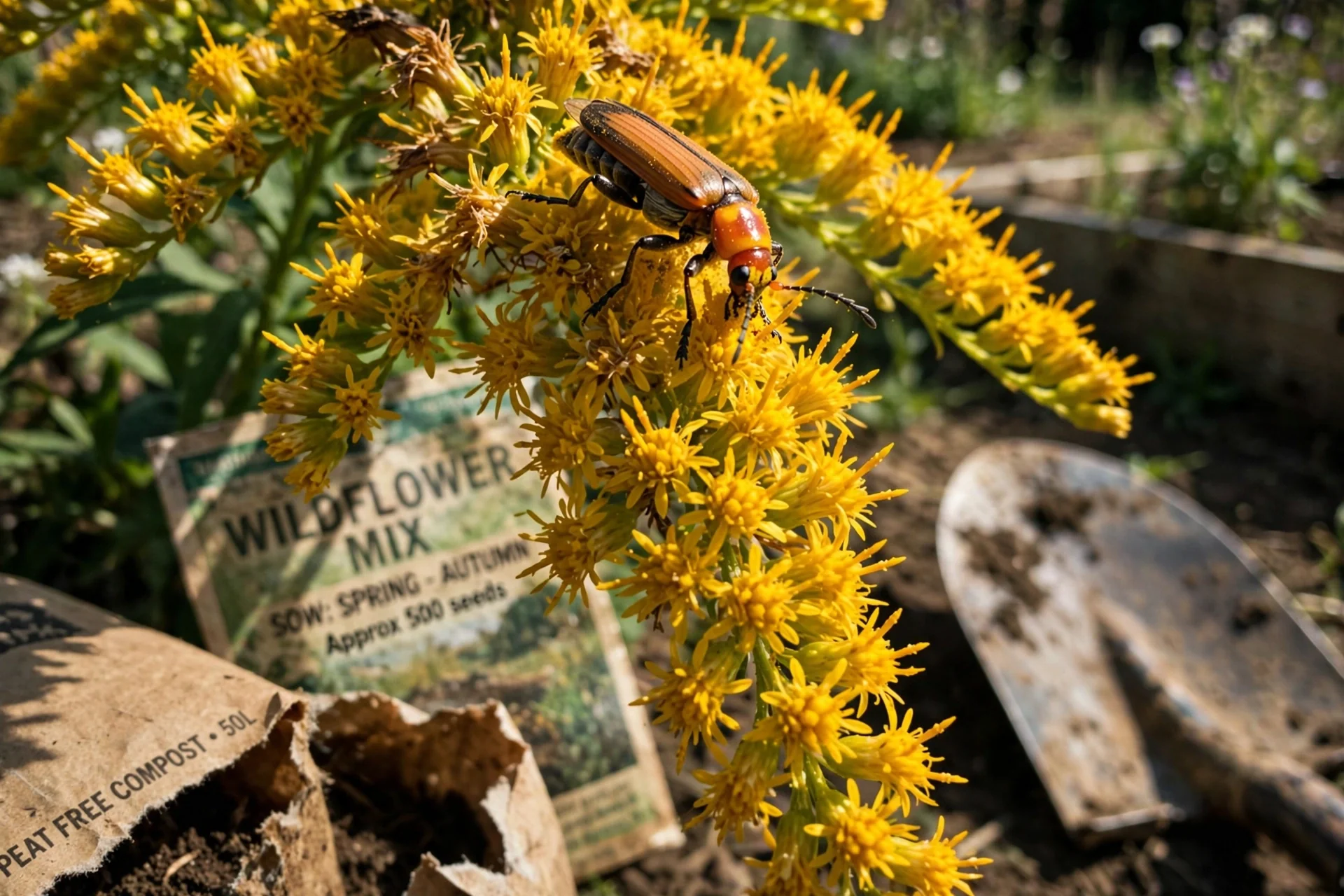
Best for: Branch 2.
Adult soldier beetles, often called leatherwings, resemble fireflies without the light. They feed primarily on nectar and pollen from composite flowers (goldenrod, zinnia, sunflower) and are weak fliers that stay close to their floral food source. Their larvae develop in undisturbed soil where they prey on grasshopper eggs, corn rootworm eggs, and cucumber beetle larvae. This dual role makes them uniquely valuable in gardens that border lawns or pasture where grasshoppers overwinter.
Threshold that matters: Soldier beetle larval survival depends on soil that is not rototilled in autumn. Fall tillage destroys larval chambers and reduces adult emergence the following spring. If your pest profile includes cucumber beetles or grasshoppers, maintaining a no-till strip of flowering perennials alongside crop rows provides both adult forage and larval habitat in one zone. For cucumber beetle management, see our cucumber beetle control guide.
8. Minute Pirate Bugs (Orius insidiosus) (The Overachiever)
Best for: Branch 2.
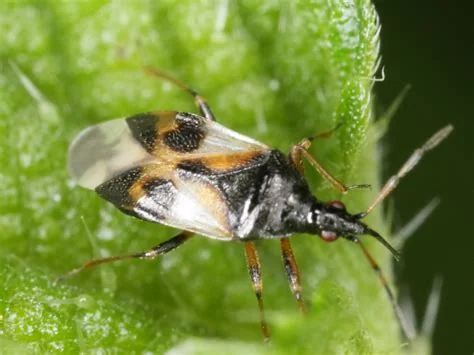
Orius are tiny but aggressive predators that attack thrips, spider mites, aphids, and moth eggs. They require a minimum of 12 hours of daylight to remain active and reproduce. Orius populations establish readily on pollen-producing plants like corn tassels, ornamental grasses, and members of the aster family. They overwinter in leaf litter, so leaving garden cleanup until spring preserves their population.
9. Encarsia formosa (The Whitefly Specialist)
Best for: Branch 3.
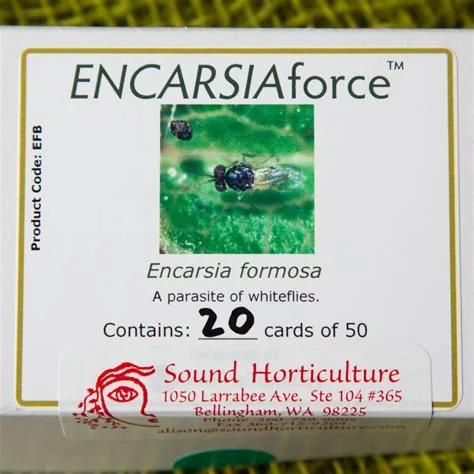
Encarsia formosa is a 0.6 mm parasitoid wasp that lays eggs inside greenhouse whitefly (Trialeurodes vaporariorum) nymphs. Parasitized nymphs turn black, making monitoring straightforward. Encarsia requires a minimum greenhouse temperature of 18°C (64°F) and performs best at 21°C to 26°C (70°F to 79°F). Below 18°C, parasitization activity slows and whitefly populations can outpace wasp reproduction.
Release protocol: Introduce Encarsia at the first sign of whitefly adults on yellow sticky traps. Apply at a rate of 1 to 5 wasps per square foot weekly for four weeks. Use hanging cards rather than loose material to protect pupae from ants. If whitefly pressure is already heavy, apply insecticidal soap one week before the first release to knock down adults, then introduce Encarsia after residues have dried.
10. Dalotia coriaria (Rove Beetle) (The Soil Cleanup Crew)
Best for: Branch 3.
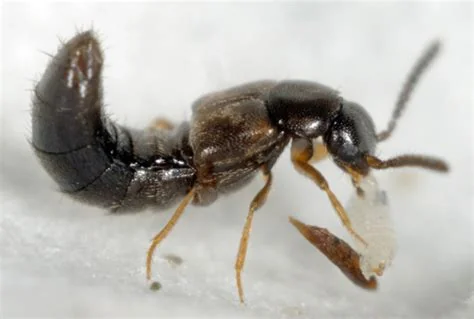
Dalotia coriaria is a small, fast-moving rove beetle that patrols the soil surface, compost, and growing media, consuming fungus gnat larvae, shore fly eggs, and thrips pupae that drop to the ground. Unlike Stratiolaelaps mites, which stay in the top inch of media, Dalotia adults fly short distances between pots and trays, redistributing themselves across a greenhouse bench.
Establishment condition: Dalotia requires moist growing media. If the top half-inch of soil dries completely between irrigations, beetle populations crash. Maintain consistent soil moisture in at least a portion of each bench to act as a beetle reservoir. Apply at a rate of 5 to 10 beetles per square foot at the start of the crop cycle, before fungus gnat adults appear on sticky cards. Do not apply diatomaceous earth to soil surfaces where Dalotia is active, as the abrasive dust damages their exoskeleton.
11. Stratiolaelaps scimitus (The Soil Mite)
Best for: Branch 3.
This predatory mite lives in the top layer of potting media and feeds on fungus gnat larvae, thrips pupae, and root aphid nymphs. It tolerates a wide temperature range (12°C to 32°C) and establishes readily in peat-based and coir-based mixes. Apply once at the beginning of the crop cycle at a rate of 100 mites per square foot of growing surface. Stratiolaelaps is a set-and-forget solution, but it fails if the media is treated with systemic insecticides prior to introduction.
12. Aphidius colemani (The Greenhouse Aphid Parasitoid)
Best for: Branch 3.
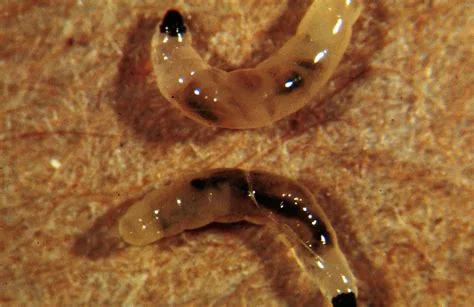
Aphidius colemani targets small aphid species, including the green peach aphid (Myzus persicae) and cotton aphid (Aphis gossypii). The female wasp stings an aphid and deposits a single egg; the larva consumes the aphid from within, leaving a golden-brown mummified husk. These mummies are the easiest way to confirm parasitism is working.
Failure point: Aphidius is sensitive to hyperparasitoids, small wasps that parasitize Aphidius larvae inside aphid mummies. In greenhouses with open vents lacking fine-mesh screening, hyperparasitoids can enter and collapse the Aphidius population. Install insect exclusion mesh with openings no larger than 0.6 mm on all vents. Release Aphidius preventatively at 0.5 wasps per square foot weekly, starting when daytime temperatures exceed 15°C (59°F) consistently.
Starter Stack (What to Choose First)
Branch 1: Emergency Outbreak Stack
Start with Green Lacewing Larvae (Item 1) for broad-spectrum knockdown of aphids, thrips, and moth eggs, paired with Trichogramma Wasps (Item 2) if you see moth eggs or adult moths. Synergy: lacewing larvae handle hatched pests and soft-bodied insects while Trichogramma intercepts the next generation at the egg stage. If the outbreak is purely spider mites, swap Trichogramma for Predatory Mites (Item 3). Estimated cost: US$25 to US$60 for a small garden (<500 sq ft), depending on pest density. Time to visible results: 7 to 14 days.
Branch 2: Resident Population Stack
Begin with Hoverfly Larvae (Item 5) by planting sweet alyssum and dill in succession, plus Ground Beetles (Item 6) by installing permanent flagstone or mulch shelter strips. Synergy: hoverflies attack aphids on foliage while ground beetles intercept soil-stage pests at night, covering two feeding zones without competition. This stack requires no purchased insects after the initial plantings. Estimated cost: US$15 to US$30 for seeds and flagstone. Time to visible recruitment: one full growing season.
Branch 3: Greenhouse Core Stack
Deploy Stratiolaelaps scimitus (Item 11) in all growing media at planting for soil-stage pest control, combined with Encarsia formosa (Item 9) on hanging cards as soon as yellow sticky traps catch the first whitefly adult. Synergy: one agent covers the root zone and media surface; the other patrols the canopy. Together they address the two most common greenhouse pest entry points. Estimated cost: US$40 to US$80 for a 10-foot by 12-foot greenhouse, depending on supplier. Time to visible control: 2 to 4 weeks.
When This Won’t Work
Failure Condition 1: Pesticide residue exceeds beneficial tolerance thresholds. Many beneficial insects are more sensitive to insecticides than the pests they target. If you have applied a broad-spectrum insecticide with residual activity (notably synthetic pyrethroids or neonicotinoids) within the past 30 days in an open garden or 14 days in a greenhouse, wait until residues degrade before releasing beneficials. In the interim, use mechanical controls (hand-removal, water spray, sticky traps) to suppress pest buildup.
Failure Condition 2: Environmental conditions are outside the beneficial’s operating range. Releasing Phytoseiulus persimilis in a greenhouse with afternoon humidity below 50 percent will result in egg desiccation and failure. Releasing Orius in a greenhouse with fewer than 12 hours of daylight per day (winter without supplemental lighting) will result in reproductive diapause. In both cases, the alternative is to adjust the environment first: increase humidity with misting or floor wetting for Persimilis; add supplemental lighting to achieve a 14-hour photoperiod for Orius.
If adjusting the environment is not feasible, switch to a hardier beneficial species, or revert to targeted, short-residual chemical controls such as horticultural oil applied during dormant or low-light periods to minimize impact on surviving beneficial populations.
Choosing the Right Option for Your Situation
Budget Threshold
If your annual pest control budget is under US$50, skip purchased beneficials entirely and invest entirely in Branch 2 habitat-building. A packet of sweet alyssum seed and a pledge to stop fall garden cleanup costs less than a single lacewing shipment and builds self-sustaining populations. If your budget exceeds US$100 per season, Branch 1 and Branch 3 purchased releases become cost-competitive with repeated organic spray applications.
Time Threshold
If you need pest suppression within 7 days, choose Branch 1 purchased releases only. Habitat-based approaches (Branch 2) take 6 to 18 months to reach functional predator densities. If you have a full season to prepare, combine Branch 2 habitat establishment with a single early-season purchased release to jump-start populations.
Technical Constraint: Ant Presence
Ants actively defend aphid and mealybug colonies against predators and parasitoids. If you observe ant trails on infested plants, address the ant problem before any beneficial release. Apply sticky barriers to plant stems and reduce ant nesting sites near crop areas. Failure to control ants is a leading cause of beneficial insect failure that no amount of additional release volume can overcome.
Yes/No Checklist:
1. Have you identified the exact pest species present? (Yes = proceed; No = identify first using a hand lens.)
2. Is your daytime temperature within the beneficial’s activity range for the next 10 days? (Yes = proceed; No = wait or choose a wider-range species.)
3. Have you stopped all broad-spectrum insecticide applications for at least 14 days? (Yes = proceed; No = wait.)
4. Do you have a nectar source or supplemental food available if using Branch 2? (Yes = proceed; No = plant first.)
Expert Q&A
Can I release multiple beneficial insect species at the same time?
Yes, and in many cases it is recommended. For example, releasing Stratiolaelaps mites in soil simultaneously with Encarsia in the canopy addresses two pest zones without competition. However, avoid pairing generalist predators that eat each other. Orius will consume Aphidius mummies if both are released at high density in the same confined space.
Why do my purchased ladybugs all fly away within two days?
Wild-collected lady beetles are harvested while in reproductive diapause and have a strong dispersal instinct upon warming. Pre-water the release area heavily at dusk, release at the base of infested plants, and use a fine-mesh row cover to contain them for 48 hours. Even then, expect significant loss in open gardens.
How do I know if parasitoid wasps are actually working?
Look for mummified aphids (golden-brown, swollen husks) for Aphidius species. For Trichogramma, check host eggs: parasitized moth eggs turn black or dark brown within three to five days, while healthy eggs remain pale. For Encarsia, parasitized whitefly nymphs turn black. If no mummies or darkened hosts appear after two weeks, parasitism has failed.
Do beneficial insects survive winter in cold climates?
Many do, but they require specific overwintering sites. Lacewings overwinter as adults in leaf litter and unheated structures. Ground beetles burrow below the frost line in undisturbed soil. Parasitoid wasps overwinter as larvae inside host mummies attached to plant stems. The consistent mistake is fall garden cleanup that removes these sites before spring emergence.
Can I use neem oil and still maintain beneficial insect populations?
Neem oil is non-selective on contact and will kill beneficial insects if sprayed directly. However, its residue degrades rapidly in sunlight (within 24 to 48 hours on dry foliage). Apply neem at dusk when beneficials are less active, target only infested plants, and wait at least 48 hours before releasing any purchased beneficials into treated areas.
Conclusion
The pest-first approach changes everything: instead of buying a bag of ladybugs and hoping, you match a specific natural enemy to a confirmed pest under conditions where that enemy can feed and reproduce. The number one mistake is releasing beneficial insects into an environment that still carries pesticide residues or lacks the minimum temperature, humidity, or nectar support the insect requires.
Start by identifying your pest with a hand lens. Then pick the corresponding item from the Decision Grid. If you are managing spider mites specifically, begin with our spider mites control strategies to confirm your diagnosis before ordering predators.