
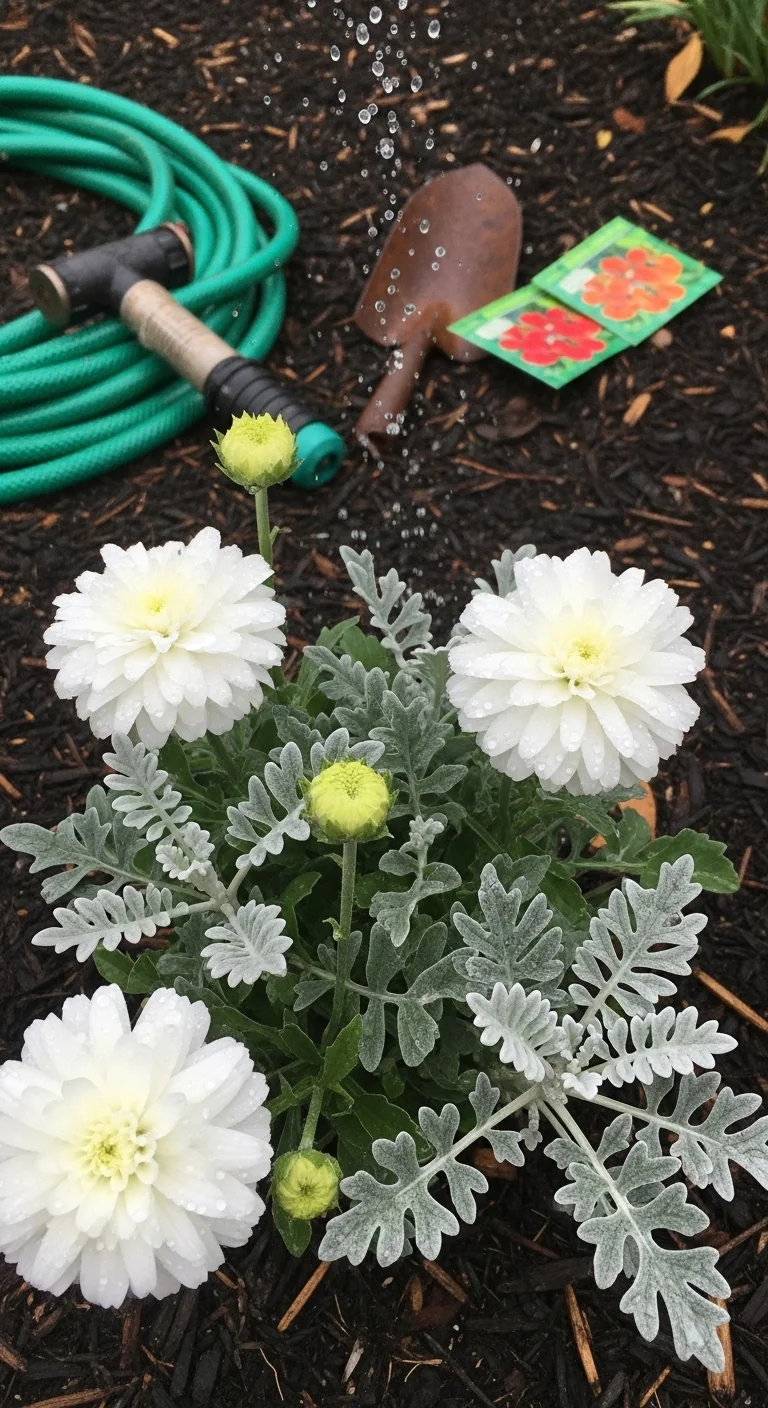
A true moon garden succeeds only when flower selection aligns bloom timing, petal reflectivity, and fragrance release with your site’s actual post-dusk moonlight window and evening temperature drop. Most guides list white flowers without this match, resulting in plants that close before peak moonlight or lose scent in still air.
This listicle covers only flower choices proven to perform after dark through documented mechanisms such as nocturnal opening or high-albedo foliage. It excludes hardscaping, artificial lighting, and non-flower elements.
You will finish with a shortlist of two to three flowers matched to your conditions, ready for immediate planting decisions in USDA zones 5 through 9 or equivalent temperate climates in the US, UK, Canada, and Australia.
Use the decision grid below to select flowers that deliver visible reflection and carry scent from dusk onward in your specific space.
The Yield Grid Decision Grid
Branch 1: High-visibility moonlight sites. Clear southern sky access with at least four hours of direct moonlight after dusk and open bed exposure. Recommended: Items 1, 4, and 7 below. For full white flower selection across seasons, see the white garden flowers guide.
Branch 2: Scent-dominant evening gardens. Temperature drop of at least 10 F (5.5 C) by 8 pm with good air movement for fragrance carry. Recommended: Items 2, 5, and 8 below.
Branch 3: Compact or container moon gardens. Space under 80 square feet or potted setups with vertical or filler options. Recommended: Items 3, 6, and 9 below.
Quick Comparison Table
| Option | Key mechanism | Best for | Decision Grid Branch | Effort Score (1-5) |
|---|---|---|---|---|
| White Peonies | Large white petals with high surface reflectivity in spring bloom window | Early-season structure | 1 | 2 |
| Lavender | Silver foliage and volatile oils released on evening temperature drop | Layered herbal scent | 2 | 2 |
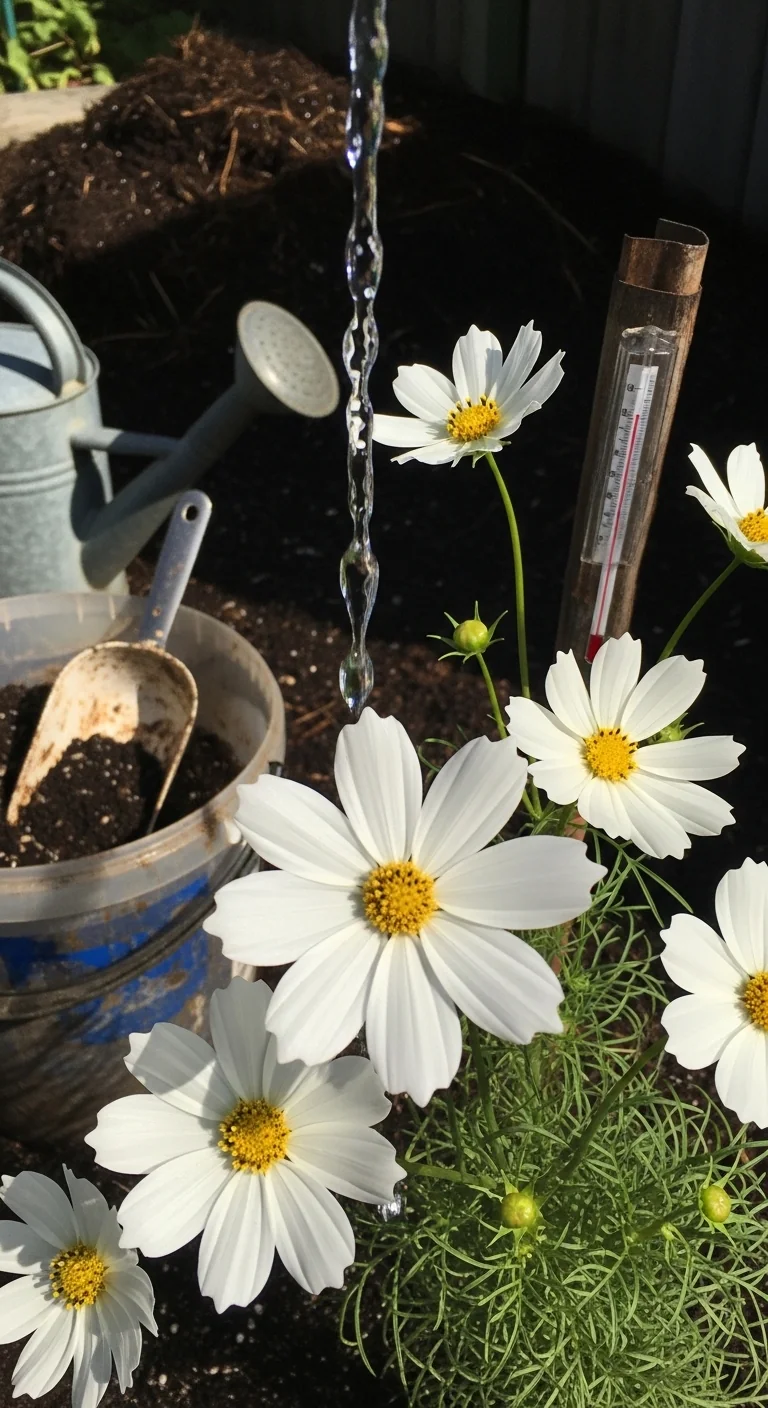
| White Cosmos | Simple white daisy blooms that stay open into early night in small beds | Quick filler in limited space | 3 | 3 |
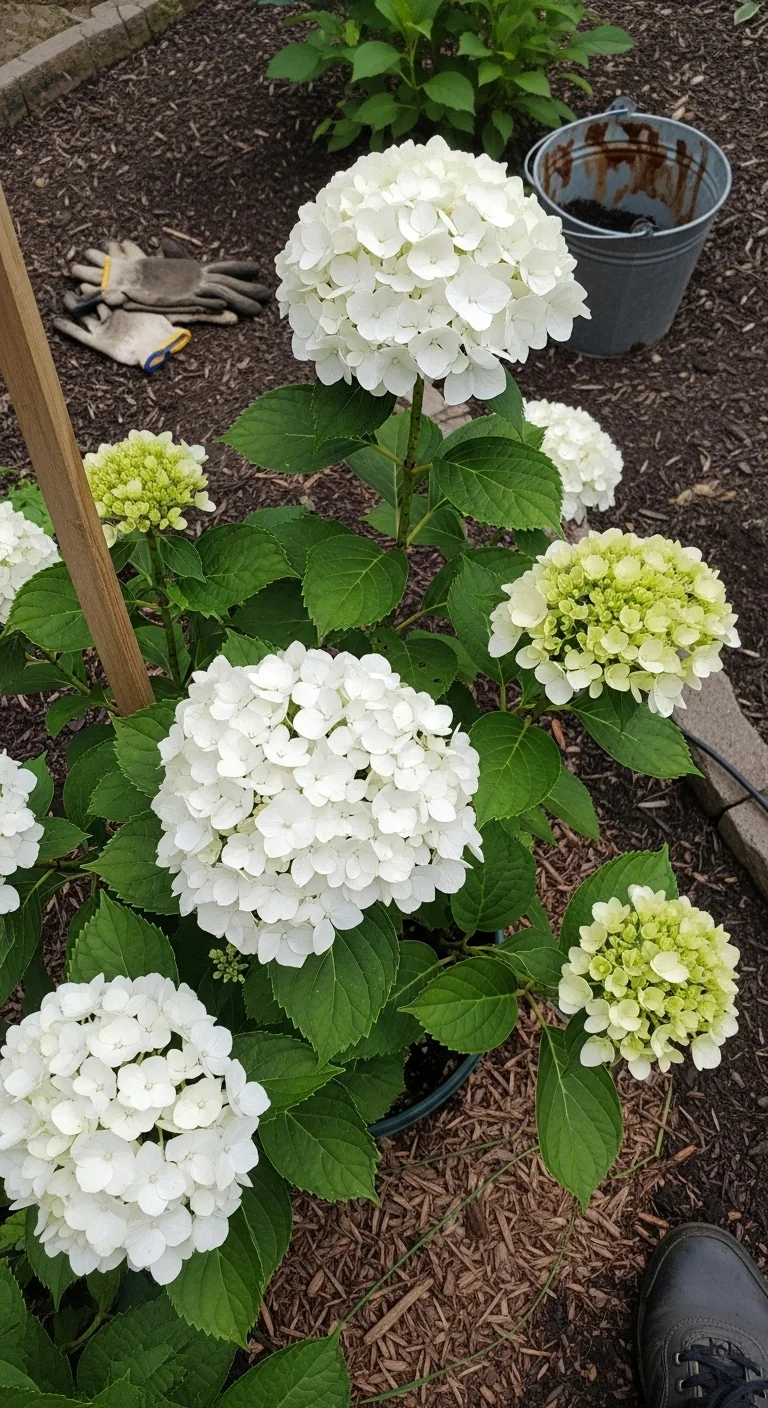
| White Hydrangeas | Large clustered white blooms with broad petal surfaces for summer reflection | Mid-season mass effect | 1 | 3 |
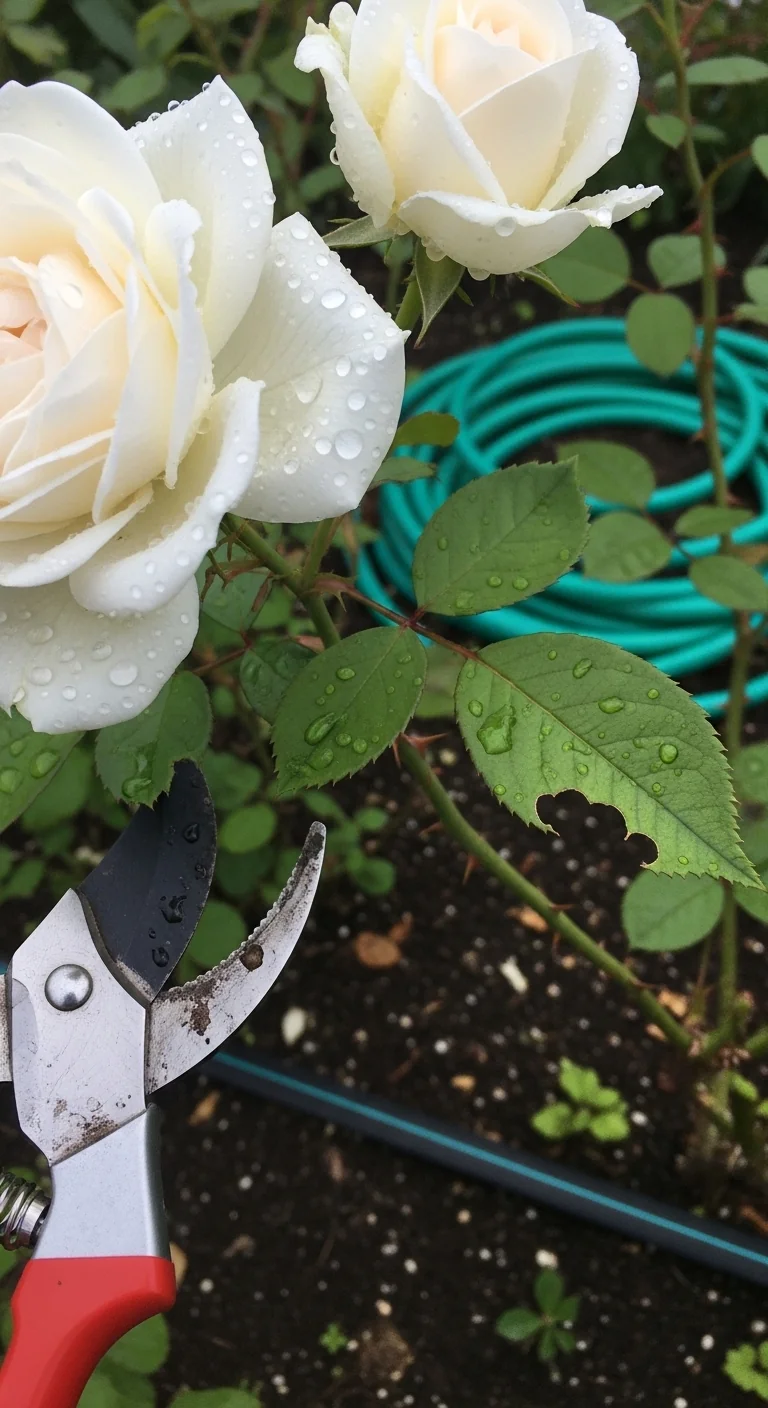
| White Roses | Fragrant white petals that release scent on cooling air | Floral fragrance layering | 2 | 4 |
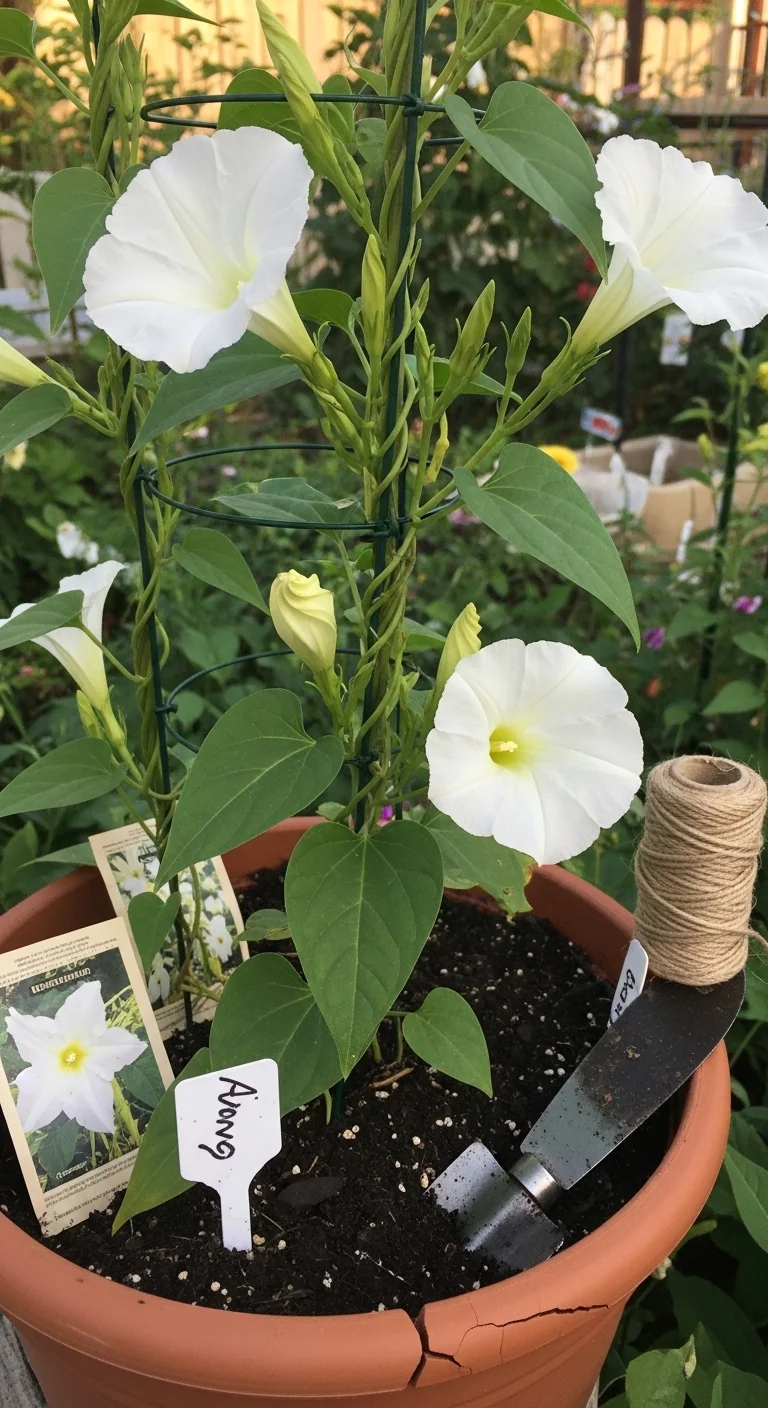
| Moonflower Vines | Large white trumpets that open precisely at dusk on climbing stems | Vertical drama in containers | 3 | 4 |
| White-Flowered Clematis | Star-shaped white blooms with reflective surfaces on vertical supports | Height without ground sprawl | 1 | 3 |
| Fragrant Annuals (Nicotiana types) | Night-opening tubular flowers with strong evening scent volatility | Intense dusk fragrance boost | 2 | 4 |
| White Zinnias | Bright white pompom blooms that hold open through early evening hours | Low-profile container filler | 3 | 3 |
White Peonies
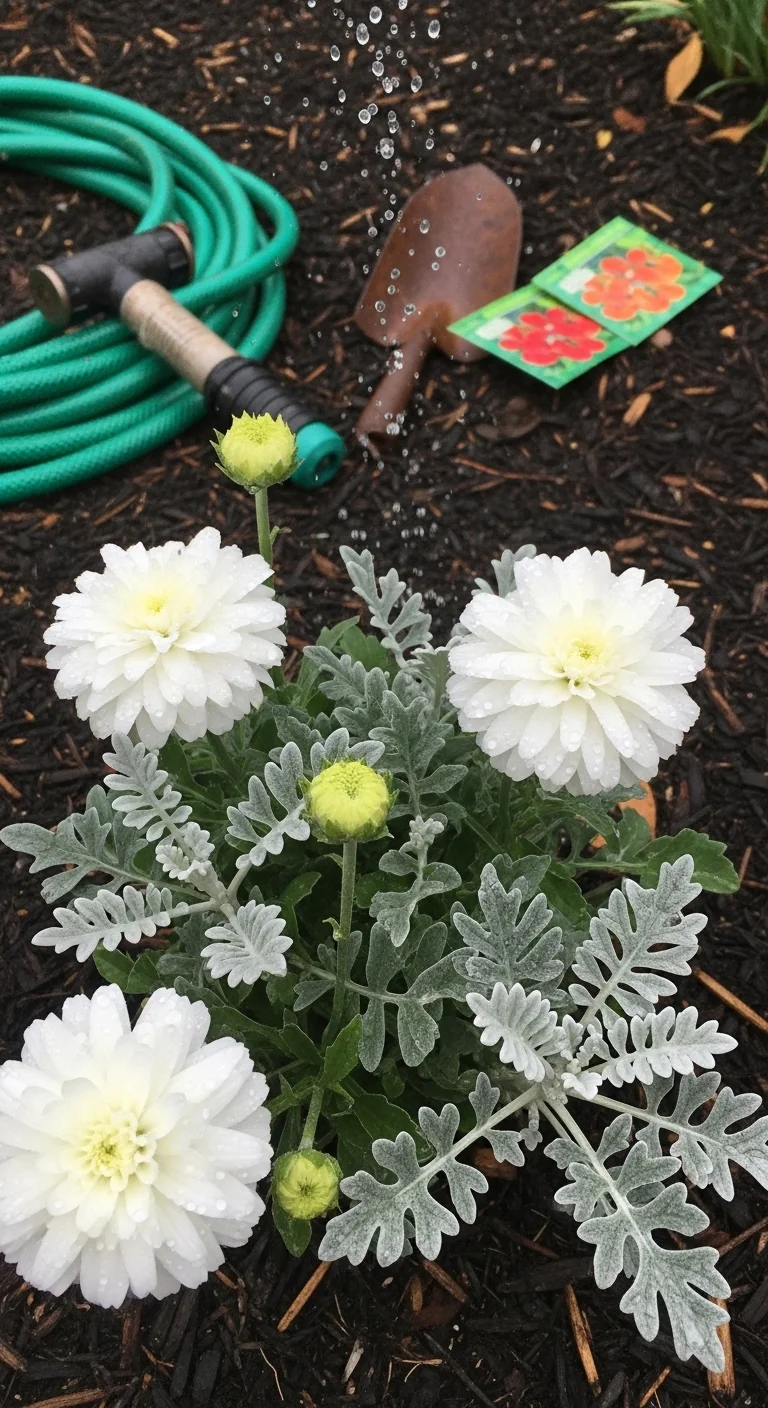
Best for: Branch 1
Blueprint: Plant white peony varieties such as Festiva Maxima in full-sun beds with well-drained soil. Space 3 feet apart for air flow. Steps: (1) Set bare-root crowns 2 inches below soil surface in fall; (2) water deeply once established; (3) cut stems to ground after foliage yellows in autumn. Common mistake: planting too deep prevents bloom. These large-petaled flowers provide strong early-season reflection when moonlight hours peak in May and June in temperate zones. Combine with a 6-hour daily sun minimum for sturdy stems.
Lavender
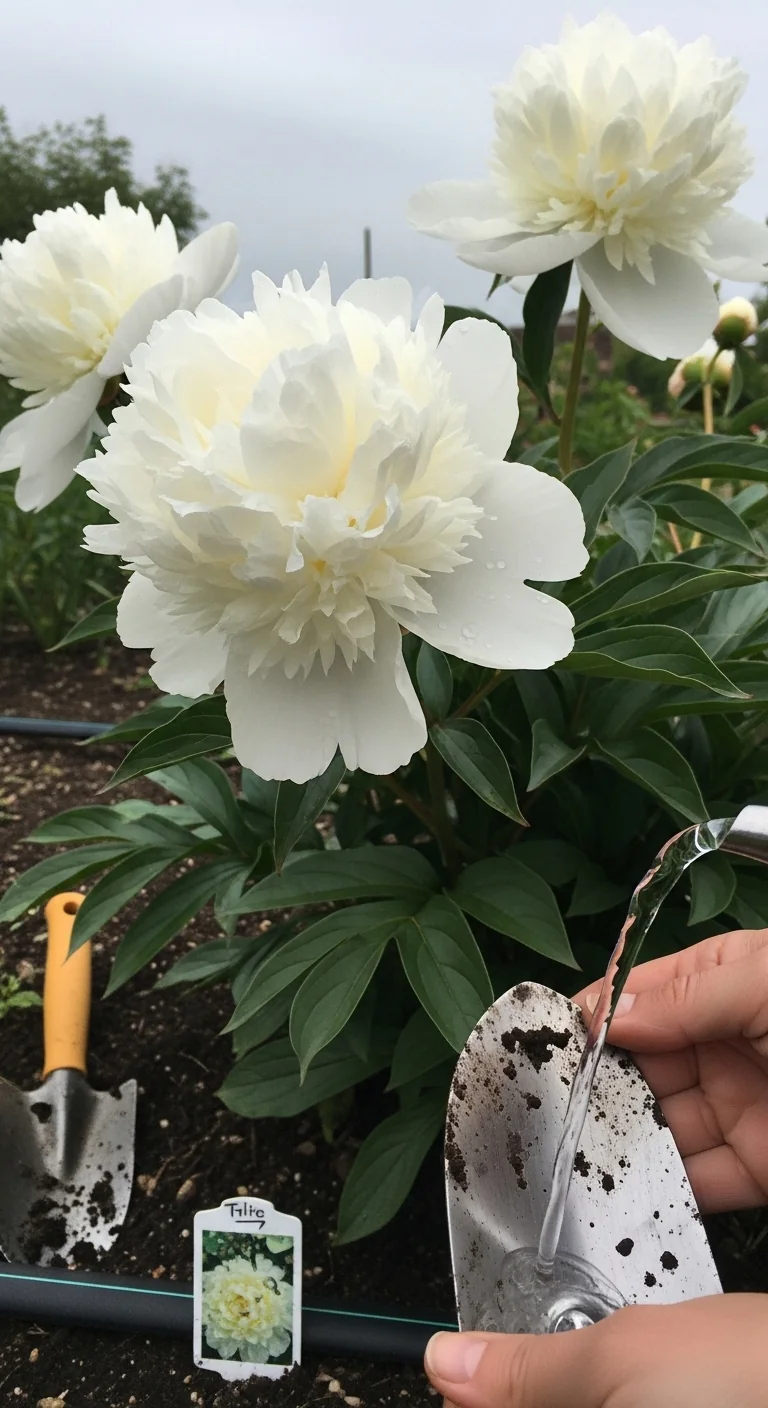
Best for: Branch 2
Use lavender when evening air cools quickly for scent release; skip in constantly humid or windless spots where oils stay trapped on foliage. Edge case: Mediterranean cultivars tolerate drought once rooted but fail in heavy clay without raised beds. Silver leaves add daytime structure while evening fragrance carries 10 to 15 feet on a light breeze.
White Cosmos
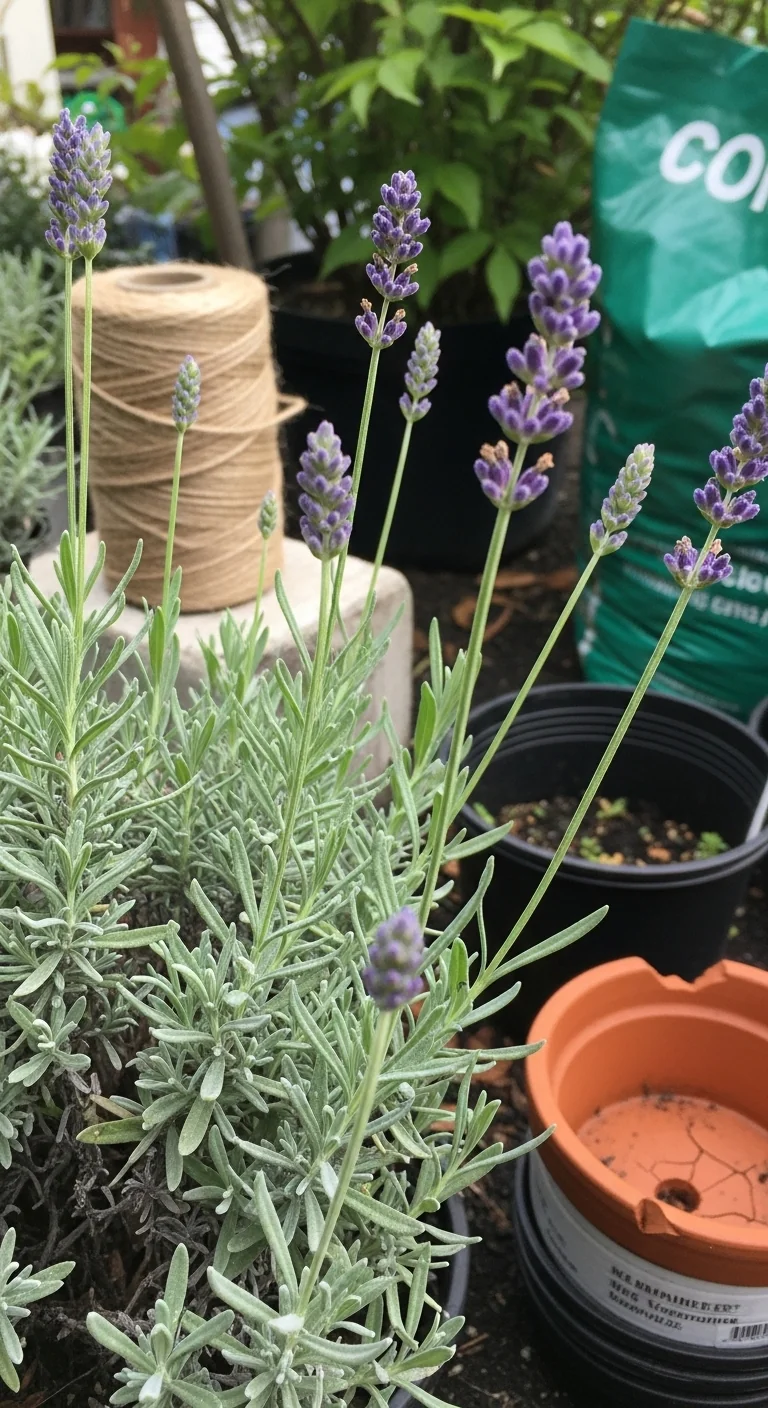
Best for: Branch 3
Threshold rule: Direct-sow when soil reaches 65 F (18 C) and last frost has passed; thin to 12 inches apart for airflow. Adjust spacing wider (18 inches) in containers to prevent mildew. These annuals reach 3 to 4 feet yet stay compact enough for small beds or pots, with white blooms that remain visible through the first two hours after dusk.
White Hydrangeas
Best for: Branch 1
10-minute workflow: (1) Site in morning sun with afternoon shade in hot summers; (2) dig hole twice root-ball width and backfill with native soil; (3) water to settle and apply 2-inch mulch ring. Upgrade option: add one slow-release fertilizer pellet at planting for larger flower heads the following season. Large white clusters catch and hold moonlight across July and August without additional support in open sites.
White Roses
Best for: Branch 2
Use white rose varieties such as Iceberg when you need repeat floral fragrance; skip if deer pressure is high without fencing. Edge case: hybrid teas perform in zones 5-9 but require winter protection north of zone 6. Evening scent intensifies as temperatures fall, layering well with herbal notes from nearby plants.
Moonflower Vines
Best for: Branch 3
Threshold rule: Start seeds indoors 4 weeks before last frost or direct-sow when soil hits 70 F (21 C); provide trellis or obelisk at planting. Adjust support height to 8-10 feet for container use. These vines produce 6-inch white trumpets that unfurl at dusk, delivering vertical glow in limited footprints.
White-Flowered Clematis
Best for: Branch 1
Blueprint: Choose varieties such as Henry for full-sun to part-shade vertical spaces. Steps: (1) Plant with root crown 3 inches below soil; (2) train new growth onto supports weekly in first season; (3) prune dead wood in late winter. These star-shaped white blooms add height and reflective points without crowding ground-level beds.
Fragrant Annuals (Nicotiana types)
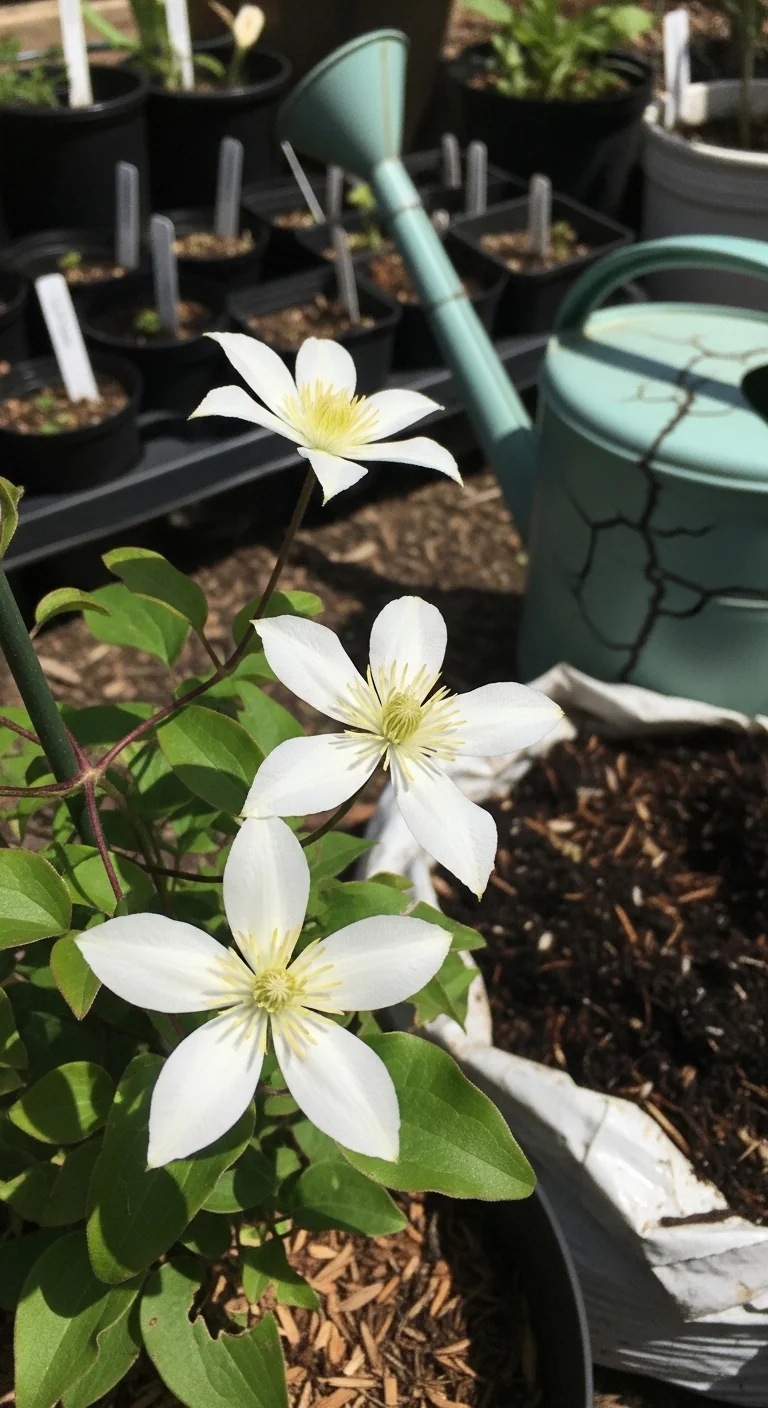
Best for: Branch 2
Use fragrant Nicotiana when you need strong dusk scent in open beds; skip in full shade where bloom count drops. Edge case: taller types reach 4 feet and work as backdrops while shorter varieties suit mid-bed placement. Tubular flowers open in late afternoon and release scent on cooling air currents.
White Zinnias
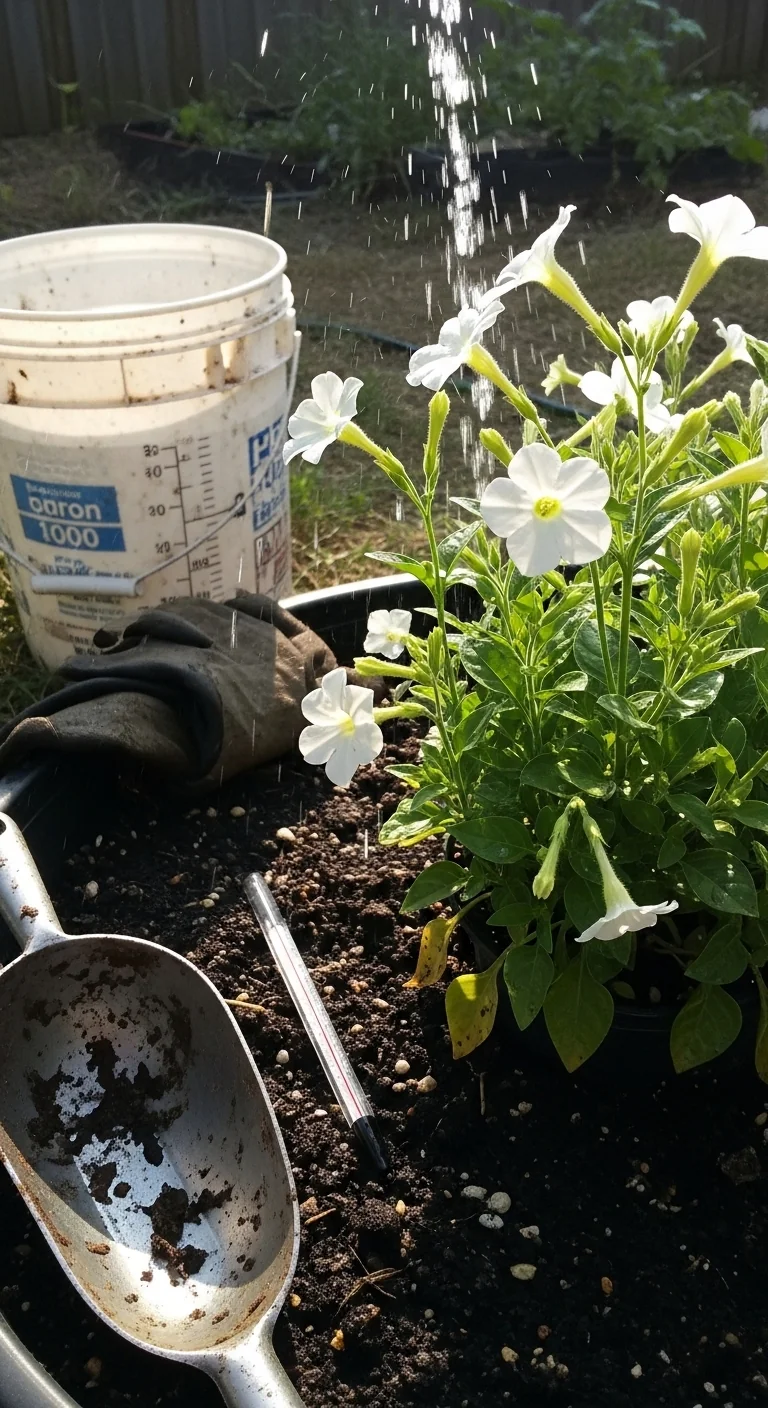
Best for: Branch 3
Threshold rule: Sow directly after soil warms to 60 F (16 C) and space 8-10 inches apart in containers. Adjust closer (6 inches) for fuller look in small pots but monitor for airflow. These compact annuals produce pompon blooms that stay open into evening hours with minimal staking.
Starter Stack (What to Choose First)
For High-Visibility Moonlight Sites (Branch 1)
Start with white peonies and white hydrangeas. These two deliver succession: peonies anchor spring evenings while hydrangeas take over in summer. Plant both in one 60-minute session using bare-root stock. Estimated cost range: 15 to 40 dollars per plant; total setup time 45 to 90 minutes.
For Scent-Dominant Evening Gardens (Branch 2)
Start with lavender and white roses. Lavender provides steady herbal base while roses add sweet floral layers on cooling evenings. Both establish in one afternoon with basic mulch. Estimated cost range: 10 to 30 dollars per plant; total setup time 30 to 60 minutes.
For Compact or Container Moon Gardens (Branch 3)
Start with moonflower vines and white zinnias. Vines climb a small trellis for vertical interest while zinnias fill base space. Both fit one large pot or small bed. Estimated cost range: 8 to 25 dollars per plant or packet; total setup time 20 to 45 minutes.
When This Won’t Work
Moon gardens fail in sites with fewer than two hours of direct moonlight after dusk because reflective surfaces never receive enough illumination to stand out. Measure by noting moon position relative to your bed on a clear night; if obstructed by trees or buildings, reflection drops sharply. Switch instead to night-blooming fragrant annuals that perform by scent alone.
They also underperform when evening temperatures remain above 75 F (24 C) with no drop, limiting fragrance volatility. In these conditions many white blooms stay closed or scent stays trapped near foliage. Choose heat-adapted night openers and space plants for maximum air flow.
Choosing the Right Option for Your Situation
Budget threshold
Under 50 dollars total: select lavender, white cosmos, and white zinnias from seed or small pots. Over 100 dollars: invest in established white peonies and hydrangeas for faster first-year display.
Time threshold
Under 1 hour setup: choose white zinnias and white cosmos as direct-sow annuals. Over 2 hours available: add white peonies and clematis for multi-year structure.
Technical constraint (soil pH 6.0-7.5)
Match to your test results: lavender and roses prefer 6.5-7.5 while hydrangeas and peonies tolerate 6.0-7.0. Adjust with lime or sulfur one season ahead if needed.
Yes/No checklist:
Do you have at least four hours moonlight? Yes → Branch 1 options.
Does evening temperature drop 10 F? Yes → add Branch 2.
Is space under 80 square feet? Yes → prioritize Branch 3.
Ready to plant this season? Yes → begin with Starter Stack.
Expert Q&A
How do night-blooming flowers detect dusk and open on schedule?
Many species respond to a drop in light intensity below 10 lux combined with falling temperatures. Moonflower and Nicotiana use phytochrome pigments that trigger petal expansion within 30 minutes of sunset, independent of actual moonlight presence.
Do moon gardens support nocturnal pollinators in urban areas?
Yes. White and pale blooms attract moths and other night flyers that follow scent plumes up to 50 yards. Planting clusters of fragrant types increases visitation rates even near streetlights if bloom timing aligns with local moth activity peaks.
Can you extend a moon garden into fall without new plantings?
Focus on late-summer perennials such as white hydrangeas and certain clematis that hold blooms into September. Combine with silver foliage plants that retain reflectivity after first frost for continued low-light interest.
What soil preparation difference matters most between branches?
Branch 1 needs excellent drainage to prevent root rot in open beds; Branch 3 requires lighter potting mix with perlite for containers. All benefit from 2 inches of organic mulch to stabilize soil temperature at dusk.
How does hemisphere location change moon garden timing?
In the northern hemisphere peak moonlight evenings run May through August; southern hemisphere shifts to November through February. Adjust planting windows by six months while keeping the same reflectivity and fragrance rules.
Conclusion
Next step: measure your moonlight window tonight, then plant your Starter Stack pair this season. For layered scent combinations that amplify every branch, see the fragrant flowers guide.