
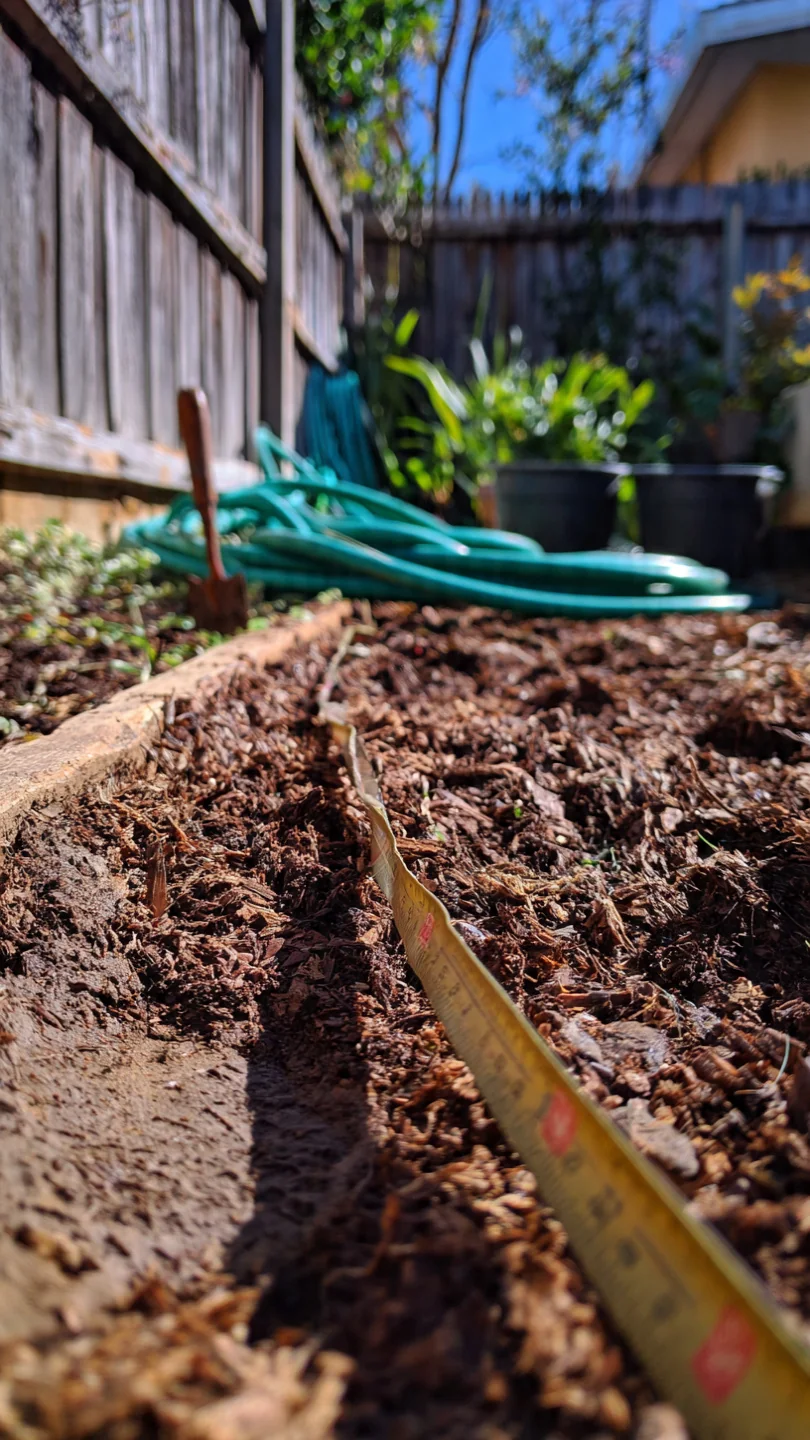
Backyard makeover ideas succeed when they align directly with three measurable site conditions rather than chasing passing trends. Start by noting your backyard area in square feet, daily direct sunlight hours and preferred number of seasonal adjustments. This grid filters options to deliver ornamental impact without repeated adjustments or wasted materials.
This article focuses on ornamental gardening designs for visual structure, color layering and usable space in typical residential backyards. It excludes full-scale construction projects such as decks or retaining walls, edible plant layouts and any features needing professional engineering permits.
You will exit with a shortlist of three matched ideas plus a ready-to-start combination that fits your exact measurements. Each option includes a unique mechanism, edge-case constraint and implementation detail drawn from standard design principles.
Bottom line: Measure your three conditions first, then select only from the recommended items for your branch to avoid redesigns later.
The Yield Grid Decision Grid
Branch 1 applies to yards measuring under 1,000 square feet. These compact spaces gain the most from vertical and modular solutions that preserve open floor area. Recommended: Items 1, 5 and 8 below.
For more compact yard strategies, see our guide to small backyard ideas.
Branch 2 applies to yards receiving fewer than 5 hours of direct sunlight daily. These low-sunlight areas require shade-tolerant plant selections and reflective or low-light features. Recommended: Items 3, 6 and 9 below.
Branch 3 applies to yards where you prefer designs needing no more than two seasonal adjustments. These low-effort setups rely on durable hardscaping and self-sustaining plantings. Recommended: Items 2, 4 and 7 below.
Quick Comparison Table
| Option | Key mechanism | Best for | Decision Grid Branch | Effort Score |
|---|---|---|---|---|
| Vertical Garden Wall | Stacks planting pockets on existing walls or fences to expand ornamental display vertically | Maximizing layers of color without reducing usable floor space | 1 | 3 |
| Stone Garden Edging | Lines pathways or beds with stone to contain mulch and direct water flow | Defining clean zones while improving surface drainage | 3 | 1 |
| Shade Garden Border | Groups low-light perennials along north or east boundaries to create layered foliage texture | Adding depth and movement in areas with limited sun | 2 | 3 |
| Rock Garden Focal Point | Arranges boulders and gravel in mounded formations to showcase drought-tolerant specimens | Creating year-round structure with minimal plant care | 3 | 1 |
| Container Plant Clusters | Groups pots of varying heights on patios or corners to form instant color blocks | Flexible seasonal color changes without ground disturbance | 1 | 2 |
| Small Water Feature Basin | Uses a shallow lined basin with pump to circulate water and reflect light | Adding auditory and visual interest in shaded corners | 2 | 4 |
| Gravel Lawn Alternative | Replaces turf with crushed stone and stepping stones to reduce mowing zones | Lowering upkeep while maintaining open gathering space | 3 | 1 |
| Trellis Privacy Screen | Positions freestanding trellises with climbing vines to block views without solid walls | Creating screened seating areas in narrow footprints | 1 | 2 |
| Fire Pit Gathering Area | Centers a portable or fixed pit surrounded by gravel and low seating to anchor evening use | Extending usable hours in low-sunlight yards | 2 | 2 |
1. Vertical Garden Wall
Best for: Branch 1
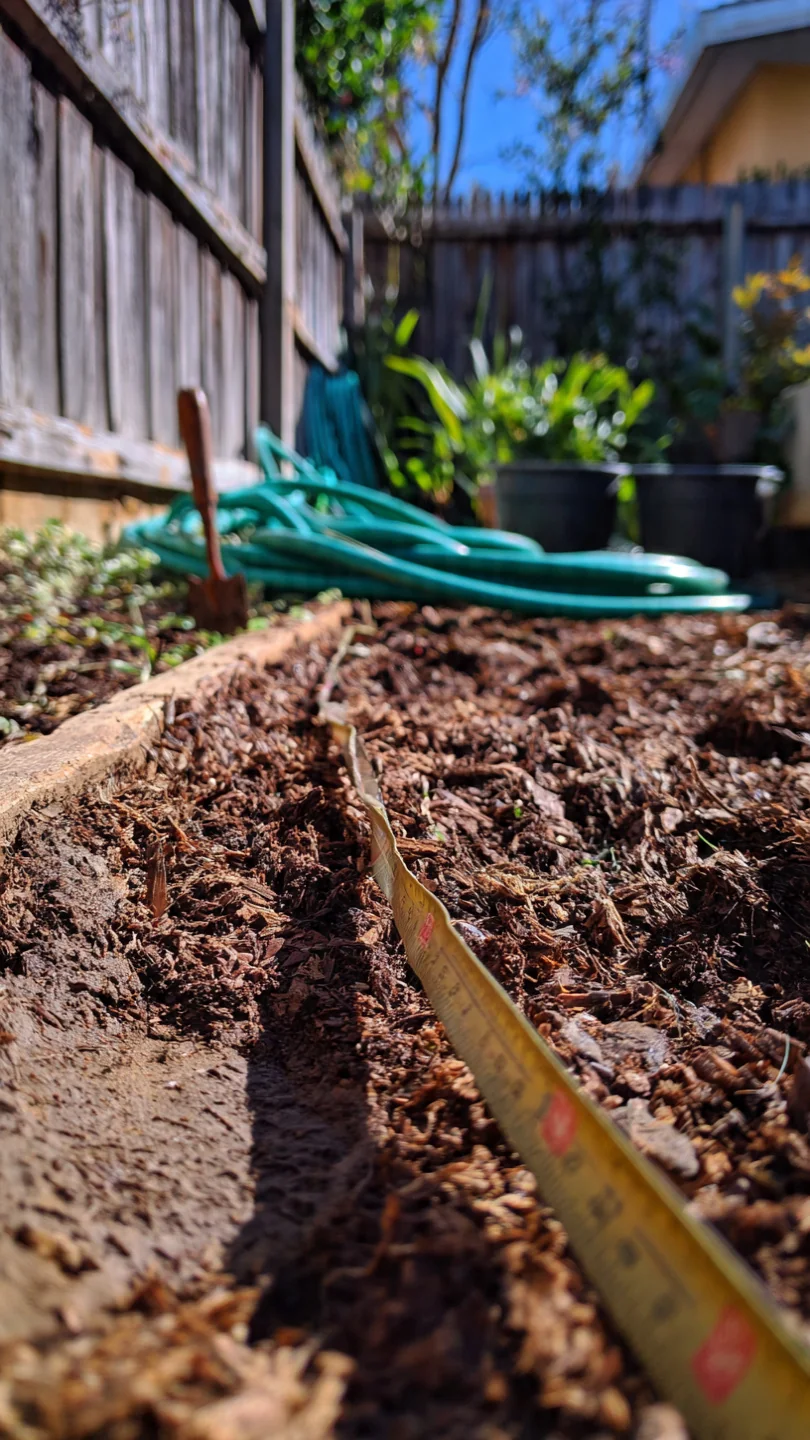
A vertical garden wall turns blank fences or house siding into multi-level ornamental displays. The mechanism relies on modular pockets or panels that hold soil while allowing air circulation to roots. It works especially well in compact yards because it adds height and texture without consuming ground space.
Blueprint steps begin with measuring the wall surface and confirming it receives at least partial sun or shade as needed. Select weather-resistant panels or fabric pockets rated for outdoor use. Fill with a lightweight potting mix, then install plants in staggered rows for balanced coverage. Anchor the system securely to studs or posts to handle wind load.
Common mistake: choosing dense materials that trap moisture against the wall. Instead, leave a 1-inch air gap behind panels and select plants with shallow root systems under 8 inches deep. This approach keeps maintenance to one annual soil refresh and plant rotation.
See detailed vertical garden plans at vertical garden ideas.
2. Stone Garden Edging
Best for: Branch 3
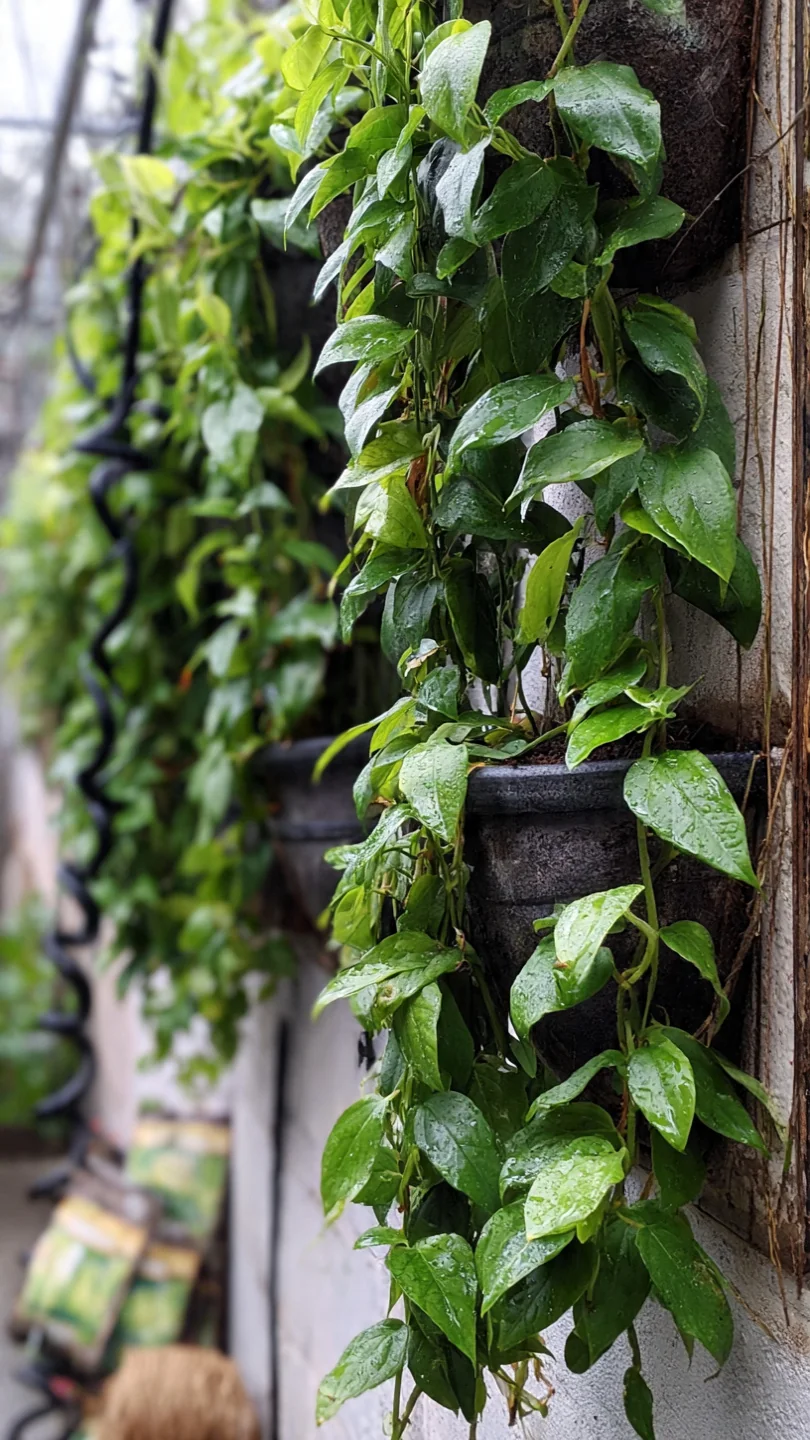
Stone garden edging defines beds and pathways while directing water runoff. Threshold rule: install only where soil drains within 30 minutes after rain. If drainage takes longer, switch to raised edging blocks to prevent pooling.
Adjust depth to 4 inches below grade for stability. Use local stone or concrete pavers sized 12 to 18 inches long. Set them in a shallow trench with compacted sand base. This one-time step creates clean lines that last years with zero seasonal adjustments.
Garden edging ideas expand on material pairings.
3. Shade Garden Border
Best for: Branch 2
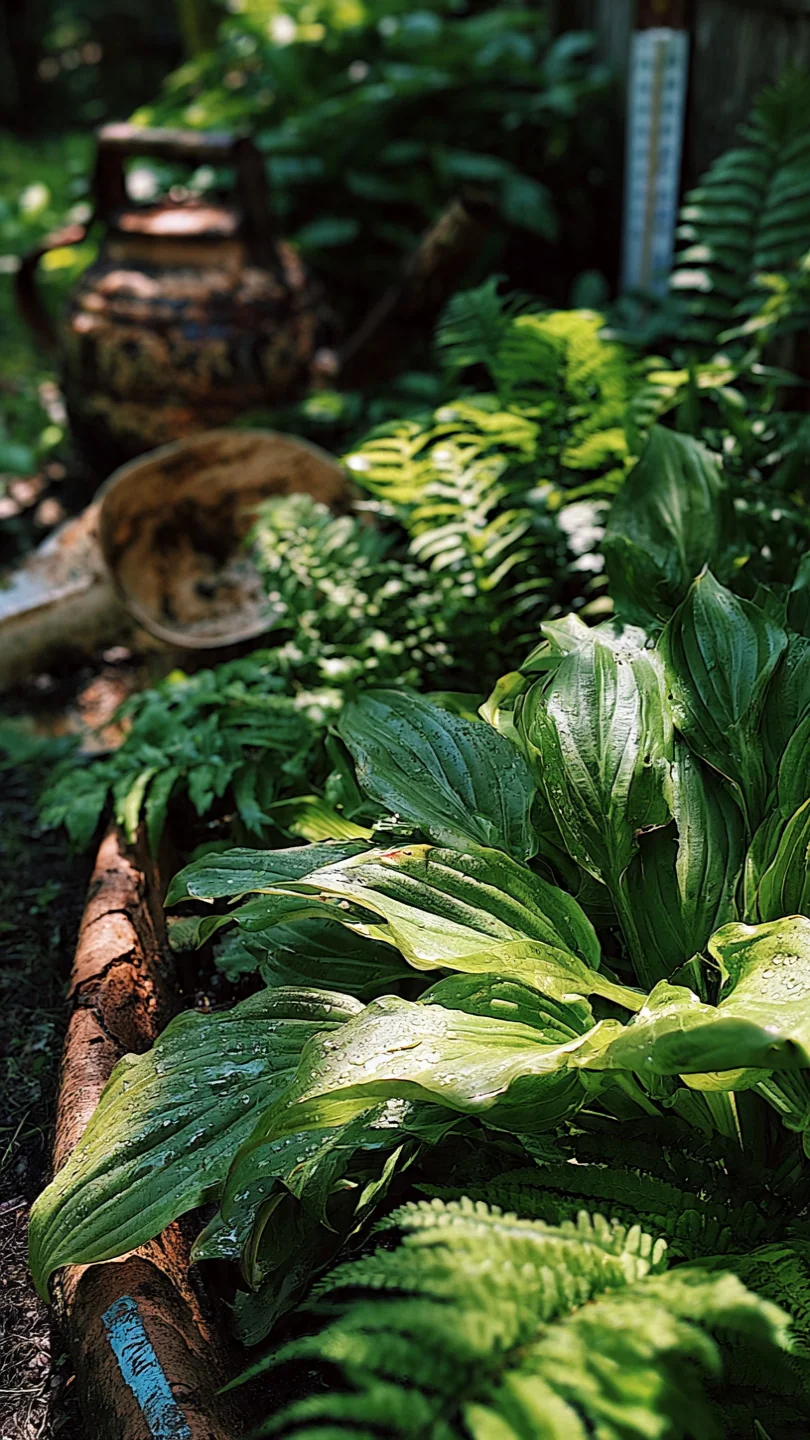
Shade garden borders use hostas, ferns and astilbe to build layered foliage in low-light zones. Pros include rich texture and low water needs once established. Cons appear in heavy foot traffic, where leaves bruise easily.
Edge case: yards with morning sun only perform best because afternoon shade prevents leaf scorch. Skip this border if tree roots compete within 3 feet of the planting line. Instead, raise the bed 6 inches to isolate roots and improve drainage. The result adds depth without competing for scarce sunlight.
More shade-tolerant combinations appear in shade garden ideas.
4. Rock Garden Focal Point
Best for: Branch 3
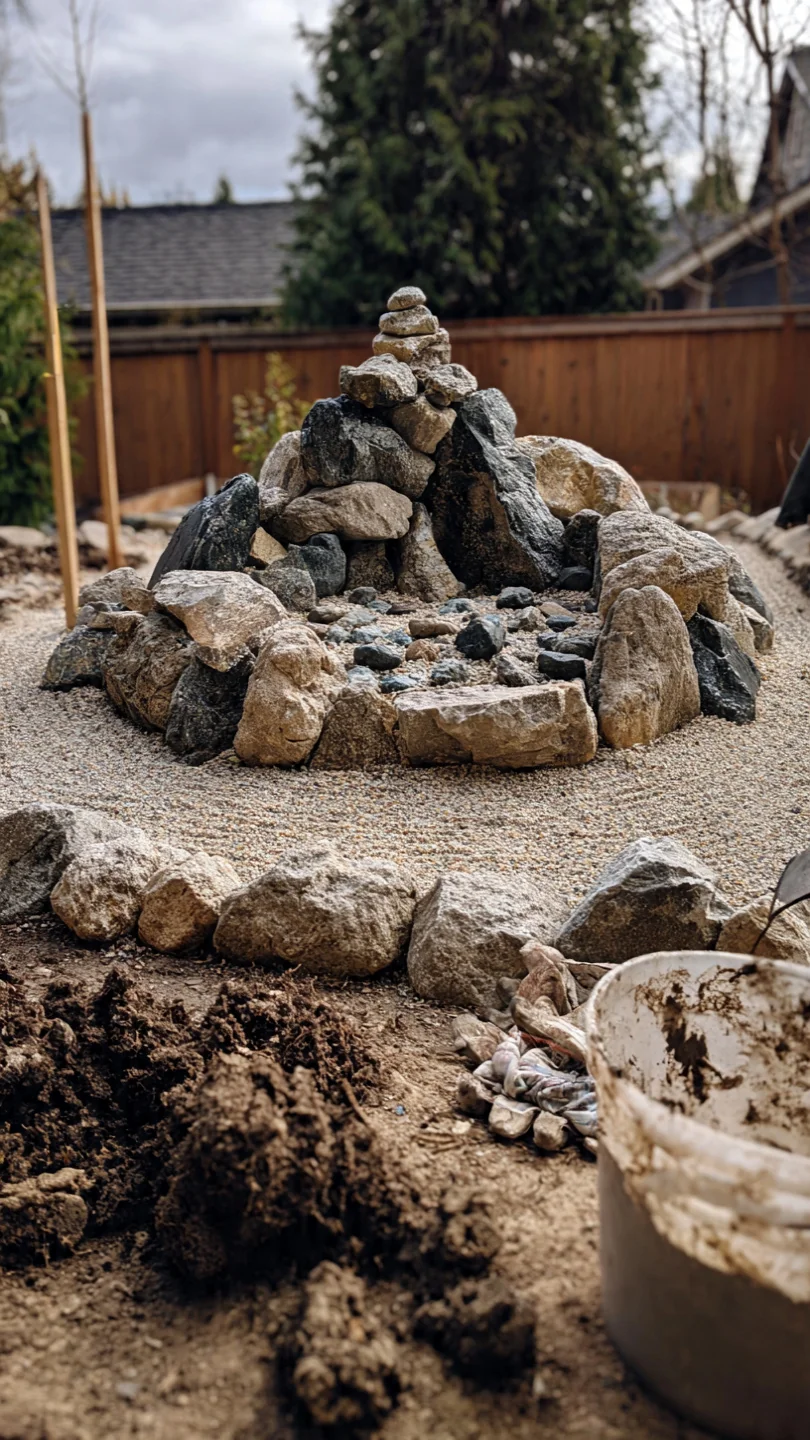
A rock garden focal point requires a 10-minute workflow that scales to any size. Begin by clearing a 6-by-6-foot area and laying landscape fabric. Position three to five boulders of varying sizes first, then fill gaps with 2-inch gravel. Add succulents or sedums in pockets between rocks.
Upgrade option: incorporate a single upright stone slab as a vertical accent for visual height. The entire process uses only hand tools and finishes in under 10 minutes per square yard. No watering schedule or pruning follows.
Rock garden ideas show scale variations.
5. Container Plant Clusters
Best for: Branch 1
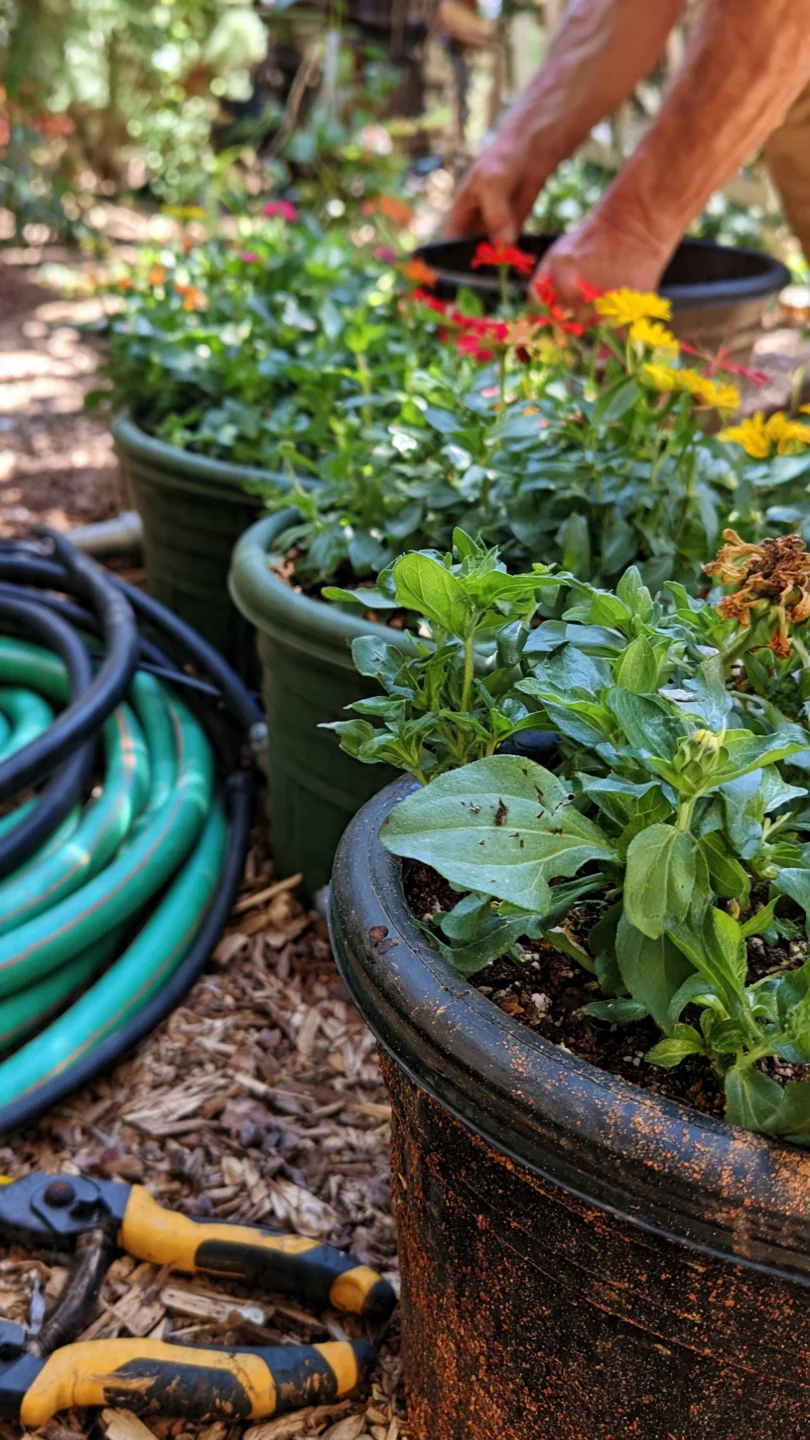
Container plant clusters group pots of different heights on patios or corners to form instant color blocks. The blueprint starts with selecting three pot sizes (12, 16 and 20 inches) and a unified color palette. Fill with potting mix, then arrange in a loose triangle for depth.
Place the tallest pot at the back. Rotate containers quarterly to even sun exposure. This modular format allows quick swaps when one plant fades without disturbing soil or layout.
Container garden ideas detail pot material choices.
6. Small Water Feature Basin
Best for: Branch 2
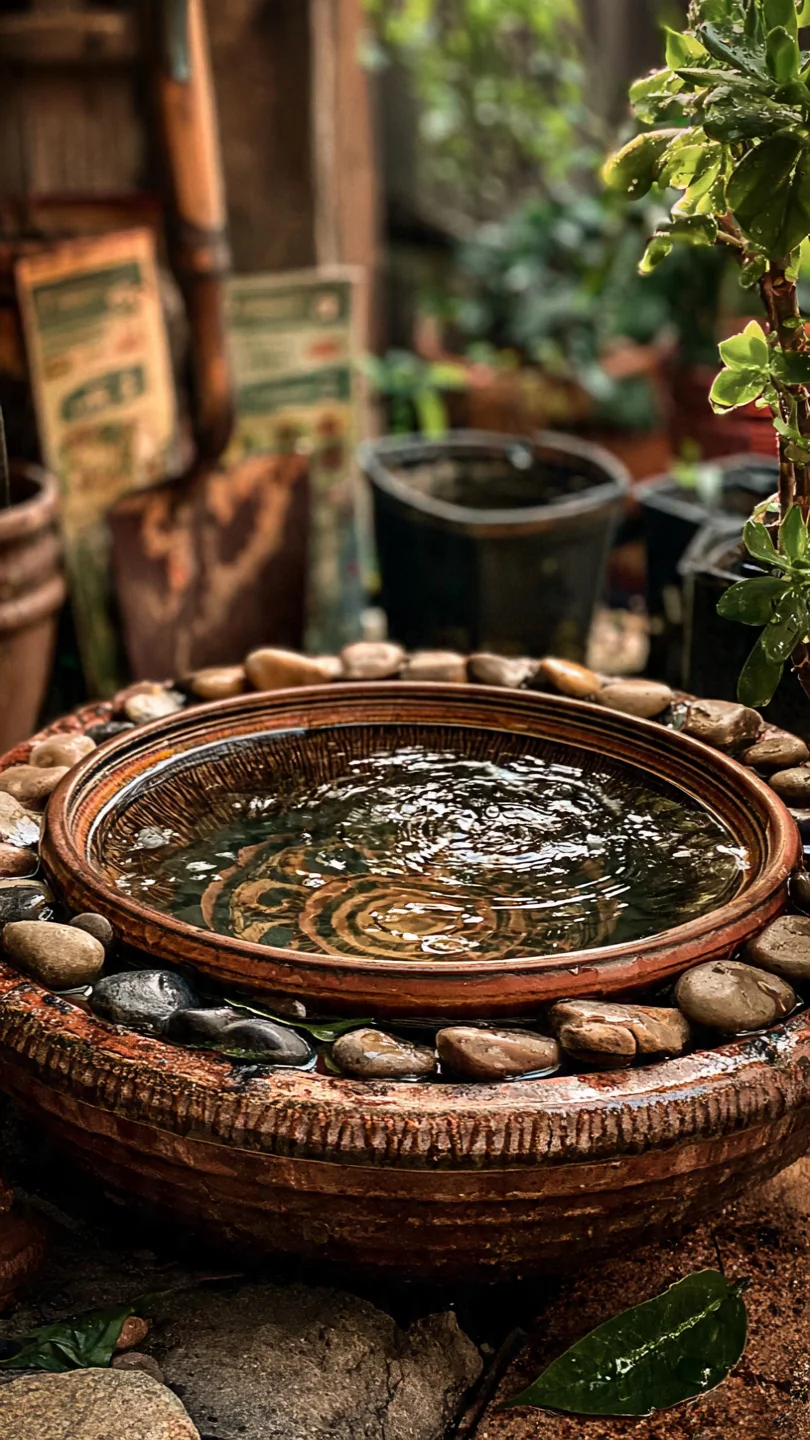
Small water feature basins circulate water in a shallow lined vessel to reflect light and mask noise. Threshold rule: keep basin depth under 12 inches and add a solar pump rated for 150 gallons per hour. If algae appears within two weeks, increase shade or add floating plants.
Position the basin where it receives morning sun only. Line with flexible pond liner and edge with flat stones. Top off water weekly to maintain level. The feature brightens low-sunlight corners without needing direct sun for operation.
Water feature ideas cover pump options.
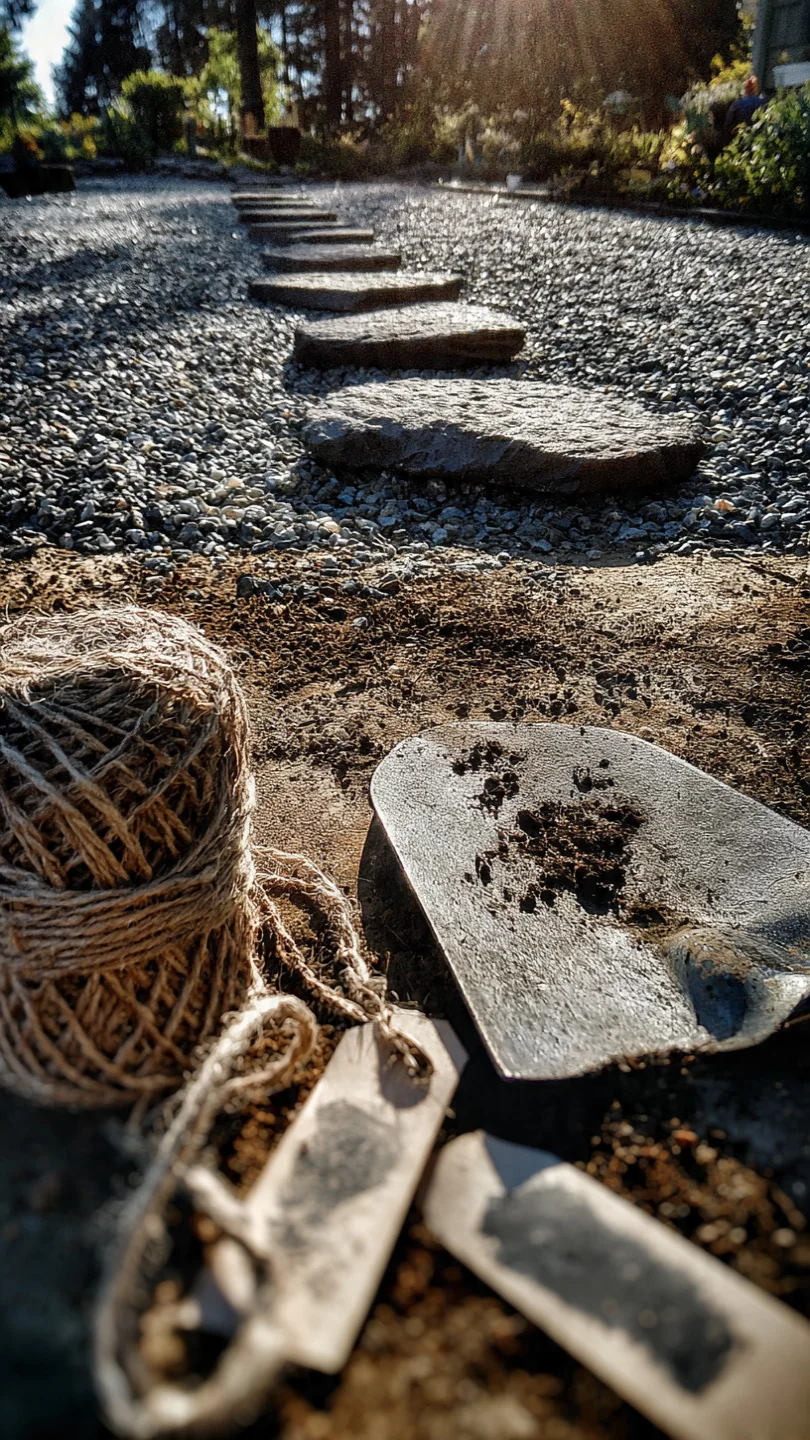
7. Gravel Lawn Alternative
Best for: Branch 3
Gravel lawn alternatives replace turf with crushed stone and stepping stones to eliminate mowing. Pros include instant usability and zero irrigation once settled. Cons surface in windy sites where fine particles scatter unless edged properly.
Edge case: yards with heavy clay soil need a 4-inch sand base first to prevent sinking. Use 3/8-inch crushed gravel for comfortable walking. The result cuts maintenance to one annual rake and stays stable for years.
Lawn alternatives compare surface textures.
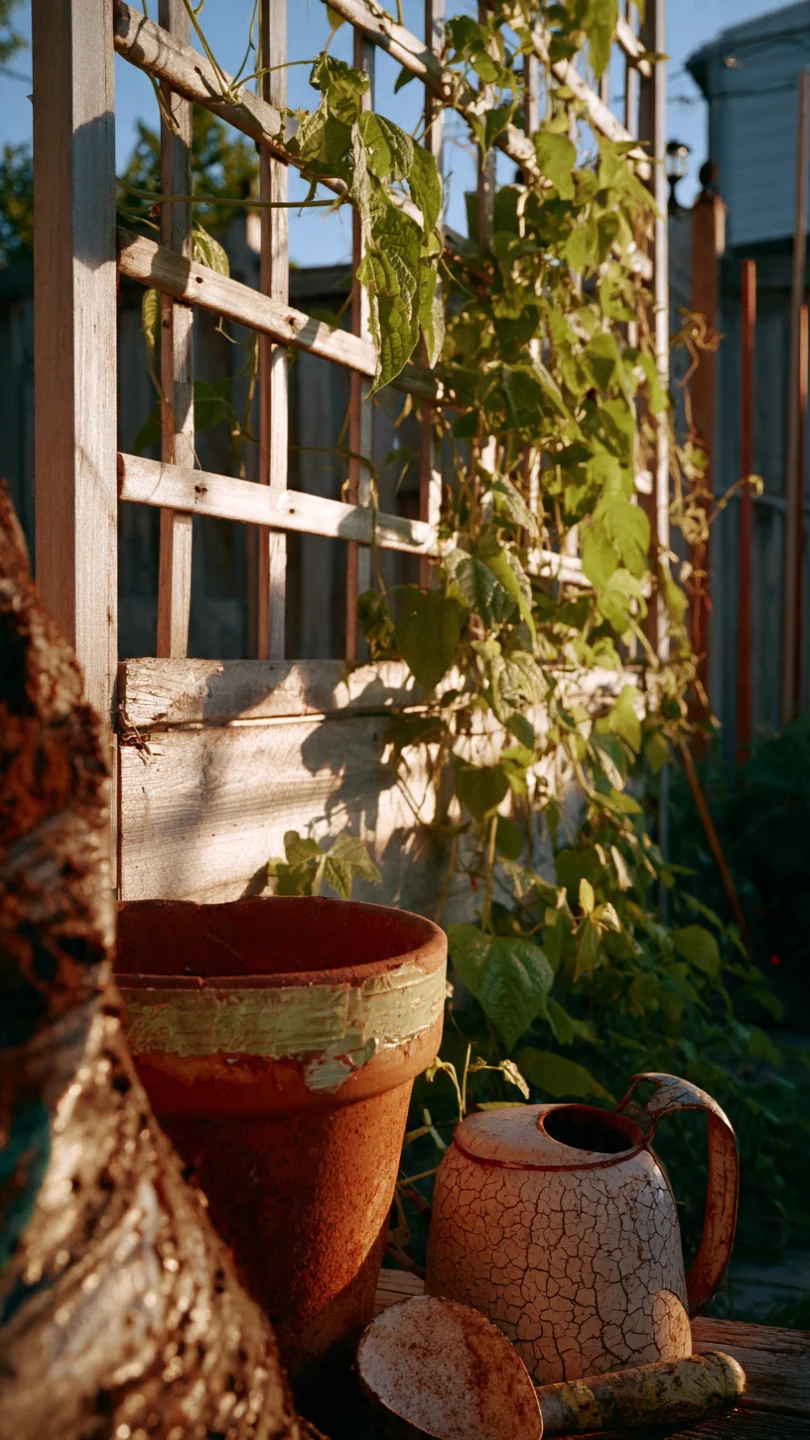
8. Trellis Privacy Screen
Best for: Branch 1
Trellis privacy screens create screened seating areas in narrow footprints. The 10-minute workflow positions two freestanding panels 4 feet apart and plants climbing vines at the base. Secure panels with ground spikes and train vines upward.
Upgrade option: add a third panel at 90 degrees to form a corner nook. Choose vines that reach 8 feet in one season for rapid coverage. The screen blocks views while allowing air flow and requires only one annual trim.
Trellis ideas illustrate panel heights.
9. Fire Pit Gathering Area
Best for: Branch 2
Fire pit gathering areas center a portable or fixed pit on gravel with low seating to extend evening use. The mechanism relies on a 10-foot clear radius and heat-resistant base material. In low-sunlight yards the pit adds warmth and light without needing full sun exposure.
Surround with gravel to contain embers and improve drainage. Position seating 4 feet from the pit edge for safety. Annual cleaning of ash keeps the area ready year-round.
Starter Stack (What to Choose First)
For Branch 1 (Compact yards)
Start with Vertical Garden Wall and Container Plant Clusters. The wall provides permanent vertical structure while containers add quick color swaps. Together they layer interest without overlapping footprints. Expect 1 to 2 weekends and material costs of 300 to 900 dollars.
For Branch 2 (Low-sunlight yards)
Start with Shade Garden Border and Fire Pit Gathering Area. The border supplies foliage texture while the pit extends usable hours after dusk. Combined, they brighten and warm shaded spaces with one planting pass and one pit placement. Expect 2 weekends and material costs of 400 to 1,200 dollars.
For Branch 3 (Low-effort yards)
Start with Rock Garden Focal Point and Gravel Lawn Alternative. The rock feature creates instant structure while gravel reduces ongoing care. Together they deliver year-round definition with no watering or mowing. Expect 1 weekend and material costs of 200 to 700 dollars.
When This Won’t Work
These makeover ideas fail when yard slope exceeds 15 percent grade without retaining structures. Surface elements shift or wash out during heavy rain, leaving uneven patches within the first season. Switch to raised or terraced designs instead.
They also fail when soil stays saturated more than 48 hours after rain. Water features or gravel bases develop standing water or moss, while plant roots rot in vertical or shade borders. Test drainage first by digging a 12-inch hole and filling it with water. If it drains slower than 1 inch per hour, choose elevated planters or switch to fully contained options.
Choosing the Right Option for Your Situation
Budget threshold
If your materials budget stays modest, select only from Branch 3 items first. Stone edging, rock features and gravel surfaces deliver high visual return with the lowest upfront spend on plants or pumps.
Time threshold
If available project time totals under 8 hours, limit choices to Branch 3. These options install in a single session and require no follow-up planting or wiring.
Technical constraint
If soil pH measures outside the 6.0 to 7.5 range, adjust plant selections in Branch 1 and 2 items. Test with a basic kit and amend only the top 6 inches before installing vertical walls or shade borders.
Yes: Yard matches one branch condition exactly.
No: Yard falls between branches and needs custom measurement.
Yes: Chosen items use only listed materials and tools.
No: Chosen items require professional installation or permits.
Expert Q&A
How do vertical garden walls interact with existing fences without causing rot?
Leave a 1-inch air gap behind panels and use pressure-treated or composite frames. Choose vines or perennials with low water needs to keep moisture away from fence wood. Annual inspection of the gap prevents buildup.
What edge case makes rock garden focal points unsuitable near high-traffic paths?
Loose gravel scatters under frequent foot traffic and creates tripping hazards. Reserve rock gardens for low-use corners or edge them with fixed pavers to contain material.
How do fire pit gathering areas perform safely in low-sunlight yards with dry leaves nearby?
Maintain a 10-foot clear radius free of overhanging branches or dry debris. Use a metal spark screen and keep a hose nearby. Position the pit on a non-combustible gravel pad.
Can container plant clusters fully replace traditional borders in narrow side yards?
Yes, when grouped in staggered heights along walls. They allow easy rearrangement for seasonal color and avoid root competition with nearby structures or utilities.
What single adjustment extends the lifespan of a gravel lawn alternative beyond five years?
Install a 4-inch compacted sand base before spreading gravel. This prevents sinking in freeze-thaw cycles and keeps the surface level with minimal annual raking.
Conclusion
The core decision remains matching your measured yard conditions to the grid rather than selecting ideas by appearance alone. The number-one mistake is skipping the initial space or sunlight measurement, which leads to features that underperform or require early replacement.
Measure your backyard today, identify your branch and begin with the two-item starter stack for that branch. Enhance any choice with strategic accents from our outdoor lighting ideas.