
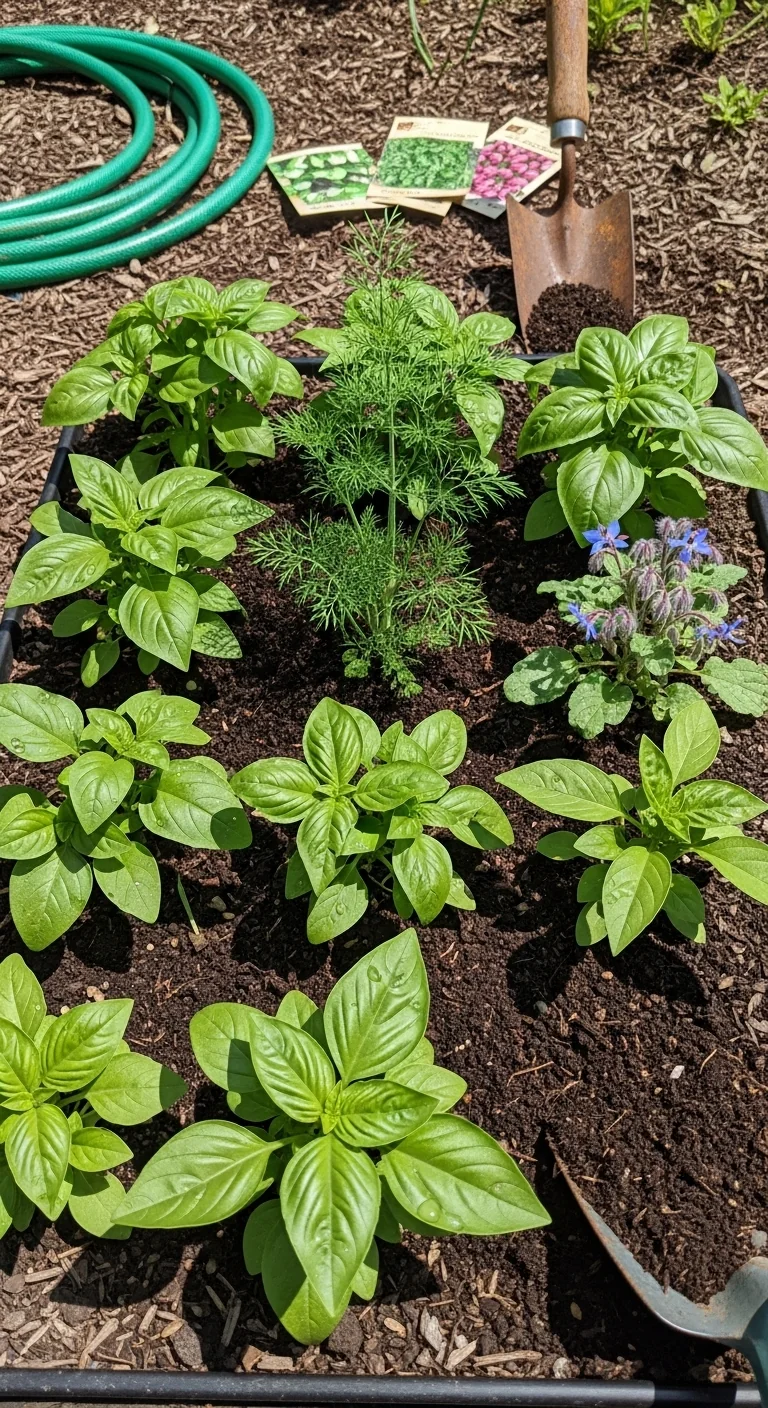
Annual herbs lists usually dump a dozen names and stop at basic descriptions. The reframing that changes results is this: treat each herb as a rotation specialist whose success depends on aligning its exact germination temperature, leaf production window, and bolting threshold with your garden’s measurable constraints instead of hoping for the best.
This guide covers nine culinary annual herbs that finish their full life cycle in one season. It excludes perennials such as thyme or rosemary, biennials grown as perennials in mild zones, and purely medicinal or ornamental types. Every entry focuses on edible leaves, flowers, or seeds for kitchen use in the US, UK, Canada, Australia, New Zealand, and similar temperate regions.
You gain the ability to scan your space size, sun hours, and typical summer highs, then select two or three herbs that deliver steady supply through targeted succession. Each section gives the precise conditions that matter and the single edge case that flips the outcome.
Match the herb to its decision grid branch and you lock in reliable flavor harvests instead of repeated bolting failures.
The Yield Grid Decision Grid
Branch 1: Limited space setups. Containers or raised beds totaling under 5 square feet with soil depth of at least 8 inches. Recommended: Basil, Cilantro, Parsley below.
Branch 2: Full sun and sustained heat. Six or more hours of direct sun daily with daytime highs above 75F for eight weeks or longer. Recommended: Dill, Summer Savory, Marjoram below.
Branch 3: Pollinator priority or variable light. Four to six hours of sun with cooler nights under 65F common. Recommended: Borage, German Chamomile, Chervil below.
For a deeper look at how these annuals rotate with longer lived options, see our guide to annual versus perennial herbs.
Quick Comparison Table
| Option | Key mechanism | Best for | Decision Grid Branch | Effort Score |
|---|---|---|---|---|
| Basil | Tip pinching to extend vegetative phase | Compact container production | Branch 1 | 4 |
| Cilantro | Rapid leaf set before flowering | Sharp flavor in tight beds | Branch 1 | 4 |
| Dill | Tall upright growth with seed heads | Pickling and pollinator support | Branch 2 | 2 |
| Borage | Self seeding with star shaped flowers | Pollinator attraction in variable light | Branch 3 | 1 |
| German Chamomile | Direct sow with fine seed handling | Calming tea flowers | Branch 3 | 3 |
| Summer Savory | Bushy habit with peppery leaves | Seasoning under heat stress | Branch 2 | 3 |
| Parsley | Steady leaf production in cooler spells | Flat or curly garnish in small spaces | Branch 1 | 3 |
| Chervil | Delicate anise flavor with shade tolerance | Fine leaf harvest in partial light | Branch 3 | 2 |
| Marjoram | Compact growth similar to oregano | Mild seasoning in hot sun | Branch 2 | 3 |
Basil
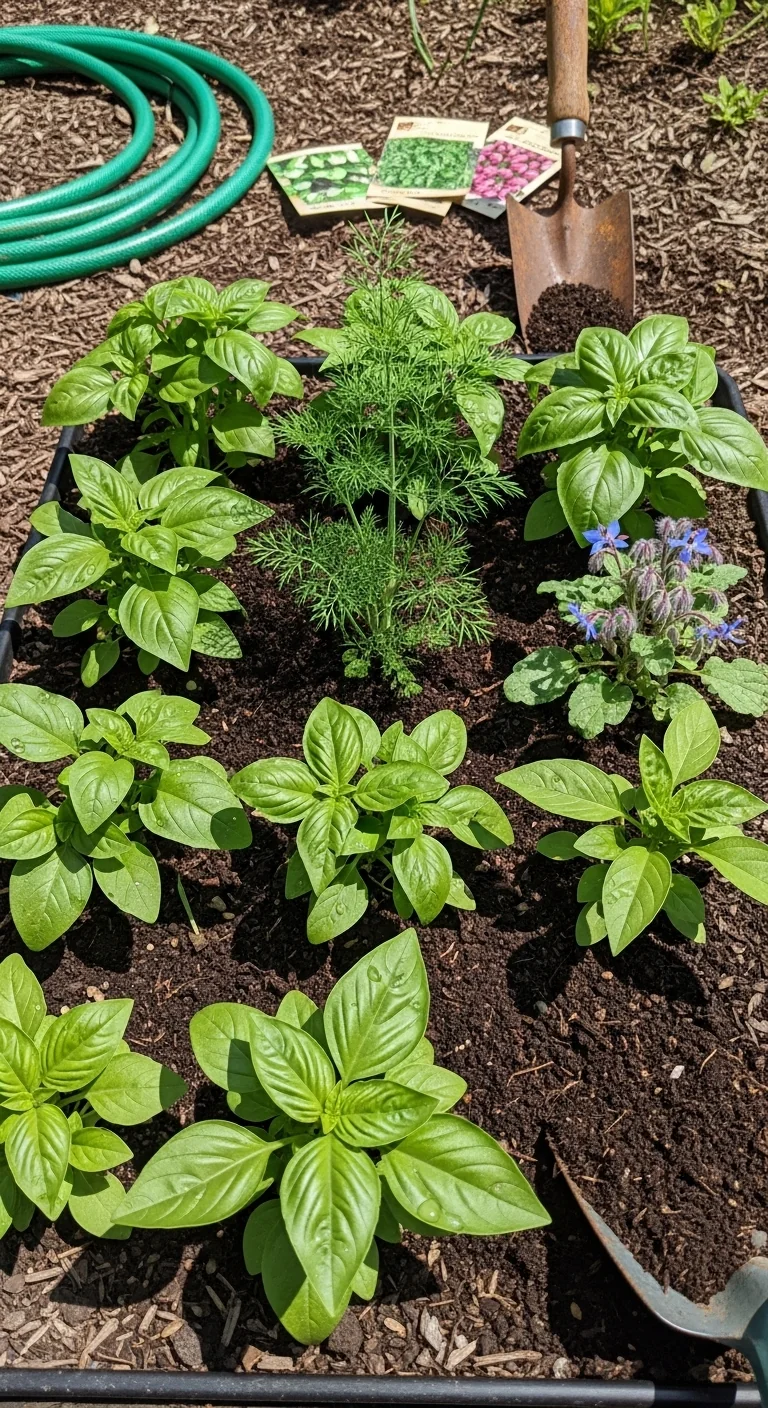
Best for: Branch 1
Basil functions as a warm season annual built for repeated leaf harvests in confined areas. It delivers large aromatic leaves for pesto and sauces when its growth cycle stays in the vegetative stage. Start seeds indoors six weeks before last frost at soil temperature of 70F to 85F, transplant after all risk of cold snaps passes, and pinch growing tips once plants reach six inches tall to force side shoots.
Continue pinching every two weeks and sow a new flat every four weeks for nonstop supply through fall. The common mistake is allowing flower buds to open, which halts leaf production within days. Soil must drain freely and stay above 60F at night or growth stalls. For variety specific advice on flavor intensity, consult our basil growing tips.
Cilantro
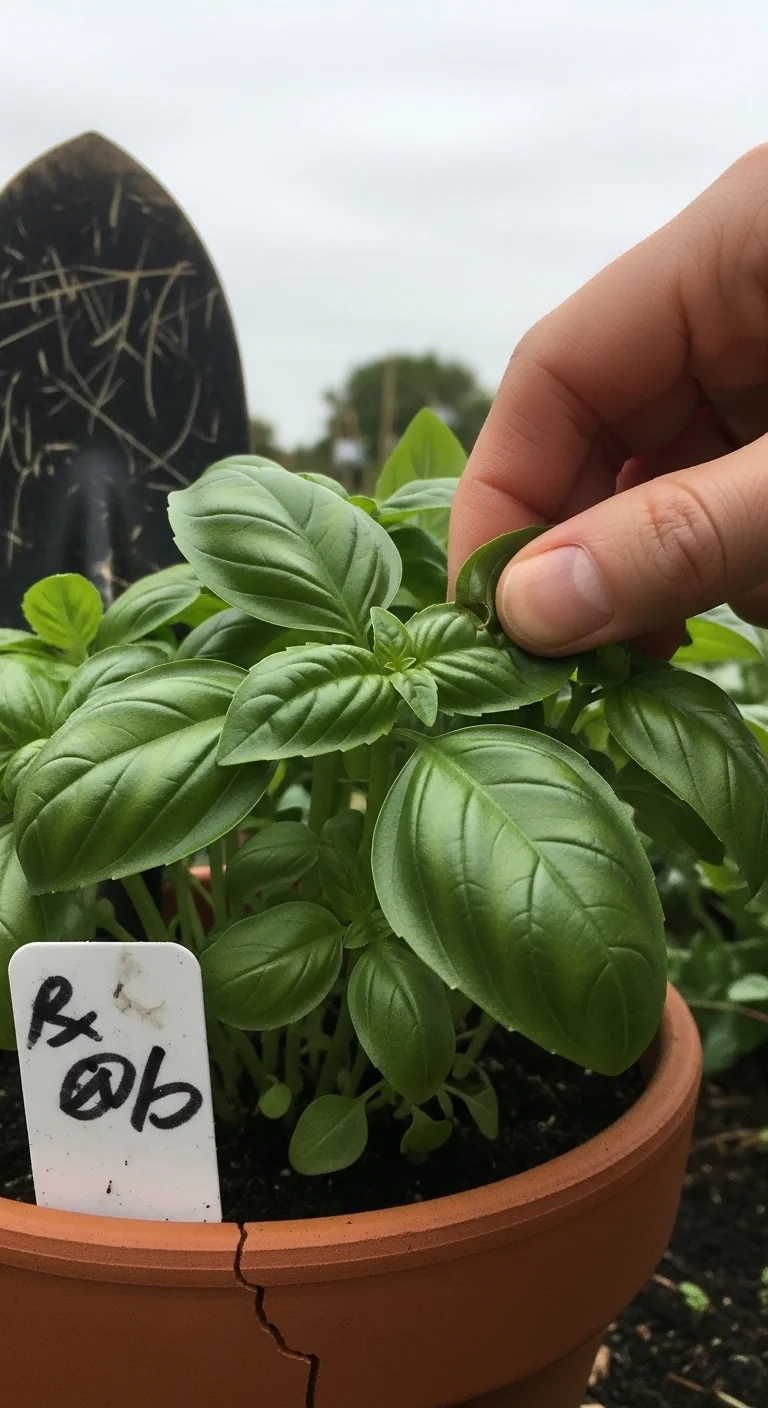
Best for: Branch 1
Use cilantro when you need sharp, citrusy leaves in containers or small beds and skip it if you cannot commit to succession sowing. Pros include fast germination in cool soil around 55F to 70F and high leaf yield in the first 40 days. Cons appear once temperatures hit 80F consistently, triggering bolting that turns leaves bitter within a week.
Edge case: in zones with sudden heat spikes above 85F, even succession plantings fail unless shaded lightly during peak afternoon sun. Direct sow every three weeks from early spring through early fall for steady supply.
Dill
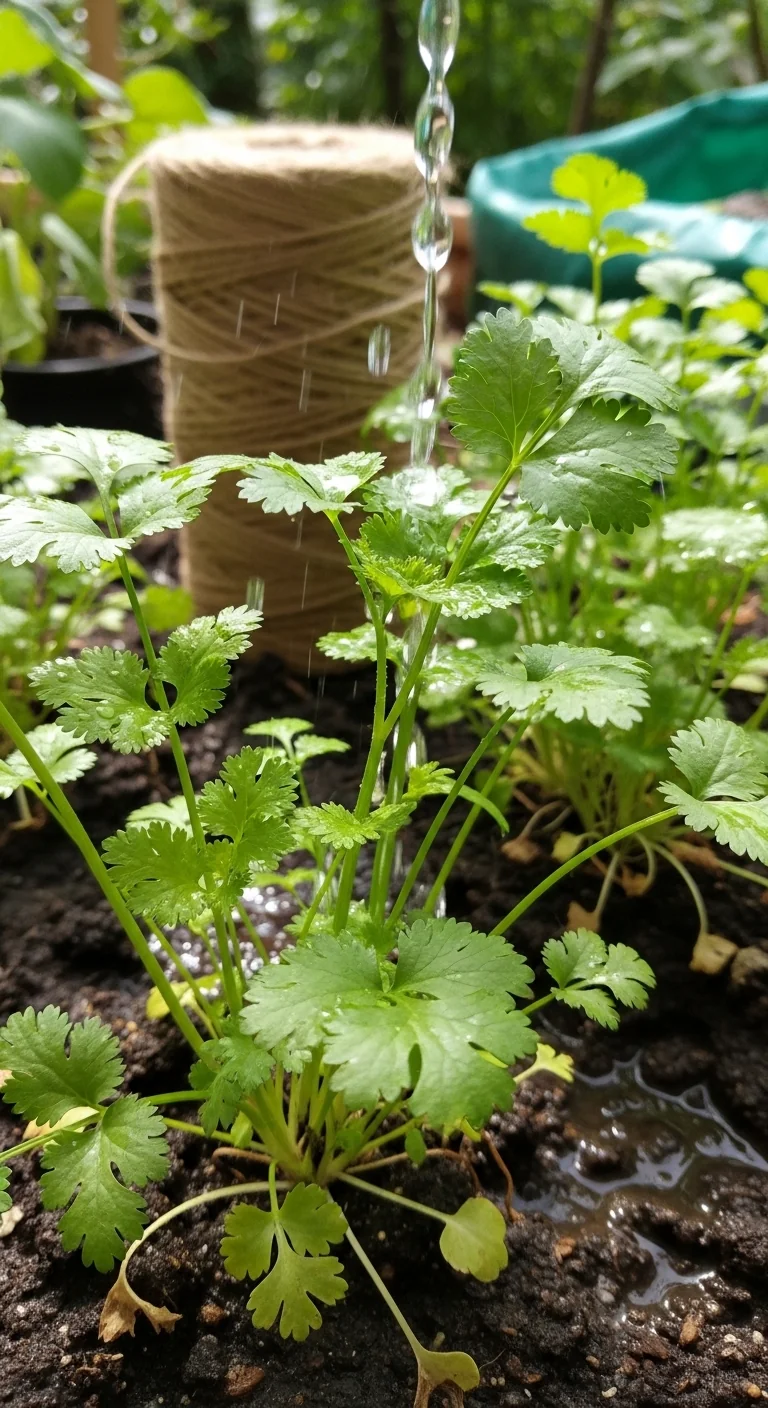
Best for: Branch 2
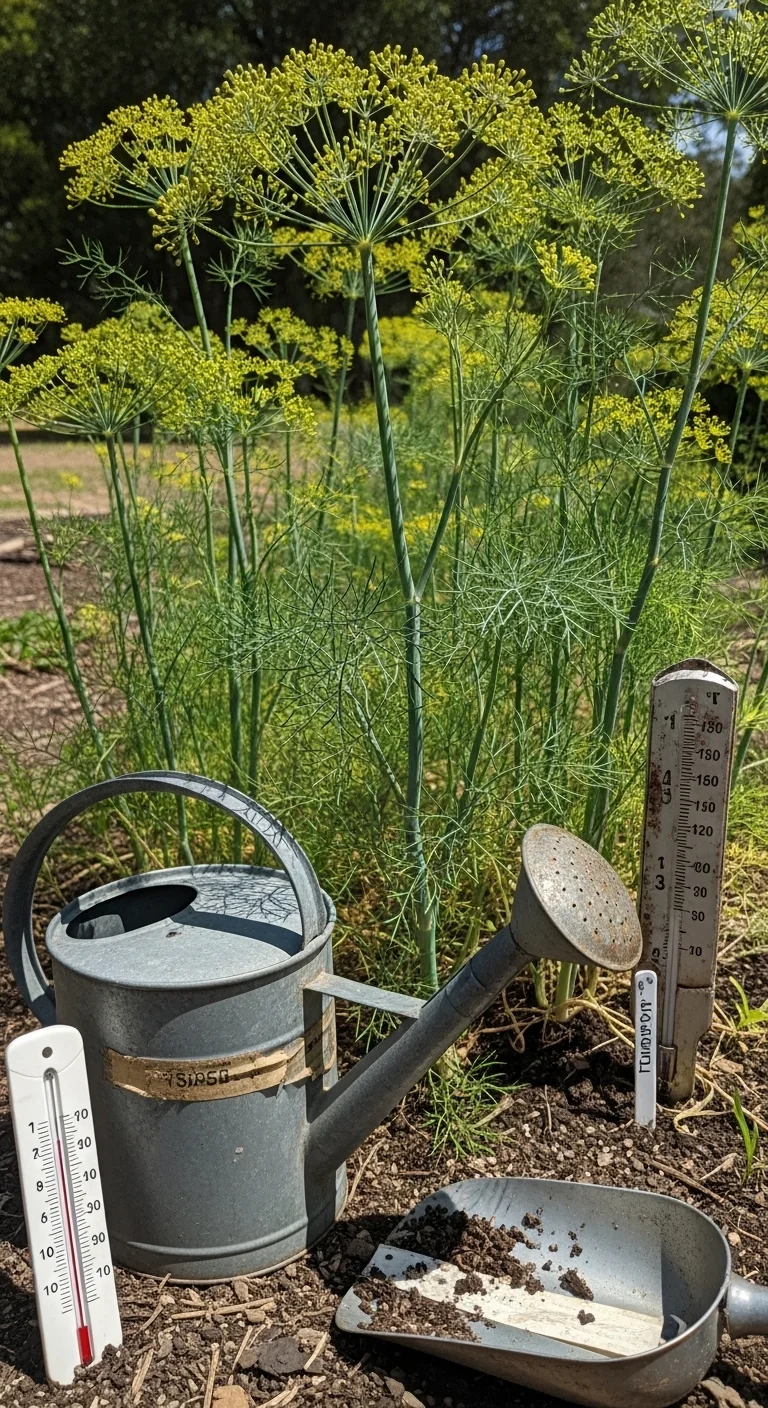
Dill reaches usable fronds and seed heads when daytime highs stay above 70F for at least six weeks with six or more hours of direct sun. Sow directly after soil warms to 60F and space plants 12 inches apart to avoid crowding that reduces seed quality. Threshold rule: if nights drop below 55F for more than two consecutive nights after emergence, thin to single plants and add row cover until recovery.
Adjust by sowing a second batch 21 days later if the first shows early yellowing. Harvest leaves before flowering for best flavor and collect seeds once heads turn brown. Pairing with vegetables boosts their health through natural pest deterrence. Detailed pairing strategies appear in our companion planting herbs guide.
Borage
Best for: Branch 3
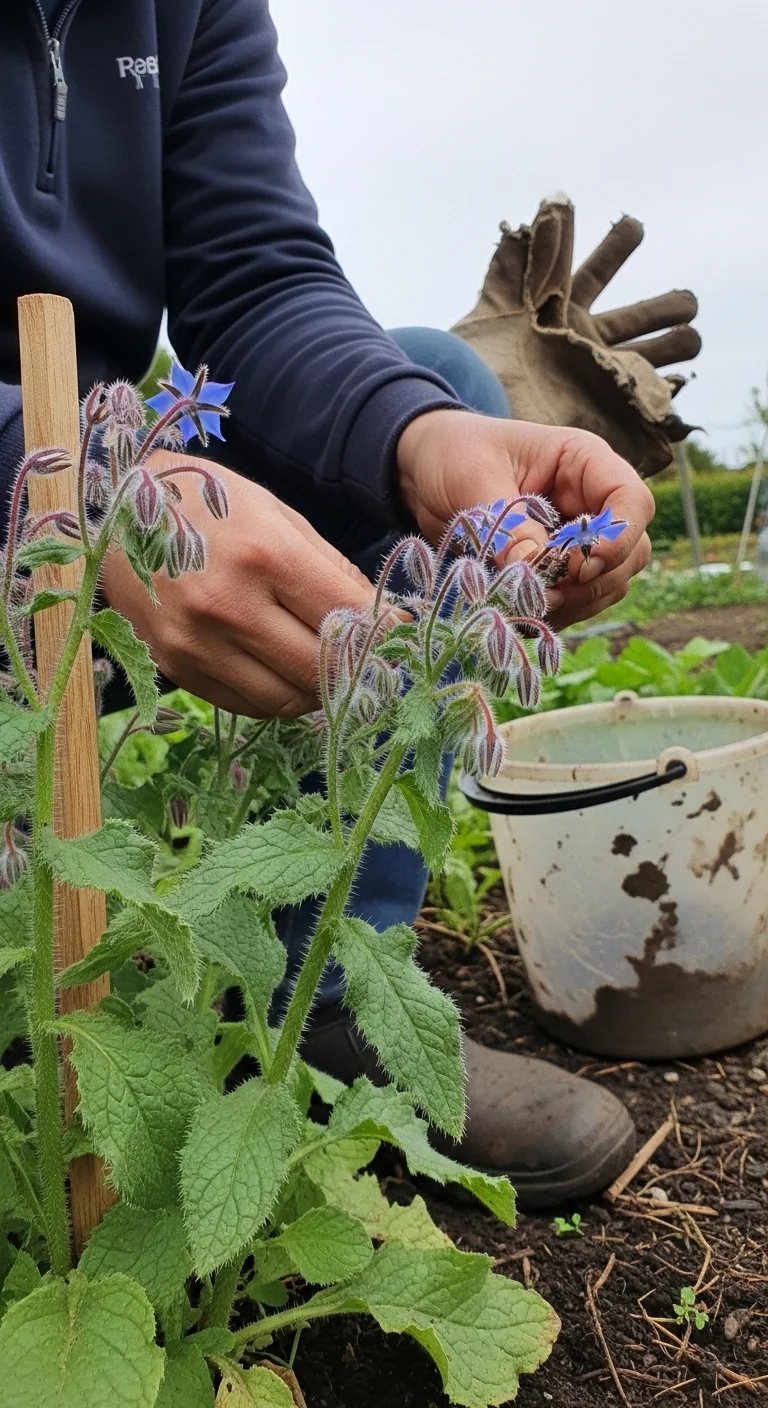
Borage works as a 10 minute workflow annual for pollinator gardens in variable light. Direct sow seeds one quarter inch deep in any spot with four hours of sun once soil reaches 50F. Thin seedlings to 18 inches apart after true leaves appear. Water only when top inch of soil dries and remove spent flowers to encourage new blooms.
Upgrade option: transplant volunteers from self sown patches into large pots for mobility. The entire process from sowing to first flowers takes under 10 minutes per session and repeats once per season. Leaves offer cucumber flavor for salads while blue flowers draw bees continuously. Suitable for larger containers when space allows.
German Chamomile
Best for: Branch 3
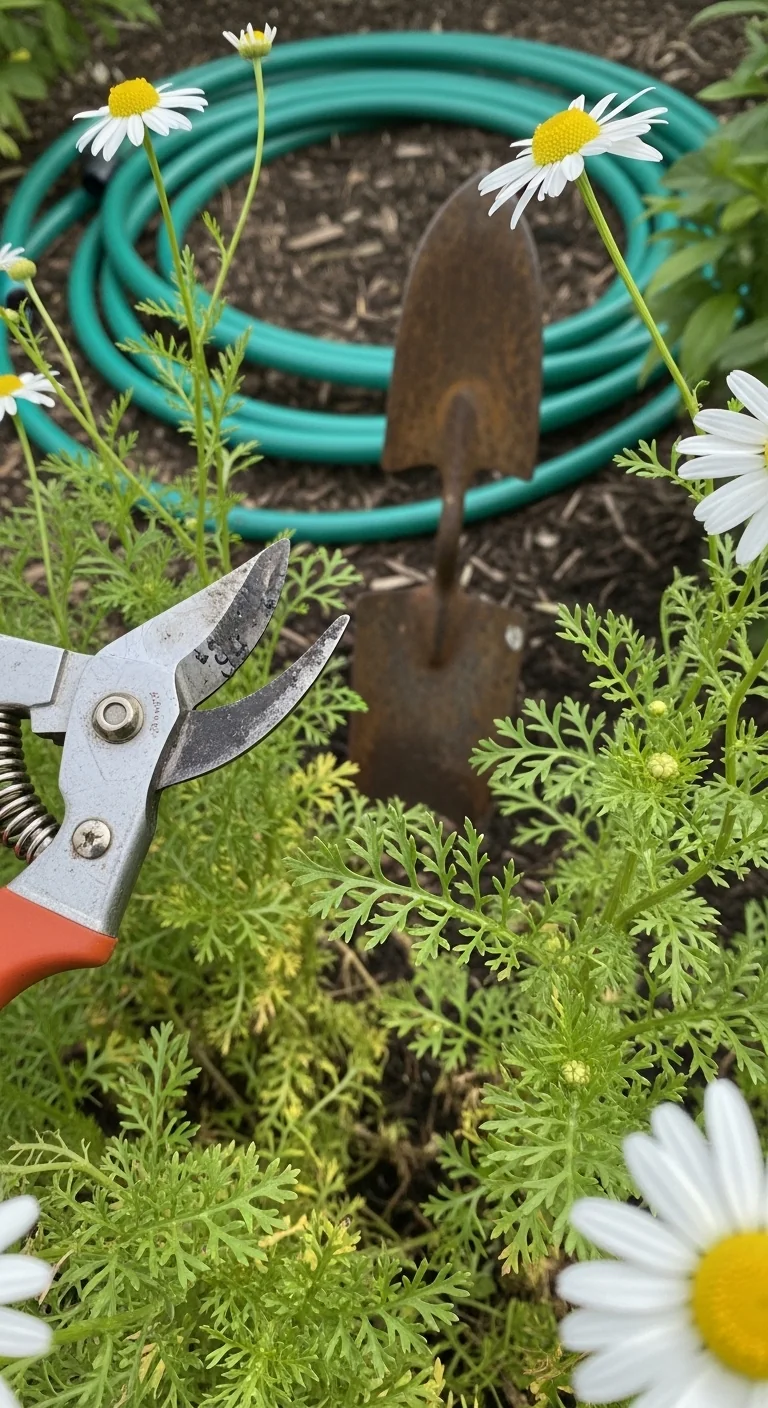
German chamomile serves as a direct sown annual for calming tea flowers. Scatter fine seeds on soil surface without covering since light triggers germination at 55F to 70F. Thin to six inches apart once seedlings reach two inches tall. Harvest flower heads daily once they open fully and dry immediately to preserve aroma.
Edge case: heavy clay soil compacts and prevents root establishment unless amended with coarse sand before sowing. One packet covers a 2 by 2 foot patch with minimal follow up.
Summer Savory
Best for: Branch 2
Use summer savory in hot full sun gardens for peppery seasoning and skip it in consistently cool zones below 65F average nights. Pros include bushy growth that withstands 85F days without bolting quickly. Cons show if soil stays waterlogged, causing root rot within 10 days. Edge case: in regions with sudden dry spells above 90F, mulch two inches deep to hold moisture without sogginess.
Direct sow after last frost and harvest sprigs as needed. Succession every four weeks keeps flavor peak through late summer.
Parsley
Best for: Branch 1
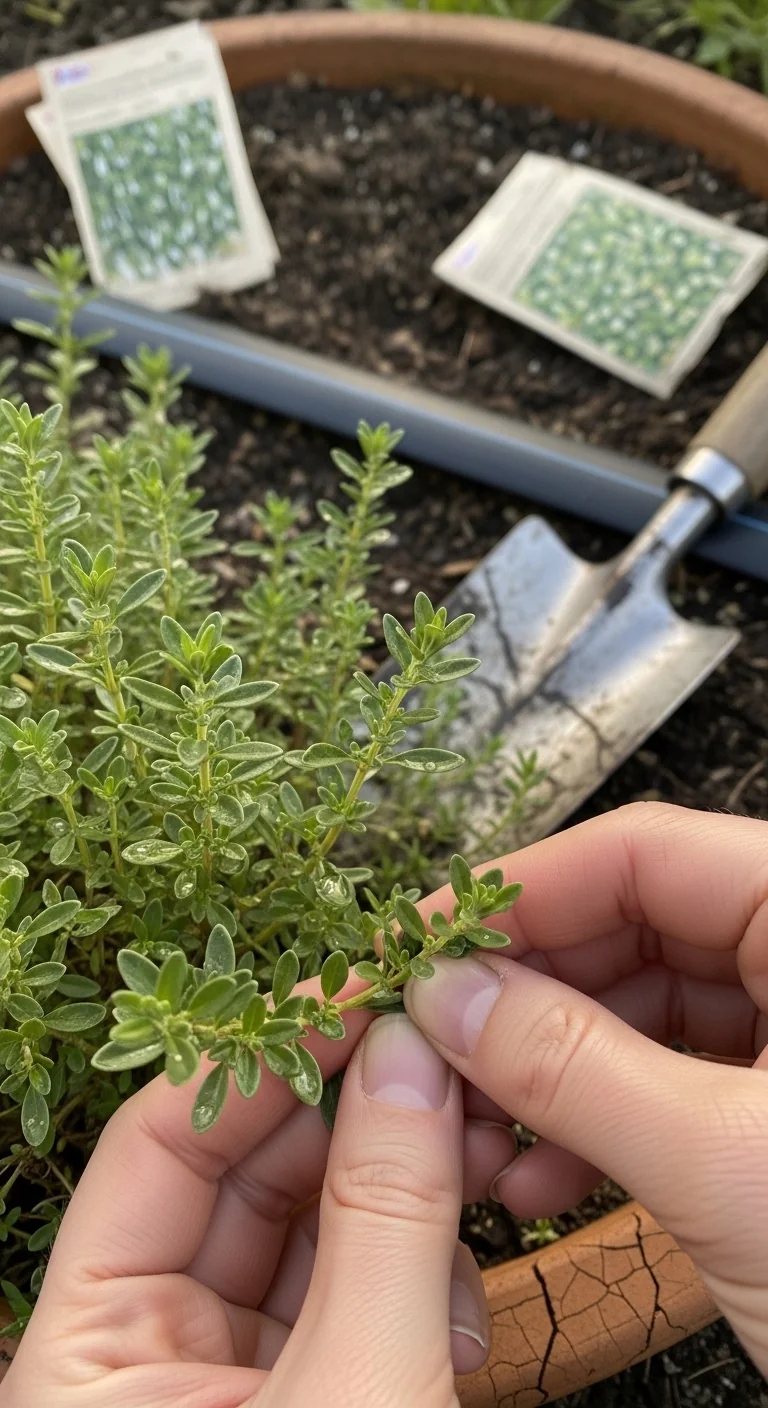
Parsley performs as a steady leaf producer when grown as an annual in limited space. It tolerates soil temperatures from 50F to 85F and continues leafing even when nights dip to 45F. Threshold rule: if plants show yellow older leaves after four weeks, increase nitrogen with compost tea applied every 14 days until color returns.
Adjust spacing to eight inches in containers to avoid crowding that slows outer leaf growth. Harvest outer stems first to keep the center productive for months. Flat or curly types both work equally well once the pH stays between 6.0 and 7.5. Timing and technique details are covered in our harvesting herbs guide.
Chervil
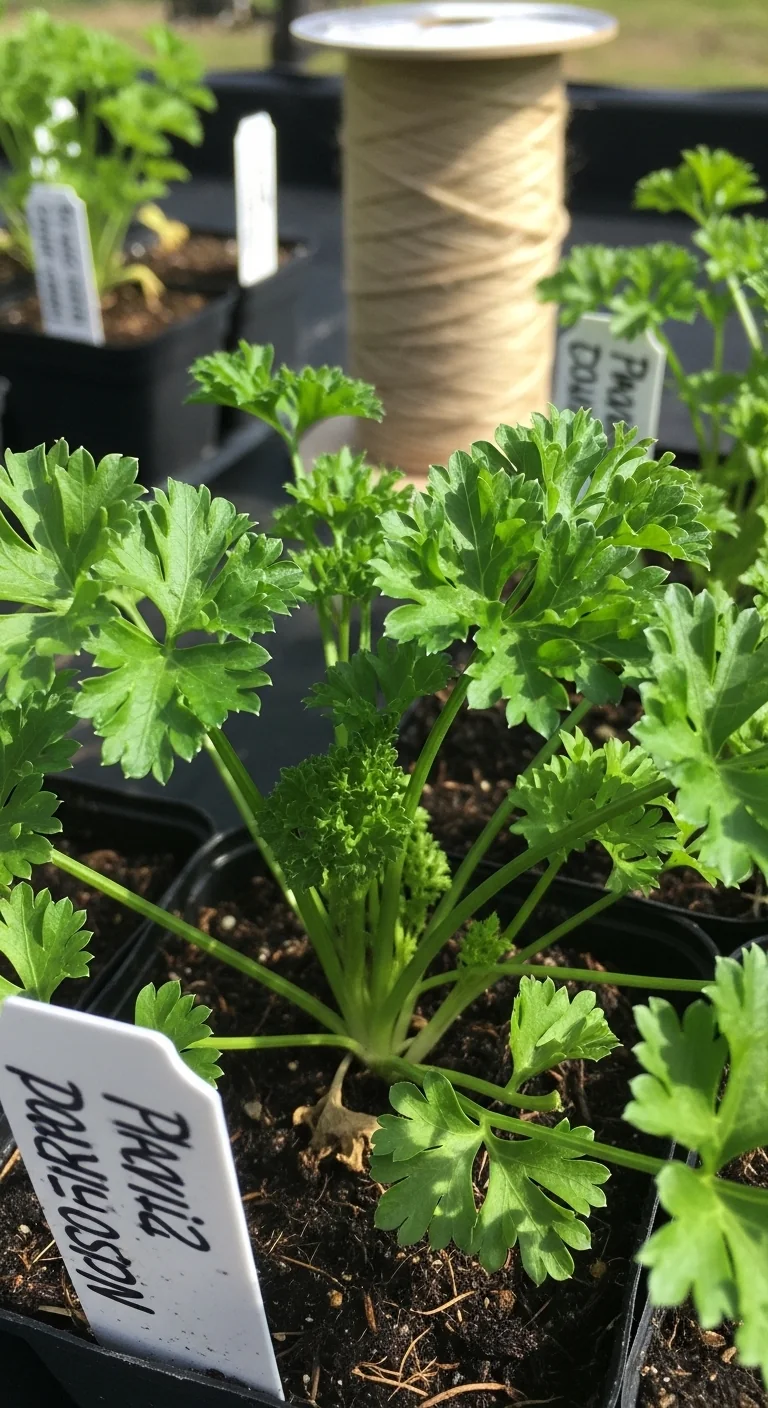
Best for: Branch 3
Chervil delivers delicate anise flavor with minimal intervention in partial light. Direct sow in cool soil at 50F to 65F and thin seedlings to six inches apart. Harvest outer leaves continuously once plants reach four inches tall. Succession sowing every three weeks maintains supply even when temperatures fluctuate.
The workflow takes under 10 minutes per session and requires no pinching or heavy feeding. Ideal upgrade: interplant with taller companions for natural shade during peak summer heat.
Marjoram
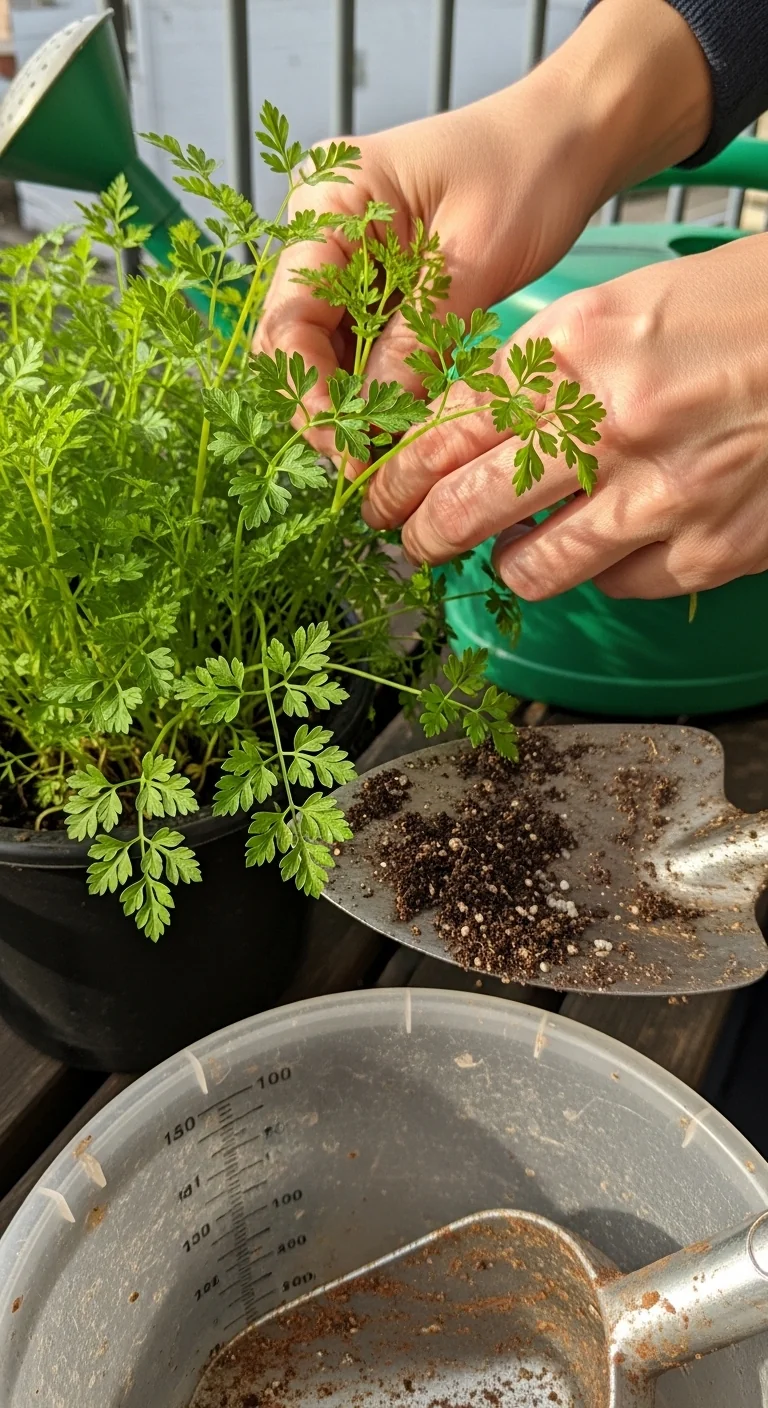
Best for: Branch 2
Marjoram grows as a compact annual under full sun and sustained heat above 75F. Sow seeds indoors four weeks before last frost at soil temperature of 65F to 75F then transplant into well drained spots. Pinch tips at six inches to encourage bushiness and harvest sprigs before flowering for strongest mild oregano like flavor.
One sowing covers a 12 inch pot through the entire season when nights stay above 60F. It pairs well with hot climate vegetables and resists bolting better than related tender herbs.
Starter Stack (What to Choose First)
For Branch 1: Limited Space
Start with Basil and Cilantro. Synergy comes from Basil supplying bulk leaves while Cilantro adds sharp contrast in the same pot. Sow Basil first then follow with Cilantro three weeks later. Estimated seed cost range: 3 to 7 dollars total. Time to first harvest: 4 to 6 weeks.
For Branch 2: Full Sun and Sustained Heat
Start with Dill and Summer Savory. Synergy arises when Dill provides height and seed heads alongside Savory’s low bushy seasoning leaves. Direct sow both after soil warms. Estimated seed cost range: 4 to 8 dollars total. Time to first harvest: 5 to 7 weeks.
For Branch 3: Pollinator Priority or Variable Light
Start with Borage and German Chamomile. Synergy appears as Borage draws bees while Chamomile fills lower gaps with daisy flowers. Direct sow both once soil reaches 50F. Estimated seed cost range: 3 to 6 dollars total. Time to first harvest: 6 to 8 weeks.
When This Won’t Work
If soil temperature at planting depth stays below 60F for more than seven consecutive days, germination fails across all nine herbs and seedlings emerge weak or not at all. The fix is to start seeds indoors under consistent warmth or wait until soil warms naturally.
If your garden receives under four hours of direct sun daily and you plant heat loving options from Branch 2 without adjustment, leaf production slows to less than one inch of new growth per week. The alternative action is to switch to shade tolerant selections or explore our fastest growing herbs guide for quick replacement plantings that adapt better.
Choosing the Right Option for Your Situation
Budget threshold
Keep total seed packet costs under 8 dollars for three herbs and all nine options remain viable for a full season supply in a typical 4 by 4 foot bed.
Time threshold
If you can dedicate 15 minutes per week to monitoring and harvesting, prioritize effort scores of 1 or 2 such as Borage or Dill to minimize weekly tasks.
Technical constraint: soil pH
Test soil pH before sowing and maintain readings between 6.0 and 7.5 using a basic kit. Below 6.0 add garden lime at the rate listed on the package and retest after two weeks.
Yes/No checklist:
– Soil temperature at 2 inch depth above 60F at sowing time?
– At least 4 hours direct sun available daily?
– Succession sowing slots planned every 3 to 4 weeks?
– Drainage confirmed by no standing water after heavy rain?
Expert Q&A
How does soil temperature at sowing change outcomes for annual herbs?
Most listed herbs need 55F to 70F at 2 inch depth for reliable germination within 7 to 14 days. Below 50F, seeds rot instead of sprouting. Above 85F at sowing, cilantro and dill bolt early and produce fewer usable leaves.
Which annual herbs double as effective companions in vegetable rows?
Dill and borage attract beneficial insects that reduce aphid pressure on nearby tomatoes and cucumbers. Plant them at the row ends rather than intermingled to avoid shading low growing crops.
What post harvest steps keep leaves and flowers usable longest?
Rinse gently in cool water, pat dry, then store stems in a glass of water in the refrigerator for up to one week. For longer storage, chop and freeze in ice cube trays covered with water or oil.
Can these annual herbs succeed in balcony conditions with wind exposure?
Yes when pots sit against a wall for wind protection and receive at least 4 hours of sun. Choose compact types such as basil or parsley and use self watering planters to maintain even moisture during hot days.
How do you schedule succession plantings to close harvest gaps?
Sow a new batch of cilantro or basil every 21 days and dill or savory every 28 days once the previous planting reaches half size. Track dates on a simple calendar to keep flavor at peak without overlap downtime.
Conclusion
The decision grid turns an ordinary annual herbs list into a practical selection system that matches each herb’s growth triggers to your exact conditions. The number one mistake remains planting without checking the branch alignment, which leads to early bolting and wasted space.
Take the next step by mapping your first combinations into a working layout that supports continuous supply. Use our herb garden layout ideas to arrange the chosen herbs for maximum efficiency from the start.