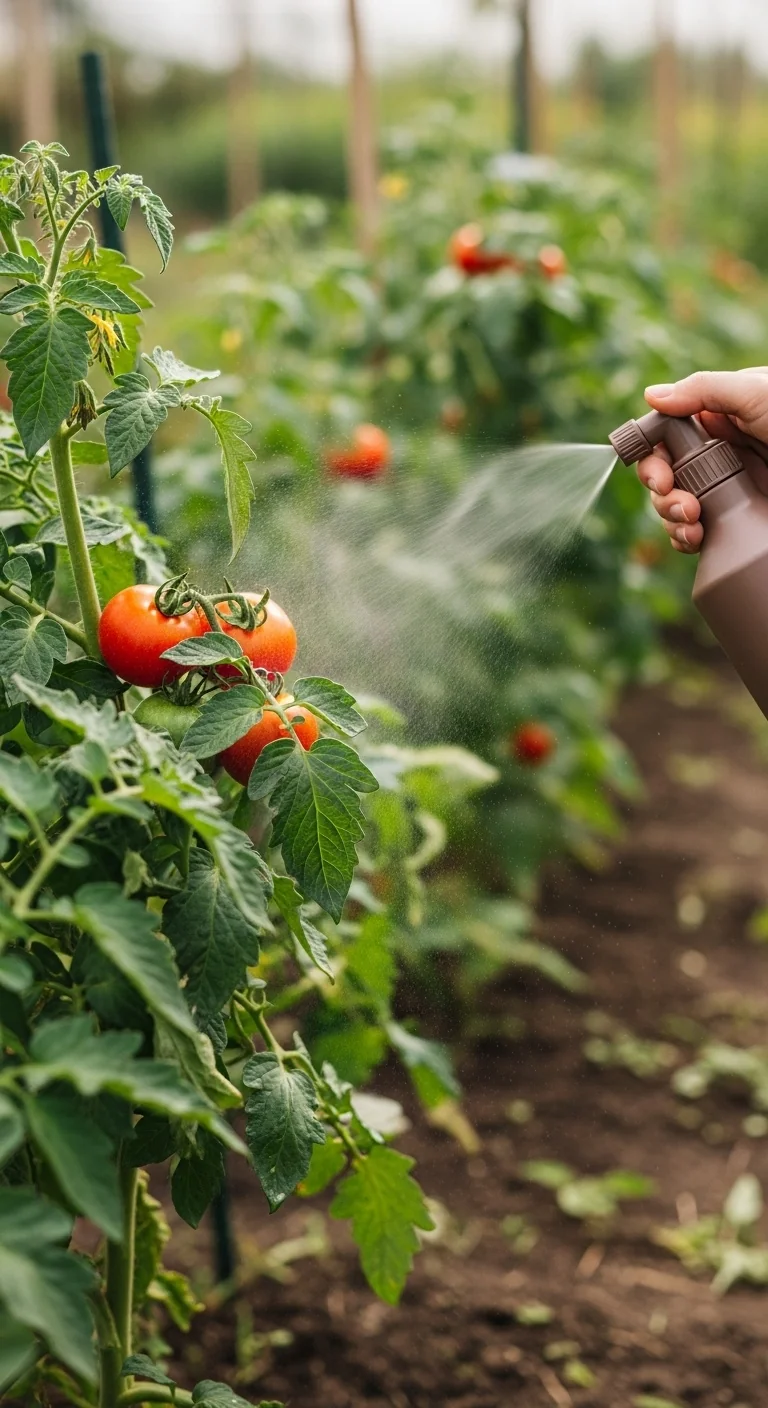
Companion planting vegetables succeeds when you match specific plant synergies to your garden’s primary measurable constraint instead of relying on generic good-neighbor lists. Treat your plot like a system: limited footprint demands vertical and ground-cover efficiency, visible pest activity calls for aromatic or trap repellents, and repeated heavy-feeder crops need nitrogen fixers or soil improvers.
This guide covers nine vegetable-focused strategies for edible gardens in the US, UK, Canada, Australia, and similar temperate climates. It includes mechanisms drawn from traditional use and extension observations, such as structural support, scent masking, and nutrient cycling. It excludes purely decorative pairings, fruit trees, or unverified folklore claims.
You will exit with a clear assignment: which combinations fit your conditions, exact implementation steps, and edge-case adjustments so you can plant with confidence this season.
Bottom line: Use the decision grid below to select companions matched to your plot’s space, pests, or soil status and implement immediately.
The Yield Grid Decision Grid
Branch 1: Space-constrained setups. Your garden measures under 100 square feet or uses containers or raised beds with tight footprints. Focus here on vertical stacking and ground-cover efficiency to avoid overcrowding. Recommended: Items 1, 4, and 7 below. For visual planning aids, see our vegetable garden layout ideas.
Branch 2: Pest-prone plots. You observe aphids, flea beetles, carrot flies, or hornworms on leaves more than twice per growing season. Prioritize aromatic or trap companions that interfere with pest host location. Recommended: Items 2, 3, and 5 below.
Branch 3: Nutrient-depleted soil. Heavy feeders such as tomatoes, peppers, or eggplant show yellowing lower leaves or you have grown the same crops in the same bed for two or more seasons without rotation or amendment. Emphasize nitrogen-fixing legumes and soil-improving borders. Recommended: Items 6, 8, and 9 below.
Quick Comparison Table
| Option | Key mechanism | Best for | Decision Grid Branch | Effort Score |
|---|---|---|---|---|
| Three Sisters Intercropping System | Corn provides vertical support for beans; beans fix nitrogen; squash shades soil to limit weeds | Maximizing output in limited square footage | Branch 1 | 2 |
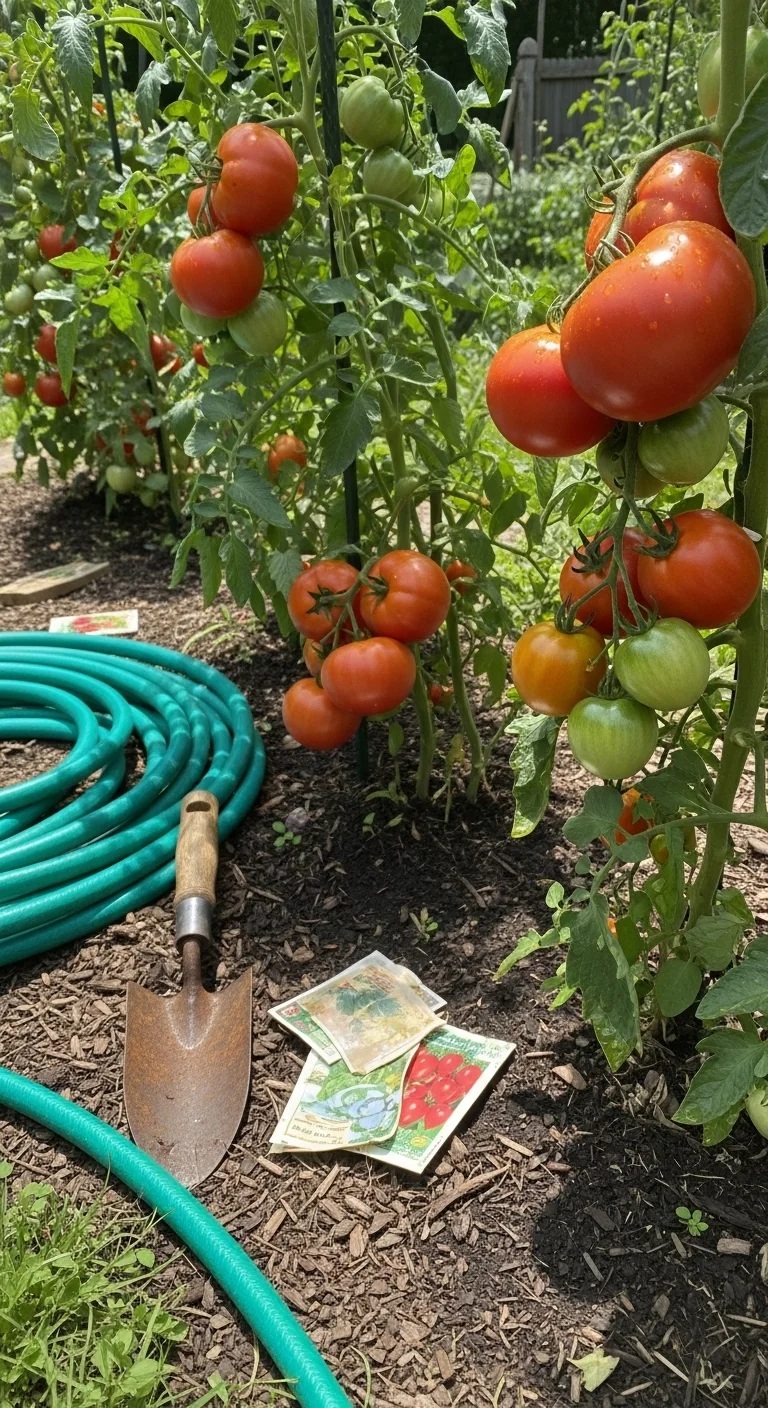
| Basil with Tomatoes | Aromatic oils interfere with pest host location while improving nearby flavor notes | Tomato beds with hornworm pressure | Branch 2 | 1 |
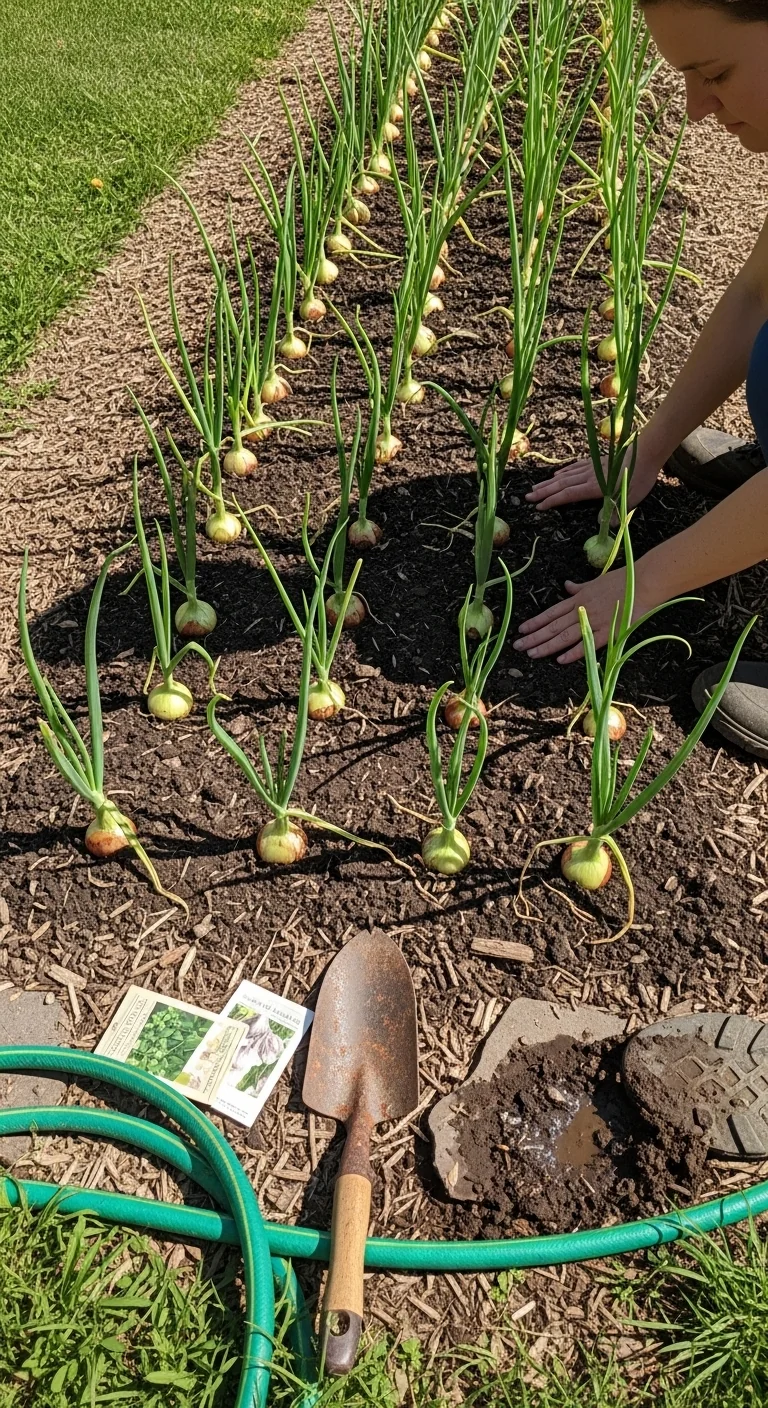
| Onion Family with Carrots | Strong sulfur scents mask carrot roots from carrot fly | Root crop rows in pest-active zones | Branch 2 | 1 |
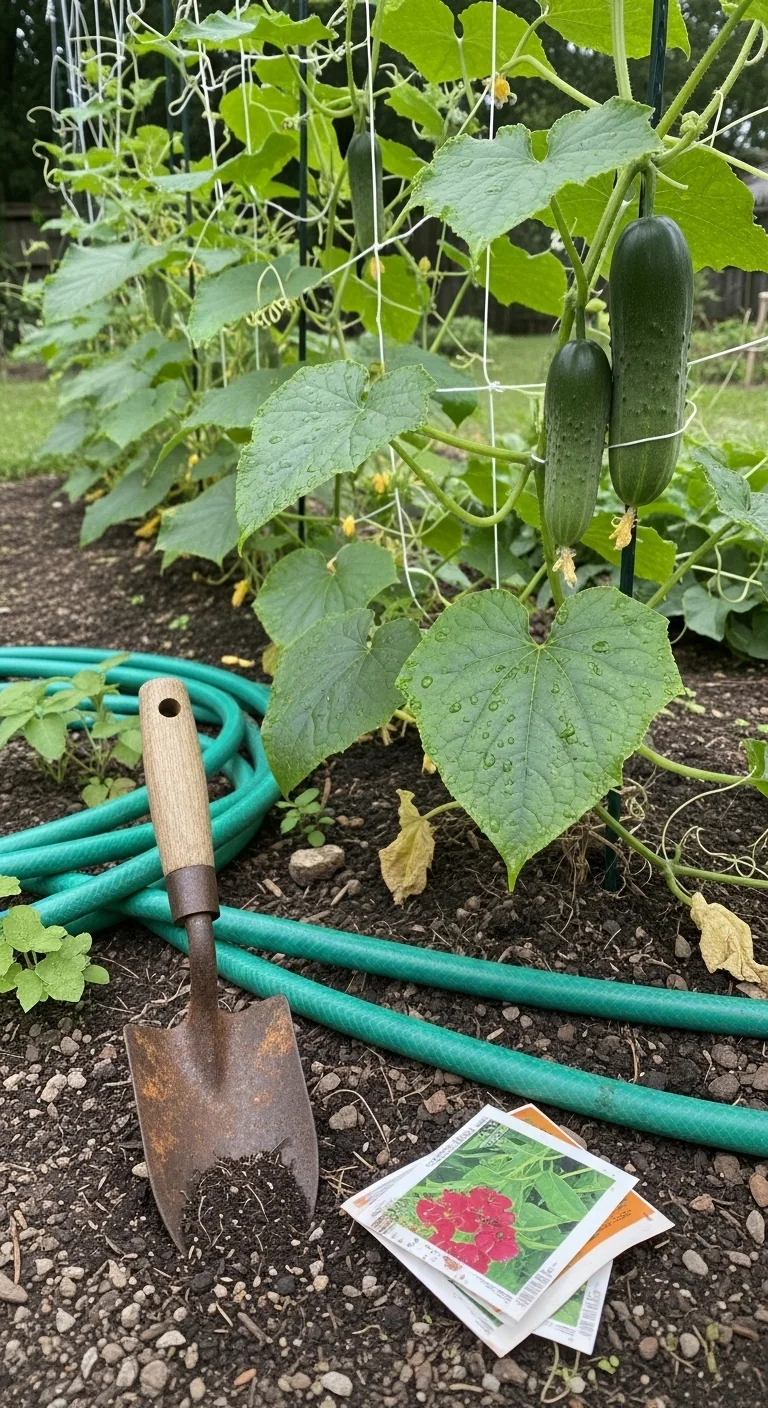
| Trellised Cucumbers with Bush Beans | Vertical growth frees ground space; beans add nitrogen at root level | Container or small-bed cucumber growing | Branch 1 | 2 |
| Garlic with Peppers | Allicin compounds deter aphids and spider mites | Pepper patches with sucking insect issues | Branch 2 | 1 |
| Bush Beans with Eggplant | Legume roots fix atmospheric nitrogen for heavy-feeding eggplant | Eggplant in beds used multiple seasons | Branch 3 | 1 |
| Nasturtiums Interplanted with Cucumbers | Trailing growth covers soil while acting as aphid trap crop | Ground-level space optimization around vines | Branch 1 | 1 |
| Bush Beans with Zucchini | Nitrogen fixation supports squash nutrient demands without extra fertilizer | Zucchini in nutrient-depleted beds | Branch 3 | 1 |
| Marigolds as Border Companions for Vegetable Crops | Root secretions suppress soil nematodes; flowers attract beneficial insects | Long-term soil recovery around heavy feeders | Branch 3 | 1 |
Three Sisters Intercropping System
Best for: Branch 1
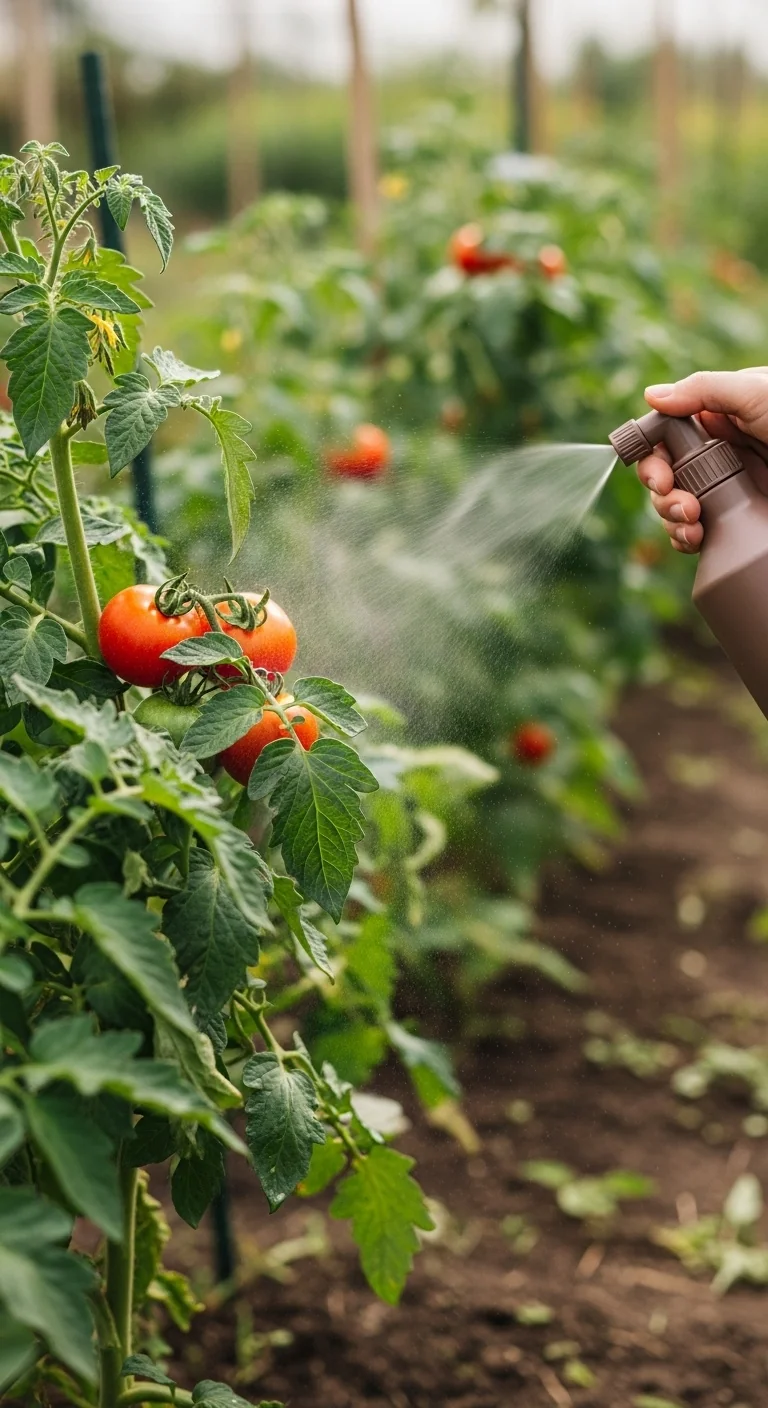
This blueprint delivers three crops from one footprint by stacking functions. Plant corn first when soil temperature reaches 60 degrees F and corn is 6 inches tall. At that point sow pole beans 4 inches from each corn stalk so they climb naturally. Two weeks later plant squash or zucchini between the hills so their broad leaves shade the soil. Maintain 18-inch spacing between corn hills in rows 3 feet apart. The mistake to avoid is planting all three at once; mismatched timing lets beans overwhelm young corn or squash fail to establish before canopy closure. This method suits small plots because it eliminates the need for separate trellises or mulch layers.
Basil with Tomatoes
Best for: Branch 2
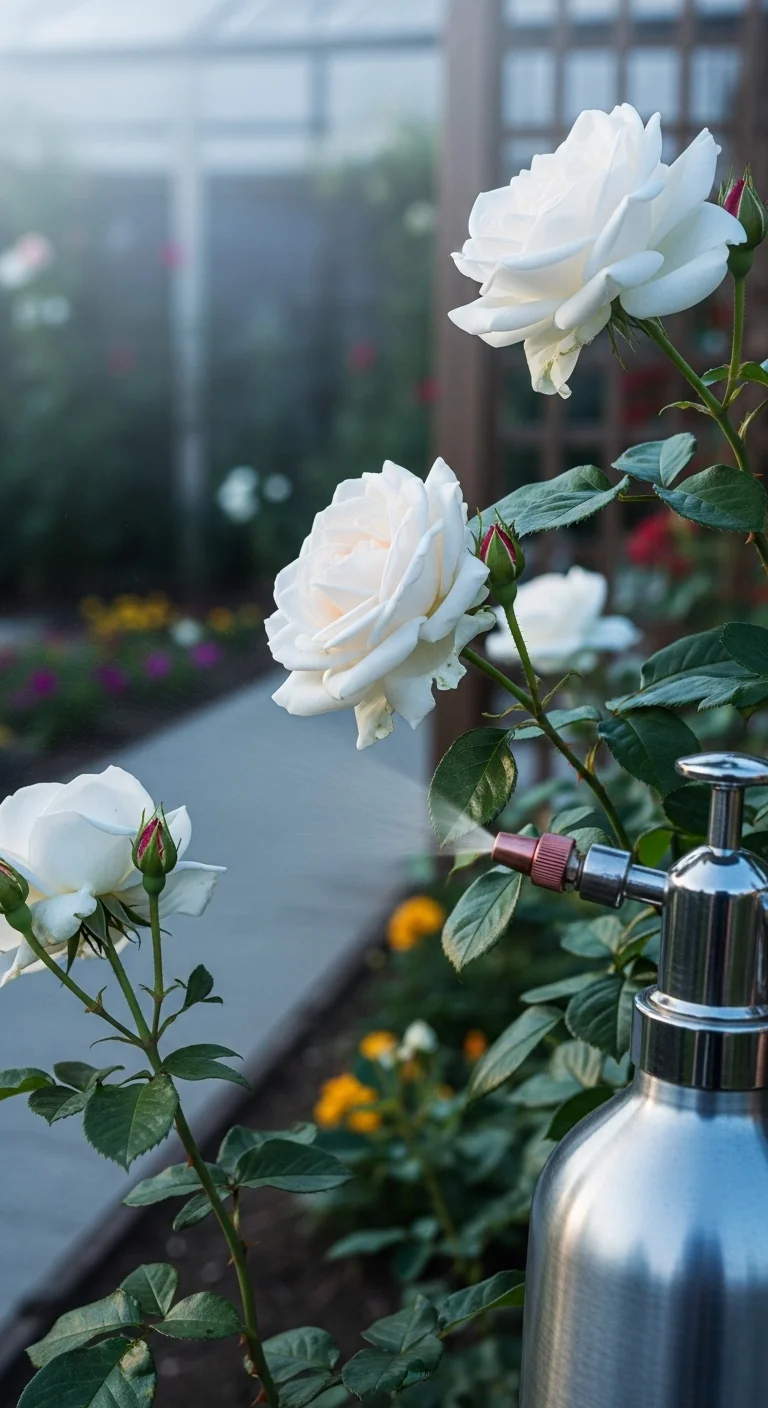
Use basil when tomato hornworms appear regularly. Plant basil seedlings 12 inches from tomato stems after the last frost when soil is above 55 degrees F. Pros include scent-based interference that reduces pest landing and improved tomato flavor notes in side-by-side taste tests. Skip this pairing in high-humidity regions where basil can spread foliar disease to tomatoes. Edge case: container growers on balconies gain extra harvest from the same pot without added space.
Onion Family with Carrots
Best for: Branch 2
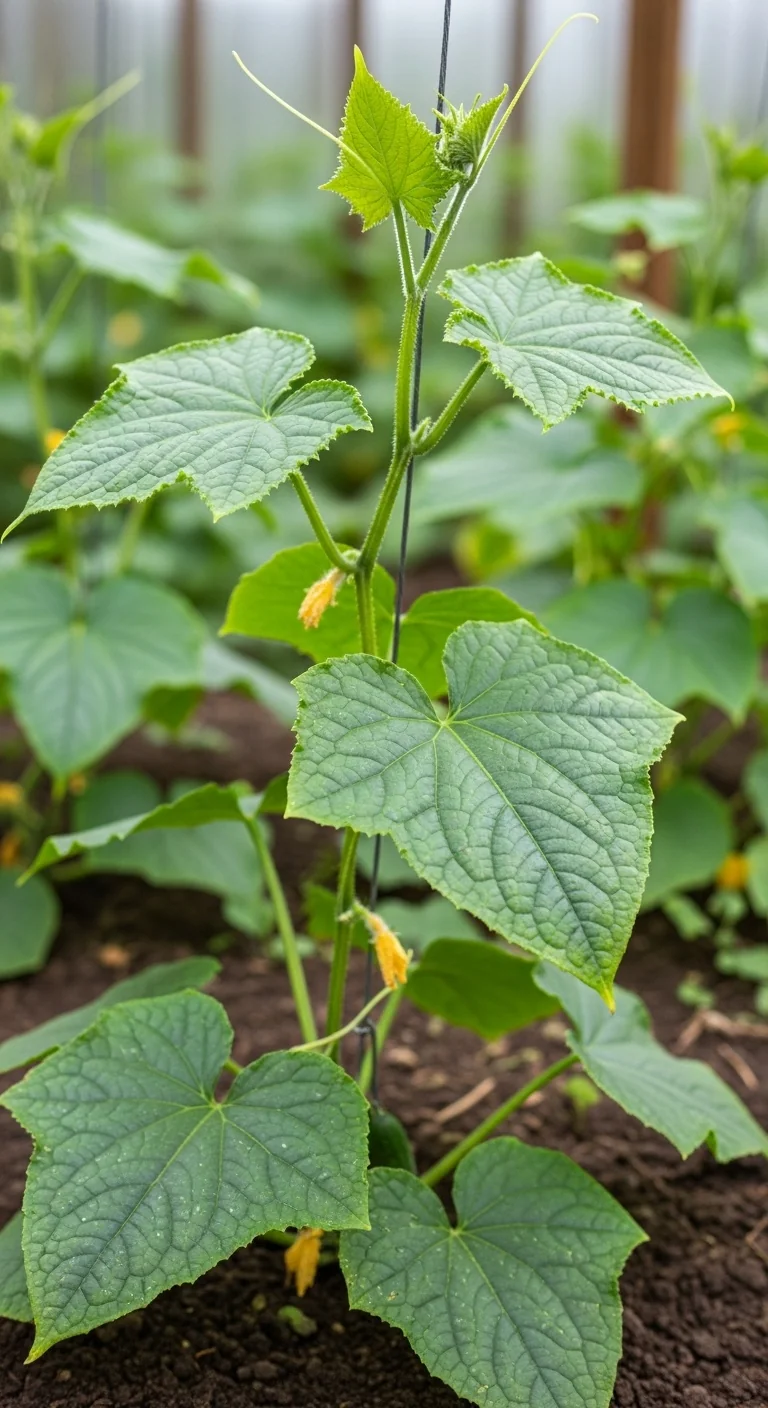
Plant onion sets or garlic cloves 6 to 8 inches from carrot rows when soil temperature exceeds 50 degrees F. The threshold rule is simple: maintain this distance throughout the bed so sulfur compounds released by onion roots reach carrot root zones without competing for the same row space. Adjust closer (4 inches) only in windy sites where scent dissipates faster. This combination works because carrot flies locate hosts by smell; the onion mask reduces egg-laying without any weekly sprays.
Trellised Cucumbers with Bush Beans
Best for: Branch 1
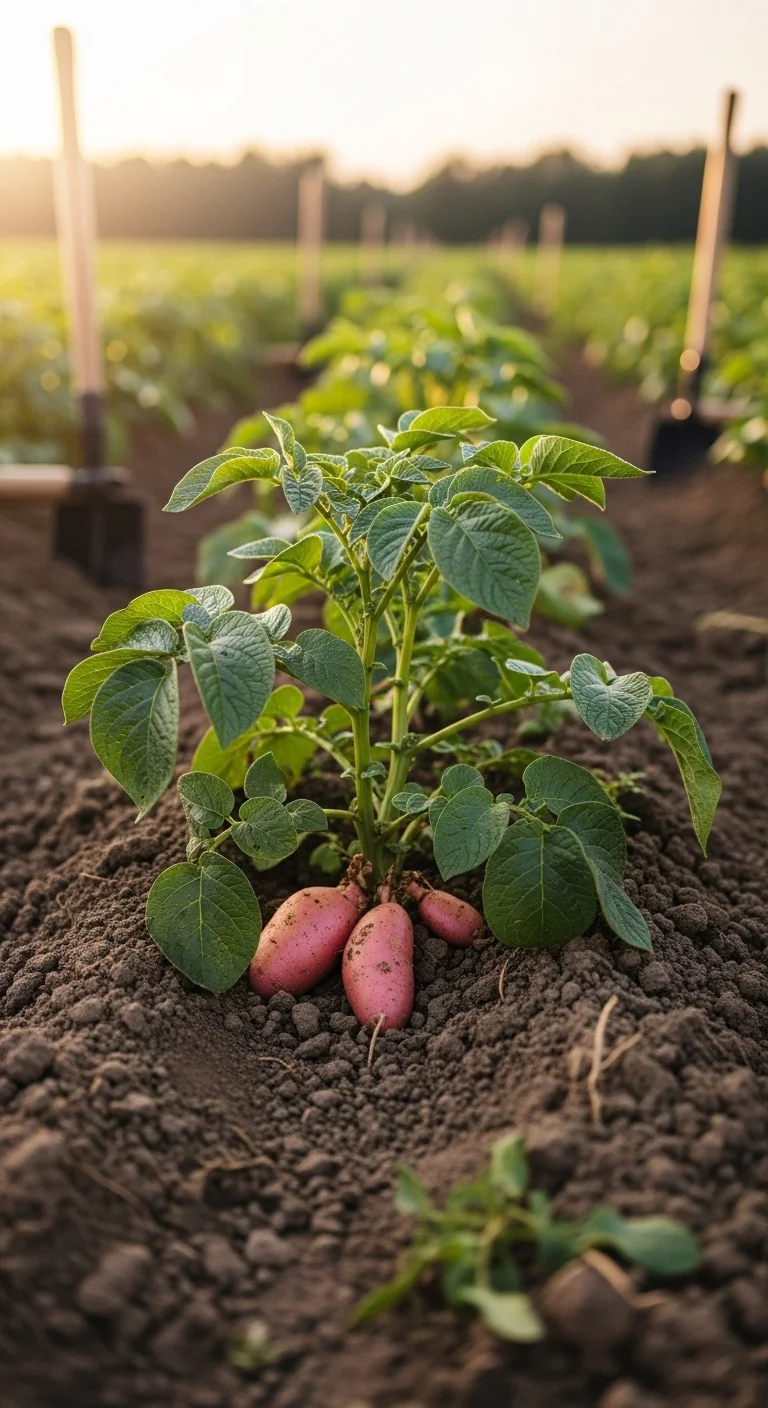
Follow this 10-minute workflow for small spaces. Install a sturdy trellis on the north side of the bed. Sow cucumber seeds at the base once soil hits 60 degrees F. At the same time plant bush beans 8 inches away in the open ground between trellis posts. Water both at planting, then mulch with 2 inches of organic material. Upgrade option: add a second row of beans on the south side if your bed exceeds 4 feet wide. The entire setup finishes in one session and frees ground space for additional low crops.
Garlic with Peppers
Best for: Branch 2
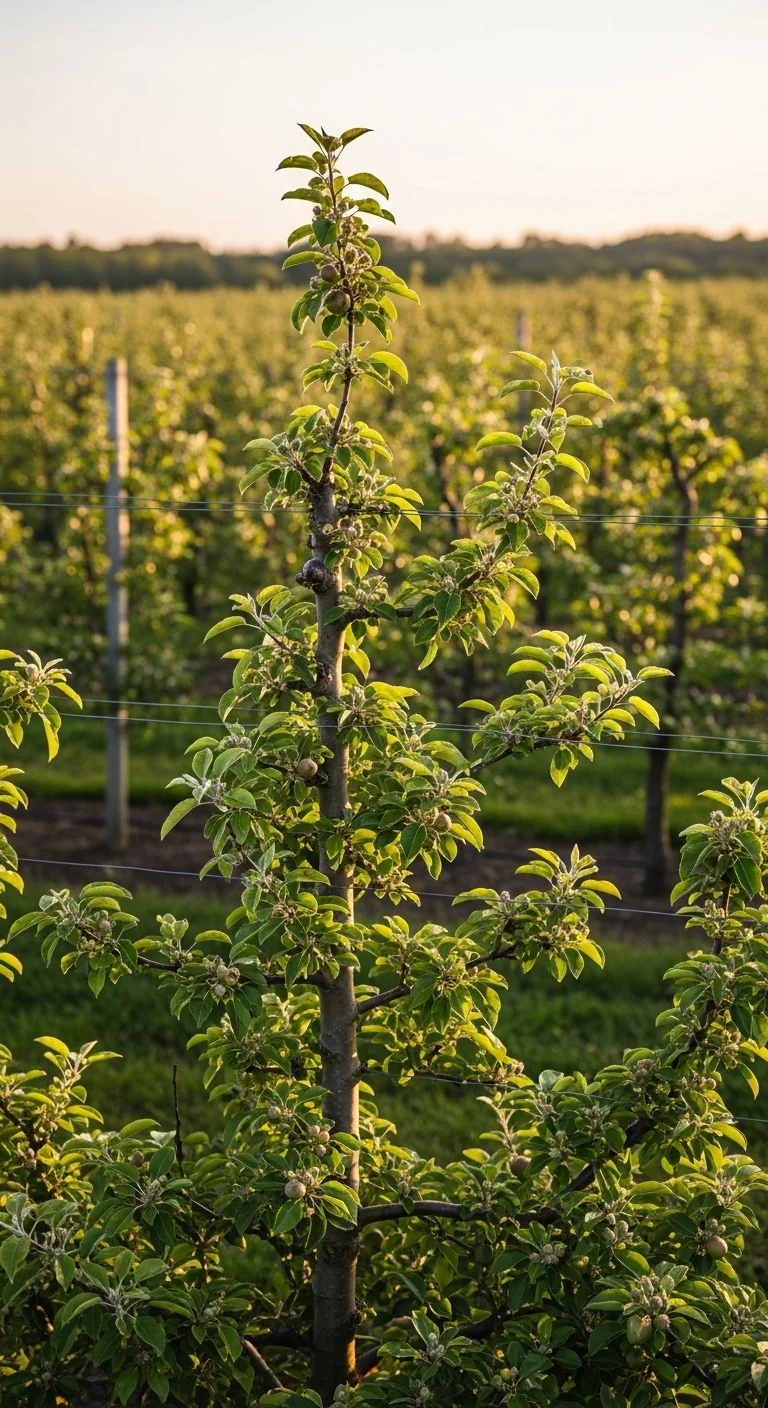
Interplant garlic cloves 8 inches from pepper transplants after the last frost when soil temperature stays above 55 degrees F. The mechanism relies on allicin volatiles that deter aphids and spider mites. Use this in any pepper variety, but space garlic farther (12 inches) in containers to prevent root competition. Harvest garlic in midsummer and leave the space open for late-season pepper production.
Bush Beans with Eggplant
Best for: Branch 3
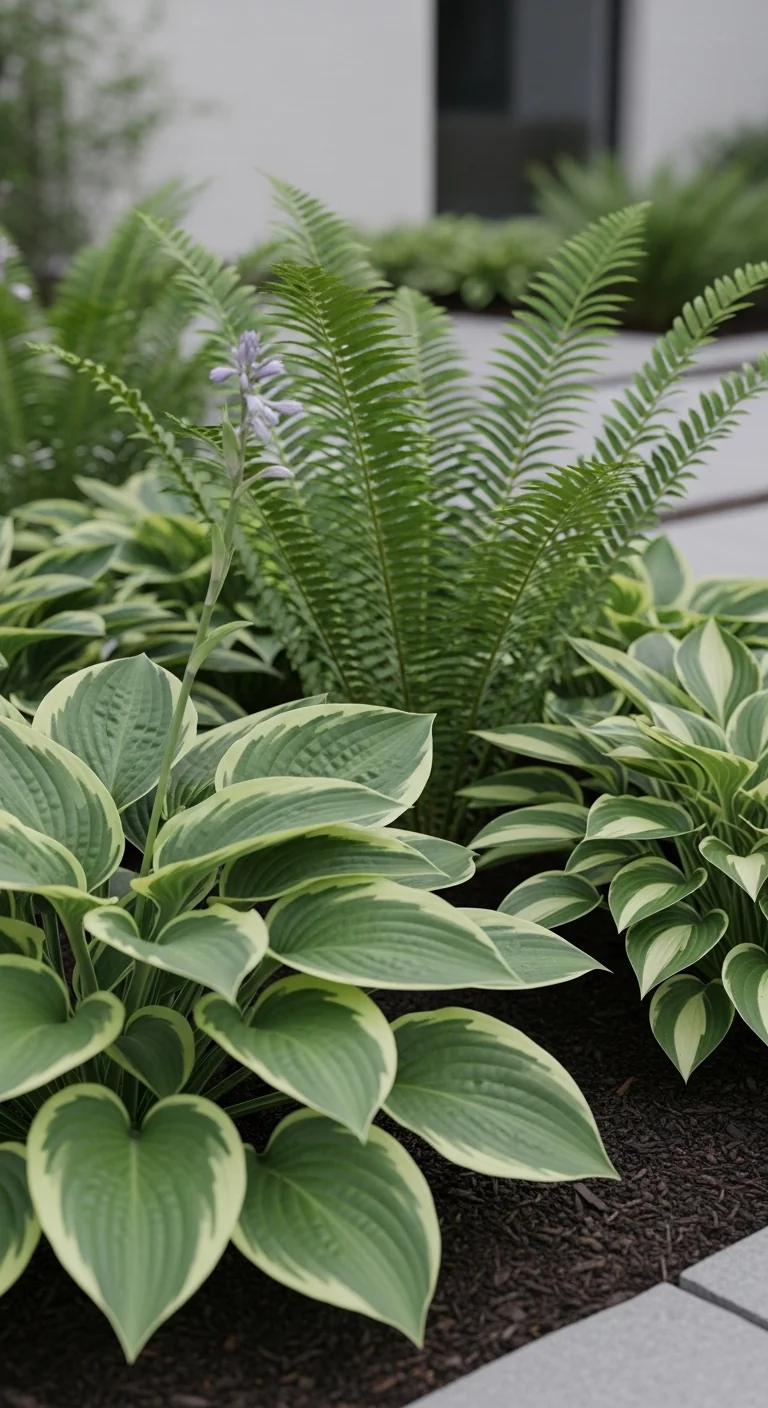
Plant bush bean seeds 10 inches from eggplant transplants once soil temperature exceeds 60 degrees F. Beans fix nitrogen at the root level and deliver it to neighboring eggplant through soil microbial activity. This pairing restores productivity in beds used for heavy feeders two seasons in a row. Keep beans on the south side so eggplant receives full sun while beans tolerate slight shade from mature eggplant foliage. Harvest beans continuously to keep nitrogen cycling active through the season.
Nasturtiums Interplanted with Cucumbers
Best for: Branch 1
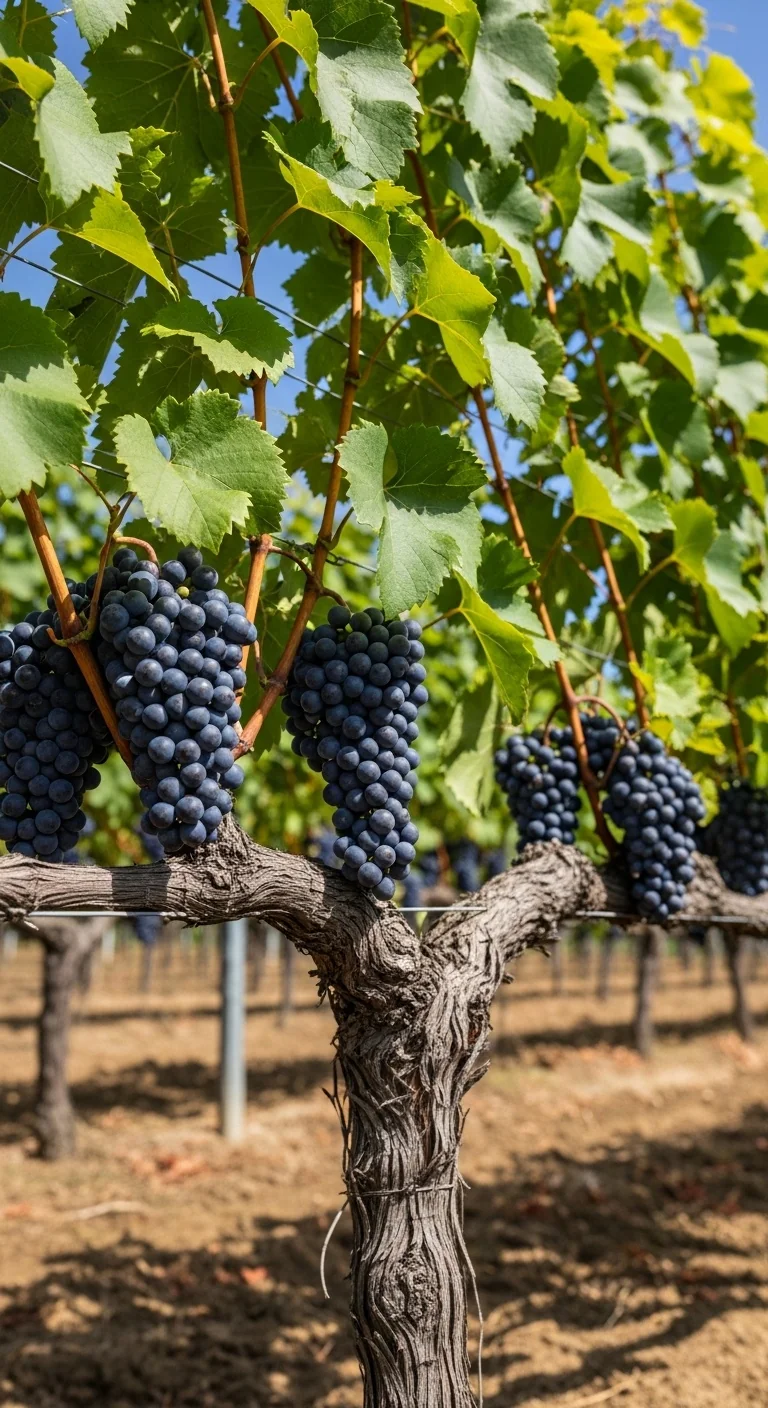
Companion flowers for vegetables like nasturtiums solve ground-space shortages around vining crops. Sow nasturtium seeds 12 inches from cucumber bases at the same time you direct-sow cucumbers when soil temperature reaches 60 degrees F. The trailing vines cover bare soil and act as a trap crop that draws aphids away from cucumbers. This workflow takes under 5 minutes and eliminates the need for extra mulch in small beds. Remove spent nasturtium vines at season end to prevent self-seeding overload.
Bush Beans with Zucchini
Best for: Branch 3
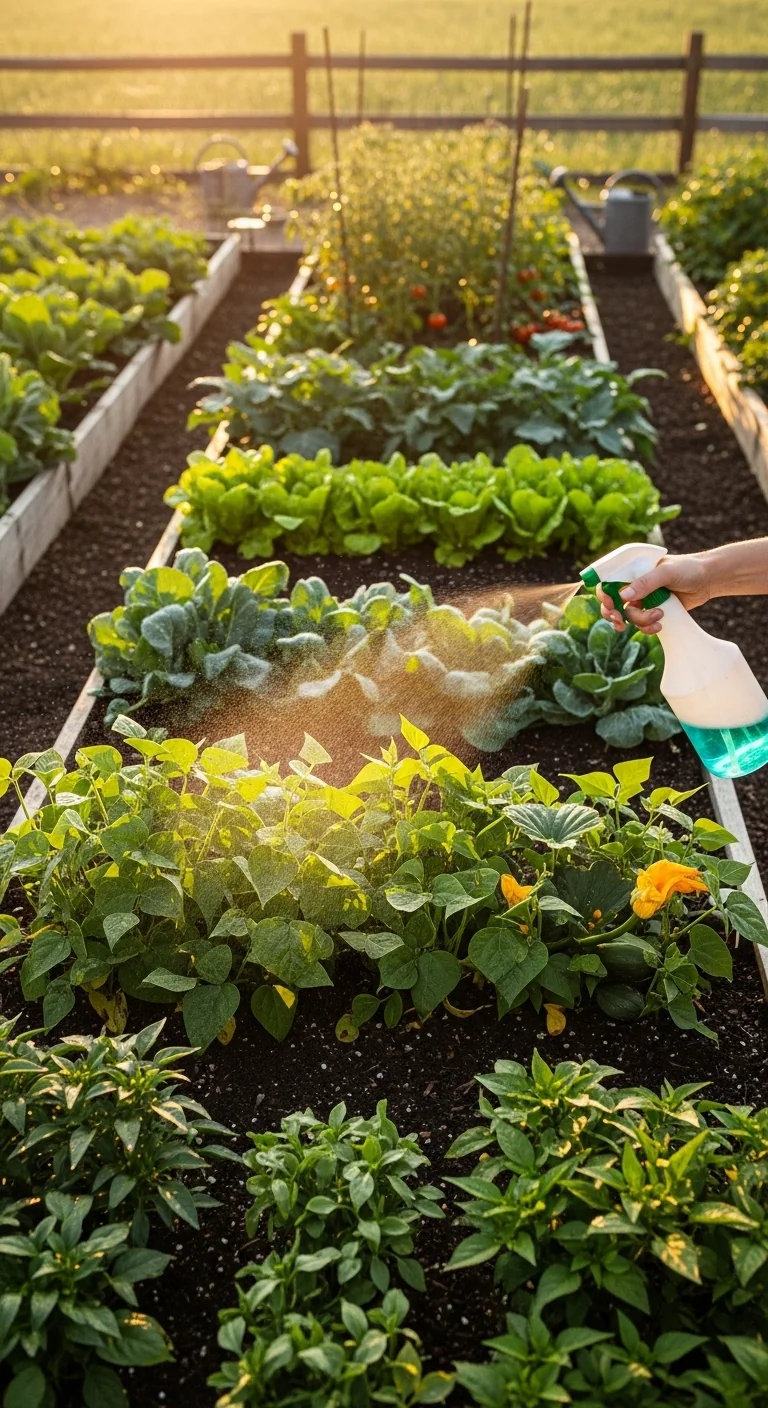
Sow bush bean seeds in a ring 10 inches from each zucchini hill once soil temperature stays above 60 degrees F. The beans fix nitrogen exactly where zucchini roots feed, supporting heavy fruit production without supplemental side dressing. This works especially well after two seasons of squash in the same bed. Harvest beans regularly to maintain steady nitrogen release while zucchini vines spread outward.
Marigolds as Border Companions for Vegetable Crops
Best for: Branch 3
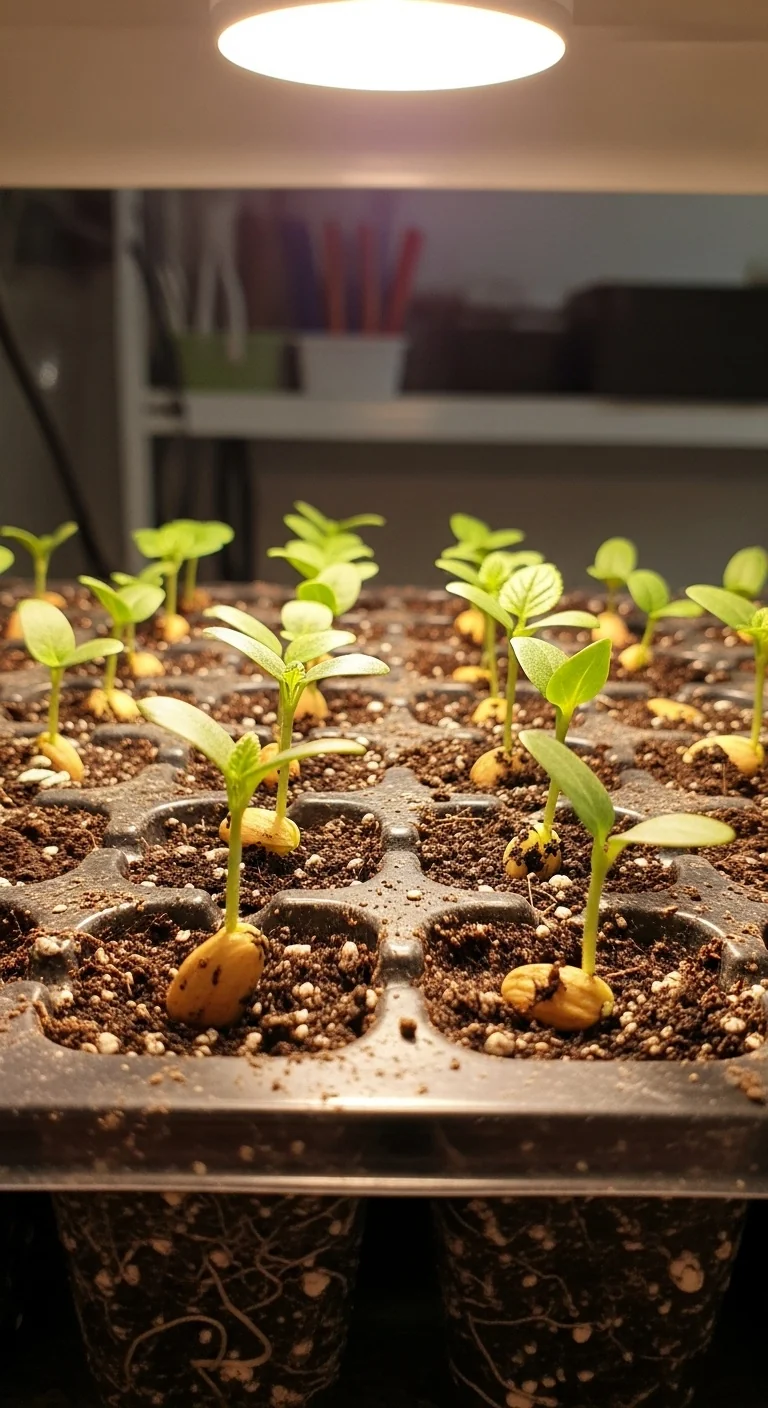
Plant French marigold seedlings every 8 inches along the border of depleted beds at transplant time for main crops. Root secretions target soil nematodes that build up around repeated heavy feeders. The flowers also draw predatory insects that patrol the bed. Space marigolds 12 inches from the main crop row to avoid shading. At season end till the plants into the soil for maximum root effect. This border method restores balance in beds showing yellowing leaves on peppers or eggplant.
Starter Stack (What to Choose First)
For Branch 1 Space-Constrained Gardens
Start with Three Sisters Intercropping System plus Trellised Cucumbers with Bush Beans. The corn-beans-squash stack plus vertical cucumbers and beans create layered production that fills vertical and horizontal space without overlap. Total seed cost ranges from 8 to 15 dollars; setup time runs 90 to 120 minutes for a 50-square-foot bed.
For Branch 2 Pest-Prone Plots
Begin with Basil with Tomatoes and Garlic with Peppers. These aromatic pairings establish scent barriers around two high-value crops while requiring zero ongoing adjustments. Seed and transplant cost stays under 10 dollars; planting takes 30 to 45 minutes.
For Branch 3 Nutrient-Depleted Soil
Choose Bush Beans with Eggplant and Bush Beans with Zucchini. The dual legume pairings recharge nitrogen exactly where heavy feeders need it most. Packet cost ranges from 6 to 12 dollars; planting requires 45 to 60 minutes.
When This Won’t Work
Companion planting vegetables fails when soil temperature stays below 60 degrees F during the recommended planting window for warm-season combinations such as Three Sisters or trellised cucumbers with beans. Cool soil delays germination and lets weeds outcompete the intended crops. Switch to cool-season alternatives such as onion family with carrots or start warm-season companions indoors and transplant later.
The second measurable failure occurs in beds receiving fewer than 6 hours of direct sun daily. Aromatic repellents lose volatility and nitrogen fixers underperform without adequate light. Move to a raised-bed vegetable garden in a sunnier location or install reflective mulch to extend light reach.
Choosing the Right Option for Your Situation
Budget Threshold
Under 15 dollars in seeds and transplants fits all nine options. Trellis materials add 10 to 20 dollars only for the vertical cucumber stack; everything else uses existing bed space.
Time Threshold
Under 60 minutes of planting time covers eight options. Only the Three Sisters and trellised cucumber stacks require 90-plus minutes because of staggered timing and structure setup.
Technical Constraint
Soil temperature must exceed 55 degrees F and pH must sit between 6.0 and 7.0 for reliable results across all branches. Test with a simple probe kit before planting if yellowing appeared last season.
Yes/No checklist:
Is your plot under 100 square feet or in containers? Yes leads to Branch 1.
Do you see aphids or beetles more than twice per season? Yes leads to Branch 2.
Do heavy feeders show yellow lower leaves after multiple seasons? Yes leads to Branch 3.
All conditions met? Plant the recommended stack this week.
Expert Q&A
How far apart do companion plants need to be for benefits to appear?
Most scent-based or nitrogen-fixing effects occur reliably within two or three rows or 12 to 18 inches of the main crop. Beyond that distance the volatile compounds or root interactions weaken significantly. Measure once at planting and you are set for the season.
Does companion planting replace the need for crop rotation in vegetable beds?
No. Rotation still prevents soil-borne disease buildup. Companions supplement rotation by adding nitrogen or deterring pests in the current season, but you must still move plant families to new beds each year to avoid long-term depletion.
Can you use companion planting successfully in container vegetable gardens?
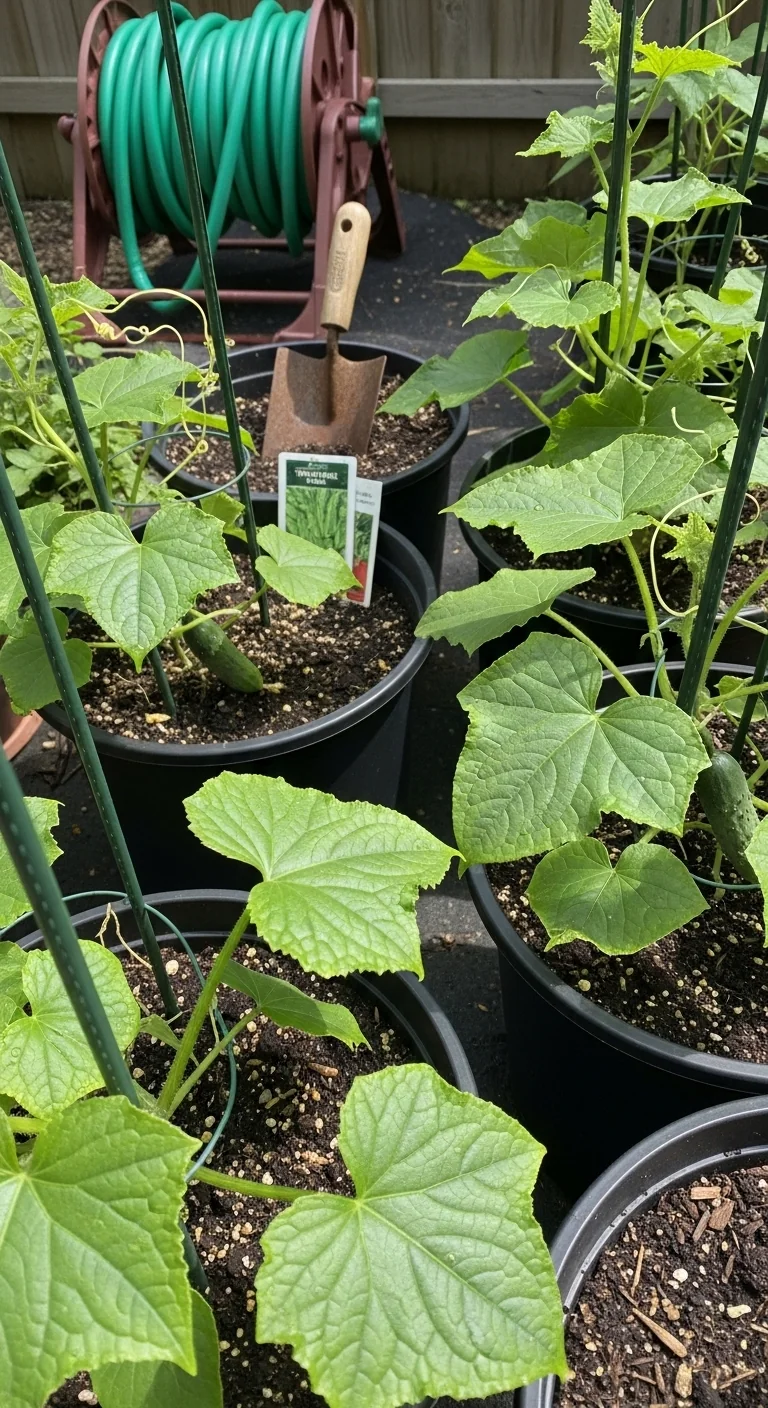
Yes, provided you select one main crop and one compact companion per pot of at least 5 gallons. Basil with tomatoes or garlic with peppers both perform well in containers because their root zones stay contained and scent effects concentrate in the small volume.
How does soil temperature influence companion planting outcomes?
Warm-season companions such as beans or cucumbers require soil above 60 degrees F for germination and early root activity. Below that threshold, nitrogen fixation slows and pest-repellent volatiles release more slowly, reducing overall effectiveness until temperatures rise.
Should you combine more than two companion species in one bed?
Three species work when their growth habits differ (tall, medium, low) and timing aligns. The Three Sisters method proves this with corn, beans, and squash. Adding a fourth usually leads to light or water competition unless the bed exceeds 100 square feet.
Conclusion
The core decision in companion planting vegetables comes down to aligning one clear garden constraint with the matching strategy rather than scattering random pairs across the bed. The most common mistake is ignoring planting timing and spacing, which turns potential synergies into competition for light, water, or nutrients.
Review your current plot conditions against the decision grid, pick one starter stack, and plant this week. Begin by reading our how-to-start-a-vegetable-garden guide to map the chosen companions into your overall layout for the season.

Lead Data Architect
Umer Hayiat
Founder & Lead Data Architect at TheYieldGrid. I bridge the gap between complex agronomic data and practical growing, transforming verified agricultural science into accessible, mathematically precise tools and guides for serious growers.
View all tools & guides by Umer Hayiat →