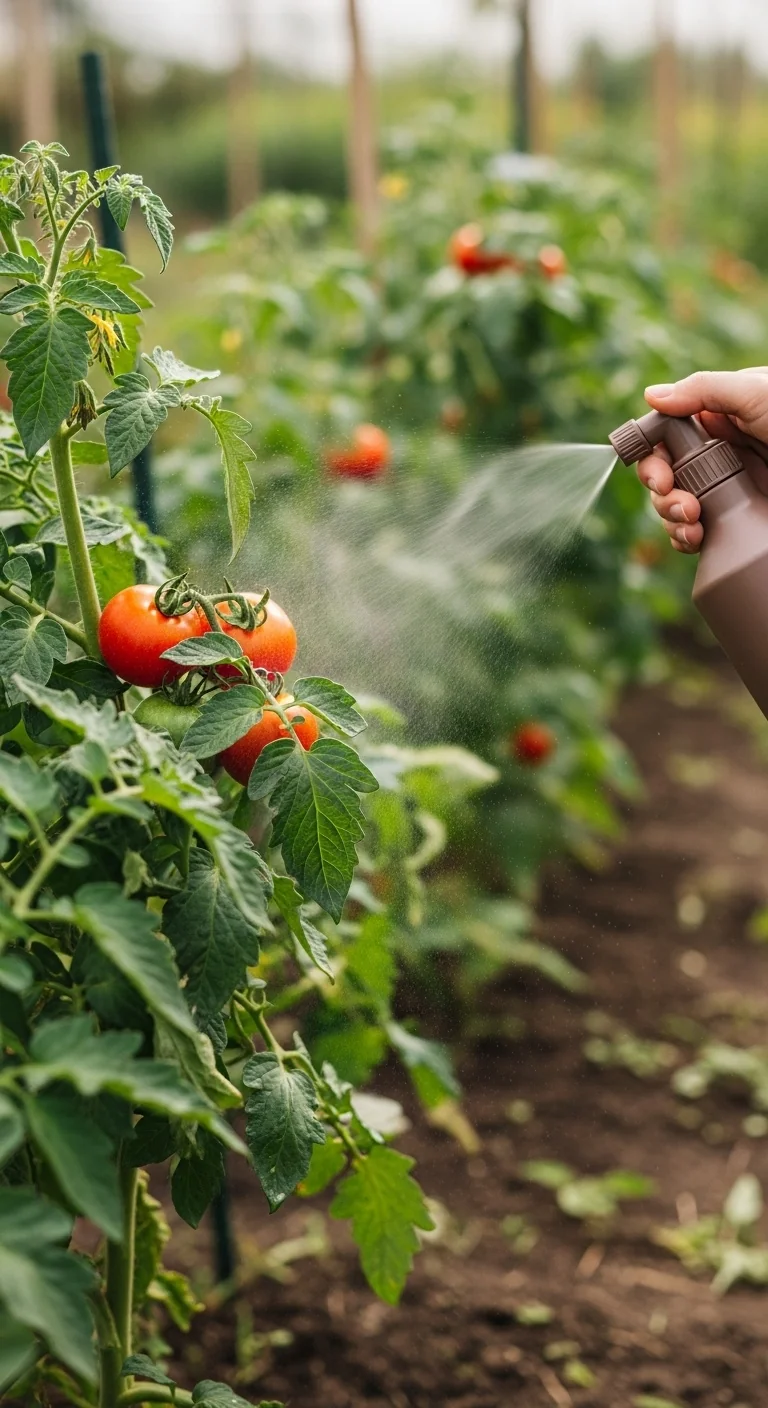
Standard lists push the same short menu of organic fertilizers for vegetables no matter the garden conditions. The decision that actually matters is pairing each option’s nutrient release speed with your current soil temperature and your vegetables’ exact growth stage.
This guide covers 10 reliable organic choices with precise application windows, measurable thresholds for soil temperature and pH, and side-by-side mechanics. It excludes synthetic blends, uncomposted fresh manure, and any product requiring full laboratory analysis beyond a basic home soil test kit.
By the end you can walk your rows, check soil temperature with a probe and note the week on your calendar, then select the fertilizer that delivers nutrients when roots can take them up immediately.
Bottom line: Match fertilizer release rate to soil temperature above 15 C and your vegetable planting calendar, and you eliminate guesswork in feeding.
The Yield Grid Decision Grid
Branch 1: Soil temperature below 15 C (59 F) or first 30 days after planting. Slow-release solids break down steadily as soil warms. Recommended: Compost, Bone Meal, Alfalfa Meal below.
Branch 2: Soil temperature 15 to 24 C (59 to 75 F) during vegetative growth. Medium-release granulars supply steady nitrogen without flush. Recommended: Aged Cow Manure, Blood Meal, Feather Meal below.
Branch 3: Soil temperature above 24 C (75 F) or fruit-set stage. Fast-release liquids reach roots within days. Recommended: Fish Emulsion, Kelp Meal, Worm Castings below.
Align applications to the vegetable planting calendar for best timing.
Quick Comparison Table
| Option | Key mechanism | Best for | Decision Grid Branch | Reapply Class |
|---|---|---|---|---|
| Compost | Microbial breakdown of organic matter | All vegetables, soil structure | Branch 1 | Once-per-season |
| Worm Castings | Humic acids and beneficial microbes | Seedlings and transplants | Branch 3 | Monthly |
| Aged Cow Manure | Balanced NPK from decomposed herbivore waste | Heavy feeders like tomatoes | Branch 2 | Once-per-season |
| Blood Meal | Rapid nitrogen from dried animal blood | Leafy greens in mid-season | Branch 2 | Monthly |
| Bone Meal | Slow phosphorus and calcium from steamed bones | Root crops and fruiting vegetables | Branch 1 | Once-per-season |
| Fish Emulsion | Water-soluble nitrogen and trace elements | Quick boost in warm conditions | Branch 3 | Biweekly |
| Kelp Meal | Potassium and micronutrients from seaweed | Overall plant health and stress resistance | Branch 3 | Monthly |
| Alfalfa Meal | Triacontanol growth stimulant plus moderate N | Flowering and fruit set | Branch 1 | Monthly |
| Feather Meal | Slow-release nitrogen from hydrolyzed feathers | Long-season brassicas | Branch 2 | Once-per-season |
| Soybean Meal | Moderate nitrogen and amino acids from legume residue | General mid-season feeding | Branch 2 | Monthly |
1. Compost
Best for: Branch 1
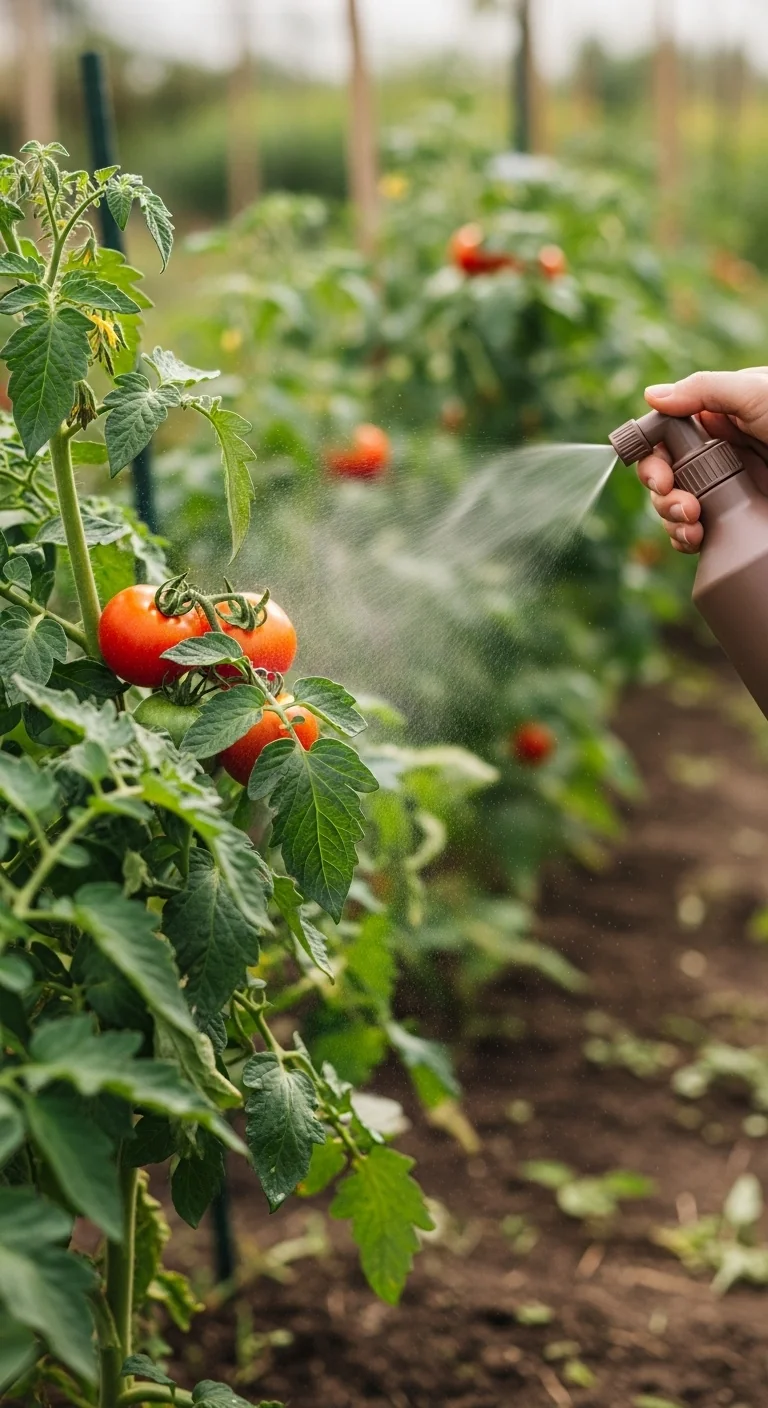
Compost serves as the baseline soil builder because its carbon-to-nitrogen ratio of 25 to 30 to 1 allows steady microbial release over months. Mix 2 to 4 centimetres into the top 15 centimetres of soil before planting or spread the same depth as a top-dress around established plants. The mechanism relies on soil biology rather than soluble salts, so it continues feeding even when temperatures fluctuate. In raised beds the same layer also improves water retention without compaction. One edge case: avoid fresh compost with visible wood chips because the high carbon can temporarily tie up nitrogen until microbes finish the job. For detailed ratios and recipes see our guide to best compost for vegetables. Blueprint steps: test soil temperature, spread layer, lightly fork in, water once, then leave undisturbed until next season.
2. Worm Castings
Best for: Branch 3
Use worm castings when you need immediate microbial activity without burning tender roots. The material supplies humic acids that improve nutrient uptake in warm soil above 24 C.
3. Aged Cow Manure
Best for: Branch 2
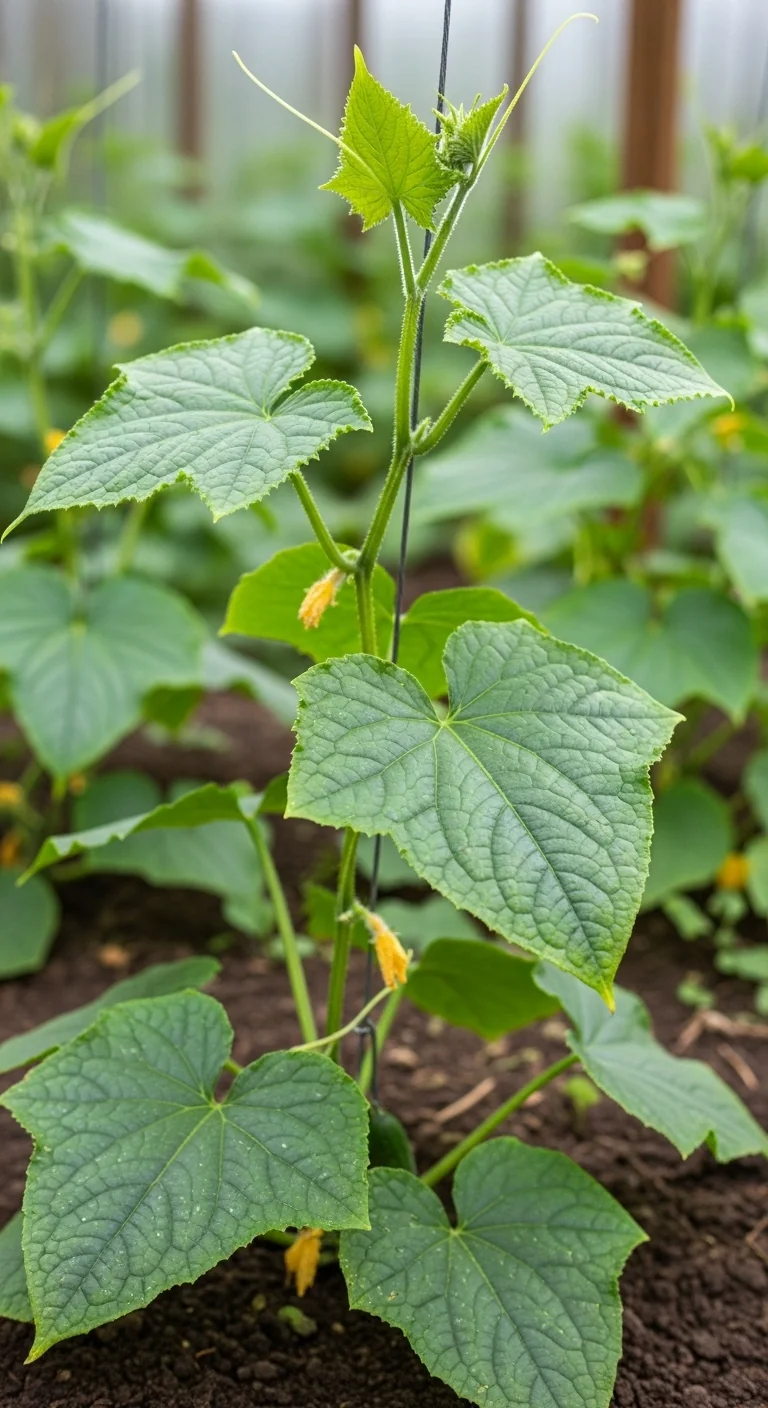
Aged cow manure supplies a balanced low NPK profile that matches heavy-feeding vegetables once soil reaches 15 C. Apply 20 to 30 litres per 10 square metres and incorporate into the top 10 centimetres. Threshold rule: confirm the manure has aged at least six months at 55 C internal temperature to eliminate pathogens and weed seeds. Edge case: never use fresh manure near root crops because it can introduce bacteria that survive washing.
4. Blood Meal
Best for: Branch 2
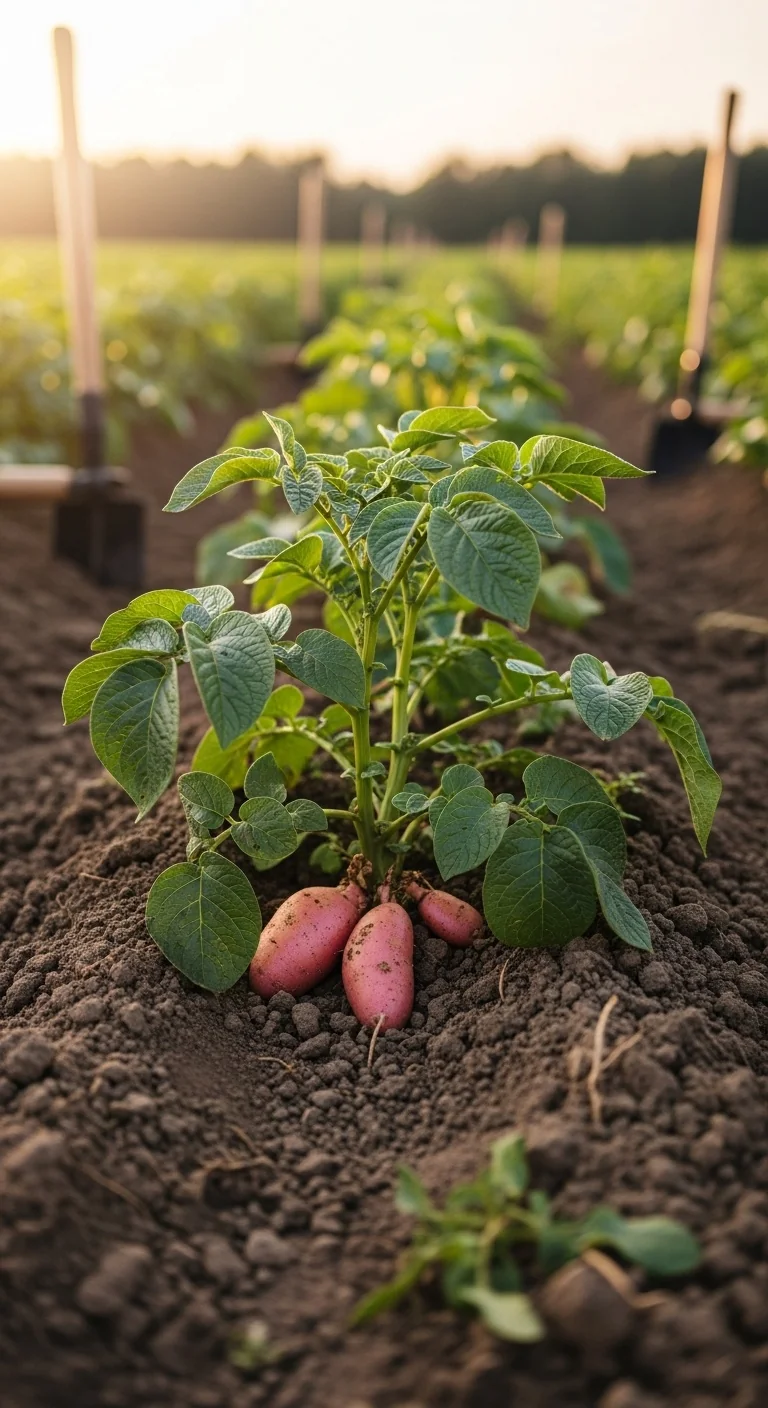
Blood meal delivers rapid nitrogen when leafy vegetables show pale lower leaves during active growth between 15 and 24 C. Apply 70 to 90 grams per square metre, scratch into the soil surface, and water immediately. The mechanism works through quick microbial conversion, so results appear within seven to 10 days. Use versus skip: choose it only when a soil test or leaf colour confirms nitrogen shortfall; skip if phosphorus already tests high because excess nitrogen can delay fruit set in tomatoes and peppers. One constraint: reapply no sooner than 30 days and never exceed 140 grams per square metre in a single season to stay within safe nitrogen thresholds.
5. Bone Meal
Best for: Branch 1
Bone meal supplies phosphorus and calcium for root development and fruit set when soil stays below 15 C at planting. The steamed form releases nutrients slowly over 1 to 4 months once temperatures rise.
6. Fish Emulsion
Best for: Branch 3
Fish emulsion acts as the fast liquid bridge for fruiting vegetables once soil exceeds 24 C. Dilute 30 millilitres per 4 litres of water and apply as a soil drench every 14 days. The water-soluble nitrogen reaches roots within 48 hours. In container vegetable gardening this option prevents the leaching common with granular feeds. Upgrade option: combine with kelp meal for added potassium during flowering.
7. Kelp Meal
Best for: Branch 3
Kelp meal supplies potassium and micronutrients that support fruit quality and stress resistance when soil temperature exceeds 24 C. Apply 100 to 140 grams per square metre or brew as a tea at 15 grams per litre and spray foliage. The mechanism includes natural cytokinins that encourage cell division during warm-weather growth. Blueprint: measure soil temperature, broadcast dry or brew tea, apply to both soil and leaves, repeat monthly until harvest. Edge case: avoid in waterlogged beds because excess moisture slows the breakdown of the dried seaweed.
8. Alfalfa Meal
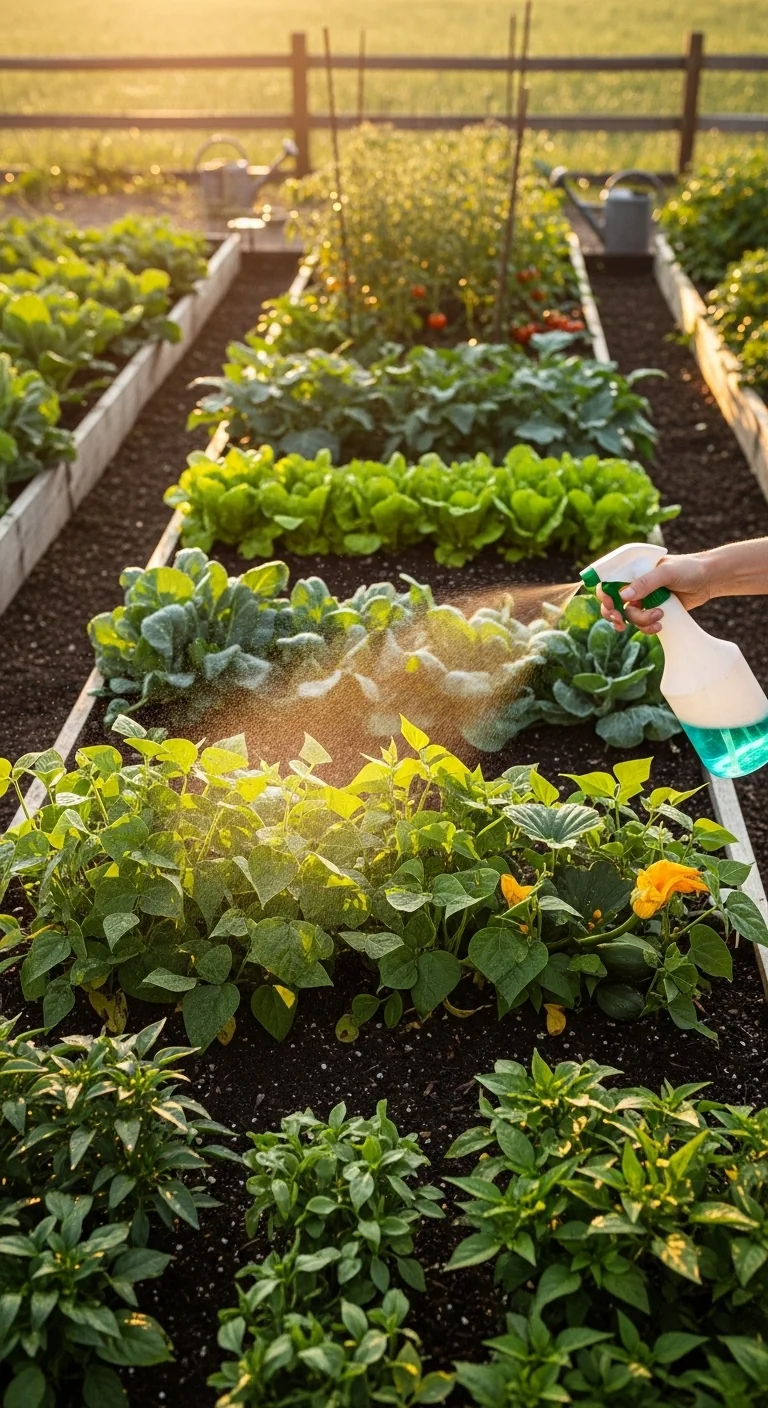
Best for: Branch 1
Alfalfa meal provides moderate nitrogen plus the growth stimulant triacontanol. Scatter 90 to 110 grams per square metre before planting and water in.
9. Feather Meal
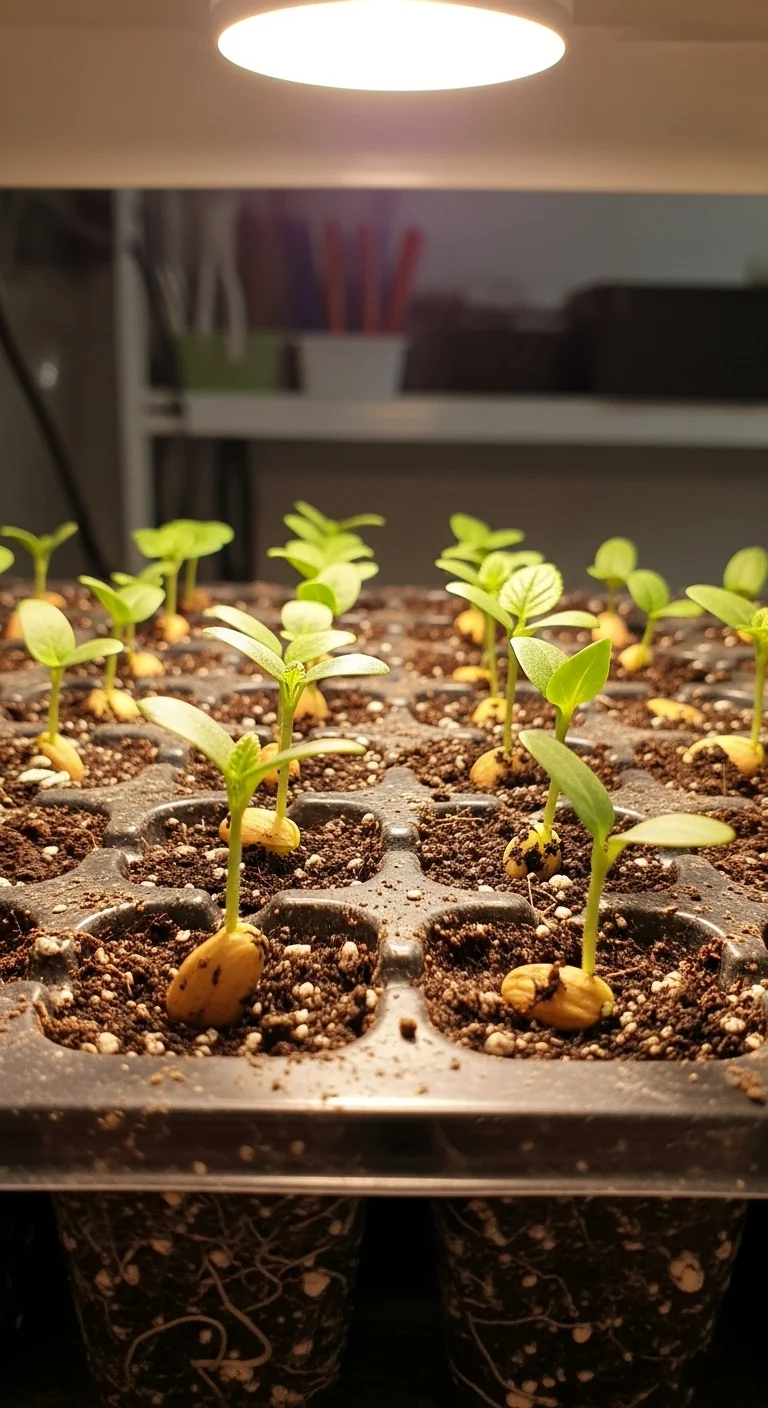
Best for: Branch 2
Feather meal offers slow-release nitrogen suited to long-season brassicas once soil holds 15 to 24 C. Apply 70 grams per square metre at planting. Threshold rule: it needs soil microbes active above 15 C, so delay until that temperature is steady for seven days.
10. Soybean Meal
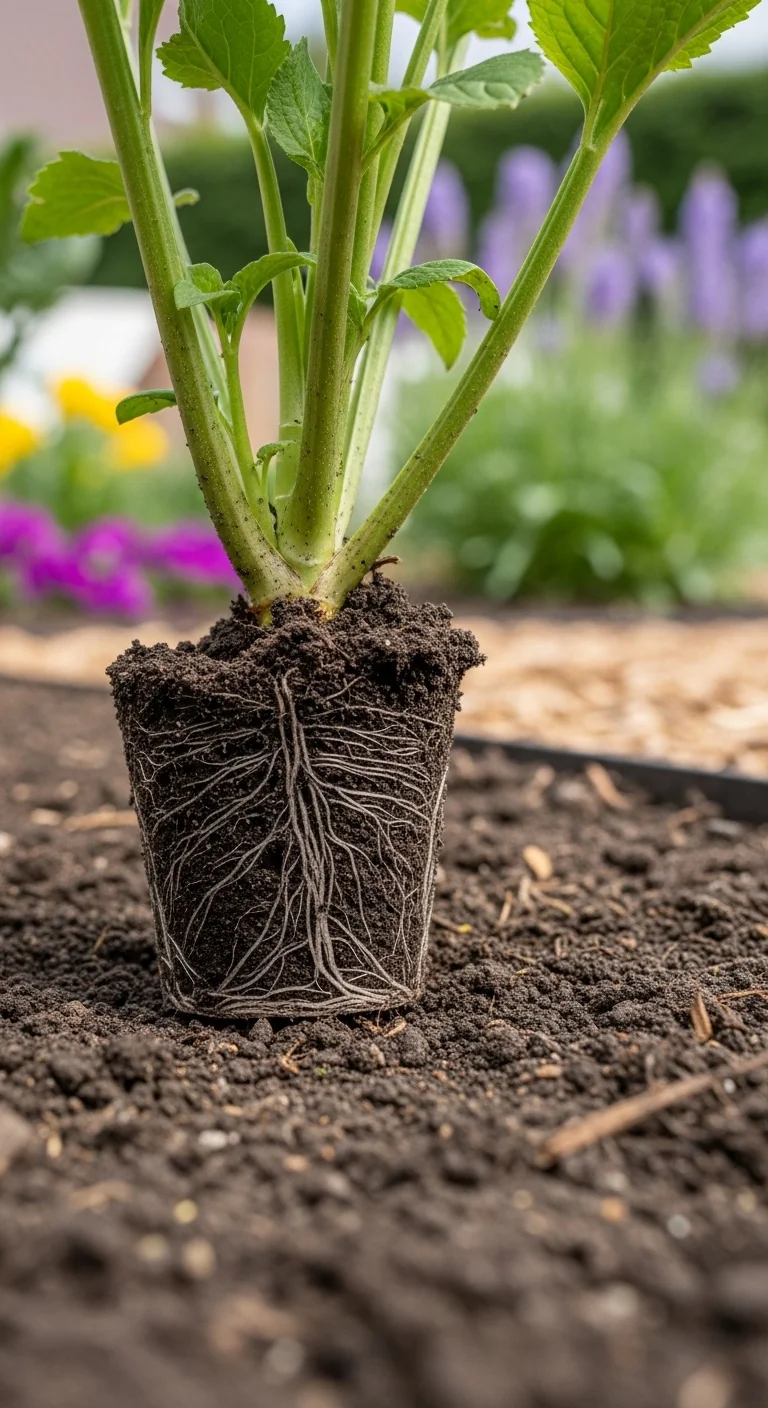
Best for: Branch 2
Soybean meal supplies moderate nitrogen and amino acids that support steady vegetative growth in the 15 to 24 C window. Spread 80 to 100 grams per square metre, work lightly into soil, and water. The legume origin adds trace organic matter that improves crumb structure over the season. Use versus skip: select it for general mid-season feeding in mixed vegetable beds; skip if your soil already tests high in nitrogen or if you grow legumes because the extra nitrogen can reduce natural fixation. Constraint: store in a dry place because moisture triggers clumping and uneven release.
Starter Stack (What to Choose First)
For Branch 1 (Cool Soil Conditions)
Start with compost plus bone meal. The compost builds long-term structure while bone meal targets early phosphorus needs. Synergy appears because compost microbes speed bone-meal breakdown without locking phosphorus at low temperatures. Application time: 20 to 40 minutes per 10 square metres. Cost range: 8 to 15 dollars per 10 square metres for one full season.
For Branch 2 (Vegetative Growth Window)
Start with aged cow manure plus blood meal. Manure supplies baseline balance and blood meal corrects any mid-season nitrogen dip. Synergy comes from the slow base plus quick top-up that keeps leafy crops dark green without flush growth. Application time: 15 to 30 minutes per 10 square metres. Cost range: 6 to 12 dollars per 10 square metres for one full season.
For Branch 3 (Warm or Fruiting Stage)
Start with fish emulsion plus kelp meal. Fish supplies immediate nitrogen while kelp adds potassium and trace elements that improve fruit set. Synergy appears in the combined liquid drench that reaches roots fast and supports cell expansion under high temperatures. Application time: 10 to 25 minutes per 10 square metres including brewing. Cost range: 10 to 18 dollars per 10 square metres for one full season.
When This Won’t Work
Organic fertilizers fail in two measurable conditions. First, soil pH below 5.5 locks phosphorus from bone meal and slows microbial activity across all options. Second, soil stays waterlogged for more than 48 hours after application, which creates anaerobic pockets that halt breakdown and produce sour odours. In either case switch to raised-bed construction with imported mix and re-test pH after amendment. See raised bed vegetable garden methods for exact layering that drains faster while retaining nutrients.
A third edge case appears in containers smaller than 20 litres where frequent watering leaches soluble nutrients before roots absorb them. The fix is to use half-strength liquid feeds every 10 days and top-dress with worm castings monthly.
Choosing the Right Option for Your Situation
Budget Threshold
If your season budget stays under 12 dollars per 10 square metres, begin with on-site compost plus one bag of bone meal. Above that threshold add blood meal and fish emulsion for mid- and late-season precision.
Time Threshold
If you can spend less than 30 minutes per month on feeding, choose once-per-season options such as compost, aged manure, and bone meal. Above 30 minutes add biweekly liquids for containers or high-value crops.
Technical Constraint (Soil Temperature)
If your soil probe reads below 15 C for the first six weeks, restrict to slow-release solids only. Once temperature crosses 24 C, introduce liquids to match uptake speed.
Yes/No checklist:
Do you have a soil thermometer and basic pH kit? Yes → proceed with grid.
Is your soil temperature known today? Yes → select branch.
Do you grow both leafy and fruiting crops? Yes → combine two branches.
Will you re-test soil mid-season? Yes → adjust reapply class.
Expert Q&A
How does soil temperature change the release speed of bone meal in root crops?
Bone meal release depends on microbial activity that stays negligible below 12 C and accelerates above 18 C. In carrots or beets wait until soil holds 15 C for seven consecutive days before incorporating; earlier application wastes phosphorus until warmth triggers breakdown.
Can aged manure replace blood meal for brassicas without extra steps?
Aged manure supplies lower nitrogen concentration than blood meal, so brassicas may need a second side-dressing four weeks later. Measure leaf colour at week three: if lower leaves pale, supplement with 35 grams of blood meal per square metre rather than doubling manure volume.
What measurable sign shows fish emulsion is outperforming kelp meal in warm summer tomatoes?
Tomato stems thicken within five days of fish-emulsion drench while kelp alone shows slower fruit sizing. Alternate the two every 14 days once soil exceeds 24 C to combine nitrogen boost with potassium for even ripening.
Why does feather meal suit long-season onions better than soybean meal?
Feather meal releases nitrogen over 90 to 120 days, matching the extended bulb-filling window of onions. Soybean meal peaks earlier and can push top growth at the expense of bulb size once temperatures stay above 20 C for weeks.
How do you adjust worm castings rates for balcony containers versus in-ground beds?
In containers under 15 litres use 250 millilitres of castings per 5 litres of mix at planting plus 60 millilitres monthly top-dress. In-ground beds need only 500 millilitres per square metre once because native soil microbes accelerate nutrient cycling.
Conclusion
The single decision that separates reliable vegetable harvests from average ones is matching each organic fertilizer’s release timing to your soil temperature and crop stage instead of following a generic calendar. The most common mistake is applying everything at planting and hoping microbes keep pace with changing weather.
Next step: pull your soil thermometer, note today’s temperature and week on the calendar, then open the decision grid and pick the first item for your dominant branch. For extra support pair your chosen fertilizer with companion plants that naturally improve soil biology. See companion planting vegetables for exact pairings that reduce feeding needs further.

Lead Data Architect
Umer Hayiat
Founder & Lead Data Architect at TheYieldGrid. I bridge the gap between complex agronomic data and practical growing, transforming verified agricultural science into accessible, mathematically precise tools and guides for serious growers.
View all tools & guides by Umer Hayiat →