
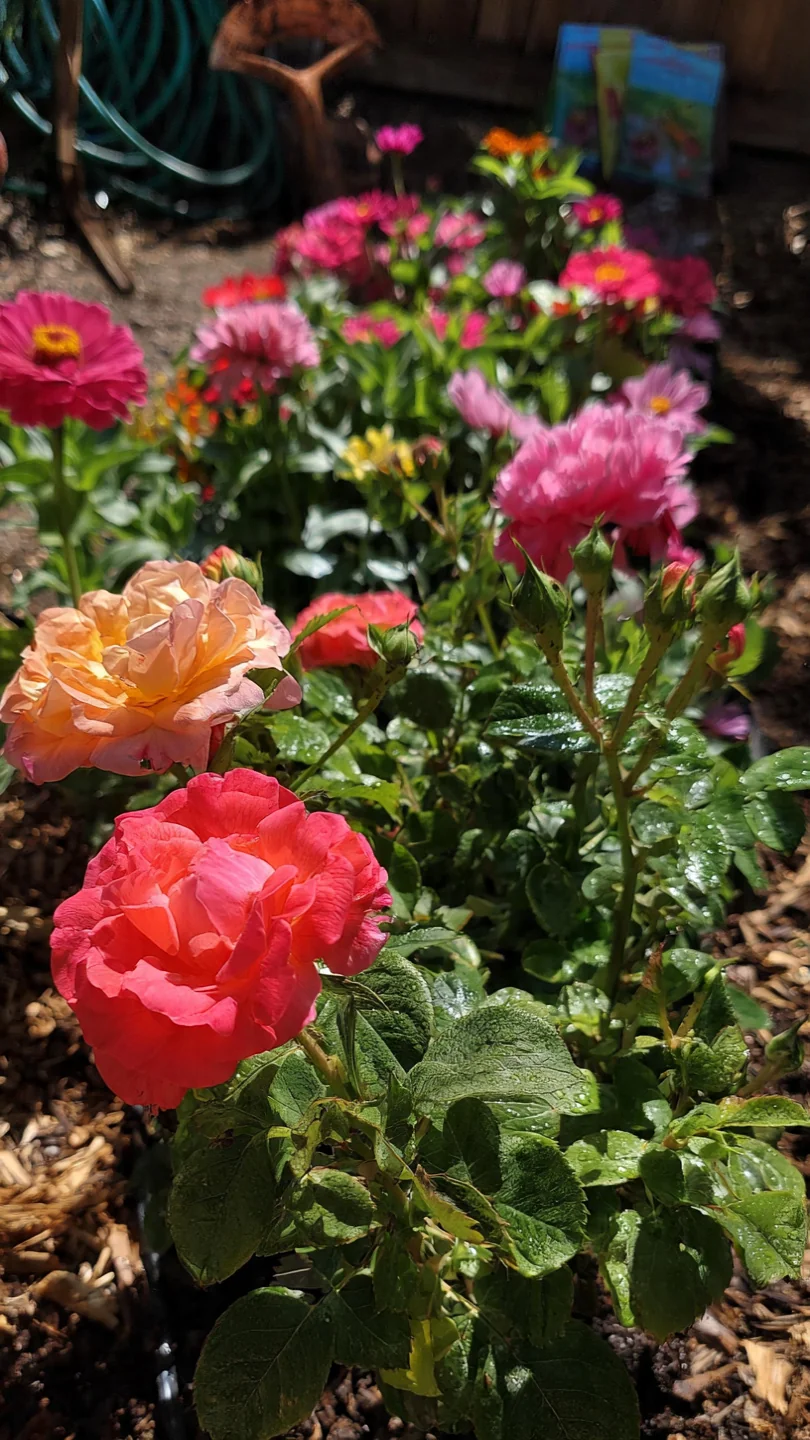
Deadheading flowers works best when you match the cut to the plant’s bloom habit instead of applying one generic rule across the garden. Plants redirect energy from seed production to new buds only when the removal point aligns with their growth pattern, whether single-flush perennials or repeat-flowering annuals.
This guide covers deadheading techniques for ornamental flowers grown in US, UK, Canada, Australia and similar temperate climates. It focuses on annuals, perennials and bulbs used in beds, borders and containers. It excludes vegetables, woody shrubs and lawn care.
You will identify which branch fits your setup, select the exact cut location for each flower type and decide when skipping deadheading better serves pollinators or low-effort goals. The result is cleaner plants and extended color with decisions grounded in measurable conditions.
Bottom line: Align deadheading frequency and cut point to the plant’s natural cycle and your primary garden goal to extend flowering without wasted effort.
The Yield Grid Decision Grid
Branch 1: Continuous Rebloom Priority. Choose this when your flowers are annuals or repeat-blooming types and you measure new side buds forming within 7 to 14 days after removal. Focus is maximum flower count across the season. Recommended: Items 1, 2 and 4 below. For full flower gardening strategies see flower gardening strategies.
Branch 2: Display and Structure Balance. Choose this when plants produce clustered or spiked blooms and you want tidy appearance with moderate extension. Measure by checking that at least 70 percent of the spike has faded before full removal. Recommended: Items 3, 5 and 6 below.
Branch 3: Selective Wildlife Support. Choose this when plants form attractive seed heads and your garden supports pollinators or self-seeding. Measure by confirming seed pods remain firm and free of disease before deciding to leave them. Recommended: Items 7, 8 and 9 below.
Quick Comparison Table
| Option | Key mechanism | Best for | Decision Grid Branch | Reapply Class |
|---|---|---|---|---|
| Deadheading Roses | Removes spent bloom to trigger lateral bud break below the cut | Cut-flower rose beds | Branch 1 | Biweekly |
| Deadheading Zinnias | Pinches individual heads to redirect energy to side shoots | Annual border displays | Branch 1 | Weekly |
| Deadheading Cosmos | Cuts entire stem above first leaf pair to restart branching | Wildflower-style meadows | Branch 1 | Biweekly |
| Deadheading Dahlias | Removes full stem to base leaf when multiple blooms fade | Tubular cut-flower gardens | Branch 2 | Weekly |
| Deadheading Salvia | Snips spike below lowest faded flower to encourage basal regrowth | Spiked perennial borders | Branch 2 | Monthly |
| Deadheading Echinacea | Selectively removes central cone while leaving side buds | Native-style pollinator beds | Branch 2 | Monthly |
| Deadheading Peonies | Cuts single bloom above first healthy leaf after petals drop | Early-season specimen plants | Branch 3 | Once-per-season |
| Deadheading Marigolds | Pinches faded composite heads to maintain compact shape | Edging and container mixes | Branch 3 | Biweekly |
| Deadheading Black-Eyed Susan | Leaves seed heads intact after initial fade for wildlife value | Late-summer meadow areas | Branch 3 | Once-per-season |
Deadheading Roses
Best for: Branch 1
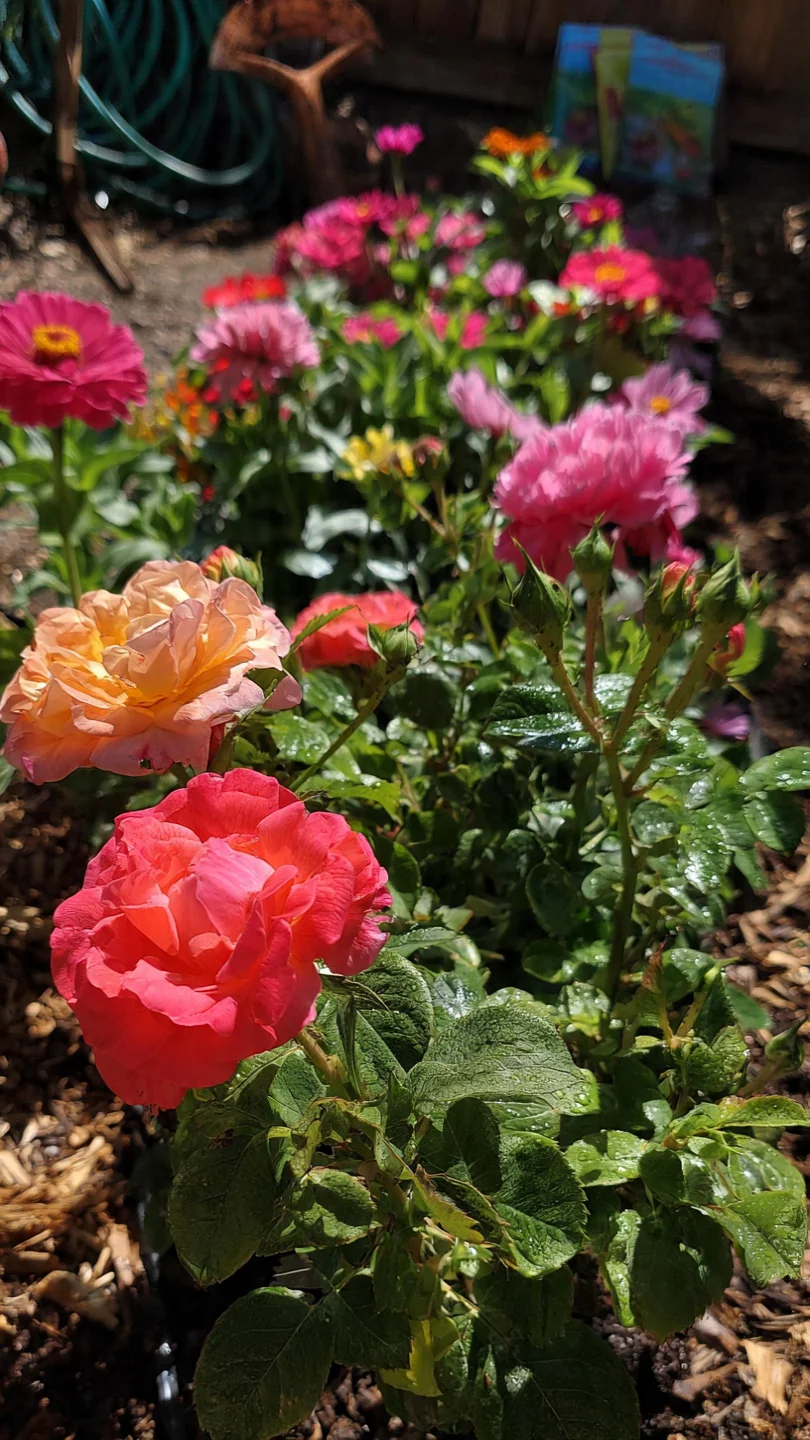
Deadheading roses redirects energy from the spent bloom to new lateral buds forming lower on the cane. It works for hybrid teas, floribundas and shrub roses grown for continuous color or cutting. The blueprint starts with identification: locate the spent bloom and trace down to the first five-leaflet leaf or a strong outward-facing bud. Cut at a 45-degree angle just above that point using clean bypass secateurs. Remove any remaining stem stub that could rot. Repeat every 10 to 14 days during active growth. The most common mistake is cutting too high above a weak bud, which delays rebloom by weeks and leaves an unsightly stub. In humid conditions wipe blades with alcohol between cuts to limit disease spread. Pair this approach with morning inspections to catch blooms at the half-fade stage for fastest regrowth.
Deadheading Zinnias
Best for: Branch 1
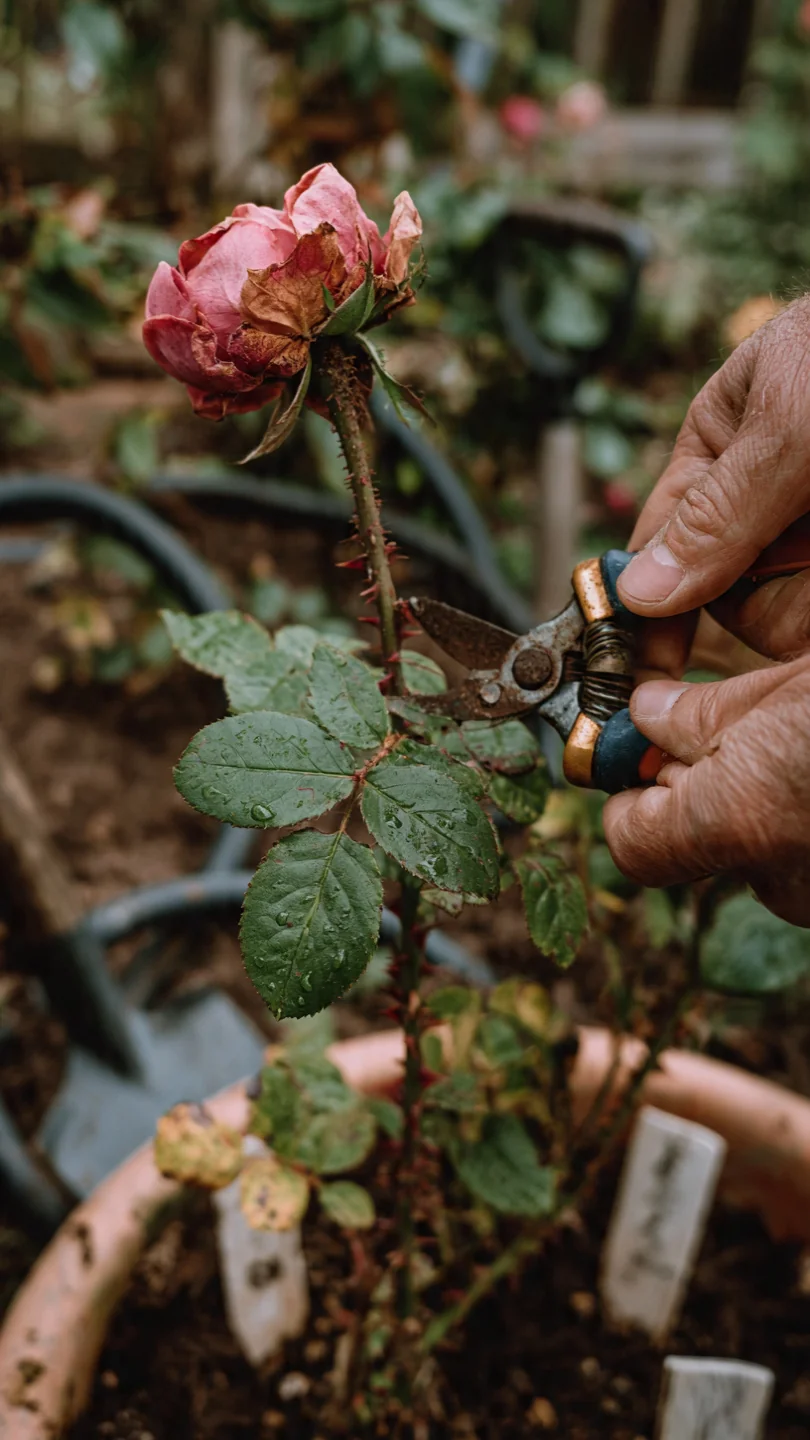
Use deadheading zinnias when you want nonstop color in annual beds. It keeps plants compact and pushes side shoots into flower. Skip it only if you prefer natural self-seeding for next year in meadow-style plantings. Edge case: in very hot dry spells above 32 C zinnias may pause blooming regardless of deadheading.
Deadheading Cosmos
Best for: Branch 1
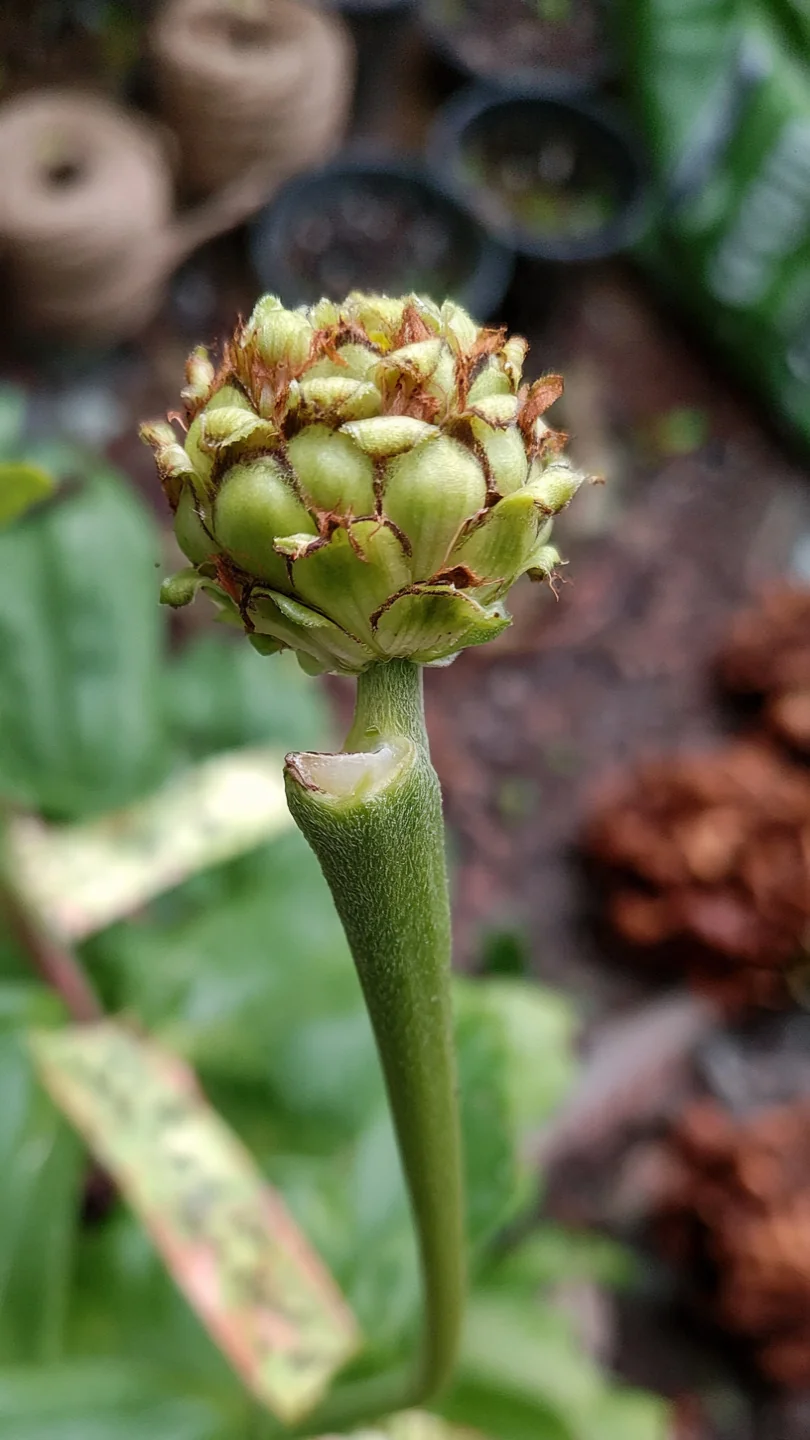
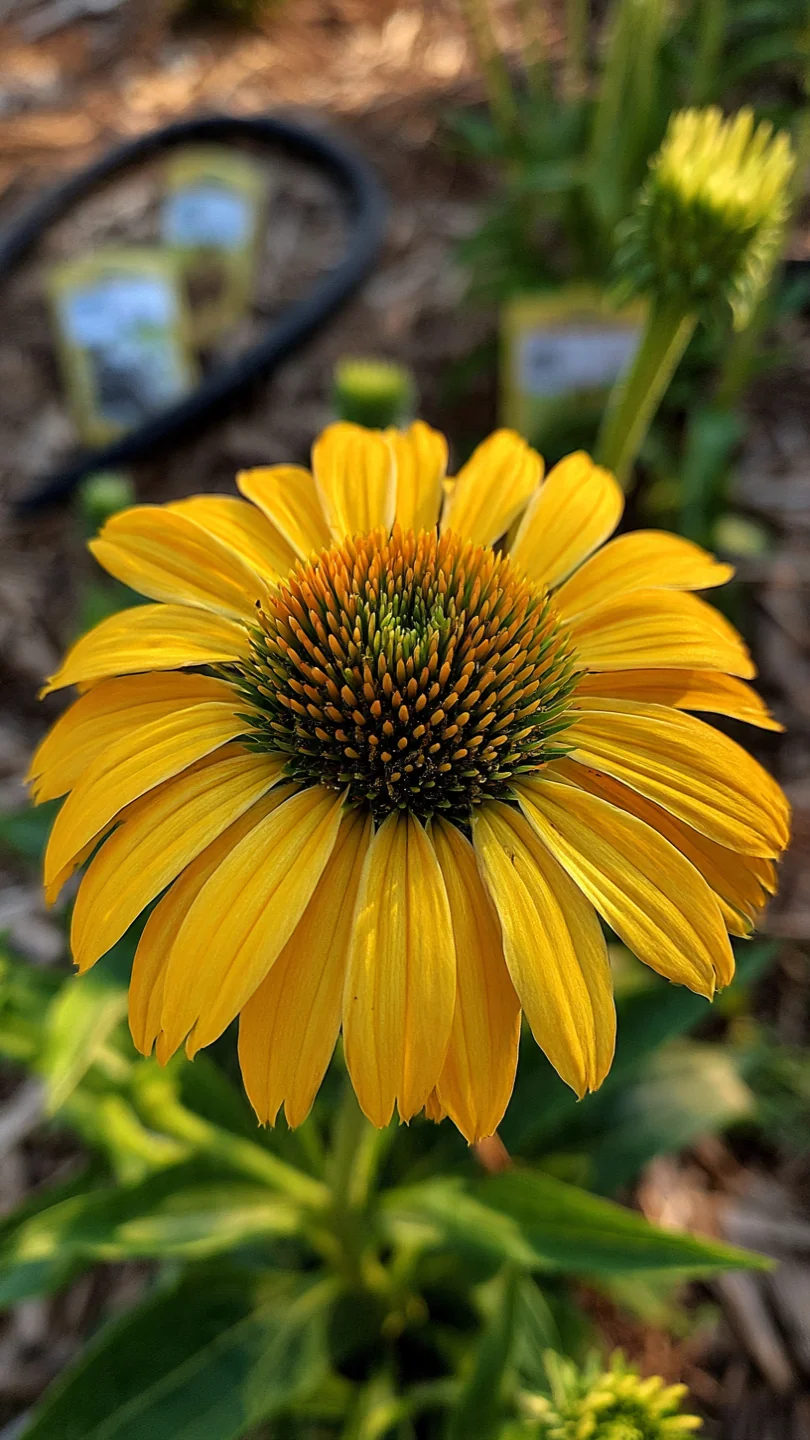
Cosmos respond to deadheading when you cut the entire flowering stem back to the first pair of healthy leaves once petals drop. This threshold rule prevents leggy growth and restarts branching lower down. Measure success by new buds appearing within 10 days. Adjust by leaving the last stems in late summer if you want seed for birds. In windy sites tie remaining stems to stakes before cutting to avoid plant collapse.
Deadheading Dahlias
Best for: Branch 2
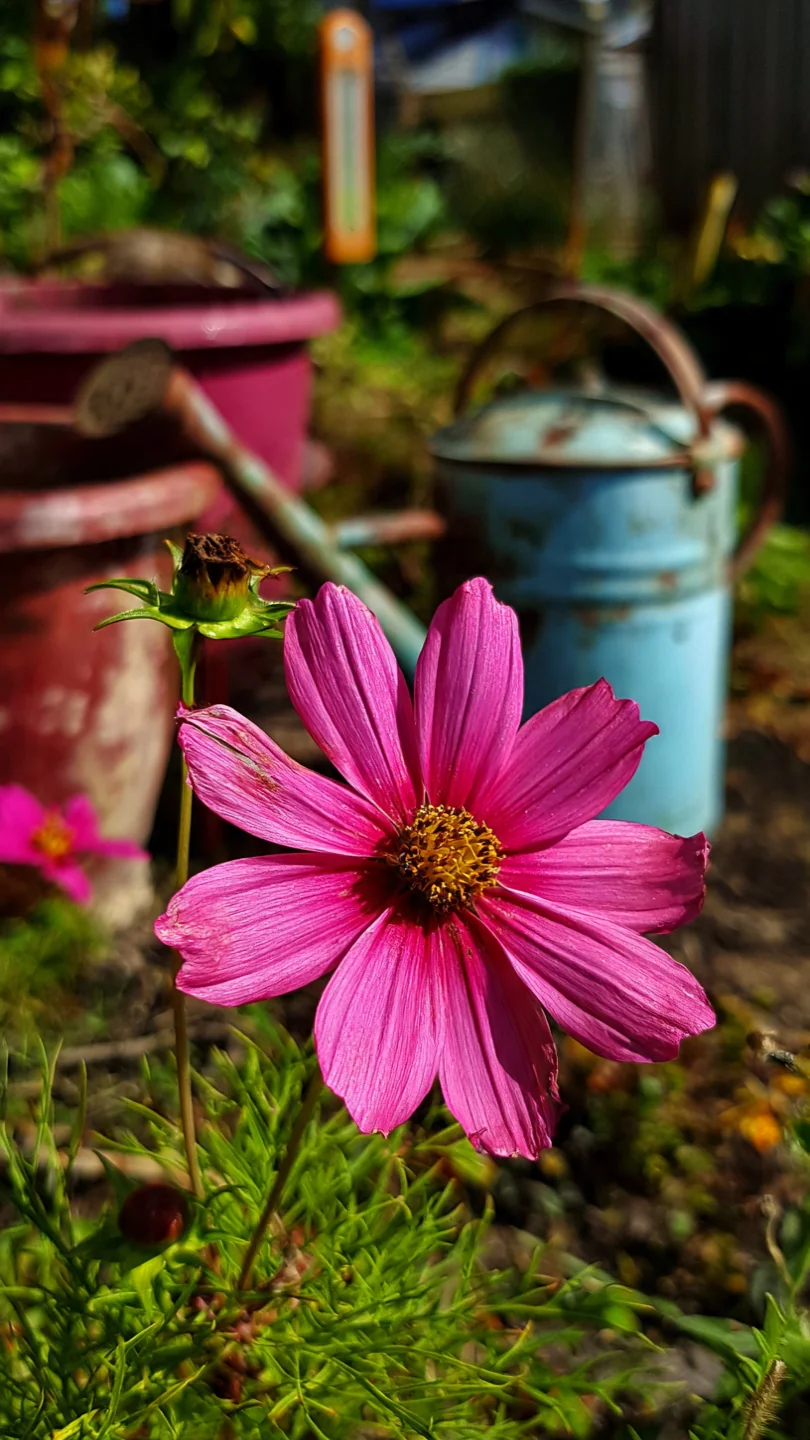
Deadheading dahlias follows a 10-minute workflow that keeps plants producing large blooms through autumn. Step one: walk the bed and identify stems with more than half the flowers faded. Step two: cut the entire stem back to the first strong leaf joint or side shoot using sharp shears. Step three: remove any fallen petals from the soil surface to reduce botrytis risk. Upgrade option: collect cut stems for vases if they still have open buds. Perform this routine every seven days during peak summer for beds up to 20 square metres. The workflow prevents energy waste on seed pods while preserving the plant’s upright structure.
Deadheading Salvia
Best for: Branch 2
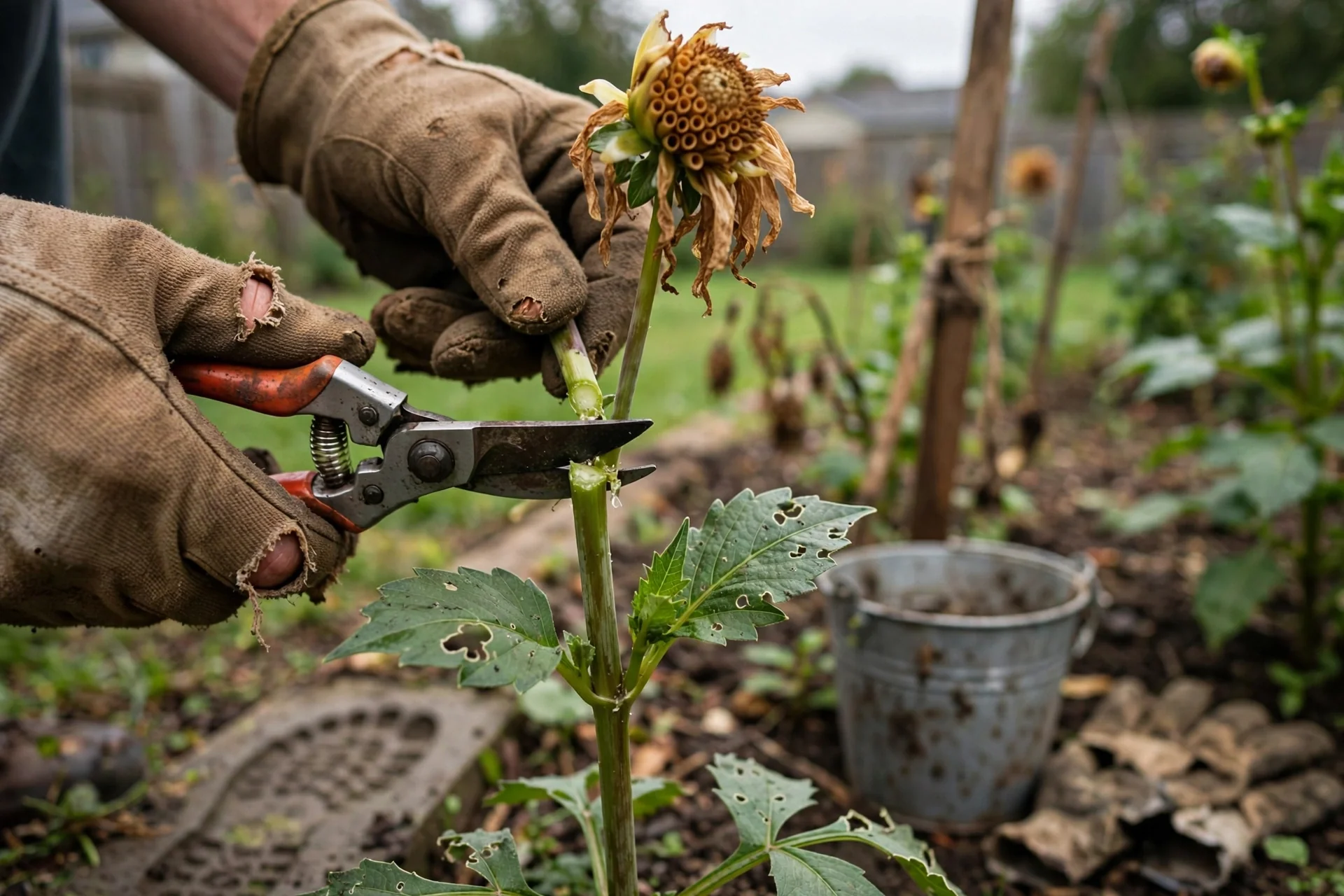
Deadheading salvia uses a simple blueprint: wait until the spike is at least two-thirds faded, then snip below the lowest open flower but above the basal foliage. This encourages fresh side spikes without stripping the plant of all color at once. Avoid cutting into woody stems on perennial types.
Deadheading Echinacea
Best for: Branch 2
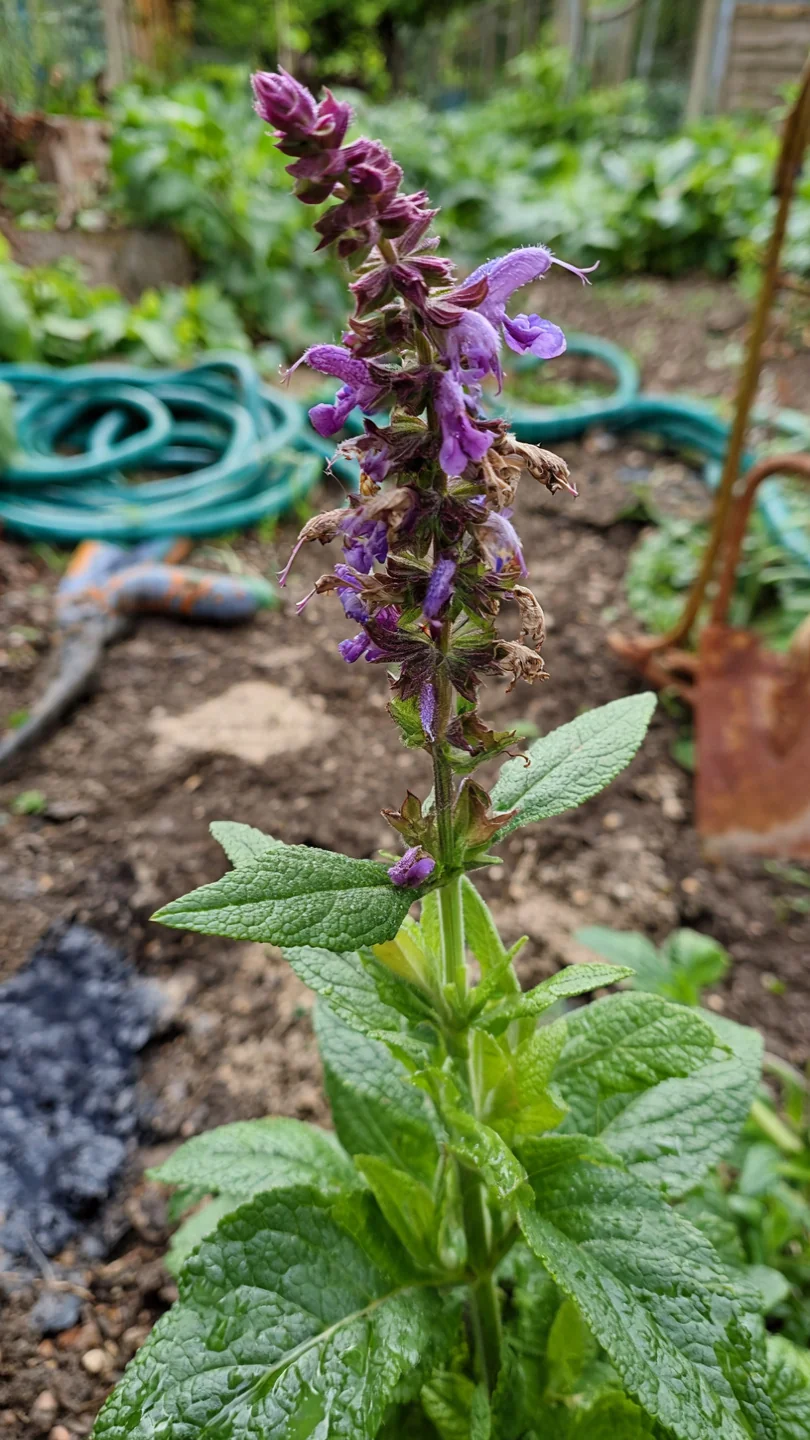
Use deadheading echinacea versus skipping it depending on your priority. Deadhead when you want extended coneflower display and neater clumps: remove the central cone once petals drop but leave side buds untouched. Skip it entirely if birds or beneficial insects are the goal, as the seed heads provide winter food. Edge case: in regions with heavy summer rain, deadhead promptly to stop seed heads from rotting and spreading disease to the crown.
Deadheading Peonies
Best for: Branch 3
Deadheading peonies follows a clear threshold rule based on petal drop and stem condition. Cut the bloom stem back to the first healthy leaf once petals fall but never remove more than one-third of the foliage. This preserves energy for next year’s buds forming at the crown. Measure timing by waiting until the stem shows no green color at the base of the old flower. In clay-heavy soils wait an extra two days after rain before cutting to reduce fungal entry at the wound. The rule prevents weak regrowth while protecting the plant’s long-term crown health. Apply only once per season after the main flush ends.
Deadheading Marigolds
Best for: Branch 3
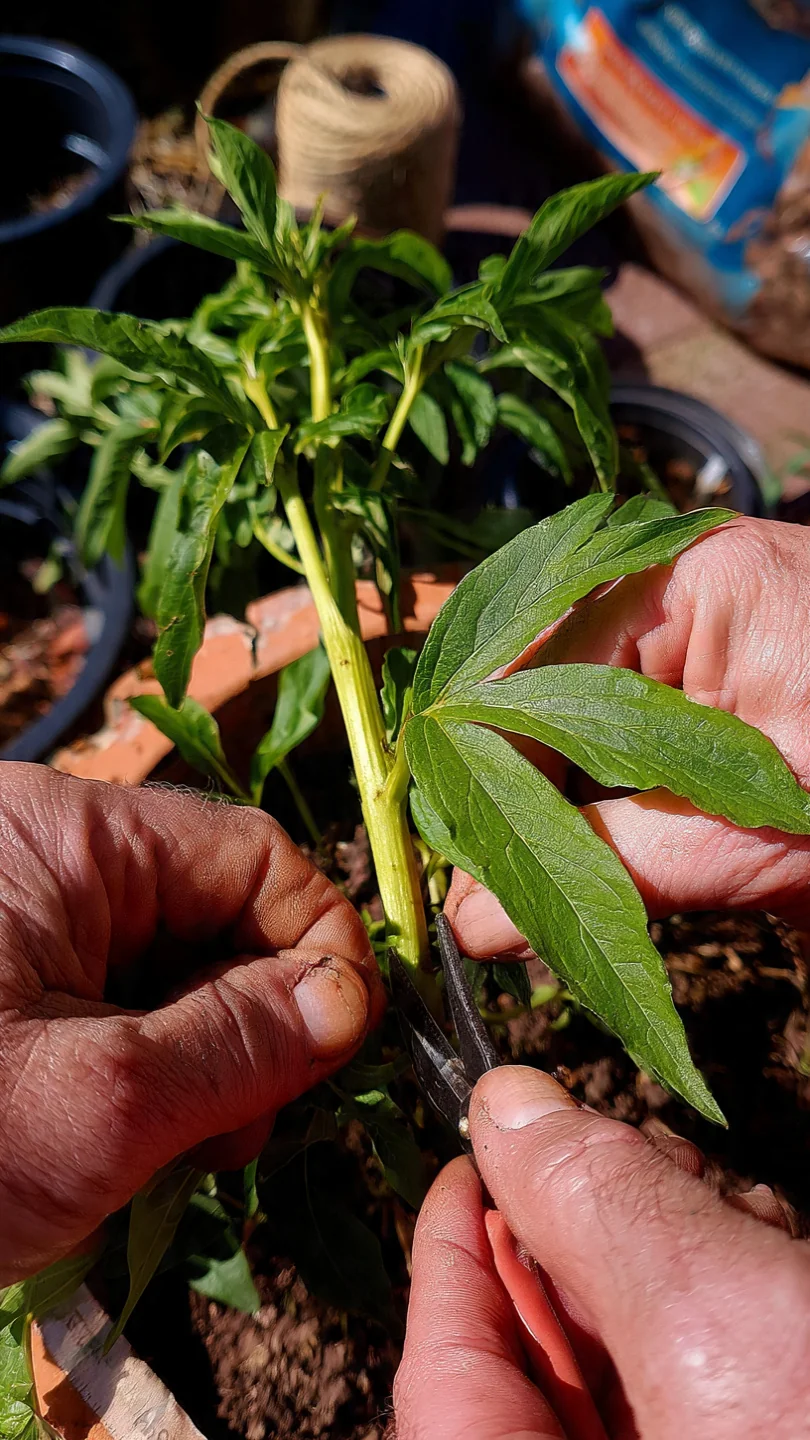
Deadheading marigolds takes under five minutes per container or edging row. Pinch each faded composite head between thumb and finger or use snips for larger plants. This keeps the foliage compact and prevents self-seeding that can crowd neighboring plants. Upgrade to weekly passes during humid weather to avoid mold on spent heads.
Deadheading Black-Eyed Susan
Best for: Branch 3
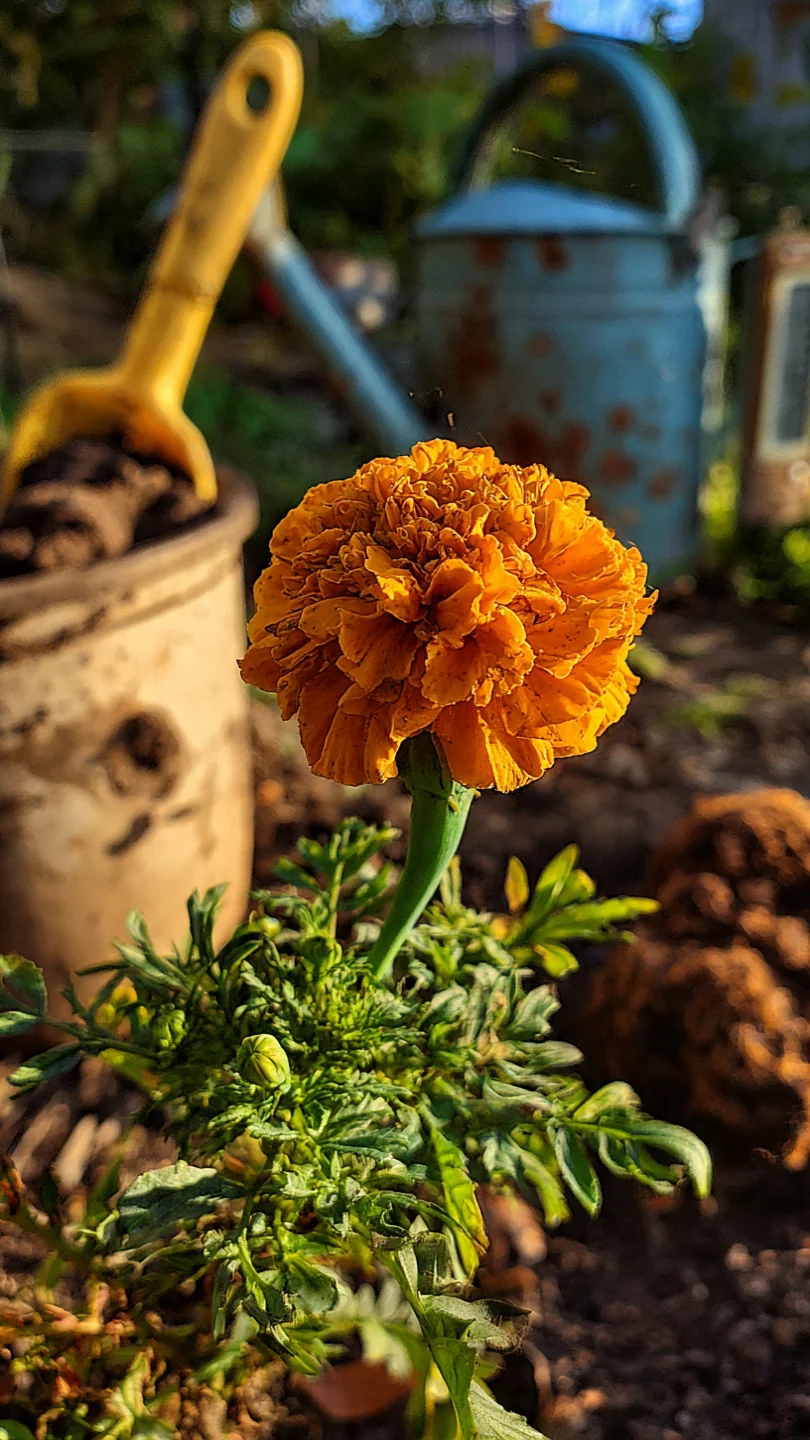
Black-eyed Susan deadheading follows a selective blueprint: remove only the earliest faded flowers if you want a tidier look, then leave later seed heads intact for goldfinches and other birds. Cut at the base of the individual stem above the lowest leaf. This balances appearance with wildlife value in late-summer borders. In drier soils reduce frequency to once per season to avoid stressing established clumps.
Starter Stack (What to Choose First)
For Branch 1: Continuous Rebloom Priority
Start with deadheading roses and zinnias. Together they create staggered bloom waves across early and mid-season. Time estimate: 15 to 20 minutes weekly for a 10-square-metre bed using only bypass secateurs under 15 dollars.
For Branch 2: Display and Structure Balance
Start with deadheading cosmos and salvia. The combination maintains upright spikes and branching habit without daily effort. Time estimate: 10 to 12 minutes every two weeks for a mixed border using clean shears.
For Branch 3: Selective Wildlife Support
Start with deadheading peonies and black-eyed Susan. They require one session early then hands-off management that supports seed for birds. Time estimate: 5 to 8 minutes once per season with basic hand pruners.
When This Won’t Work
Deadheading fails when daytime temperatures stay above 32 C for more than five consecutive days during peak bloom. Plants enter heat stress and redirect energy to survival instead of new buds regardless of cuts. The alternative action is deep watering in the evening followed by temporary shade cloth until temperatures drop.
It also fails for determinate bloomers once day length falls below 12 hours in late summer or autumn. Further removal at that stage produces no new flowers and can weaken the crown for next season. The alternative action is to stop deadheading and allow natural senescence so the plant stores reserves. For annual flower selection suited to short seasons see annual flowers.
Choosing the Right Option for Your Situation
Time Threshold
If you have fewer than 15 minutes per week available choose once-per-season or monthly options such as peonies or echinacea. Reserve weekly methods only for beds you visit daily.
Budget Threshold
Stay under 20 dollars total by using existing household scissors or finger pinching for soft-stemmed plants. Invest in bypass secateurs only if handling woody rose canes or thick dahlia stems repeatedly.
Technical Constraint: Bloom Habit
Match to repeat-blooming types for branch 1 methods. Single-flush perennials or seed-head producers fit branch 3. Test one plant of each type in your conditions before scaling to the full bed.
Yes if your main goal is maximum cut flowers and you visit the garden at least twice weekly. No if you prefer hands-off wildlife support and have limited time. Yes if plants show new side buds within 14 days of test cuts. No if seed heads are already forming and support local birds.
Expert Q&A
How does deadheading differ from pinching for the same plant?
Deadheading removes only the spent flower and its immediate stem to redirect energy to existing buds. Pinching removes the growing tip of a young stem to force branching lower down. Use deadheading on mature plants in flower and pinching earlier in the season on young transplants for bushier habit.
Does deadheading change bloom timing in container versus in-ground plantings?
Containers dry out faster and warm up quicker, so deadheaded plants in pots often rebloom 3 to 5 days earlier than the same variety in ground beds. Monitor soil moisture closely because dry pots reduce the benefit of any cut.
Can deadheading help control disease spread in humid climates?
Yes, prompt removal of faded petals and stems lowers humidity around the crown and removes entry points for botrytis and powdery mildew. Always disinfect tools between plants when symptoms appear.
Is deadheading necessary for flowers grown primarily for fragrance?
No. Many fragrant varieties release their strongest scent from fully open blooms. Deadhead only after scent fades if you also want extended visual display, but leaving some spent heads does not reduce overall fragrance output from new flowers.
How does deadheading interact with self-seeding annuals in mixed meadows?
Deadhead the first half of the season to keep color strong, then stop in late summer so later flowers set seed. This gives two waves of bloom while still allowing natural reseeding for the following year without overcrowding.
Conclusion
The key decision is always the match between your chosen branch, the plant’s bloom habit and your available time. The single biggest mistake is using the same cut height on every flower type, which wastes energy and delays results. Follow the grid and the correct reapply class for your list items to keep the garden productive with minimal extra work.
Next step: pick the two starter-stack items that match your current branch and test them on one bed this week. For more cut-flower ideas see cut-flower garden planning.