
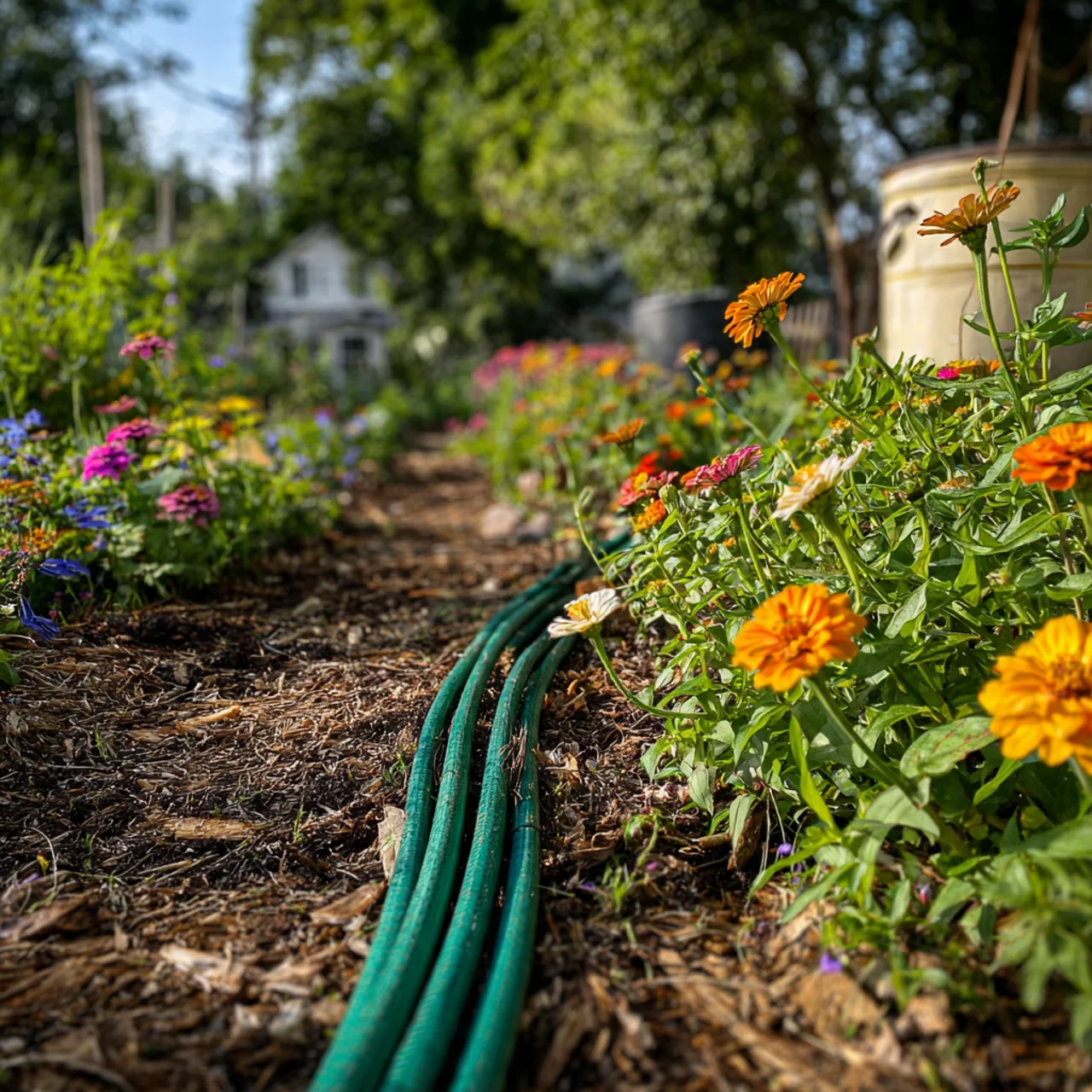
The most effective cut flower garden layouts group plants into dedicated harvest zones by stem height and bloom timing rather than scattering them for visual appeal alone. This zone-based approach reduces trampling during peak cutting periods and keeps stems at optimal condition longer by enabling quick, targeted access.
This guide details nine functional layout types suited to home gardens in the US, UK, Canada, Australia, and New Zealand. It focuses exclusively on designs that support repeated cutting from spring through fall and excludes commercial field-scale production or purely decorative beds without a harvest focus.
Readers will match their available square footage, daily sunlight hours, and desired cutting frequency to a layout that fits their site constraints exactly, then implement measurable features such as path widths and rotation blocks to maintain steady supply.
Bottom line: Align your layout choice with your space constraints and harvest goals to cut fresh stems at their best every week without redesigning mid-season.
The Yield Grid Decision Grid
Branch 1 applies to small footprints under 250 square feet or areas with restricted access paths narrower than 30 inches. Recommended: Items 2, 5, and 8 below.
Branch 2 applies to plots in zones with 120 to 180 frost-free days and moderate summer heat. Recommended: Items 1, 4, and 7 below.
Branch 3 applies to open areas over 400 square feet with full sun exposure of at least six hours daily. Recommended: Items 3, 6, and 9 below. For more on adaptable bed forms that support these zones, explore proven garden bed shapes first.
Quick Comparison Table
| Option | Key mechanism | Best for | Decision Grid Branch | Effort Score |
|---|---|---|---|---|
| Row-Based Linear Layout | Straight 36-inch paths between single-file planting rows | High-volume weekly harvesting | Branch 3 | 2 |
| Grid Block Planting | Modular 4-by-4-foot blocks separated by 30-inch cross paths | Balanced succession in medium plots | Branch 2 | 3 |
| Raised Bed Islands | Isolated rectangular beds with surrounding gravel paths | Drainage control in variable soil | Branch 3 | 1 |
| Succession Rotation Beds | Divided zones replanted on a 14-day cycle | Continuous bloom supply across seasons | Branch 2 | 4 |
| Vertical Trellis Integration | Climbing supports along fence or arbor lines | Maximizing height in narrow spaces | Branch 1 | 3 |
| Perimeter Cutting Borders | Outer-edge planting strips 24 inches deep | Blending with existing landscape | Branch 3 | 2 |
| Cottage-Style Informal Beds | Curved, mixed-height clusters with wide internal paths | Relaxed harvest in larger informal yards | Branch 2 | 3 |
| Modular Container Clusters | Movable pots grouped on a central pad | Flexible placement on patios or balconies | Branch 1 | 1 |
| U-Path Harvest Design | U-shaped central path with beds on three sides | Efficient access from a single entry point | Branch 3 | 2 |
Row-Based Linear Layout
Best for: Branch 3
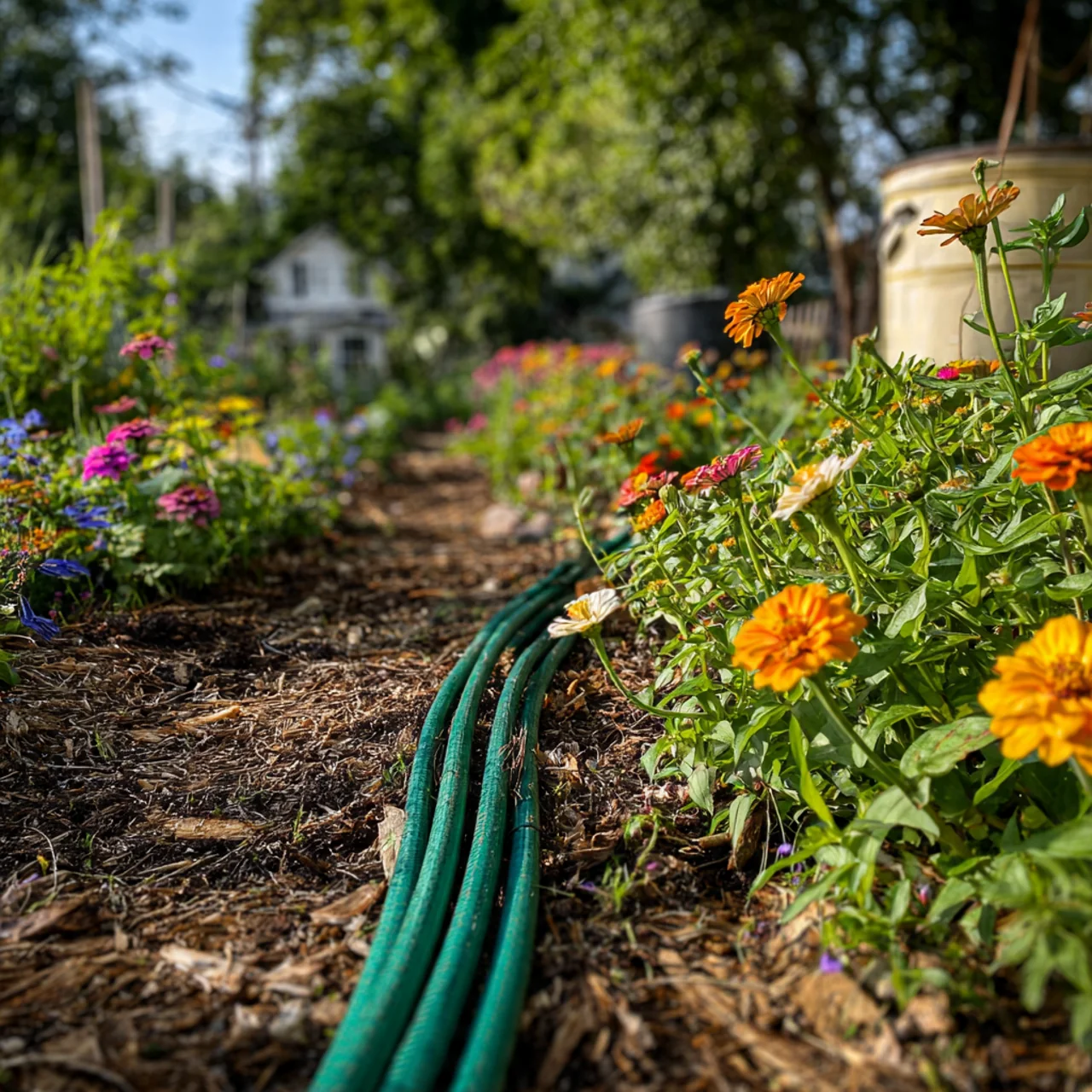
Blueprint: Plant in parallel rows spaced 18 to 24 inches apart within each row and separated by 36-inch paths wide enough for a wheelbarrow. Position tallest stems (dahlias, sunflowers) in the northernmost row to avoid shading shorter varieties. Install rows running north-south for even sun exposure across all plants.
Implementation steps begin with soil preparation to a depth of 12 inches, followed by marking paths with string lines and installing simple edging to prevent soil spillover. A common mistake is placing rows too close together, which forces sideways stepping and damages lower stems during mid-season cuts. This layout delivers straightforward access for harvest volumes exceeding 20 stems per session while requiring only annual path leveling. It pairs especially well with small backyard ideas scaled to larger dedicated plots.
Grid Block Planting
Best for: Branch 2
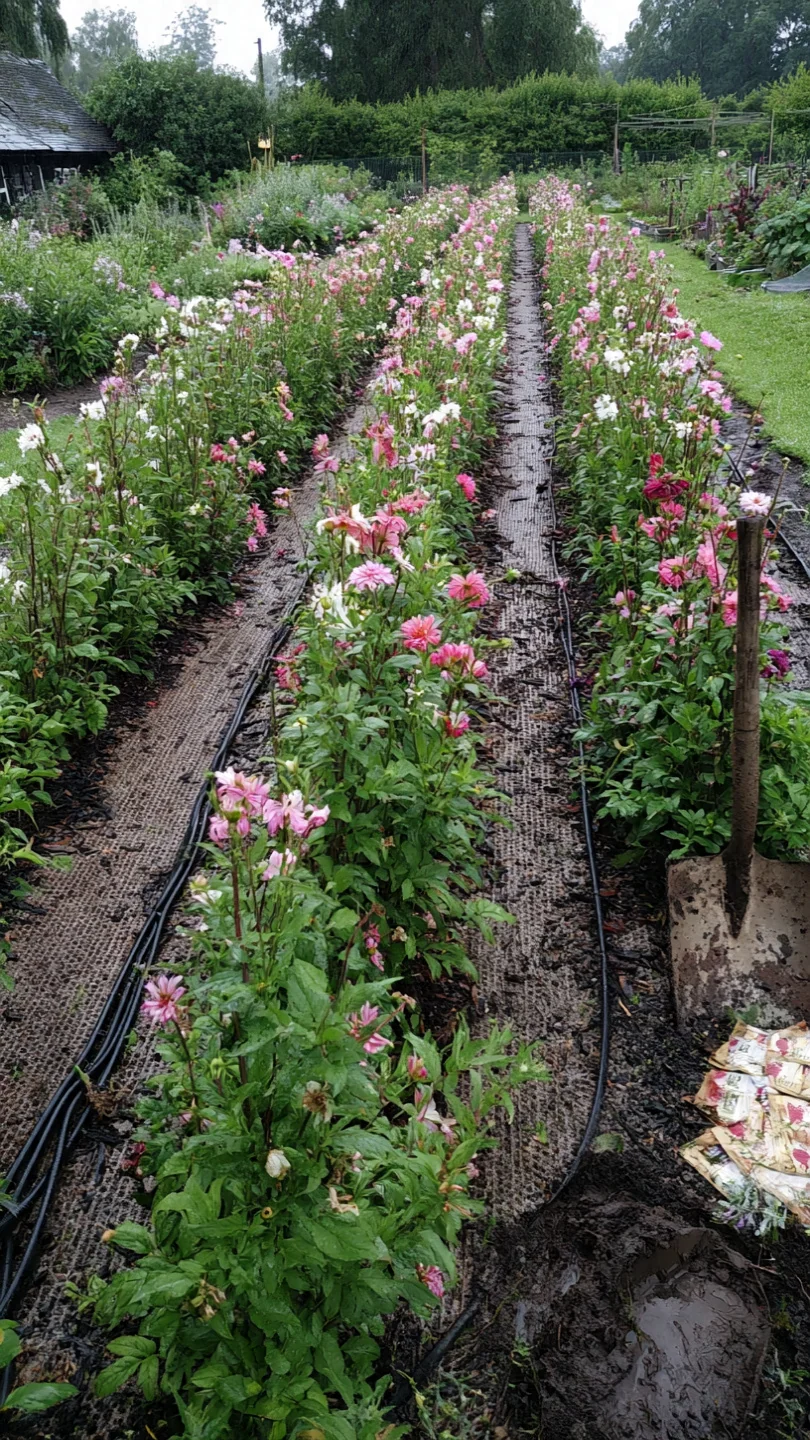
Use vs skip: Use this when you need quick rotation between bloom cycles and can dedicate 200 to 400 square feet. Skip it on slopes steeper than 5 percent, where block edges erode and create uneven harvesting surfaces. Edge case: in windy regions, reinforce block corners with rebar to prevent leaning supports.
Raised Bed Islands
Best for: Branch 3
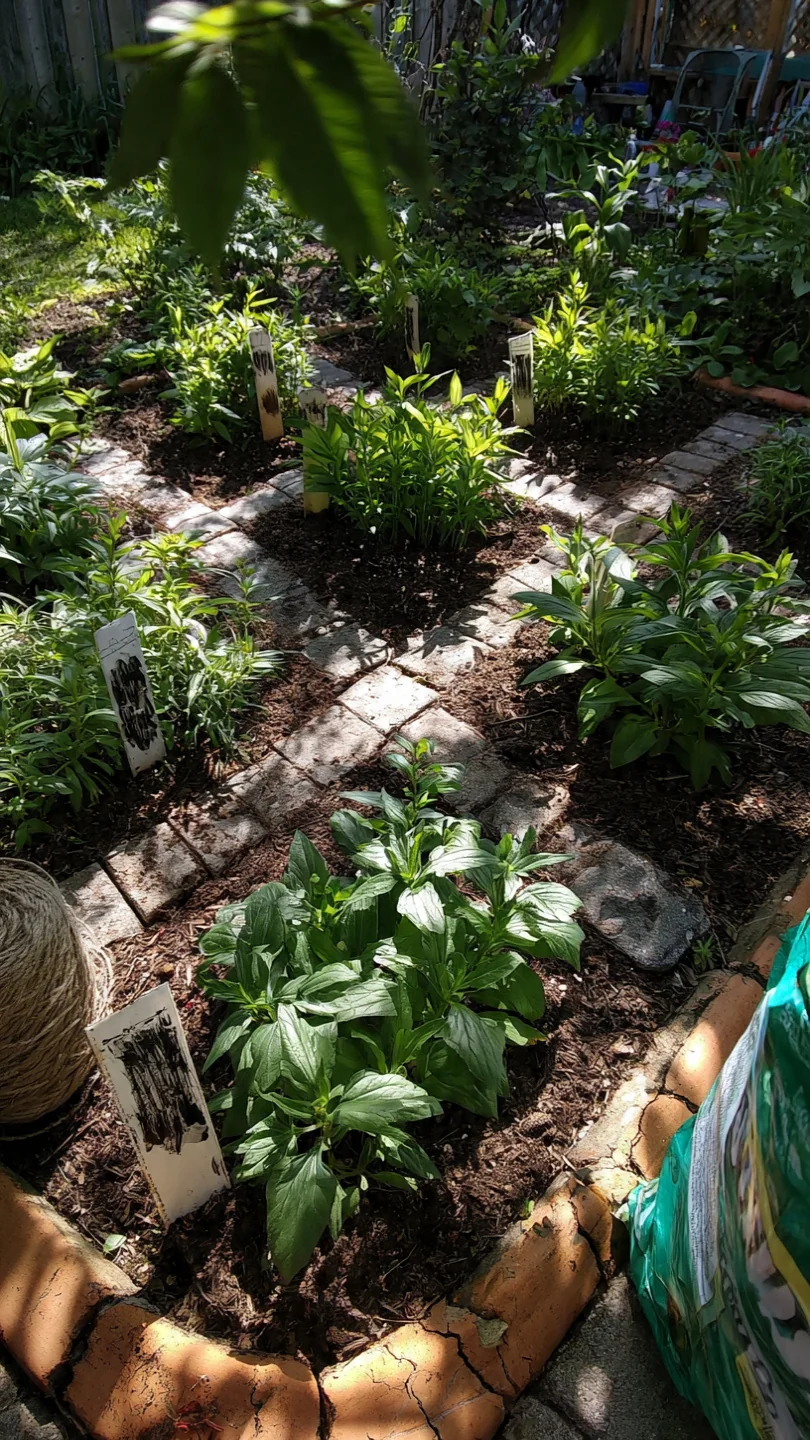
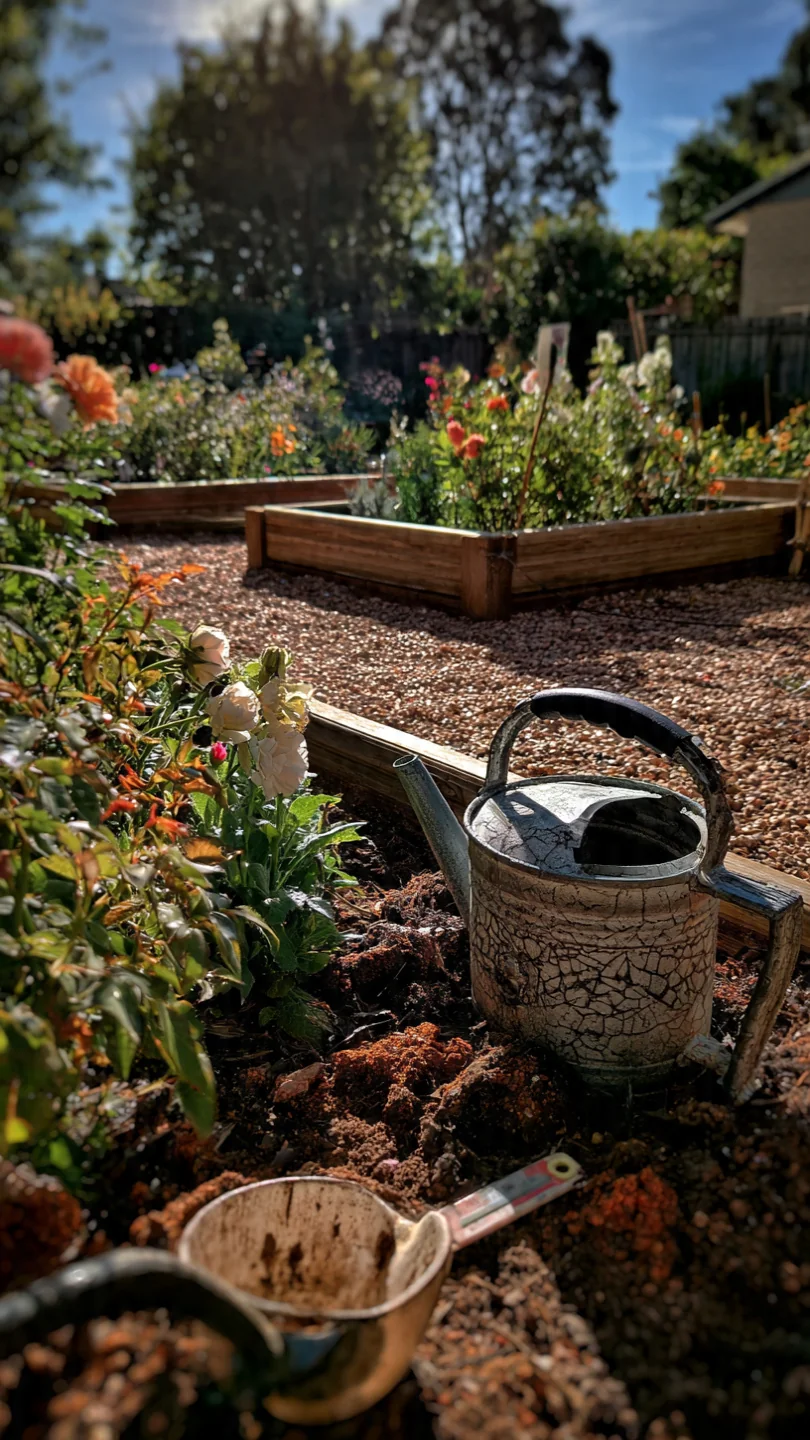
Threshold rule: Build beds 4 feet wide by 8 feet long with 30-inch paths between islands when soil drainage measures slower than 1 inch per hour in a percolation test. Adjust height to 18 inches in heavy clay or 12 inches in sandy loam. This keeps roots above problem soil while paths stay dry for all-weather cutting.
Succession Rotation Beds
Best for: Branch 2
10-minute workflow: Divide the plot into four equal beds labeled A through D. Every 14 days, clear spent plants from one bed, amend with 2 inches of compost, and replant with the next succession crop. Upgrade option: add permanent labels on each bed corner noting the current planting date and variety for instant reference during harvest. Total weekly upkeep stays under 10 minutes once the rotation rhythm is established.
This method prevents mid-summer gaps by ensuring one bed always reaches peak bloom while another rests and rebuilds soil. It works across USDA-equivalent zones with 120-plus frost-free days and integrates cleanly with informal mixing styles detailed in cottage garden ideas.
Vertical Trellis Integration
Best for: Branch 1
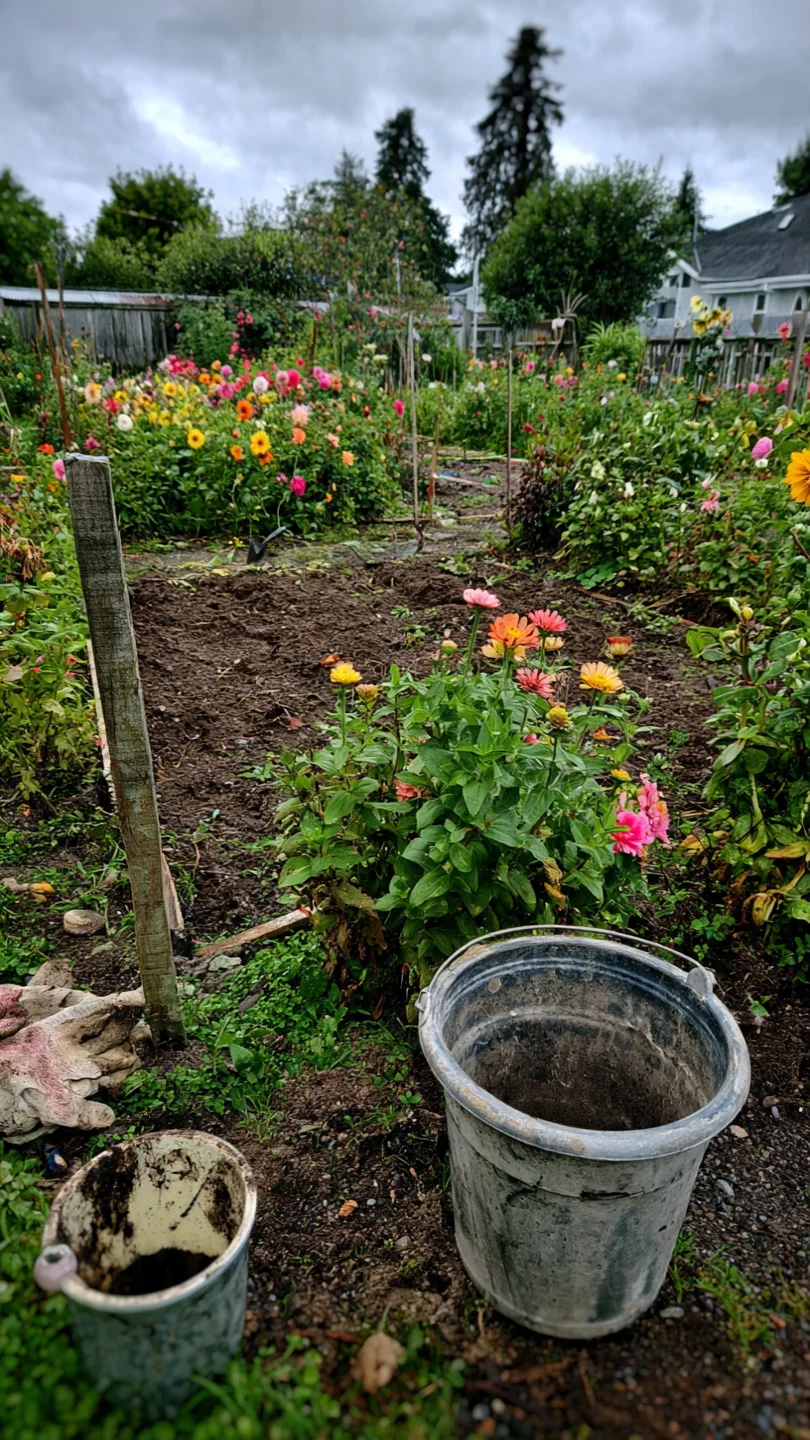
Use vs skip: Use along existing fences or walls when floor space is under 150 square feet. Skip in full-shade areas receiving fewer than four hours of direct sun. Edge case: pair with sweet peas or climbing nasturtiums that reach 6 feet without additional ground footprint.
Perimeter Cutting Borders
Best for: Branch 3
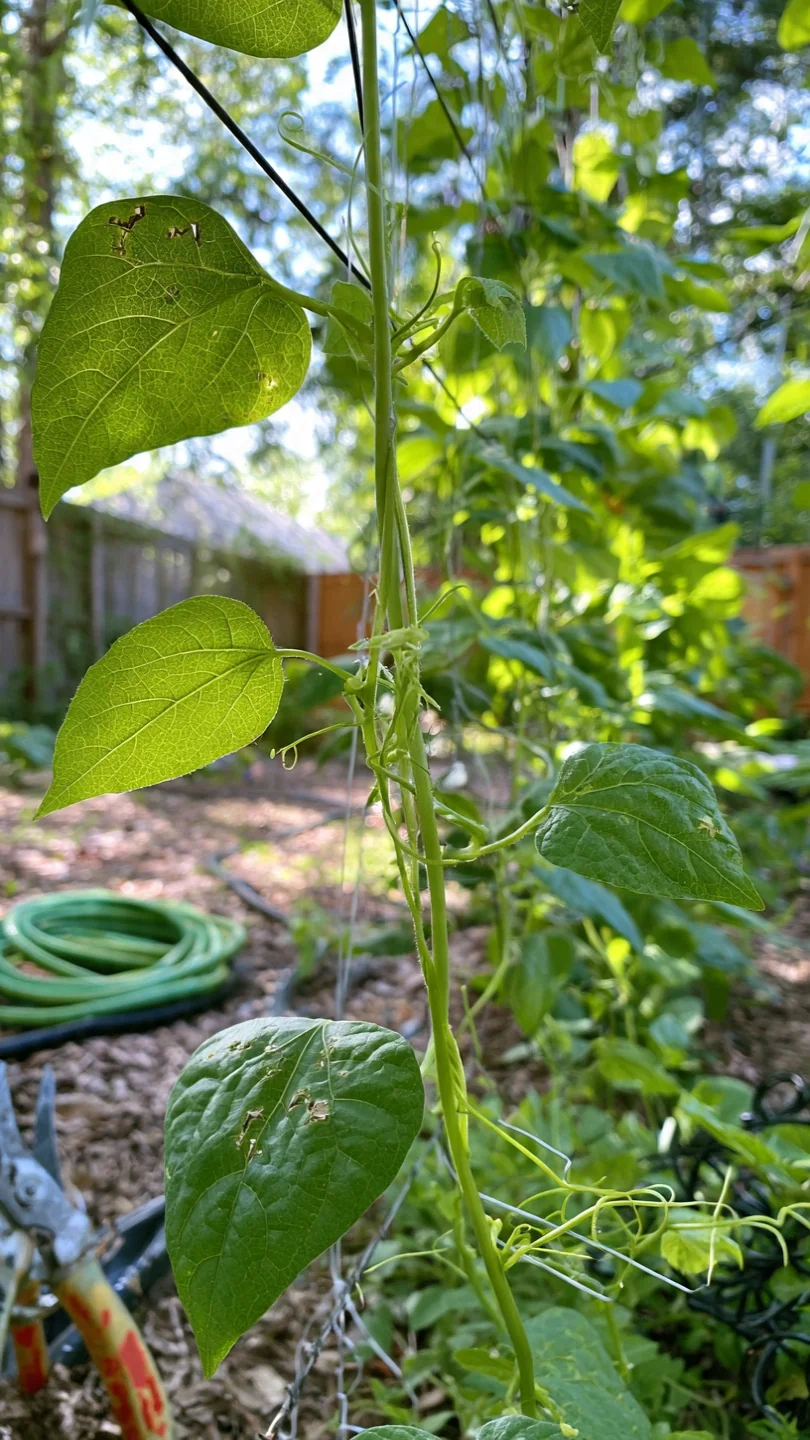
Threshold rule: Keep borders exactly 24 inches deep and position them 36 inches from any lawn edge when daily foot traffic exceeds 10 passes. This depth supplies enough stems for 8 to 12 bouquets per week while the outer path protects interior beds from compaction. Roses and other woody-stemmed varieties thrive here when spaced 18 inches apart.
See also our dedicated rose garden ideas for border-compatible varieties.
Cottage-Style Informal Beds

Best for: Branch 2
Blueprint: Create soft-edged clusters 6 to 10 feet across with 36-inch meandering paths winding through the center. Mix heights so short annuals sit at the front of each cluster and taller perennials occupy the rear. Curved paths naturally guide harvesters without straight-line trampling.
Begin by laying paths with wood chips or gravel, then plant in loose drifts rather than straight lines. The layout tolerates minor overcrowding better than rigid grids because paths remain open. It overlaps naturally with pollinator support, making it easy to reference pollinator garden ideas for companion choices.
Modular Container Clusters
Best for: Branch 1
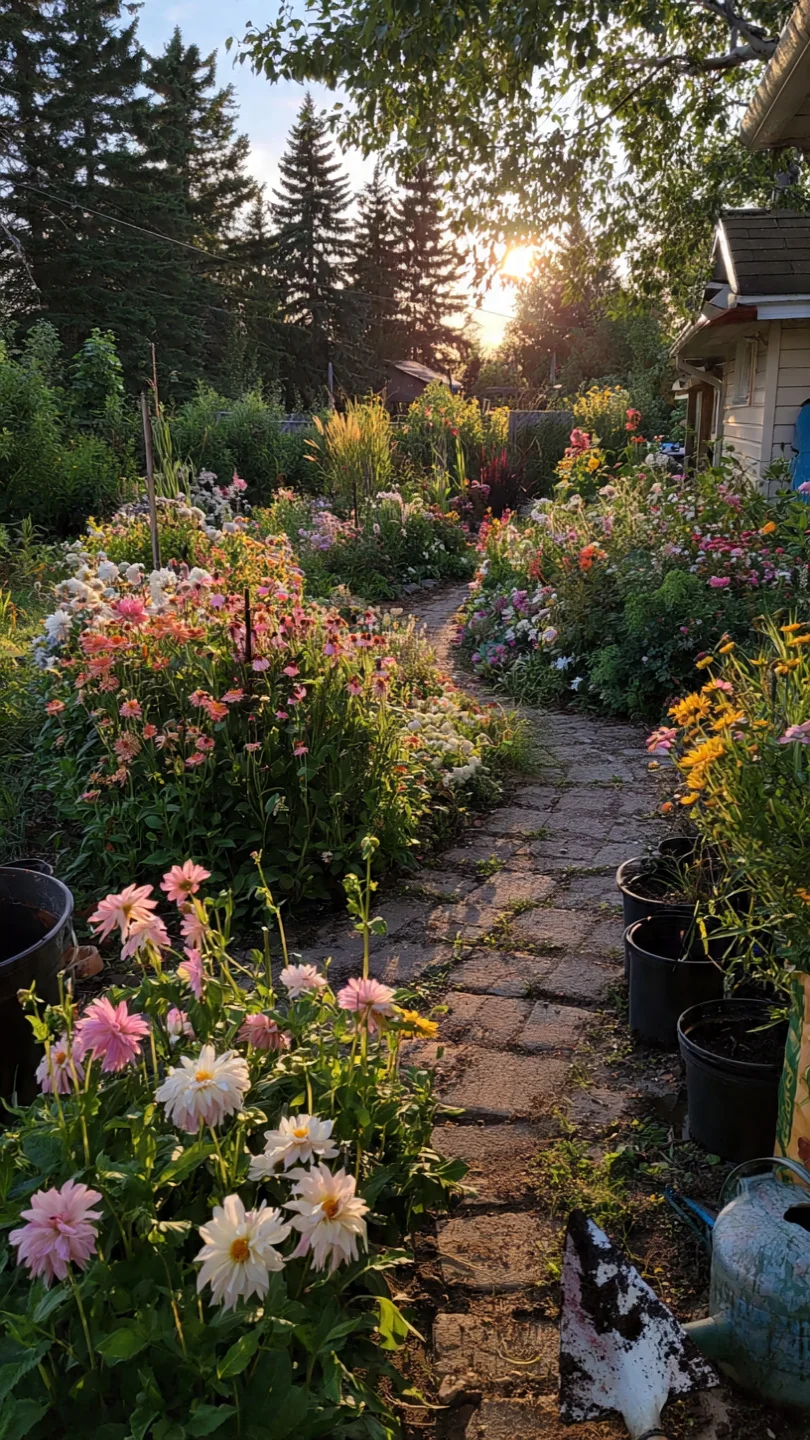
10-minute workflow: Group 5-gallon pots in clusters of four on a central 4-by-4-foot pad. Water and deadhead each cluster in one pass, then rotate pots 90 degrees weekly to even out sun exposure. Upgrade option: mount casters on the pad base for relocation in under 60 seconds when weather shifts.
This setup scales from a single patio corner to multiple clusters and matches exactly with guidance in container garden ideas.
U-Path Harvest Design

Best for: Branch 3
Use vs skip: Use when the garden has a single logical entry point and you want to reach every plant from one central aisle. Skip on sites narrower than 12 feet total width. Edge case: add a 12-inch mulch strip along the outer U arms to suppress weeds without extra mowing.
Starter Stack (What to Choose First)
For Branch 1 (small footprints)
Start with Vertical Trellis Integration plus Modular Container Clusters. The trellis uses vertical plane while containers stay movable, together fitting under 200 square feet with zero permanent footprint changes. Combined setup time runs 4 to 8 hours and material cost stays between 80 and 180 dollars.
For Branch 2 (moderate plots and seasonal zones)
Start with Succession Rotation Beds plus Cottage-Style Informal Beds. Rotation guarantees continuous supply while cottage curves add forgiving paths, delivering steady weekly cuts across 120 to 180 frost-free days. Combined setup time runs 8 to 14 hours and material cost stays between 120 and 250 dollars.
For Branch 3 (open large plots)
Start with Row-Based Linear Layout plus U-Path Harvest Design. Linear rows maximize volume while the U-path creates one efficient entry corridor, supporting high weekly harvests in full-sun sites over 400 square feet. Combined setup time runs 6 to 12 hours and material cost stays between 90 and 220 dollars.
When This Won’t Work
These layouts fail when soil percolation measures slower than 1 inch per hour, causing water to pool around roots and trigger rot within 48 hours of heavy rain. They also fail when daily sunlight drops below five hours, producing weak stems under 12 inches long that snap during cutting.
In either case, abandon ground-level plans and switch to elevated raised-bed islands or relocate containers to the brightest available microclimate. Test drainage and light levels before finalizing any layout choice.
Choosing the Right Option for Your Situation
Budget Threshold
Materials stay under 300 dollars when you select grid blocks or perimeter borders that reuse existing edging and avoid custom trellising. Above that threshold, add vertical or U-path elements only after confirming the base budget covers soil amendments and path material.
Time Threshold
Layouts install in one weekend or less when restricted to modular containers or simple rows with pre-cut lumber. Exceeding two full days signals a need to downsize to container clusters or raised-bed islands that require fewer linear feet of edging.
Sunlight Constraint
Any layout needs at least six hours of direct sun for strong stem development. Below that threshold, prioritize vertical trellises against south-facing walls or shift to perimeter borders that capture reflected light from nearby structures.
Yes/No checklist:
Does your space measure under 250 square feet? Yes: choose Branch 1.
Do you have 120 to 180 frost-free days? Yes: choose Branch 2.
Is full sun exposure six hours or more? Yes: choose Branch 3.
Can you commit to 30-inch minimum paths? Yes: proceed with selected layout.
Expert Q&A
How do path widths directly affect stem quality during repeated harvests?
Paths narrower than 30 inches force sideways reaching that bruises lower foliage and shortens vase life by 24 to 48 hours. Wider paths let cutters face the plant squarely, enabling clean 45-degree cuts at the base without stem compression or soil splash.
What is the minimum spacing needed for effective succession planting blocks?
Space succession blocks at least 18 inches between plant centers inside each block and maintain 36-inch paths between blocks. This prevents root competition while allowing 14-day replanting cycles without disturbing neighboring plants still in bloom.
Can cut flower layouts integrate into an existing vegetable garden without major redesign?
Yes, by converting one or two vegetable rows into dedicated flower blocks using the same north-south orientation and 36-inch paths. Keep flower blocks on the southern end to avoid shading low-growing crops while sharing the same irrigation lines.
What single soil test result determines whether any layout will succeed long-term?
Soil pH between 6.0 and 7.0 supports the widest range of cut-flower species. Readings outside this window require lime or sulfur adjustment before installing paths or beds, because extreme acidity or alkalinity locks up nutrients needed for strong stems.
How does layout choice influence overlap with pollinator support?
Zone-based layouts allow one section to remain in bloom while another is harvested, maintaining continuous nectar sources. Informal cottage clusters increase this overlap more than rigid rows by mixing bloom times within each small group.
Conclusion
The right cut flower garden layout turns a scattered planting into a zoned harvest machine that matches your exact square footage and sunlight hours. The number-one mistake is installing paths narrower than 30 inches, which damages plants and slows cutting until the entire design must be redone.
Take the next step by pairing your chosen layout with coordinated bloom colors that extend visual interest across seasons. Start here: garden color schemes.