
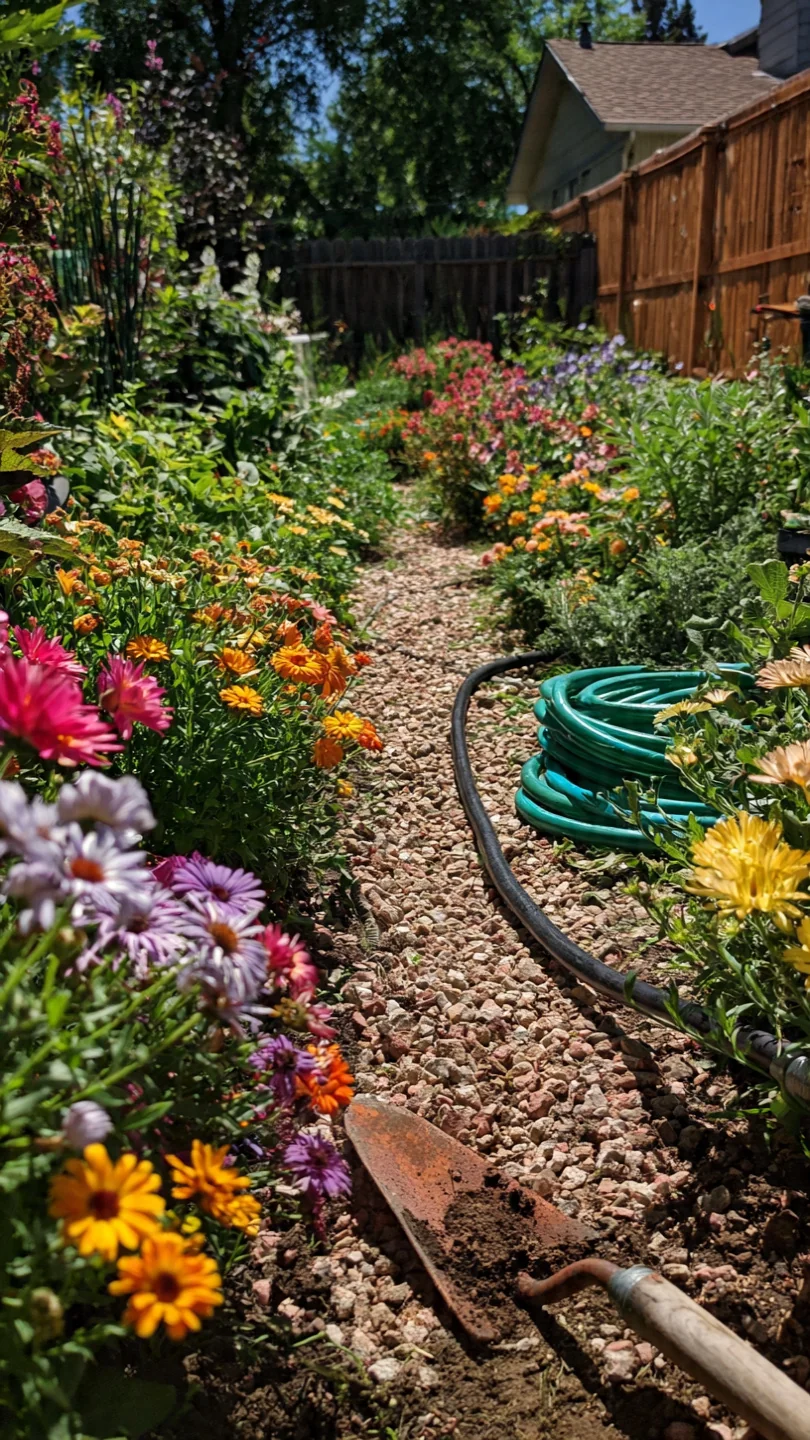
Cottage gardens thrive when layered planting systems match your yard’s exact sunlight hours and available border width rather than copying an idealized English layout. This approach turns potential frustration into reliable structure by letting conditions dictate the scale and plant choices.
The ideas here cover only ornamental features for ornamental gardening. They exclude vegetable integration or full edible landscaping and focus on design elements that scale from narrow side yards to open backyards.
You gain a clear path to select two starter items per branch, install them in sequence, and adjust based on measurable thresholds like soil drainage time or pruning frequency.
Bottom line: Use the decision grid to pick ideas that align with your plot before buying a single plant to prevent rework.
The Yield Grid Decision Grid
Branch 1: Yards with full sun exposure of 6 or more hours of direct sunlight daily. Recommended: Items 1, 4, 7 below.
Branch 2: Yards with partial shade of 3 to 5 hours of direct sunlight daily. Recommended: Items 2, 5, 9 below.
Branch 3: Yards with narrow borders of 4 feet wide or less or total planted area under 300 square feet. Recommended: Items 3, 6, 8 below.
For guidance on shaping beds to match your branch conditions, see our garden bed shapes.
Quick Comparison Table
| Option | Key mechanism | Best for | Decision Grid Branch | Effort Score |
|---|---|---|---|---|
| Layered Perennial Borders | Height-staggered planting at 12 to 36 inch centers | Dense informal color display | 1 | 3 |
| Shade Trellis Climbers | Vertical support with clematis or honeysuckle trained at 18 inch intervals | Height in low-light areas | 2 | 2 |
| Narrow Gravel Pathways | 3 to 4 foot wide gravel base with 4 inch depth for drainage | Defining edges in tight spaces | 3 | 1 |
| Rose Shrub Foundations | Repeat-blooming roses spaced 3 feet apart integrated into borders | Scent and structure in sun | 1 | 4 |
| Hydrangea Understory | Large-leaf hydrangeas underplanted with ferns at 24 inch centers | Filler in partial shade | 2 | 2 |
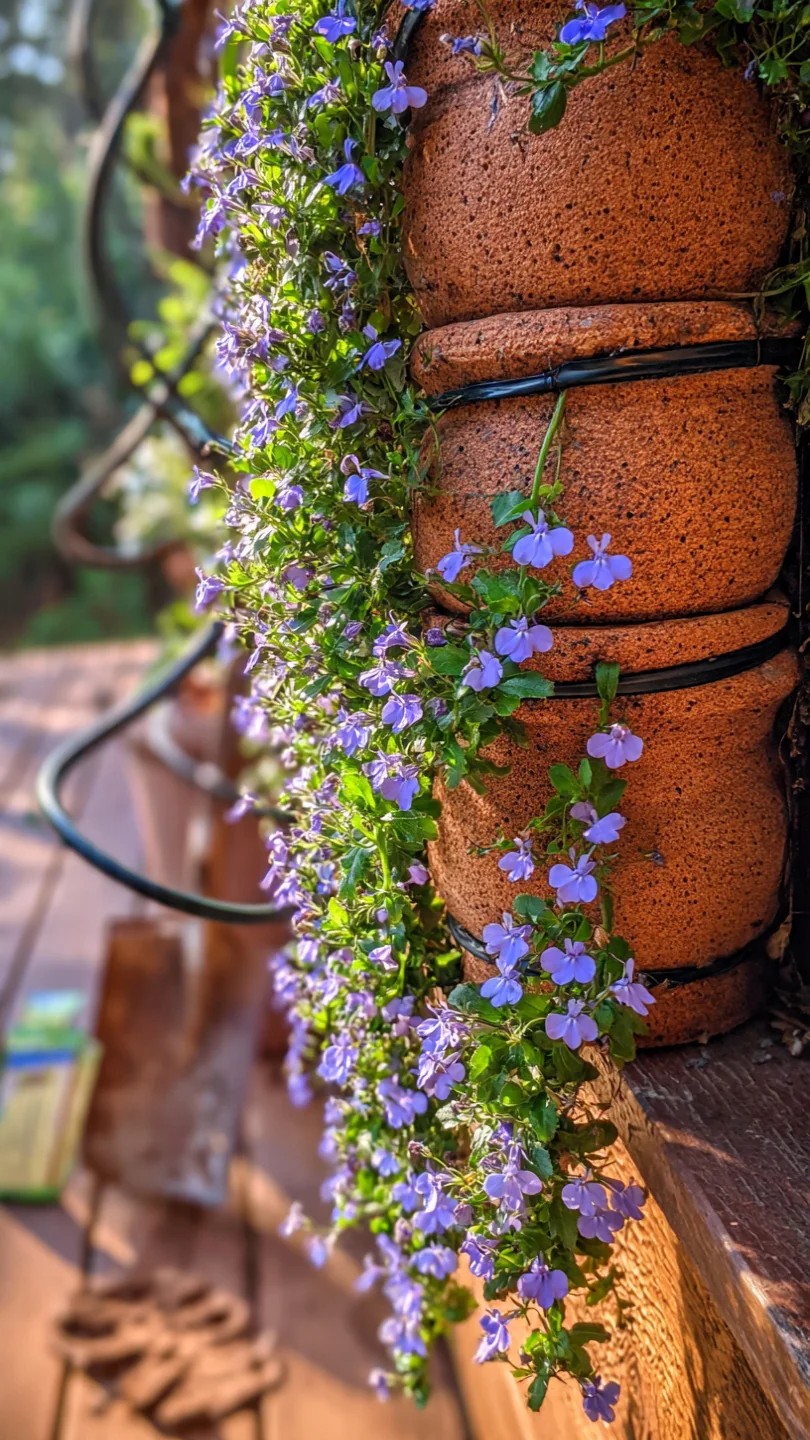
| Vertical Container Stacking | Stacked pots on edges with trailing plants | Space-efficient height in narrow areas | 3 | 3 |
| Pollinator Open Beds | Mixed native perennials in open drifts with 18 inch minimum spacing | Attracting wildlife in sun | 1 | 3 |
| Compact Seating Nook | Bench surrounded by low planters at 2 foot clearance | Rest spot in small plots | 3 | 2 |
| Color Zoned Mixing | Grouped color blocks by bloom time with 15 inch centers | Extended visual interest in shade | 2 | 3 |
1. Layered Perennial Borders
Best for: Branch 1
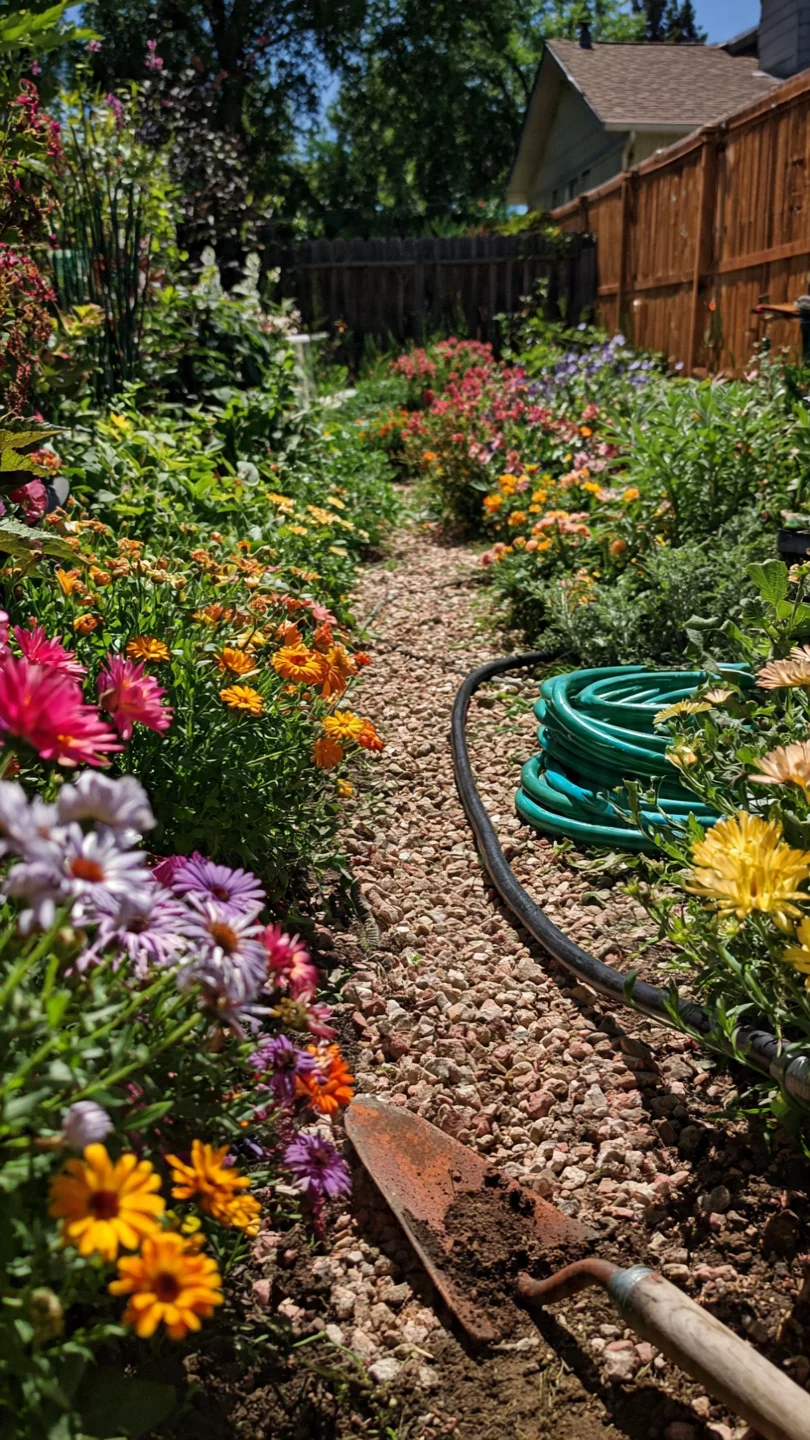
This blueprint creates the core of a cottage garden through three plant height layers that spill informally over edges. Use it for full-sun yards where you want maximum bloom coverage from spring to fall without rigid symmetry.
Follow these steps. First outline curved beds at least 5 feet deep using a hose for natural lines. Plant the low layer (lavender or catmint) at 12 inch centers for ground cover. Add the mid layer (foxglove or hollyhock) at 18 to 24 inch centers for mid-height fill. Finish with the tall layer (delphinium or phlox) at 36 inch centers to ensure air circulation.
Avoid the common mistake of uniform spacing across all layers, which crowds plants by the second season and reduces bloom quality. Edge with brick or stone for clean definition that still allows self-seeding.
2. Shade Trellis Climbers
Best for: Branch 2
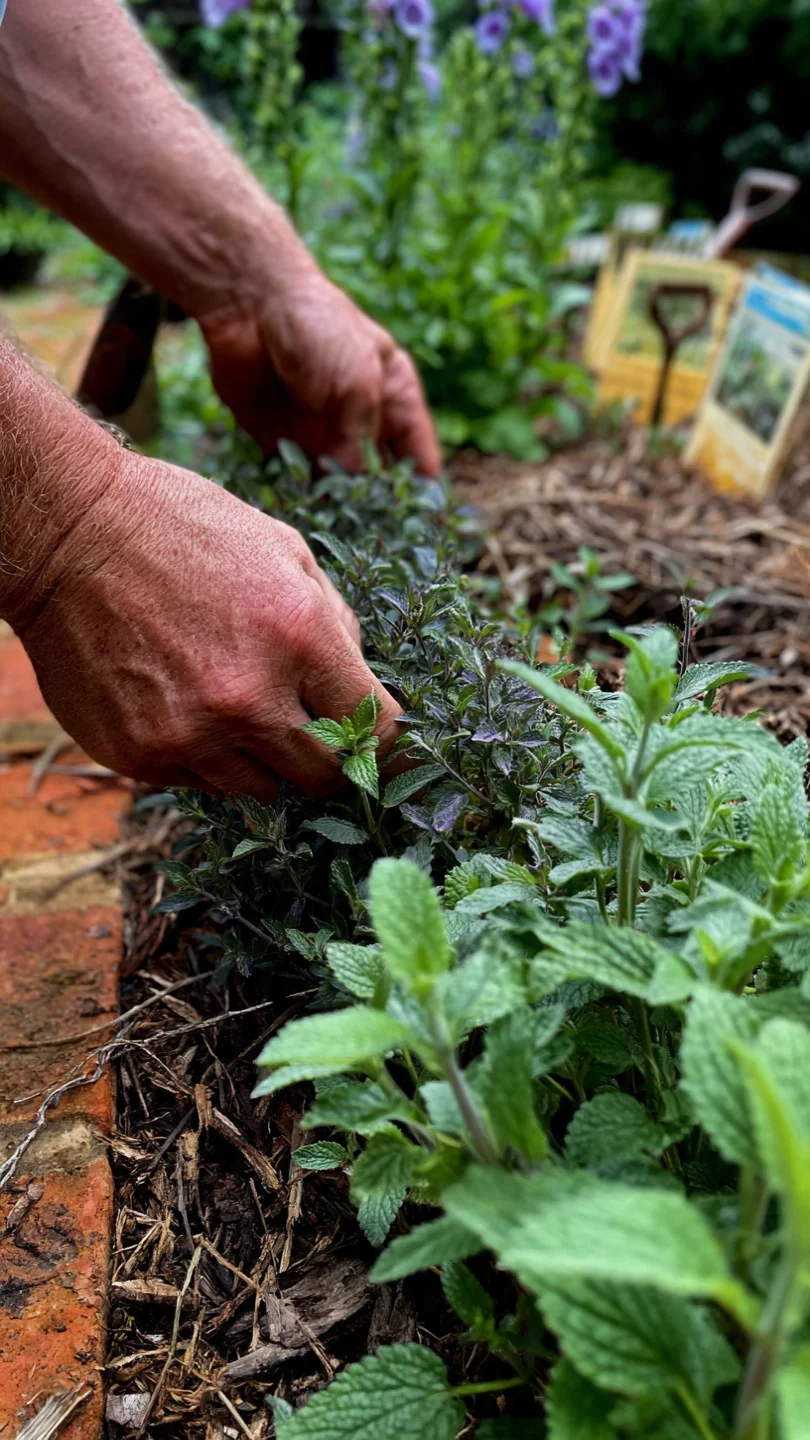
Use this idea when partial shade limits ground-level blooms but vertical space remains open. Skip it in full sun where heat stress dries climbers faster than shade-tolerant types can recover. The edge case is a north-facing wall where morning light still reaches 3 hours.
3. Narrow Gravel Pathways
Best for: Branch 3
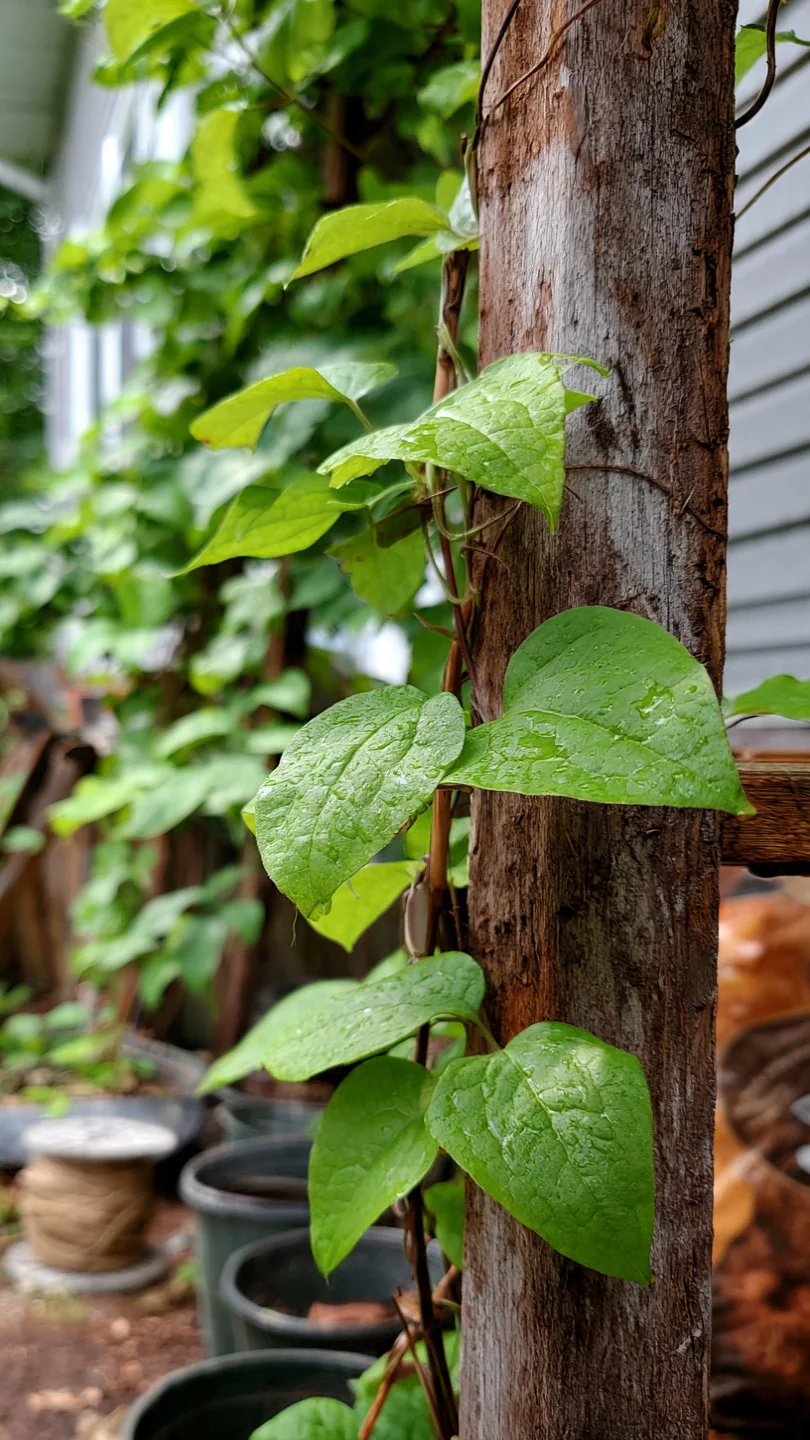
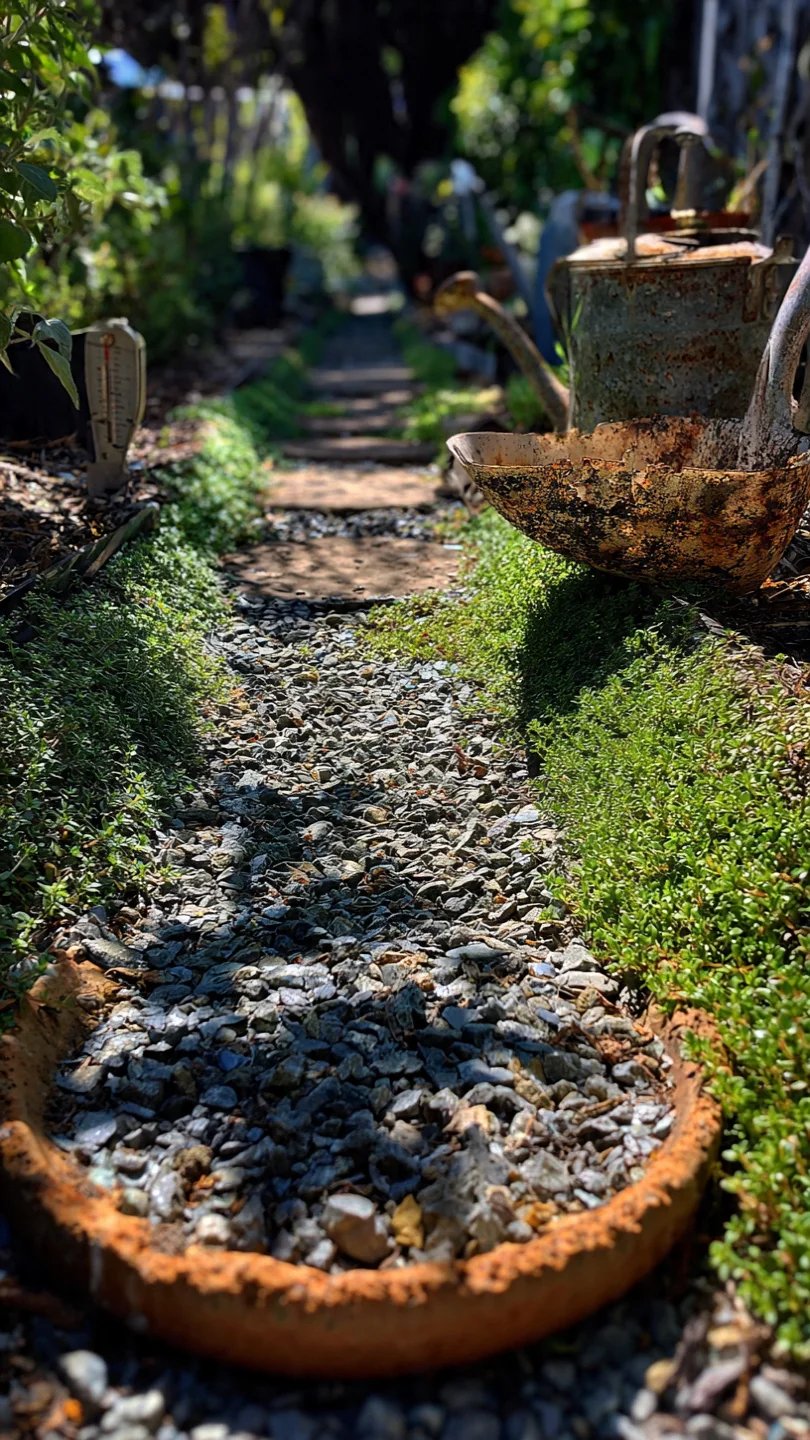
Apply the threshold rule of 3 to 4 foot width minimum and 4 inch gravel depth to maintain drainage and foot traffic without compaction. Adjust upward to 5 feet if wheelbarrow access is needed. Below the width threshold pathways become tripping hazards; above it the informal cottage feel weakens.
Choose angular gravel over rounded to lock the surface in place. This mechanism defines borders in constrained spaces while allowing water to percolate and plants to spill naturally onto the edges.
4. Rose Shrub Foundations
Best for: Branch 1
This 10-minute workflow integrates repeat-blooming roses into existing borders for instant structure and scent. Begin by clearing a 3-foot circle around the planting spot and loosening soil to 12 inches deep. Position the rose at the same depth as the nursery pot, backfill, and water deeply. Upgrade option: add companion catmint at the base for foliage contrast and pest deterrence.
Repeat the process every 3 feet along the border line. The mechanism works because roses anchor the tall layer while lower plants hide bare legs. See rose garden ideas for compatible varieties.
5. Hydrangea Understory

Best for: Branch 2
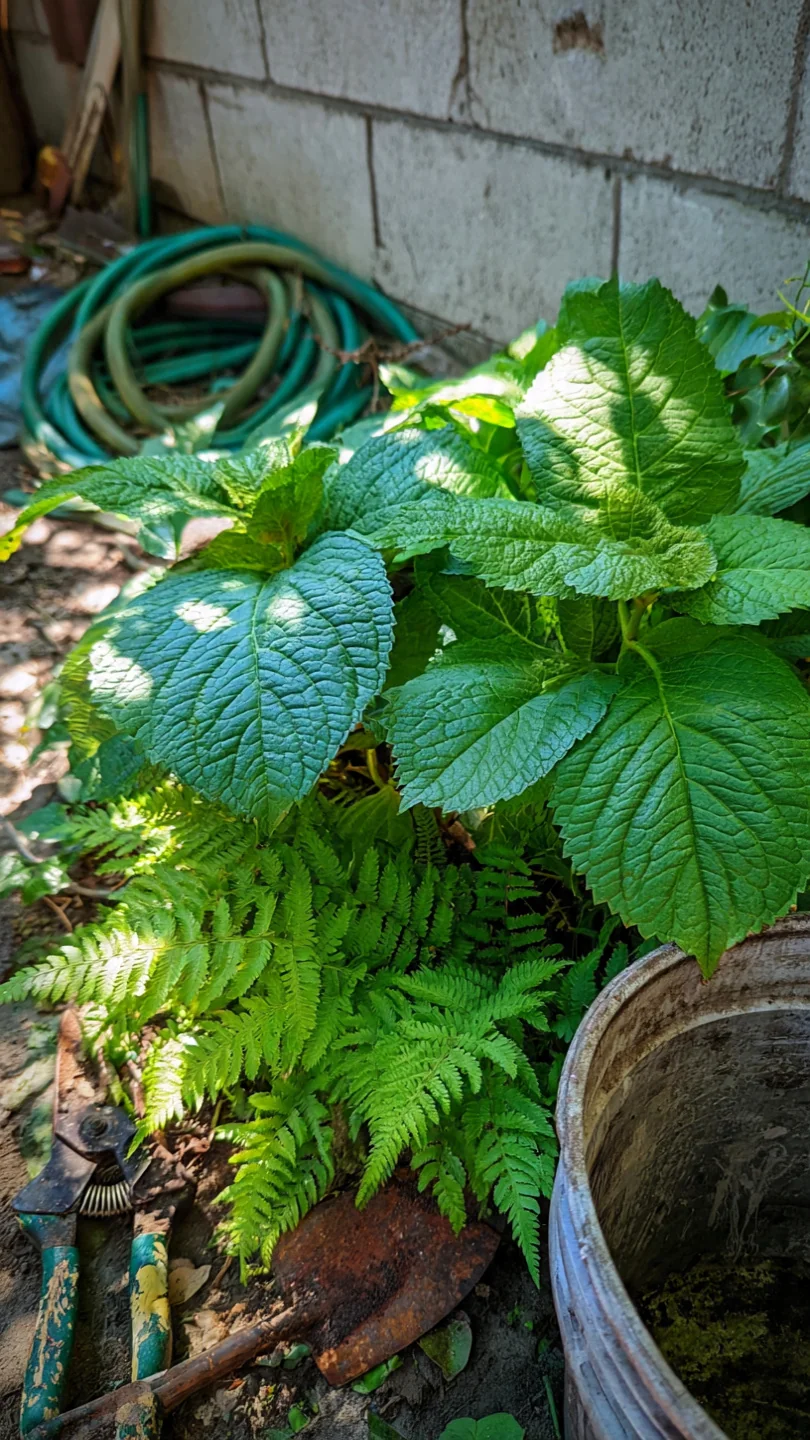
This blueprint layers large-leaf hydrangeas as the backbone with ferns at 24 inch centers for textural fill in partial shade. It suits areas where direct sun is limited to 3 to 5 hours yet moisture remains consistent. Plant in spring when soil temperature reaches 50 degrees Fahrenheit to establish roots before summer heat.
6. Vertical Container Stacking
Best for: Branch 3
Use versus skip: deploy this when ground space is under 4 feet wide but vertical surfaces or edges allow stacking. Skip it on slopes steeper than 10 degrees where stability fails. The edge case is a side yard where containers elevate trailing plants above foot traffic without expanding the footprint.
See container garden ideas for drainage details that prevent root rot in stacked setups.
7. Pollinator Open Beds
Best for: Branch 1
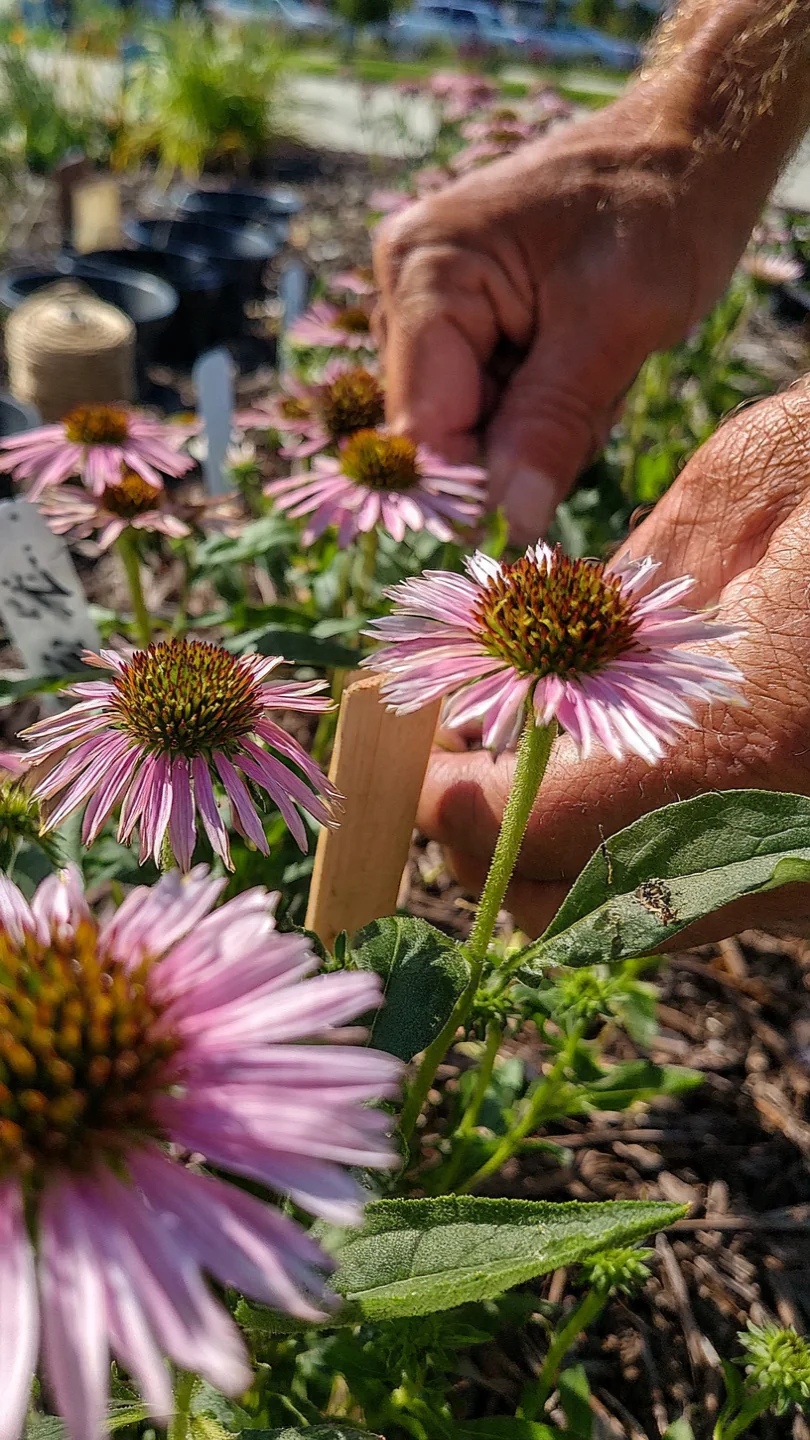
This blueprint organizes mixed native perennials into open drifts with 18 inch minimum spacing to encourage natural movement and wildlife visits. Mark drift outlines first with stakes spaced 6 feet apart. Fill each drift with three to five species chosen for sequential bloom: early asters, mid-season coneflowers, and late phlox. Water new plantings weekly for the first month until roots establish.
The mechanism relies on open spacing to reduce disease pressure in full sun. It delivers the cottage informality while supporting local pollinators through continuous nectar sources. See pollinator garden ideas for region-specific plant lists.
8. Compact Seating Nook
Best for: Branch 3
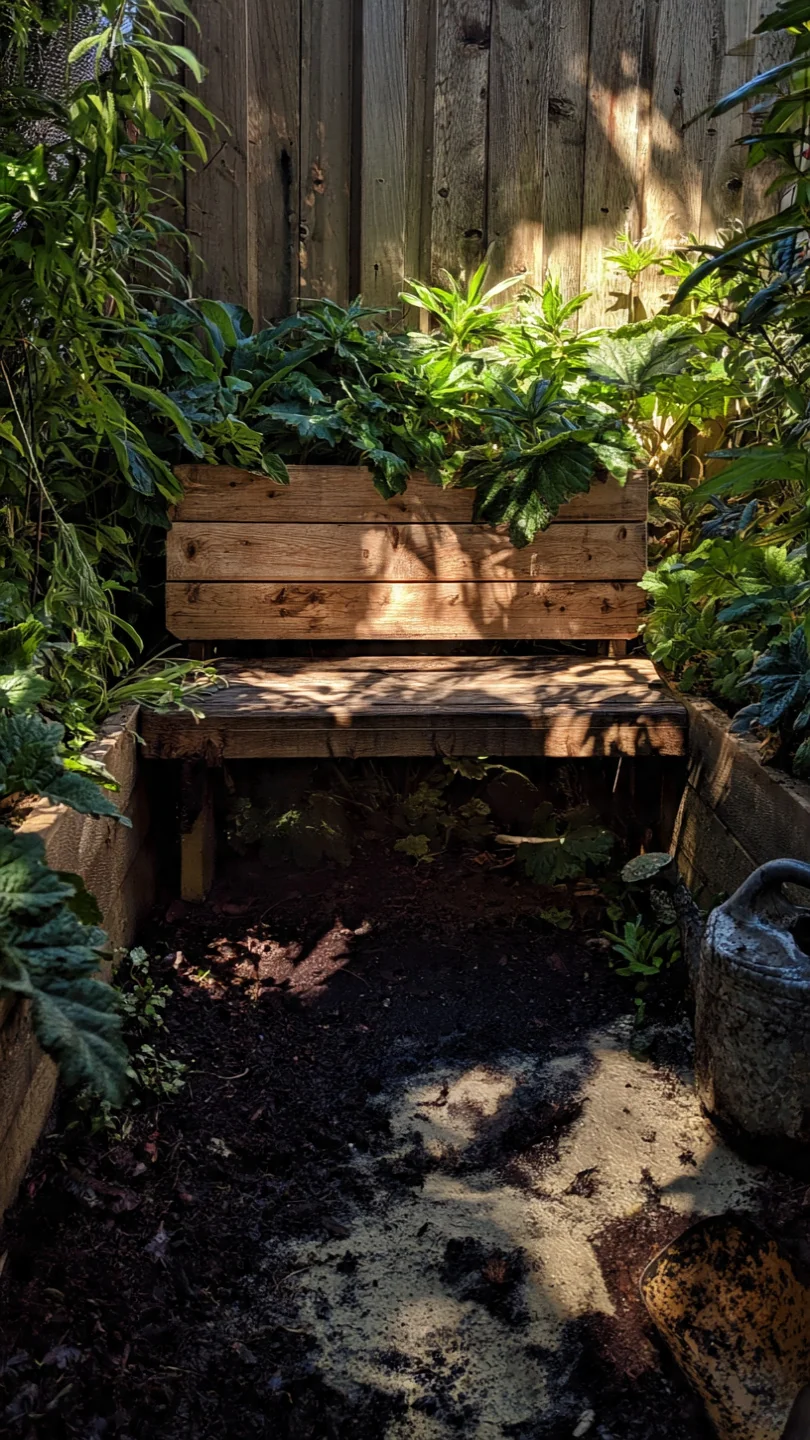
Use this when small plots need a functional rest spot without sacrificing planting area. It works by surrounding a bench with low planters that maintain 2 foot clearance on all sides. Skip if total space drops below 8 by 8 feet because circulation becomes cramped.
9. Color Zoned Mixing
Best for: Branch 2
Group plants into color blocks by bloom time using 15 inch centers within each zone. This mechanism extends visual interest across the partial-shade season by sequencing whites, pinks, and blues so one zone peaks as another fades. Adjust zone size downward to 4 square feet in the tightest areas.
See garden color schemes for proven combinations that hold up in lower light.
Starter Stack (What to Choose First)
Branch 1 Starter Stack
Begin with layered perennial borders and rose shrub foundations. The borders supply base density while roses add vertical scent and repeat bloom. Setup requires 6 to 8 hours and basic soil amendment materials.
Branch 2 Starter Stack
Begin with shade trellis climbers and hydrangea understory. The climbers provide height on vertical planes while the understory fills ground level with foliage texture. Setup requires 4 to 6 hours and standard potting mix for containers if needed.
Branch 3 Starter Stack
Begin with narrow gravel pathways and vertical container stacking. The pathways define circulation while the containers deliver height and color without expanding ground use. Setup requires 3 to 5 hours and gravel plus basic pots.
When This Won’t Work
These cottage garden ideas will underperform if your yard receives under 3 hours of sun daily or if soil remains saturated longer than 48 hours after rain. Both conditions lead to weak stems or root issues that break the layered effect.
Measure sunlight with a free phone app over three clear days and test drainage by digging a 12 inch hole and timing how long water takes to disappear. When either threshold is missed the romantic density turns leggy or sparse.
In those cases shift to specialized alternatives like our shade garden ideas.
Choosing the Right Option for Your Situation
Budget Threshold
If your initial materials budget covers only soil amendments and 8 to 12 plants, prioritize items from branch 3 first because they rely on fewer plants and reuse existing edges.
Time Threshold
If setup time available is under 5 hours, select items rated effort score 1 or 2 because they install in one session with minimal follow-up in the first season.
Technical Constraint
If soil pH tests outside 6.0 to 7.5 range, amend with lime or sulfur before planting any listed items because most cottage perennials and roses perform best in that window.
Yes/No Checklist
- Does your yard fit one decision grid branch?
- Is effort score aligned with your available time?
- Will soil drainage meet the 48-hour threshold?
- Do sunlight hours match the chosen branch?
Expert Q&A
How does cottage garden design handle clay soil without raised beds?
Amend clay with 2 to 3 inches of compost and coarse grit worked into the top 12 inches before planting. This improves drainage enough for most perennials and roses while keeping the informal look intact. Test drainage after amendment to confirm water moves through in under 24 hours.
What spacing adjustments prevent mildew in humid climates?
Increase all planting centers by 6 inches beyond the standard recommendation and site tall plants on the north side of borders. Good air flow around stems reduces humidity pockets that trigger powdery mildew on phlox or roses during summer nights above 70 degrees Fahrenheit.
How to incorporate garden seating without disrupting the informal flow?
Position the bench at a curve in the pathway so surrounding plants spill forward but leave 2 feet of clear space on entry sides. Use low planters on either side rather than formal edging to keep the cottage looseness while creating a natural pause point.
Which color schemes extend bloom interest into fall?
Zone cool blues and purples in early summer sections and shift to warm oranges and yellows for late-season blocks. Include sedum or aster at the back of each zone so color carries through September when most spring perennials have finished.
What threshold for self-seeding plants avoids invasion in small yards?
Limit self-seeders to no more than 20 percent of total plants and deadhead 50 percent of spent blooms before seed sets. This keeps the cottage charm of natural spread without overwhelming narrow borders under 4 feet wide.
Conclusion
The decision grid ensures your cottage garden delivers layered charm without mismatched conditions. The number one mistake is ignoring sunlight measurements and forcing plants into unsuitable spots.
Ready to add a strong focal point to anchor your chosen layers? Explore our garden focal point ideas.