
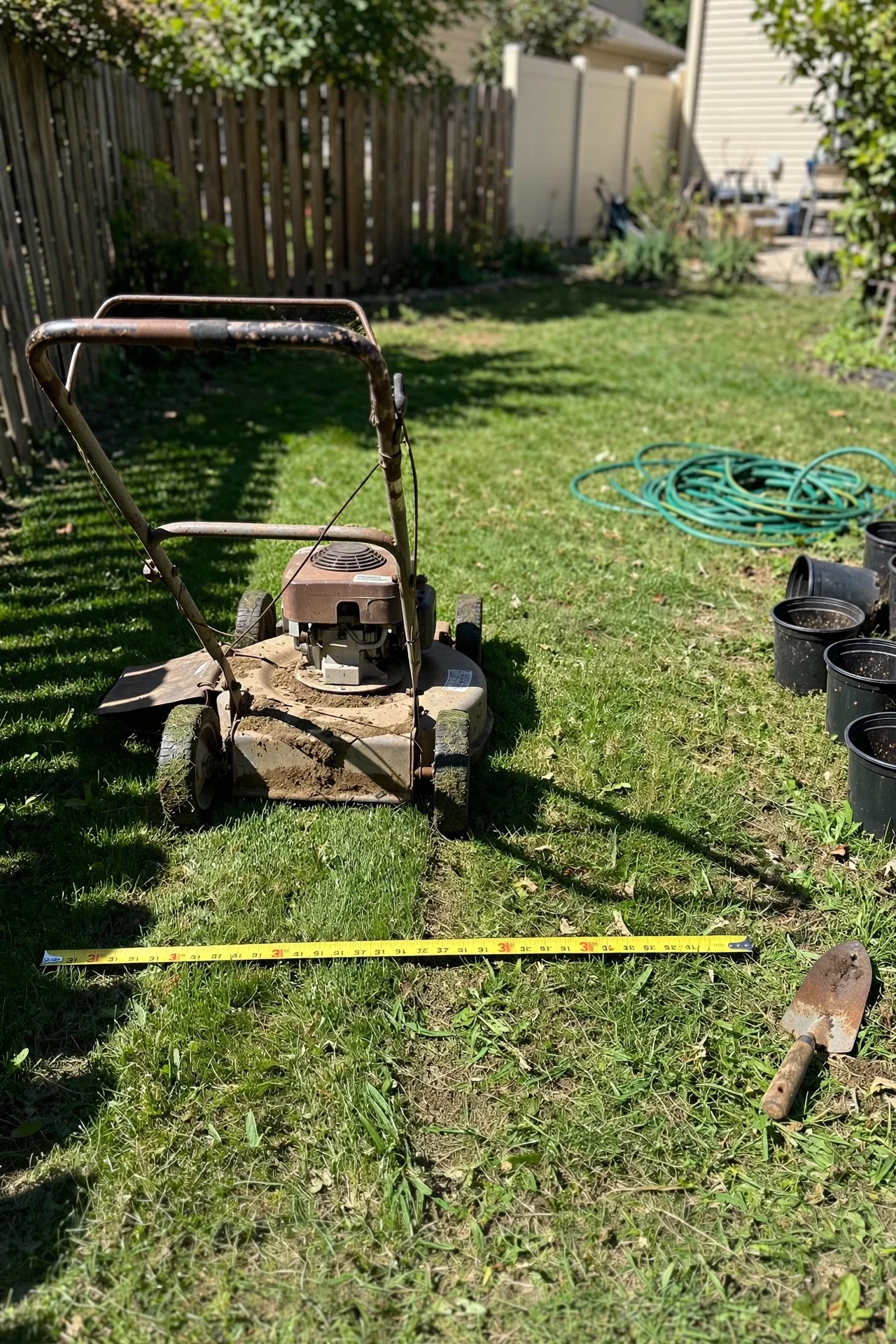
Optimal mowing height is not a single magic number. It is a management lever that shapes root depth, drought tolerance, weed competition, and how much time you spend behind the mower. The real choice is a trade-off between a manicured carpet and a resilient, lower-work lawn. Most advice just hands you a height range, but without the context of your grass’s growth habit, you end up fighting your lawn instead of working with it.
This guide covers nine common turfgrasses and lawn alternatives, dividing them by their biological behavior rather than just warm versus cool season. You will find a decision grid that classifies your lawn into one of three branches, a comparison table with a consistent effort metric, and itemized height strategies that include the constraints, seasonal adjustments, and mistakes most often overlooked.
By the end, you can confidently classify your existing lawn, choose a mowing height window that fits your climate and tolerance for upkeep, and avoid the two biggest errors: mowing below a grass’s physiological limit and ignoring seasonal height shifts. Every recommendation stays within published horticultural science without claiming guaranteed percentage improvements.
Bottom line: Sync your mower deck to your grass’s growth habit and your willingness to manage frequency, not just to a number you found online.
The Yield Grid Decision Grid
Use the three branches below to quickly sort your lawn type. Each branch is defined by the grass’s spreading method and the functional role of mowing height. Once you identify your branch, jump to the recommended items for specific height windows.
Branch 1: Aggressive Spreaders, Manicured Look. Grasses that spread vigorously via stolons or rhizomes tolerate very low cutting heights if mowed frequently and managed for thatch. They demand sharp blades and a reel mower for heights under 1.5 inches. Best for property owners who want a dense, carpet-like lawn and can commit to mowing every 3–5 days during peak growth. Recommended: Items 1, 2 below.
Branch 2: Upright Bunch Grasses, Protective Canopy. These grasses have a bunch-type or weakly rhizomatous habit and need a taller leaf canopy to shade the soil, conserve moisture, and suppress weeds. Typical mowing heights range from 2.5 to 4 inches. The taller cut protects crowns from heat and cold stress. Recommended: Items 3, 4, 5, 6 below.
Branch 3: Low-Input Lawn Alternatives, Minimal Mowing. Native or alternative groundcovers that perform best with infrequent cutting, or none at all. They tolerate a higher, meadow-like appearance while reducing water and fertilizer inputs. Mowing, when done, is mainly for aesthetics or to control seedheads. Recommended: Items 7, 8, 9 below.
For foundational turf care advice that applies across all branches, read our lawn care for beginners guide.
Quick Comparison Table
| Option | Key mechanism | Best for | Decision Grid Branch | Effort Score |
|---|---|---|---|---|
| Bermuda Grass | Aggressive stolons/rhizomes tolerate reel mowing below 1 inch | High-traffic, full-sun, manicured lawns | Branch 1 | 4 |
| Zoysia Grass | Dense mat, slow vertical growth but tough blades | Warm-season lawns with moderate shade, wear tolerance | Branch 1 | 3 |
| St. Augustine Grass | Broad, flat blades require tall canopy for shade and moisture retention | Coastal, humid regions; shade tolerance | Branch 2 | 4 |
| Tall Fescue | Deep root system, bunch-type; thrives with taller cut | Cool-season transition zone, drought-prone yards | Branch 2 | 2 |
| Kentucky Bluegrass | Rhizomatous spreading, self-repair; needs canopy for summer survival | Cool-season lawns wanting dense, self-healing turf | Branch 2 | 3 |
| Perennial Ryegrass | Rapid germination, bunch-type, high leaf mass | Quick establishment, overseeding, athletic fields | Branch 2 | 2 |
| Buffalo Grass | Native warm-season, low water need, can flower without cutting | Low-maintenance, drought-prone, naturalistic landscapes | Branch 3 | 1 |
| Centipede Grass | Slow growth, acid-soil adapted, “lazy man’s grass” | Low-input, low-fertility, Southeastern lawns | Branch 3 | 2 |
| Microclover Lawn | Legume fixes nitrogen, low mow tolerance, attracts pollinators | Eco-friendly lawns, reducing fertilizer inputs | Branch 3 | 1 |
1. Bermuda Grass: Blueprint for a Low-Cut Carpet
Best for: Branch 1, full-sun aggressive spreader.
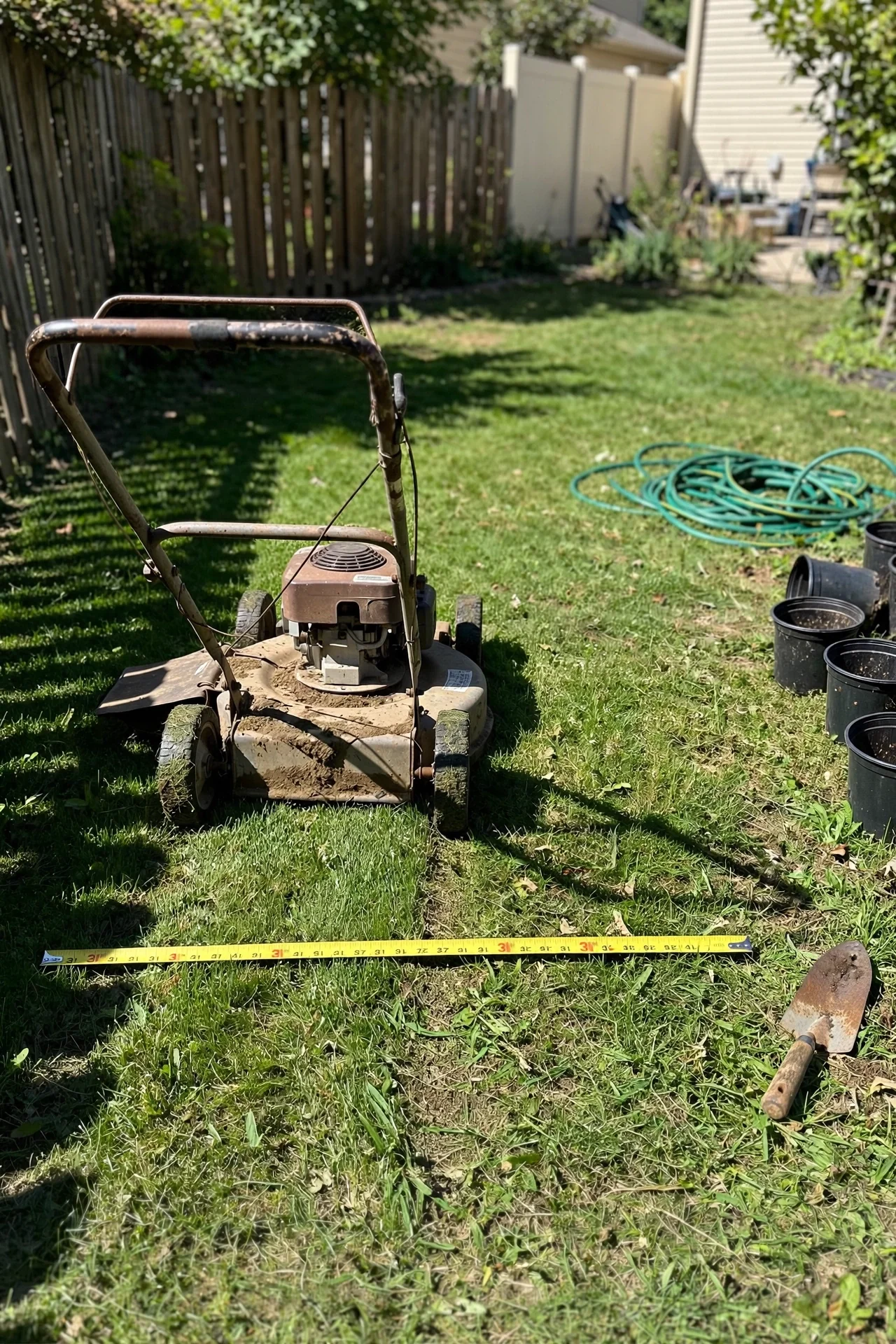
What: Hybrid and common Bermuda grasses spread by both stolons and rhizomes, forming a tight, wear-tolerant surface. Their growth habit supports cutting heights as low as 0.5 inches with a reel mower if maintained on a strict schedule.
For: Homeowners pursuing a putting-green aesthetic or a dense play surface in full sun. Not suitable for shady sites or sporadic mowing.
Steps: (1) Identify whether you have common Bermuda (tolerates 1–2 inch height) or hybrid (0.5–1 inch). (2) Set your reel mower to the desired height and mow every 3–4 days during active growth, never removing more than one-third of the leaf blade. (3) Verticut or dethatch annually to prevent a spongy mat that lifts the crown above the cutting plane. (4) Sharpen reel and bedknife after every 8–10 hours of use, because dull cuts shred fine blades and invite disease.
Mistake to avoid: Letting Bermuda grow tall for a week or more and then scalping it down to the target height. The shock removes most green tissue, exposing brown stems and stalling recovery. Instead, gradually lower the height over several mowings.
Explore full-season maintenance requirements in our Bermuda grass care guide.
2. Zoysia Grass: Dense Mat, High Blade Demand
Best for: Branch 1, warm-season lawns with some shade.
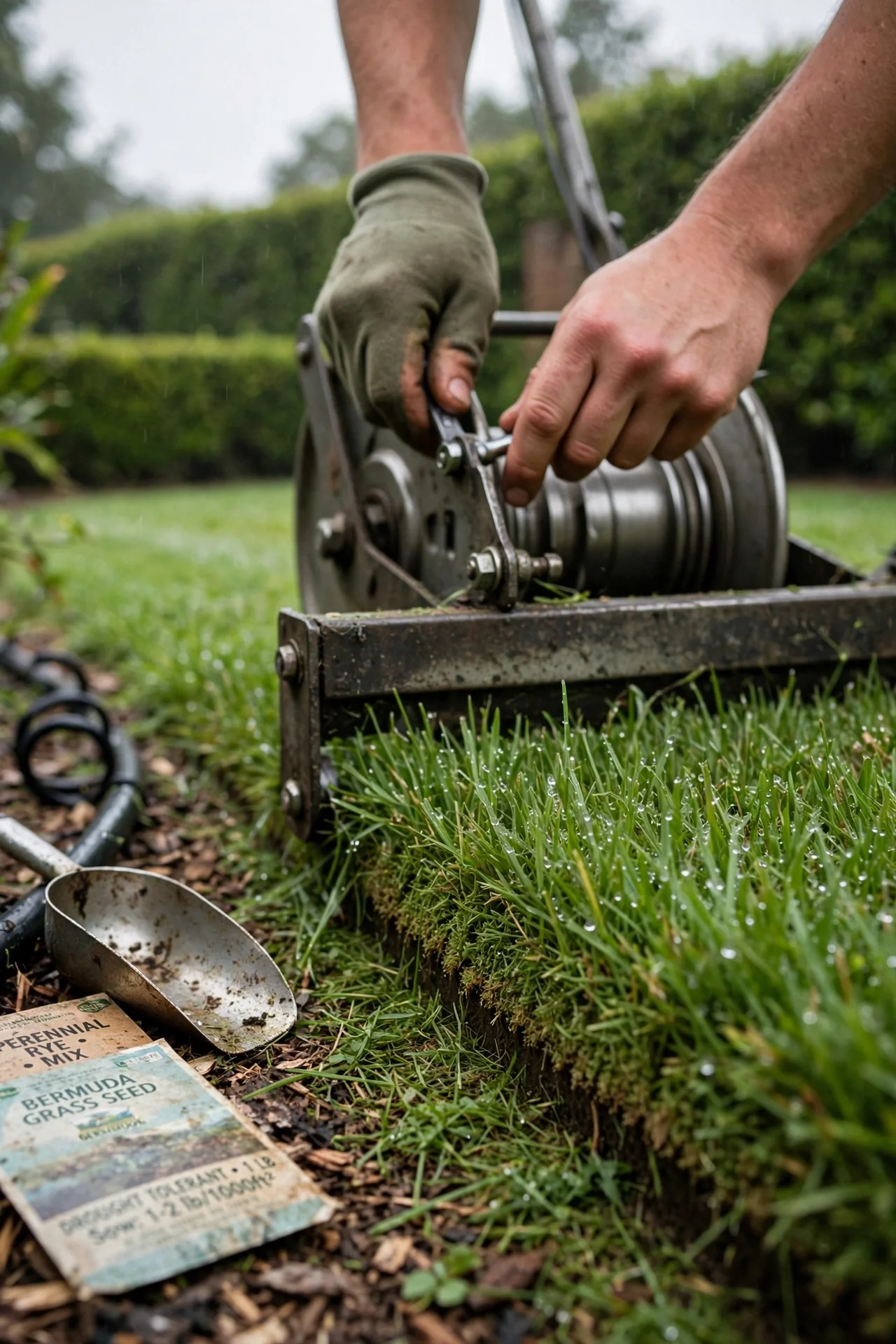
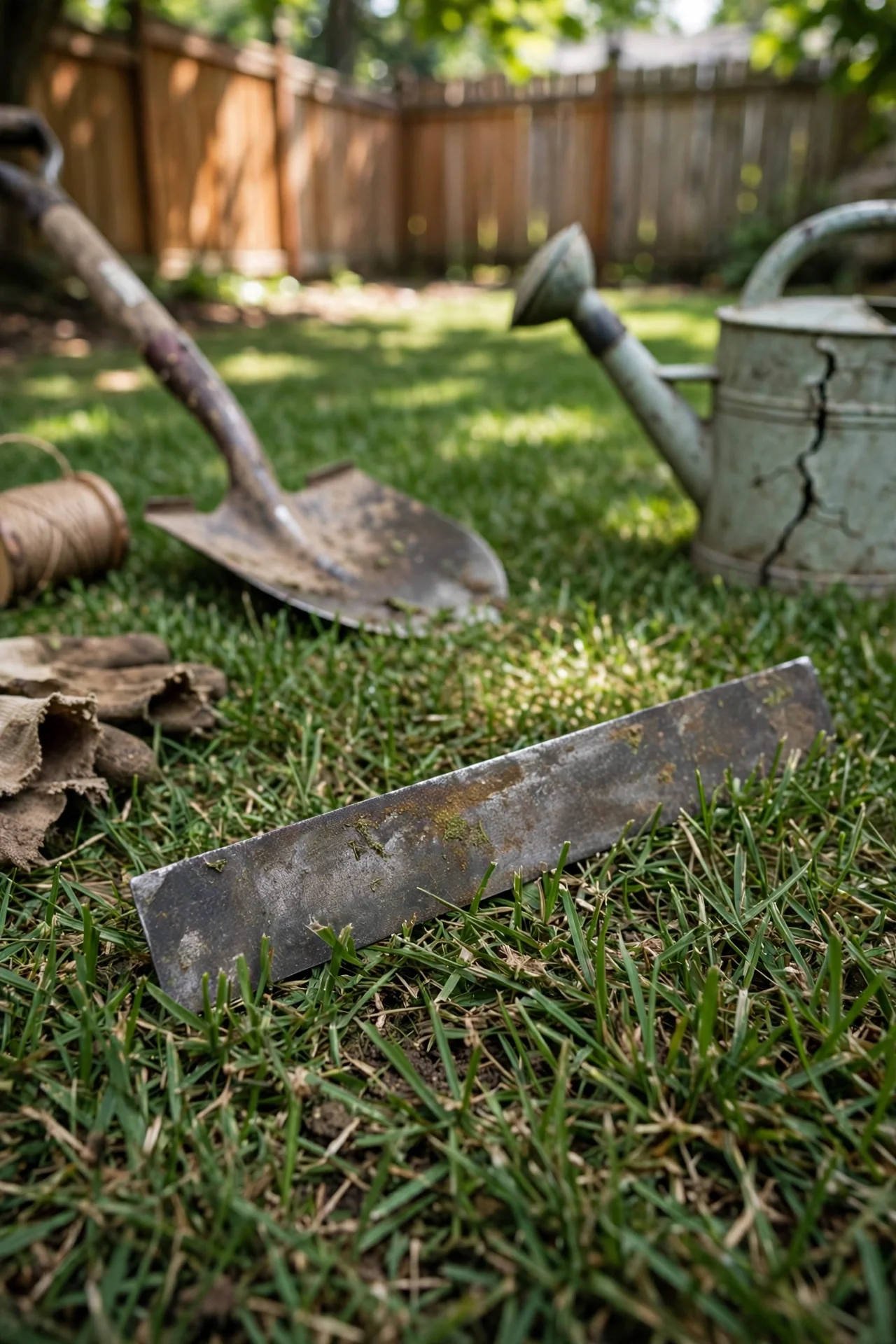
Use it if you want a dense, wear-tolerant lawn that naturally resists weeds once established. Skip it if your lawn has heavy tree shade or you lack patience for slow spring green-up. An often-missed edge case: Zoysia’s tough, silica-rich blades dull rotary mower blades faster than many cool-season grasses, requiring sharpening every 15 hours for a clean cut.
Manage thatch and seasonal growth with our Zoysia grass care advice.
3. St. Augustine Grass: The Minimum-Threshold Rule
Best for: Branch 2, coastal and humid climates.
St. Augustine has a critical mowing height floor. Never cut it below 2.5 inches, because its stolons and growing points sit relatively high. Standard mowing range is 3 to 4 inches. In heavy shade, raise the deck to 4 inches to maximize the leaf surface that captures limited light. In full sun with good air circulation, 3 to 3.5 inches reduces disease pressure. The threshold rule: if a visual inspection shows you are removing more than one-third of the leaf blade, raise the mower immediately. Mowing lower than 2.5 inches thins the turf, encourages chinch bug activity, and creates entry points for gray leaf spot and large patch.
4. Tall Fescue: The 10-Minute Seasonal Workflow
Best for: Branch 2, transition-zone and drought-prone yards.
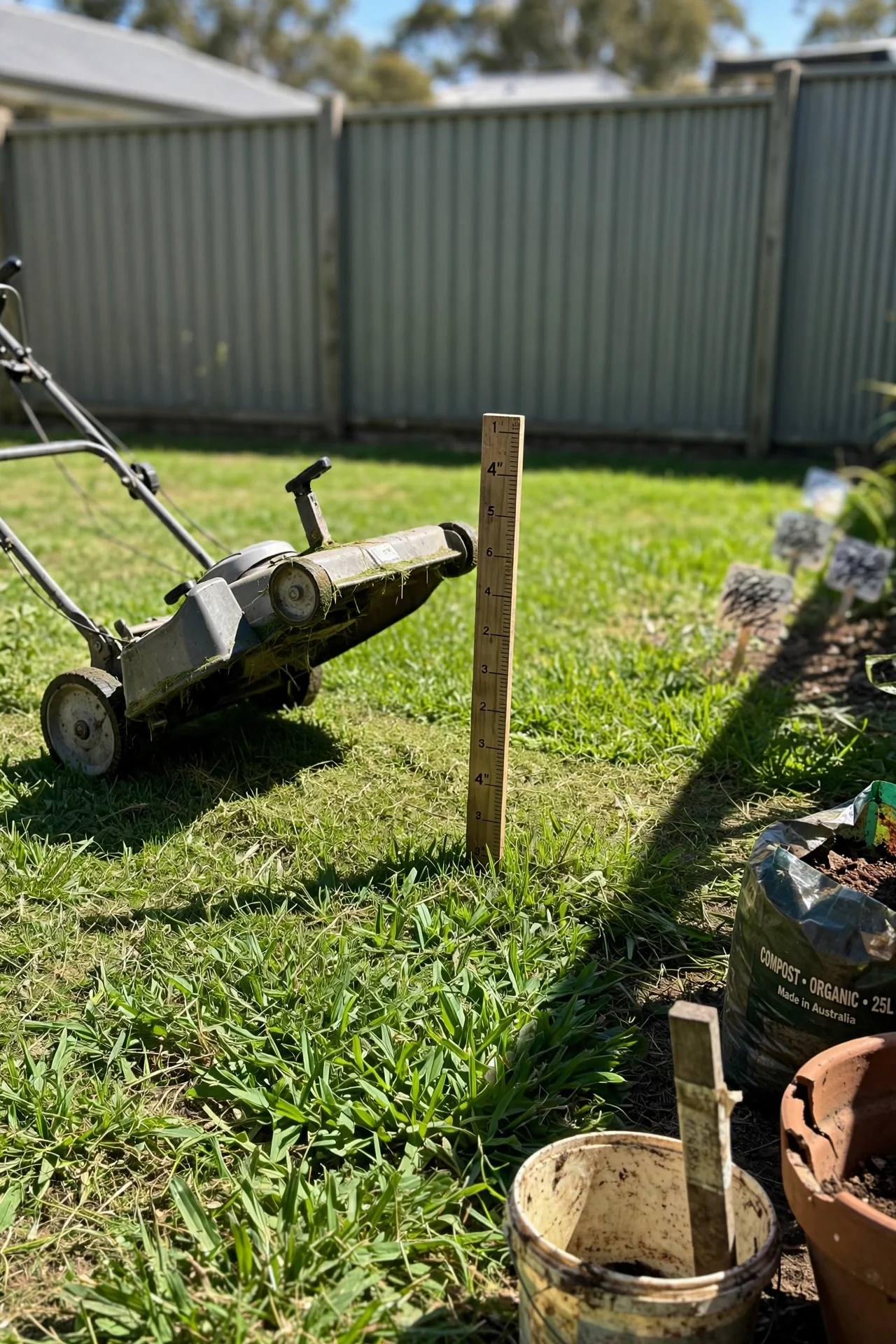
Quick workflow (each mowing session): (Step 1) Measure the grass height with a ruler before starting; if it is at or above 4.5 to 5 inches, proceed. (Step 2) Set your rotary mower deck to 3 inches in spring and fall, and to 4 inches during summer heatwaves. (Step 3) Mow only when the grass is dry, using a mulching blade to return fine clippings and preserve nitrogen. (Step 4) After 10 hours of use, run a blade-sharpening check; a dull blade frays leaf tips, making the lawn look brown-tipped and increasing water loss.
Upgrade option: In areas with steep slopes, switch to a self-propelled mower with a high-wheel design to maintain consistent cutting height without scalping the crests.
For a complete seasonal timeline, read our Tall Fescue maintenance guide.
5. Kentucky Bluegrass: Self-Repair with a Height Ceiling
Best for: Branch 2, cool-season lawns needing self-healing.
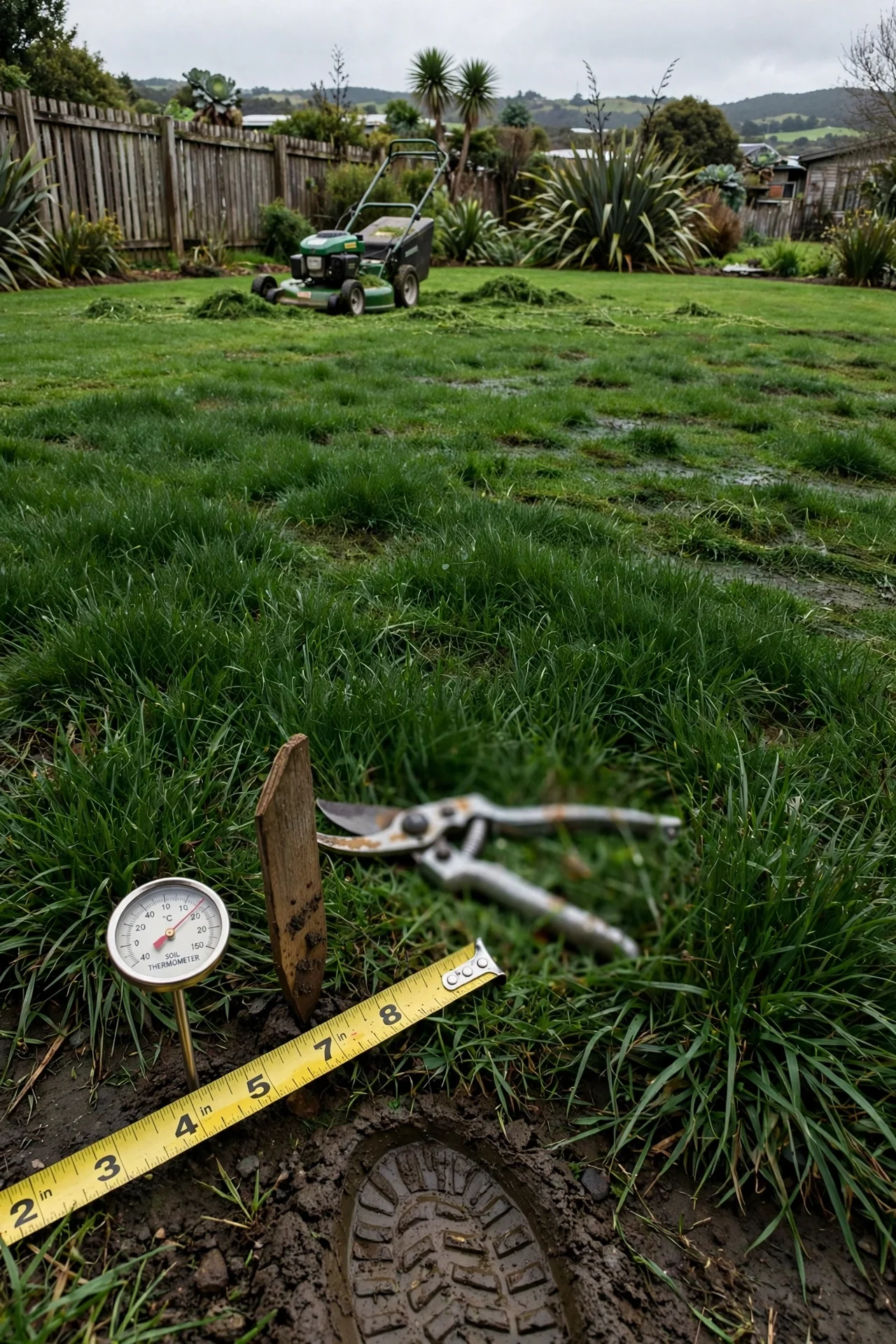
Kentucky bluegrass spreads via underground rhizomes that knit the turf, but this system depends on sufficient leaf area. Maintain 3 inches in spring and fall, and raise to 3.5 inches during summer stress. Cutting below 2 inches repeatedly starves rhizomes, leading to patchy thinning that cannot fill in. Combine the taller cut with deep, infrequent watering to drive roots deeper.
Build a year-round plan with our Kentucky bluegrass care guide.
6. Perennial Ryegrass: Quick Green, Frequent Mows
Best for: Branch 2, fast-establishing lawns and overseeding.
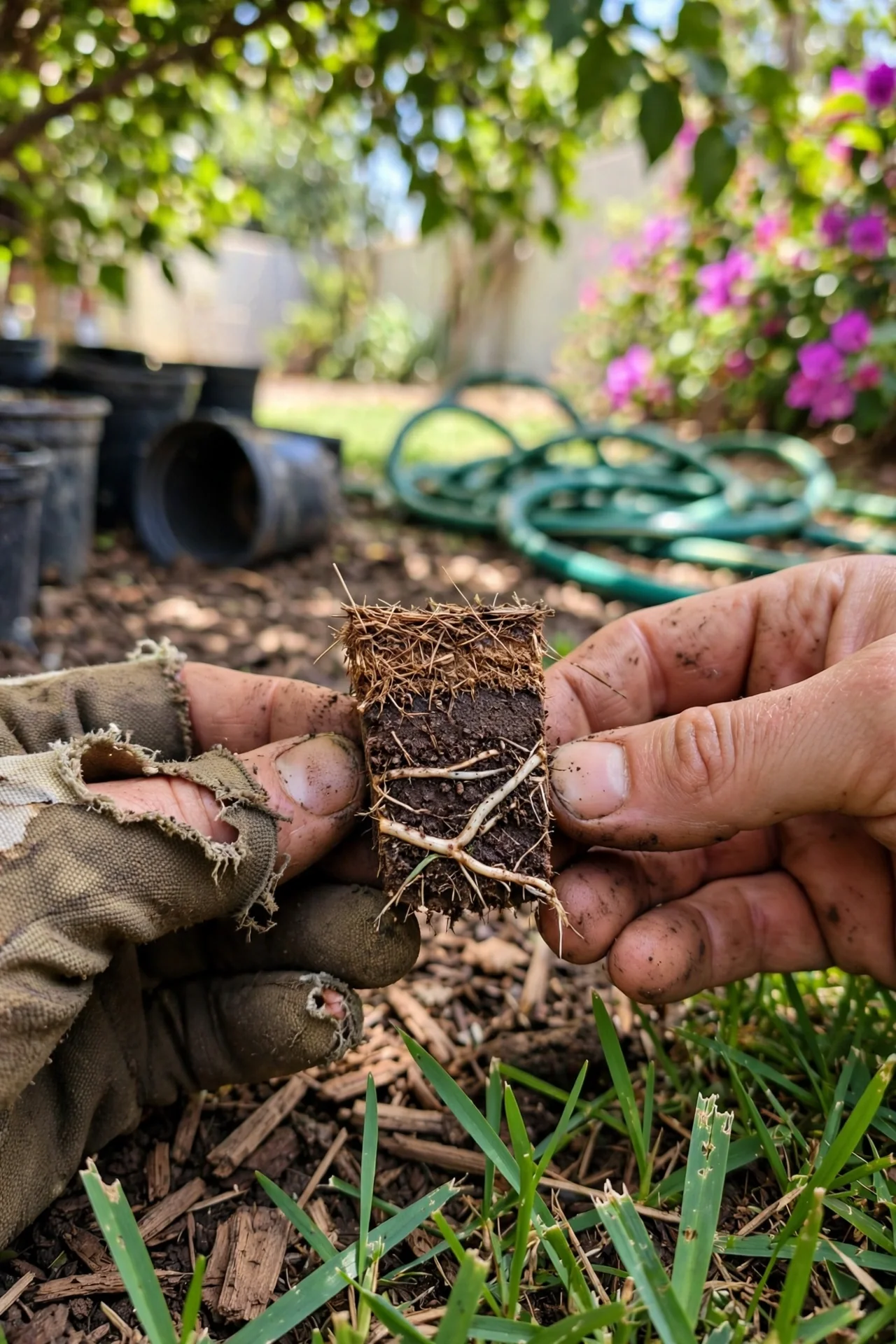
Use it if you need a rapid green cover or a durable athletic field surface and can mow twice a week during spring. Skip it if you have a history of summer fungal pressure like brown patch, because perennial ryegrass cut too short in humid conditions becomes highly susceptible. An edge case in mixed seed blends: ryegrass dominates early but may require a different mowing frequency than accompanying fescue or bluegrass, so adjust schedules to the fastest-growing component.
7. Buffalo Grass: The Drought-Adjusted Height Rule
Best for: Branch 3, low-water native lawns.
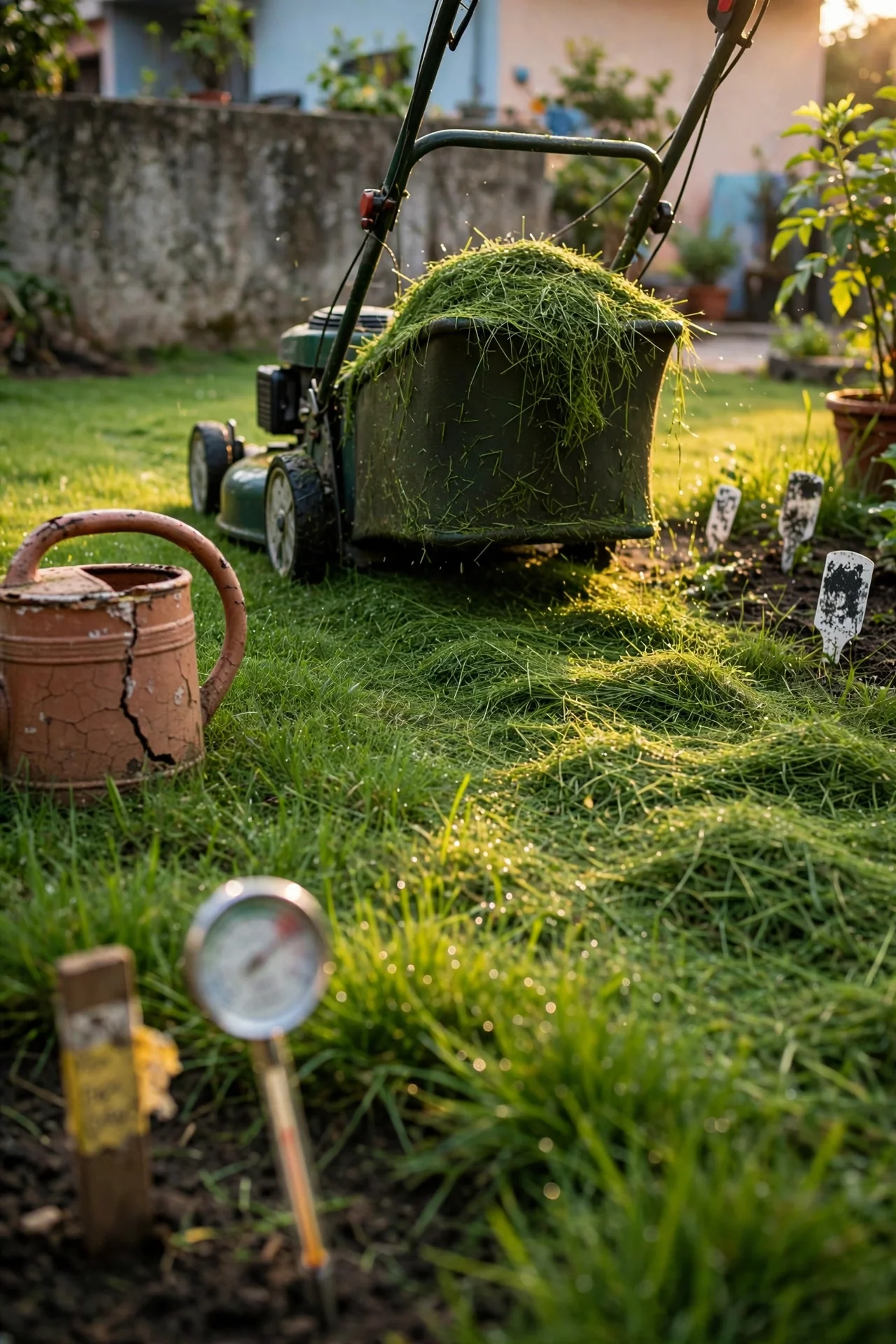
Buffalo grass gives you a wide acceptable height window depending on your goals. For a manicured meadow look, mow at 2–3 inches once every two to three weeks during active growth. For a no-mow prairie, simply let it grow to 3–4 inches and cut only once in late spring to remove old seedheads. The non-negotiable rule: never mow shorter than 2 inches, because the growing points sit well above the soil and scalping kills the plant. During extended drought, skip mowing entirely; the grass will enter dormancy, and cutting stresses the crowns. Because buffalo grass requires infrequent mowing, blade sharpness remains critical every season to avoid shredding the coarse leaves.
Plan your low-input lawn with our Buffalo grass lawn guide.
8. Centipede Grass: 10-Minute Low-Input Routine
Best for: Branch 3, acid-soil, hands-off lawns.
Keep centipede at 1.5 to 2 inches in full sun. The workflow: (1) Mow when the grass reaches 2.5 to 3 inches, never removing more than a third. (2) Use a sharp rotary mower, as centipede’s stolons ride high and dull blades can pull plants. (3) Skip heavy nitrogen applications that force fast growth, because centipede decline is often triggered by overstimulation. Upgrade option: add a mulching kit to recycle the sparse clippings and reduce fertilizer need altogether.
9. Microclover Lawn: The No-Mow Blueprint

Best for: Branch 3, eco-friendly, nitrogen-fixing groundcover.
What: Microclover blends with turfgrass or stands alone as a dense, low-growing legume. It fixes atmospheric nitrogen, reducing supplemental fertilizer needs.
For: Homeowners who want a green, flowering lawn that supports pollinators and tolerates limited mowing. Acceptable height range is 2–3 inches if you mow to control bloom height, but an unmowed stand typically stays under 8 inches and remains walkable.
Steps: (1) If you choose to mow, set the deck at 2.5 to 3 inches and cut when flowers reach the top of the grass canopy. (2) Time mowing to avoid the main bee foraging window during midday. (3) Do not apply high-nitrogen lawn fertilizers; they encourage surrounding grass over clover and eliminate the nitrogen-fixing advantage.
Mistake: Scalping microclover below 2 inches removes most leaflets and stolons, opening bare soil to weeds. Even a one-time scalp can set the stand back a full season.
Discover more mixed-lawn strategies in our Microclover lawn tips.
Starter Stack (What to Choose First)
Branch 1: The Short-Cut Warm-Season Stack
Start with Bermuda grass (item 1) as the primary turf and Zoysia (item 2) for any sections with partial shade or higher foot traffic. Bermuda fills bare spots aggressively, while Zoysia provides a wear-tolerant surface where Bermudagrass may thin. Both require a reel mower able to sustain low cutting heights. Cost estimate for a quality manual reel mower: $100–$300. Time commitment: mowing 2–3 times per week during summer peak growth, plus annual dethatching.
Branch 2: The Cool-Season Resilience Stack
Select Tall Fescue (item 4) for its deep-root drought tolerance and Kentucky Bluegrass (item 5) for its rhizomatous self-repair. When seeded together, Tall Fescue establishes quickly and handles heat, while Kentucky Bluegrass slowly fills thin spots. Maintain both at 3–3.5 inches with a rotary mulching mower. Weekly mowing during spring and fall suffices, and the taller canopy reduces weed pressure. Estimated annual time for mowing, aeration, and overseeding: moderate, with a fertilizer schedule that avoids high-nitrogen surges.
Branch 3: The Minimalist Lawn Stack
Combine Buffalo grass (item 7) and Microclover (item 9) for a lawn that needs almost no mowing. Buffalo grass provides a native, drought-tolerant matrix; microclover fills gaps, fixes nitrogen, and stays green with minimal water. Mowing once a month or even just once in late spring maintains a neat appearance at 3–4 inches. This stack eliminates high fertilizer bills and reduces mower fuel use. Cost is limited to initial seed or plug installation, and time drops to a few hours per year.
When This Won’t Work
Failure condition 1: You force a grass type to hold a height outside its physiological range. Keeping St. Augustine at 1.5 inches or Buffalo grass at 1 inch damages growing points and opens the canopy to weed invasion and soil-borne diseases. The lawn will thin progressively, and recovery often requires full renovation. If you cannot provide the minimum height that a species demands, consider switching to a grass adapted to your desired height during the next overseeding window.
Failure condition 2: You ignore seasonal height adjustments. A cool-season lawn kept at 2 inches through a hot, humid summer enters chronic stress, making it vulnerable to brown patch and Pythium blight. Likewise, Bermuda cut at 0.75 inches right before a fall frost sustains winterkill at the exposed stolons. Instead, adopt a seasonal mowing calendar that raises heights ahead of stress seasons. When you see early signs of disease, correct the height immediately and consult our lawn disease identification guide to diagnose the issue before it spreads.
Choosing the Right Option for Your Situation
Budget Threshold
If your grass requires reel mowing below 1.5 inches (Bermuda, some Zoysia), budget for a quality reel mower and regular sharpening. Rotary mowers are sufficient and more affordable for species kept above 2 inches. A worn rotary blade on a tall fescue lawn may cause brown tips, but it will not destroy the stand as quickly as a dull reel on hybrid Bermuda. Determine your mower type first, then match the grass to that equipment budget.
Time Threshold
Be realistic about how many days per week you can mow during peak growth. Branch 1 grasses demand 2–3 cuts per week in late spring and summer. If your schedule allows only weekly mowing, shift to Branch 2 turf such as tall fescue or Kentucky bluegrass, whose height tolerances accommodate weekly intervals. Branch 3 options reduce mowing to once or twice a month, appropriate for vacation homes or low-maintenance goals.
Technical Constraint: Thatch and Organic Matter Buildup
Grasses that spread by rhizomes and stolons (Branch 1) accumulate thatch faster, especially when mowed low and heavily fertilized. If you cannot commit to annual core aeration or vertical mowing, a low-cut Bermuda or Zoysia lawn will eventually develop a spongy mat that lifts the crown above the soil, making it susceptible to scalping and disease. In this case, opt for a bunch-type grass or a higher mowing height that slows thatch buildup.
Yes/No Quick Checklist:
– Do you know the exact grass species or cultivar in your lawn? (Yes/No)
– Can you adjust your mower deck to the required height range accurately? (Yes/No)
– Will you sharpen mower blades at least twice per growing season? (Yes/No)
– Is your realistic mowing frequency compatible with the growth rate at the chosen height? (Yes/No)
Expert Q&A
How does mowing height affect thatch accumulation?
Cutting more than one-third of the leaf at once can shock the grass and contribute to thatch, but low mowing alone does not directly create excess thatch. Over-fertilization with fast-release nitrogen and lack of core aeration are stronger drivers. However, very low-cut lawns require aggressive cultural practices to manage the organic layer.
Should I change mowing height between spring and summer?
Yes. Raise cool-season grasses by 0.5 to 1 inch in summer to shade soil and reduce heat stress. For warm-season grasses, you can scalp lightly in early spring to remove dead material, then raise the deck back to the standard height to encourage dense regrowth.
Can mowing height influence how much I need to water?
A taller canopy shades the soil surface, reducing evaporation loss and allowing longer intervals between irrigation. Conversely, a very short lawn exposes soil and roots, often requiring more frequent watering to avoid drought stress, especially in sandy soils.
Do reel mowers require a different cutting height strategy than rotary mowers?
Reel mowers cut with a scissor action and can maintain heights below 1 inch cleanly, which is essential for hybrid Bermuda lawns. Rotary mowers struggle under 1.5 inches and tend to tear rather than shear. Choose a reel mower for Branch 1 low-cut types and a rotary mower for all other categories.
What if I accidentally scalped my lawn?
Scalping removes green leaf tissue and exposes crowns. Water deeply right after to reduce heat stress, hold off on fertilizer until new green growth appears, and immediately raise the mowing height. Do not try to “correct” the level by cutting even shorter; that compounds the injury.
Conclusion
The core decision in mowing height is aligning your grass’s growth habit with a cut that it can sustain without chronic stress. The most common mistake is choosing a number based on aesthetic preference rather than biological tolerance and then compounding it by ignoring the one-third rule. Match your grass to its branch, set the deck to the mid-range of its safe window, and adjust seasonally.
Once your mowing height is dialed in, layer on a timely weed prevention plan to keep the canopy free of competition. For that next step, see our pre-emergent herbicide timing guide and give your well-mowed lawn an extra edge.