
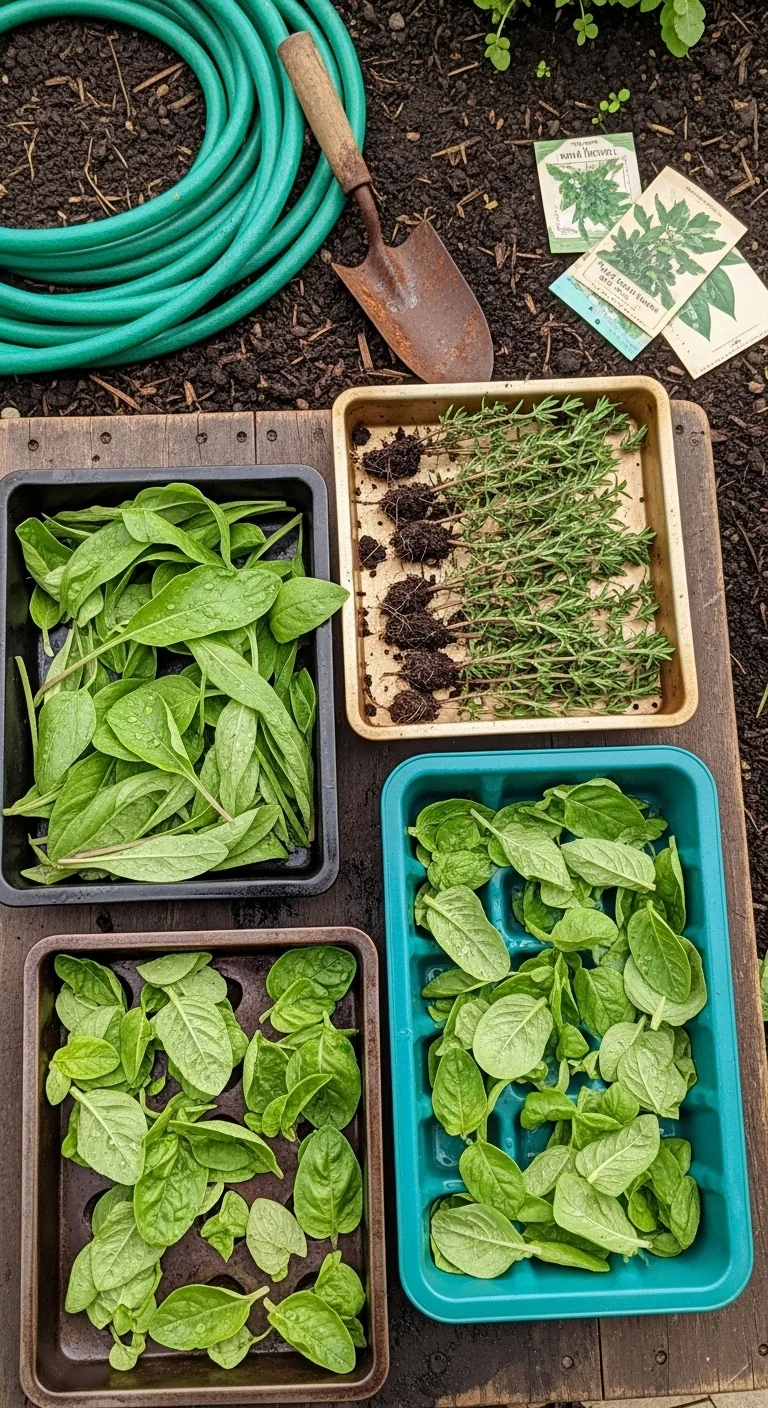
Freezing fresh herbs succeeds when the method aligns with the herb leaf structure and your planned dish type rather than following one generic technique.
This guide covers nine distinct freezing techniques suited to common culinary herbs from home gardens. It focuses only on freezing options and leaves out drying, refrigeration, or commercial processing.
You gain clear rules for selection so you minimize texture changes and match the preserved herbs directly to recipes without trial and error.
Align the branch to your herb type and recipe role, then select the listed items to maintain usability through the off-season.
The Yield Grid Decision Grid
Branch 1: Tender leafy herbs such as basil, parsley, cilantro, or mint for use in soups, sauces, or sautés. Measurable condition: leaves bruise under light finger pressure and recipes involve simmering above 160 degrees F.
Recommended: Items 2, 3, and 7 below.
Branch 2: Hardy woody herbs such as rosemary, thyme, or oregano for roasting or grilling. Measurable condition: stems snap cleanly when bent and use occurs in dry-heat methods.
Recommended: Items 1, 6, and 9 below.
Branch 3: Herbs prepared as pre-portioned flavor bases or butters. Measurable condition: you need portions under 2 tablespoons ready to drop straight into dishes.
Recommended: Items 4, 5, and 8 below.
For guidance on growing the varieties that freeze best see our herb gardening for beginners guide.
Quick Comparison Table
| Option | Key mechanism | Best for | Decision Grid Branch | Effort Score |
|---|---|---|---|---|
| Flash Freezing Whole Sprigs | Single-layer tray freeze then transfer to bag | Woody stems with minimal chopping | Branch 2 | 1 |
| Water Ice Cube Method | Chopped leaves suspended in water cubes | Tender leaves in liquid dishes | Branch 1 | 3 |
| Oil Cube Method | Chopped leaves covered in neutral oil | Flavor protection in cooked recipes | Branch 1 | 4 |
| Pureed Herb Paste Cubes | Blended leaves frozen in portions | Ready flavor bases | Branch 3 | 5 |
| Compound Butter Logs | Herbs mixed into softened butter then rolled | Instant flavor addition to proteins | Branch 3 | 4 |
| Dry Pack Freezing | Whole or chopped leaves bagged without liquid | Quick grab-and-use access | Branch 2 | 2 |
| Recipe-Specific Blend Cubes | Mixed herbs frozen together in cubes | Tailored soup or stew starters | Branch 1 | 4 |
| Single-Layer Tray Method for Delicates | Separated leaves frozen individually | Fragile leaves needing separation | Branch 3 | 2 |
| Double-Wrapped Odor-Control Bags | Strong-scented herbs sealed in layered packaging | Preventing flavor transfer in shared freezer | Branch 2 | 3 |
Flash Freezing Whole Sprigs
Best for: Branch 2
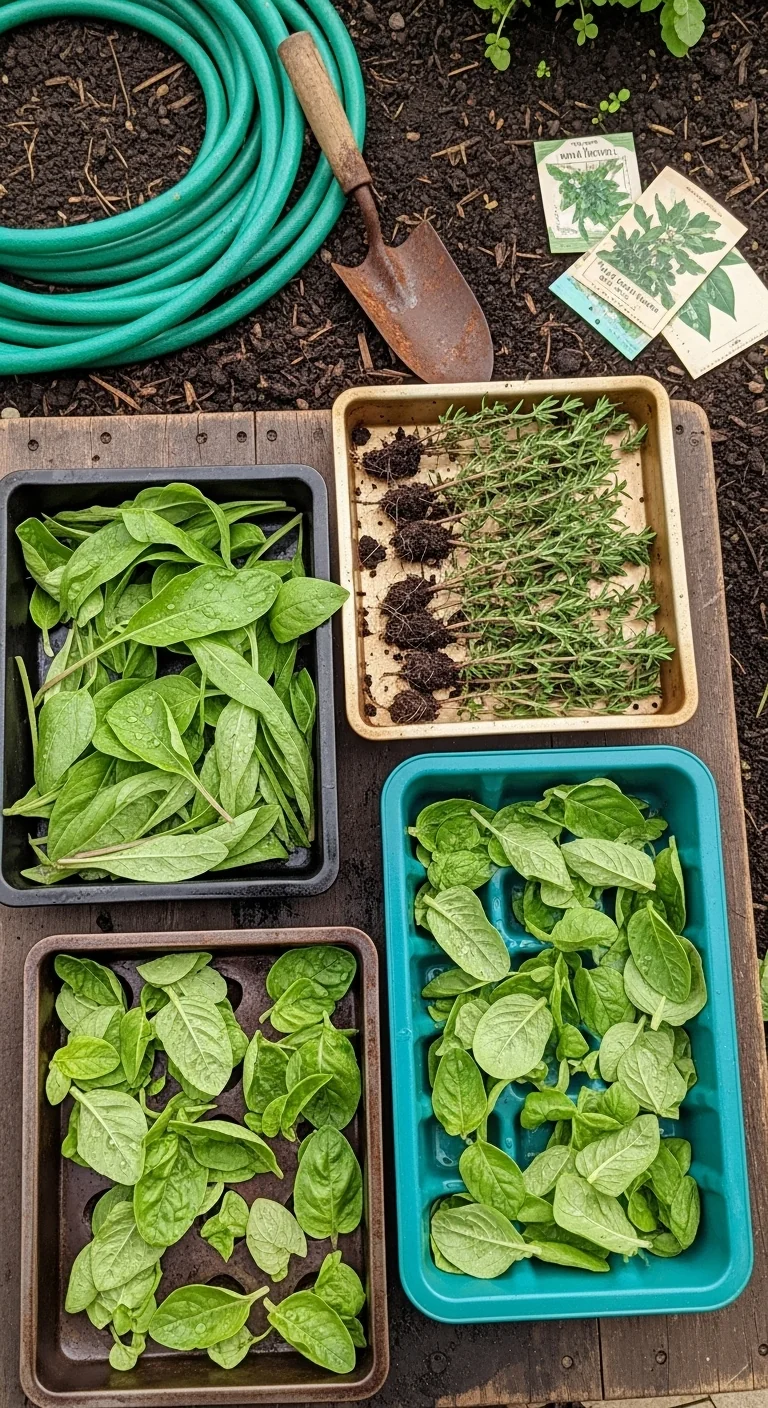
This threshold-rule method works for hardy herbs with sturdy stems. Harvest just before flowers open and rinse gently under cool water. Pat completely dry with a clean towel to avoid ice crystals. Arrange sprigs in a single layer on a parchment-lined tray and place in the freezer until solid (about 2 hours at 0 degrees F). Transfer to labeled freezer bags, press out air, and seal. The mechanism preserves shape better than chopping because cell walls stay intact longer during storage.
Edge case: woody herbs like rosemary hold up after 6 months while softer stems may soften noticeably. Common mistake: crowding the tray causes clumping that defeats the separation benefit. Use directly from frozen in roasting pans. See our guide on proper harvesting timing for peak flavor.
Water Ice Cube Method
Best for: Branch 1
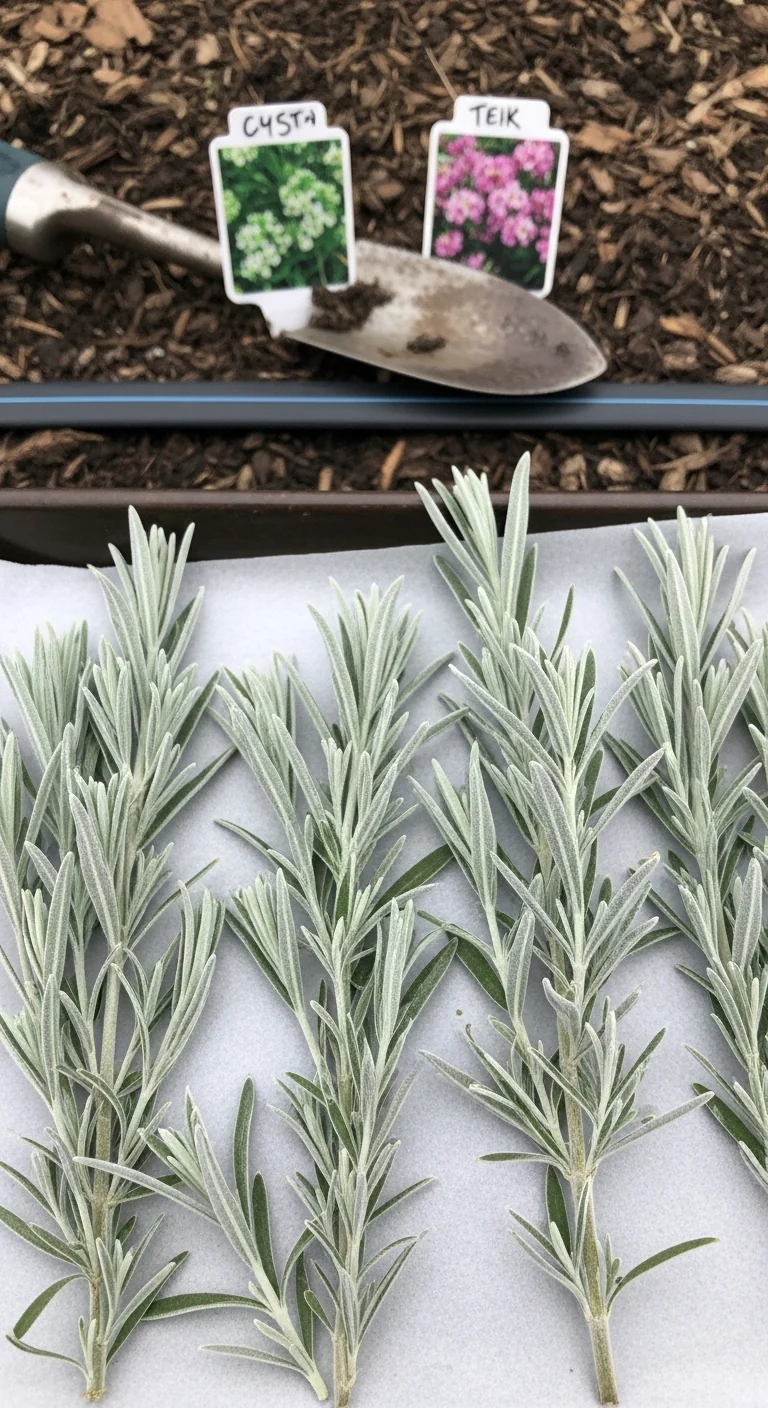
Chop tender leaves after rinsing and drying. Fill ice cube trays half full with water, add 1 tablespoon chopped herb per section, push leaves under the surface, and freeze solid. Top off with extra water the next day and refreeze. Pop cubes into bags for storage. This 10-minute workflow suits basil or parsley destined for simmered dishes.
Oil Cube Method
Best for: Branch 1
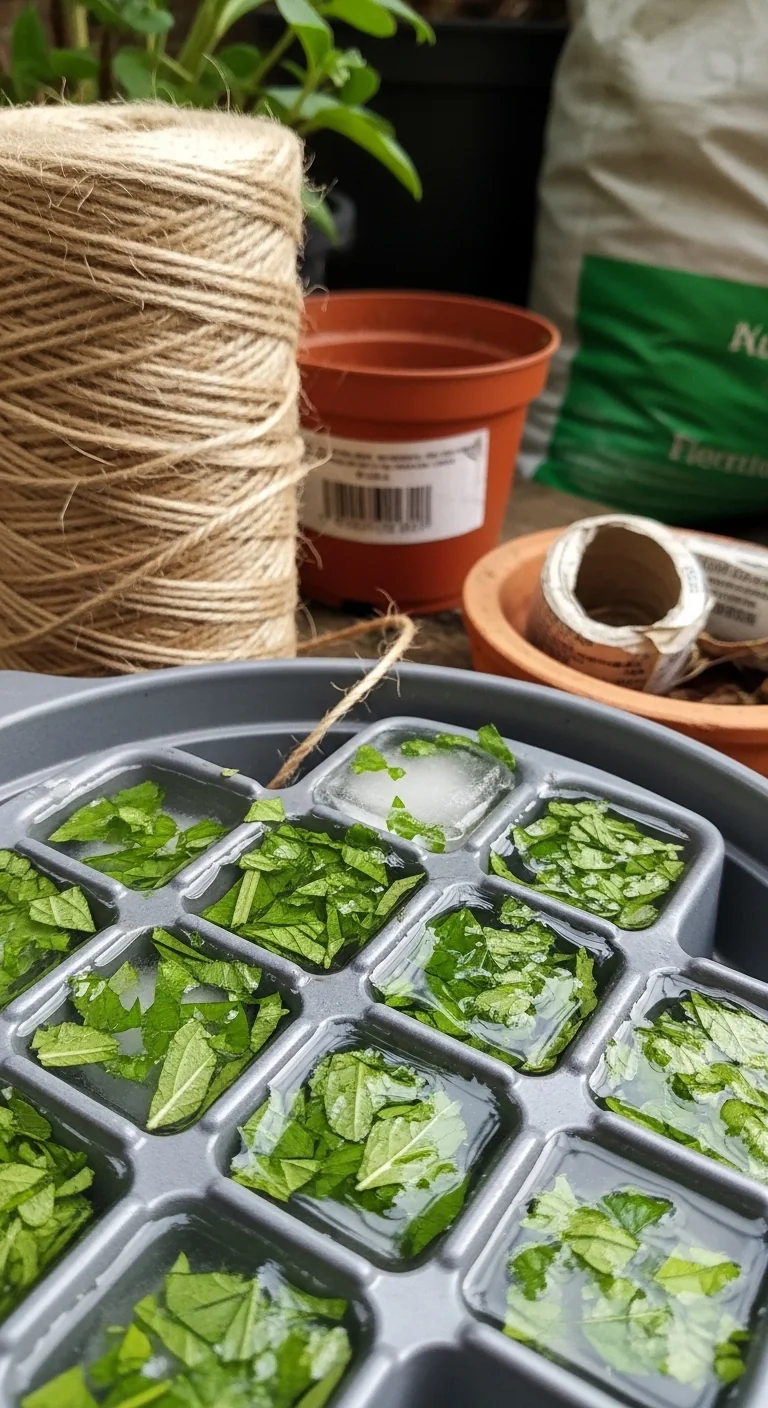
Chop clean, dry leaves and pack into ice cube trays about two-thirds full. Cover completely with a neutral oil such as olive or grapeseed to exclude air. Freeze until solid then transfer cubes to bags. The oil acts as a barrier against oxidation and delivers built-in fat for cooking. Use one cube per 2 to 4 servings of sauce or soup. This approach outperforms water cubes for flavor retention in oil-friendly recipes. Compare to other preservation in our drying herbs at home overview.
Pureed Herb Paste Cubes
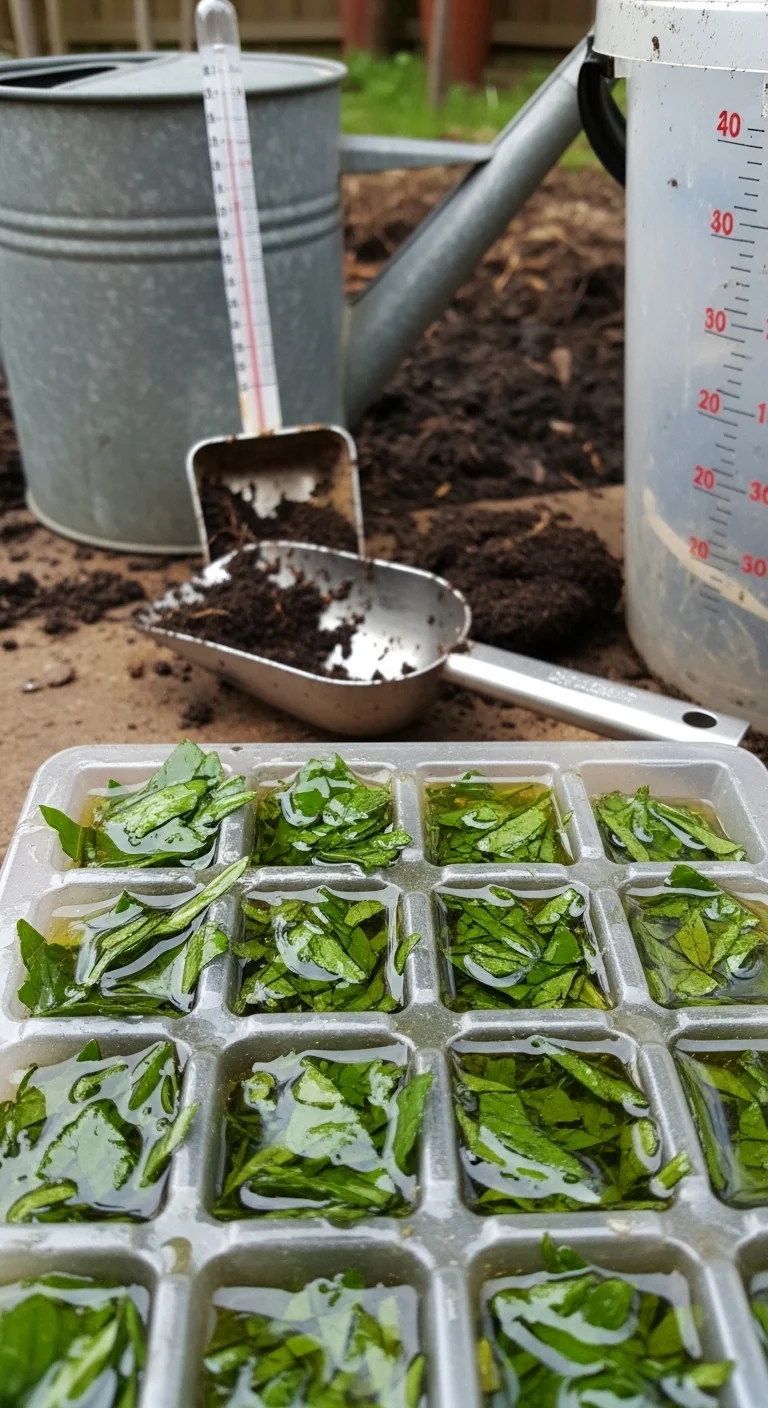
Best for: Branch 3
Blend rinsed and dried leaves with just enough water or oil to form a smooth paste. Spoon into ice cube trays and freeze solid. Each cube delivers a measured flavor hit. The blueprint steps include washing, rough chopping, blending 30 seconds, portioning, and bagging after freezing. This method suits pesto-style bases or marinades. Upgrade option: add garlic or lemon zest before blending for custom blends. Store at 0 degrees F and label each tray with the exact herb mix.
Compound Butter Logs
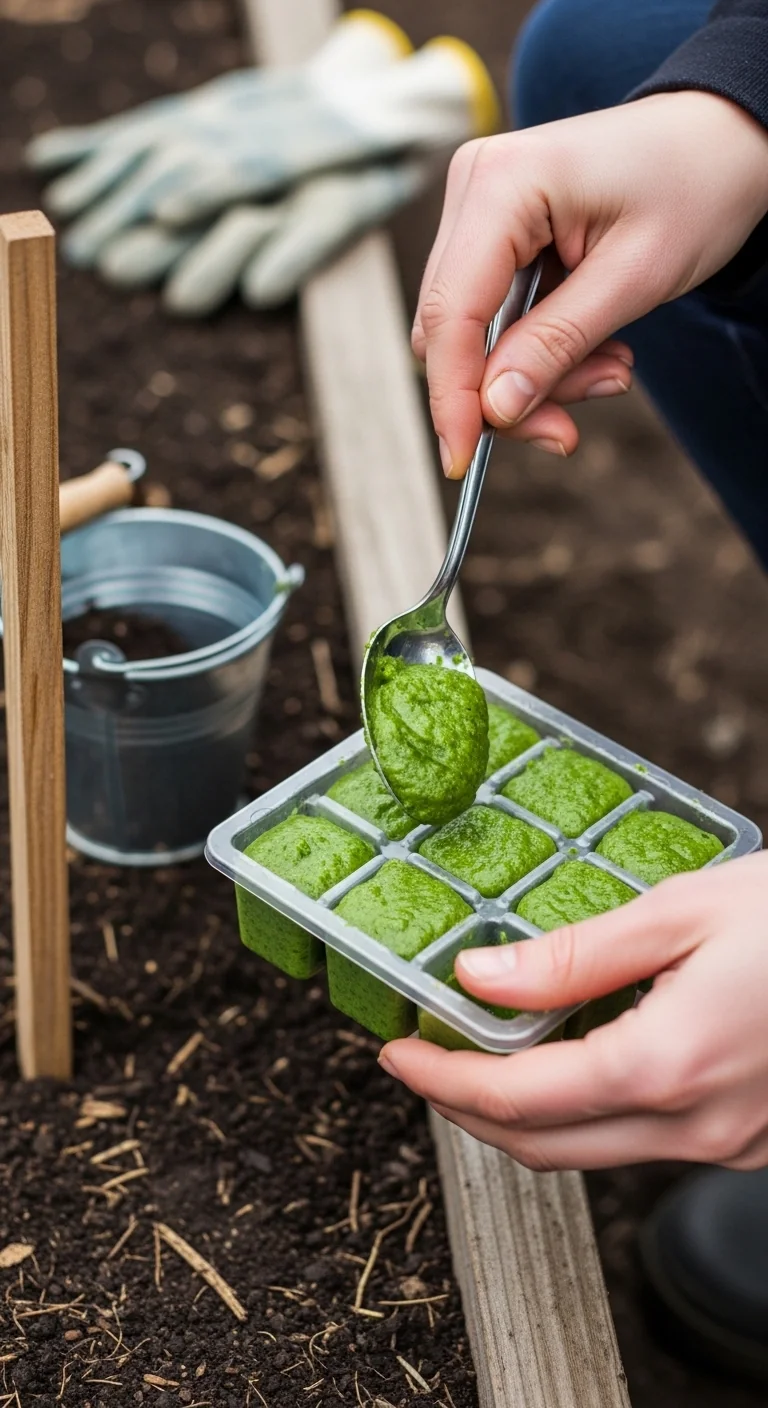
Best for: Branch 3
Soften unsalted butter to room temperature. Mix in finely chopped herbs at a ratio of 2 tablespoons herb per stick of butter. Roll into logs using plastic wrap, twist ends tight, and freeze. Slice coins as needed for steaks or vegetables. The process takes under 15 minutes once herbs are prepped.
Dry Pack Freezing
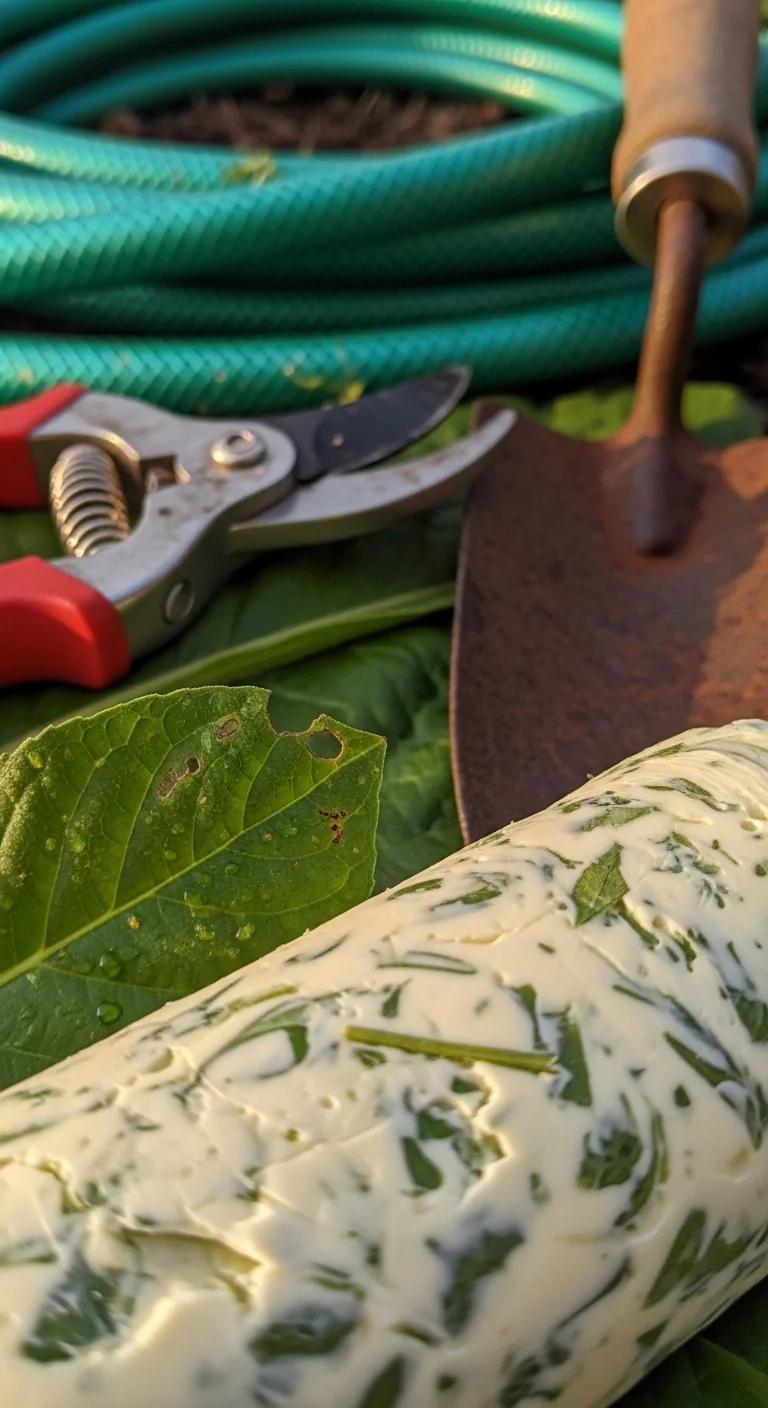
Best for: Branch 2
Rinse hardy sprigs or leaves and pat thoroughly dry. Spread in a single layer on a tray for initial freeze at 0 degrees F (1 to 2 hours). Transfer to freezer bags, remove air, and seal. This use-versus-skip option works well when you want whole leaves for quick addition to roasted dishes. Skip if your herbs have high water content because they clump. Edge case: double-bag mint or dill to contain strong aromas. The mechanism requires no liquid so portions stay separate.
Recipe-Specific Blend Cubes
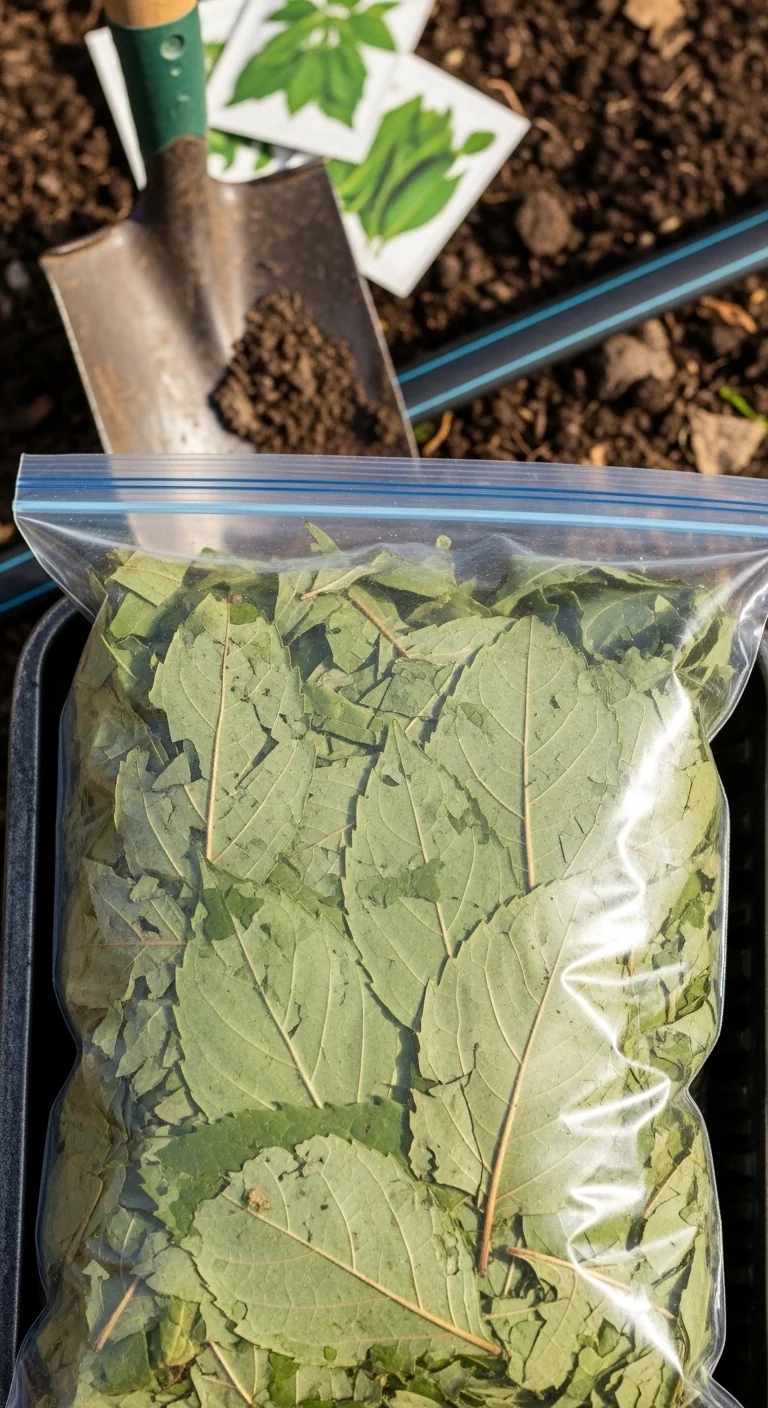
Best for: Branch 1
Choose complementary herbs such as parsley, thyme, and oregano for a soup blend. Chop, mix in equal parts, pack into trays, and cover with water or oil. Freeze and bag. Each cube matches a single pot of stew. The threshold rule: limit blend to three herbs maximum to avoid muddled flavors. Adjust ratios based on dominant herb strength. This workflow upgrades basic cubes into ready meal starters.
Single-Layer Tray Method for Delicates
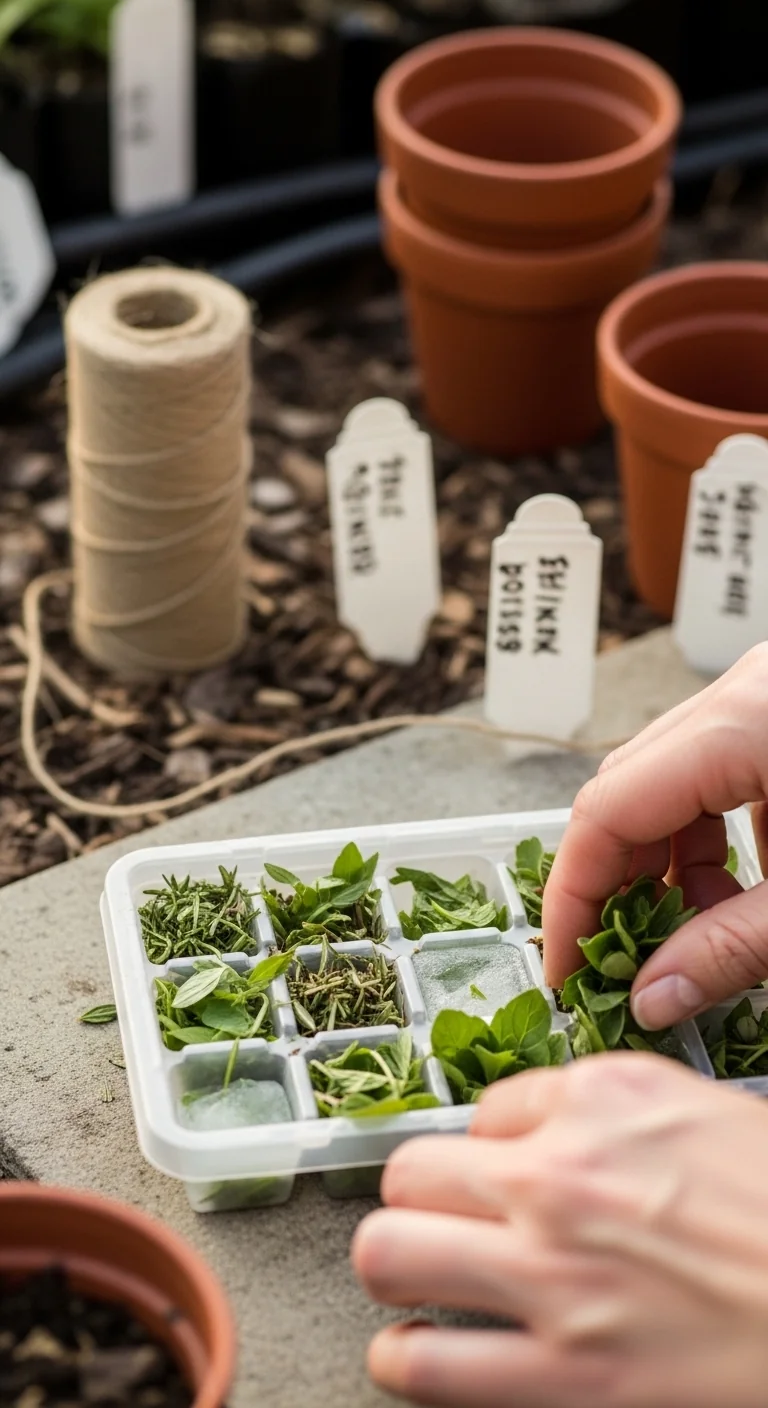
Best for: Branch 3
Separate delicate leaves like cilantro or chive rings after rinsing and drying. Place in one layer on a tray and freeze until firm. Pour into bags without pressing. The quick workflow prevents clumping and preserves individual pieces for garnishes or last-minute additions. Upgrade option: label bags by use date to rotate stock.
Double-Wrapped Odor-Control Bags
Best for: Branch 2
Wrap strong-scented herbs such as sage or oregano first in freezer paper then place inside a sealed bag. Freeze at 0 degrees F. The double layer blocks odor transfer in a shared freezer. This standard approach suits woody herbs stored alongside other foods. Label clearly with herb name and freeze date.
Starter Stack (What to Choose First)
Branch 1 Starter
Begin with the water ice cube method and oil cube method. Together they cover neutral and fat-rich dishes. Synergy comes from using water cubes for clear broths and oil cubes for pasta sauces. Time estimate: 25 minutes total prep. Materials cost: low using standard ice trays and pantry oil.
Branch 2 Starter
Start with flash freezing whole sprigs and dry pack freezing. They pair for whole-leaf access without liquid. Synergy: flash method for initial separation and dry pack for bulk storage. Time estimate: 15 to 30 minutes. Materials cost: low with parchment and bags.
Branch 3 Starter
Choose pureed herb paste cubes and compound butter logs. They deliver instant portions for quick meals. Synergy: pastes for savory bases and butter for finishing dishes. Time estimate: 20 minutes. Materials cost: medium with butter and trays.
When This Won’t Work
Freezing fails when the freezer temperature stays above 0 degrees F. Larger ice crystals form and break cell walls faster, leaving herbs mushy after thaw. Switch to drying instead and reference our guide on storing dried herbs for shelf-stable alternatives.
It also fails if herbs retain surface moisture before freezing. Excess water creates large clumps that thaw unevenly. Always pat dry completely with a towel or salad spinner. In either case the preserved product loses structure and flavor release suffers in final dishes.
Choosing the Right Option for Your Situation
Budget Threshold
Under 10 dollars in supplies favors water cubes or dry pack because they use only bags and trays you likely own. Above that threshold add butter or oil for compound logs or oil cubes.
Time Threshold
Under 15 minutes total favors flash freezing or dry pack. Over 20 minutes opens pureed pastes or recipe blends that require chopping and mixing.
Technical Constraint: Freezer Space
Limited vertical space favors flat tray methods or stacked butter logs. Ample space allows full ice tray batches for cubes.
Yes/No checklist:
Do your herbs bruise easily? Yes leads to Branch 1.
Do you roast or grill them? Yes leads to Branch 2.
Do you need measured drops? Yes leads to Branch 3.
Is your freezer at or below 0 degrees F? No requires drying instead.
Expert Q&A
Which herbs lose the most structure after freezing?
Basil and cilantro become limp fastest because their high water content expands during freezing. They still deliver strong flavor in cooked applications but avoid using thawed leaves as fresh garnish.
Can you freeze herbs straight from the garden without rinsing?
No. Soil or debris trapped on leaves can introduce off flavors or safety risks during storage. A quick cool-water rinse followed by complete drying remains the required first step for every method.
How does freezing compare to drying for woody herbs like thyme?
Freezing keeps the volatile oils more intact than drying for thyme and rosemary when the herbs will go into hot dishes. Drying concentrates flavor but can turn the leaves brittle and less aromatic after several months.
What packaging prevents freezer burn on frozen herb cubes?
Transfer cubes from trays into heavy-duty freezer bags after they harden. Press out all air before sealing and label with contents and date. Double-bagging strong-scented herbs adds extra protection against odor crossover.
Do perennial herbs freeze better than annuals?
Perennials with woody stems such as oregano hold texture longer than tender annuals like dill. Both types work but harvest timing and method choice matter more than the plant lifecycle.
Conclusion
The number one mistake is skipping labels or air removal. Always mark bags with herb name and freeze date to rotate stock efficiently. Next step: review our annual versus perennial herbs guide to plan future plantings that match your preferred freezing methods.