
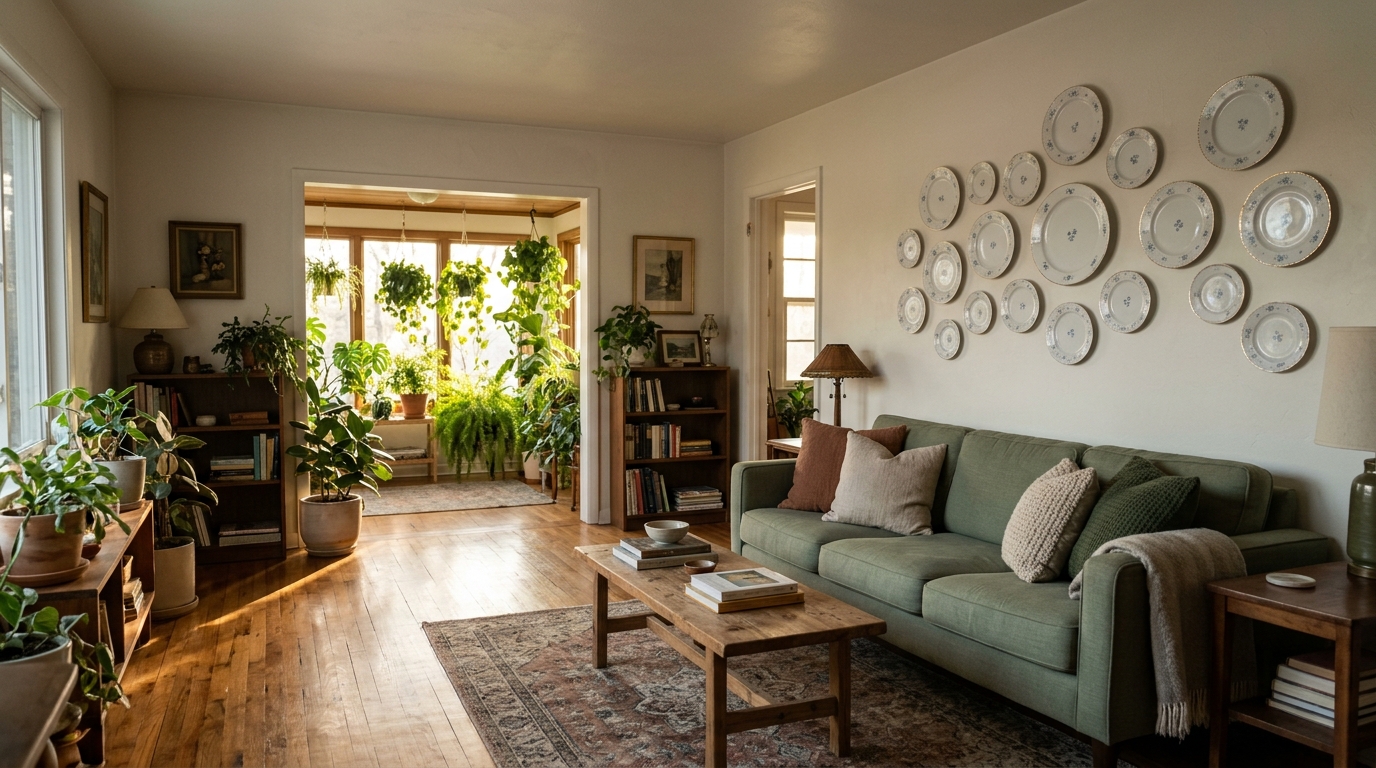
The next morning they talked for hours. Nora said she’d tried to raise the copying early and he’d kept brushing it off as flattery. Alex admitted he’d known what Dena was doing and avoided confronting her because it would have meant admitting she had problems. He still insisted that months of planned revenge was a different thing from copying a house. They ended exhausted, and when her mother called that afternoon, Nora started crying and booked a flight to Florida.
On her mother’s porch, over wine, she told the whole story. Her mother agreed that having your creativity taken is a real violation, then asked whether watching Dena suffer had been worth what it might cost. Revenge, she said, always costs more than you expect, because you can’t control what happens once you pull the thread. Nora looked at the palm trees and understood that she had hurt Dena worse than Dena had ever hurt her.
The Family Meeting and Everything After
Back home, Alex told her his parents wanted a family meeting. Nora wanted to run back to Florida, but he said avoiding it wouldn’t help. At his parents’ house the room stayed silent until his father turned to Dena and asked why she’d been copying Nora’s house. Dena broke down. She said she’d always felt inferior, that Nora had natural style while she only had money, and that she’d never stopped to think how it felt to Nora because she was too busy wanting to be admired. Roy, red in the face, admitted he’d assumed she had simply found a passion and had paid for everything without asking where the ideas came from.
Then Alex’s mother asked Nora outright whether she’d sabotaged the house on purpose. Nora said yes and laid it all out. Dena said it was mean and that she’d been humiliated deliberately, and Nora agreed, apologizing while insisting the copying had been a violation too. Alex apologized to both of them for not taking it seriously from the start. His father offered to pay for therapy, and Dena agreed to go. They set boundaries: no more copying, no more sabotage, and Dena would work with a professional designer. Then Dena went pale, remembering the $12,000 statue still on its way, and asked Nora to help her work out what the basement should actually be.
They met three times. Dena arrived at the coffee shop with a binder of clippings that were all Nora’s style, and Nora closed it and asked her favorite color. Dena said amethyst purple, then added teal, coral and gold and immediately doubted herself. She described a maximalist dream space of jewel tones, patterns and collected oddities, including vintage teacups she’d kept in boxes because Roy thought they looked cluttered. At a furniture store she pointed at what she liked without explaining herself. Nora found that helping her felt better than the revenge ever had.
A designer named Orion, who normally charged thousands for consultations, offered to help for free and told Dena her taste had been buried under insecurity. In therapy she traced the copying back to childhood, when she and Alex were constantly compared and she felt she was losing. Roy admitted to Alex that he’d been using money to dodge problems, and agreed to see someone too. Nora’s mother flew in and spent forty-five minutes alone with Dena, sharing her own story of feeling inadequate as a young wife. Nora and Alex started couples therapy, where he admitted he’d chosen peace over supporting her and she admitted she hadn’t trusted him enough to ask.
Three months after the meeting, Dena sent a photo of the finished basement. It had purple walls, a gallery wall of frames in gold, coral and teal, a sapphire velvet sofa, floating shelves lit up for her teacups, and a reading nook with a hanging chair. Nothing in it resembled Nora’s house. At the party, Dena told her guests she’d copied other people’s styles for years because she didn’t trust her own, and that this was the first room that felt like hers. Catalina hugged her, Dena thanked Nora in a cracking voice, and the compliments she collected were finally earned.
Repair took longer elsewhere. Alex’s parents stayed polite and a little careful around Nora, and trust came back slowly. She started a design blog, and Dena became one of its first followers. On the porch steps one evening Dena said the humiliation of the clown basement had forced her to face herself, and Nora admitted she should have confronted Dena directly instead of choosing the most hurtful option. Dena forgave the revenge, and Nora forgave the copying.
Later Dena and Roy decided to sell and build something new. While packing, Dena found the pineapple lamp and laughed until she had to sit down on her Italian leather couch, especially once Nora confessed the dead artist was invented. They donated it to a thrift store. At Thanksgiving Dena brought a wild mushroom and goat cheese tart that was entirely her own, and nobody mentioned clowns. Her plans for the new house came out modern and bold, nothing like Nora’s cozy traditional place, and she asked for feedback rather than approval. Alex suggested throwing the housewarming party Dena never got, one that would celebrate her creativity instead of copying someone else’s.
Reflection: Copying is rarely about the thing being copied, and revenge usually isn’t about the person you’re punishing. Dena wanted to feel like somebody, Nora wanted to feel seen again, and both spent a lot of money and goodwill failing at it. Things only started to turn once someone asked an honest question, like “what’s your favorite color?”, instead of staging a reaction.
More stories you may like
 She Got a Luxury Watch. He Got a Used Toaster. Months Later, She Showed Up at His Door.
 She Tore Her Own Dress and Blamed Her SisterThey Called Him Mr. Almost Until Grandma’s Last Message Played
 My Son and His Wife Moved My Place Card to the Back Table in Front of Nineteen Thanksgiving Guests — but I Amended That Trust Three Weeks Ago