
For a year, one woman watched her sister-in-law copy her home, down to the paint color, and take the credit. What she did about it cost her far more than she expected.

When a sister-in-law copies your home down to the paint color and the praise goes to her, the in-law conflict stops being polite background noise. This story starts with a couch and ends with a $40,000 mistake, and what came after is a lesson in family boundaries nobody saw coming.
Five Years of Saving, Then One Very Curious Sister-in-Law
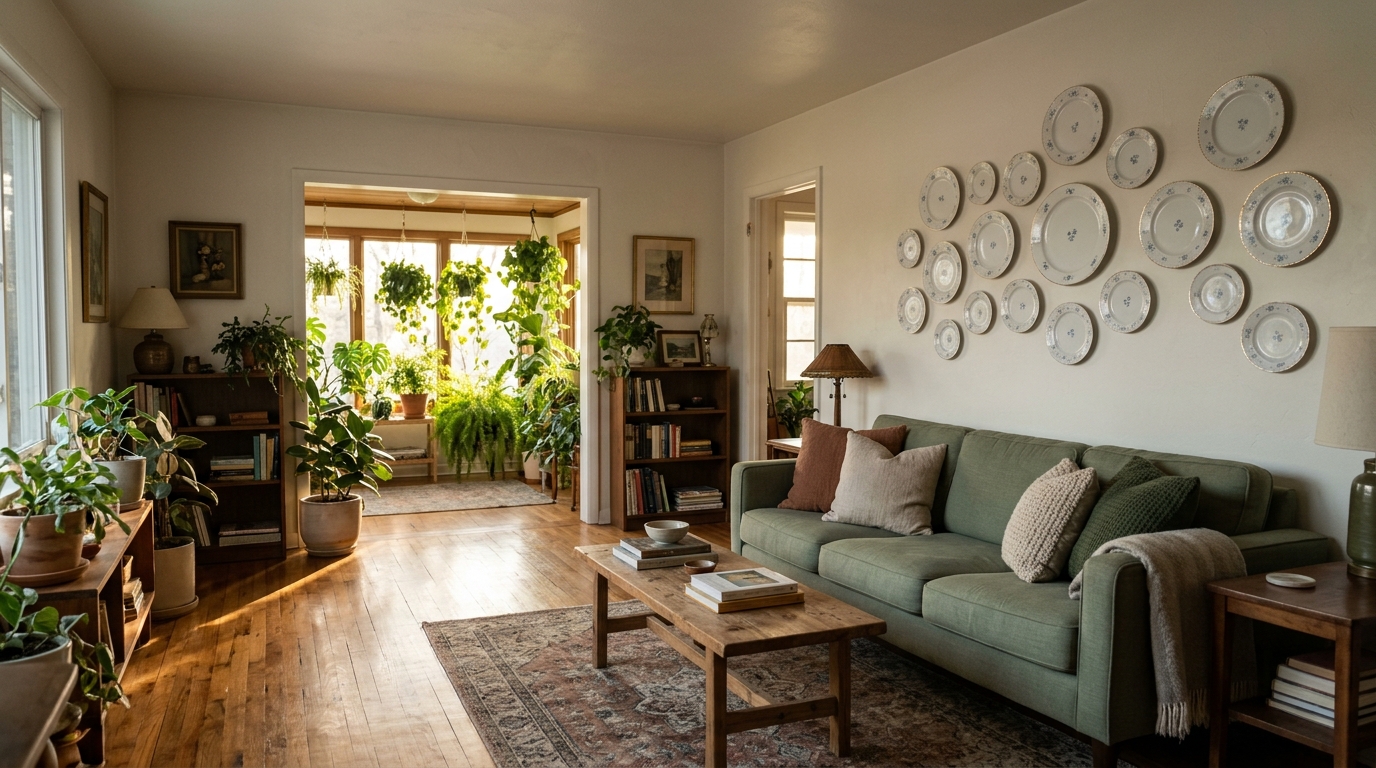
Nora and her husband, Alex, spent five years saving before they bought their first house, a three-bedroom ranch with original hardwood floors and a sun room she turned into a jungle of plants. She spent months choosing furniture and mixing a custom green-gray paint until every room looked the way she’d pictured it. Sundays meant dinner with Alex’s family, and his sister, Dena, always showed up late with her husband, Roy, who owned a chain of gyms. Their colonial across town had cost about three times what Nora and Alex paid for theirs.
Dena never said she liked the place. She just wandered through it slowly, studying everything as if she’d be quizzed later. At the housewarming she took notes on her phone, measured the couch with her hands, pulled off the cushions to check the brand, and asked what every single item cost. Nora assumed she was quietly judging the budget furniture, even though Dena kept calling it all adorable.
Two weeks later Dena insisted on hosting dinner, and Nora walked into the living room and stopped cold. Dena had the same sofa in the same sage green, only in Italian leather. The pillows matched but were embroidered, the wooden coffee table had turned into marble, and the Target lamp had been bought six times over. Even the walls were Nora’s custom mix. Alex laughed and called it flattery, while Nora felt something closer to being violated.
The tour kept going. Dena had copied the bathroom rug in Egyptian cotton, the dining chairs in velvet, and the kitchen backsplash in handmade Italian tile. Roy kept announcing prices while Dena let guests assume every idea was hers.
Then Nora’s mother brought a set of vintage plates from a Florida estate sale, white with tiny blue flowers and gold edges, probably from the sixties. Nora hung them in a pattern from an old magazine and posted a single photo for her mom. Three days later Dena called demanding the estate sale details, and Nora told her it was a one-time find. That weekend Dena turned up with plates she’d commissioned from an artist, a full set of twenty-four with matching teacups, hung the same way under museum lighting.
It turned into a routine. Nora hung a bird feeder, and Dena built a heated bird sanctuary. Nora planted tomatoes, and Dena put in a greenhouse. Nora strung fairy lights, and Dena paid an electrician to wire permanent ones she could run from an app. Nora painted an accent wall navy, and Dena flew in a painter from New York to do the same color with gold leaf. Nora refinished a thrift-store dresser in butter yellow, and Dena had a furniture maker build one for $9,000.
What really got to Nora was the credit. Dena gave tours of her house and described Nora’s color combinations as her own discovery, and her friends praised her creativity while Nora stood by. Alex kept telling her to be flattered, which made her feel petty for being upset at all. The last straw was a set of macramé plant hangers Nora had spent weeks learning to make. Dena hired someone to produce dozens in silk rope with crystal beads, then told the Thanksgiving table that macramé was her new passion and she’d been practicing for months. That was the moment Nora decided to wreck Dena’s house without ever touching it.