
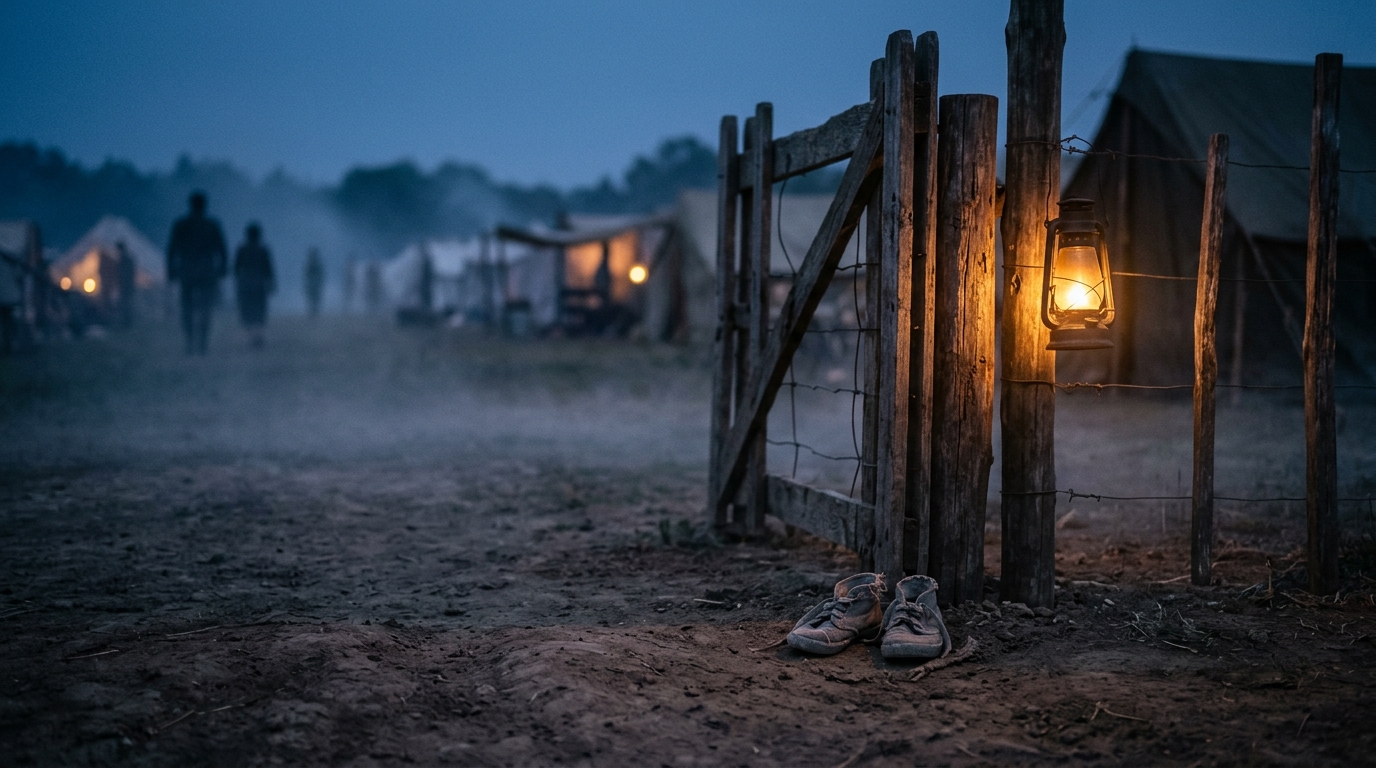
In a house where small feet meant a good marriage, a four-year-old decided her
In this family, a daughter’s worth was measured in the size of her feet, and one four-year-old decided she wouldn’t pay that price. This is the whole story of her escape, her family’s relentless pursuit, and the fight over whether tradition gets to outweigh a child’s safety.
What Small Feet Were Worth
In the house where she grew up, a girl’s feet were a family investment long before she was old enough to know what an investment was. At five, every daughter had her toes folded under and her bones broken, then wrapped tight so they’d heal small. Small feet meant a better marriage, a higher bride price, and proof that the family had raised proper daughters. Nobody there called it cruelty. They called it love.
Her oldest sister’s feet ended up four inches long. She couldn’t cross a room without a wall to lean on, yet their grandmother called her the family’s treasure and meant it as praise. The second sister had tried to run the night before her own binding. Relatives caught her at a neighbor’s house and went ahead anyway while she screamed that she wanted to be a teacher. By morning she couldn’t stand, and in time her toes fell off entirely. Grandmother’s verdict was that this was good, because smaller was the whole point.
The youngest girl watched all of it. She was four, an age when children are supposed to be oblivious, and she wasn’t. She learned how the bandages were soaked in alum water and how the special shoes shrank a little each month. She stood close enough to see her sister’s wounds whenever grandmother rewrapped them: toes folded flat, flesh rotting in the creases, perfume dabbed on top to cover the smell. Nobody hid any of this from her, which is exactly how she learned to be afraid of it. A family that is certain it’s doing right doesn’t bother with secrets.
She watched one other thing. Once a month a foreign doctor named Crimson set up near the village market and treated people for free, and grandmother called him a white devil. The girl saw him argue with families over their daughters and saw him thrown out of their houses. She also saw him treat a girl whose binding had turned septic; the girl lived, but she lost a leg. That was the first real evidence that somebody might stand between her and the bandages.
So she began to prepare. Every night she stretched her feet and ran in place without a sound, building strength where nobody could hear it. She hid food under her bed, stole coins when she could, and drew maps of the town from memory. Grandmother noticed. She started checking the girl’s shoes for wear, inspecting her feet at bath time, and sending cousins to trail her around the house.
The Date That Moved Up
“This one’s too wild,” grandmother told the girl’s mother, and she suggested binding her at four instead of five. The oldest sister overheard and whispered a warning that night while grandmother slept: they’d moved the date up because the girl kept dancing. The next lucky day on the calendar was only ten days off, two weeks before the fifth birthday.
Grandmother prepared the way other people prepare for a festival. She soaked the bandages, filed the tools, and measured the girl’s feet every day with a frown. “They’re already too big,” she said. “We’ll have to break them harder.” The girl’s mother said nothing, just as she had said nothing for the older girls.