
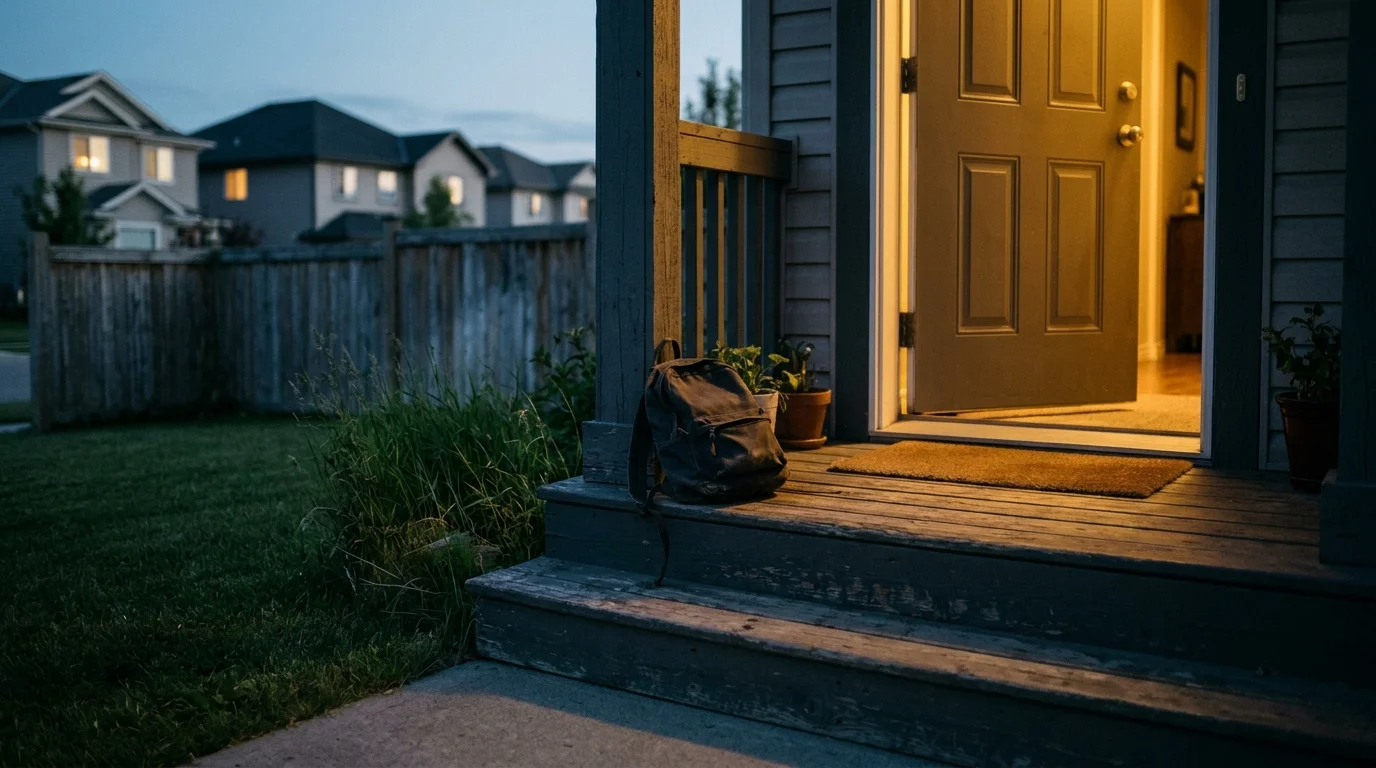
A suburban father promised his kids’ friends would always feel welcome. When one girl took that welcome too far, he had to choose between protecting her feelings and getting her real help.
A 16-year-old’s friend started calling a suburban dad “Dad,” and what looked like a sweet case of a girl finding a father figure turned into a family boundaries crisis. Here’s the whole story, including how it ended.
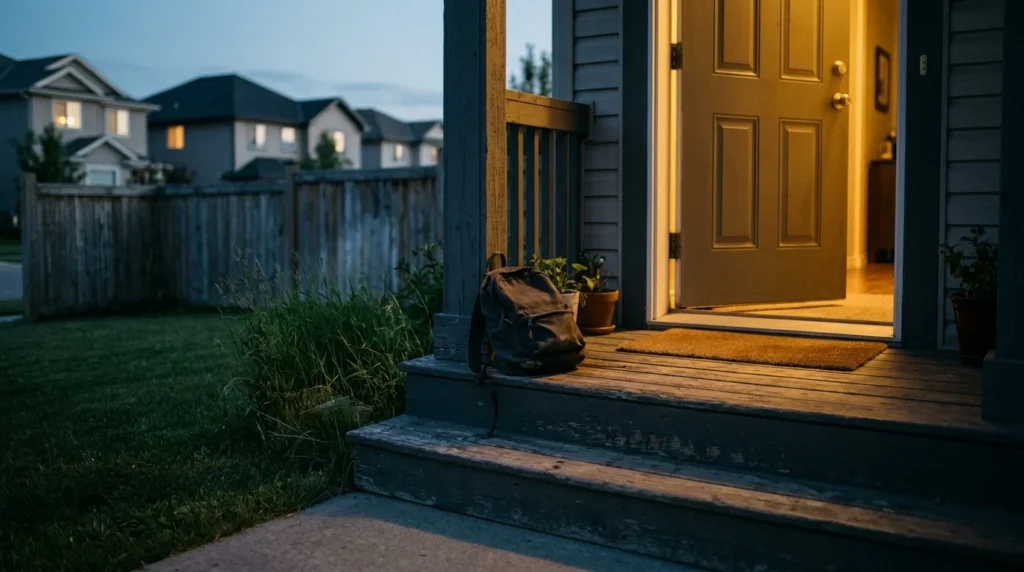
The Open Door
At 45, he had the life he’d once promised himself as a kid. He and his wife had been married twenty years, they owned a nice house in the suburbs, and they had three children: Tina, 16, and twin boys, 12. Their front door was always open to his kids’ friends, and that was no accident. He’d grown up with cold, distant parents and decided early that his own home would feel like the opposite.
Eight months before things came to a head, Tina brought home a new friend named Jess. She barely looked at him, mumbled a hello, and followed Tina upstairs. He assumed she was just awkward around adults, which plenty of teenagers are. Over the next few weeks, though, he noticed details that didn’t fit that explanation.
Jess always seemed hungry, the way someone is when meals aren’t guaranteed. Her clothes were worn and hung wrong on her. She flinched when voices rose, even when it was only the twins arguing over a video game. When he asked Tina, he learned that Jess’s father had left when she was small and her mom’s new boyfriend was cruel, which explained why she wanted to be anywhere but home.
He and his wife decided to make her as welcome as possible. Jess got a seat at family dinners, her favorite snacks appeared in the pantry, and on weekends she was invited to stay over so she wouldn’t have to go back. It felt like the decent thing to do, and mostly it was. What neither of them considered is that a kid with nothing can mistake a kind house for a permanent one.
The first crack showed at dinner a few months in. Jess finished a story about school, looked straight at him, and said, “Thanks for listening, Dad.” The table went quiet, Tina looked baffled, and his wife raised an eyebrow. He laughed nervously, said “No problem, kiddo,” and told himself it was a slip of the tongue.
It wasn’t. She called him Dad every time she visited, hugged him hello and goodbye, and asked him what to wear and how to handle her friends. She started texting him directly instead of messaging Tina to make plans. His wife thought it was sweet at first, a girl without a father finding something like one. Then it got heavier.
Boundaries That Felt Like Betrayal
Jess began turning up when Tina wasn’t home, claiming Tina had invited her. Tina had done no such thing. Jess would settle on the living room couch with homework or the TV and wait for someone to notice her. One afternoon he came home to find her on the porch, locked out, where she’d been sitting for two hours.
His wife said it plainly: they needed boundaries, because this wasn’t healthy for anyone. He agreed, then tried the gentlest version of the talk he could imagine. He told Jess she should make plans with Tina before coming over, and she burst into tears. Had she done something wrong? Didn’t he want her around? He was the only adult who’d ever been kind to her, she said, and she didn’t know what she’d do without the house.
He backed down and told her she was always welcome. Later he called that the mistake, and it’s an easy one for a soft-hearted person to make. Stopping someone’s tears feels like kindness, even when it only postpones the harder conversation.