
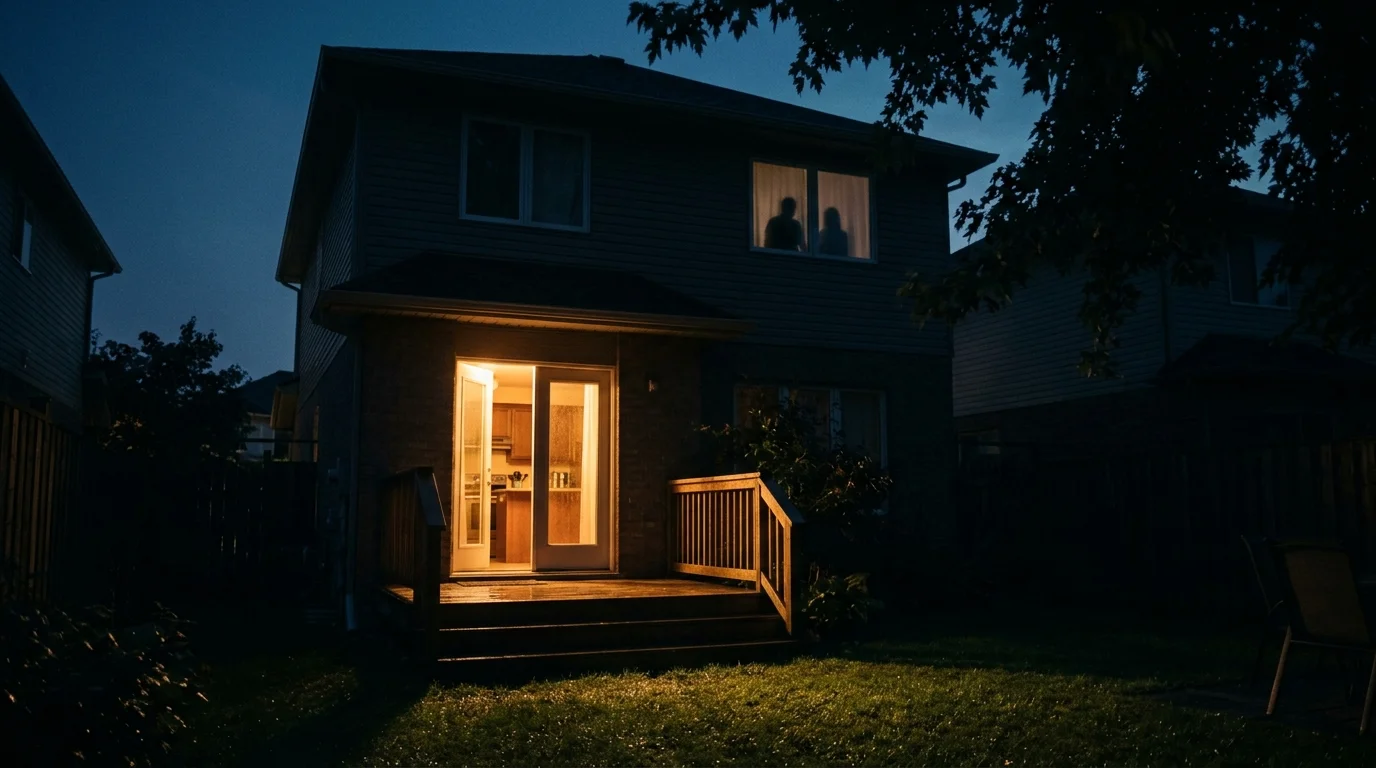
Noah spent years absorbing his brother’s cruelty and his parents’ shrugs. One night in the yard made him start paying attention to what that silence had cost him.
Noah’s brother dragged him out of bed at two in the morning and shoved him into the yard while their parents watched from the window, and that was only the loudest moment in a lifetime of family favoritism. Here is how a quiet older son went from absorbing sibling conflict and financial manipulation to leaving on his own terms.
The Kid Who Didn’t Get a Party
Noah grew up in a tidy suburban house with two parents and a younger brother named Ethan. From the street it looked like any other family. Dad worked long hours, Mom was usually home, and Noah was the quiet older kid who preferred books and music to anything involving a ball. If you’d asked the neighbors, they’d have called him easy. Inside the house, easy mostly meant invisible.
Ethan was the one everybody applauded. When he scored a goal, his parents posted about it online for days, but when Noah brought home a perfect exam score it earned a nod at best. Chores worked the same way. If Ethan skipped his, he was tired or had a lot going on. If Noah skipped his, he was lazy and ungrateful. For years Noah told himself this was normal sibling rivalry, because that was the kindest explanation available, and it took him a long time to admit the right word was favoritism.
The proof sat in small, specific things. On Christmas morning Ethan got stacks of clothes and the newest game console, while Noah’s pile stayed small, and when he asked why he heard that Ethan was still growing and he was older and didn’t need toys. At thirteen Ethan got a rented hall and half the neighborhood invited. Noah’s sixteenth birthday passed without so much as a dinner out. Straight A’s from Noah got a flat “Good, that’s what we expect,” while Ethan’s C’s got a celebratory pizza night.
About a month before everything came apart, Dad mentioned at dinner that he was thinking about updating the will. Ethan grinned across the table and said he’d obviously get the house and Noah could have Dad’s old golf clubs. Noah laughed bitterly and asked why he’d say that, and their mother answered before Ethan could. It made sense, she said, because Noah was independent and Ethan would need more support. She probably thought she was being practical, but what Noah heard was that his parents had already decided how much of a person he was allowed to be.
Ethan learned early how to use all of this. In high school he shoved Noah into walls, mocked him in front of friends, and called him “the spare” and “the accident.” When Noah told his parents, they laughed and said boys will be boys, or suggested he must have provoked it. His mother’s standing advice was not to make waves. A kid who hears that often enough stops reporting things, and by then Noah understood that if something happened between him and Ethan, nobody was coming.
Two in the Morning, Wet Grass
It was around two a.m. when Noah woke to hands on his arms. He’d gone to bed late after finishing some freelance work, and he was barely conscious when Ethan hauled him out of bed and twisted his arm. “Get up, loser,” Ethan hissed. He marched Noah down the hall toward the back door, gripping hard enough to bruise.
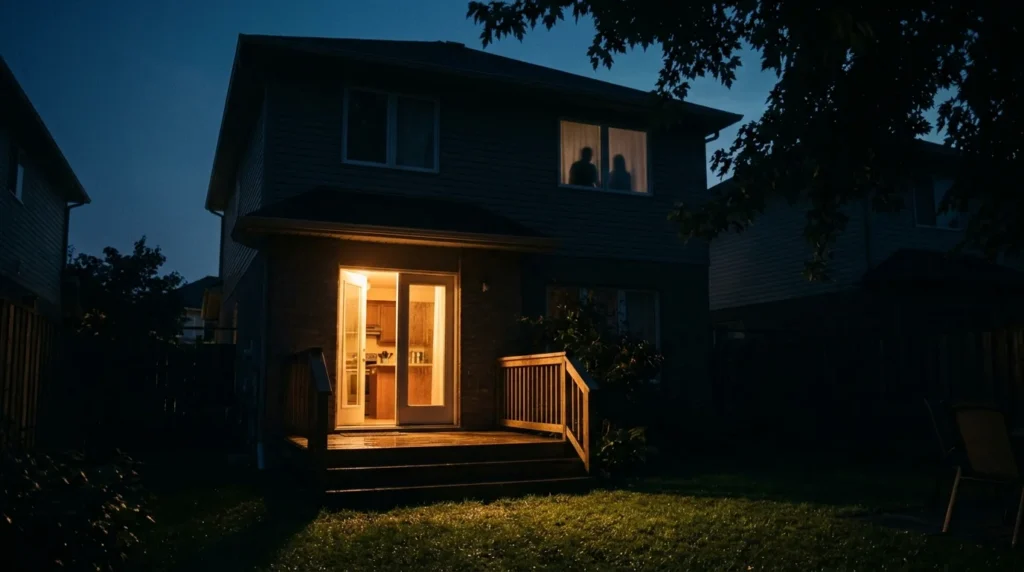
“You don’t belong here,” Ethan said, shoving him forward. “You’re not real family. Mom and dad don’t even want you here.” The door swung open and Noah went down the back steps into the damp grass, the cold waking him faster than any alarm. When he looked up, Ethan filled the doorway with the kitchen light behind him. Past his shoulder, in the window, stood their parents.
They weren’t asleep and they weren’t confused. They were just watching. Noah called out for Ethan to stop, half hoping someone would finally step in, and his father folded his arms while his mother turned her face away. Ethan smirked and said, “See, they don’t care. They never did.” Then the door shut and the lock clicked.