
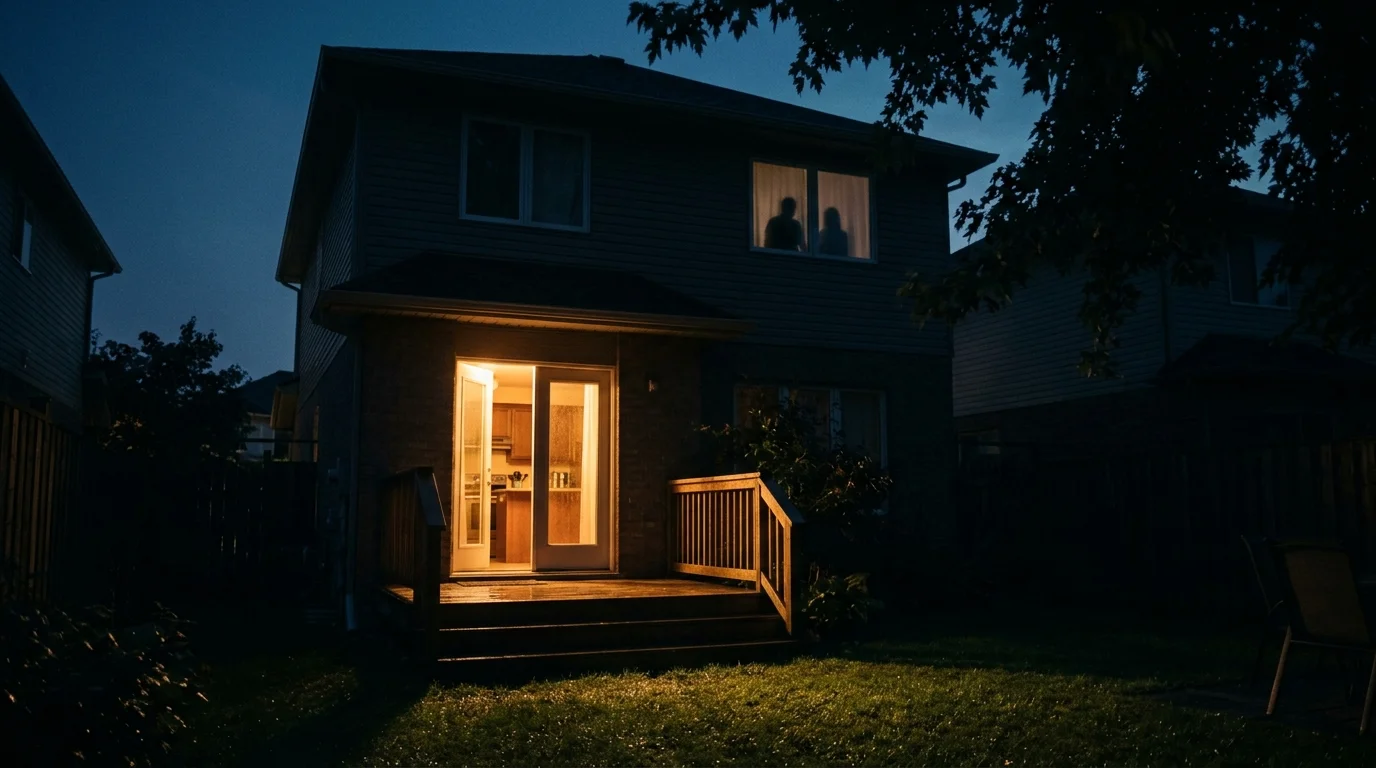
It wasn’t smooth. One evening he came home to find Ethan sitting on his bed with Noah’s phone, having guessed the passcode from his birthday. “Looking for apartments, huh?” Ethan said, grinning. “Where are you going to go, loser? You’ll come crawling back.” He tossed the phone down and added that he wasn’t telling their parents yet, but he might if Noah annoyed him. That threat hung over everything for weeks, and Noah got more careful and more paranoid in equal measure.
A teacher had quietly nominated Noah for a scholarship program, and he worked on the application late at night when the house was silent. The interview went better than he’d feared, and a week later a letter arrived addressed to him. His mom tossed it on the counter without a glance. In his room he opened it and read the word “selected.” It wasn’t a full ride, but it covered his first year of tuition, which he’d privately feared he’d never afford. He locked the letter in a desk drawer, because he knew his family would either claim it as family money or shrink it until it lost its shine.
Then came the night he overheard his parents talking in the living room as he came home from a closing shift. His father said Ethan wasn’t focused and the coach had already called twice. His mother said they’d invested too much to pull him out now. And then, in the same low voice, she suggested Noah could cover the rest, since he’d been working so much. “It’s all family money in the end,” his father agreed. “He doesn’t need much for himself.”
Noah gripped the stair railing until his knuckles went white. Years earlier that sentence would have flattened him. This time he felt something steadier, almost cold. His parents were so sure of his silence that they hadn’t bothered to hide the plan, and a person who is that certain of you isn’t watching what you’re building. Being underestimated is a bad way to grow up, but it’s an excellent position to plan from.
The Night the Street Woke Up
For a few weeks Noah played the role they expected. He routed his paychecks onto the prepaid cards and, when Dad asked how much he’d brought in for Ethan’s tournament fee, told him his hours had been cut. Ethan noticed the change in Noah and couldn’t read it. He shoved him against a wall once when Noah refused to drive him to practice, and Noah just stared back, calm, which seemed to rattle him more than a fight would have.
Then one Saturday morning Noah woke to shouting. Ethan had been benched again, the coach had called, and his parents were furious at everyone but Ethan. In the kitchen his father turned to him and said he needed to cover $800 for an extra training camp. “I don’t have it,” Noah said. His father pushed, asking where all that money was going. “Rent,” Noah said evenly. His mother froze with a spatula in her hand.
He told them he was moving out at the end of the month. Ethan laughed and asked with what money, so Noah took the scholarship letter out of his backpack and slid it across the table. Tuition was covered, he said, and work and freelancing would cover the rest. “I don’t need anything from you.” Ethan stammered something about who was going to pay for his soccer, and Noah answered, “Not me. Not anymore.” His father slammed a fist on the table and said he was abandoning his family. “No,” Noah said, “you abandoned me a long time ago. I’m just finally walking away.”
The night before the move, he was taping up the last box when Ethan barged in, red-faced, saying their parents said this was his home and he couldn’t just leave. Noah didn’t look up. “Watch me.” Ethan lunged, tore the box open and scattered his clothes, and when Noah said he didn’t need help looking like an idiot, Ethan shoved him hard into the wall. His head hit the plaster and stars bloomed in his vision. When they cleared, his parents were standing in the doorway watching, exactly as before.
This time Noah didn’t crawl anywhere. He pushed Ethan off and told him that if he touched him again he’d regret it. Ethan laughed, a little shakily, and asked what he’d do, call the cops, because they’d believe him, not Noah, like always. Noah took out his phone and said he’d already recorded everything. For weeks he’d been saving recordings, screenshots, and copies of the bank transfers that had moved his savings into his parents’ account. Then he dialed.
Twenty minutes later there was a knock, and red and blue light flickered through the curtains while neighbors drifted onto their porches. Ethan tried to twist the story, but Noah played the recordings, and the officers listened to his brother’s voice filling the living room. One of them turned to his parents and said they’d stood by while their son was assaulted. Ethan was handcuffed in front of the whole street. “You ruined me,” he spat, and Noah answered quietly, “No, Ethan, you ruined yourself. I just stopped covering for you.”
One of the officers told him he’d done the right thing, and for the first time Noah believed it. He picked up his last box, walked past his stunned parents, and got into his friend’s car. As they pulled away he looked back at the porch, where his mother and father stood small and still while the squad car carrying their younger son drove off. He was twenty-three now, as he tells it, and he was free.
Reflection: Favoritism rarely looks like cruelty from the inside, because it’s built from small, deniable things like who gets the party and who gets the lecture. What Noah’s story shows is that being “the easy one” in a family can mean you’re the one nobody protects, because no one has to. The people who stand at the window and do nothing are making a choice, and sooner or later the person they ignored stops waiting for them to make a different one.