
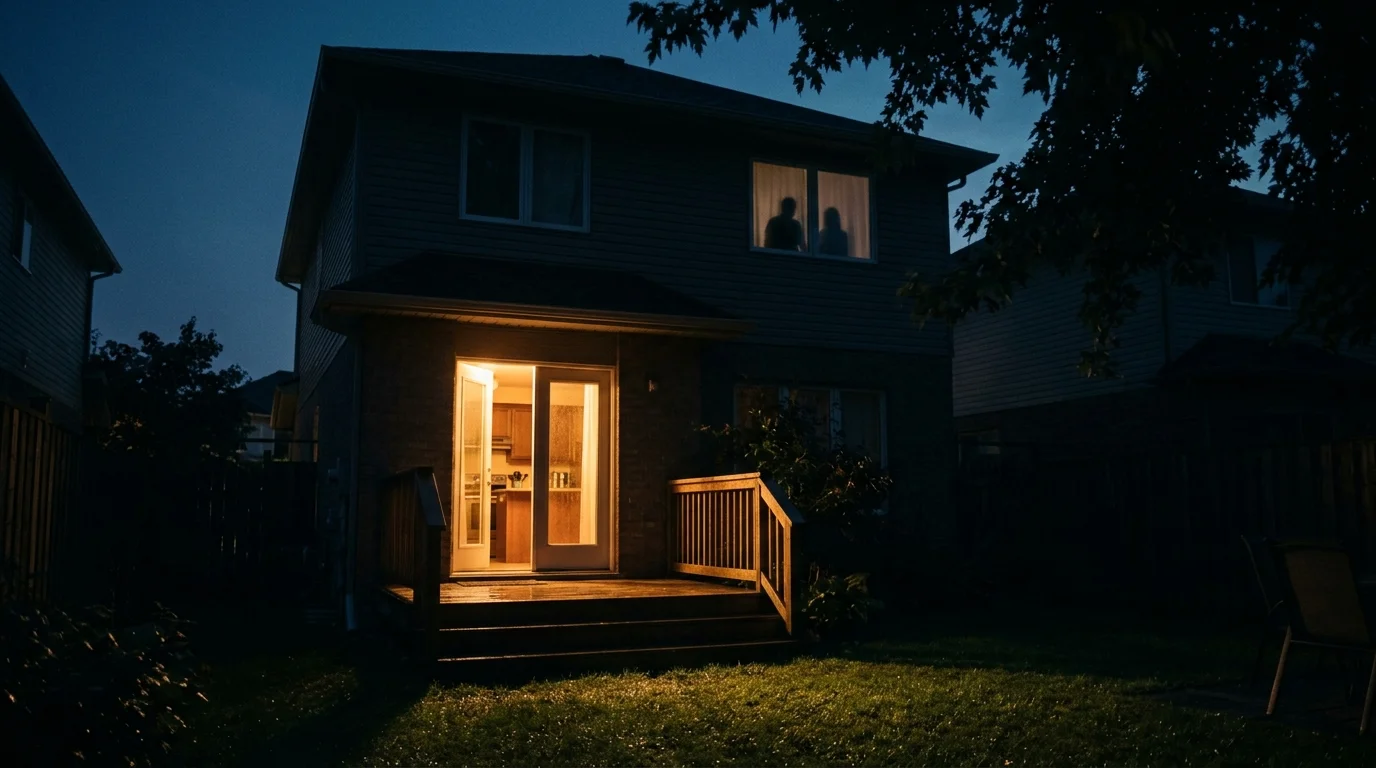
Noah sat in the wet grass, shaking, and felt something hot start up in his chest. It was anger, and it was bigger than anything he’d let himself feel before. Eventually he crawled back to the door and pushed, and it opened, because Ethan hadn’t locked it after all. Inside, the house had gone quiet in a way that felt chosen. His parents’ bedroom door was shut, and upstairs he could hear Ethan laughing.
At dawn he went to the kitchen for water and found his mother at the sink, humming. “Morning,” she said, as if the night had been weather. When Noah asked how she could say that, she told him not to start, that Ethan got hotheaded sometimes and Noah should have stayed quiet instead of provoking him. He reminded her that Ethan had thrown him outside and they’d watched. “You’re exaggerating,” she said. “If it were that bad, your father would have stepped in.”
Ethan wandered in a minute later, hair messy, yawning like he’d slept great. He called Noah a stray cat who’d crawled back in, and when Noah said he couldn’t keep doing this, Ethan leaned on the counter with his orange juice and told him to go ahead and tell on him. They wouldn’t believe him, he said. They never did. Their mother’s only reaction was a warning look aimed at Noah. Ethan was mean, sure, but what Noah saw that morning was that his brother was protected, and that Ethan knew exactly how well.
Where His Savings Went
A few days later Noah opened the savings account he’d been feeding quietly for months. Coffee shop wages and freelance money had added up to a little over $1,500, and it was the first thing in his life that felt entirely his, a small proof that he wasn’t powerless. The balance on the screen read $137. The transaction history showed several transfers, all to his parents’ joint account.
He walked into the living room and asked his father where his money was. Dad barely looked away from the TV. “Relax. We moved it.” Ethan was joining a travel soccer team, he explained, and the fees weren’t cheap, and Noah didn’t need the money right now but Ethan did. When Noah said that was theft, his mother called from the doorway that it was family money and he didn’t get to act like he was separate from the household.
At dinner that night Ethan leaned across the table and whispered, “Thanks for sponsoring my season, loser.” Noah remembers that as the moment the hurt changed shape. Being overlooked for years had been a slow ache. This was a decision, made by two people who had looked at him and seen an account balance.
After that he stopped arguing. He went to work, came home, and ate in silence while his parents leaned toward Ethan and laughed at whatever he said. Ethan, deprived of reactions, pushed harder. He knocked on Noah’s door at night just to wake him, dumped his clean clothes in the yard, and spilled soda across the laptop Noah had bought before the account was raided. When Noah complained, his mother said accidents happen and not to make it a big deal.
One night around eleven, Noah was at the kitchen table with his homework, trying to hold on to something that was still his. Ethan walked in, took his notebook, and flipped through it. He told Noah he was wasting his time and would be at the coffee shop forever. Noah snatched the notebook back and said at least he was trying, and Ethan leaned in close and said trying doesn’t mean anything if nobody cares.
That was when Noah noticed his parents standing in the doorway. They’d heard everything. For a second he thought they might finally say something, but his father chuckled and said, “Ethan’s got a point. Don’t waste your life, Noah,” and his mother smiled faintly and nodded. A sibling’s cruelty is something you can survive. It’s the audience nodding along that takes the floor out from under you.
The Quiet Work of Building an Exit
Sitting by his window that night, Noah decided to stop trying to earn approval from people who’d already made up their minds. He started planning an exit instead. He picked up extra closing shifts without telling anyone and began stashing cash tips inside old notebooks that Ethan would never touch. He couldn’t trust another bank account in his own name, so he used prepaid cards and hid them in a cereal box in his closet, plain-flake brand, safe because it was boring.
Work turned out to be the one place that saw him clearly. His manager pulled him aside one evening and said Noah was reliable, showed up on time, and never slacked, and he wanted him to help train the new hires. It was a small promotion, but it was the first time anyone had praised his effort without comparing him to Ethan. Around the same time a freelance client offered to connect him with more design and editing work, and within a month he had steady income. A small business owner even told him he had real skill and could build a career out of it, which was a strange thing to hear from someone outside his family after years of being told he had no life skills.