
Most gardening advice treats coppicing as a relic: an ancient woodland practice you might stumble across on a countryside walk. The result is that home gardeners miss the technique entirely or dismiss it as too drastic for their borders. That framing is backwards. Coppicing is not an emergency response to an out-of-control tree. It is a deliberate design lever that lets you control foliage size, harvest usable material, and reset a plant’s architecture on your schedule.
This guide covers coppicing as practiced in garden and smallholding settings across the US, UK, Canada, Australia, New Zealand, Germany, and South Africa. We exclude large-scale commercial forestry rotations and focus on decisions a single gardener or landowner makes with hand tools and a few square metres of ground. You will find species-specific timing, threshold measurements, and tool selection, all organised around why you are coppicing rather than generic how-to repetition.
By the end, you will know which branch of the decision grid matches your goal, which species respond reliably, what the effort commitment actually looks like, and when to choose an alternative such as pollarding or selective renewal pruning instead.
Bottom line: Choose your coppicing goal first (ornament, harvest, or restoration), then match the species and rotation to that goal; the technique itself is the easy part.
The Yield Grid Decision Grid
Coppicing splits into three practical branches. Each demands a different rotation length, species list, and post-cut management routine. Start by identifying which branch you are in before you pick up a saw.
Branch 1: Ornamental Value. You want larger leaves on Catalpa or Paulownia, juvenile blue-grey foliage on Eucalyptus, or vivid winter stem colour on dogwood and willow. Measurable condition: the plant is a known ornamental coppice responder and you can commit to cutting every 1 to 3 years depending on species. Recommended: Items 1, 2, 8 below.
Branch 2: Harvest Production. You want a renewable supply of firewood, bean poles, basket-making rods, or biomass. Measurable condition: you have at least 10 square metres per stool group and can wait 3 to 15 years between cuts depending on the product. Recommended: Items 3, 4, 7 below.
Branch 3: Restoration and Control. An established shrub has become leggy, overgrown, or unproductive, and a hard reset is the only practical fix. Measurable condition: the plant tolerates hard pruning (check species first) and you accept the risk of a 1 to 2 season recovery lag. Recommended: Items 5, 6, 9, 10 below.
For a related but distinct technique where cuts are made higher up the trunk to lift regrowth above browsing height, see our guide to pollarding.
Quick Comparison Table
| Option | Key Mechanism | Best For | Decision Grid Branch | Effort Score (1 to 5) |
|---|---|---|---|---|
| Coppicing for Exaggerated Foliage | Root-to-shoot ratio reset triggers oversized regrowth | Catalpa, Paulownia, Cercis, Cotinus | Branch 1 | 1 |
| Coppicing for Winter Stem Color | Juvenile wood carries brightest pigment | Cornus, Salix alba cultivars | Branch 1 | 2 |
| Coppicing Hazel for Firewood | Multi-stem regrowth on a 7 to 10 year harvest cycle | Corylus avellana, smallholder woodlots | Branch 2 | 3 |
| Coppicing for Craft Materials | Straight, knot-free rods from dense stool regrowth | Salix, Corylus, basket-makers and hurdle-makers | Branch 2 | 3 |
| Rejuvenation Coppicing | Full canopy removal forces dormant basal buds | Neglected shrubs that tolerate hard pruning | Branch 3 | 2 |
| Coppice-with-Standards | Understorey stool rotation beneath retained canopy trees | Multi-purpose woodlots and parkland | Branch 3 | 4 |
| Short Rotation Willow Biomass | High-density stool planting cut every 2 to 4 years | Salix cultivars, biomass fuel production | Branch 2 | 4 |
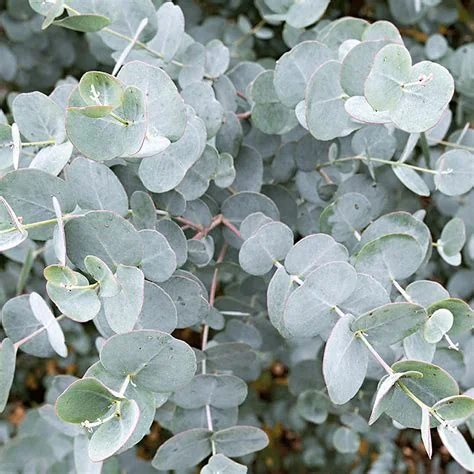
| Coppicing Eucalyptus for Juvenile Leaves | Basal cut triggers reversion to sessile round foliage | Eucalyptus gunnii, E. cinerea, floristry markets | Branch 1 | 2 |
| Stool Establishment (First Cut) | Initial cut at 5 to 7.5 cm height with angled face | All new coppice plantings | Branch 3 | 2 |
| Coppicing for Size Control | Annual or biennial reset prevents canopy expansion | Small urban gardens, boundary plantings | Branch 3 | 2 |
1. Coppicing for Exaggerated Foliage Effect
Best for: Branch 1 (Ornamental Value)
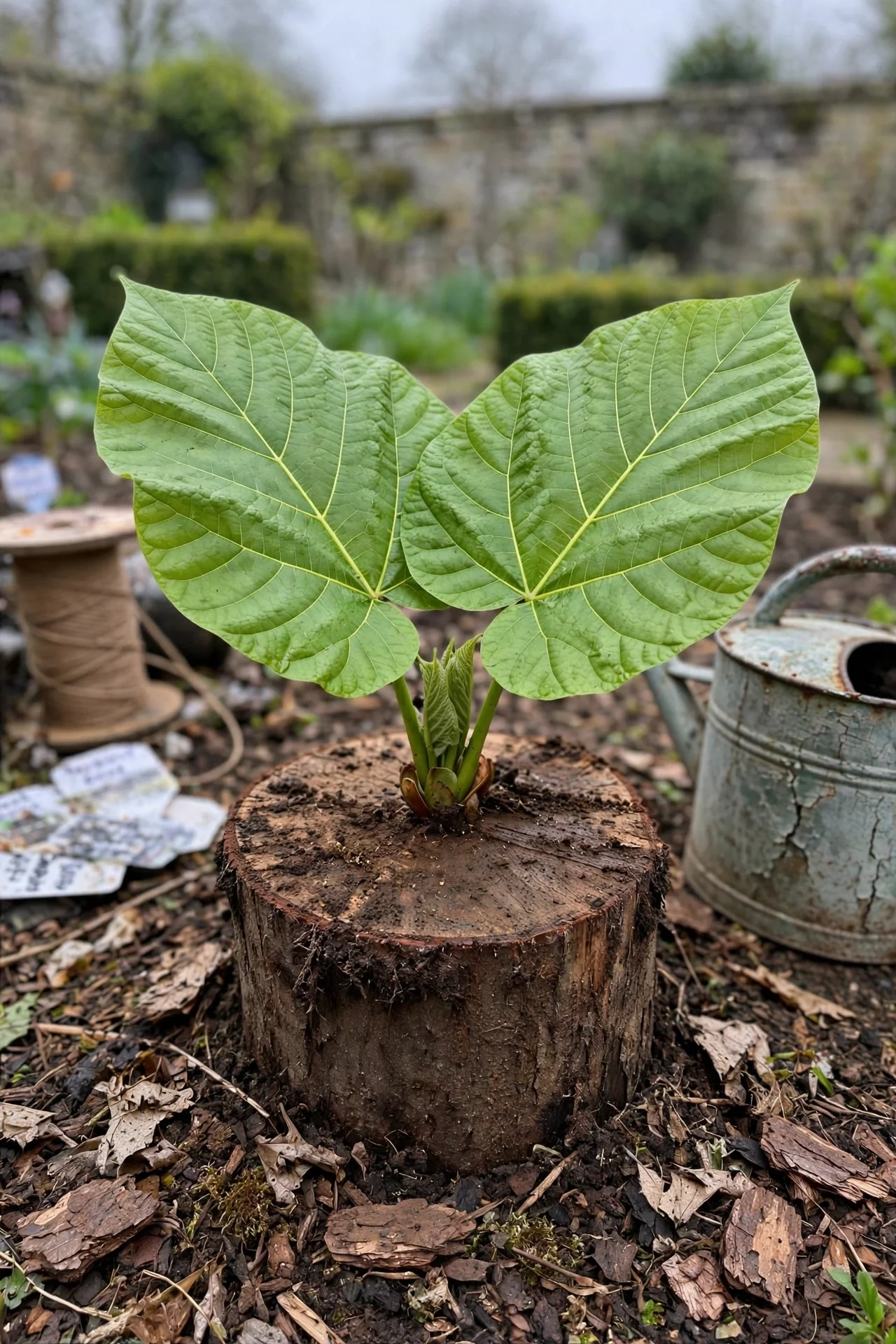
What it is: Cutting Catalpa, Paulownia tomentosa, Cercis canadensis, or Cotinus coggygria to a low stool in late winter triggers a root-to-shoot imbalance. The established root system pumps resources into far fewer growing points, producing leaves that can reach two to three times their normal size within a single season.
What you need: A pruning saw or loppers for stems up to 5 cm diameter; a bowsaw or billhook for thicker material. The cut height is 5 to 7.5 cm above soil level for a new stool, or just above the previous year’s stubs for an established one. Timing is February to early March in the Northern Hemisphere (August to September in Australia and New Zealand), before bud break.
Steps: (1) Confirm the species is a known ornamental coppice responder; do not attempt this on conifers or slow-growing hardwoods. (2) Remove all stems in a single session using clean, angled cuts that shed water away from the stool centre. (3) Apply a 5 cm layer of composted mulch around but not touching the stool. (4) Expect regrowth within 4 to 8 weeks as soil temperatures rise. (5) Thin to the strongest 3 to 5 shoots per stool in midsummer if the goal is specimen-sized leaves.
Common mistake: Copping a plant that has been in the ground less than two full growing seasons. An insufficient root system cannot power the oversized regrowth and the plant may stall or die. Wait until the roots are well established before the first cut.
2. Coppicing Dogwood and Willow for Winter Stem Color
Best for: Branch 1 (Ornamental Value)
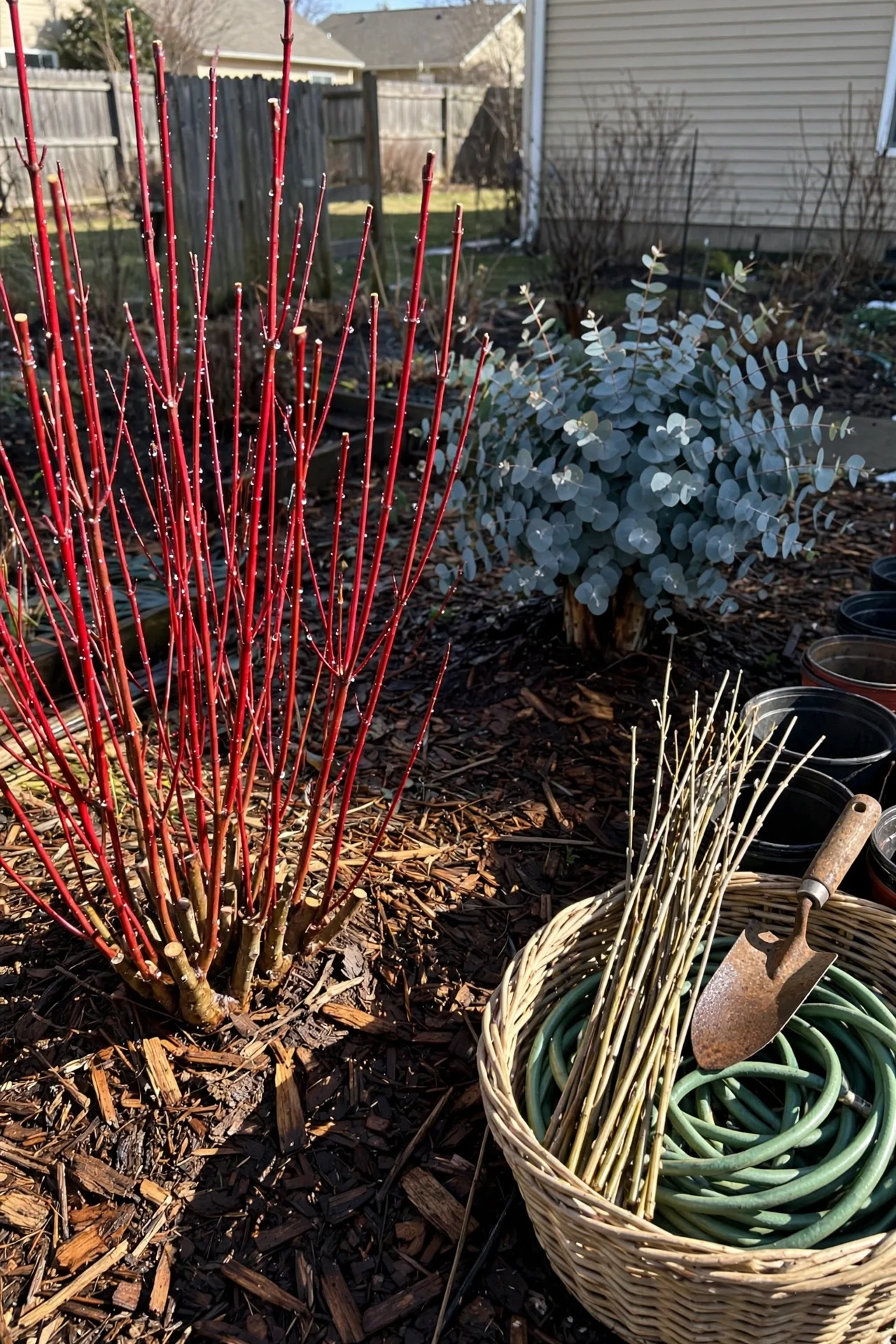
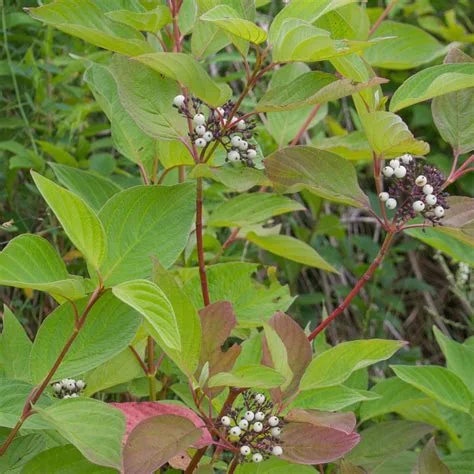
Use this when you grow Cornus sanguinea, Cornus alba, or Salix alba cultivars specifically for their winter display and the stems have turned brown, corky, or branched heavily. The brightest reds, oranges, and yellows appear only on first-year wood.
Skip this when the plant is less than three years old and still establishing, or when you value flowers over stems (Cornus florida and Cornus kousa bloom on older wood and should not be coppiced).
Edge case: In regions with heavy deer pressure (common across parts of the UK, Germany, and the northeastern US), freshly coppiced dogwood stools are vulnerable. Pile cut branches over the stool as a temporary physical barrier until shoots exceed 60 cm.
3. Coppicing Hazel for a Renewable Firewood Supply
Best for: Branch 2 (Harvest Production)
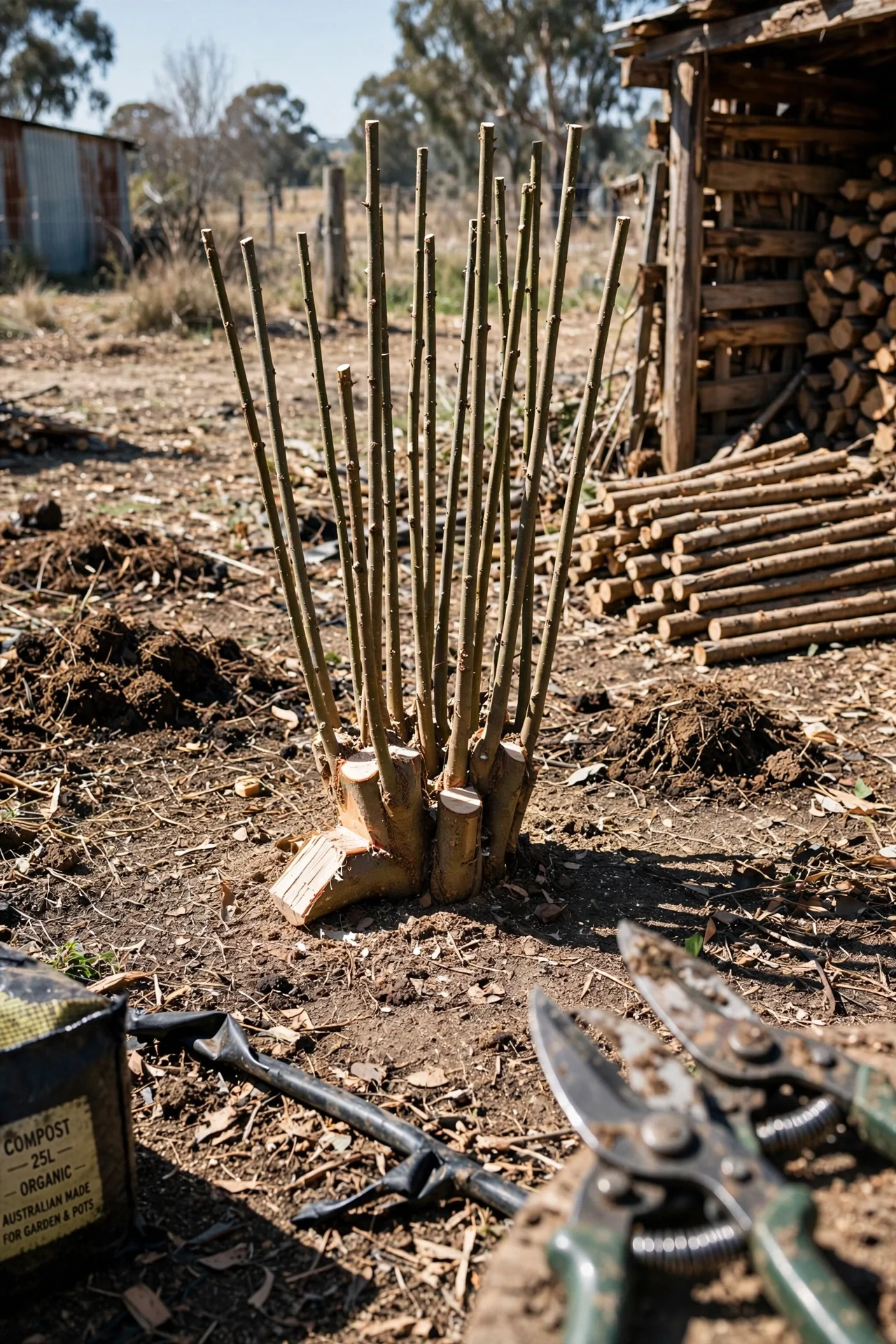
The threshold that makes hazel coppicing viable is space: a single stool produces roughly 8 to 15 usable stems per cycle. If you burn firewood regularly, you need a minimum of 5 to 10 stools rotating on a 7 to 10 year cycle, with one coupe cut each winter. That translates to a roughly 50 to 100 square metre area for a modest domestic supply. If your space is smaller, this branch may not be practical.
The rotation length drives the product. A 7-year cycle on Corylus avellana produces stems 3 to 5 cm in diameter, ideal for kindling, bean poles, and pea sticks. Extending to 10 to 12 years yields stems thick enough for log-burner fuel. Sweet chestnut (Castanea sativa) runs on a longer 12 to 15 year rotation for fencing-grade material. The best cutting window extends from late September to early March while trees are fully dormant; cutting in February or March allows you to assess winter storm damage before committing.
Adjustment for wet climates: In regions with high winter rainfall (western UK, New Zealand’s South Island, coastal British Columbia), angle cuts more steeply than the standard 15 to 20 degrees to accelerate water shedding and reduce stool rot risk.
4. Coppicing for Basket-Making and Craft Materials
Best for: Branch 2 (Harvest Production)
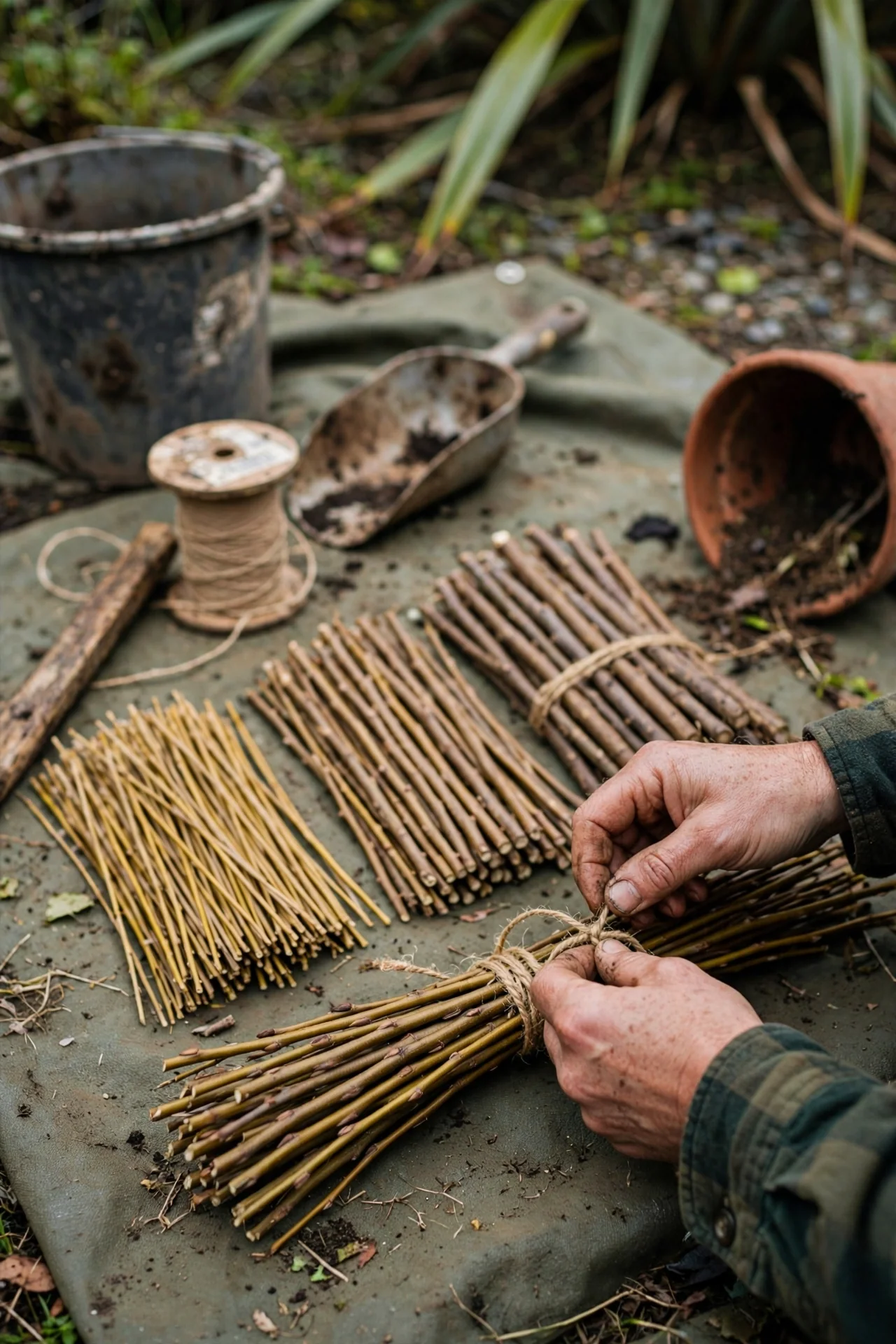
10-minute seasonal workflow: (1) Identify which willow (Salix) or hazel stools are due for harvest based on your rod diameter target: 0.5 to 1 cm for fine basketry, 1 to 2 cm for hurdles and fencing, 2 to 3 cm for structural garden supports. (2) Cut stems as close to the previous cut point as possible using a sharp billhook or bypass loppers; a single clean sever prevents bark stripping. (3) Sort rods immediately into diameter grades on a tarp beside the stool; this avoids the common error of mixing sizes and regretting it later. (4) For willow basketry rods, bundle and stand upright in 3 to 5 cm of water in a shaded spot for 2 weeks to keep them pliable; for hazel bean poles and pea sticks, stack them horizontally off the ground under cover. (5) Mark the cut date on a tag attached to the stool so you can track rotation length accurately.
Upgrade option: Dedicate one coupe to Salix triandra or Salix purpurea cultivars specifically bred for basketry; these produce rods with a higher bark-to-wood ratio that takes dye more evenly than generic hedging willow.
5. Rejuvenation Coppicing for Overgrown Shrubs
Best for: Branch 3 (Restoration and Control)
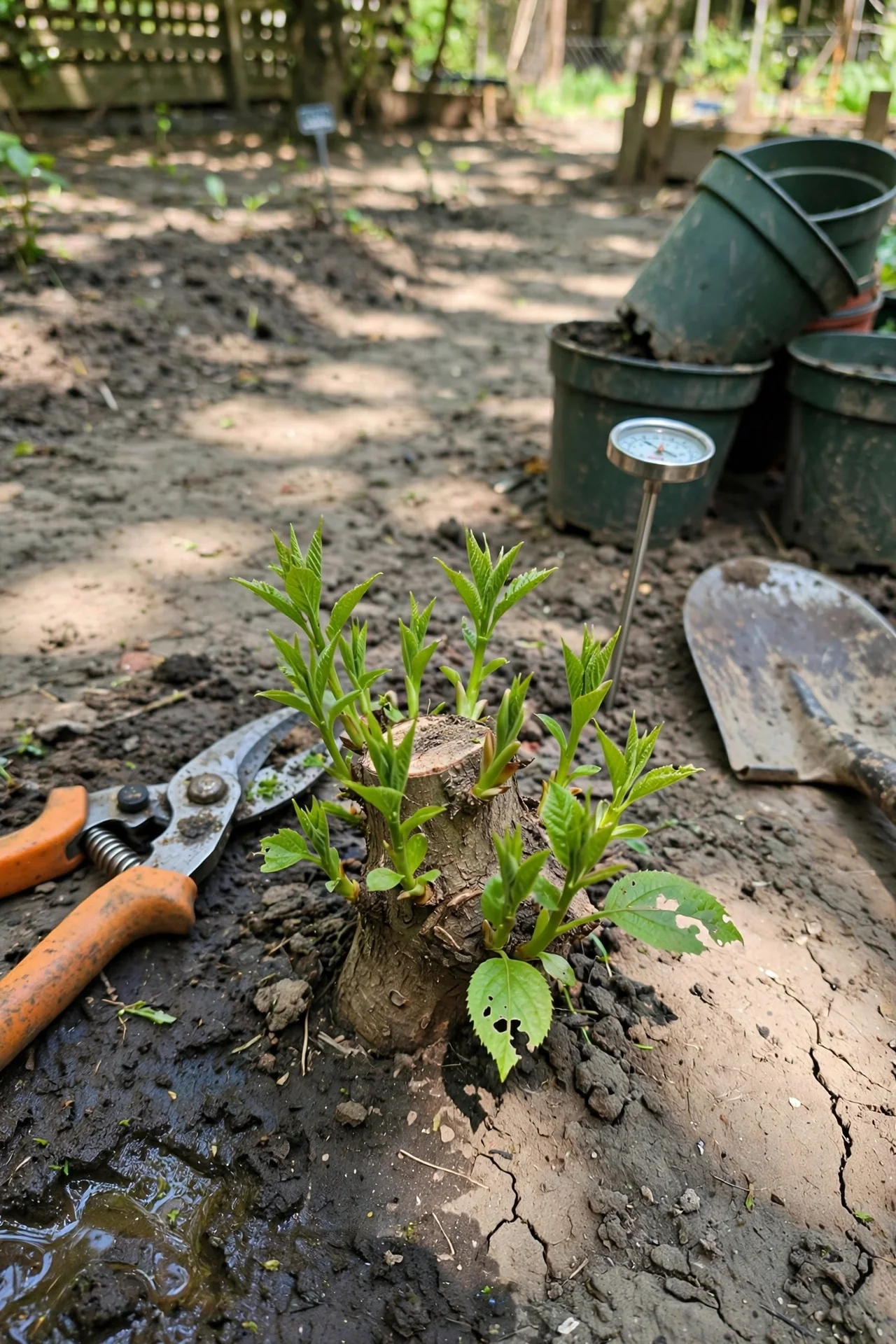
What it is: A one-time hard cut to ground level (5 to 7.5 cm) applied to a shrub that has become woody, sparse at the base, or has stopped producing usable stems. Unlike maintenance coppicing, which is repeated on a schedule, rejuvenation coppicing is a corrective intervention.
What you need: First, verify that the species tolerates hard pruning. Reliable responders include hazel, willow, dogwood, hornbeam, lime, beech, yew, and most eucalypts. Shrubs that resprout poorly from old wood (many conifers, most Ericaceae including rhododendrons and camellias, and some Magnolia species) should not be coppiced.
Steps: (1) Cut during full dormancy, ideally February in the Northern Hemisphere. (2) Make every cut angled at roughly 20 degrees with the low point facing outward to direct water away from the stool centre. (3) Remove all debris to prevent fungal colonisation of the fresh cuts. (4) Apply no fertiliser in the first season; the root system is oversized for the remaining top growth and nitrogen can push weak, sappy regrowth. (5) Expect a lag; some species, particularly ash and hornbeam, may take two full seasons to produce strong regrowth.
Common mistake: Copping a shrub that is already stressed by drought, disease, or recent transplanting. Address underlying health issues first, or the plant will not have the reserves to resprout. For shrubs that are borderline candidates, see how renewal pruning on a plant like raspberries uses a similar principle at a smaller scale.
6. The Coppice-with-Standards System
Best for: Branch 3 (Restoration and Control)
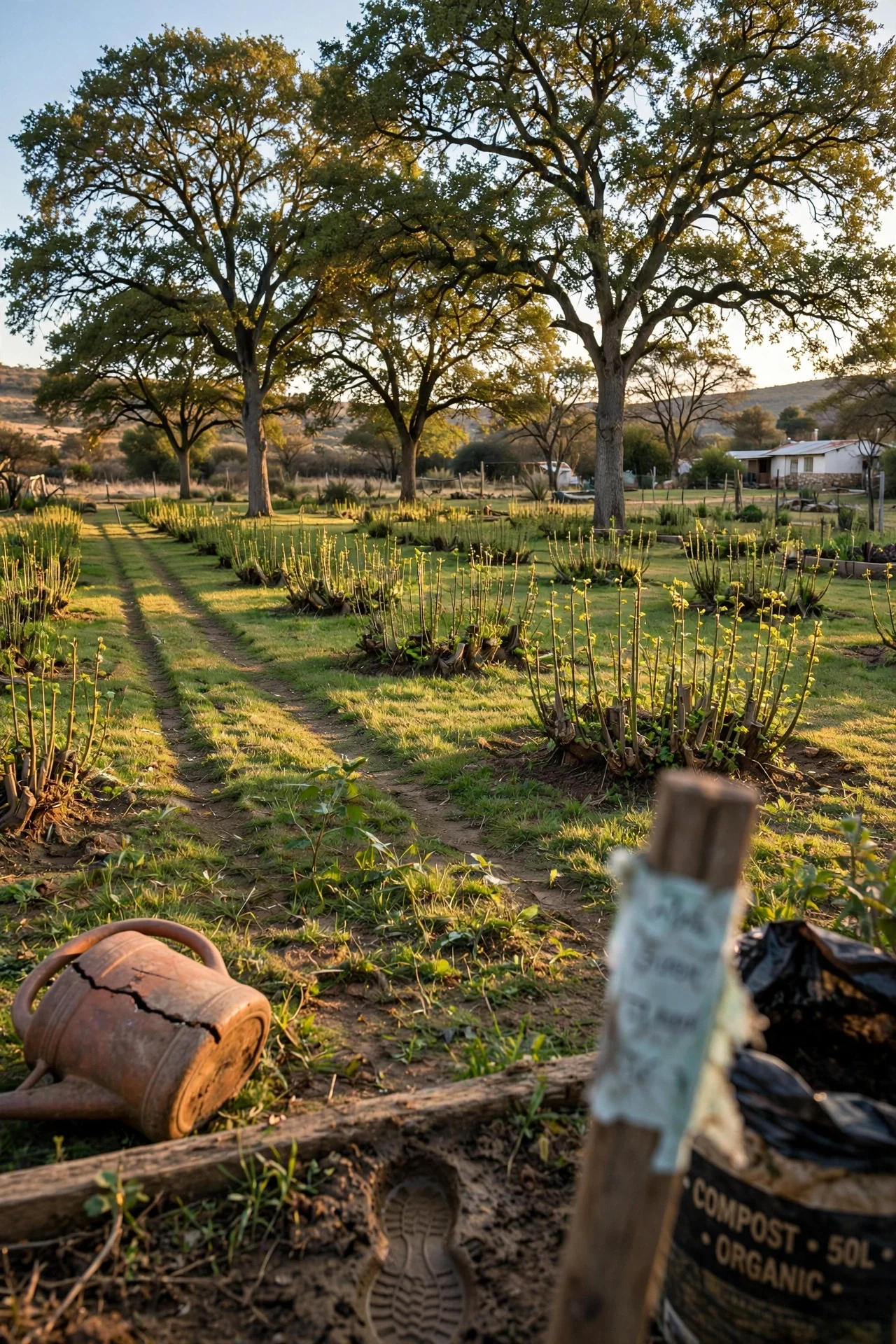
Use this when you manage an area of 100 square metres or more and want to combine timber production (the standards) with regular understorey harvests (the coppice stools). Standards are typically oak, ash, or sweet chestnut spaced 10 to 15 metres apart, allowed to grow to full maturity over 50 to 120 years. The understorey runs on a 7 to 20 year coppice rotation beneath them.
Skip this when your total area is smaller than 50 square metres; the shading from standards will suppress stool regrowth in tight quarters and you will end up managing two failing systems instead of one working one. In small spaces, choose between pure coppice or a single standard with no understorey.
Edge case: In Mediterranean climate zones (parts of South Africa, southern Australia, California), the standard trees can create enough shade to reduce understorey water stress during summer, potentially making coppice-with-standards more viable than open-coppice systems in drought-prone areas.
7. Short Rotation Willow Coppice for Biomass Production
Best for: Branch 2 (Harvest Production)
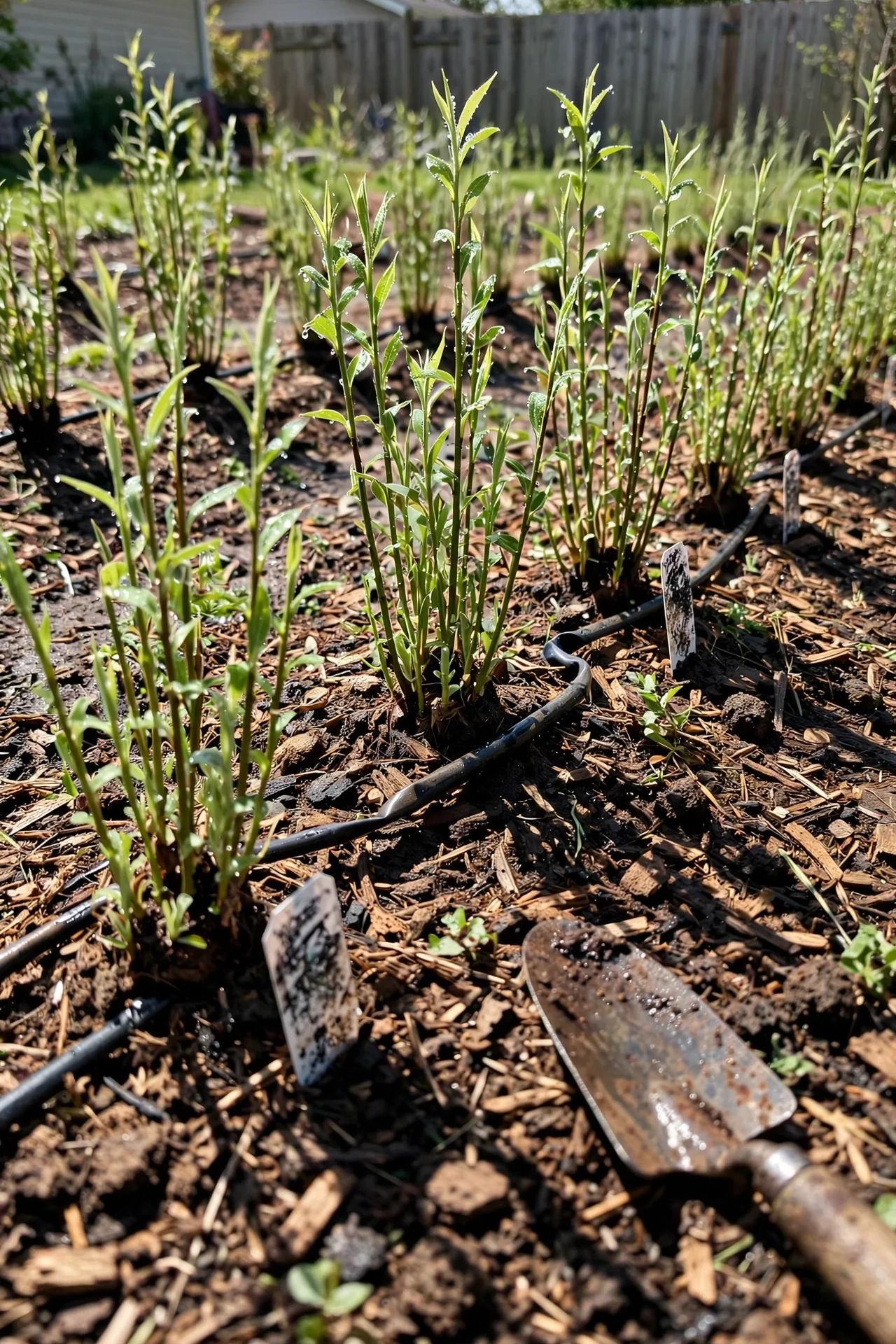
Short rotation coppice (SRC) using Salix cultivars operates on a fundamentally different threshold than traditional coppice: it requires a planting density of 10,000 to 15,000 stools per hectare (roughly 1 stool per square metre), cut every 2 to 4 years, with an expected productive lifespan of 20 to 25 years before replanting. This is not a garden-scale practice, but it can work on parcels as small as 0.25 hectares.
The actionable number is the harvest window: stems must be cut when the diameter at stump height (DSH) reaches 3 to 5 cm for most small-scale chippers and biomass boilers to process efficiently. Thinner stems produce more ash; thicker stems can jam mechanical harvesters. In temperate climates (UK, Germany, New Zealand, eastern Canada), a 3-year rotation typically hits this diameter. In warmer regions (South Africa, Australia, southern US), a 2-year rotation may suffice. If you are harvesting by hand rather than with machinery, the diameter constraint is less critical, but drying time increases significantly above 5 cm.
Adjustment: If stool mortality exceeds acceptable levels after a harvest (more than 2 or 3 dead stools per 100), check whether cuts were made during sap flow rather than dormancy. Cutting in active growth, particularly in summer, can cause bark separation and stool desiccation. Revert to a strict November to February cutting window. Cut stems can also supply material for softwood cuttings if you propagate alongside your biomass operation.
8. Coppicing Eucalyptus for Juvenile Foliage
Best for: Branch 1 (Ornamental Value)
10-minute seasonal workflow: (1) Identify species that reliably produce juvenile foliage after coppicing: Eucalyptus gunnii, E. cinerea, E. perriniana, and E. pulverulenta are the most dependable. (2) In late winter (February in the Northern Hemisphere, August in Australia and New Zealand), cut all stems to 5 to 10 cm above ground level using loppers or a pruning saw. (3) Remove all cut material from the site; eucalyptus debris is allelopathic and can suppress regrowth of the stool itself if left in place. (4) Water the stool deeply once after cutting if the soil is dry; do not water again until new shoots appear, as wet soil around a leafless root system encourages root rot. (5) Select 3 to 5 dominant shoots to keep once regrowth reaches 30 cm, removing weaker shoots to direct energy into the keepers.
Upgrade option: If you sell cut foliage to florists, stagger your coppicing across multiple stools so that at least one plant is producing harvestable stems at any point during the growing season. Eucalyptus cinerea cut in August in Australia will produce marketable foliage by December.
9. Establishing a New Coppice Stool: The Critical First Cut
Best for: Branch 3 (Restoration and Control)
What it is: The first coppicing cut on a young tree or shrub that has grown as a single stem for 2 to 5 years. This cut determines stool shape, water-shedding geometry, and shoot quality for the entire life of the stool.
What you need: The plant must have a stem diameter of at least 2 cm at the base and have completed a minimum of two full growing seasons in the ground. Tools depend on stem diameter: bypass secateurs for stems under 1 cm, loppers for 1 to 3 cm, a bowsaw or pruning saw for 3 to 8 cm, and a sharp billhook for cleaning up the cut face.
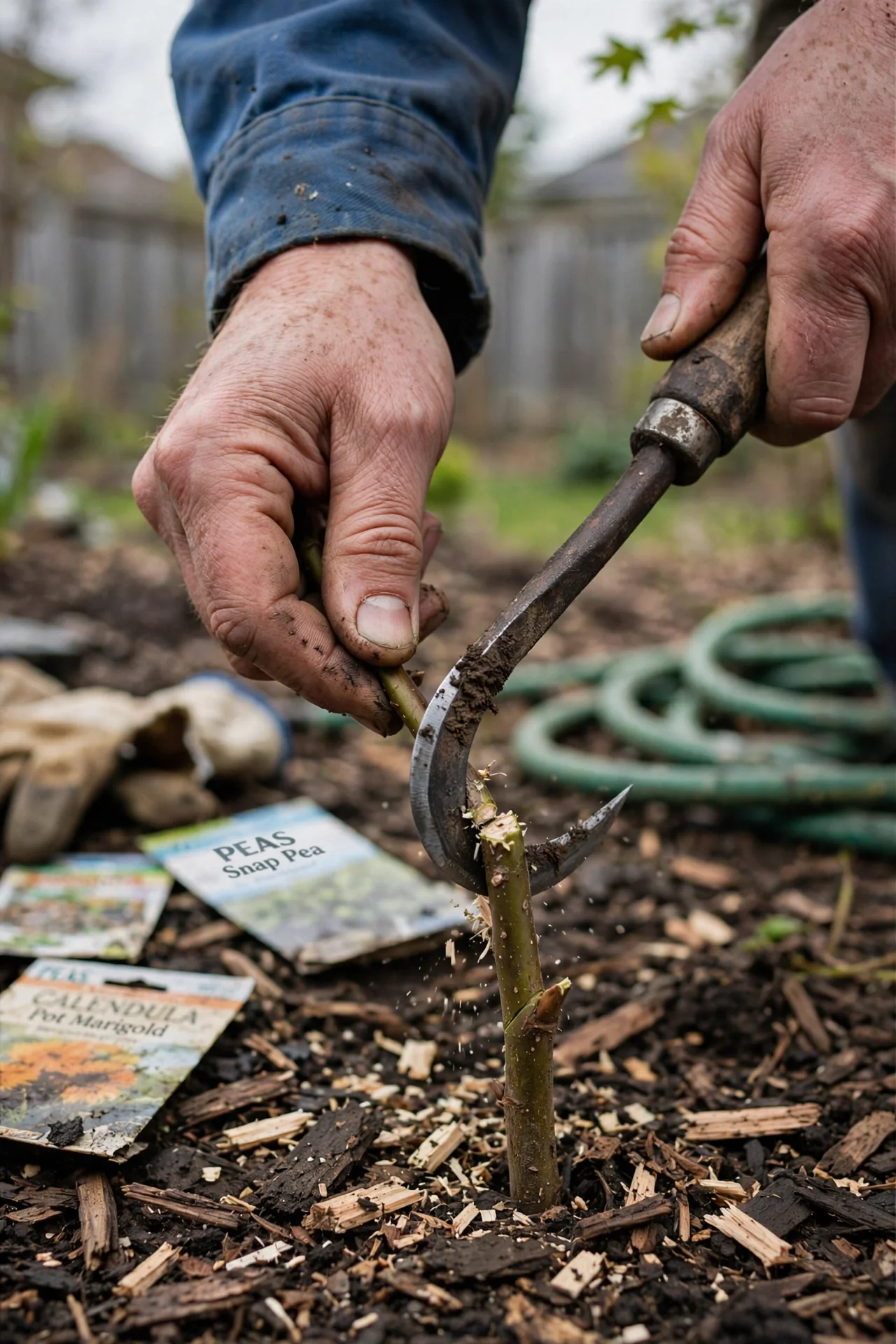
Steps: (1) Cut during full dormancy. (2) Position the cut 5 to 7.5 cm above soil level. (3) Angle the cut at roughly 20 degrees from horizontal with the highest point on the uphill side if the ground slopes, or simply facing south to maximise sun exposure on the cut face in the Northern Hemisphere. (4) Ensure the cut is smooth, not torn or crushed; a ragged cut collects water and fungal spores. (5) Do not paint or seal the wound; coppice stools compartmentalise cuts naturally and sealants trap moisture.
Common mistake: Cutting too high. A stool taller than 15 cm produces shoots that originate above the root collar, resulting in weaker attachment and increased wind-throw risk as the shoots gain weight. Every centimetre above 10 cm reduces structural integrity. A sharp tool is essential; see our guide to sharpening pruners before starting.
10. Coppicing as a Size-Control Strategy for Small Gardens
Best for: Branch 3 (Restoration and Control)
Use this when a plant that naturally wants to become a 10-metre tree (Paulownia, Catalpa, Eucalyptus, or vigorous Cotinus) is planted in a space that can only accommodate 2 to 3 metres. Annual or biennial coppicing keeps the plant in a permanent juvenile state, producing a shrub-like form instead of a tree form, without the cumulative damage that repeated heading cuts cause on standard pruning regimes.
Skip this when the plant is needed for screening or privacy early in the growing season; a coppiced stool will not provide meaningful cover until mid to late summer. For year-round screening in small spaces, consider an espalier form instead, which maintains foliage at multiple levels while controlling spread.
Edge case: In frost-prone gardens (inland Germany, Canadian prairies, Scottish Highlands, parts of New Zealand’s South Island), a late spring frost can kill tender new coppice shoots. Delay cutting until after the last average frost date for your location, even if this pushes into early April; a slightly later cut is safer than losing the first flush of regrowth to a freeze.
Starter Stack (What to Choose First)
Branch 1 Starter: Ornamental Coppicing
Start with one Cornus alba ‘Sibirica’ and one Eucalyptus gunnii. The dogwood delivers visible results within 12 months (brilliant red winter stems) and tolerates mistakes. The eucalyptus teaches you the juvenile foliage response and can be cut annually. Estimated combined cost for plants: $25 to $45 USD (roughly £20 to £35 GBP or $35 to $60 AUD) for one-gallon nursery stock. Time commitment: roughly 30 minutes of cutting per plant per year, plus one deep watering session post-cut if spring is dry. The synergy is seasonal: dogwood peaks in winter when the eucalyptus is dormant.
Branch 2 Starter: Harvest Coppicing
Start with five Corylus avellana (hazel) stools and five Salix viminalis (basket willow) stools. Hazel provides your first usable bean poles and pea sticks within 3 to 4 years even on a modest rotation; willow produces basketry rods by year 2. Estimated cost: $40 to $80 USD for bare-root stock, plus a billhook ($30 to $60 USD) as your primary cutting tool. Time commitment: one full winter weekend every 3 to 5 years for cutting, plus roughly 2 hours for sorting and bundling rods. The synergy is product diversity: hazel for rigid supports, willow for flexible weaving.
Branch 3 Starter: Restoration Coppicing
Start with one overgrown shrub that is a known coppice responder (overgrown hazel, leggy dogwood, or a lapsed willow) and one new plant that you will coppice from its second year onward. The overgrown plant teaches you the recovery rhythm; the new plant teaches you stool establishment from scratch. Estimated cost: $0 for the existing shrub, $15 to $30 USD for the new plant. Time commitment: roughly 1 hour for the restoration cut, plus 10 minutes per stool annually for shoot selection in midsummer. The synergy is diagnostic: if the restoration plant struggles to recover, the companion planting helps you isolate whether the problem is species suitability or site conditions.
When This Won’t Work
Failure condition 1: The species cannot resprout from the base. Not every deciduous tree coppices. Birch, for example, resprouts weakly and often dies when cut to ground level. Most conifers (with the notable exception of yew, Taxus baccata) lack dormant basal buds entirely and will simply become a dead stump. Before cutting, verify that your specific species appears on a reliable coppice-suitability list from an authoritative source such as the RHS, Woodland Trust, or your local agricultural extension service.
Failure condition 2: Persistent browsing pressure. If deer, rabbits, or hares have regular access to the site and you cannot fence the stools for at least two years post-cut, coppicing will fail. The fresh regrowth is highly palatable and animals will strip it repeatedly until the stool exhausts its reserves. In this scenario, the alternative action is to switch to pollarding, where cuts are made at 1.5 to 2 metres height, well above the browse line. Our guide to pollarding covers the height thresholds and species selection for this approach.
Choosing the Right Option for Your Situation
Budget Threshold
If your total budget for plants and tools is under $75 USD (roughly £60 GBP or $100 AUD), start with Branch 1 or Branch 3 using existing shrubs. The only mandatory tool purchase is a pair of bypass loppers ($25 to $50 USD). Branch 2 (harvest coppicing) requires more plants, more space, and typically a billhook or bowsaw, pushing the initial cost above $100 USD.
Time Threshold
If you can only commit one garden session per year to coppicing, limit yourself to Branch 1 (ornamental) with species that need an annual cut. A five-stool ornamental planting of dogwood and eucalyptus takes roughly 1 hour to cut, clear, and mulch once per year. Avoid Branch 2 unless you can commit to a full weekend every 2 to 4 years for harvest and processing.
Technical Constraint: Soil Drainage
Coppice stools rot if they sit in waterlogged soil. If your site has a perched water table within 30 cm of the surface during winter, coppicing on flat ground will fail. The adjustment is to plant stools on raised mounds 20 to 30 cm high, or to select species with known tolerance of wet feet: Salix (willow) and Alnus (alder) are the most reliable options for damp sites.
Quick Yes/No Checklist:
- Species verified as a coppice responder on a published database or extension list? Yes / No
- Stool protection from browsing animals in place or planned for at least two growing seasons? Yes / No
- Soil drains within 24 hours of winter rain, or wet-tolerant species selected? Yes / No
- Rotation length matches your available time commitment (annual for ornamentals, 3 to 15 years for harvest)? Yes / No
Expert Q&A
Can I coppice a tree that was never coppiced before and is now 20 years old?
It depends on the species. A 20-year-old hazel, willow, lime, or sweet chestnut will typically coppice successfully even from a large single stem, though it may take two seasons to produce strong regrowth. Oak and ash are less reliable at that age. Cut in January or February and expect a slower recovery than you would see from a regularly coppiced stool.
Why do some coppiced eucalyptus trees produce adult leaves instead of juvenile round ones?
If the cut is made too high (above 15 cm), the regrowth originates from mature tissue above the root collar and often reverts directly to adult foliage. A true basal cut at 5 to 7.5 cm forces shoots from buds at or below ground level, which reliably produce juvenile foliage. The difference between a 7 cm cut and a 20 cm cut can completely change the result.
What is the difference between coppicing and simply cutting a shrub to the ground in spring?
Coppicing is defined by two elements: the cut is made to a permanent stool that persists across multiple cycles, and the technique is repeated on a planned rotation. A one-off cut to the ground without a rotation plan is just hard renovation pruning. The stool itself is the asset; managing it across decades is what distinguishes coppicing from a single aggressive cutback.
Do I need to thin the shoots that appear after coppicing?
For ornamental coppicing (Branch 1), thinning to 3 to 5 shoots per stool in midsummer of the first growing season produces larger individual leaves and stronger stems. For harvest coppicing (Branch 2), thinning to 1 or 2 shoots per stool maximises stem diameter and straightness for timber or firewood. Leaving all shoots unthinned produces a denser thicket with thinner stems, which is acceptable for basketry willow but undesirable for most other goals.
Can I coppice a fruiting tree like apple or pear?
Apple and pear trees do not respond well to coppicing. They are grafted onto rootstocks, and a basal cut removes the scion entirely, leaving only rootstock regrowth that will not produce the desired fruit. For fruit trees, use regulated annual pruning instead of coppicing. However, quince (Cydonia oblonga) grown on its own roots can be coppiced for cane production without losing fruiting potential.
Conclusion
The single factor that determines whether coppicing succeeds is not your cutting technique; it is whether you matched the decision to the species and the goal before the saw touched wood. The most common error is treating coppicing as a universal hard prune rather than as a species-specific management system with built-in rotation timing.
If you take one action after reading, verify your target plant against a published species suitability list for coppicing, then review our fruit tree pruning calendar to understand how timing principles overlap across different pruning disciplines. The same dormant-season window that works for coppicing governs most structural pruning decisions in the garden.