
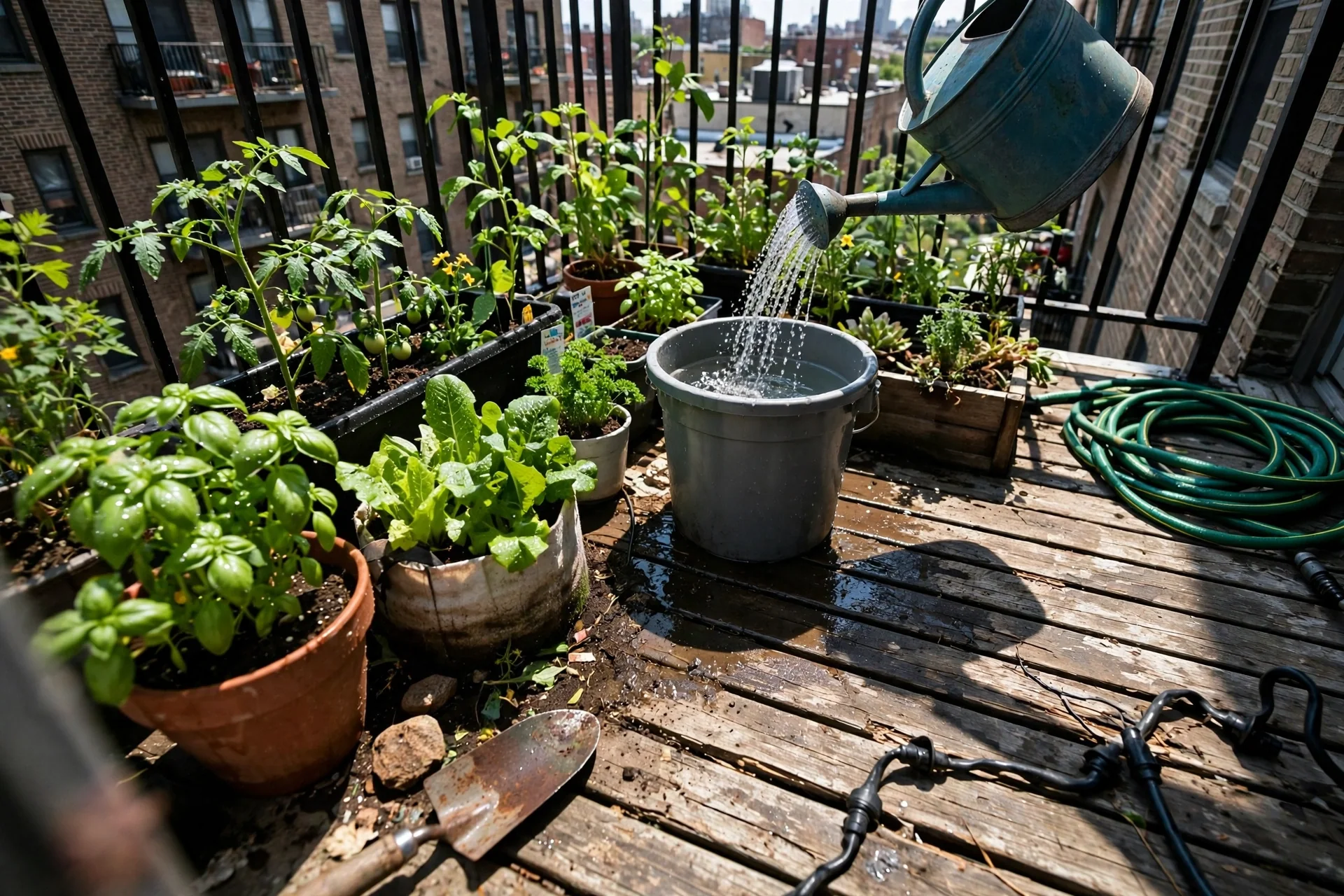
Container gardening for beginners succeeds when you start by mapping measurable space conditions instead of plant lists or generic pot recommendations. The Yield Grid Decision Grid sorts setups by sunlight hours and water access frequency so you select only what aligns with your actual balcony, patio, or deck constraints from day one.
This article focuses on edible and ornamental options suited to urban small spaces in the US, UK, Canada, Australia, and similar temperate climates. It covers container selection, soil volume, placement mechanics, and initial workflows. In-ground gardens, large farm plots, and advanced hydroponics fall outside the scope.
By the end you will know exactly which three setups fit your conditions, the minimum pot volumes required, and the first three actions to take without guesswork.
Bottom line: Identify your branch in the grid below then follow only the recommended items to launch a low-failure container garden.
The Yield Grid Decision Grid
Branch 1: Less than 4 hours of direct sunlight daily. Typical for north-facing balconies or shaded courtyards. Focus on foliage and low-light tolerant species with moderate watering needs. Recommended: Items 3, 6, and 9 below.
Branch 2: 6 or more hours of direct sunlight with water access limited to every other day. Common on sunny rooftops or decks without daily hose reach. Prioritize larger soil volumes that retain moisture longer. Recommended: Items 1, 4, and 7 below.
Branch 3: 4 to 6 hours of direct sunlight with daily access and possible wind. Standard small patios in urban settings. Emphasize stable, movable containers and wind-resistant arrangements. Recommended: Items 2, 5, and 8 below. For broader inspiration see container gardening ideas.
Quick Comparison Table
| Option | Key mechanism | Best for | Decision Grid Branch | Effort Score |
|---|---|---|---|---|
| 5-Gallon Bucket Gardens for Productive Veggies | Large soil volume slows moisture loss | Fruiting crops like tomatoes | Branch 2 | 2 |
| Window Box Setups for Balcony Herbs | Shallow depth suits quick turnover crops | Basil, chives on railings | Branch 3 | 3 |
| Thriller Filler Spiller Technique for Visual Balance | Layered plant heights create stable structure | Mixed ornamental and edible displays | Branch 1 | 1 |
| Grow Bag Systems for Root Vegetables | Breathable fabric promotes air pruning of roots | Carrots, potatoes in limited space | Branch 2 | 2 |
| Lightweight Planters for Easy Mobility | Reduced weight allows repositioning for sun tracking | Balconies with variable light | Branch 3 | 4 |
| Shade Container Plant Combinations | Selection of low light tolerant species | Foliage focus in low sun | Branch 1 | 3 |
| Tomatoes in Pots: Beginner Production Setup | Support structures integrated with pot size | High yield fruiting in containers | Branch 2 | 4 |
| Small Patio Garden Ideas in Containers | Modular arrangement maximizes floor use | Compact urban patios | Branch 3 | 2 |
| Hanging Basket Strategies for Trailing Plants | Elevated positioning improves air circulation | Strawberries or trailing herbs | Branch 1 | 3 |
5-Gallon Bucket Gardens for Productive Veggies
Best for: Branch 2
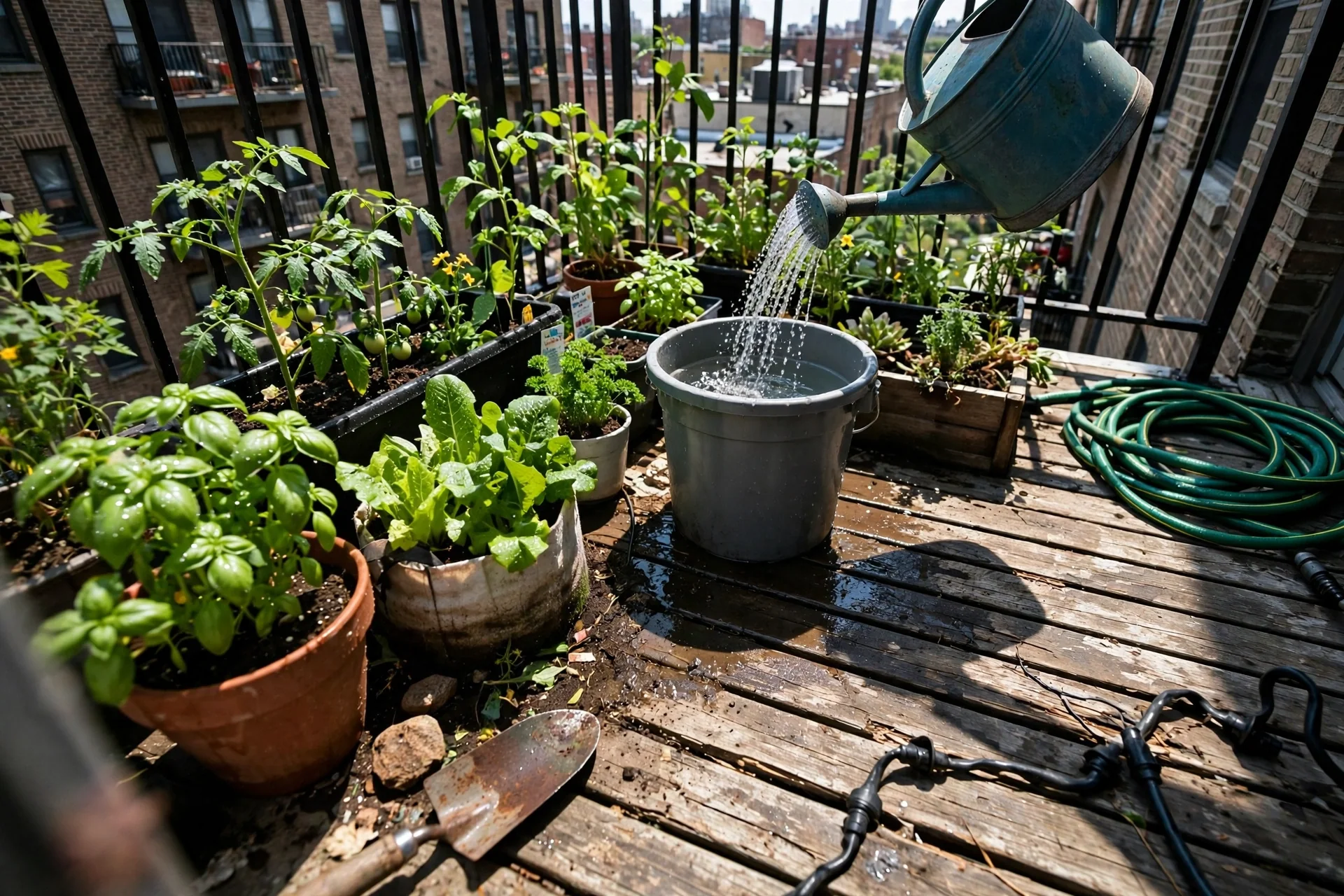
This setup uses standard 5-gallon food-grade buckets as the base container. It works for fruiting vegetables that need consistent root zone temperatures and moisture. Start with a bucket that has at least two 0.5-inch drainage holes drilled in the bottom. Fill with potting mix to 2 inches below the rim, leaving space for watering.
Steps: 1. Drill drainage holes if absent. 2. Add 1 inch of coarse gravel at the base for initial drainage. 3. Plant one tomato or pepper seedling in the center. 4. Water until it runs out the bottom then check soil moisture at 2 inches depth every other day. Common mistake: using buckets without drainage holes, which leads to root rot within days in warm conditions.
Upgrade path: add a simple trellis insert for vining types. See full details in 5-gallon bucket garden.
Window Box Setups for Balcony Herbs
Best for: Branch 3
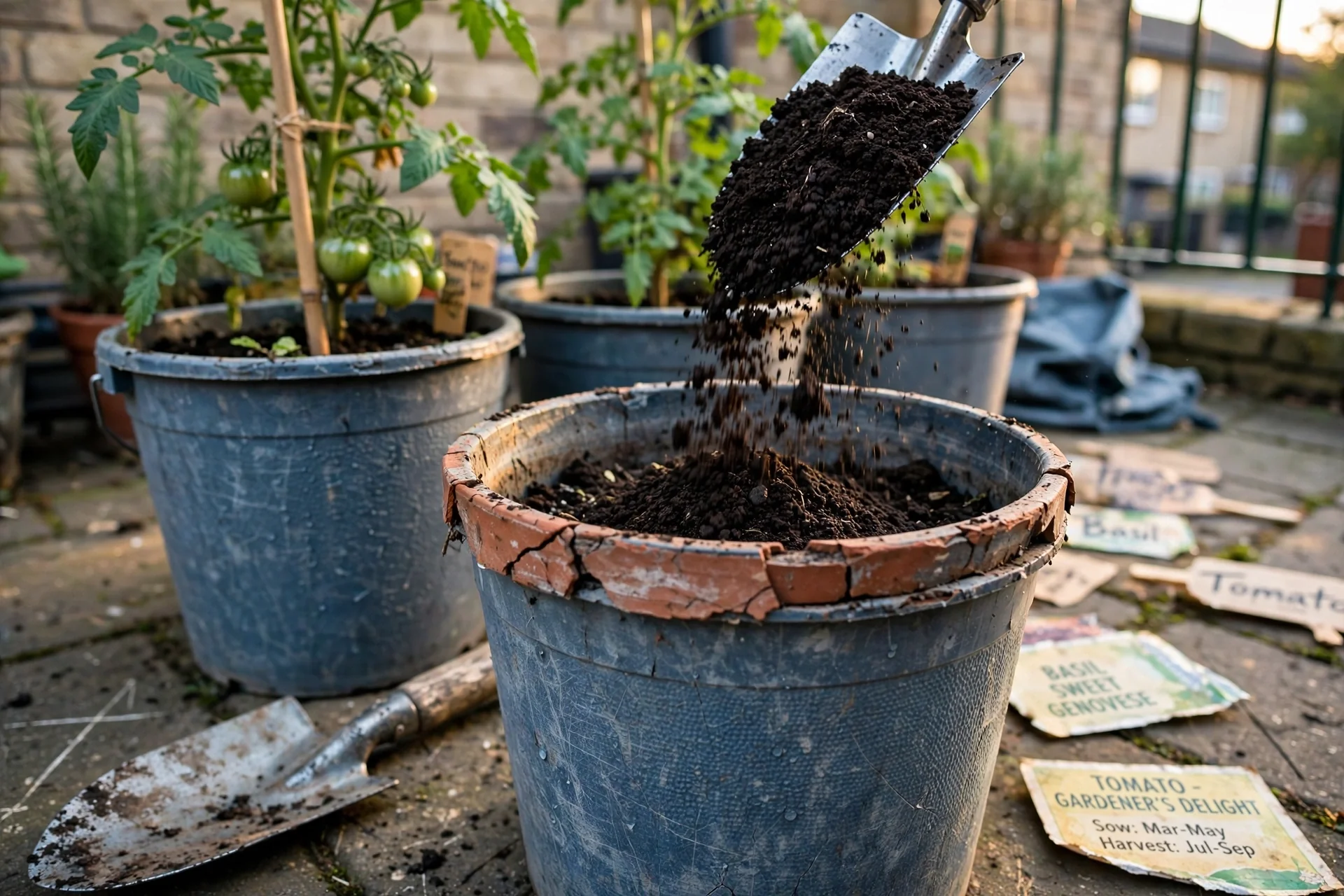
Use this when quick harvests matter more than long-term production. Window boxes deliver herbs within weeks but require more frequent checks than deeper pots. Skip them on exposed windy ledges where soil can dry in hours or if your railing cannot support 20 pounds when wet.
Pros include easy installation and harvest access. Edge case: south-facing windows with reflected heat may need shading cloth during peak summer to keep soil below 85 degrees Fahrenheit. For more options explore window box ideas.
Thriller Filler Spiller Technique for Visual Balance
Best for: Branch 1
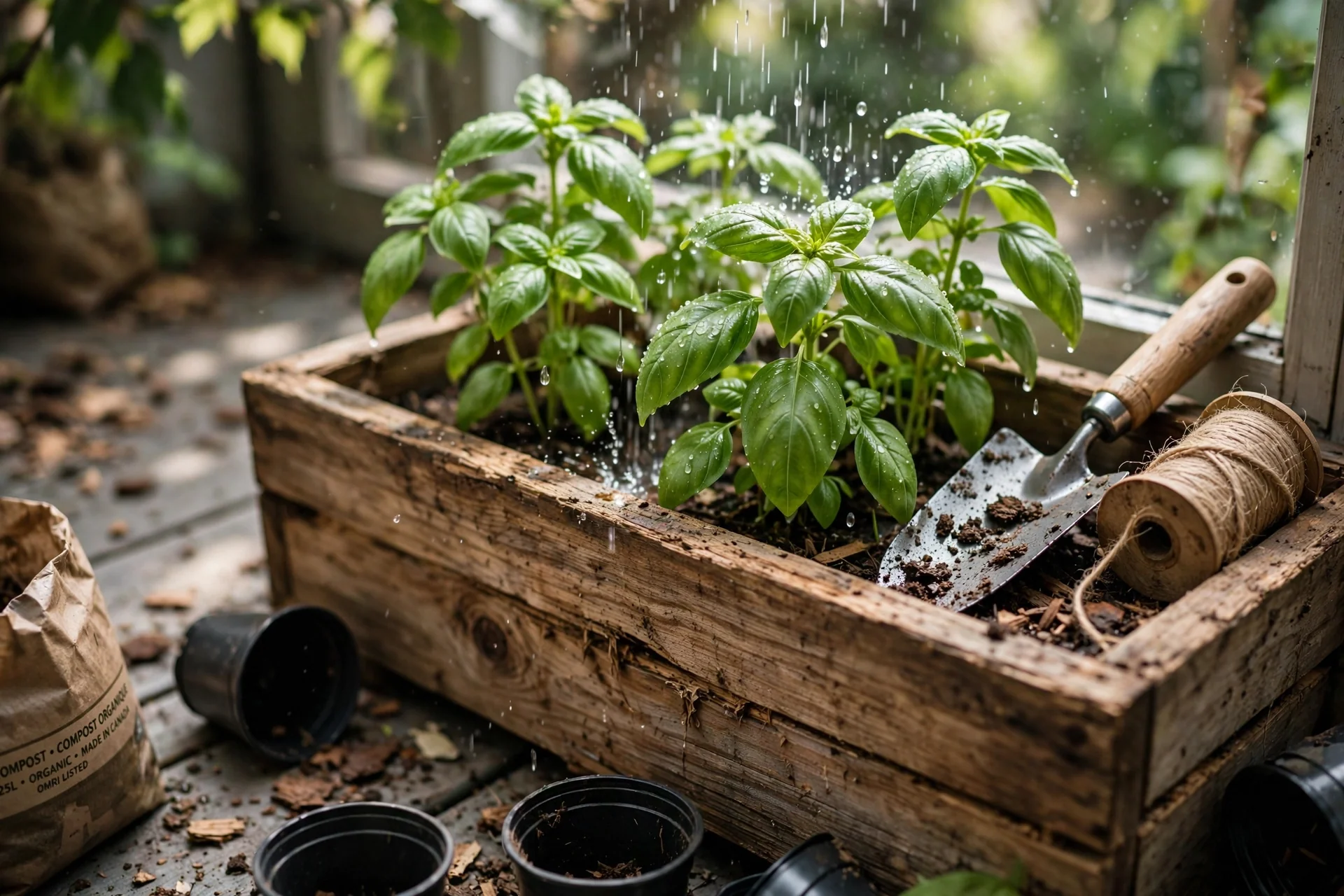
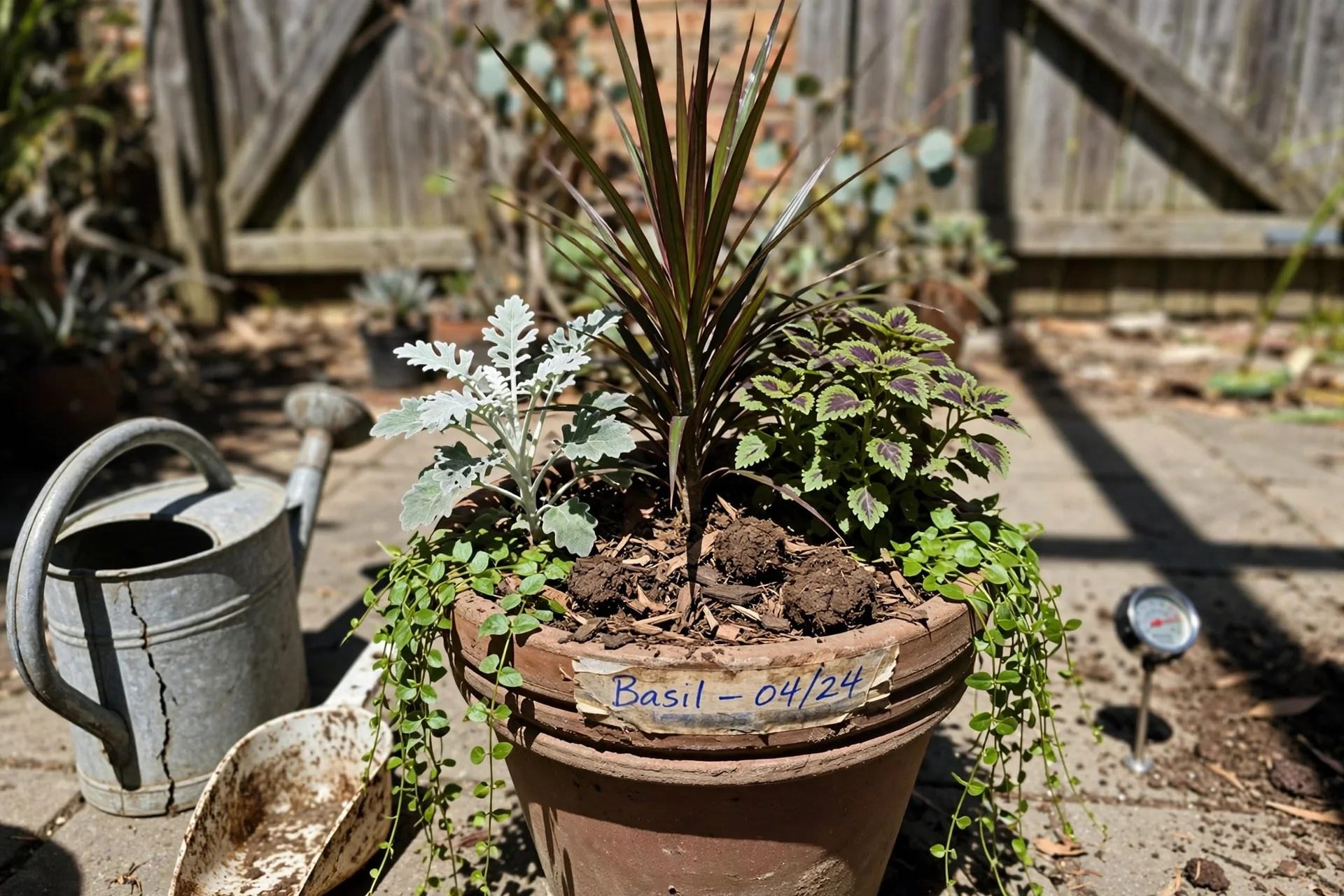
Apply this technique when pot diameter exceeds 12 inches. Choose one tall thriller plant for height, three filler plants for bulk, and two trailing spiller plants for edges. This layering prevents top-heavy tipping in low wind and low light.
Threshold rule: thriller height should equal 1.5 times pot diameter at maturity. Adjust filler count downward by one if using heavy ceramic pots. Soil pH range of 6.0 to 7.0 suits most combinations. For design examples see thriller filler spiller.
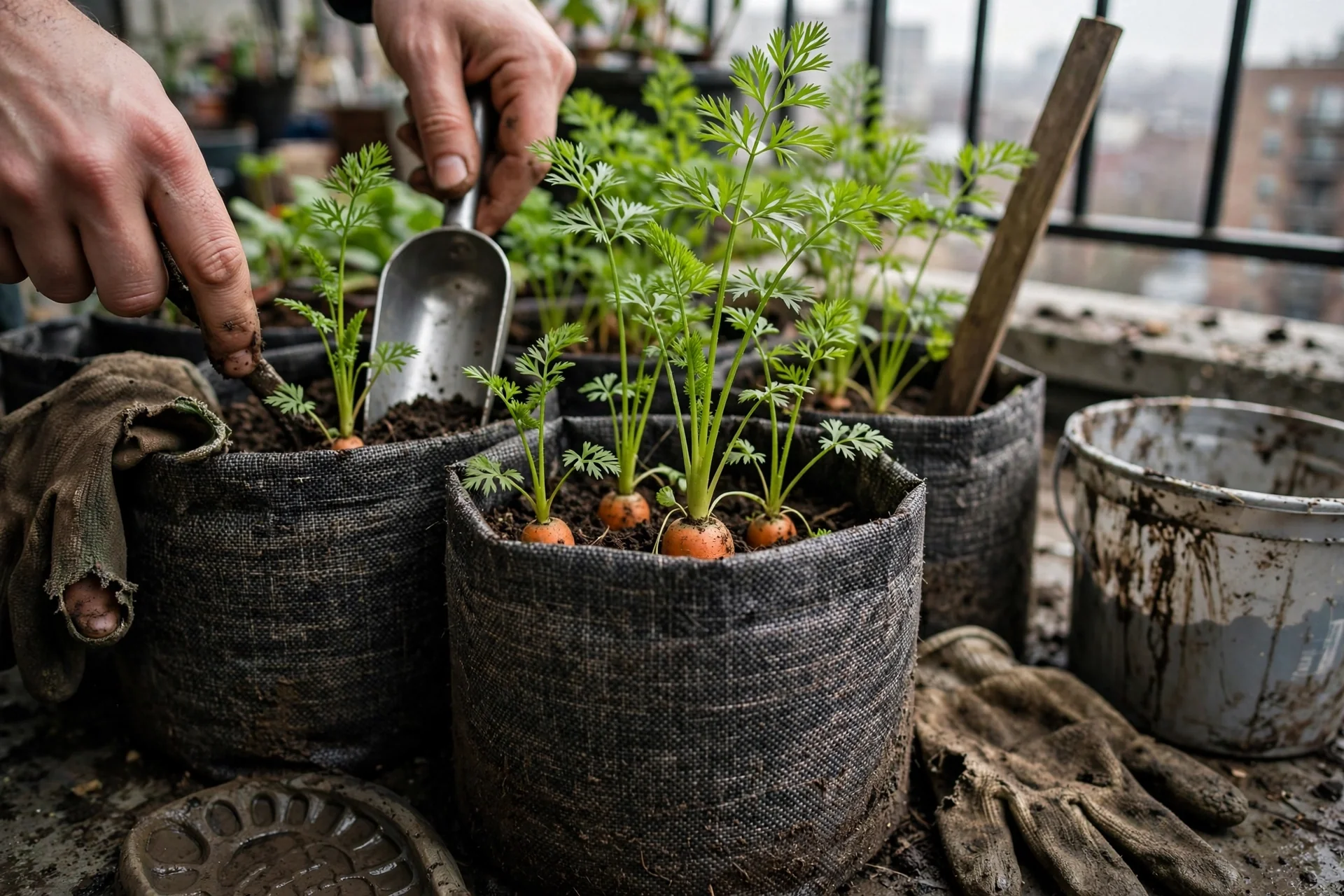
Grow Bag Systems for Root Vegetables
Best for: Branch 2
Begin by selecting 10-gallon fabric grow bags for carrots or potatoes. The porous sides allow oxygen to reach roots and prevent circling. Place bags on a tray to catch runoff.
10-minute workflow: 1. Position bag in final spot (2 minutes). 2. Fill with potting mix to 3 inches from top (3 minutes). 3. Plant seeds or tubers at recommended depth (3 minutes). 4. Water thoroughly until drainage appears (2 minutes). Upgrade option: line the bottom with landscape fabric to extend bag life beyond two seasons. Full guide at grow bags gardening.
Lightweight Planters for Easy Mobility
Best for: Branch 3
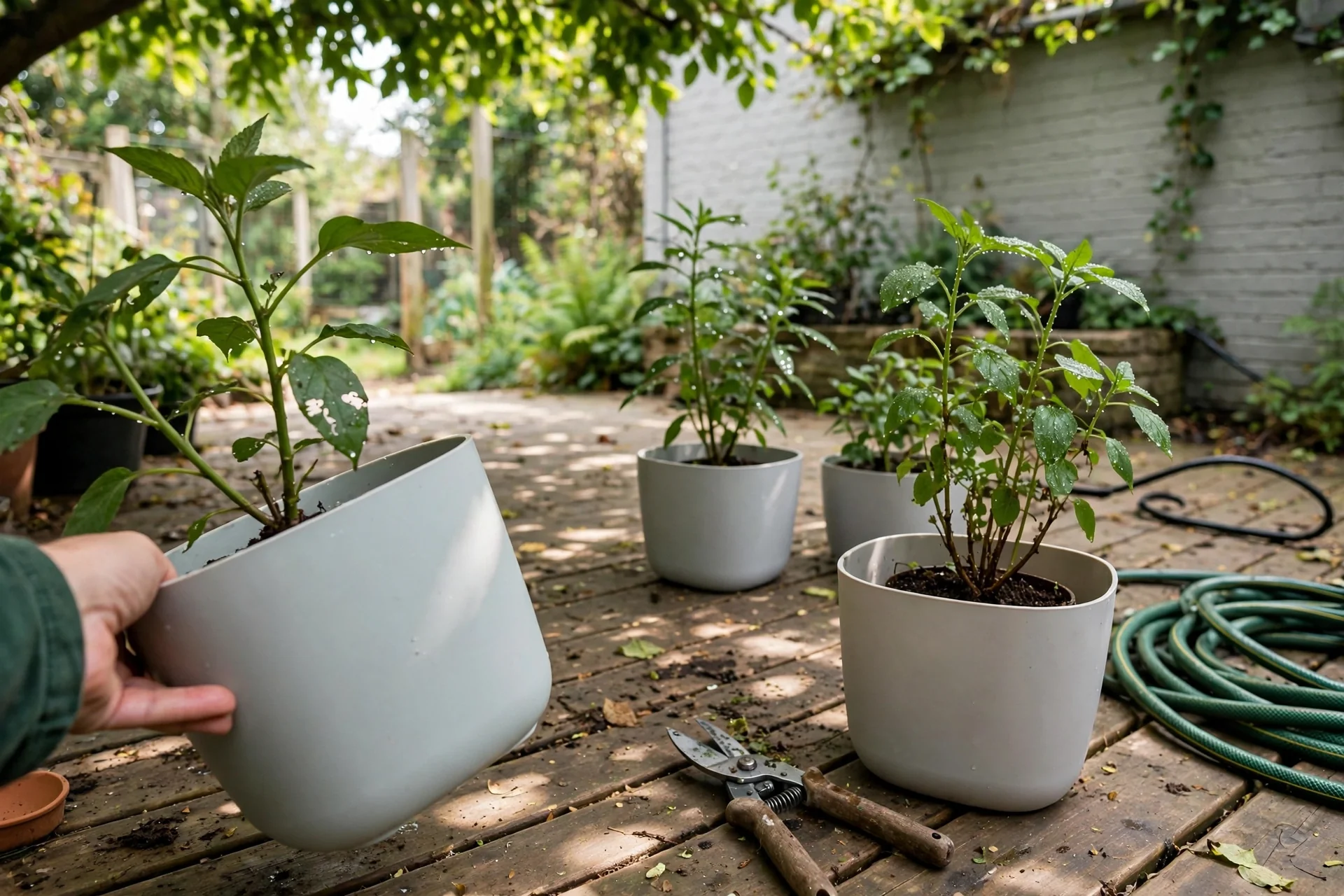
Choose resin or fiberglass planters under 15 pounds empty when you need to shift containers weekly for optimal sun. They resist cracking in temperature swings between 20 and 95 degrees Fahrenheit.
Use versus skip: ideal for apartments with changing light patterns but skip if your space experiences gusts over 15 miles per hour, where added weight improves stability. For selection tips read lightweight planters.
Shade Container Plant Combinations
Best for: Branch 1
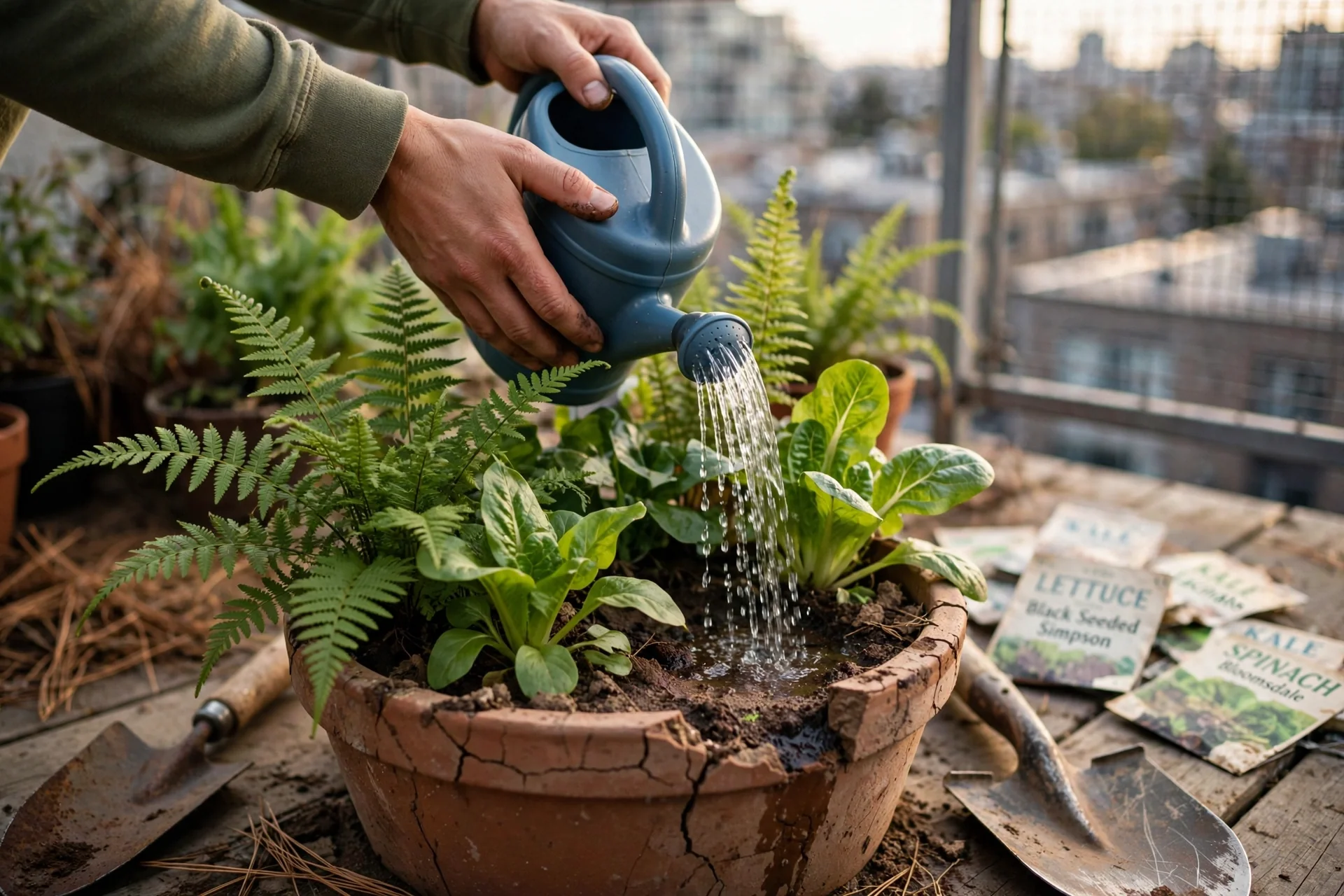
Select ferns, hostas, or leafy greens that tolerate under 4 hours of sun. Combine one upright foliage plant with two low spreading types in a single wide pot.
Blueprint: measure available light with a phone app for one full day. Choose pot volume of at least 3 gallons per plant. Fill with mix that retains moisture without compaction. Water when top inch feels dry. For proven combinations see shade container plants.
Tomatoes in Pots: Beginner Production Setup
Best for: Branch 2
This configuration uses 10-gallon minimum pots with built-in support. Determinate varieties stay compact while indeterminate types need staking from day 14 after transplant.
Threshold rule: maintain soil temperature between 65 and 85 degrees Fahrenheit for steady fruit set. Water at soil level when top 2 inches dry. Adjust stake height to match final plant size listed on seed packet. Detailed steps available in tomatoes in pots.
Small Patio Garden Ideas in Containers
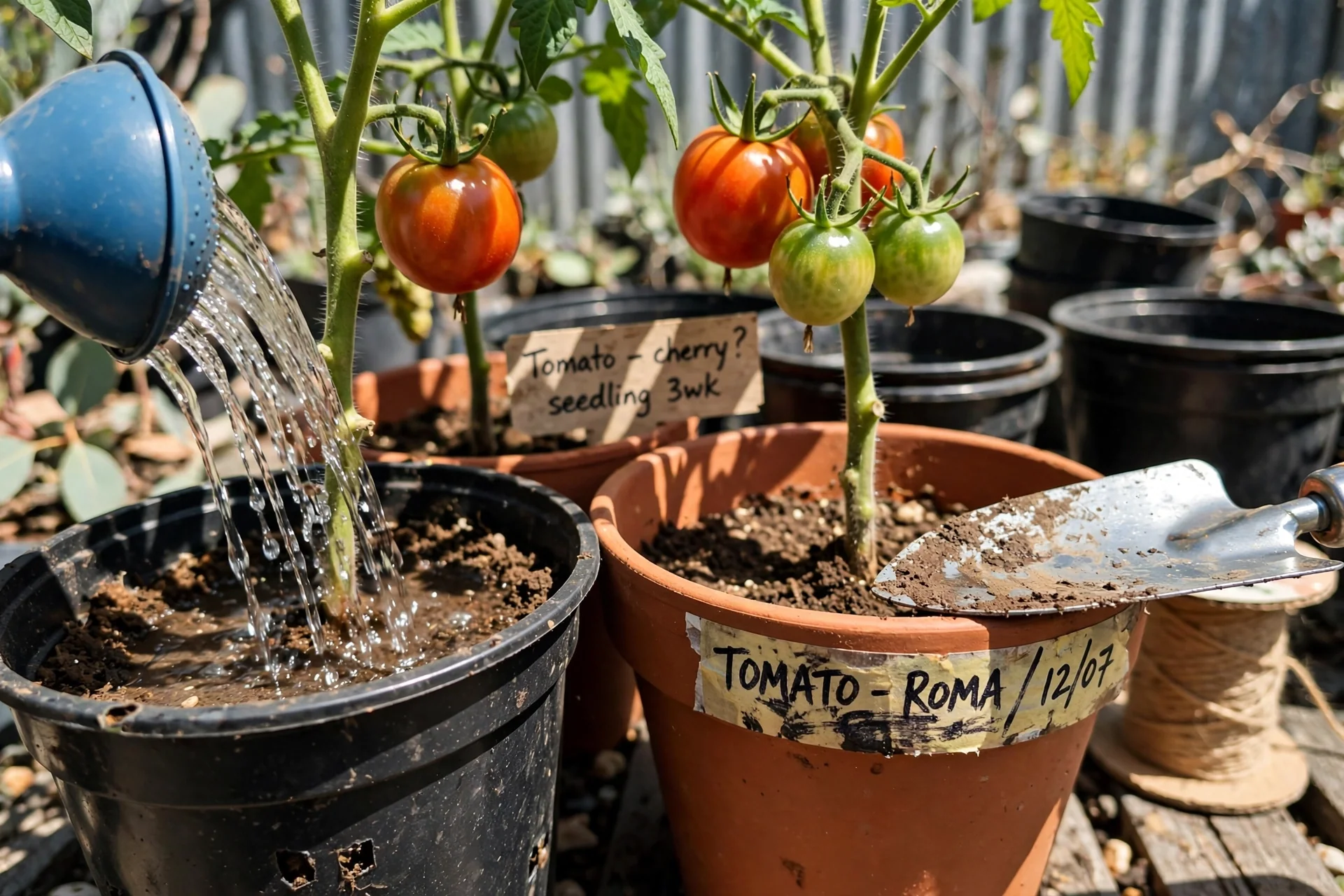
Best for: Branch 3
Arrange containers in clusters of three or five to create micro-zones on patios under 100 square feet. Group by water needs to simplify daily checks.
10-minute workflow: 1. Map patio layout on paper (2 minutes). 2. Place heaviest pots first (3 minutes). 3. Fill and plant remaining spots (3 minutes). 4. Water all containers (2 minutes). For layout examples see small patio garden ideas.
Hanging Basket Strategies for Trailing Plants
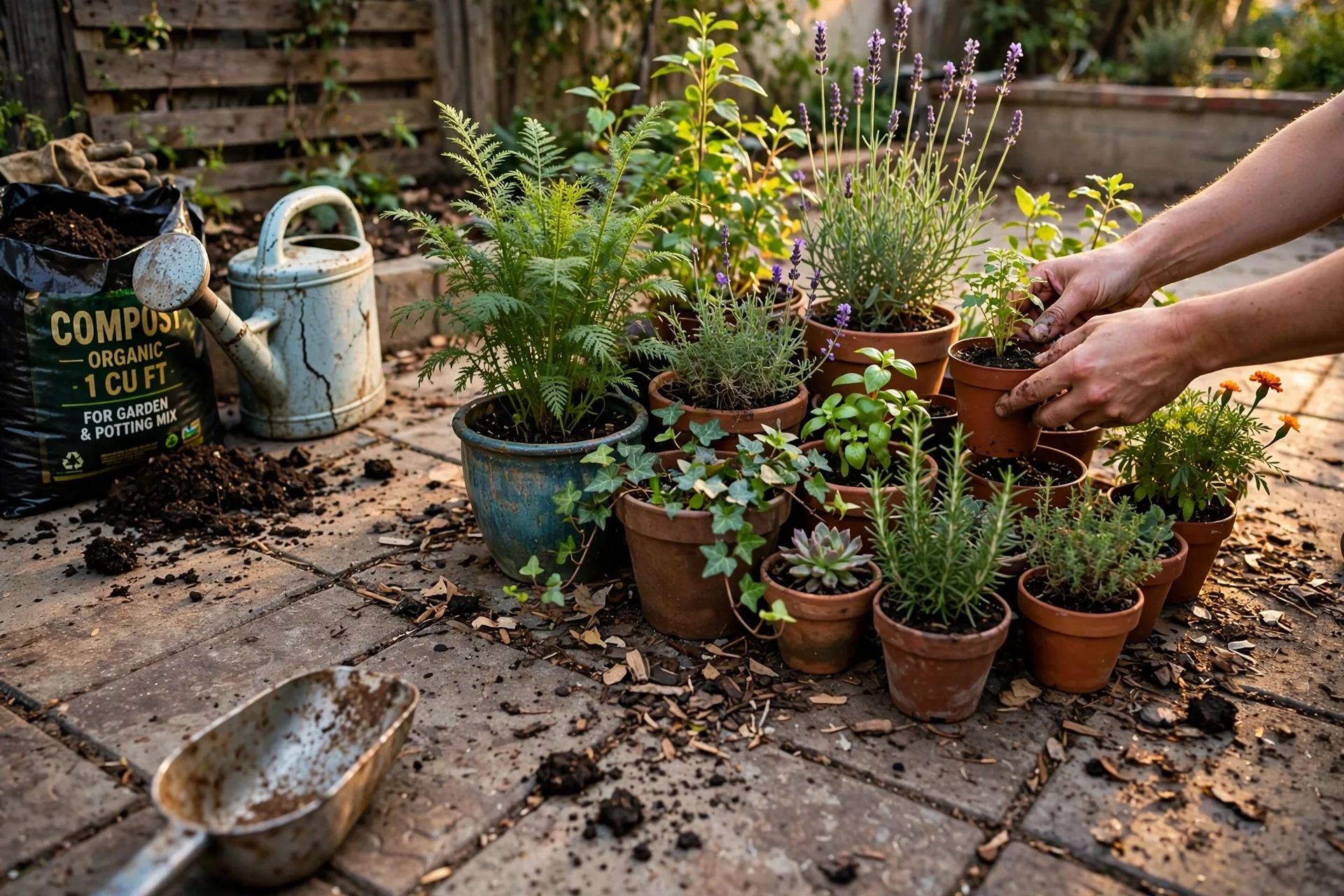
Best for: Branch 1
Use 12-inch minimum baskets with coco liners for strawberries or trailing herbs. Hang at eye level for easy harvest and improved airflow that reduces fungal risk.
Use versus skip: works well in low-sun spots but skip if you cannot reach baskets daily for watering or if wind speeds regularly exceed 10 miles per hour. For more designs explore hanging basket ideas.
Starter Stack (What to Choose First)
For Branch 1 (Low Sun)
Start with Items 3 and 6. The thriller filler spiller technique in a wide pot pairs with shade container combinations to fill space quickly while keeping maintenance under 15 minutes weekly. Estimated cost: 25 to 45 dollars. Time to first harvest or bloom: 4 to 6 weeks.
For Branch 2 (High Sun, Limited Water Access)
Begin with Items 1 and 4. Pair 5-gallon bucket gardens with grow bag systems to cover both above-ground fruiting and below-ground roots. Larger volumes reduce watering frequency to every other day. Estimated cost: 30 to 55 dollars. Time to first harvest: 6 to 8 weeks.
For Branch 3 (Moderate Sun, Daily Access)
Launch with Items 2 and 5. Window box setups for herbs combine with lightweight planters for mobility so you track shifting light patterns. Estimated cost: 20 to 40 dollars. Time to first harvest: 3 to 5 weeks.
When This Won’t Work
Container setups fail when soil volume stays below 3 gallons for any fruiting plant because roots outgrow the space within 30 days and fruit production drops sharply. Another measurable failure occurs when average daytime soil temperature exceeds 90 degrees Fahrenheit for more than five consecutive days without shade cloth or repositioning.
In either case switch to larger volume containers or move the entire setup to a cooler micro-climate. Test soil temperature at 2-inch depth with a simple probe before planting to confirm conditions stay in range.
Choosing the Right Option for Your Situation
Budget Threshold Under 50 Dollars
Focus on Items 2, 3, and 8. These rely on standard window boxes, basic technique layering, and modular patio arrangements that use affordable pots and potting mix without extras.
Time Threshold Under 20 Minutes Weekly
Select Items 1, 4, and 9. Larger volumes and elevated hanging baskets cut daily checks to twice weekly once established.
Technical Constraint: Poor Native Drainage
Choose Items 5 and 7. Lightweight planters and tomato pot setups allow you to control drainage layers and avoid waterlogged native soil entirely.
Yes/No checklist:
Do you have confirmed drainage holes in every container?
Is your chosen pot volume at least 5 gallons for fruiting plants?
Can you check soil moisture at 2-inch depth twice weekly?
Does your light pattern match one decision grid branch?
Expert Q&A
How do I calculate minimum pot volume before buying?
Multiply expected mature plant height in inches by 0.5 to get minimum gallons needed. For example a 24-inch tall tomato needs at least 12 gallons. Always round up to the next standard size to leave buffer for root expansion and moisture stability.
What drainage layer thickness prevents compaction in windy spots?
Use 1 inch of coarse gravel or broken terracotta at the bottom of any pot over 8 inches deep. This creates an air gap that stops fine potting mix from washing into holes during heavy rain or gusts.
Can I reuse last season’s potting mix and when should I refresh it?
Refresh at least 30 percent of the volume with new mix each spring. Test pH after mixing; if outside 6.0 to 7.0 range replace fully to avoid nutrient lockout in the new season.
How does air temperature above 85 degrees Fahrenheit change watering routines?
Check soil moisture daily instead of every other day when daytime highs stay above 85 degrees Fahrenheit. Containers lose water through evaporation roughly twice as fast so top inch dryness appears sooner.
What is the main difference between plastic and terracotta pots for beginners?
Plastic retains moisture longer and weighs less for moving. Terracotta breathes more and cools roots faster but dries out quicker so it suits herbs that prefer drier conditions between waterings.
Conclusion
The decision grid removes the most common beginner error: selecting containers without first measuring sunlight and access frequency. Matching one branch to your conditions plus following the starter stack delivers a functional setup in under one hour.
Your next step: pick the single item that matches your branch and gather materials today. For precise watering schedules review best soil for container gardening.