
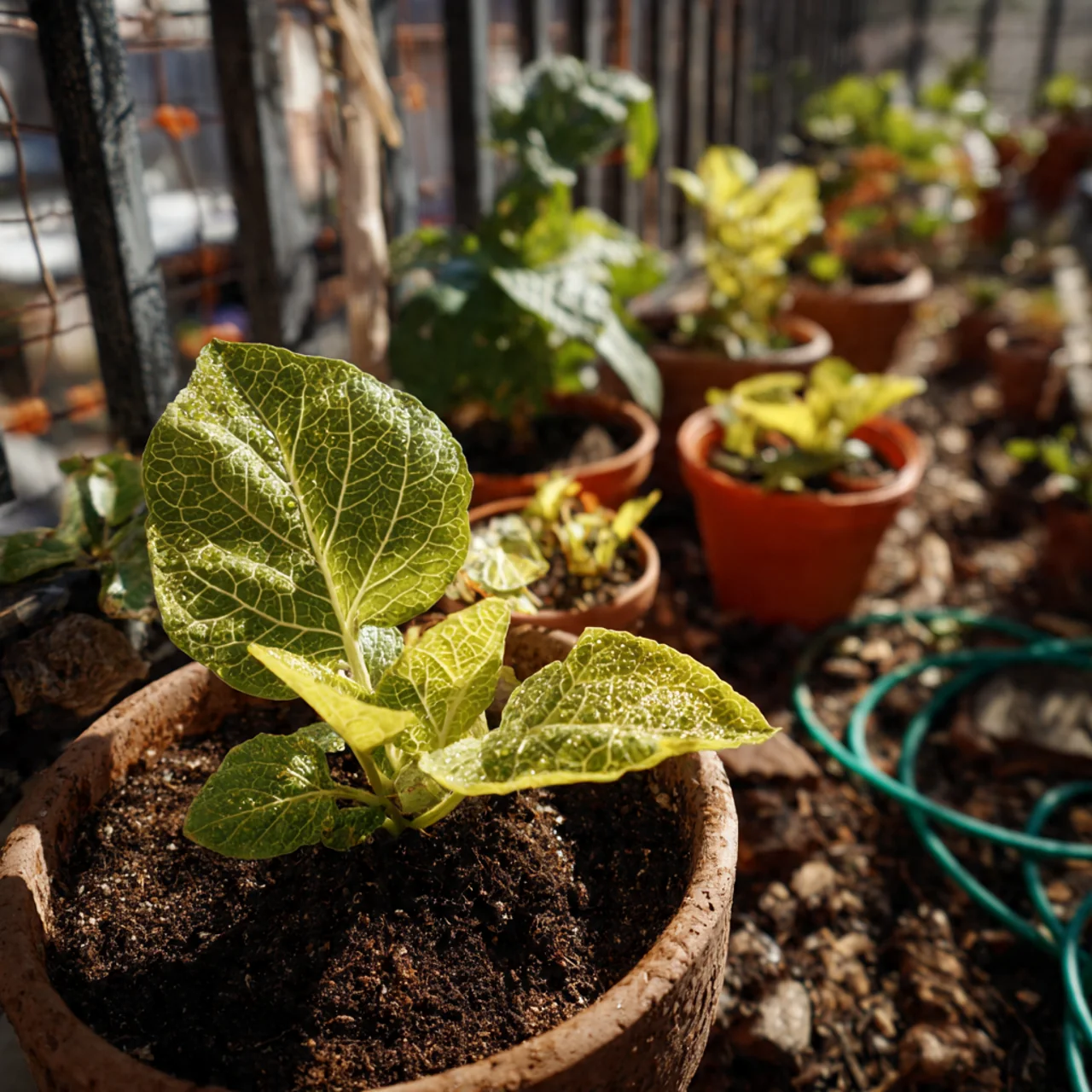
Fall container gardening succeeds when you treat dropping daylight hours, cooler soil temperatures, and increased rainfall as fixed variables rather than obstacles. Most guides list the same mums and kale without matching them to your exact sun exposure, first frost date, or urban space limits. This reframes the season as a strategic pivot: select setups that extend harvests or hold structure through the first hard freeze by aligning with measurable conditions.
This article covers edible crops and ornamental displays suited to containers in urban small spaces. It excludes in-ground beds, summer-only tropicals, and large raised beds. Focus stays on options that fit balconies, patios, or front porches in USDA zones 4 through 9, common across the US, UK, Canada, and Australia.
You will walk away able to choose exactly which two or three setups match your conditions and plant them this week. No more wasted soil or leggy failures from mismatched timing.
Bottom line: Match your site to one of the three branches below and you will have containers that perform reliably through the first hard freeze.
The Yield Grid Decision Grid
Branch 1: Full sun (6+ hours daily) with first frost on or after November 1. Prioritize edible production in larger pots where roots stay active longer in mild cooling. Recommended: Items 1, 5, 6, and 10 below. See the full guide to the best vegetables for containers.
Branch 2: Partial shade (4 hours or less) or first frost before October 15. Focus on foliage and color that tolerate shorter days and earlier cold snaps without bolting. Recommended: Items 2, 3, 8, and 9 below.
Branch 3: Limited space (under 2 square feet per pot) or exposed windy balconies. Choose compact or vertical forms that resist tipping and maximize vertical volume. Recommended: Items 4 and 7 below.
Quick Comparison Table
| Option | Key mechanism | Best for | Decision Grid Branch | Effort Score |
|---|---|---|---|---|
| Kale in Large Pots for Steady Fall Harvests | Dense leaf structure buffers soil temperature swings | Edible production in mild falls | Branch 1 | 2 |
| Pansies for Instant Porch Color | Low-growing habit fills gaps quickly | Fast color in short-season spots | Branch 2 | 1 |
| Shade-Friendly Heuchera Combos That Hold Color | Evergreen foliage maintains texture below 50F | Low-light balconies | Branch 2 | 2 |
| Thriller Filler Spiller Technique Adapted for Fall | Layered heights resist wind while filling space | Wind-exposed patios | Branch 3 | 3 |
| Cut-and-Come-Again Lettuce in Window Boxes | Succession harvesting from outer leaves | Repeated small harvests | Branch 1 | 2 |
| Grow Bags for Quick Root Vegetable Rotations | Breathable fabric speeds drainage in wet falls | Carrots and radishes in tight timelines | Branch 1 | 1 |
| Trellis-Supported Peas in Compact Spaces | Vertical growth uses air space instead of floor area | Small balconies needing height | Branch 3 | 3 |
| Overwintering Chives and Herbs | Clumping habit tolerates light frost without protection | Year-round flavor on sheltered porches | Branch 2 | 2 |
| Herb Tower for Multi-Level Fall Flavor | Stacked tiers increase harvest surface in one footprint | Flavor variety in limited square footage | Branch 2 | 3 |
| Strawberries in Pots for Late Fall and Spring Bridge | Runner suppression keeps plants compact through winter | Multi-season edible anchor | Branch 1 | 2 |
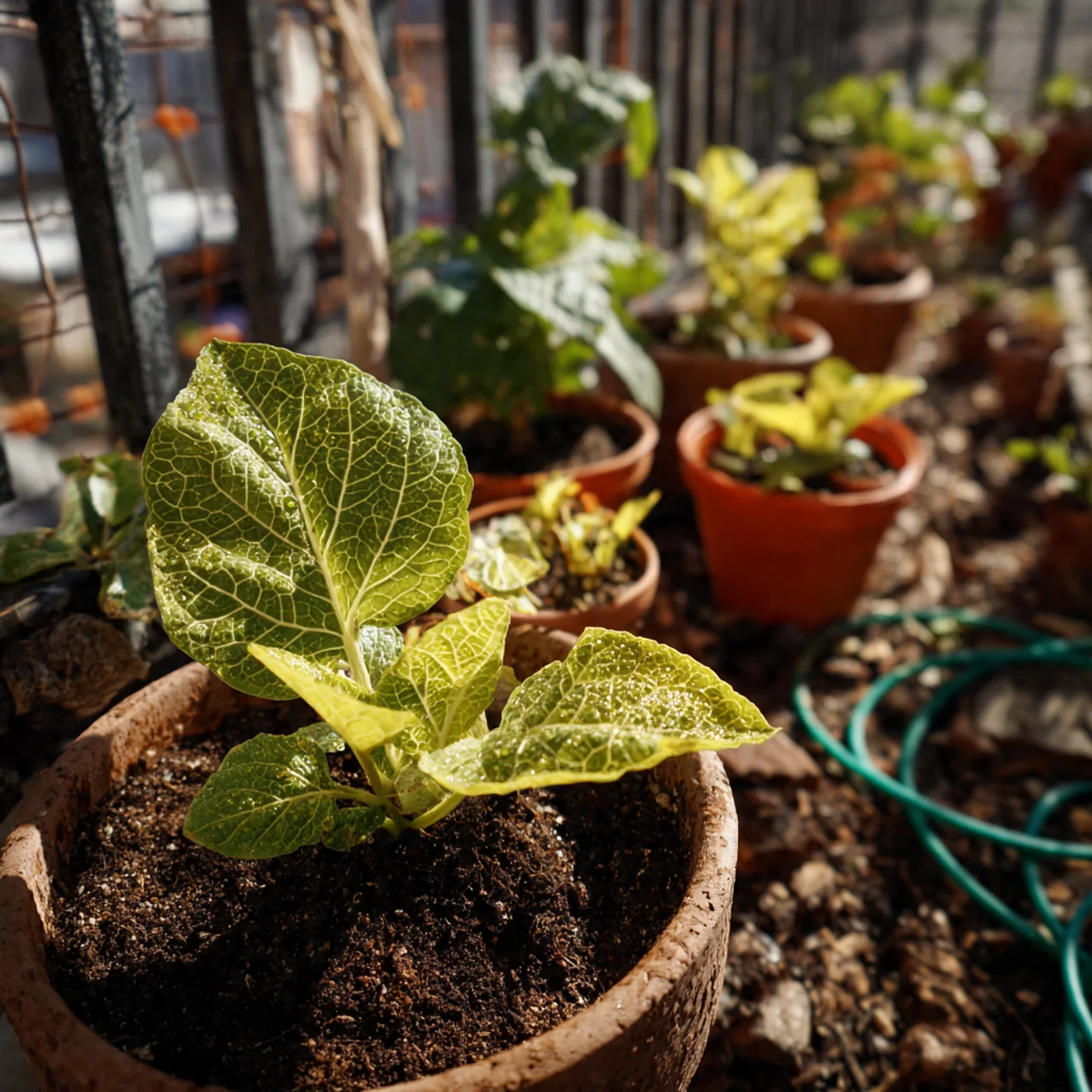
Kale in Large Pots for Steady Fall Harvests
Best for: Branch 1
Use 5-gallon or larger pots with drainage holes. Fill with a 50:50 mix of potting soil and compost. Plant kale seedlings when soil temperature holds above 45F, typically 6 weeks before your first expected frost. Space plants 12 inches apart. The dense foliage acts as a natural mulch layer that buffers root-zone temperature drops. Harvest outer leaves when they reach 6 inches long, leaving the central crown intact for continued growth. In windy urban spots elevate pots on bricks to improve air flow and reduce soil compaction. Avoid overhead watering once temperatures dip below 50F to limit fungal risk on wet leaves. This setup extends harvests into early winter in mild-fall regions without additional inputs after planting.
Pansies for Instant Porch Color
Best for: Branch 2
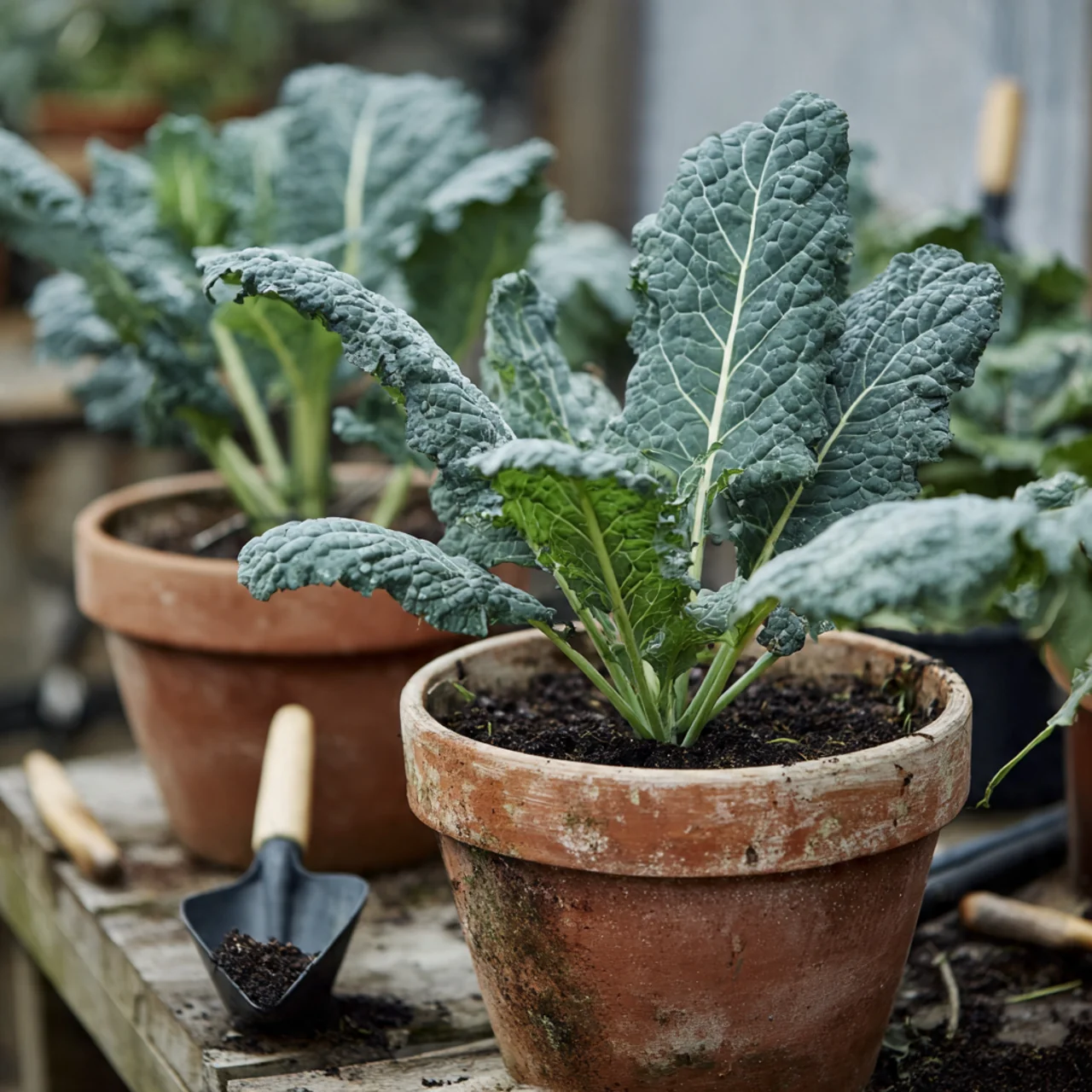
Pansies deliver reliable color with almost no follow-up care. Skip if your site receives under 3 hours of direct sun or stays waterlogged after rain; they stretch and rot quickly in those conditions. Plant in 8- to 12-inch pots using standard potting mix. Set transplants 6 inches apart. They tolerate light frost down to 25F once established. Use versus skip when you need instant impact before a short-season freeze arrives.
Shade-Friendly Heuchera Combos That Hold Color
Best for: Branch 2
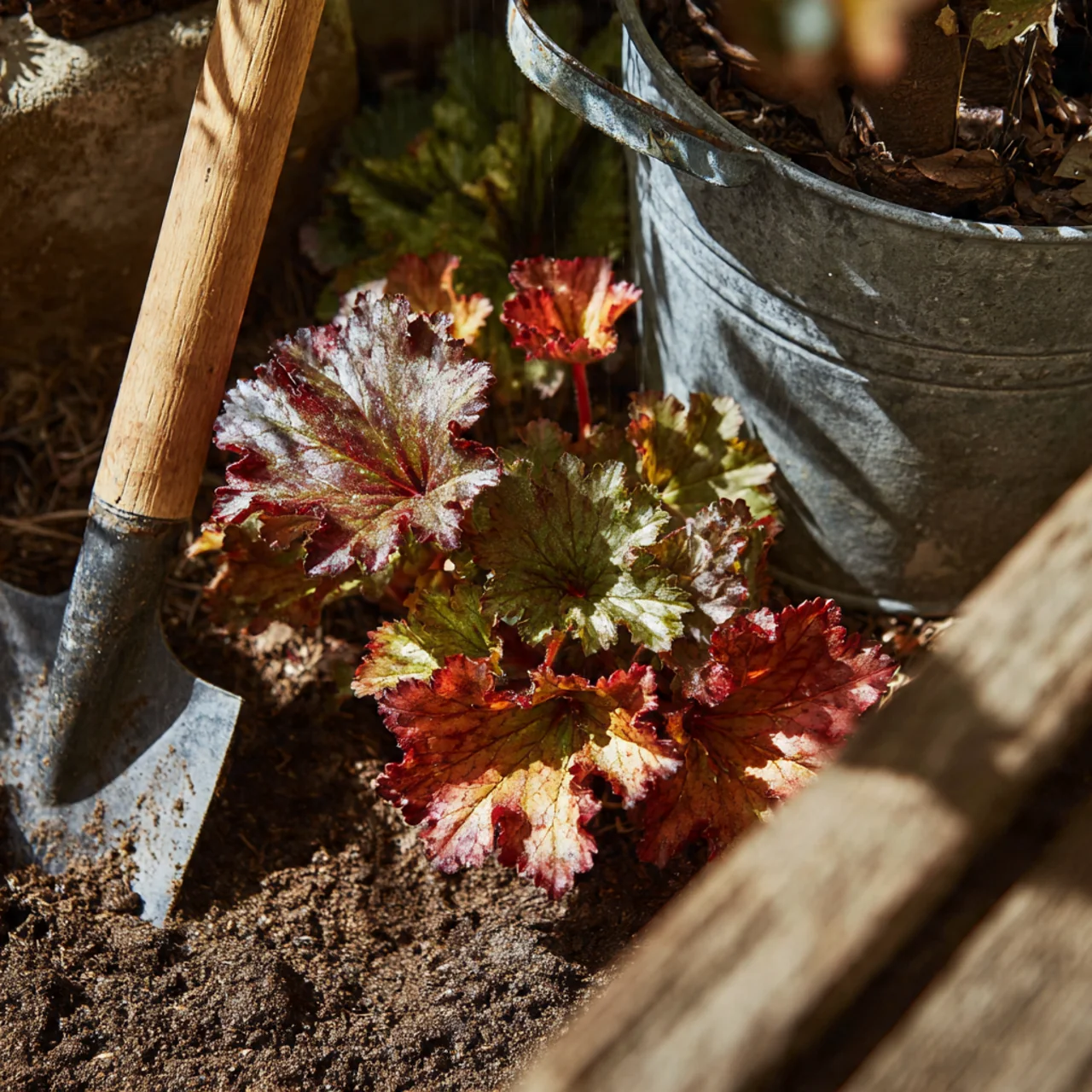
Heuchera foliage stays evergreen through fall in low light. Threshold rule: plant only when daytime highs stay below 75F and soil pH reads 6.0 to 7.0. Pair one Heuchera with two trailing vinca or sweet alyssum in a 10-inch pot. Water when the top inch of soil feels dry. The combo holds color and texture even when daylight drops under 10 hours. Adjust spacing to 8 inches if wind exposure exceeds 15 mph average.
Thriller Filler Spiller Technique Adapted for Fall
Best for: Branch 3
Start with a tall central thriller such as ornamental grass or kale, surround with filler plants like pansies or cabbage, then add trailing spillers such as ivy or sweet potato vine. Choose a wide, heavy pot at least 14 inches across to counter wind. Plant when soil is above 50F. The layered structure keeps the container stable and visually full even as temperatures fall. Test pot weight after watering; if it tips easily, add gravel to the base before soil. This method works in exposed urban balconies where single-plant pots fail.
Cut-and-Come-Again Lettuce in Window Boxes
Best for: Branch 1
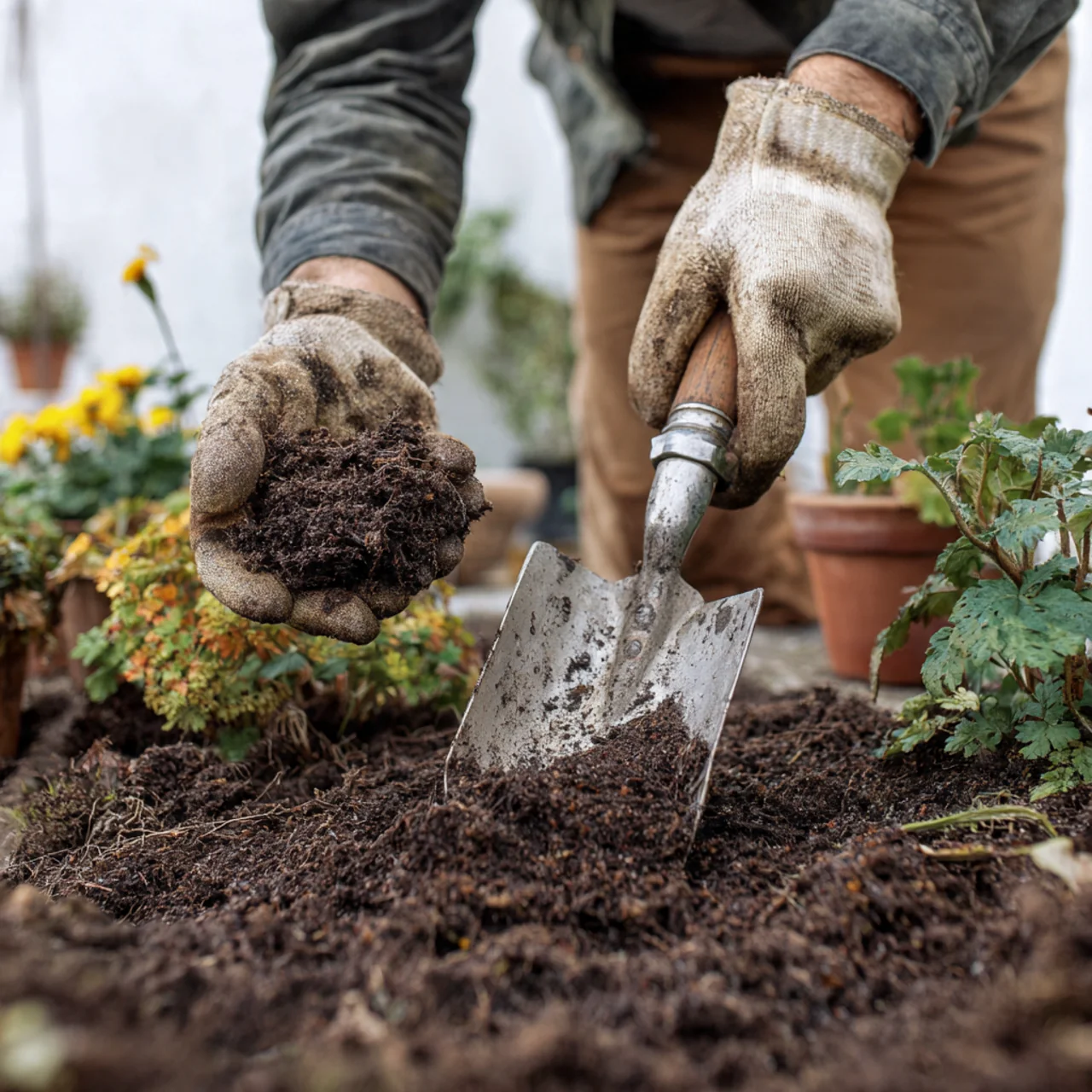
Plant lettuce seeds or transplants 4 inches apart in window boxes at least 6 inches deep. Harvest outer leaves every 7 to 10 days once plants reach 4 inches tall. The method keeps production going as long as soil stays above 40F.
Grow Bags for Quick Root Vegetable Rotations
Best for: Branch 1
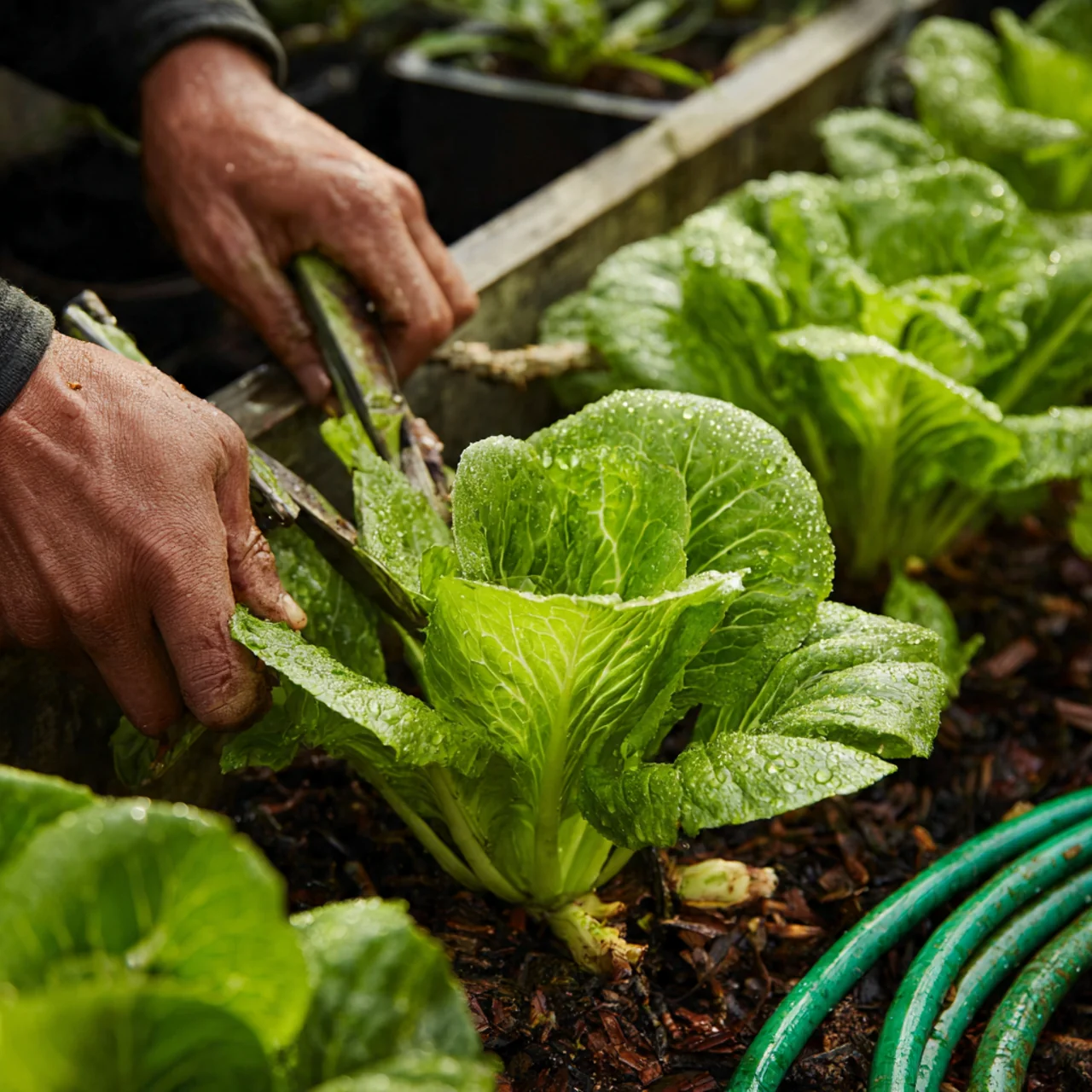
Grow bags drain faster than plastic pots during fall rains. Fill 10-gallon bags with loose potting mix and sow radish or carrot seeds directly when soil temperature exceeds 45F. Thin to 2 inches apart for radishes and 3 inches for carrots. Harvest at 30 days for radishes or 50 days for baby carrots. The fabric sides allow easy root inspection without disturbing the plant. Rotate to a fresh bag for the next sowing to avoid soil-borne issues in repeated use.
Trellis-Supported Peas in Compact Spaces
Best for: Branch 3
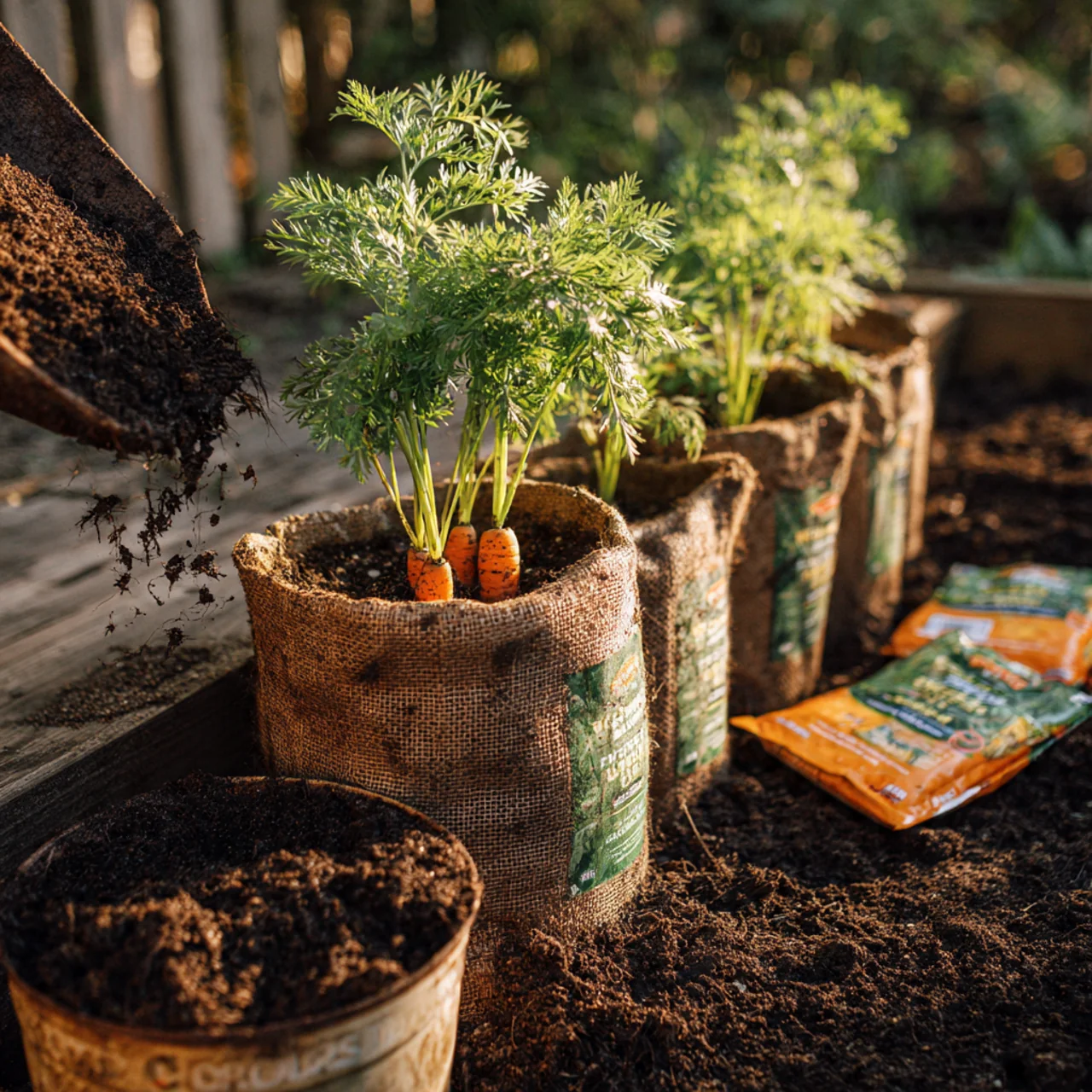
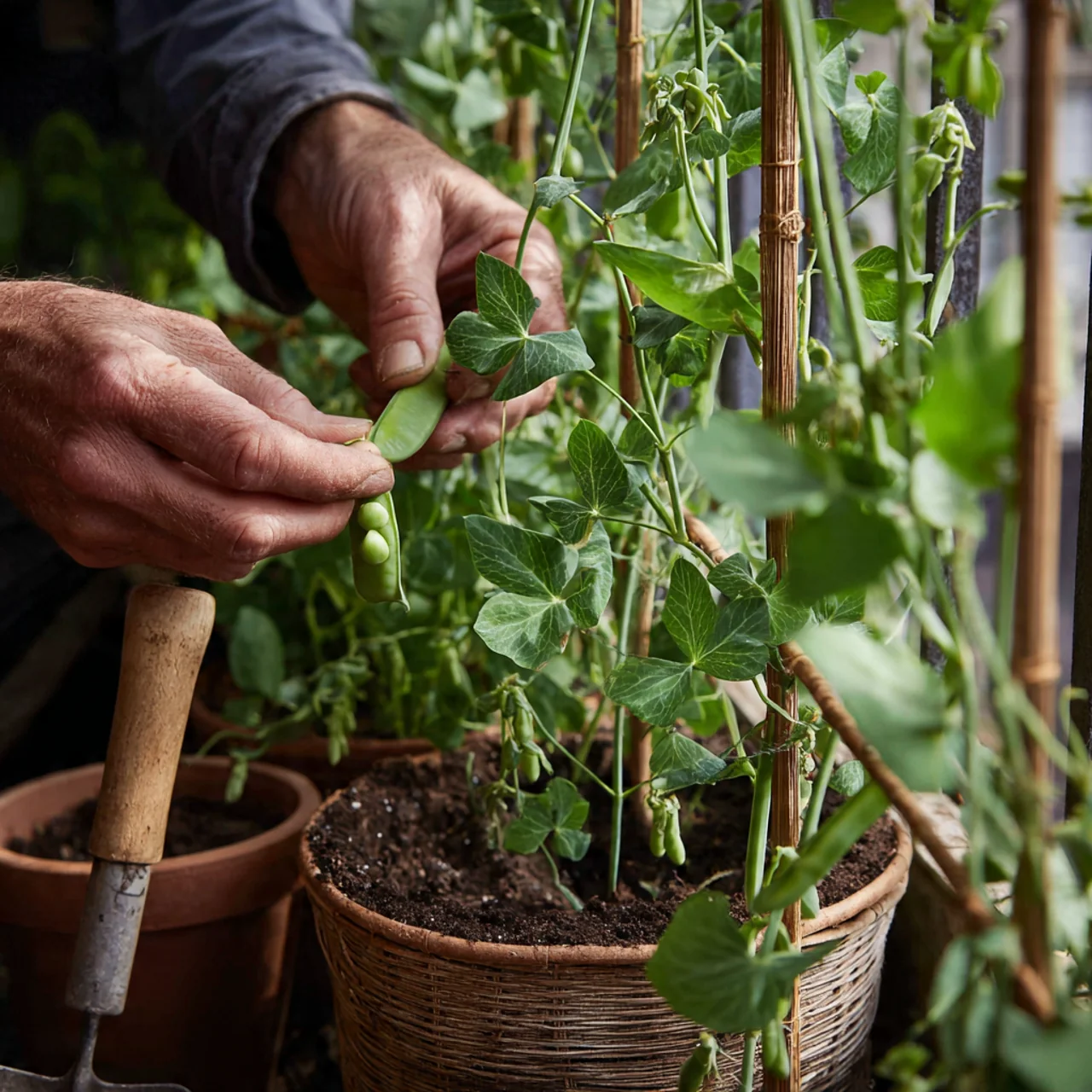
Peas climb 3 to 4 feet on a lightweight trellis inserted into a 5-gallon pot. Sow seeds 1 inch deep and 2 inches apart when soil reaches 45F. The vertical habit uses air space instead of floor area on windy balconies. Support stems gently with twine once they reach 6 inches. Harvest pods when they snap easily. This keeps production going in sites where ground space is under 2 square feet per container.
Overwintering Chives and Herbs
Best for: Branch 2
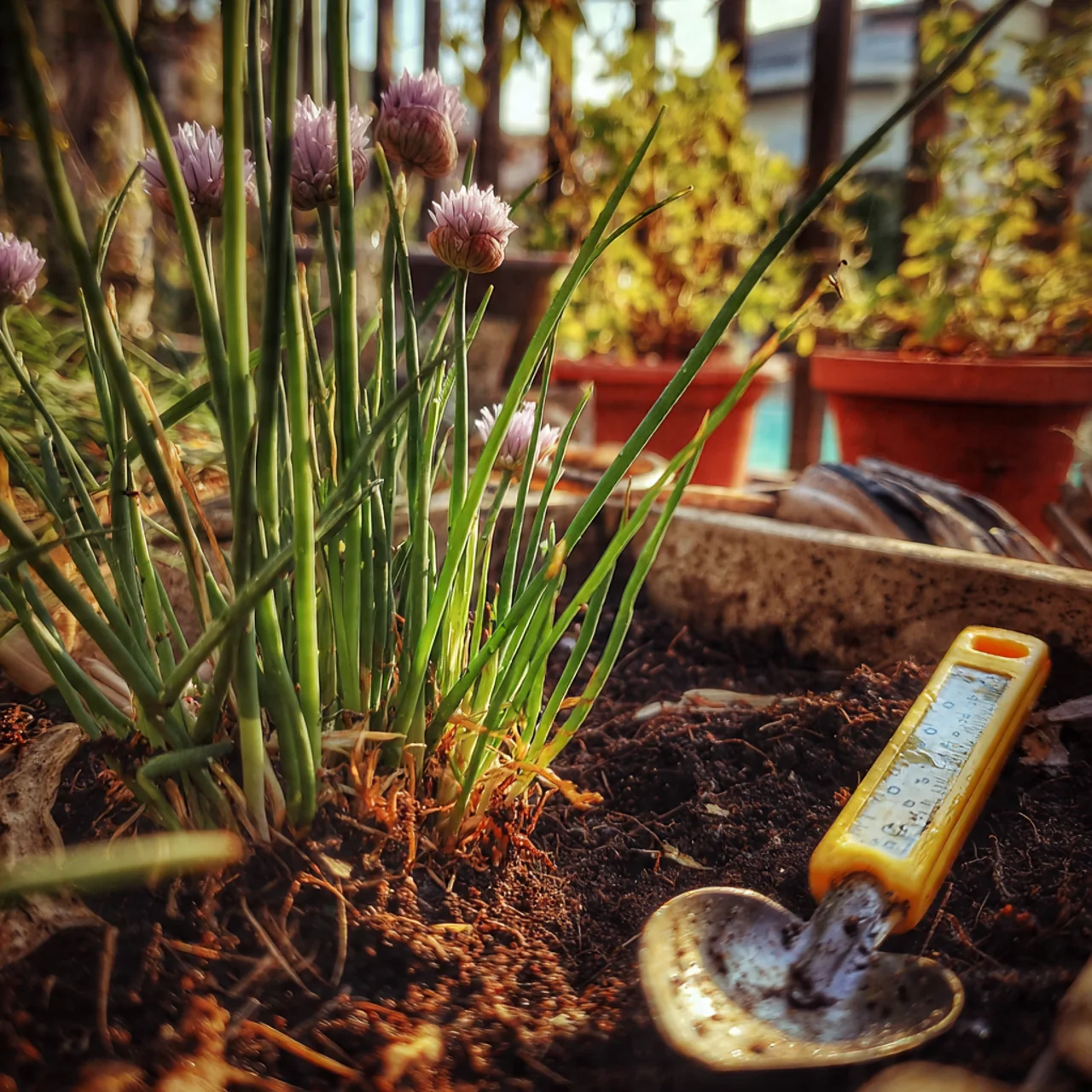
Chives and thyme form tight clumps that survive light frost down to 20F once hardened. Plant in 8-inch pots with standard mix. Cut stems back to 2 inches above soil in late fall for denser spring growth. The low maintenance suits sheltered porches where full-sun edibles struggle.
Herb Tower for Multi-Level Fall Flavor
Best for: Branch 2
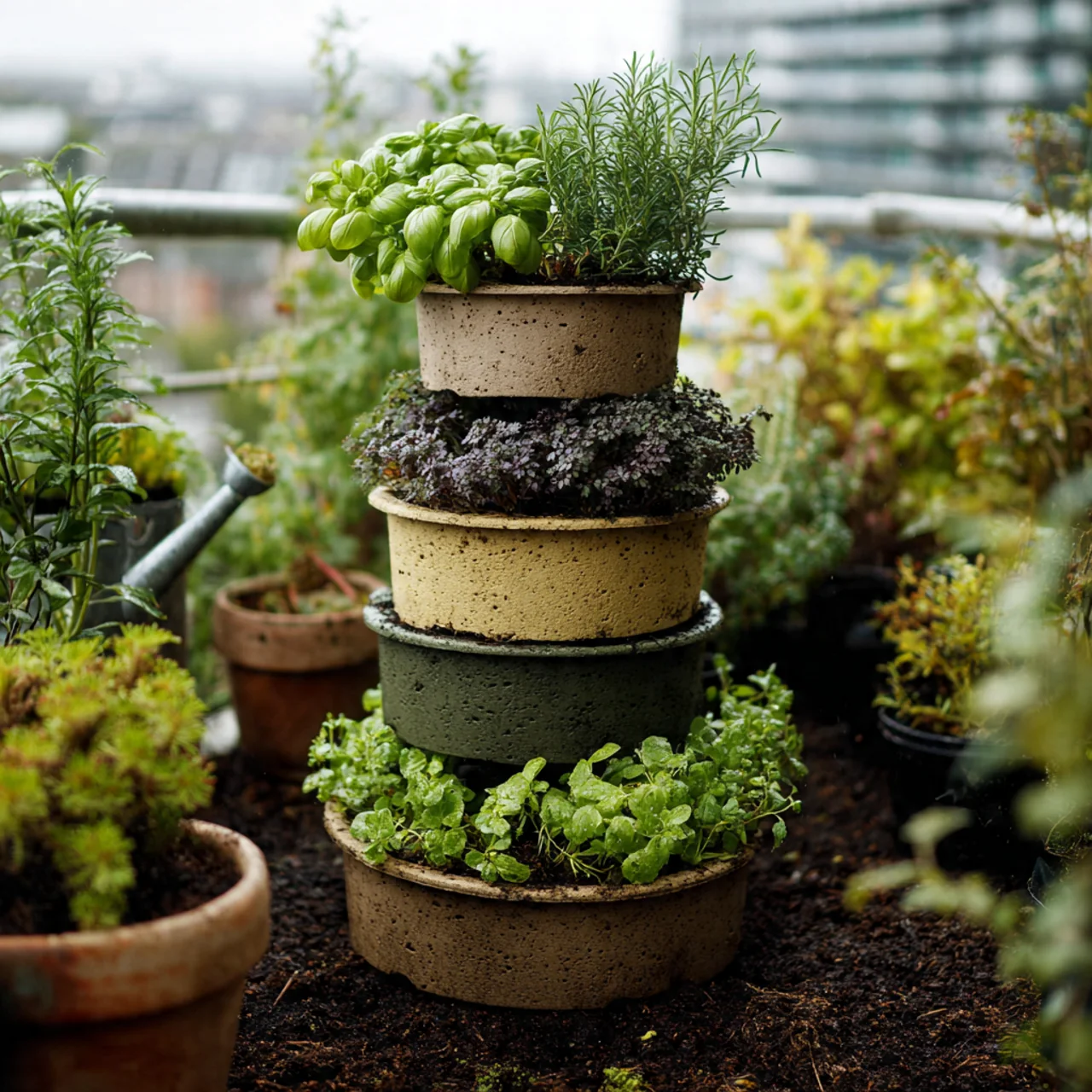
Stack three 8-inch pots in a vertical tower. Plant basil or parsley on lower levels and thyme or oregano on top. Water from the top so excess drains through all tiers. The design delivers multiple harvests from one square foot while keeping foliage dry and less prone to mildew in cool, damp air.
Strawberries in Pots for Late Fall and Spring Bridge
Best for: Branch 1
Use 12-inch pots and plant bare-root strawberries in early fall when soil stays above 50F. Pinch off runners to keep energy in the crown. The plants produce a small late-fall flush then go dormant and resume in spring. Mulch the surface with 1 inch of compost after the first hard frost to insulate roots. This creates a multi-season edible anchor that reuses the same container year after year without soil replacement.
Starter Stack (What to Choose First)
Branch 1 Starter Stack
Begin with Item 1 (Kale in Large Pots) plus Item 6 (Grow Bags for Quick Root Vegetable Rotations). The kale provides ongoing leaf harvest while the grow bags deliver fast radish or carrot crops in the same timeframe. Setup takes 20 to 40 minutes and uses under 30 dollars in materials.
Branch 2 Starter Stack
Start with Item 3 (Shade-Friendly Heuchera Combos) plus Item 9 (Herb Tower for Multi-Level Fall Flavor). The Heuchera supplies evergreen structure while the tower adds harvestable flavor from the same footprint. Total setup time stays under 25 minutes with material costs between 15 and 35 dollars.
Branch 3 Starter Stack
Pair Item 4 (Thriller Filler Spiller Technique Adapted for Fall) with Item 7 (Trellis-Supported Peas in Compact Spaces). The layered design anchors against wind while the trellis uses vertical space efficiently. Expect 30 to 45 minutes setup time and 20 to 45 dollars in materials.
When This Won’t Work
Container gardening fall fails when soil stays saturated for more than 48 hours after rain and drainage holes are absent or blocked. Roots rot quickly below 40F in waterlogged mix. The fix is to elevate every pot on bricks or feet and add a 1-inch layer of gravel at the base before planting.
It also fails when night temperatures drop below 25F for more than three consecutive nights without any cover. Tender transplants collapse. Move pots against a south-facing wall or use a single layer of frost cloth draped loosely at dusk and removed at dawn.
Check the best soil for container gardening before filling pots to avoid these measurable failure points.
Choosing the Right Option for Your Situation
Effort Threshold
If your schedule allows only one planting session per season, limit choices to options with Effort Score 1 or 2. These require no weekly adjustments after the initial setup.
Time Threshold
When total setup time must stay under 30 minutes, select window-box or grow-bag items. Larger pots or trellis assemblies take 40 minutes or more.
Space Constraint
For balconies under 10 square feet total, restrict to vertical towers or trellis-supported setups. Standard 12-inch pots consume floor space that vertical forms avoid.
Yes/No Checklist
Does your site get 6+ hours sun and frost after November 1? Yes → Branch 1.
Is light under 4 hours or frost before October 15? Yes → Branch 2.
Is floor space per pot under 2 square feet or wind above 15 mph? Yes → Branch 3.
All answers match one branch? Proceed with the Starter Stack for that branch.
Expert Q&A
How late can I plant in fall containers without losing the crop?
Plant leafy crops up to 4 weeks before your average first frost date and root crops up to 6 weeks before. Soil temperature must remain above 40F for germination. After that window, switch to established transplants rather than seed.
Do I need to change potting mix every fall or can I reuse it?
Reuse mix from the previous season if you remove old roots and top-dress with 1 inch of fresh compost. Test drainage by watering a sample pot; if water pools on the surface after 30 minutes, replace the mix entirely.
What is the lowest temperature container plants survive without moving indoors?
Most cool-season edibles and ornamentals listed here tolerate single nights down to 20F once hardened. Below that, add frost cloth or move pots to a protected spot for the duration of the cold snap.
Can fall containers double as spring setups without extra work?
Yes when you choose perennials or overwintering types such as strawberries, chives, or Heuchera. Leave the same soil and pot in place, top-dress with compost in early spring, and resume growth without repotting.
How do shorter daylight hours affect watering needs in fall?
Plants use less water once daylight drops below 10 hours. Check soil moisture every 4 days instead of daily. Water only when the top 2 inches feel dry to avoid over-saturation in cooler air.
Conclusion
The key decision is matching your exact fall conditions to one branch rather than copying generic plant lists. The single biggest mistake is ignoring drainage when rain increases; it leads to root failure faster than cold alone.
Pick your branch, grab the two Starter Stack items, and plant this week. Expand next with vertical container garden ideas once the first setups are in place.