
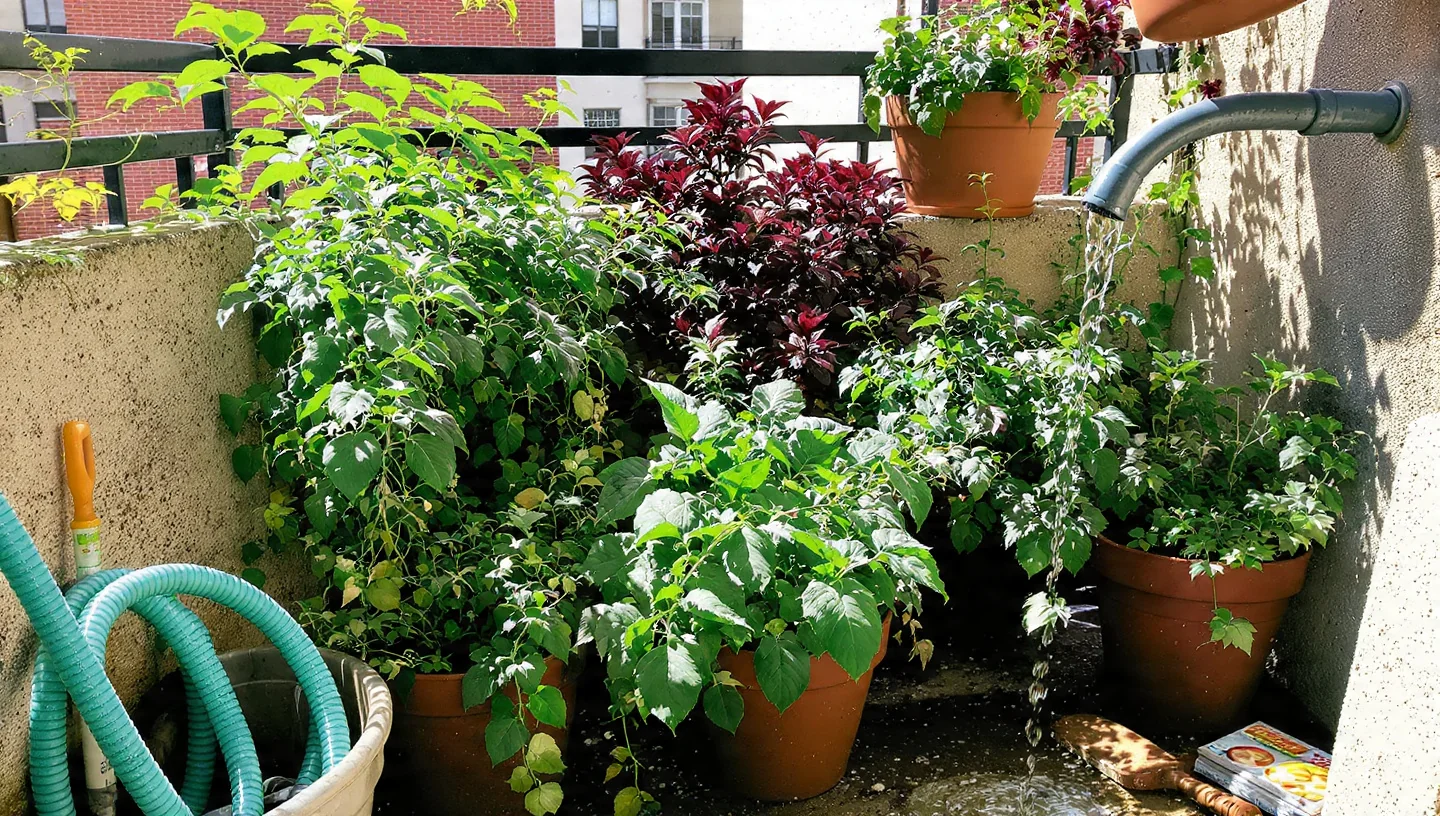
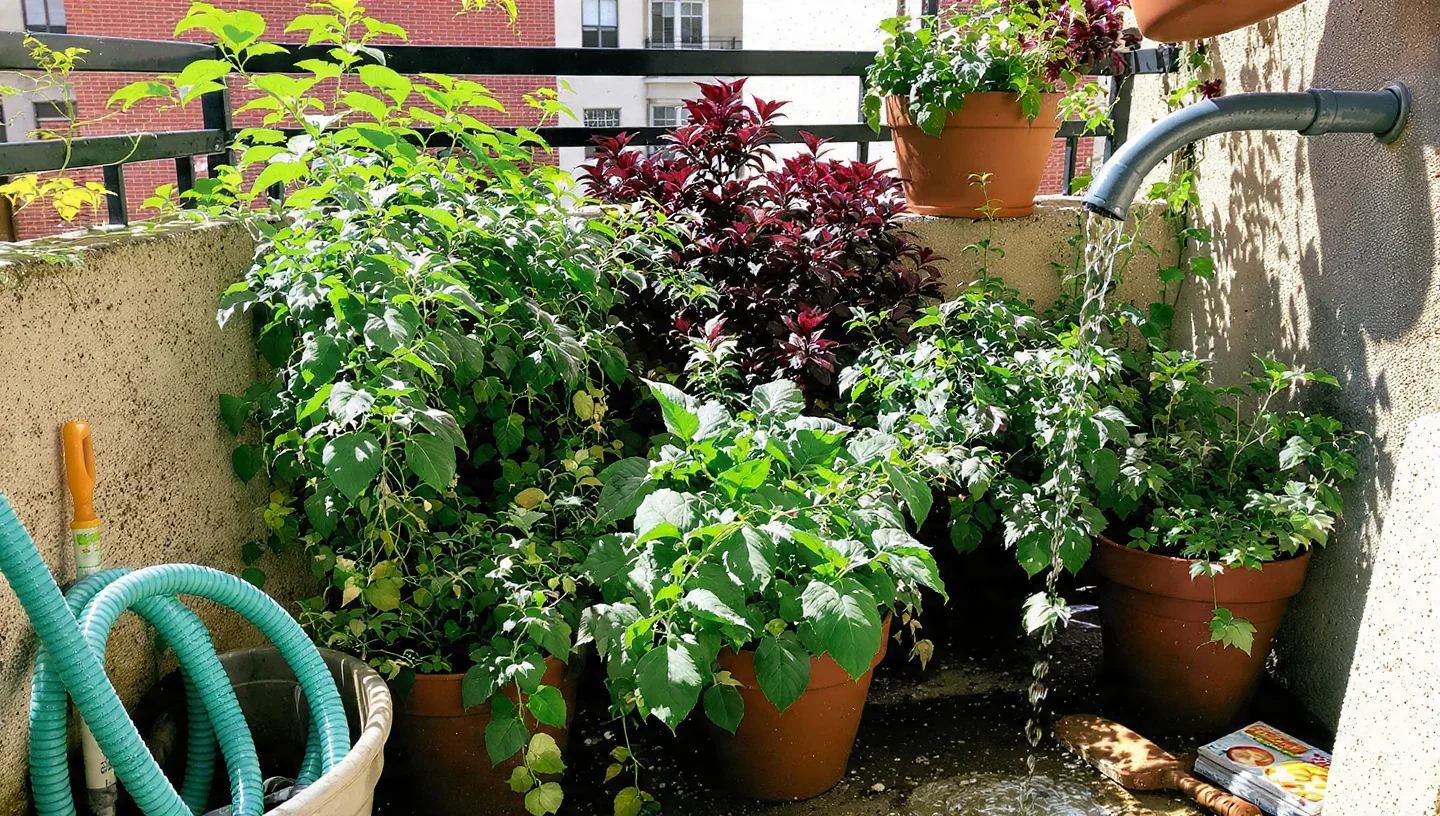
The best vegetables for containers succeed when their root systems, light needs, and growth habits align precisely with your balcony or patio conditions rather than following generic popularity rankings. Urban small space growers often see failures because popular lists ignore measurable factors like hours of direct sun or minimum pot depth. This reframing turns container selection into a targeted decision instead of trial and error.
This guide covers 10 vegetables optimized for pots in urban settings across the US, UK, Canada, Australia, India, and Germany where container gardening searches peak. It excludes large sprawlers such as pumpkins or full size corn that demand in ground beds or extensive infrastructure. Focus stays on edibles that deliver harvests in containers of 5 gallons or larger.
You gain a repeatable framework to evaluate your space, select starters that fit, and combine them for better use of limited area. The structure highlights edge cases such as wind exposure or temperature swings that standard advice skips.
Bottom line: Use the decision grid below to pick vegetables that fit your exact conditions instead of forcing popular choices into mismatched pots.
The Yield Grid Decision Grid
Branch 1: Full sun exposure of 6 or more hours direct daily and pots 12 inches deep or more. These conditions support fruiting crops that need strong light and room for root expansion to set and ripen reliably. Recommended: Items 1, 4, and 9 below. For step by step setup see our container gardening for beginners guide.
Branch 2: Partial sun of 4 to 6 hours direct or pots 8 to 12 inches deep. These setups favor fast cycling leafy and root crops that tolerate less intense light and require less volume for quick harvests. Recommended: Items 2, 3, 5, and 6 below.
Branch 3: Available vertical space for trellising or railing support regardless of floor footprint. These options maximize production by training upward and work across light levels when paired with sturdy supports. Recommended: Items 7, 8, and 10 below.
Quick Comparison Table
| Option | Key mechanism | Best for | Decision Grid Branch | Effort Score |
|---|---|---|---|---|
| Tomatoes | Determinate bush habit confines growth to pot size | High volume fruit in full sun | Branch 1 | 4 |
| Lettuce | Shallow root system allows dense planting | Quick leafy harvests in limited light | Branch 2 | 2 |
| Radishes | Short 25 to 30 day maturity cycle | Fast turnaround in shallow pots | Branch 2 | 1 |
| Peppers | Compact upright structure needs no staking | Steady fruit production with moderate care | Branch 1 | 3 |
| Carrots | Long taproot fills vertical space efficiently | Root crops in narrow deep containers | Branch 2 | 3 |
| Spinach | Cool season tolerance and cut and come again leaves | Repeated harvests in partial sun | Branch 2 | 2 |
| Bush Beans | Self supporting bush form with nitrogen fixation | Protein rich pods without trellis | Branch 3 | 2 |
| Peas | Tendril climbing habit uses vertical supports | Early season production on rails | Branch 3 | 3 |
| Zucchini | Bush variety produces multiple fruits per plant | High output in larger pots | Branch 1 | 4 |
| Cucumbers | Vining growth trained upward saves floor space | Continuous slicing harvest with support | Branch 3 | 4 |
Tomatoes
Best for: Branch 1
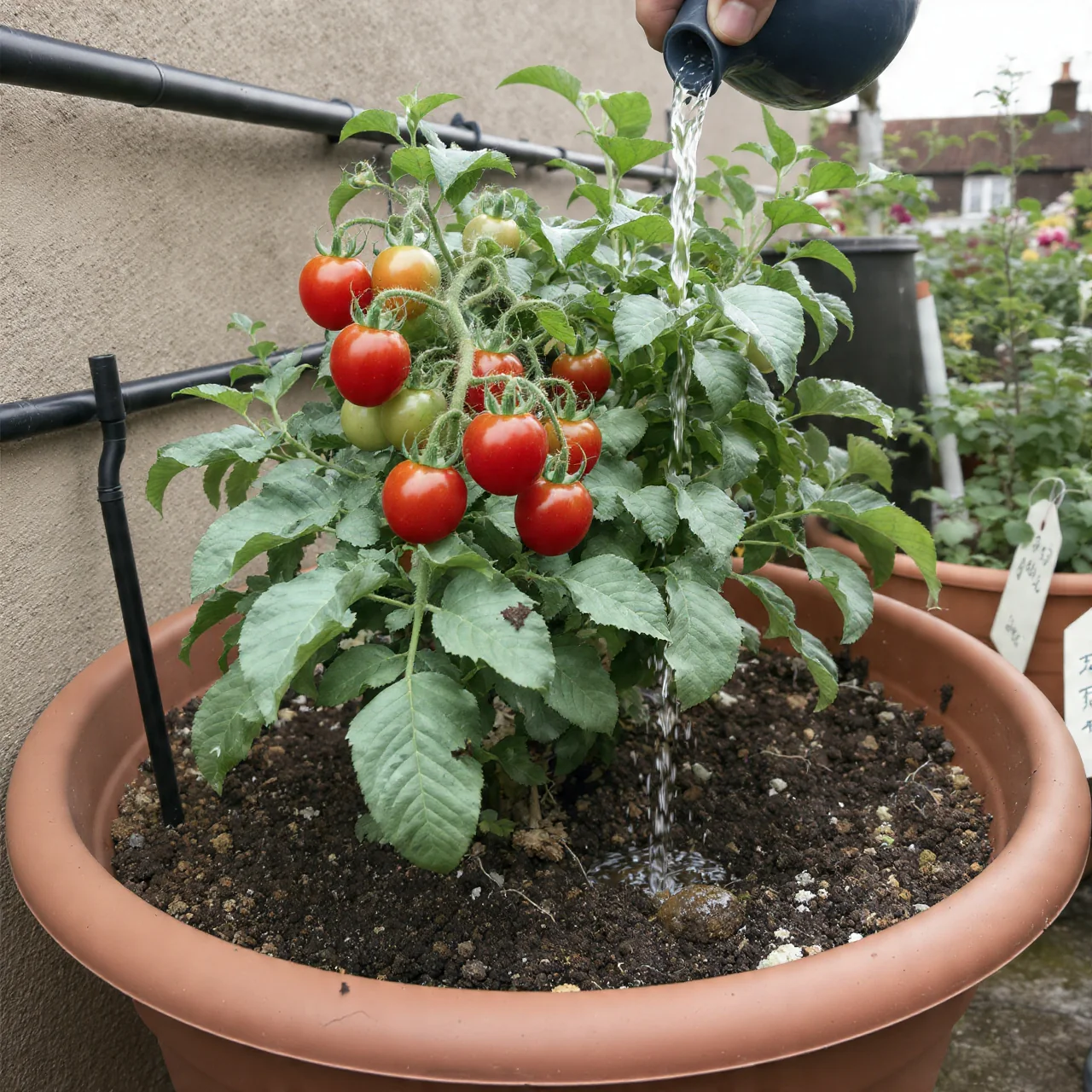
Tomatoes use determinate bush varieties to stay compact within pot boundaries while delivering steady fruit sets. They require full sun of 6 or more hours and pots at least 12 inches deep and wide to support root mass and prevent blossom end rot from uneven moisture. Start with a 5 gallon minimum container filled with well draining mix amended at planting time.
Steps: Choose a determinate variety suited to containers, transplant after last frost when soil reaches 60 degrees Fahrenheit, and maintain consistent soil moisture by checking the top inch daily in heat. A common mistake is allowing soil to dry completely between waterings which cracks fruit skins. For detailed variety selection and troubleshooting see growing tomatoes in pots.
Edge case: In windy urban balconies add a low cage at transplant to avoid stem breakage without restricting air flow. This blueprint keeps yields reliable when matched to the grid rather than forcing indeterminate types that outgrow small spaces.
Lettuce
Best for: Branch 2
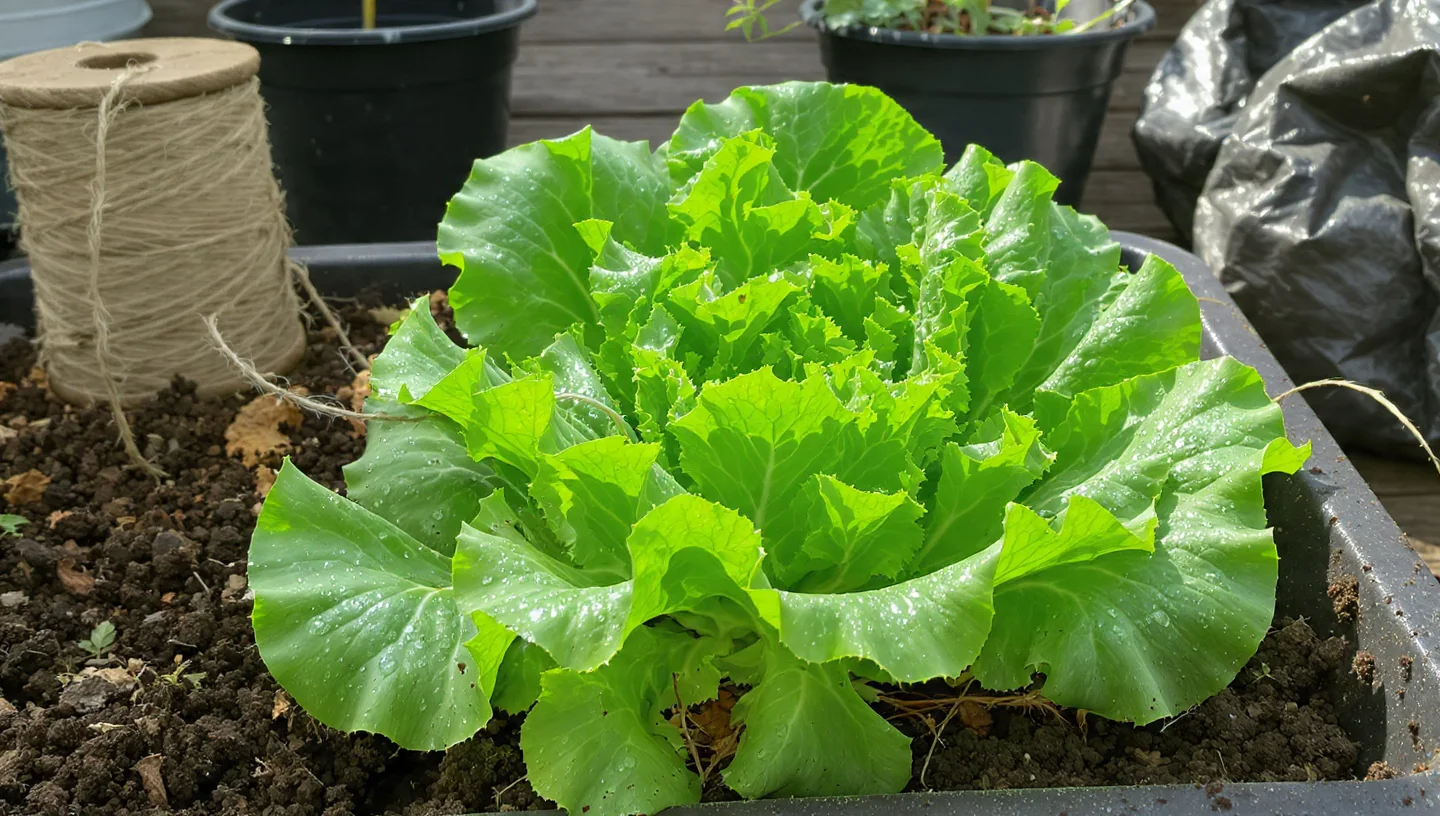
Use lettuce when you want quick harvests from partial sun or smaller pots. Skip it in full blast afternoon heat above 80 degrees Fahrenheit where bolting happens fast. It pairs well with radishes for staggered cutting in the same container.
Radishes
Best for: Branch 2
Radishes follow a simple threshold rule: plant only when soil stays below 70 degrees Fahrenheit and pots hold at least 6 inches depth. Harvest at 1 inch diameter to avoid woody texture. Adjust planting dates by 2 weeks in warmer zones to keep cycles under 30 days. This keeps production steady without extra inputs.
Peppers
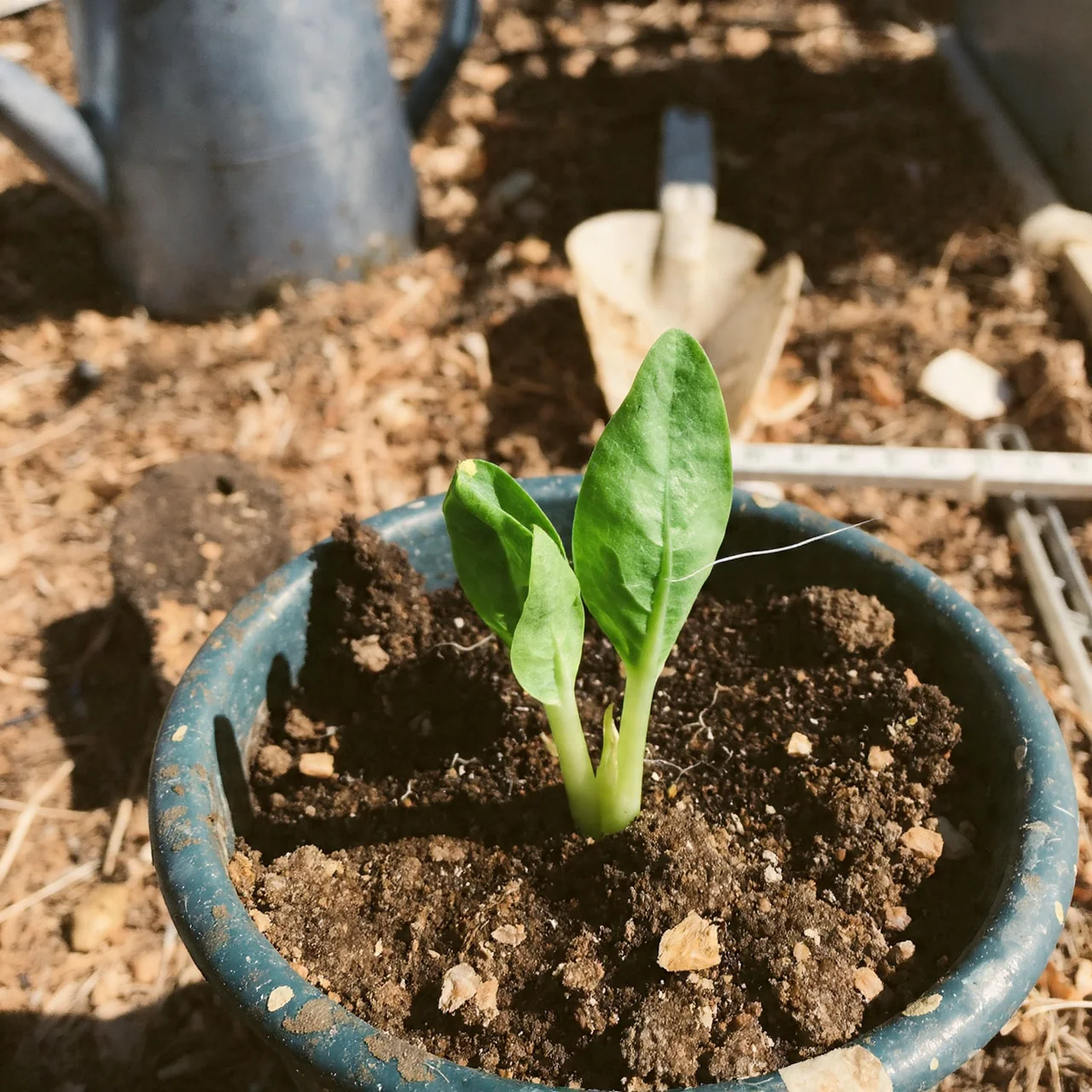
Best for: Branch 1
Peppers fit the 10 minute workflow model for Branch 1 setups. Week 1: select compact varieties and fill 12 inch pots with potting mix. Week 2: transplant seedlings after hardening off and add a slow release fertilizer at label rate. Monthly: check soil moisture at 2 inches depth and water deeply when dry. Upgrade option: add a tomato cage for heavy fruit loads in wind. This routine prevents common issues such as flower drop from temperature swings above 90 degrees or below 55 degrees at night.
Edge case in urban heat islands: move pots to afternoon shade once fruit sets to extend production into late summer.
Carrots
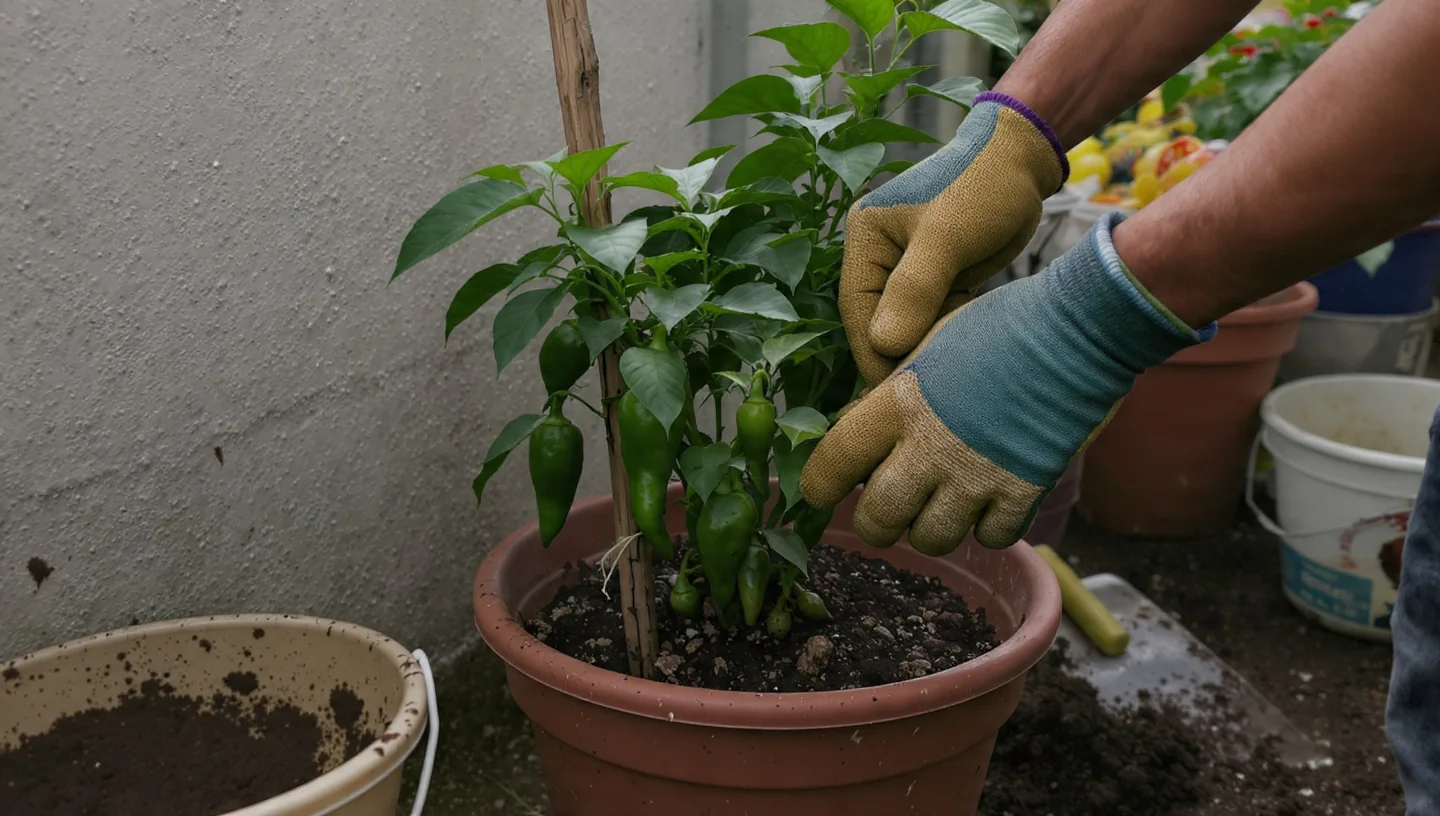
Best for: Branch 2
Carrots need loose soil free of rocks to develop straight roots in 8 to 12 inch deep pots. Direct sow seeds 1/4 inch deep and thin to 2 inches apart once seedlings reach 1 inch tall. Keep soil evenly moist until germination which takes 10 to 14 days at 50 to 70 degrees Fahrenheit. For full details on soil prep and spacing see growing carrots in containers.
Spinach
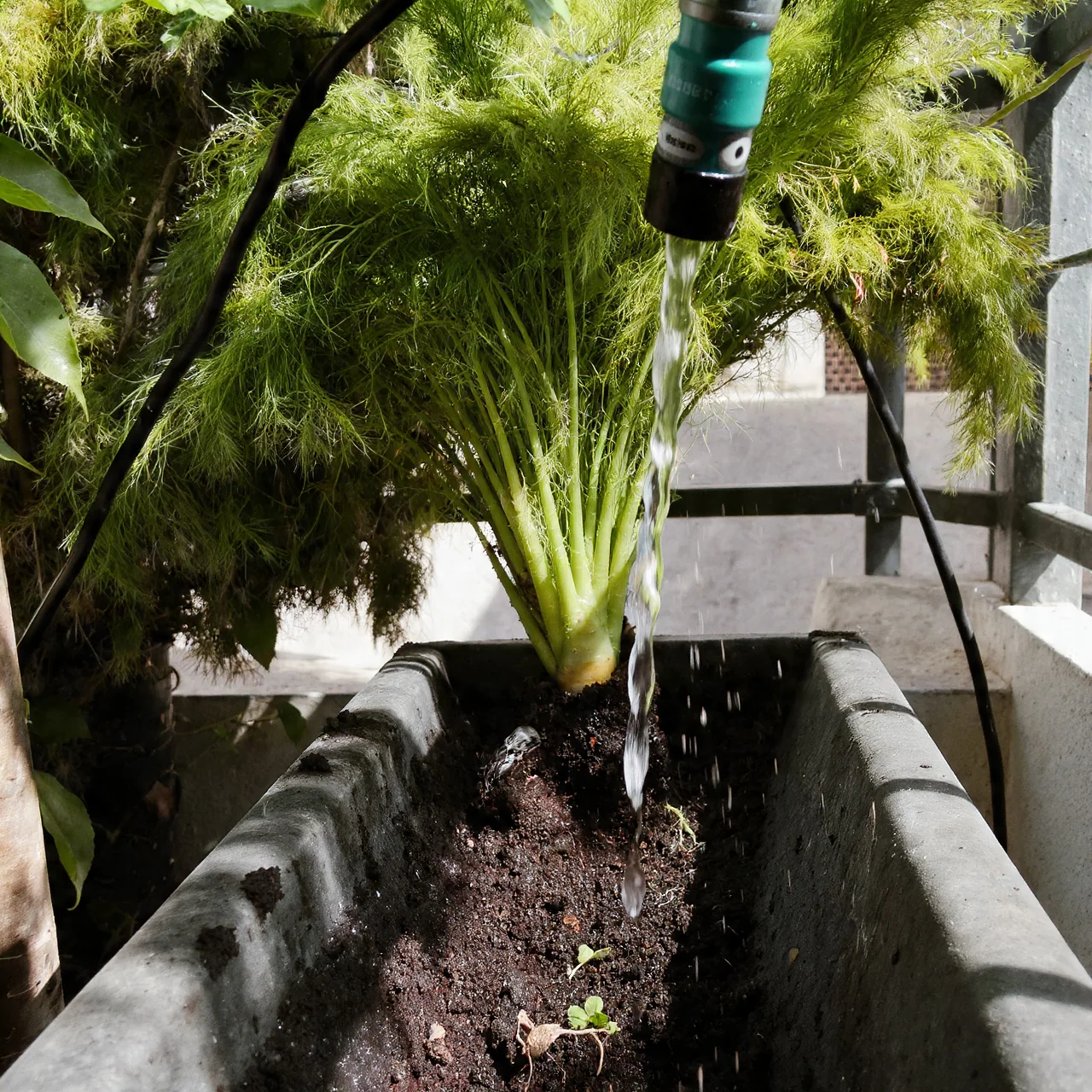
Best for: Branch 2
Spinach thrives in cooler shoulder seasons with partial sun and tolerates light frost down to 25 degrees Fahrenheit. Use cut and come again harvesting by snipping outer leaves at 3 inches to extend the window before bolting. It works as a living mulch around slower crops such as carrots in shared pots.
Bush Beans
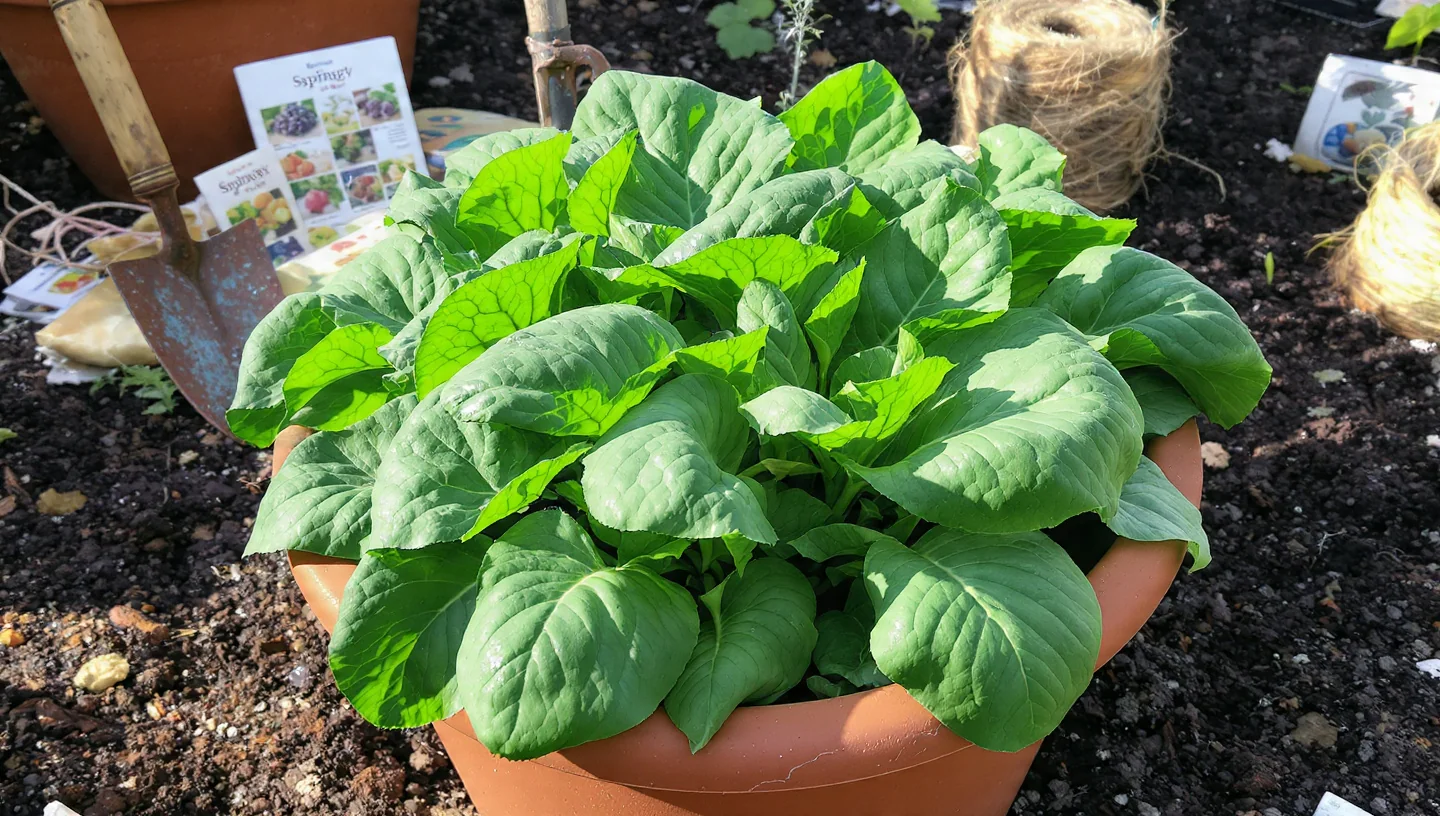
Best for: Branch 3
Bush beans fix nitrogen in the soil which benefits neighboring crops in the same container. Plant 3 to 4 seeds per 10 inch pot after soil warms above 60 degrees Fahrenheit. Harvest pods before seeds swell to keep plants productive for 6 to 8 weeks. They need no trellis yet deliver protein rich yields in vertical optimized spaces. For companion strategies and soil benefits see growing beans in containers.
Edge case: In high wind areas choose dwarf varieties under 18 inches tall to avoid lodging.
Peas
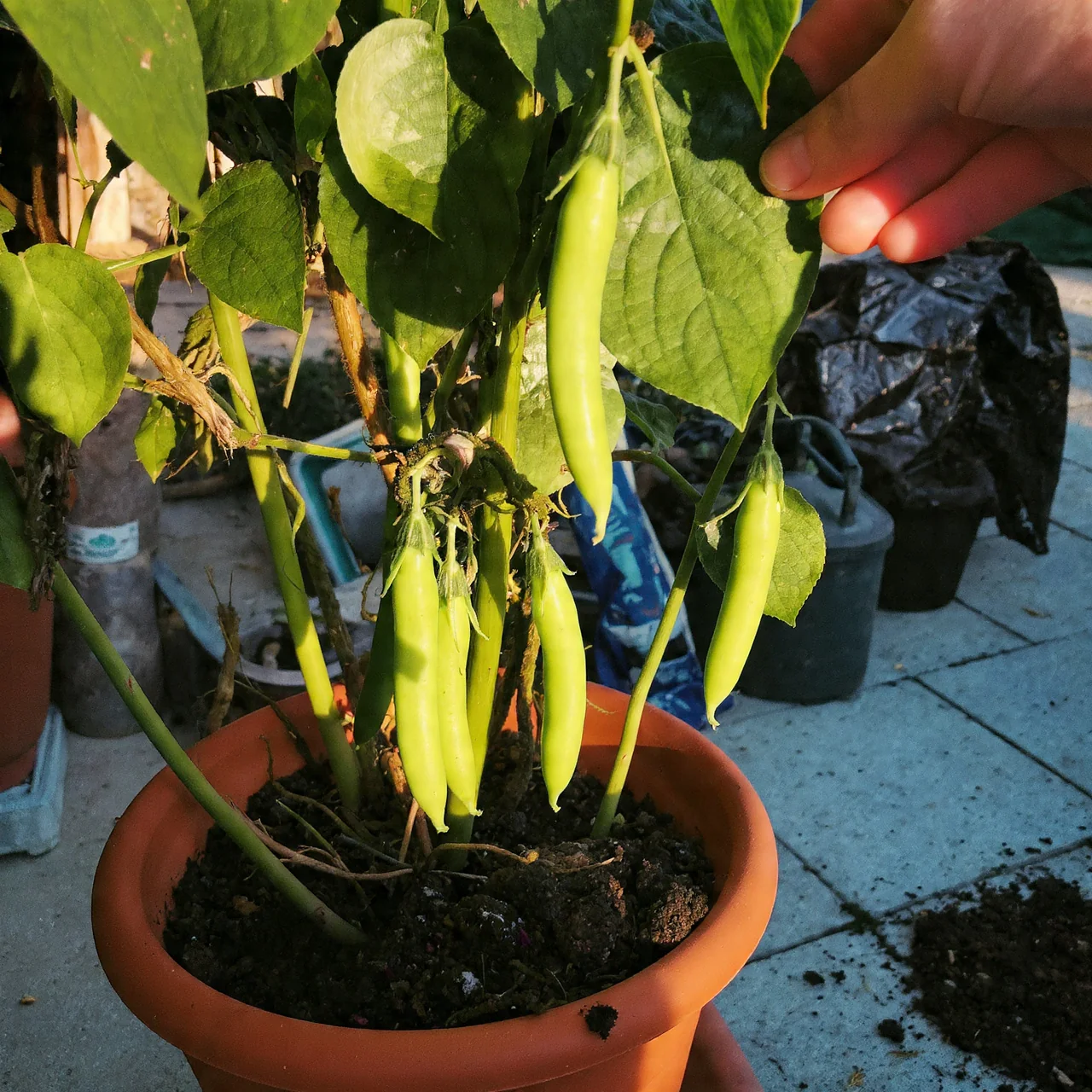
Best for: Branch 3
Peas climb short trellises or railings using tendrils and produce early when nights stay above 40 degrees Fahrenheit. Sow directly in 8 inch pots and provide support at 4 inches height. Harvest every 2 days once pods fill to maintain production. For trellis options and timing charts see growing peas in containers.
Zucchini
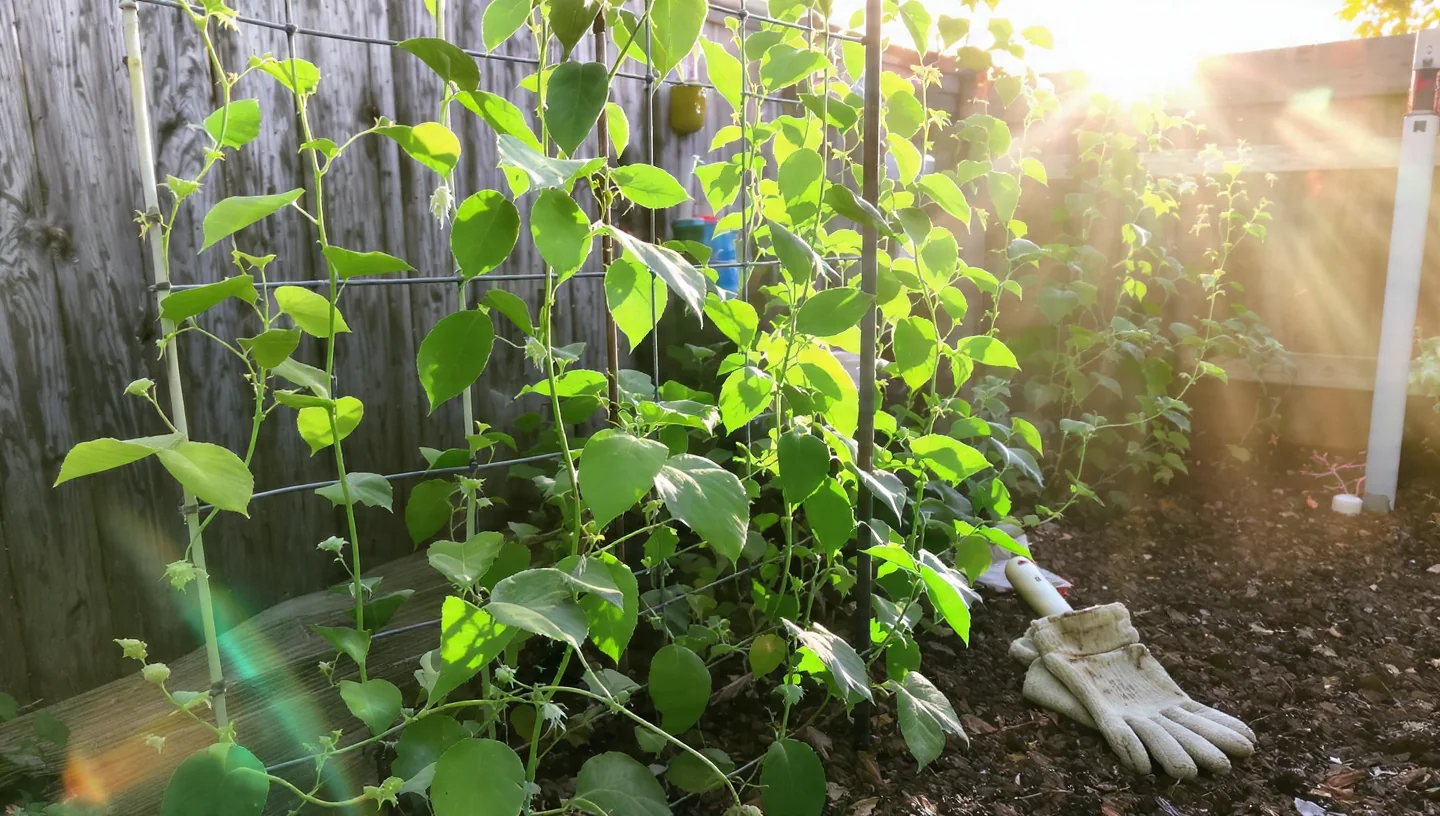
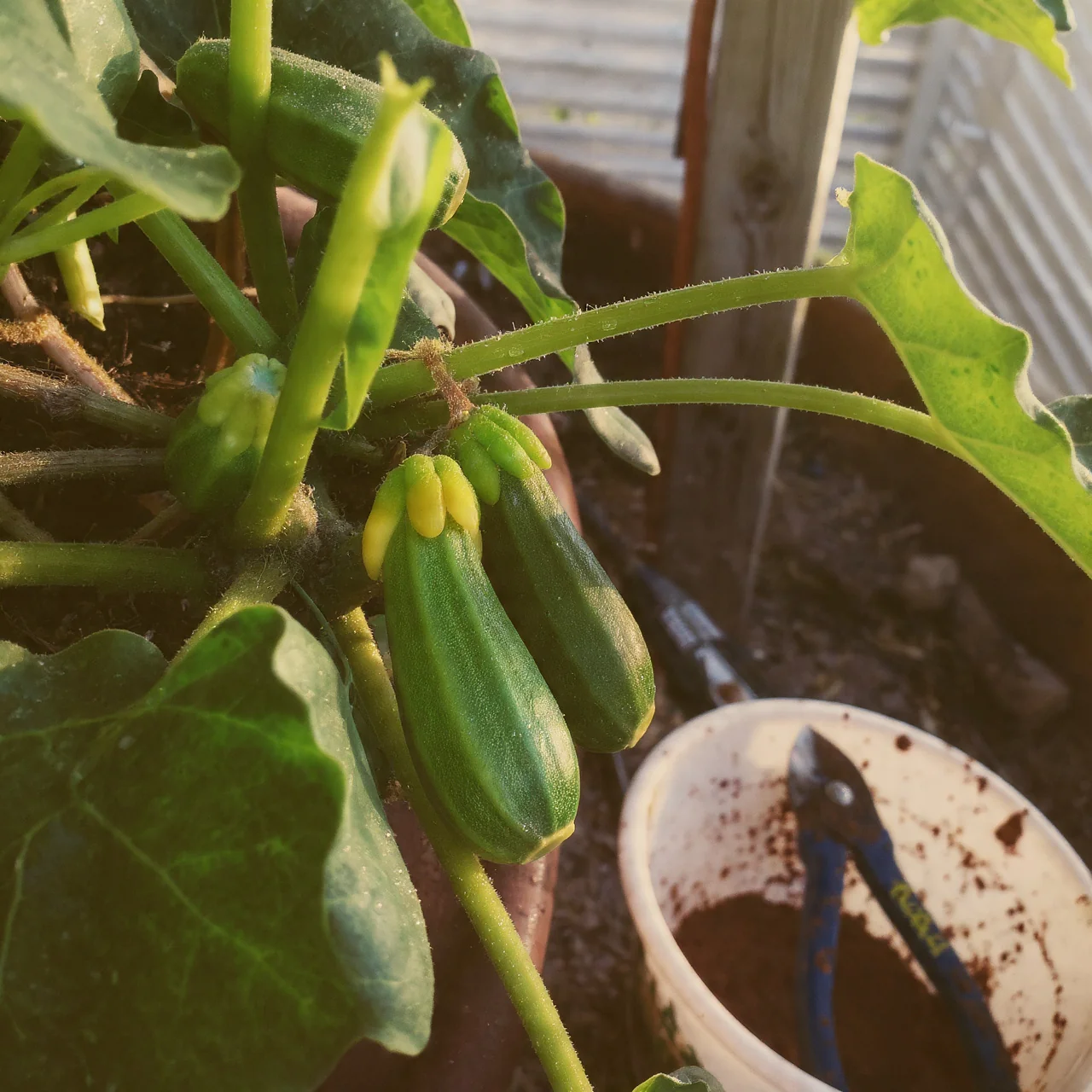
Best for: Branch 1
Zucchini uses bush varieties bred for containers to produce multiple fruits per plant without sprawling. It demands full sun and pots at least 12 inches deep with rich mix to support heavy feeding. Water at the base to keep foliage dry and reduce mildew risk. For variety recommendations and harvest timing see growing zucchini in containers.
Standard maintenance keeps plants compact and productive through summer heat when matched to Branch 1 conditions.
Cucumbers
Best for: Branch 3
Cucumbers train upward on trellises to save floor space while producing continuous fruit. Choose vining types and provide vertical support from day 14 after transplant. Harvest at 6 to 8 inches long to encourage more sets. In windy locations secure vines weekly. For support ideas and training techniques see container trellis ideas.
Starter Stack (What to Choose First)
For Branch 1 setups
Start with tomatoes and zucchini. Both share full sun and deep pot needs so one watering and feeding schedule covers them. Synergy comes from similar fertilizer timing and pest overlap. Setup cost range: 20 to 35 dollars per pair of pots. Time to first harvest: 8 to 12 weeks.
For Branch 2 setups
Start with lettuce and radishes. They cycle quickly in the same shallow container with staggered sowing every 2 weeks. Synergy allows continuous cutting without replanting the full pot. Setup cost range: 10 to 18 dollars per pot. Time to first harvest: 3 to 5 weeks.
For Branch 3 setups
Start with bush beans and peas. Beans follow peas in the same pot after early harvest using the nitrogen fixed by peas. Both use vertical supports efficiently. Setup cost range: 15 to 25 dollars per pot with trellis. Time to first harvest: 6 to 9 weeks.
When This Won’t Work
Container vegetables fail when daily direct sun drops below 4 hours which halts fruit set in Branch 1 crops and slows leafy growth in Branch 2. Measure with a simple sun calculator app over 3 days to confirm exposure before planting. The alternative is switching to shade tolerant herbs or moving pots to a brighter spot if possible.
Failure also occurs when pots fall below minimum depth such as under 8 inches for carrots or radishes which causes stunted roots and low yields. Check pot dimensions at purchase and use grow bags only if they meet the vertical requirement. The alternative action is to choose microgreens or select shallower options like lettuce instead. For consistent moisture management in these edge cases see watering container plants.
Choosing the Right Option for Your Situation
Budget threshold under 50 dollars total setup
Prioritize radishes, lettuce, and bush beans which need only basic pots and seed packets. Avoid zucchini or cucumbers that benefit from larger containers and supports. Pair with basic potting mix from best soil for container gardening to stay under budget while still hitting early harvests.
Time threshold under 10 minutes daily care
Select lettuce, radishes, and spinach which require minimal daily checks once established. Skip tomatoes and zucchini that need regular fruit inspection and pruning. Focus on quick cycle crops to keep maintenance light.
Technical constraint of poor drainage or heavy clay soil nearby
Choose containers with multiple bottom holes and add perlite at 20 percent by volume. Peas and bush beans tolerate slight variations better than carrots which demand loose fill. Test drainage by filling the pot and timing how fast water exits.
Yes or no checklist:
Do you have confirmed 6 plus hours sun and deep pots? Yes: start Branch 1.
Do you have partial sun and 8 to 12 inch pots? Yes: start Branch 2.
Do you have vertical supports available? Yes: add Branch 3 crops.
Does your setup fail two or more conditions? Yes: begin with microgreens instead.
Expert Q&A
How do you prevent root bound issues when mixing vegetables in one pot?
Choose companions with different root depths such as shallow lettuce over deep carrots. Space plants according to mature width listed on seed packets and refresh the top 2 inches of soil every 6 weeks. Monitor for circling roots at harvest and up pot size before the next cycle.
What temperature thresholds trigger bolting in leafy container crops?
Bolting starts above 75 degrees Fahrenheit daytime for spinach and lettuce. Sow in early spring or fall when nights stay below 60 degrees. Provide afternoon shade cloth during heat waves and harvest outer leaves early to delay the shift to seed production.
How can succession planting extend harvests in the same limited number of pots?
Stagger sow every 14 days within the same container after pulling finished crops. For example replace harvested radishes with new lettuce seeds in the freed space. Track dates on plant tags to maintain continuous production without emptying pots completely.
Which companion herbs improve pest resistance around veggie pots on balconies?
Basil near tomatoes repels aphids through scent compounds while marigolds at pot edges deter nematodes. Plant one herb per 3 veggie plants and keep foliage dry to avoid mildew crossover. Rotate companions each season to maintain effectiveness.
When is it time to refresh soil in long term container vegetable crops?
Refresh the top third of soil after 2 full harvest cycles or when plants show yellowing despite feeding. Dump and replace the entire mix every 2 years for heavy feeders like tomatoes. Add compost at 10 percent volume during refresh to restore structure and nutrients.
Conclusion
The decision grid simplifies selection by tying each vegetable directly to your measured sun hours, pot depth, and vertical options so results stay predictable instead of variable. The number one mistake is ignoring the support or depth requirements which leads to weak plants and low output regardless of care.
Take the next step by auditing your balcony conditions against the branches today then plant your first matched pair. For more layout inspiration see container gardening ideas.