
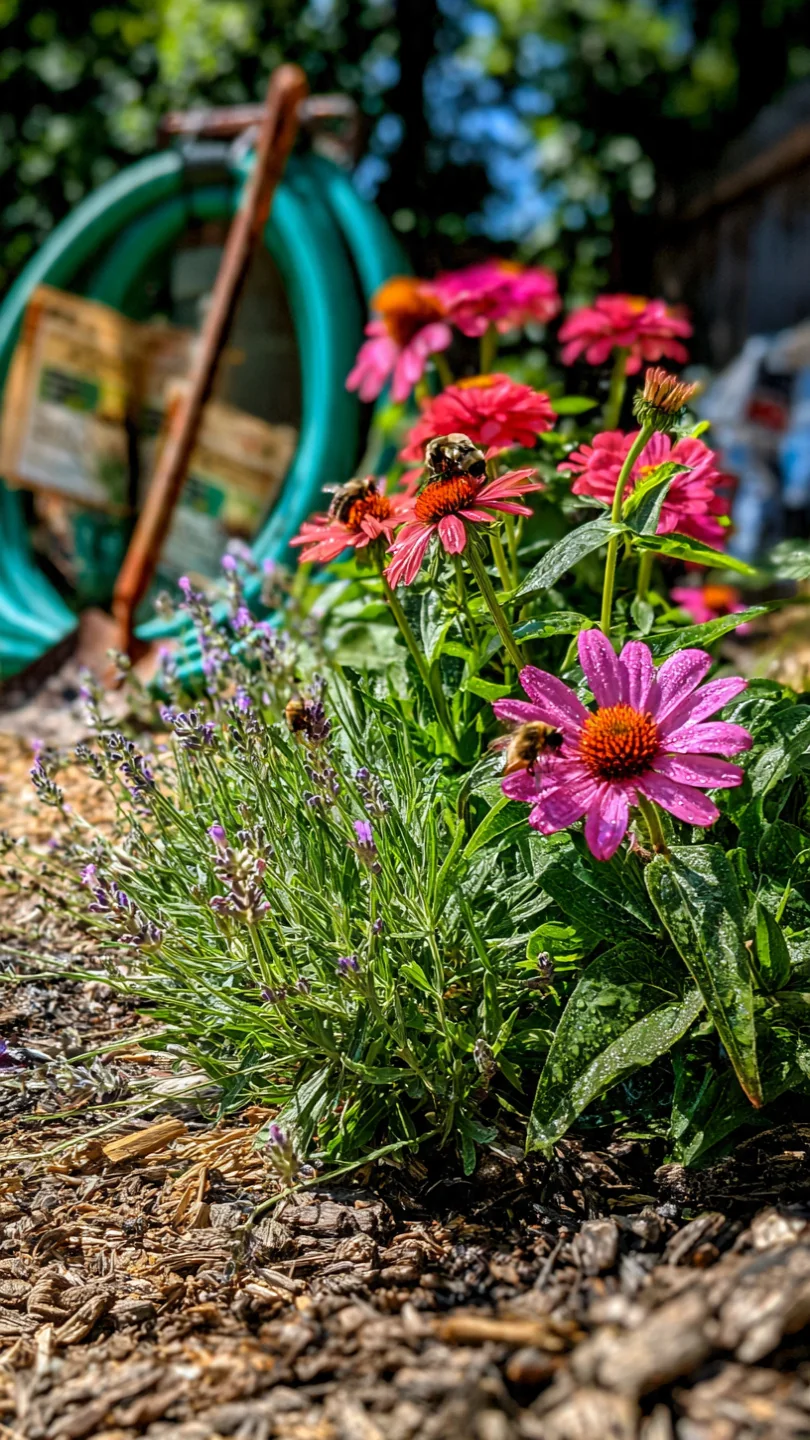
Selecting bee garden flowers by your garden’s sun exposure, soil drainage, and space constraints creates a reliable forage supply for bees across the growing season, unlike generic lists that ignore site-specific factors.
This guide covers 10 flowers with documented bee appeal in the ornamental gardening category. It includes annuals and perennials suited to US, UK, Canada, Australia, Germany, and India conditions based on search trends and volume. It excludes shrubs, trees, herbs outside the flower focus, and non-pollinator plants.
You will match exact options to your setup, combine them for continuous coverage, and avoid mismatches that limit bee activity. The comparison table and starter stacks deliver clear starting points.
Bottom line: Use the decision grid below to pick bee garden flowers that thrive in your conditions and sustain bee visits without extra effort.
The Yield Grid Decision Grid
Branch 1: Full sun (6 or more hours of direct sunlight daily) and well-drained soil that stays dry 2 to 3 days after watering. Recommended: Items 1, 2, 4, 6, 8 below.
Branch 2: Partial shade (4 to 6 hours of sun) or moist clay or loam soil that retains moisture. Recommended: Items 3, 7 below.
Branch 3: Limited space (under 50 square feet) or under 20 minutes of weekly care. Recommended: Items 5, 9, 10 below.
For more on building a complete pollinator support system, see our pollinator flowers guide.
Quick Comparison Table
| Option | Key mechanism | Best for | Decision Grid Branch | Effort Score |
|---|---|---|---|---|
| Lavender | Aromatic nectar spikes accessible to honeybees and bumblebees | Dry full-sun beds | Branch 1 | 1 |
| Salvia | Tubular flowers matched to long-tongued bee species | Dry full-sun beds | Branch 1 | 2 |
| Echinacea | Pollen-rich central cone for collection by diverse bees | Average moisture beds | Branch 2 | 1 |
| Cosmos | Open daisy petals for easy landing by short-tongued bees | Dry full-sun beds | Branch 1 | 4 |
| Zinnias | Multi-layered petals offering extended nectar access | Container or small plots | Branch 3 | 4 |
| Sunflowers | Large pollen disks supporting heavy pollen gatherers | Dry full-sun beds | Branch 1 | 5 |
| Black-eyed Susan | Daisy structure with visible nectar guides for bees | Average moisture beds | Branch 2 | 2 |
| Coreopsis | Bright yellow rays drawing bees from a distance | Dry full-sun beds | Branch 1 | 1 |
| Marigolds | Pungent foliage with nectar-rich blooms | Container or small plots | Branch 3 | 3 |
| Dahlias | Varied bloom forms supplying late-season nectar | Container or small plots | Branch 3 | 3 |
Lavender
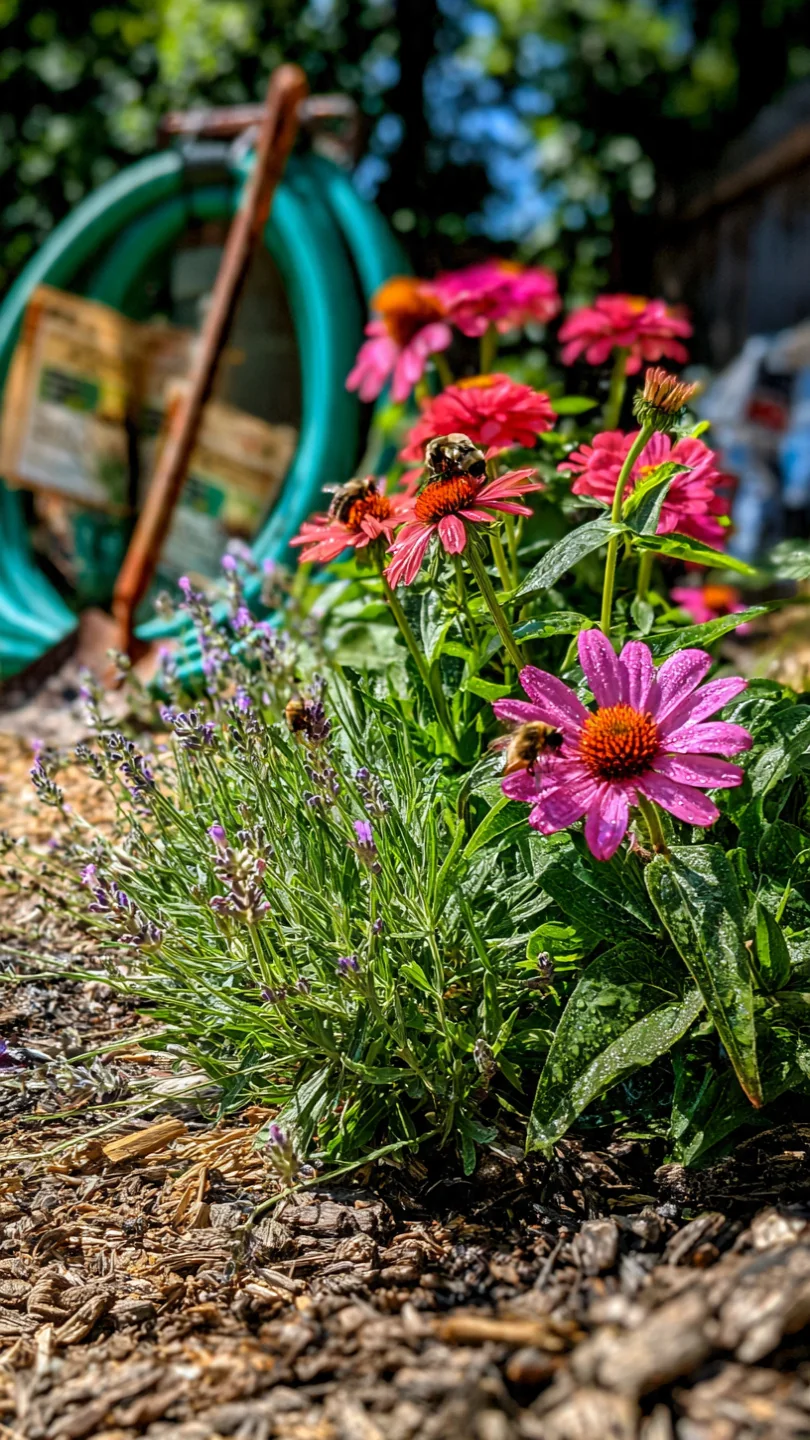
Best for: Branch 1
Blueprint for lavender in a bee garden starts with site confirmation: full sun of 6 or more hours and soil that drains within 48 hours of watering. Plant in spring when soil temperature reaches 55 degrees Fahrenheit or higher, spacing plants 18 to 24 inches apart in groups of three or more for visual impact and bee efficiency. Add a 2-inch layer of gravel mulch to maintain drainage and suppress weeds. The edge case occurs in regions with winter temperatures below 20 degrees Fahrenheit, where a light straw cover protects crowns without smothering. Common mistake: planting in heavy clay without raised beds or amendment, which leads to root issues by midsummer. Follow this sequence and lavender delivers consistent nectar from June through August in most zones.
Salvia
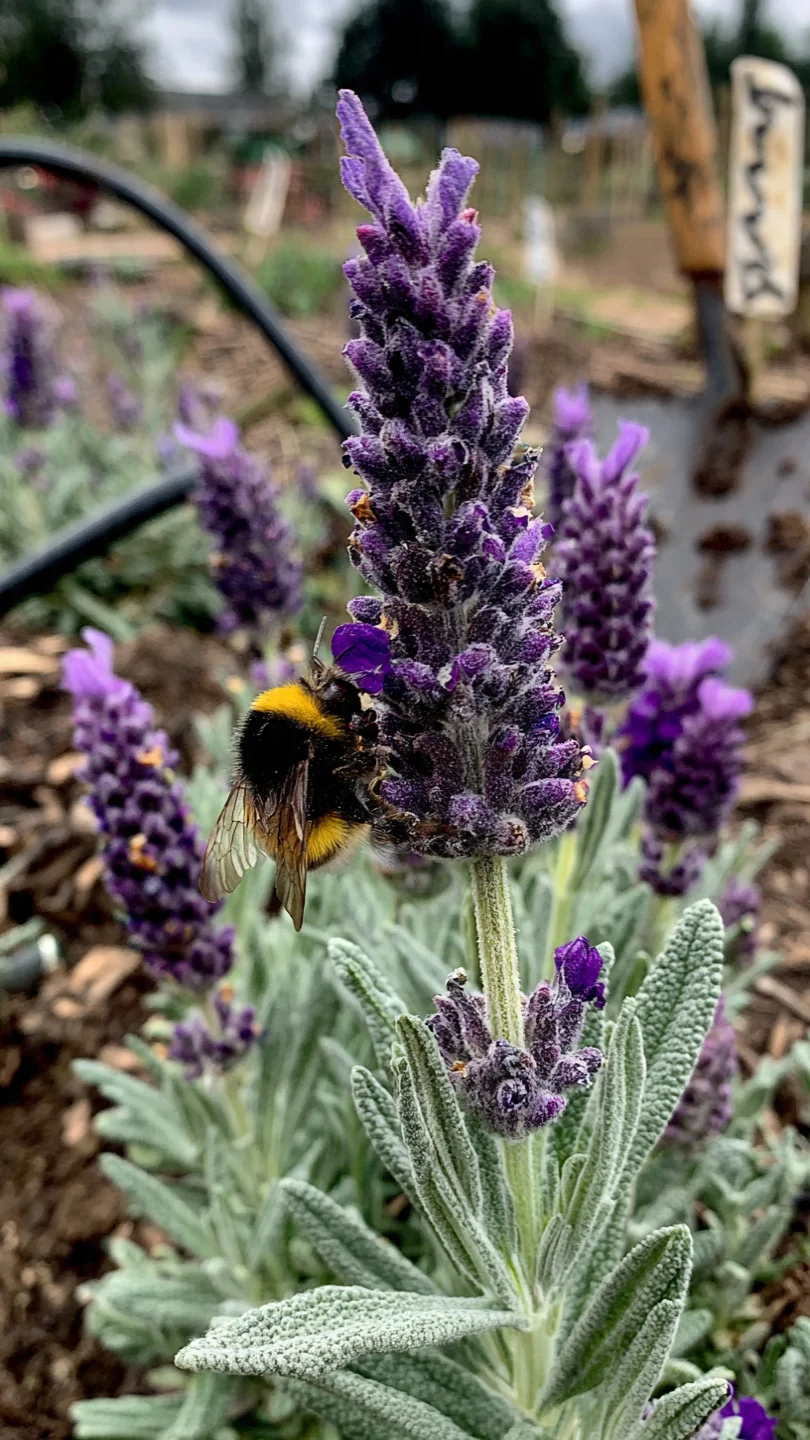
Best for: Branch 1
Use salvia when your garden matches dry full-sun conditions and skip it in consistently wet soil or deep shade. Pros include tubular blooms that target bumblebees and low water needs once established. Cons appear in humid coastal areas where foliage mildew risks rise without air circulation. Edge case: container versions work on balconies if pots receive afternoon sun and drain freely.
Echinacea
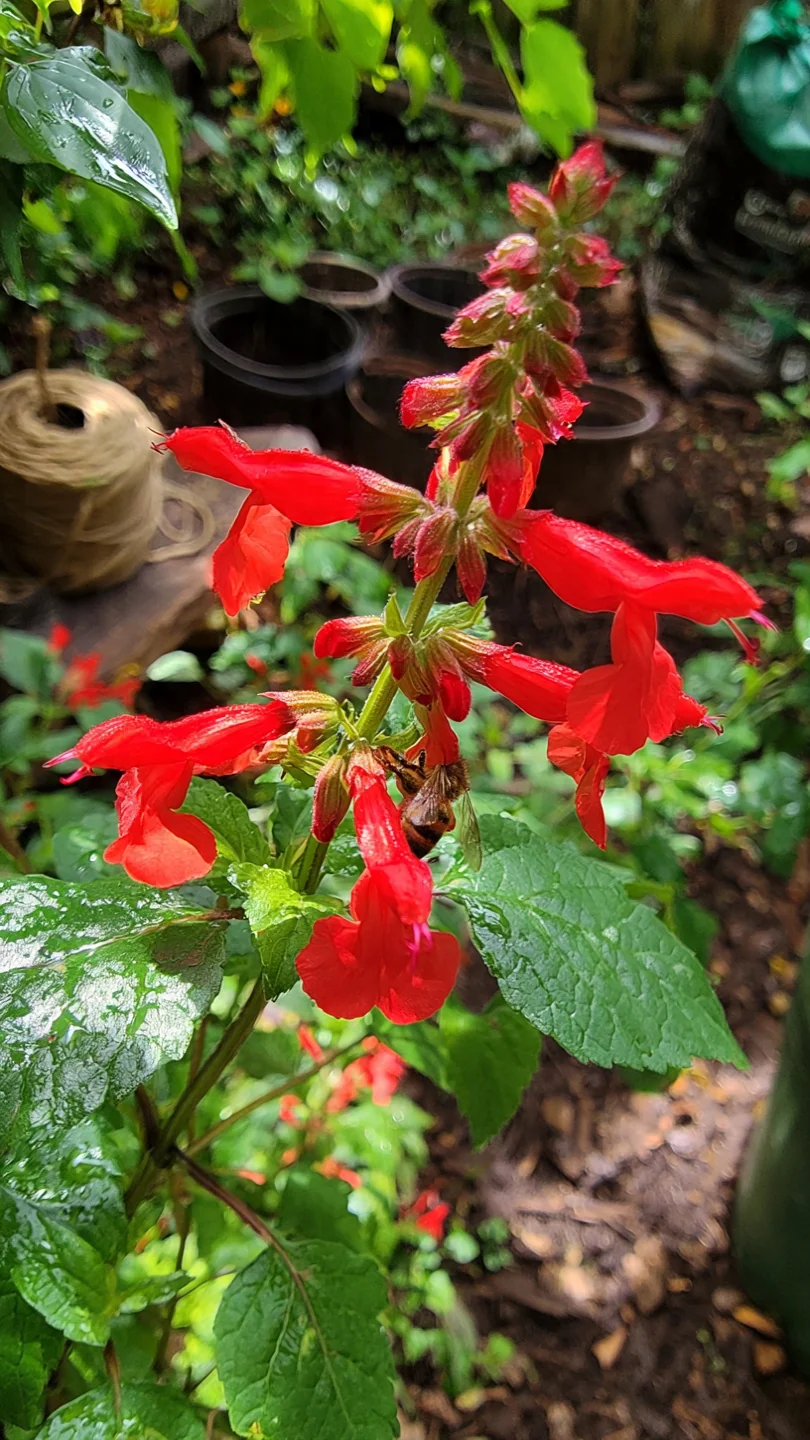
Best for: Branch 2
Threshold rule for echinacea: plant only if soil pH sits between 6.0 and 7.5 and average monthly rainfall stays under 5 inches during peak bloom. Adjust by adding lime if tests show below 6.0 or by choosing raised beds in wetter climates. In partial shade of 4 to 6 hours, bloom duration extends 2 to 3 weeks compared with full sun. Monitor soil moisture weekly during the first season and water only when the top 2 inches feel dry. This rule prevents overcrowding and ensures pollen cones remain productive into September in UK and Canadian zones.
Cosmos
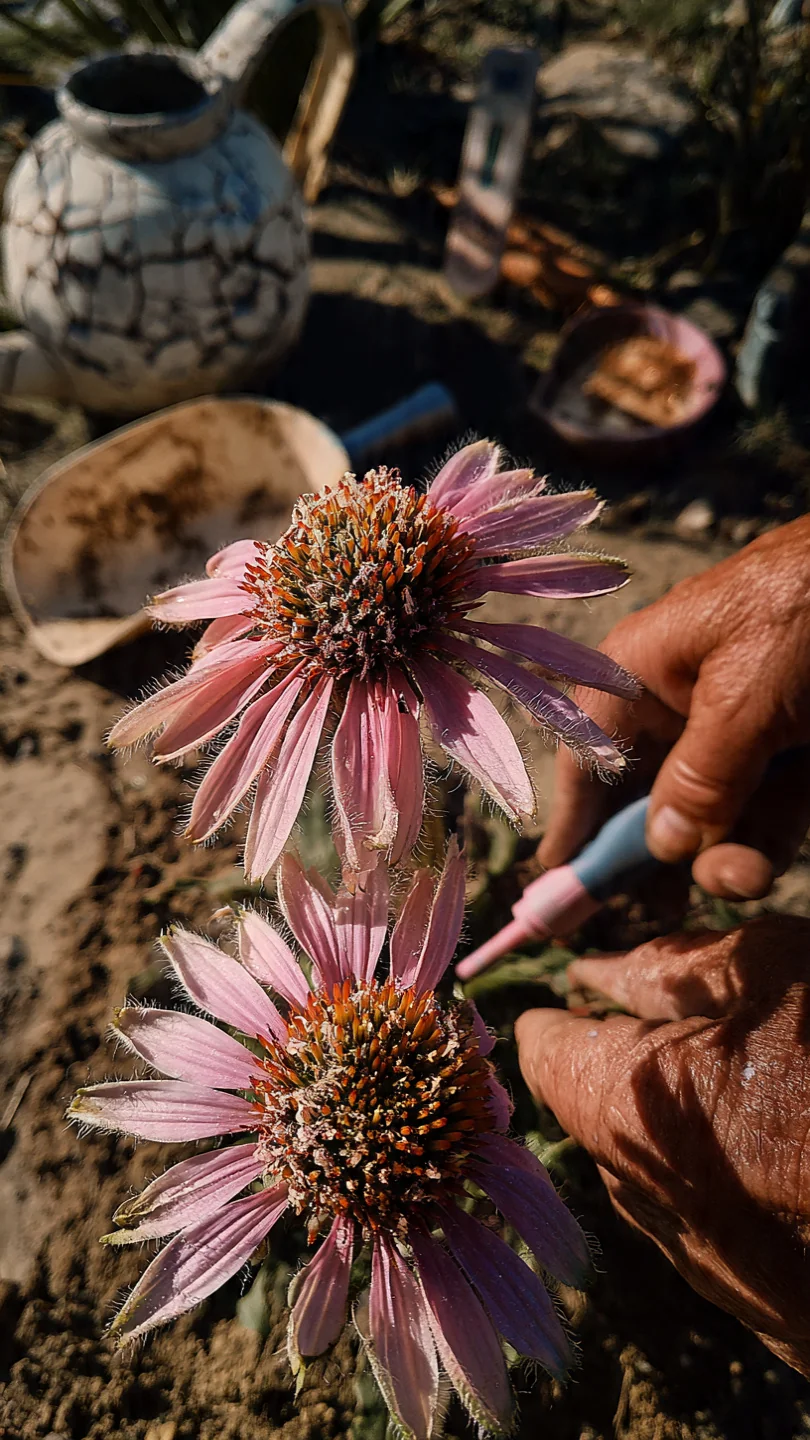
Best for: Branch 1
Ten-minute workflow for cosmos begins with direct sowing after the last frost when soil holds 60 degrees Fahrenheit. Scatter seeds on prepared soil, press lightly, and water once to settle. Thin seedlings to 12 inches apart after true leaves appear. Upgrade option: interplant with coreopsis for height contrast and extended bee coverage. The entire process from packet to established plants takes under 10 minutes per square yard and fits dry full-sun beds where other annuals struggle. In Australia and Germany gardens with sandy soil, this workflow yields reliable open-faced blooms from July onward without supplemental fertilizer.
Zinnias
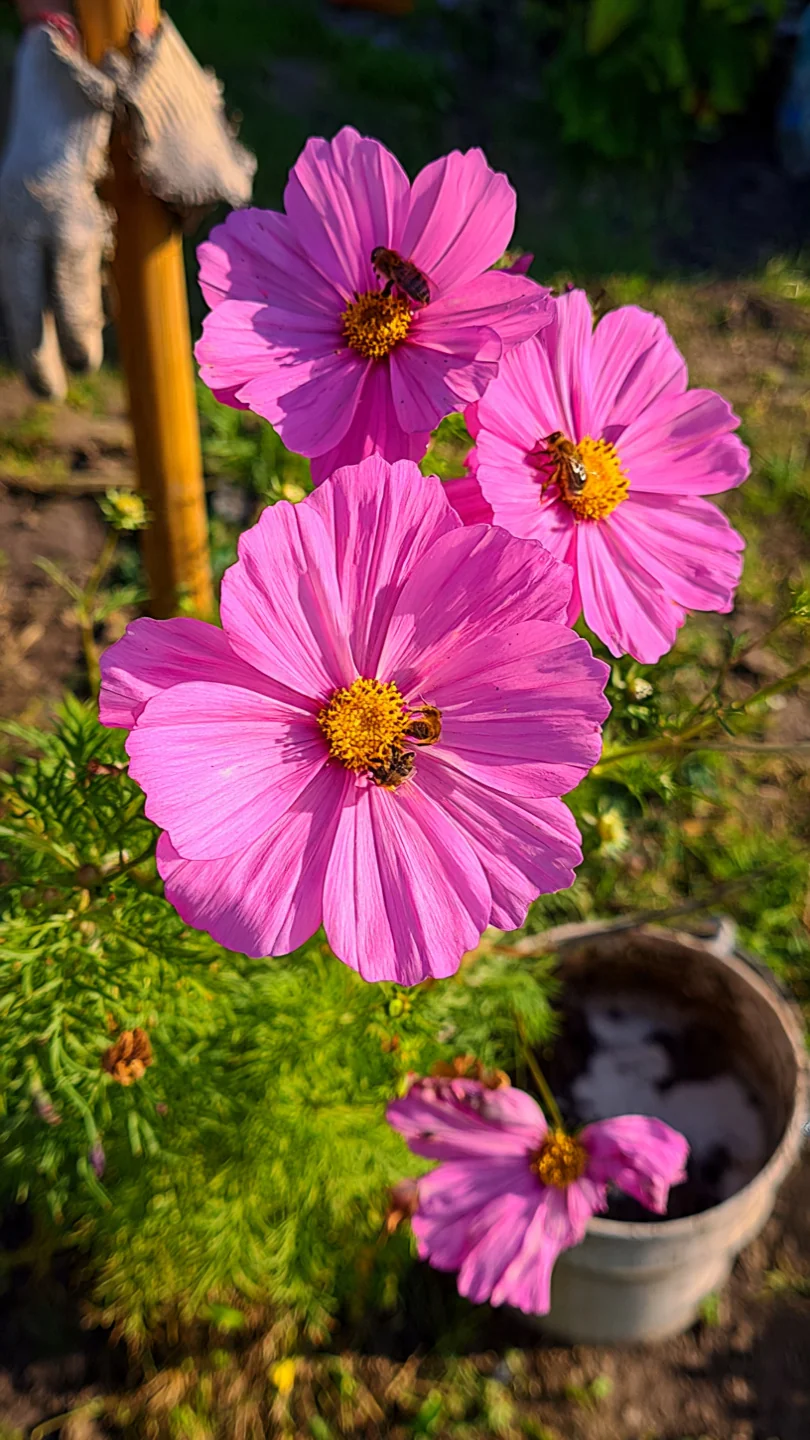
Best for: Branch 3
Blueprint for zinnias targets small spaces or containers. Choose dwarf varieties under 24 inches tall. Fill pots of 12 inches or larger with well-draining mix, sow seeds 1/4 inch deep after soil warms to 65 degrees Fahrenheit, and space 8 inches apart. Water at the base to keep foliage dry. This approach fits balconies or front-yard borders in India and US urban settings where time stays limited.
Sunflowers
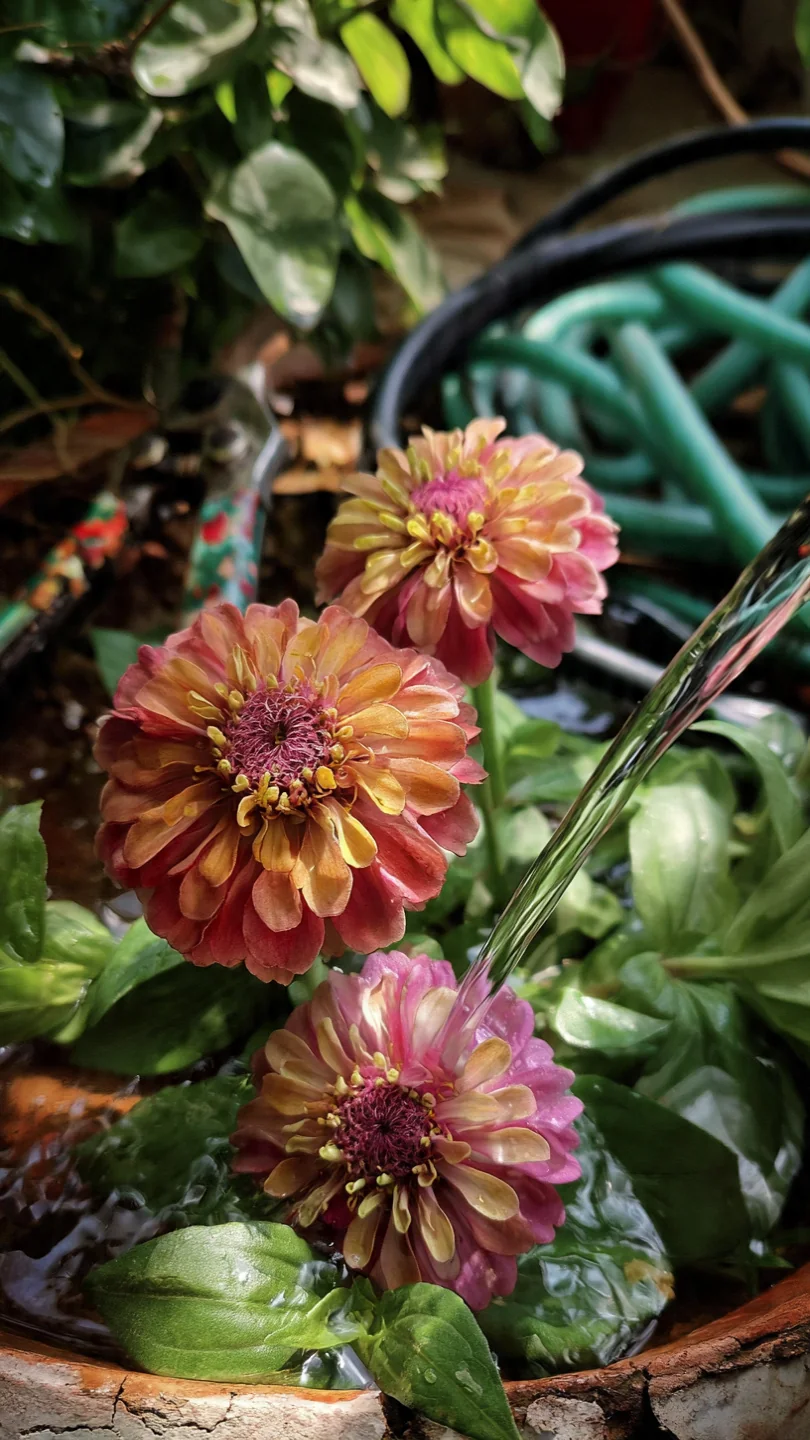
Best for: Branch 1
Use sunflowers in large full-sun beds with dry soil and skip them in small spaces or high-wind zones without support. Pros center on massive pollen disks that feed many bee species during midsummer. Cons include height over 6 feet that shades neighbors and requires staking in gusty areas. Edge case: dwarf varieties under 3 feet suit tighter full-sun plots if sown in succession every 3 weeks.
Black-eyed Susan
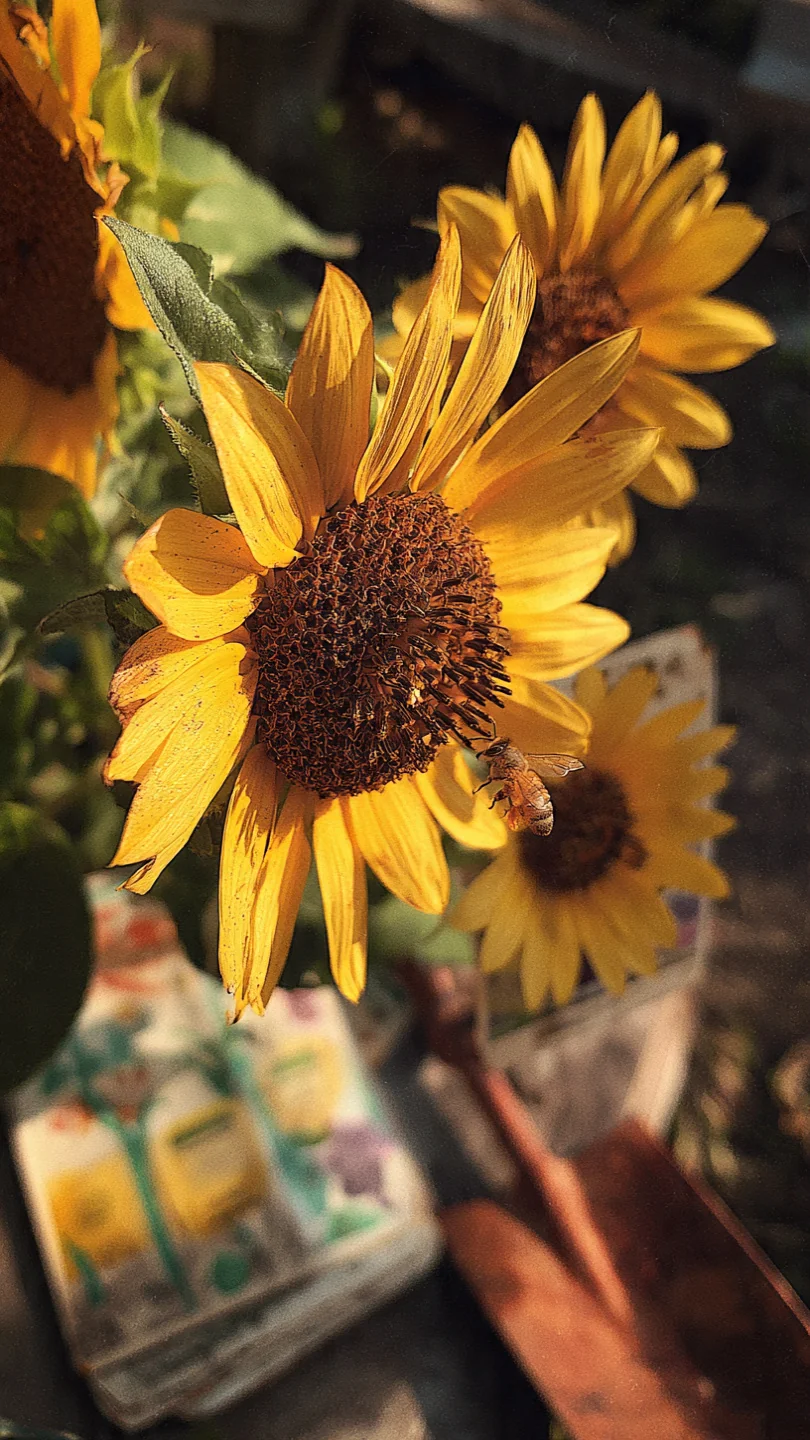
Best for: Branch 2
Threshold rule for black-eyed Susan: confirm at least 4 hours of sun and soil moisture retention above 20 percent during July and August. If conditions fall short, delay planting until the second year after soil amendment with organic matter. Space plants 18 inches apart in moist loam to encourage daisy-form blooms from July into October. In partial shade, flower count holds steady while stem strength improves. Apply this rule in Canadian or UK gardens with clay soil to maintain nectar guides visible to bees without supplemental watering after establishment.
Coreopsis
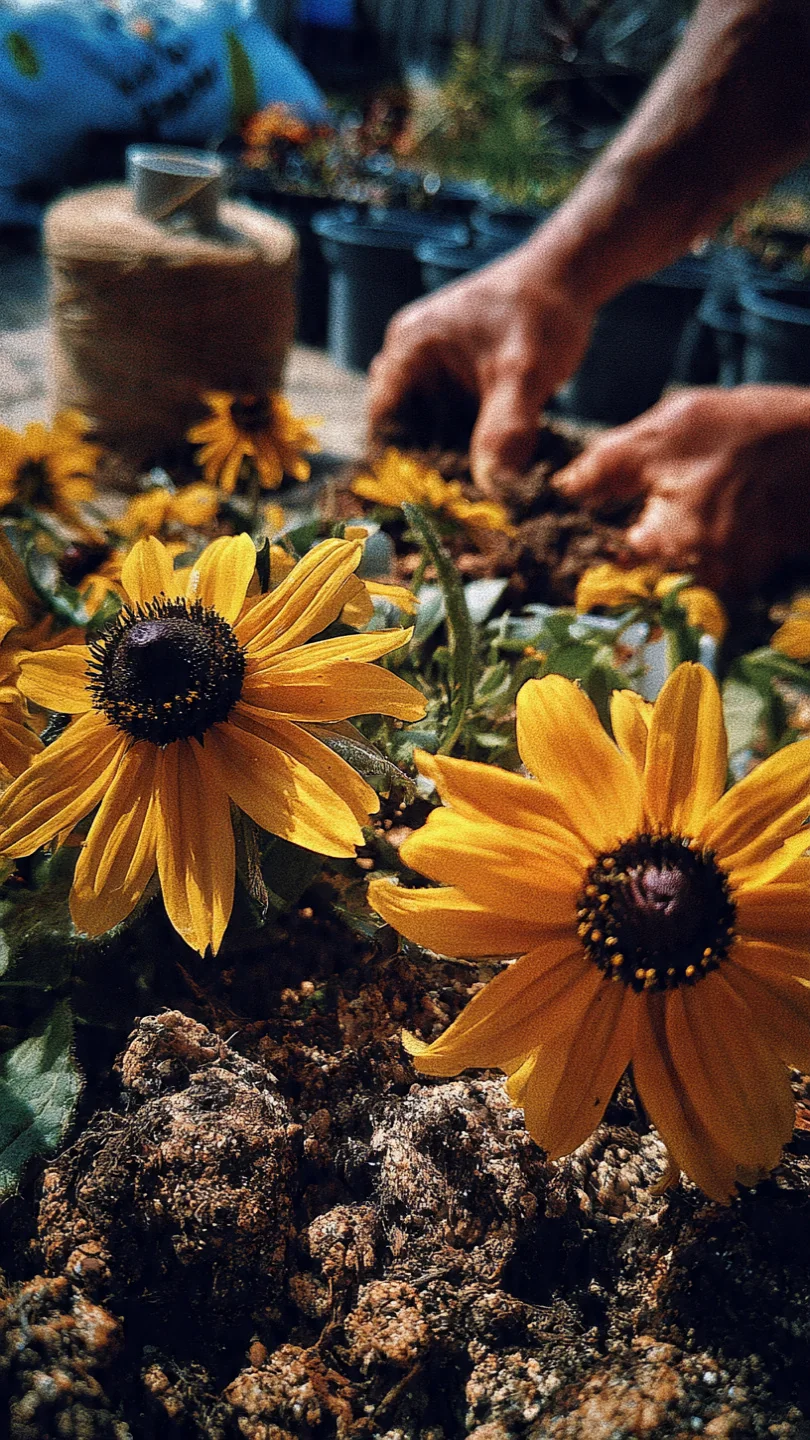
Best for: Branch 1
Ten-minute workflow for coreopsis starts with division of established clumps every third spring. Dig, separate roots into sections with 3 or more shoots, and replant at original depth in full-sun dry beds. Water once after transplant. Upgrade option: combine with lavender for contrasting yellow and purple tones that extend bee visits. The process fits under 10 minutes per plant and suits drought-prone sites in Germany and Australia where low intervention matters.
Marigolds
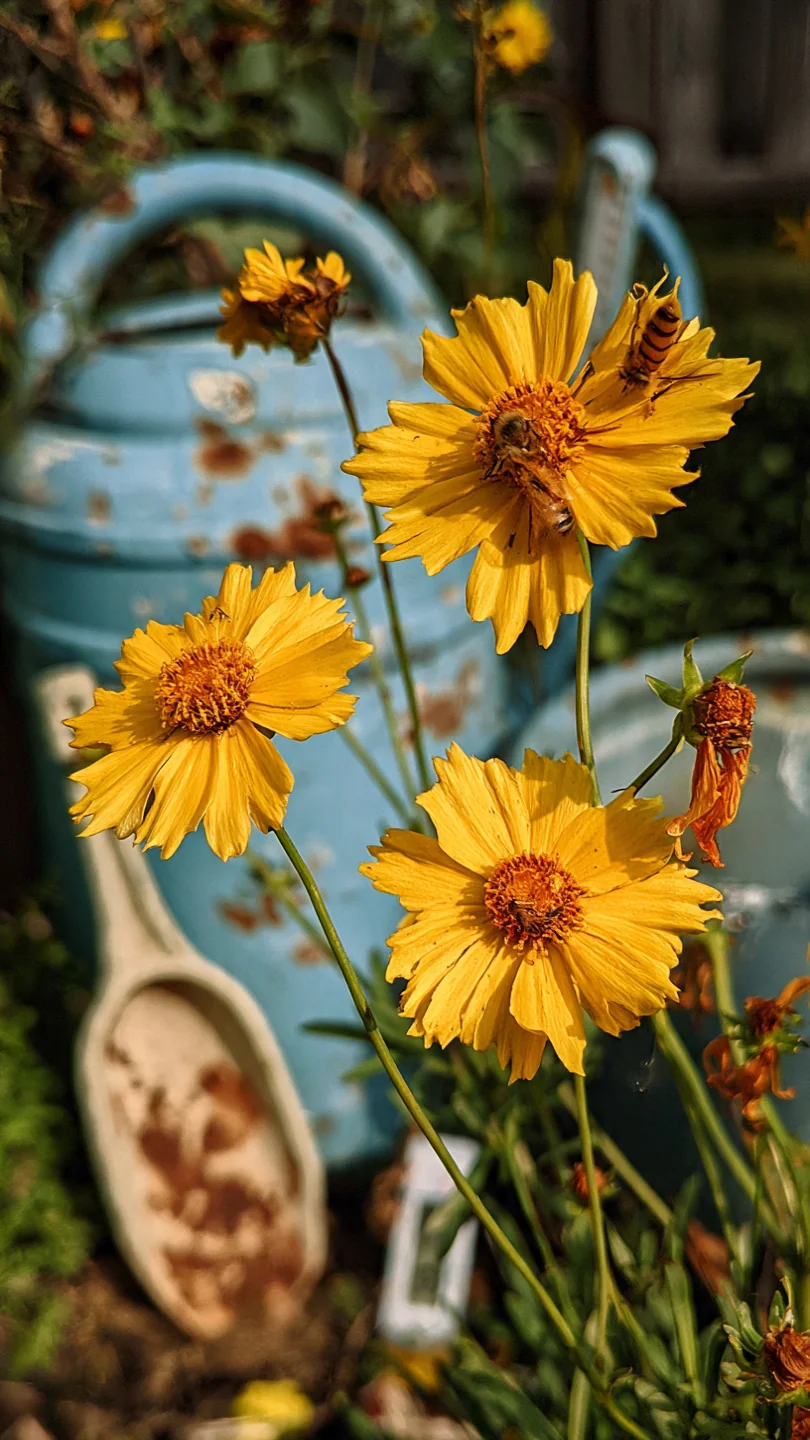
Best for: Branch 3
Blueprint for marigolds in limited spaces begins with seed starting indoors 6 weeks before last frost or direct sowing when soil reaches 65 degrees Fahrenheit. Use 10-inch pots or edging strips, space 10 inches apart, and pinch tips at 6 inches tall for bushier growth. This delivers quick nectar in containers or small front-yard beds across US and Indian conditions with minimal ongoing care.
Dahlias
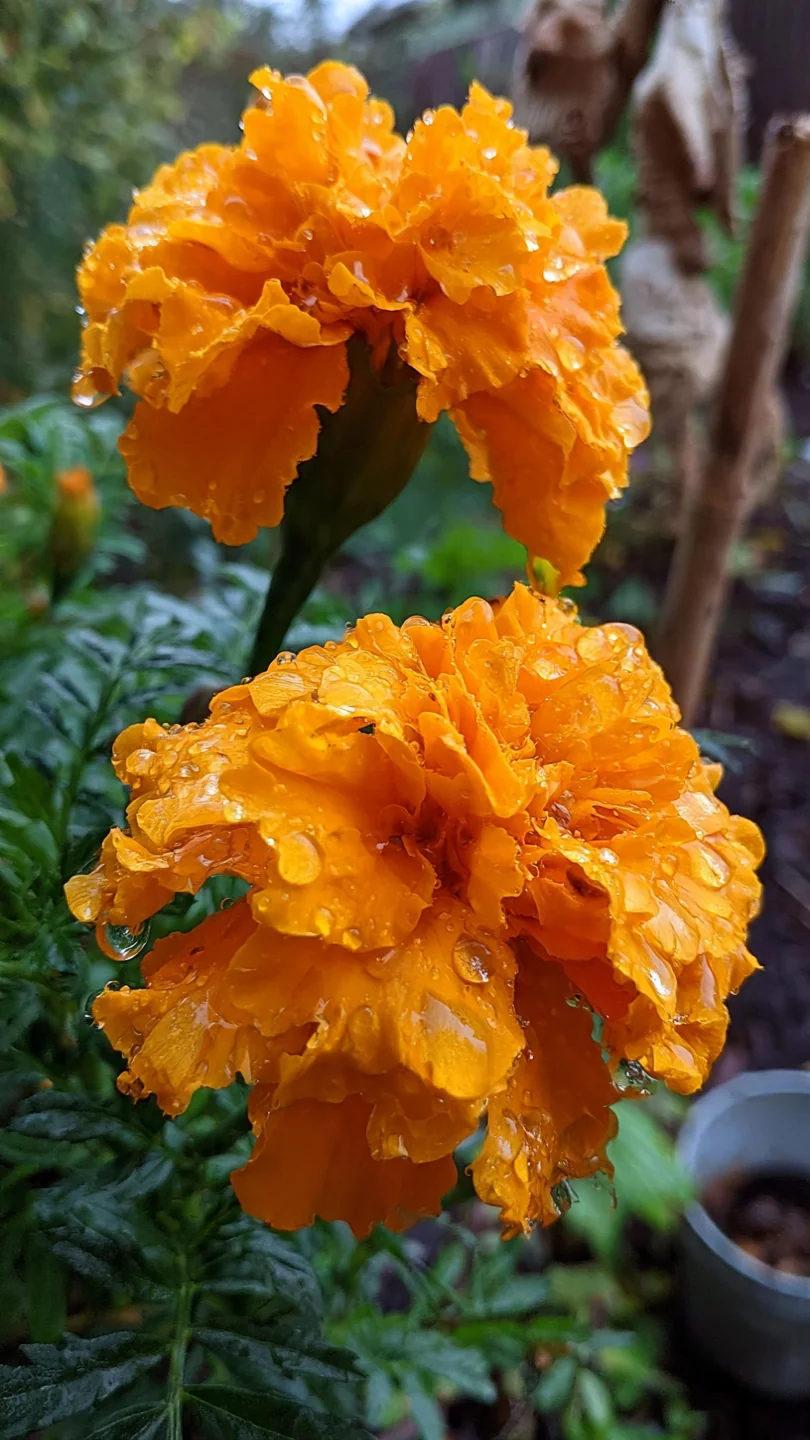
Best for: Branch 3
Use dahlias in container or small-plot setups and skip them where storage space for tubers over winter is unavailable. Pros include varied bloom forms that supply nectar from midsummer into fall. Cons surface in zones with early frost below 32 degrees Fahrenheit without lifting tubers. Edge case: dwarf bedding types under 18 inches tall fit balcony containers if staked lightly and watered at soil level.
Starter Stack (What to Choose First)
For Branch 1 Gardens
Start with lavender and coreopsis. These perennials share drought tolerance and full-sun needs while providing nectar spikes in early summer followed by yellow rays into fall. Plant 3 lavender and 3 coreopsis per 25 square feet for layered coverage. Estimated cost: 12 to 25 dollars per plant. Planting time: 15 to 25 minutes.
For Branch 2 Gardens
Start with echinacea and black-eyed Susan. Both perennials tolerate average moisture and partial shade, with pollen cones overlapping from July onward. Combine 2 of each per 20 square feet for mid-season bee support. Estimated cost: 10 to 20 dollars per plant. Planting time: 20 to 30 minutes.
For Branch 3 Gardens
Start with zinnias and marigolds. These annuals establish fast in containers or small plots and deliver multi-layered and pungent blooms within 8 weeks of sowing. Use 4 zinnias and 4 marigolds per 30 square feet or equivalent pots. Estimated cost: 5 to 12 dollars per packet. Planting time: 10 to 15 minutes.
When This Won’t Work
If your garden receives fewer than 4 hours of direct sun daily, most listed flowers produce fewer blooms and attract fewer bees. Shift focus to shade-adapted selections instead. If soil stays waterlogged longer than 48 hours after rain, root issues develop quickly across branches 1 and 2. Amend with compost or move to raised beds.
In heavy-shade conditions, explore our shade flowers options.
Choosing the Right Option for Your Situation
Budget threshold
Under 100 dollars for a 20-square-foot bed: select perennials from branch 1 or 2 such as lavender, coreopsis, or echinacea. These establish once and return yearly with minimal replacement cost.
Time threshold
Under 30 minutes weekly: choose low-effort perennials from branch 1 such as lavender or coreopsis that require only seasonal trimming after the first year.
Technical constraint
Soil pH below 6.0: avoid lavender and salvia. Choose cosmos, zinnias, or marigolds that tolerate slightly acidic conditions with no adjustment needed.
Yes if your site matches one decision grid branch exactly.
No if sun hours fall below 4 daily without relocation.
Yes if soil drains within 48 hours of watering.
No if winter storage for tubers is unavailable and you select dahlias.
Expert Q&A
How can bloom timing create continuous bee forage across seasons?
Pair early bloomers such as salvia with mid-season echinacea and late options such as black-eyed Susan or dahlias. Target overlap of at least two flowers active every 10 to 14 days from May through September in US, UK, Canada, Australia, Germany, and India zones. This prevents gaps longer than two weeks that reduce bee activity.
What soil preparation maximizes visits from different bee species?
Test drainage and pH before planting. Incorporate 2 inches of compost into the top 6 inches for branches 2 and 3. Leave bare patches of soil nearby for ground-nesting bees. Avoid mulch deeper than 2 inches on branch 1 to keep crowns dry.
Do these bee garden flowers integrate successfully with vegetable beds?
Yes when placed at bed edges. Zinnias and marigolds deter certain pests while supplying nectar. Keep sunflowers at least 3 feet from tomatoes to avoid shading. Echinacea and coreopsis add pollen without competing for space in full-sun rows.
How does flower shape rather than color alone influence bee preference?
Tubular shapes in salvia suit long-tongued bumblebees while open daisies in cosmos and coreopsis favor short-tongued honeybees. Pollen-heavy centers in echinacea and sunflowers support collection by multiple species beyond color cues alone.
What container specifications work best for small-space bee gardens?
Use pots of 12 inches wide and deep minimum with drainage holes. Fill with equal parts potting mix and perlite for branches 3 selections. Water when the top inch dries and position for 6 hours of sun where possible to maintain bloom volume.
Conclusion
The decision grid ensures your bee garden flowers fit your exact sun, soil, and space setup rather than forcing generic picks. The top mistake remains planting without first confirming drainage, which leads to poor establishment across branches.
Next step: visit our native flowers page to layer in local species for even better results.