
Thankful. When their father insisted they’d handle everything privately, for “what’s best for everyone,” Mark felt sixteen again, at a dinner table where his siblings were praised for everything and his own hard-won achievements got brushed aside. He remembered being told to stop being difficult and to be grateful for whatever he was given. Only the numbers were bigger now. But something had changed underneath the old hurt, because their words didn’t crush him this time. They sharpened him.
So he gave them just enough rope. “Maybe you’re right,” he said, soft enough to watch relief flicker across Ryan’s face and the smirk settle back onto Emma’s. They thought he was caving. He let them think it, because the taller they built their arrogance, the harder it would fall.
The attorney read on, and when he reached the cabin upstate, one of Grandpa’s most treasured places, Emma scoffed. Grandpa wouldn’t want Mark near it, she said, which wasn’t true; Mark and his grandfather had spent countless weekends there, fishing at dawn and sitting by the fire while the old man told stories from his youth. Ryan insisted there must be a mistake. The attorney shook his head. Mr. Thompson had been very clear, he said: the cabin went to Mark, no conditions attached.
It should have settled things. Instead it lit a fuse. Emma slammed her phone down and snapped that they weren’t going to let him walk away with everything they’d worked for, and Mark heard the crack in her voice and recognized it as fear. Their father dropped the polite act and said the family needed someone capable, nodding at Ryan, who sat up like a crown had just landed on his head. Then Ryan reached into his briefcase and slid a stack of papers across the table. A transfer agreement, already prepared. “Just sign it, Mark,” he said. “Don’t make this harder than it has to be.”
Mark stared at the pages, his hands trembling under the table. They had drafted this before the will was even read, before anyone knew what Grandpa had really written, which meant they’d written him out of the story before it began. Emma pushed a pen toward him and tapped her nails against the wood. “Don’t be selfish,” she said. “If you cared about the family, you’d sign without question.” He looked at each of them in turn and, for the first time in years, felt nothing small about himself. He didn’t touch the pen.
Three A.M. Doubts
Mark walked out without signing, and the whispers followed him down the hall. “He’ll cave,” Ryan muttered. “He always does.” Emma agreed that he didn’t have the backbone to fight them and that it was only a matter of a week. They believed it completely, and for a few days Mark nearly proved them right.
Back in his apartment he sat on the worn couch with the letter Grandpa had left with the attorney, addressed only to him. He’d read it a dozen times, but now the words blurred. He stopped answering calls and skipped shifts, and the texts piled up, each one harsher than the last. Stop dragging it out. Don’t embarrass yourself. Do the right thing for the family. At 3 a.m., staring at the ceiling, he wondered whether giving in might simply make everything quieter.
The lowest point came at a grocery store. Mark was pushing a cart with his head down when he heard Ryan and Emma talking in the next aisle. It was just a matter of time, Ryan said, and Mark was pathetic and would fold like always. Emma almost felt bad for him, she said, but they were really doing him a favor, since he’d screw it all up anyway.
His hands tightened around the cart handle, yet what came wasn’t rage. It was clarity. They fed on conflict, on shoving him into corners and watching him squirm, so the answer wasn’t to meet them head-on. It was to do what Grandpa always did: stay patient, stay quiet, and wait.
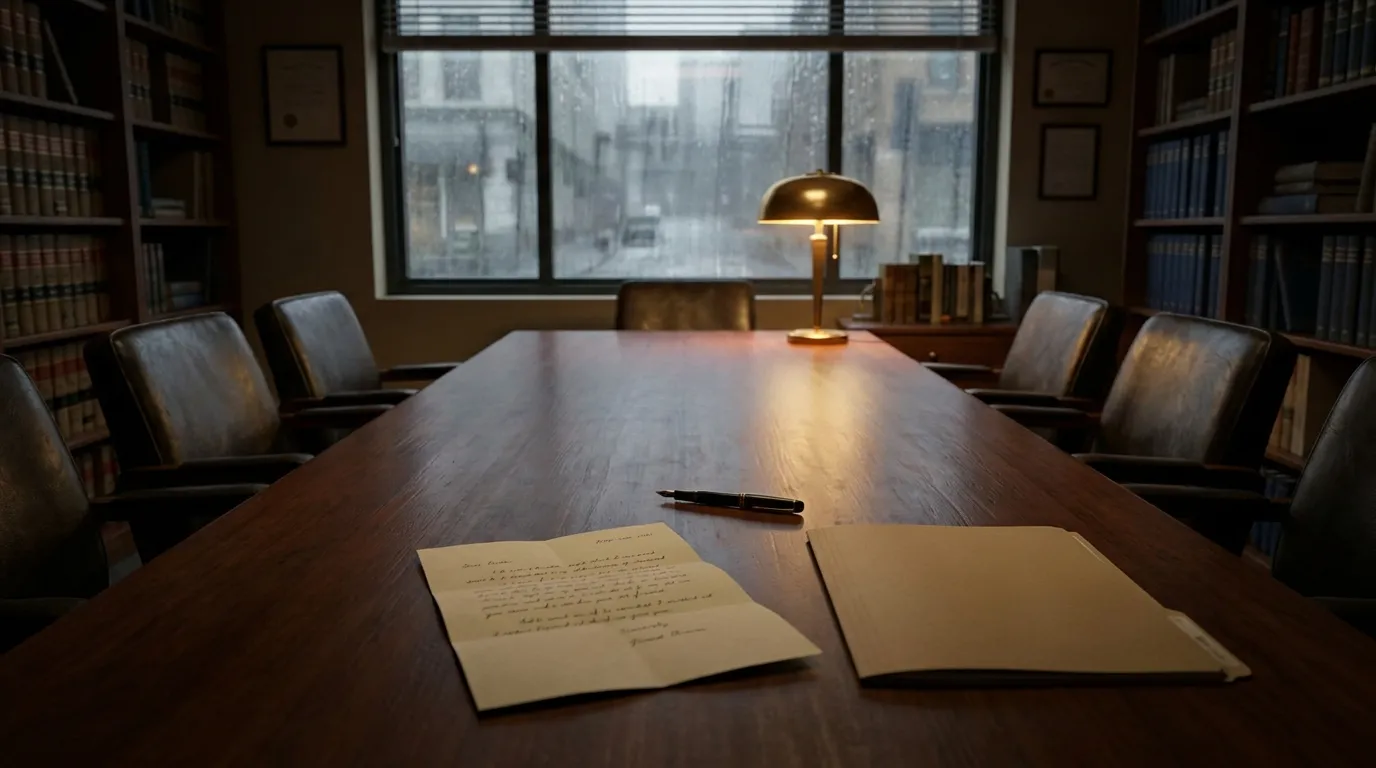
That night he read the letter again under the yellow glow of his desk lamp. His grandfather’s handwriting was shaky but firm. He had known they’d try to take this, the letter said, and he had also known Mark, who didn’t need to shout to be heard. When the time came, his silence and his truth would be louder than anything they could say. Mark folded it into a drawer and felt the fog lift for the first time in days. He wasn’t broken. He was planning.
Quiet Work, Louder Results
His first move was legal. Mark booked a meeting with the attorney, laid the letter on the desk, and said he wasn’t signing anything, not now and not ever. The attorney read it slowly and nodded. Grandpa had anticipated this, he said, and had left specific instructions, and he’d already taken steps to protect Mark’s share, though he’d file extra paperwork so nothing was ambiguous.
Then Mark went quiet on purpose. He muted their numbers, and when Ryan pounded on his door and shouted through the hallway, he sat still inside until Ryan left red-faced. The less he reacted, the more rattled they got, because they’d always run on his reaction. Meanwhile he used the modest savings account Grandpa had left in his name to enroll in a financial planning certification he’d once studied for between shifts and abandoned when money got too tight.
It was slow at first, with long hours and dense material, but he improved by the week. He started spending weekends at the cabin, cleaning and repairing, and the first night he sat by the fire alone, sipping tea the way Grandpa used to, he felt something he hadn’t felt in years: peace. When the certification came through he picked up clients, first friends, then referrals. He turned out to be good at it, because he’d lived the budgeting and scraping he was now advising on.