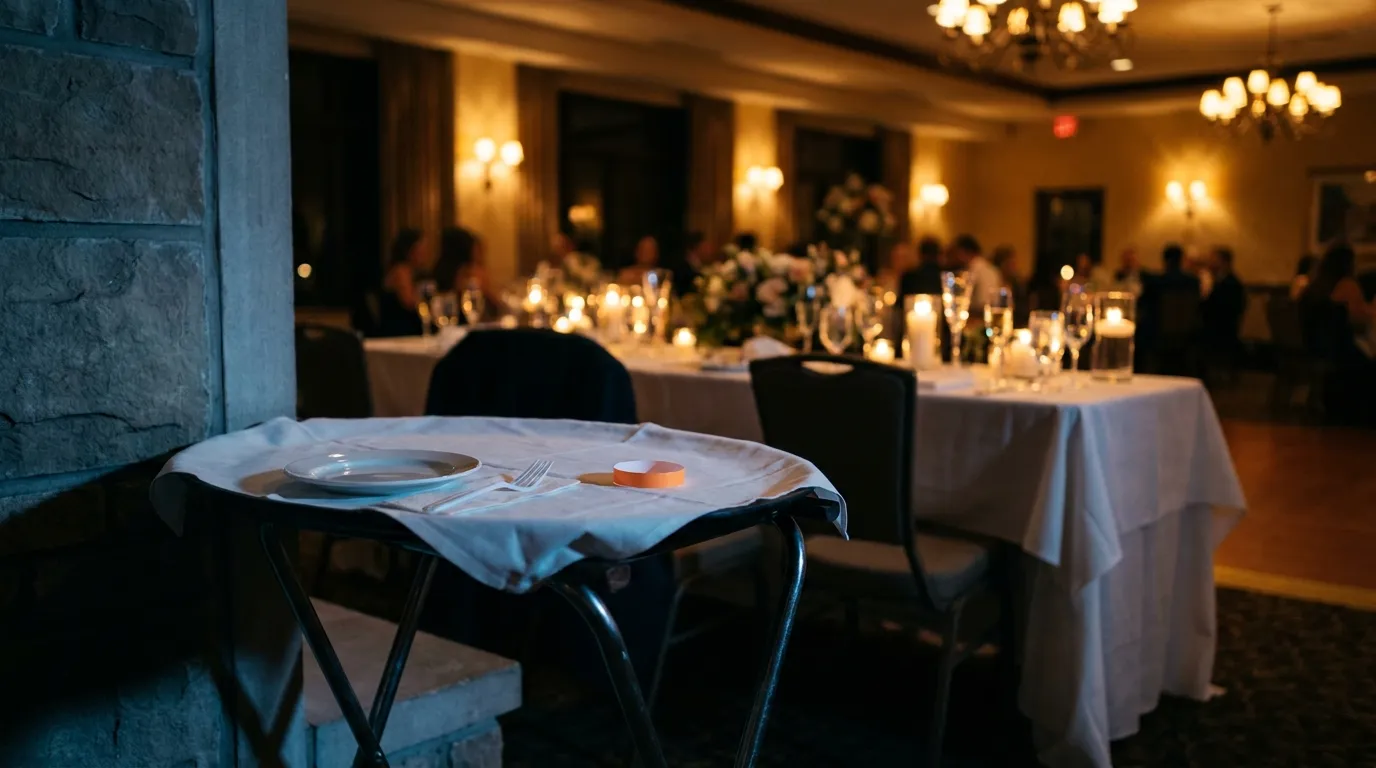
That night the tone changed. His mom said she’d raised him better and he shouldn’t punish everyone over “one silly misunderstanding,” and his brother said he was overreacting because they were old and just joked around. Then Aunt Linda threatened to tell people he’d committed fraud on her accounts. That was the last straw.
Josh screenshotted every email and every form she’d signed when he co-signed her loan and sent them all to her, his mom and his lawyer, Mark, with a polite note about threats concerning shared financial accounts. Two days of silence followed, then weak, conditional apologies about him “feeling excluded.” The best message came from Clarissa, who forwarded his aunt’s frantic request to put the $3,600 on her own card. It bounced three times, the balance stayed unpaid and late fees began.
The Knock, the Coffee and Grandma’s Cookies
Just as Josh was getting used to the quiet, someone knocked. It was his mom, red-faced and puffy-eyed, holding an envelope. A small, childish part of him still hoped for “I’m sorry, we took you for granted,” but one look at her told him she’d come for damage control. She walked in like she still owned the place, though she hadn’t visited once since he bought it three years earlier, and handed him the envelope: the unpaid $3,600 invoice plus a $400 late fee.
She told him this had gone too far. His aunt’s credit was frozen, his brother couldn’t use his business card and Melanie was crying every night because her photos were being held hostage, all over a “seating chart error.” Josh reminded her she’d tossed him a plastic fork, that he’d covered her gas bill last month without being asked and that she’d put his name on a bill nobody told him about. “It’s not like you can’t afford it,” she said, the sentence they always fall back on.
When she added that he isolated himself and should have tried harder, Josh asked whether she would have uninvited him if he’d said no to the bill beforehand. She didn’t answer. “I’m not your wallet,” he said quietly. “I’m not your safety net. I’m your son, but I don’t think you’ve seen me that way in years.” He tore the invoice slowly in half.
She snapped that he was bitter and thought money made him better than the rest of them. “Maybe,” he said, “but I’m not broke and I’m not begging my son to fix a mess I created.” She flinched. “Get out, Mom,” he said, and she went.
Silence followed, until a text came from an unknown number. It was Jason, Melanie’s fiancé, asking to meet. Over coffee at a neutral spot he gripped his cup like an anchor and said he truly hadn’t known what the family was doing to Josh. Melanie had told him Josh offered to pay as a surprise gift, but after the party Jason went through the emails and saw the invoice edits and the way his aunt had forwarded Josh’s contact details to the venue without permission.
When he confronted Melanie, she broke down. Her mom had told her Josh wouldn’t mind, that he had money and this was his way of being included, and she’d half believed it until she saw him at the back table. She still hadn’t spoken up, and after Josh left, Jason said, the family laughed and called him “Mr. Credit Score.”
That was when Jason knew he didn’t want to marry into this, and he’d called off the engagement the day before. Melanie was devastated, but she’d been raised to think money meant love and whoever paid cared. “You’re not crazy,” he told Josh. “You weren’t being dramatic. You were being used.” Something loosened in Josh’s chest, like a weight someone had finally acknowledged.
News of a canceled wedding that had been all over social media for six months traveled fast. His mom texted that he’d ruined Melanie’s life, his brother said no wonder he’s alone and Aunt Linda warned he’d regret it when he needed family. Josh answered each with one word, “Good,” and blocked them all. Over the next weeks he sold the car he’d co-signed with his brother, closed the emergency credit line his mom could use and even canceled the Spotify family plan everyone piggybacked on, because if you’re going to cut someone out, you cut every string.
His life got quiet, then good. He spent time with friends who asked how he was without needing anything, picked photography back up, hiked on weekends and learned to cook something beyond pasta and eggs. He began volunteering once a week at a shelter, helping with logistics and donation drives, and it felt good to help people who appreciated it instead of expecting it.
One Sunday a letter arrived with no return address, but the handwriting was familiar. It was from his grandma, the one relative who’d always treated him with dignity, who lives two hours away and missed the party for health reasons. “Heard about the party. Heard what you did. Good. You deserved better than them. Always have. Come visit me. I made your favorite cookies. Love, Grandma.” That night he drove to her house with a smile and a full tank of gas paid for with his own money, to a chair by the fire next to someone who’d always known his worth. He wasn’t the placeholder anymore.
Reflection: Josh’s family never asked for his money, they assumed it, and assumed his silence along with it. It took Jason, who hadn’t been around long enough to take the pattern for granted, to say out loud that Josh was being used. I think the cleanest boundary here was also the least dramatic one: no screaming, just a series of accounts quietly closed.
If you’ve ever been the family’s quiet wallet, we’d love to hear how you finally said no. A lot of readers tell us the hardest part wasn’t the conversation but the weeks of guilt afterward. Tell us what helped you hold your ground. We read every comment.