
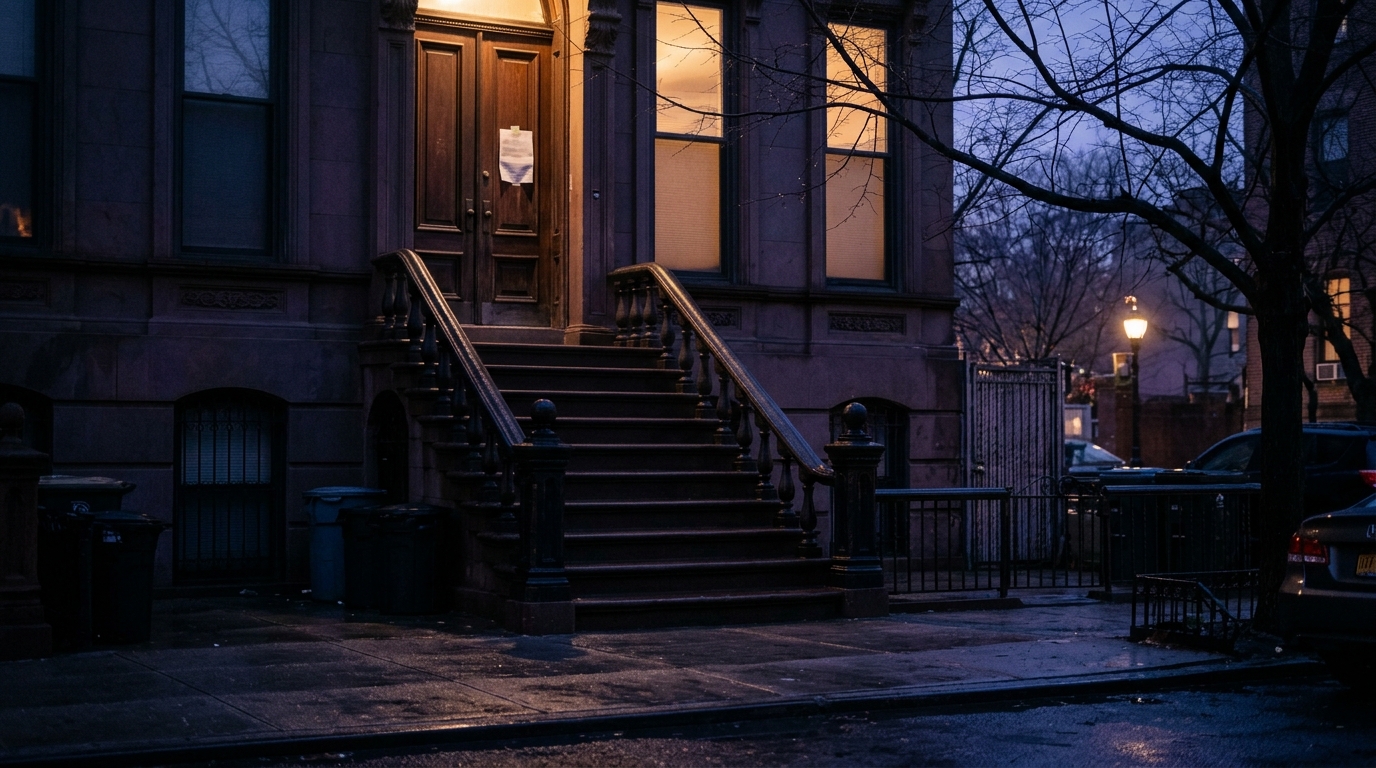
Sienna admitted it through tears. She’d needed the money, she said, and nobody in that house had a job because Deborah kept preaching that family takes care of family while collecting cash from daycare parents. Then Uncle Rory, the quiet one Jordan trusted most, stood up slowly. He said he’d remortgaged the house six months earlier and forged Jordan’s signature to do it. The loan was for $400,000, split between him and Dennis, and they’d planned to repay it before anyone noticed.
Dennis admitted he’d rerouted the bank statements to a P.O. box so they’d never reach the house. Jordan could barely breathe. Right then Jordan’s mother walked in, fresh from the master bedroom she’d claimed after grandma died, supposedly for sentimental reasons. Deborah told her to tell Jordan what she’d done, and the truth came out: the original will had split the brownstone seven ways, and Jordan’s mother had altered it before grandma died, naming herself executor and Jordan the sole heir. She’d counted on Jordan letting everyone live there for free while she held the strings.
Jordan said the police were next. Their mother answered quietly that it would backfire. A fraud case would drag on for years, and Jordan owned the house where drugs were sold and loans were forged, so the other side would call Jordan complicit. She’d set it up so everyone sank together, and she said so plainly: protecting each other, she told Jordan, was what family does. It was a perfect trap, and Jordan finally saw who had built it.
The Booth Farthest From the Door
Jordan walked out without another word, and nobody tried to stop them. Hands shaking so hard that the car keys hit the pavement twice, Jordan drove three blocks and ended up in an all-night diner, in the booth farthest from the door. The waitress kept the coffee coming and asked nothing. By 11:47 p.m. Jordan was searching for real estate and property fraud lawyers, and by three in the morning had a list of them plus the address of a legal aid office that opened at nine. Around the room sat a security guard and two women in scrubs, ordinary people who probably never had to wonder whether their own relatives had forged their names.
At 9:03 that morning, a legal advocate named Maya Lambert unlocked the door and listened to the whole story without flinching. She explained that a forged signature made Jordan a victim, not a criminal, though proving it would take evidence like bank records, proof of where Jordan had been, and witnesses. Then she wrote a name on the back of a business card: Sloan Whitley, a real estate attorney who charged on a sliding scale. At the door she touched Jordan’s arm and said they hadn’t done anything wrong, and that their family had put them in an impossible position.
Sloan, who looked to be in her mid-thirties and read people fast, saw something useful in the altered will. It pointed to a pattern of deception, which backed up the idea that Jordan was the target of fraud and not a willing partner in it. What they needed was the original document, and that meant finding people who’d been around when grandma signed it. Jordan, running on thirty sleepless hours and a credit card for the $2,000 retainer, thought of Shelby, grandma’s neighbor of thirty years.
Shelby went pale when she heard what had been happening. Grandma had talked about her wishes all through those last months, she said, always insisting on equal shares because she dreaded fights after she was gone. Two years before she died, Shelby had gone with her to a lawyer’s office as the witness when she signed. She still had the attorney’s card tucked inside an old address book, and she called him while Jordan sat on her couch.
The lawyer, William Park, rang back the next morning. He’d drafted that equal-shares will himself and filed it with the probate court, and he was stunned to learn that a different version had been submitted after her death. He offered to hand over the originals and testify about what Eleanor had really wanted. For the first time in days, Jordan felt something in their chest loosen.
Hoping to grab clothes and a laptop, Jordan slipped back into the brownstone one afternoon and found their mother sitting on the bed in the old bedroom, waiting. She used the calm voice of someone sure she was the only adult present: the will change had been protection, the mortgage was Rory and Dennis’s mistake, and Jordan was being dramatic. When Jordan answered that protection doesn’t involve forgery, the warmth drained out of her face. She reminded Jordan of every sacrifice she’d made and warned that testifying against family meant ending up alone. Jordan said being alone beat being her accomplice, picked up the laptop, and walked past her.
A Cousin With Spreadsheets
That night, Derrick called and asked to meet somewhere away from the house. He looked wrecked in the corner of a late-night coffee shop near Prospect Park. He said he hadn’t known about the forged mortgage or the will until the timer game, he was terrified of charges, and if somebody in the family was going to flip, he wanted it to be him. His Airbnb spreadsheets, kept so he could report the income eventually, happened to document who lived in the house and when. Jordan hated sitting across from someone who’d taken from them for eighteen months, but a witness with records was exactly what the case needed.