Gina gripped the table until her knuckles went white. Yes, she said, she’d been a terrible mother and knew it even while she was doing it, but making people laugh was the only time she felt like she mattered. She promised no speech and no jokes, and Luke’s mother replied that she was on thin ice with the whole family. Then Dana heard herself say that Gina was still her mother and would be at the wedding, and every head turned toward her, Luke’s included.
In the car afterward, Luke asked whether she truly wanted Gina there or just felt she had to. Dana realized she had been angry for so long she’d never asked herself. He told her uninviting Gina would be fine, and she said she needed time.
The Knock on the Wedding Morning
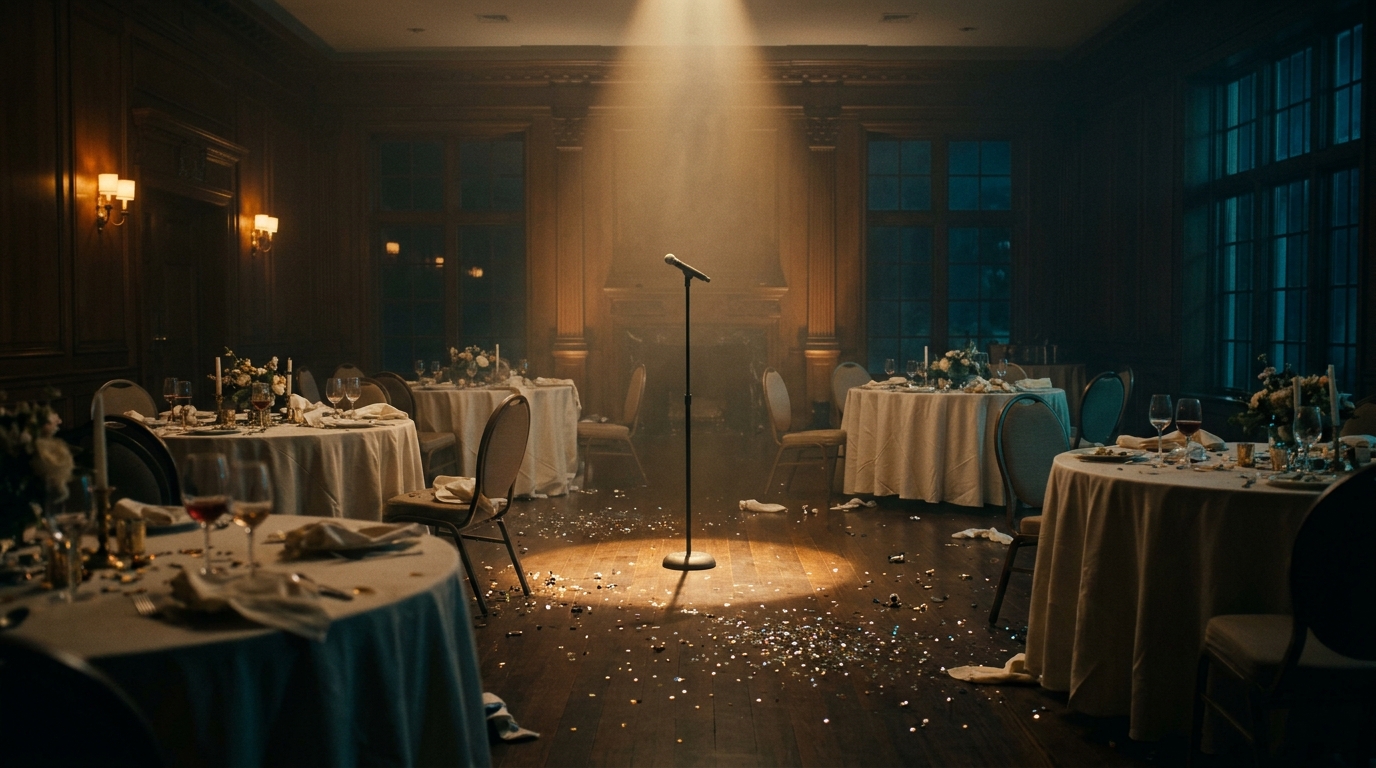
After two days of staring at Gina’s number, Dana called and said she could come, with strict rules: no speech, no jokes about Dana or the family, and her cousin would escort her out if she drank too much. Gina agreed instantly, and the lack of an argument worried Dana more than a fight would have. Three days later the wedding planner called in a panic: Gina had asked about microphone access at the reception and the best time to use it.
Dana drove straight to Gina’s apartment, where Gina insisted it wasn’t a speech, just a musical tribute. Dana told her that if she pulled attention onto herself at the wedding, they were done. Gina cried that she was being treated like a criminal, but Dana didn’t soften, because celebrating with Gina had always meant being humiliated.
Luke suggested hiring security, and his parents offered to pay. A few days before the wedding, Ted from the roast messaged Dana to say Gina had been calling her comedy friends and asking them to come. When Dana confronted Gina again, she sobbed for real, admitting she couldn’t face Luke’s family alone and was terrified of being cut out of her daughter’s life. It was harder to hate her like that.
At an emergency therapy session, Dana admitted she was afraid of becoming Gina. The therapist pointed out that Gina had never once questioned whether she was wrong, and that was the difference. Luke took her hand and said he trusted her, but needed to know she wouldn’t use his vulnerabilities against him the way Gina had used hers.
The night before the wedding, Dana wrote Gina a letter at her kitchen table. Gina could come and bring one comedy friend to help keep her grounded, she wrote, and the relationship was broken, but Dana was willing to try if Gina respected real boundaries. The last paragraph was the hardest, because it admitted that some part of her still wanted a mother, even if Gina could never be the kind she needed.
The next morning, while Dana was fixing her makeup, someone knocked on her door. It was Gina, holding the letter, her eyes red in a way that wasn’t theatrical, looking smaller somehow. She had read it four times, she said, and she understood: she’d spent her life using comedy to avoid real feelings, and she was starting actual therapy, not the kind where she turned sessions into bits. She didn’t expect forgiveness, only a chance to try, and she said she was proud of Dana for setting boundaries and wished someone had taught her how. Before she left she promised to sit quietly in the third row with Lucy, who had agreed to be her support person.
The ceremony happened in a garden, with white chairs facing an arch covered in flowers. Gina sat in the third row in a plain blue dress, not the sequins, with Lucy’s hand on her arm, crying quietly and staying perfectly still. The vows went by without a single interruption. At the reception Dana watched her mother talk briefly with Luke’s parents, without jokes or gestures; his mother stayed cold but nodded, and his father shook Gina’s hand like a man closing a formal agreement.
Six weeks later, Gina and Dana started meeting for coffee every Thursday halfway between their apartments. Dana kept a list of off-limits topics, and Gina followed it. She talked about therapy honestly, including her therapist’s point that she’d used comedy as a weapon to keep people at a distance. Dana listened without offering forgiveness. The relationship would never be easy or normal, but she was learning she could protect herself without destroying her mother.
She still flinched when Gina’s name lit up her phone. But a weekly coffee with clear rules felt manageable, and she no longer woke up wondering when she’d become the next punchline.
Reflection: Dana got her revenge and it still didn’t feel like winning, which says something about what revenge can and can’t repair. The part that actually changed her life was quieter: naming what she would and wouldn’t allow, then holding to it while her mother tested every inch. People who joke at your expense are usually keeping something in the dark, and boundaries are what let you stay near them without being the one who pays for it.