
A Roast With a Twist
The wedding was three months away, and Gina assumed she’d be giving a speech. She was already workshopping material and kept asking Dana for embarrassing stories about Luke so the set would feel balanced. She also bought a white sequined dress that looked uncomfortably like a wedding gown, explaining that she needed to stand out in photos. When Dana said flatly there would be no speech, Gina laughed and told her nobody could stop the mother of the bride from talking.
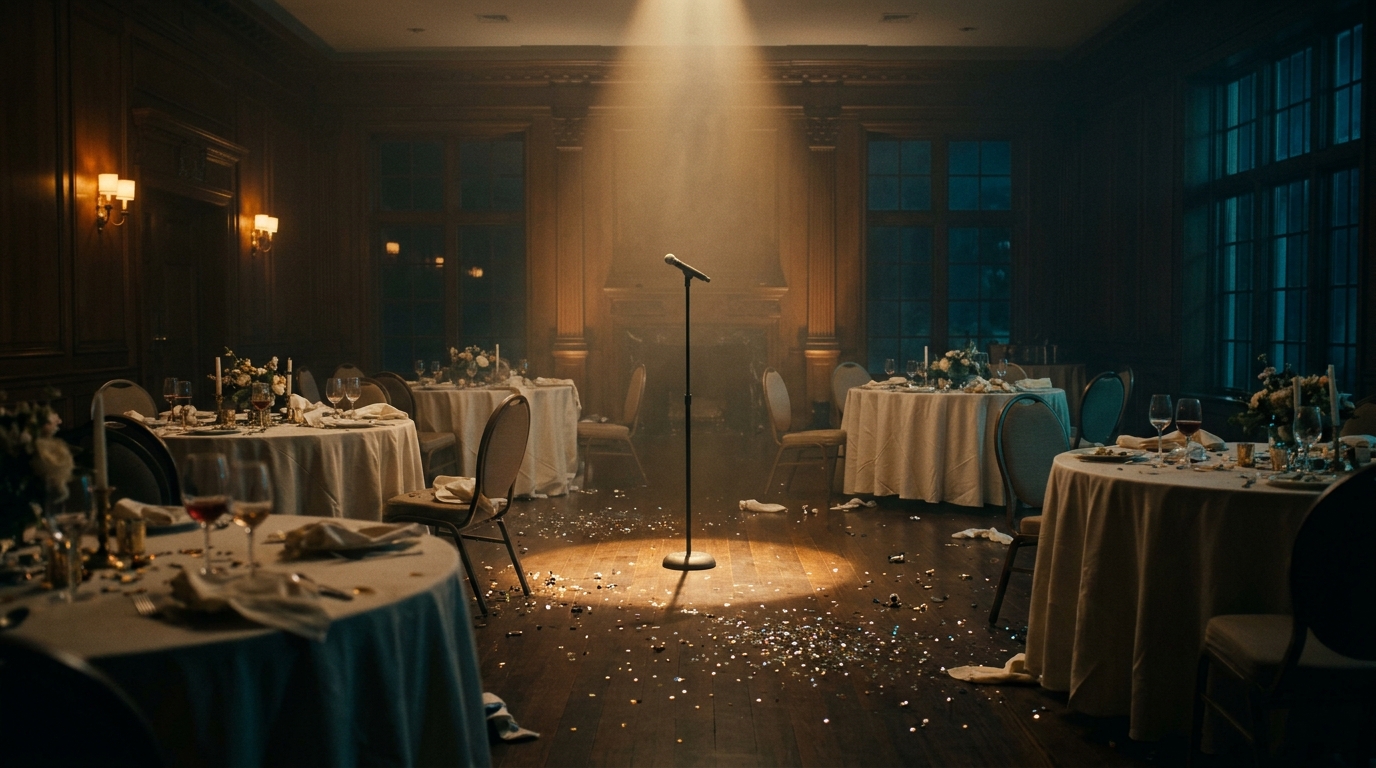
That was when Dana decided her mother needed to feel it from the other side. The week before the wedding, she invited Gina’s entire comedy scene to what Gina believed was a bachelorette party. Fifteen people from the open-mic circuit showed up, and Gina arrived thrilled to be included. Dana explained the theme: a roast, but of their parents, for all the crazy things they’d done raising their kids. Gina loved it and said her daughter was finally developing a sense of humor.
Gina went first, with more childhood stories that made Dana sound pathetic. Other guests told genuinely funny stories about their own parents, and the room stayed loose. Then it was Dana’s turn.
She started with Gina getting pregnant at seventeen by her married English teacher, Mr. Randolph, and how Gina blackmailed him until his wife found out and he took his own life. Gina still had the note he left, which named her. Then came the vodka Gina slipped into Dana’s baby bottle so she’d sleep through parties, and the college fund from her grandmother’s inheritance that Gina spent on comedy classes she failed.
She described the day Gina showed up drunk at Dana’s high school, then told the social worker that her daughter was lying for attention. The room went dead quiet. Gina tried to laugh it off, but Dana had more: the talent show where Gina fell off her chair while Dana pretended not to know her, and the Christmas Gina sold her Nintendo for drug money and said Santa wasn’t real because they were too poor.
Ted stood first and walked toward the door without a word. Lucy stared at Gina with her mouth slightly open, the way people look at a car wreck they can’t stop watching. Kira held her phone up the entire time, and Dana could see the red light that meant it was still recording.
The vindication felt like electricity, hot and bright, but something cold was spreading underneath it. Dana had just taken her mother apart in front of everyone who made up her social life, and the look on Gina’s face made her feel like she’d kicked a dog. Gina tried her fake comedian laugh, but her voice cracked halfway through, and she called Dana a liar in a tone that sounded desperate instead of angry. Her hands shook so hard she had to set down her drink.
Cold Coffee, a Confession, and a Dinner Table
Someone suggested everyone get some air, and within two minutes the room emptied, leaving Dana and Gina at a table of empty glasses and wadded napkins. Gina looked afraid, which Dana had never seen, and asked in a small, old voice why she would do this. Dana said her mother had done it to herself the night she turned a hospital stay into a bit in front of two hundred people. Gina cried the ugly way, makeup running, and said Dana had taken the only friends she had. Dana picked up her jacket and walked out while Gina kept saying her name.
In the hallway, Dana felt tired and mean, like she’d swallowed something sharp. Luke called three times that night, and she let every call go to voicemail because she didn’t know how to explain herself. By morning his messages sounded worried: Gina had phoned him in tears about being attacked in public, and his mother was asking questions. Dana threw her phone across the room, sure Gina was already casting herself as the victim.
She told Luke everything over coffee the next afternoon, before Gina’s version could set. He listened while his drink went cold, and when she finished he asked whether she felt better now that she’d hurt her back. Dana opened her mouth to say yes and found she couldn’t. She felt sick, and afraid of becoming someone who hurts people and calls it justice. Being right and feeling clean, it turns out, are two different things.
Then Luke said his parents were wondering whether to postpone the wedding. His mother couldn’t handle another public spectacle, and his father thought they should wait until Dana’s family situation was more stable. Dana wanted to scream, because her family had never been stable and never would be.
Two days later Gina turned up at Dana’s door unannounced, hair unwashed, in sweatpants, and sank onto the couch as if her legs had given out. Two comedy clubs had dropped her from their open mics once word spread. Then she admitted the Randolph story was true, said she’d carried the guilt for twenty-seven years, and confessed she still dreamed of his wife calling her a murderer at the funeral. Dana couldn’t tell whether this was honesty or another performance.
Luke’s parents invited both of them to dinner to clear the air, and Dana knew it was a test. Gina arrived in a plain black dress, visibly shaking. Her apology drifted into excuses about her hard childhood until Luke’s mother cut in: plenty of people have hard lives without mining their children’s trauma for entertainment. Then Luke’s father asked whether Gina planned to use the wedding as material too.