
Most lists of the best worms for composting read like a Red Wiggler fan page. The assumption is that one species fits every bin, every climate, and every household. That assumption collapses the moment someone in Manila watches their expensive Eisenia fetida shipment die in a 32°C garage, or a gardener in Glasgow realizes European Nightcrawlers keep processing through January while the Wigglers have shut down. The real question is not which worm is best. It is which worm fits your actual temperature profile and bin location.
This guide covers seven distinct composting worm species and three blended or situational options. It excludes deep-burrowing anecic worms like Canadian Nightcrawlers (Lumbricus terrestris) and endogeic soil dwellers because they cannot survive the confined, high-density conditions of a compost bin. It also excludes mealworms and black soldier fly larvae, which are effective decomposers but are not worms.
By the end, you will know which species matches your indoor or outdoor setup, your local temperature range, and your tolerance for daily versus weekly maintenance. You will also know which popular worm to avoid entirely if you garden anywhere near a forest edge.
Bottom line: Choose worms by matching their temperature tolerance band and bin behavior to your actual growing zone, not by the species name you see repeated most often.
The Yield Grid Decision Grid
Branch 1: Indoor Bin, Stable Temperatures (13°C to 27°C / 55°F to 80°F)
You keep your bin inside a heated or cooled living space, garage, or basement where temperatures stay within the ideal band year-round. You want fast processing and minimal escape risk. Recommended: Items 1, 2, 3 below.
Branch 2: Outdoor or Unheated Space, Cool Climate (winters below 10°C / 50°F)
Your bin lives on a balcony, in a shed, or in an unheated garage where winter temperatures drop into the single digits Celsius. You need cold tolerance and deeper burrowing behavior. Recommended: Items 2, 6, 8 below.
Branch 3: Tropical or Hot Climate (regularly above 29°C / 84°F)
You live in a warm region where summer bin temperatures exceed 30°C. Most temperate worms will die or stop reproducing. You need heat-adapted species. Recommended: Items 4, 5, 9 below.
If you are brand new to composting and need to understand the broader system before choosing worms, read our composting starter guide first. It covers bin types, bedding preparation, and the relationship between worms and the wider decomposition process.
Quick Comparison Table
| Option | Key Mechanism | Best For | Decision Grid Branch | Effort Score (1 to 5) |
|---|---|---|---|---|
| Red Wigglers (Eisenia fetida) | Surface feeding, rapid consumption | Indoor bins, beginners | Branch 1 | 2 |
| European Nightcrawlers (Eisenia hortensis) | Shallow burrowing, soil aeration | Outdoor bins, cool climates, dual-use fishing | Branch 1, 2 | 3 |
| Tiger Worms (Eisenia andrei) | Surface feeding, wide pH tolerance | Indoor bins, acidic feedstock | Branch 1 | 2 |
| African Nightcrawlers (Eudrilus eugeniae) | Deep feeding, heat-driven metabolism | Tropical climates, large bins | Branch 3 | 4 |
| Indian Blue Worms (Perionyx excavatus) | Fast reproduction, warm-adapted | Tropical and subtropical regions | Branch 3 | 4 |
| Red Earthworms (Lumbricus rubellus) | Epi-endogeic, partial soil integration | Outdoor compost piles, cool damp climates | Branch 2 | 3 |
| Multi-Species Worm Blend | Depth diversity, complementary feeding zones | Medium to large bins, varied feedstock | Branch 1, 2 | 2 |
| Dendrobaena veneta | Slow but steady, cold-tolerant | European climates, unheated spaces | Branch 2 | 3 |
| Local Bait Shop Worms | Low-cost startup, variable species | Budget starts, trial runs | Branch 3 (confirm species) | 2 |
| Alabama Jumpers (Amynthas agrestis) | Aggressive consumption, invasive risk | Contained systems only, experienced keepers | Branch 3 (with extreme caution) | 5 |
1. Red Wigglers (Eisenia fetida): The Reliable Benchmark
Best for: Branch 1
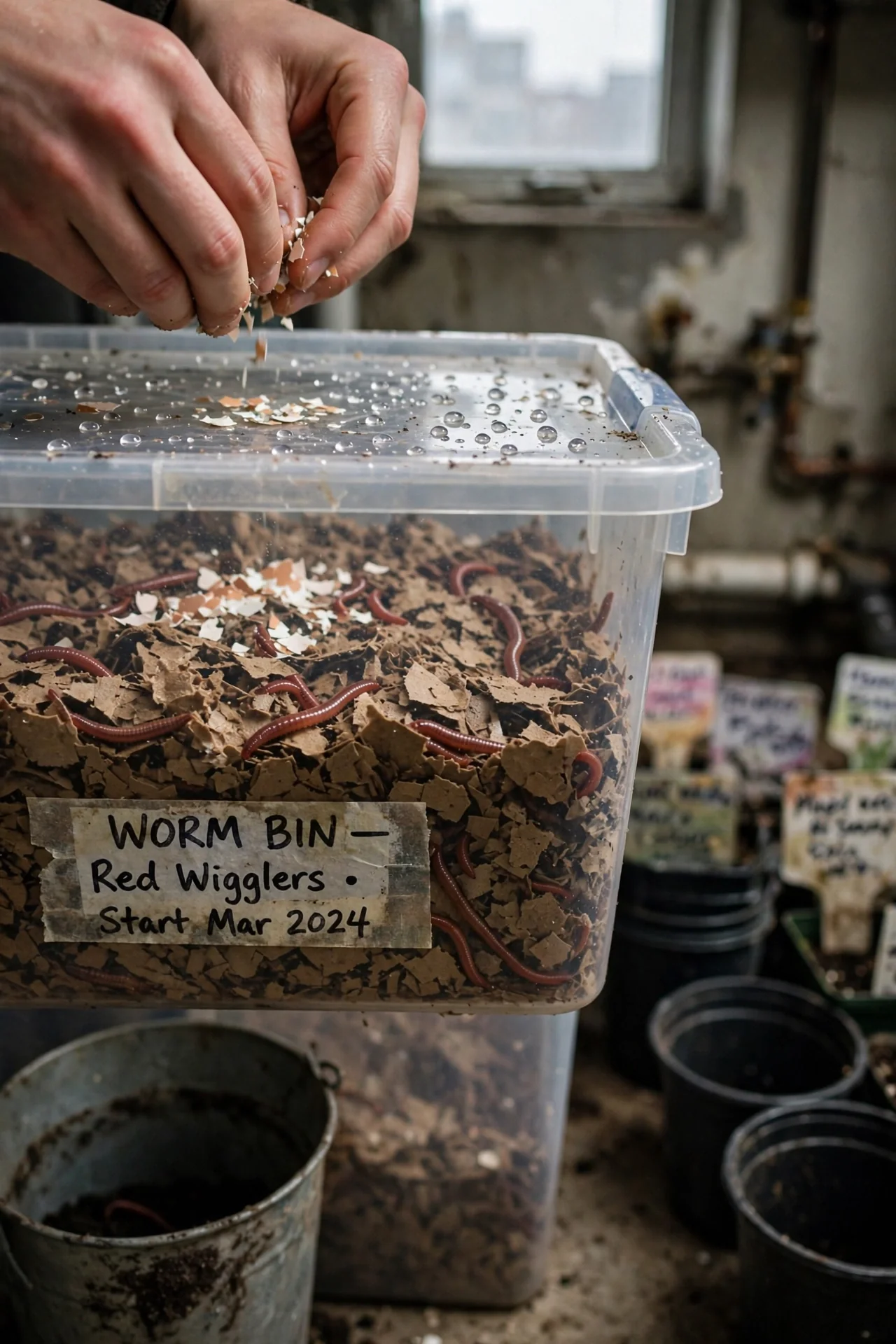
What it is: Eisenia fetida is the most widely studied and commercially available composting worm globally. It is a strict epigeic species, meaning it lives entirely within decomposing organic matter at the surface and does not burrow into mineral soil.
Why it works: Red Wigglers tolerate a temperature band of roughly 13°C to 27°C (55°F to 80°F), with peak feeding activity around 25°C. They can survive brief excursions down to 0°C if the bedding is at least 10 cm deep, though feeding stops below roughly 10°C. Their pH tolerance spans 4.2 to 8.0, which covers the typical acidity swings of a kitchen-scrap bin without requiring lime correction in most cases.
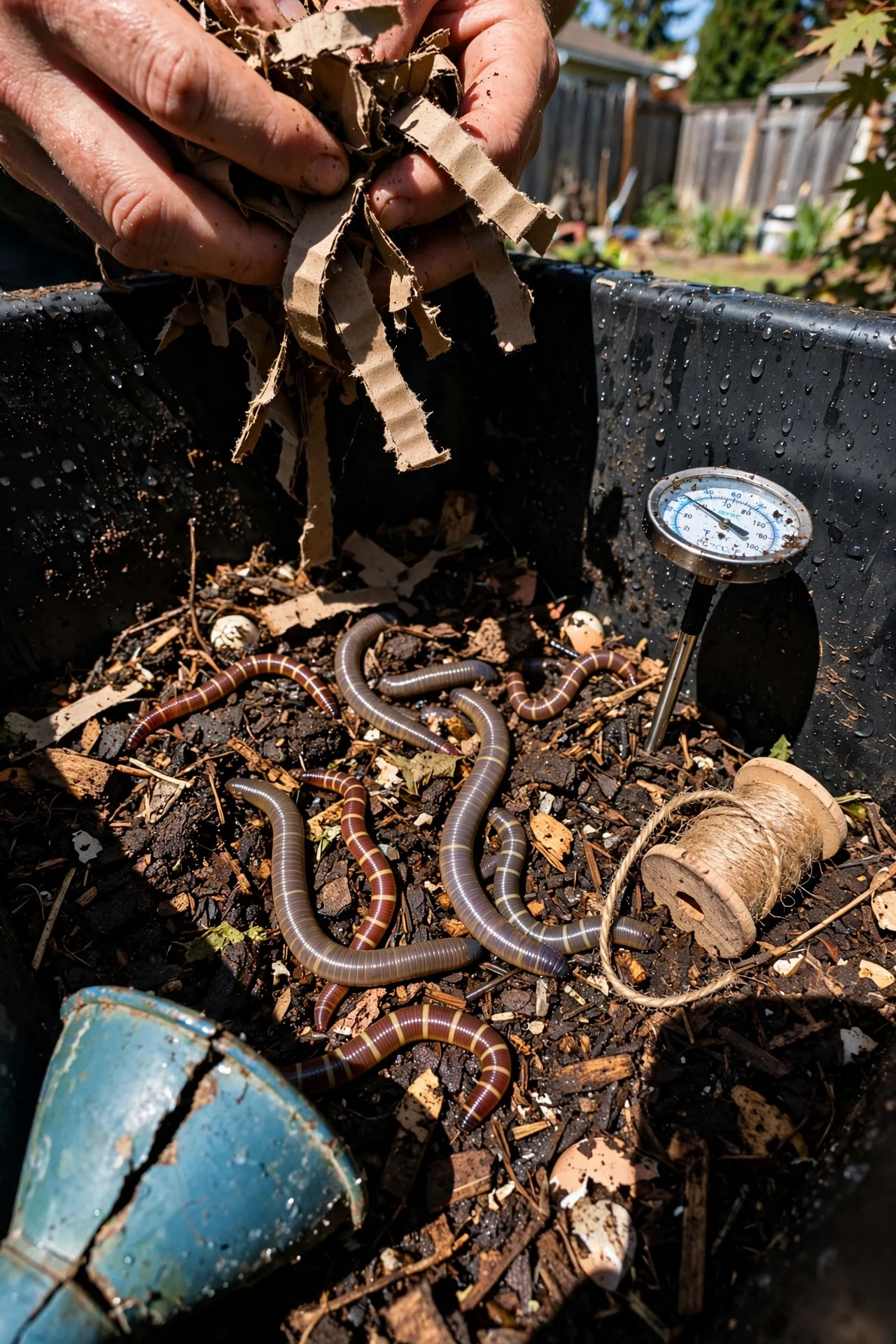
Practical steps: Start with a minimum of 0.5 kg (about 500 worms) for a standard 40 L to 60 L bin. Provide bedding of shredded cardboard or coconut coir soaked and wrung to the dampness of a wrung sponge. Bury food scraps under 5 cm of bedding to discourage fruit flies. Feed only after the previous feeding is roughly 70 percent gone, which typically means adding scraps once every 5 to 7 days in a mature bin.
Common mistake: Overfeeding before the colony is established. A new bin with 0.5 kg of worms cannot process a full week of kitchen scraps from a family of four. Start with one handful of scraps every 3 to 4 days and increase gradually as the population grows. For guidance on what kitchen waste to add and what to exclude, see our kitchen scrap composting guide.
2. European Nightcrawlers (Eisenia hortensis): The Dual-Purpose Workhorse
Best for: Branch 1 and Branch 2
Use this if: you want a worm that composts and also serves as fishing bait, or if your bin runs cooler than the Red Wiggler comfort zone. European Nightcrawlers tolerate temperatures down to roughly 5°C while continuing to feed, and they burrow 15 cm to 30 cm into the bedding, aerating deeper layers that Red Wigglers never reach.
Skip this if: you want fast turnover of kitchen scraps. European Nightcrawlers process material more slowly than Red Wigglers and reproduce at a lower rate. They also tend to wander more in bins without a tight-fitting lid.
Edge case: In bins that alternate between indoor wintering and outdoor summer placement, European Nightcrawlers adapt better to the temperature swings than any other commercially available species.
3. Tiger Worms (Eisenia andrei): The Overlooked Sibling
Best for: Branch 1
The threshold that matters: Eisenia andrei is morphologically nearly identical to Eisenia fetida and is often sold mixed with Red Wigglers without the buyer knowing. The practical distinction is that E. andrei shows slightly higher tolerance for acidic conditions and metallic contaminants in the substrate, which makes it the better choice if your feedstock regularly includes coffee grounds or if you are composting in regions with acidic water.
When to switch: If your Red Wiggler bin repeatedly develops a sour smell despite normal feeding rates, the pH may be dropping below 5.0 due to acidic food inputs. Switching to or adding Tiger Worms can stabilize the system without requiring frequent lime additions. The two species can coexist in the same bin.
Availability constraint: Pure Eisenia andrei cultures are harder to source than E. fetida. Most commercial worm farms sell a mix of both species, which is functionally identical for most home composting purposes.
4. African Nightcrawlers (Eudrilus eugeniae): The Tropical Specialist
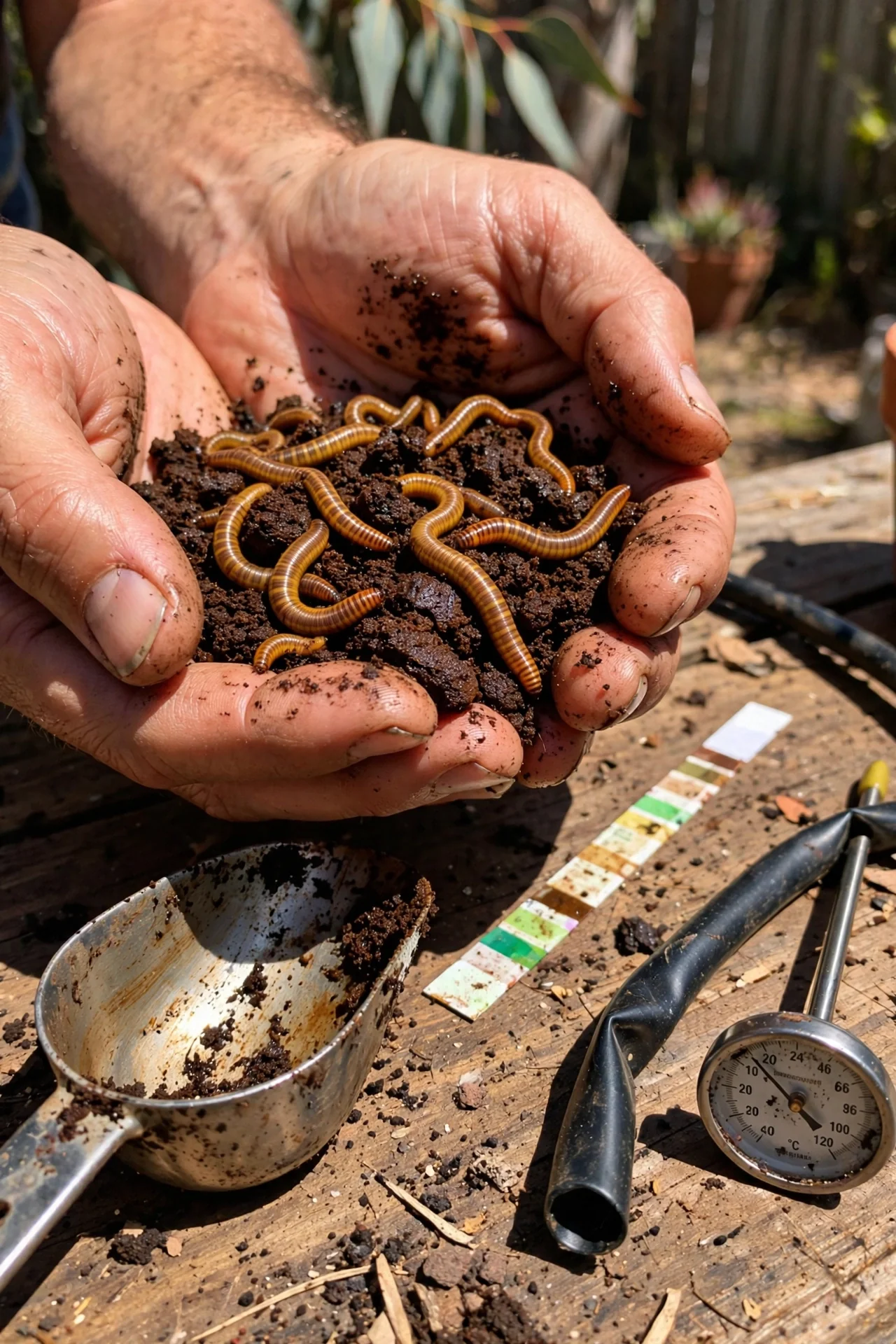
Best for: Branch 3
What it is: Eudrilus eugeniae is a large epigeic worm native to West Africa, widely adopted for vermicomposting across Southeast Asia, the Philippines, India, and tropical regions of Australia and the Americas. Adults reach 10 cm to 15 cm, significantly larger than Red Wigglers.
Why it is different: The defining constraint is temperature. African Nightcrawlers require a minimum bin temperature of roughly 10°C (50°F) to survive; below this threshold, mortality rises sharply within days. Their optimal range is 24°C to 30°C (75°F to 86°F), and they remain active at temperatures up to 35°C that would kill Eisenia fetida within hours. This makes them the best choice for outdoor bins in tropical and subtropical zones where daytime temperatures routinely exceed 30°C.
Practical setup: Use a larger bin than for Red Wigglers because this species moves more and will attempt to migrate if the bin is too small or conditions are unfavorable. A minimum of 80 L is recommended. Monitor moisture carefully: African Nightcrawlers are more sensitive to dry bedding than Red Wigglers and require moisture content consistently above 65 percent. A simple squeeze test works: a handful of bedding should release a few drops of water without dripping freely.
Compatibility note: African Nightcrawlers can be paired with a bokashi pre-fermentation system, where kitchen waste is fermented anaerobically before being added to the worm bin. This approach reduces the acidity shock that can occur when raw scraps are added in large quantities. Read our bokashi composting guide for the full method.
5. Indian Blue Worms (Perionyx excavatus): The Heat-Loving Speedster
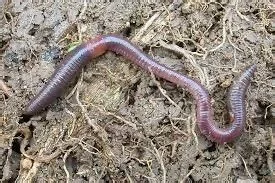
Best for: Branch 3
Use this if: you live in a consistently warm climate where bin temperatures sit between 22°C and 32°C, and you want a worm that reproduces faster than any temperate species. Perionyx excavatus reaches sexual maturity in roughly 20 to 28 days compared to 40 to 60 days for Eisenia fetida, making it the fastest colony builder among commonly available composting worms.
Skip this if: your bin temperature ever drops below 15°C. Indian Blues are notorious for mass migration attempts when temperatures fall; they will crawl out of ventilation holes, up bin walls, and across floors. This escape behavior is the primary reason they are less popular than Red Wigglers despite their superior reproductive rate.
Edge case: In the Philippines and parts of India, Perionyx excavatus is the native or naturalized composting worm and is often the cheapest option available locally, making the temperature constraint a non-issue.
6. Red Earthworms / Dilong (Lumbricus rubellus): The Outdoor Pile Option
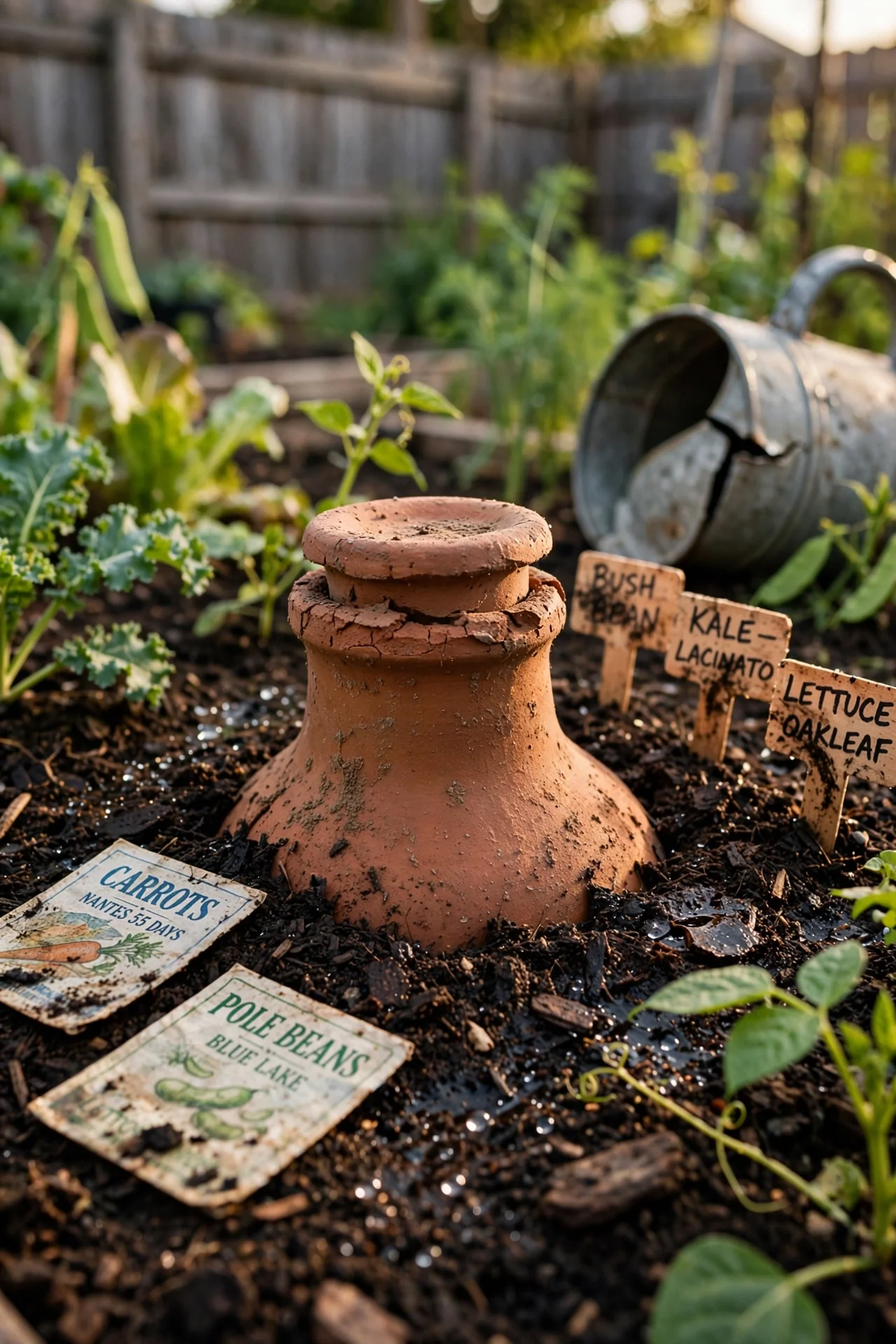
Best for: Branch 2
The threshold that matters: Lumbricus rubellus occupies an ecological middle ground, classified as epi-endogeic. It feeds at the surface but also integrates partially into the top few centimeters of soil. This makes it suitable for outdoor compost piles that sit directly on the ground, where worms can retreat into the soil below if pile conditions become unfavorable, and unsuitable for enclosed plastic bins where it cannot escape.
Adjustment factor: This species is common in bait shops across North America and Europe, often sold simply as red worms. If you buy from a bait supplier, confirm the scientific name because Lumbricus rubellus is frequently confused with Eisenia fetida. A practical identification clue: L. rubellus has a distinctly flattened posterior section and a more iridescent, purplish-red dorsal surface.
Limitation: This species reproduces more slowly than Eisenia fetida and is less tolerant of the high-density conditions in enclosed bins. Use it only if your composting system is an open pile or a bin with direct soil contact.
7. Multi-Species Worm Blend: The Depth-Diversity Approach
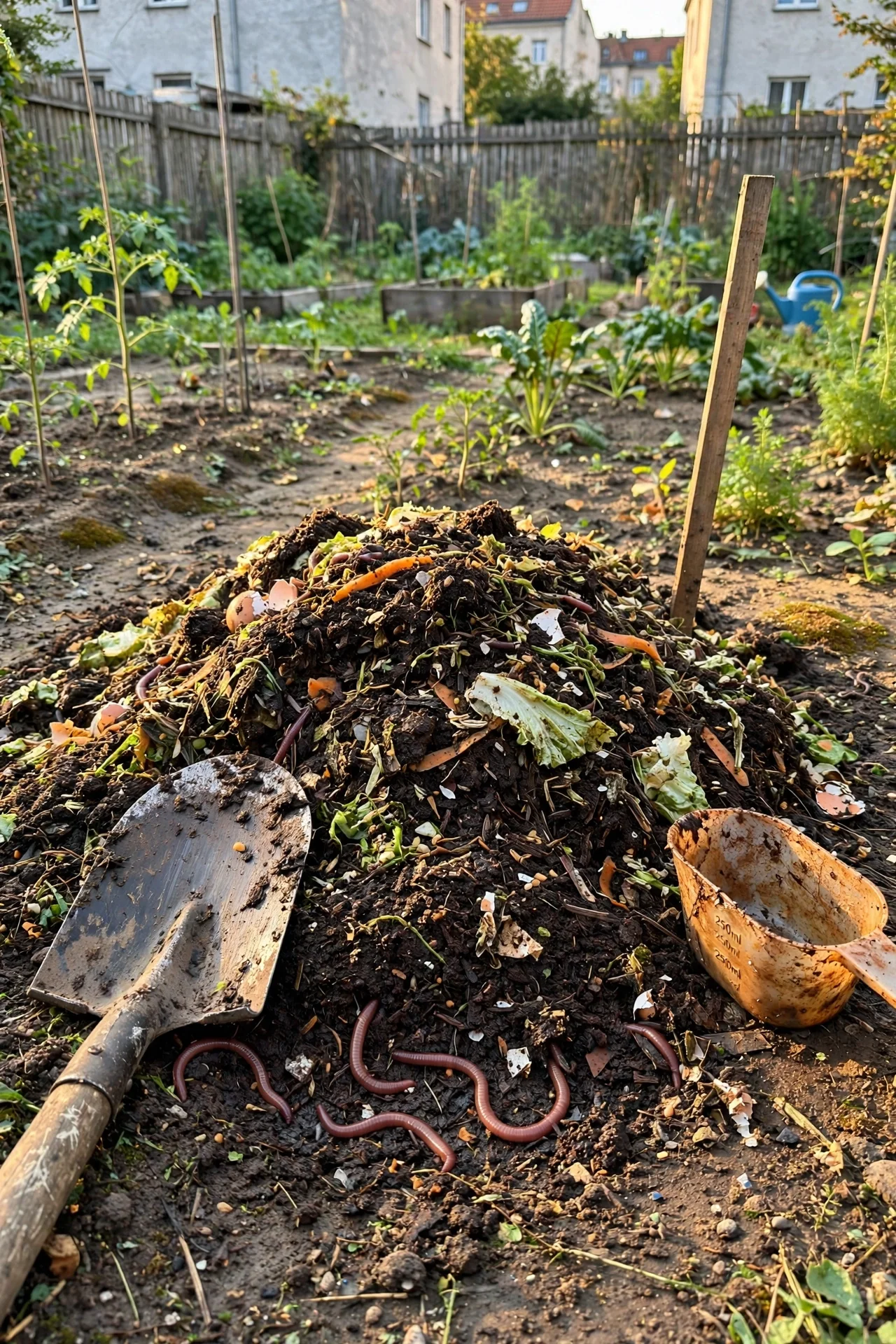
Best for: Branch 1 and Branch 2
What it is: Several commercial worm farms, including Uncle Jim’s Worm Farm in the United States, sell blended batches that contain multiple epigeic species raised together in the same beds. A typical blend includes Eisenia fetida, Eisenia andrei, and sometimes Perionyx excavatus or Eisenia hortensis in varying proportions depending on the season and source bed.
Why it works differently: In a monoculture bin, all worms feed at roughly the same depth and process the same material at the same rate. When the top layer is consumed, activity slows until new scraps are added to the surface. A multi-species blend distributes feeding across depths, with some species staying in the top 5 cm while others work 10 cm to 20 cm down. This increases the effective processing volume of the bin without increasing its footprint. Anecdotal reports from long-term keepers suggest that blended bins are more resilient to feed gaps and temperature fluctuations because if one species declines, another may fill the gap.
Verification step: Before ordering a blend, ask the supplier which species are included and in what approximate proportions. Some blends are predominantly Eisenia fetida with a small fraction of other species added for marketing purposes. A genuine multi-species blend should contain at least two distinct species in meaningful quantities.
Upgrade path: Once a blended bin is mature and producing castings, the finished vermicompost can be used to brew actively aerated compost tea. Our compost tea calculator helps determine the correct dilution ratio for foliar sprays and root drenches using worm castings as the microbial inoculant.
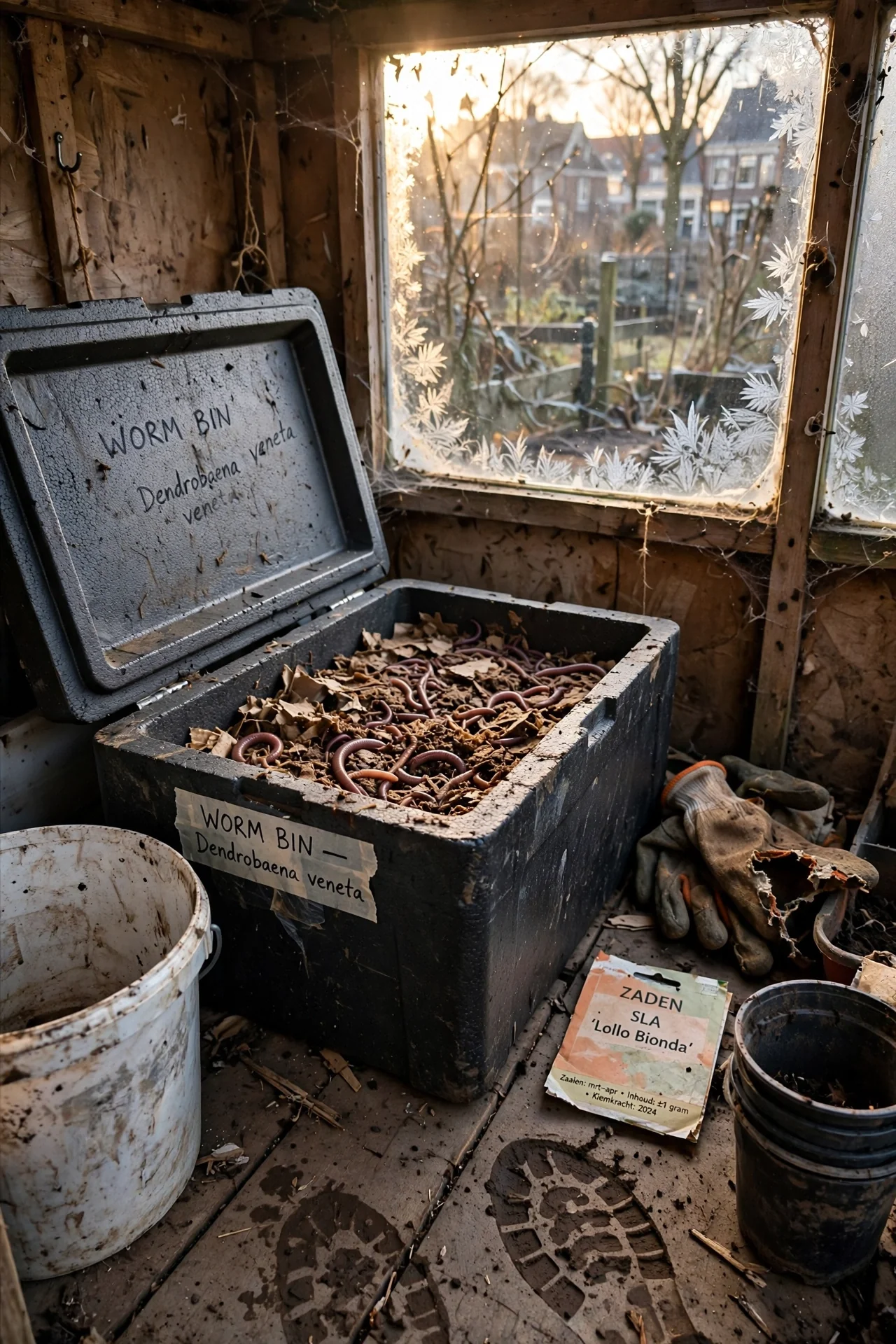
8. Dendrobaena veneta: The Cold-Climate European Standby
Best for: Branch 2
Use this if: you live in northern Europe, the UK, or a comparable cool-temperate climate where bin temperatures stay below 20°C for most of the year. Dendrobaena veneta, sometimes sold as the European blue worm or simply Dendrobaena, is widely used in Germany, the Netherlands, and Scandinavia. It continues feeding at temperatures as low as 5°C, well below the point where Eisenia fetida becomes dormant.
Skip this if: you want rapid colony growth. Studies comparing D. veneta to Eisenia species consistently show lower reproductive rates and longer maturation times. Under identical conditions, D. veneta produces fewer cocoons per week and has a longer incubation period, making it a slower colony builder.
Edge case: D. veneta is often included in European worm mixes sold for composting toilets and off-grid waste systems because of its tolerance for the cooler, more variable conditions in unheated outbuildings.
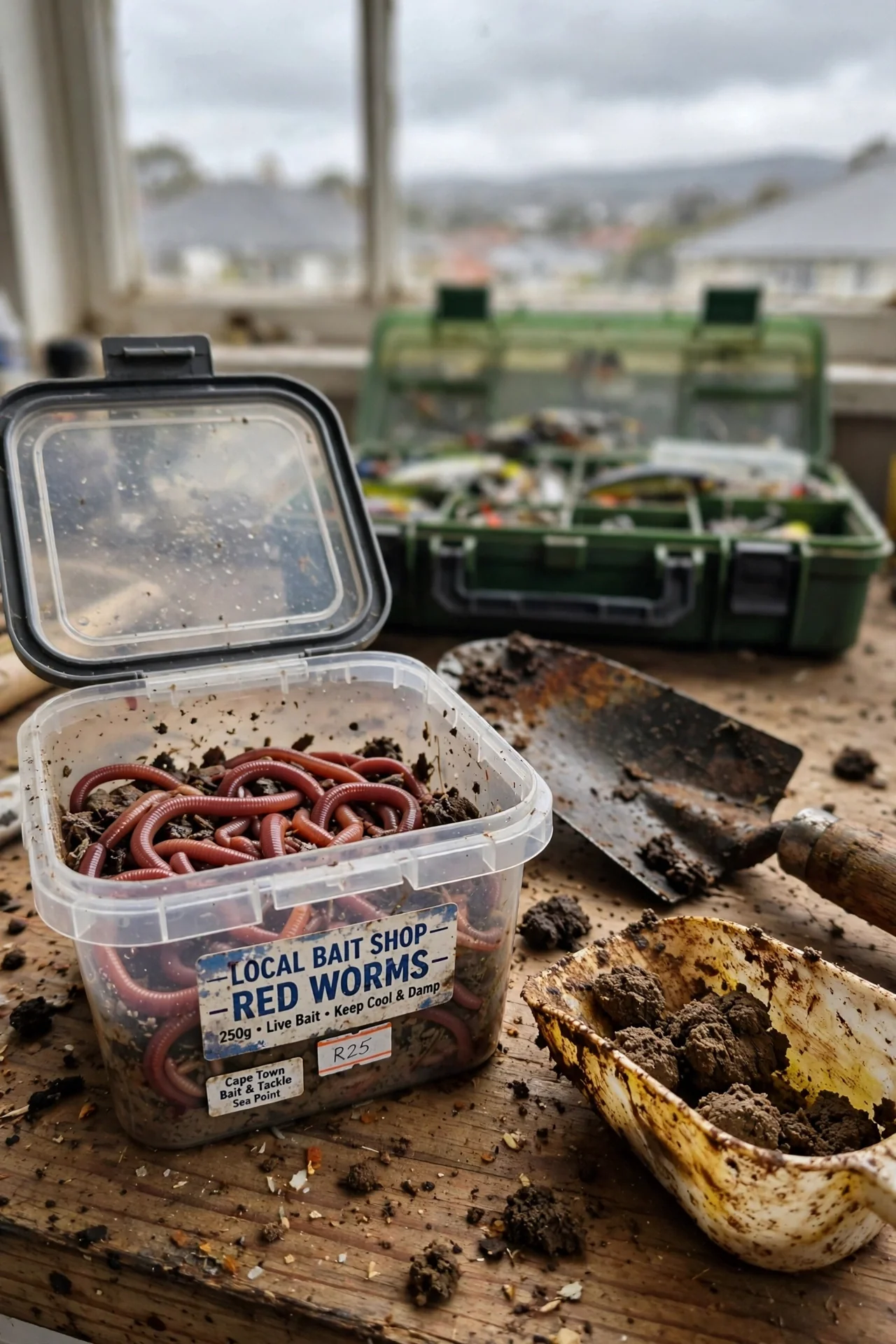
9. Local Bait Shop Worms: The Budget Entry Point
Best for: Branch 3 (species-dependent)
The threshold that matters: Bait shops in different regions sell different species under the generic label red worms or compost worms. In North America, bait shop red worms are often a mix of Eisenia fetida and Lumbricus rubellus. In Southeast Asia, they may be Eudrilus eugeniae or Perionyx excavatus. The cost is typically lower than ordering from a specialty worm farm, but species identification is unreliable.
10-minute workflow: (1) Buy the smallest available container from a local bait shop. (2) Before adding to your bin, photograph the worms on a white surface in natural light. (3) Compare the size, coloration, and body segment count against an identification guide. Red Wigglers are 5 cm to 8 cm long with a yellowish tail tip and distinct banding; African Nightcrawlers are 10 cm to 15 cm with a more uniform dark coloration. (4) If the species matches your climate, proceed with standard bin setup. (5) If you cannot identify the species, keep the bin in a location where escaping worms will not cause a problem and monitor for the first two weeks.
Upgrade option: Use bait shop worms to test whether vermicomposting fits your household routine. If the bin is thriving after 90 days, invest in a known species from a reputable worm farm to expand or restart with a pure culture.
10. Alabama Jumpers (Amynthas agrestis): The Invasive Species You Should Probably Skip
Best for: Branch 3 with extreme caution
What it is: Amynthas agrestis, commonly called the Alabama jumper, Georgia jumper, Asian jumping worm, or crazy snake worm, is a large, highly active epigeic worm that consumes organic matter at an exceptionally fast rate. It is sold by some bait suppliers and occasionally recommended in composting forums for its voracious appetite.
Why you should think twice: This species is classified as invasive across much of North America, Europe, and parts of Asia outside its native range. Unlike Eisenia fetida, which tends to stay within compost piles and bins, Amynthas agrestis spreads aggressively into forest floors and natural areas, where it consumes the leaf litter layer that native plants, salamanders, and ground-nesting birds depend on. It reproduces parthenogenetically, meaning a single worm can establish a new population. Multiple university extension services, including those from Maryland, North Carolina, and Iowa, explicitly advise against using jumping worms for composting.
If you choose to use them: Keep the bin in a sealed container indoors, never outdoors or in a garage with floor drainage. Freeze all castings for at least one week before applying them to garden soil to kill cocoons. Never dispose of bin contents in woods, parks, or along waterways. Check local regulations: some jurisdictions classify Amynthas species as prohibited organisms.
Alternatives: If you want the fast processing speed that attracts people to Alabama Jumpers, use a larger population of Red Wigglers or African Nightcrawlers instead. Both are faster at decomposition than most people realize once the colony is mature. For a full list of materials to keep out of any worm bin, consult our what not to compost guide.
Starter Stack: What to Choose First
Branch 1: The Indoor Beginner
Start with 0.5 kg of Red Wigglers (Item 1) in a 40 L to 60 L plastic bin with shredded cardboard bedding. Add 0.25 kg of Tiger Worms (Item 3) from a supplier that can confirm the species mix. The Tigers provide a pH buffer if your kitchen scraps run acidic, and the Wigglers deliver the processing speed you will notice week to week. Estimated cost: $25 to $45 USD for the worms plus a bin and bedding materials you likely already have. Time investment: roughly 10 minutes per week for feeding and moisture checks.
Branch 2: The Cool-Climate Outdoor Keeper
Start with 0.5 kg of European Nightcrawlers (Item 2) as your primary colony. Add 0.25 kg of Red Earthworms (Item 6) if your bin sits directly on soil; skip Item 6 if the bin is elevated or has a solid bottom. The Nightcrawlers will keep processing through shoulder seasons when Wigglers go dormant, and the Red Earthworms will colonize the soil interface below an open-bottomed bin. Estimated cost: $30 to $55 USD. Expect slower castings production in winter months but continuous activity rather than a full stop.
Branch 3: The Tropical or Hot-Climate Keeper
Start with 0.5 kg of African Nightcrawlers (Item 4) in a large bin, minimum 80 L, with extra attention to moisture. If you are in the Philippines, India, or Southeast Asia, Indian Blue Worms (Item 5) are usually cheaper and equally effective. Do not mix these two species in the same bin unless you have experience: they have overlapping but not identical moisture preferences, and competition can lead to one species crashing. Estimated cost: varies widely by region; African Nightcrawlers are more expensive outside their native range. Time investment: roughly 15 to 20 minutes per week due to more frequent moisture monitoring. For bin construction ideas suited to warm climates, see our compost bin ideas collection.
When This Won’t Work
Failure condition 1: Your bin temperature drops below the species’ lethal minimum for more than 48 hours. This happens most often when outdoor bins are left unprotected during an unexpected cold snap. Red Wigglers and African Nightcrawlers are particularly vulnerable because their minimum survival thresholds (roughly 0°C and 10°C, respectively) can be breached even inside an unheated garage. If you live in a region where overnight temperatures routinely fall below freezing, either move the bin indoors from late autumn through early spring or choose European Nightcrawlers, which tolerate near-freezing conditions as long as the bedding does not freeze solid.
Failure condition 2: You add the wrong worms to an enclosed bin and they die within the first week. This occurs when gardeners dig up earthworms from the yard and place them in a worm bin, assuming all worms are interchangeable. Endogeic and anecic earthworms cannot survive in the shallow, high-density, high-moisture environment of a composting bin. They will either die and foul the bin or attempt to escape continuously. The only worms suitable for enclosed bins are epigeic species. If you have already added the wrong worms, remove them immediately, return them to the garden soil, and start fresh with a known composting species.
If your bin is outdoors and you expect extended freezing temperatures, our winter composting guide covers insulation methods, bin placement strategies, and when to temporarily suspend feeding.
Choosing the Right Option for Your Situation
Budget Threshold
If your total budget is under $20 USD, start with bait shop worms (Item 9) but accept the risk of species uncertainty. If your budget is $25 to $60 USD, order a known species from a dedicated worm farm. The price difference covers species verification, healthier stock, and usually a live-arrival guarantee. Shipping costs are often the largest variable; ordering from a supplier within your own country or region minimizes both cost and transit stress on the worms.
Time Threshold
If you can commit to checking the bin twice a week, any species on this list will work. If you can only manage once every 10 to 14 days, choose Red Wigglers or a multi-species blend (Items 1, 3, 7). These are the most forgiving of irregular feeding schedules. Avoid African Nightcrawlers and Indian Blues if your schedule is unpredictable because they respond to missed feedings with migration attempts.
Technical Constraint: Feedstock pH Management
All composting worms prefer a near-neutral pH around 7.0, but their tolerance varies by species. If your kitchen scraps are consistently acidic (citrus peels, coffee grounds, tomato waste), choose Tiger Worms or a blend that includes Eisenia andrei, which handles pH as low as 4.2. Monitor with a simple soil pH test strip pressed into a handful of wrung-out bedding once every two weeks. If the reading drops below 5.0, add a light dusting of crushed eggshells or agricultural lime (calcium carbonate), not hydrated lime, which will burn the worms.
Yes/No Checklist:
1. Is your bin location indoors or in a temperature-controlled space? Yes → Branch 1. No → go to question 2.
2. Does your outdoor temperature stay above 10°C (50°F) year-round? Yes → Branch 3. No → Branch 2.
3. Will you check and feed the bin at least once every 7 days? Yes → any species. No → choose Items 1, 3, or 7 only.
4. Is your bin sealed or elevated with no soil contact? Yes → epigeic species only (Items 1 through 5, 7, 8). No → you can also use Item 6.
Expert Q&A
Why do my composting worms keep trying to escape?
Mass exodus is almost always a bin environment problem, not a species problem. The three most common triggers are: bedding pH below 5.0 (too acidic), moisture above 85 percent (waterlogged, anaerobic), or temperature above 35°C for temperate species. Fix the environment before blaming the worms. A healthy bin with correct moisture and pH will not experience significant escape attempts.
Can I use composting worms directly in my garden soil instead of a bin?
Only epigeic species can survive in garden soil, and even then the results depend on soil organic matter content. European Nightcrawlers and Lumbricus rubellus can integrate into mulched garden beds because they have some soil-burrowing capacity. Red Wigglers cannot; they require a concentrated layer of decomposing organic matter and will die if incorporated directly into mineral soil. For soil improvement without a bin, use castings from your worm bin as a top dressing instead.
How do I know if I received the correct species when ordering online?
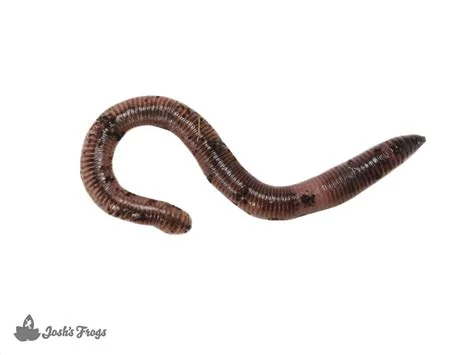
Photograph the worms on a plain white plate in indirect daylight. Red Wigglers (E. fetida) are 5 cm to 8 cm long, reddish-brown with distinct yellow banding between segments, and a yellowish tail tip. European Nightcrawlers (E. hortensis) are 8 cm to 15 cm, darker, and lack the yellow tail. African Nightcrawlers (E. eugeniae) are 10 cm to 15 cm, uniformly dark, and noticeably thicker. Compare against images from a university extension website, not a commercial seller.
What is the lowest-maintenance composting worm setup possible?
A flow-through bin stocked with Red Wigglers, fed once every 7 to 10 days, kept indoors at room temperature. Flow-through bins eliminate the need to separate worms from castings because you harvest from the bottom while adding fresh bedding and food to the top. This setup can run for months with nothing more than weekly feeding and occasional moisture checks. The trade-off is a higher upfront bin cost compared to a DIY plastic tote.
Are there any composting worms I should never buy?
Avoid Amynthas species (Alabama/Asian jumping worms) unless you fully understand the invasive risk and containment requirements. Avoid any seller who cannot or will not provide the scientific name of the worms they are shipping. Common names like red worm or compost worm are applied to multiple species across different regions. If a listing says only red composting worms with no Latin name, assume you may receive a mix of unknown composition.
Conclusion
The best composting worm is the one whose temperature tolerance matches your bin location. Red Wigglers earn their reputation honestly for indoor bins, but forcing them into a tropical garage or an unheated Scottish shed is a setup for failure. The single most common mistake is buying worms based on a top-10 list without checking the temperature data for your own setup.
Start by measuring the lowest and highest temperature your bin location reaches over a 24-hour cycle. Compare those numbers against the tolerances in the comparison table above. If your bin is indoors and stable, order Red Wigglers or a blend and begin. If you are working with a balcony, a shed, or a hot climate, the right species is waiting further down the list. For guidance on fitting a worm bin into a tight living space, see our small space composting guide.