
Cole spent a year being told he didn’t belong in his own blended family by a stepson who kept winning, while his wife kept the peace by asking Cole to bend. This is the full story of that stepfamily conflict, from the first orange juice to the night Cole stopped asking.
The Pancake Batter and the Weather Report
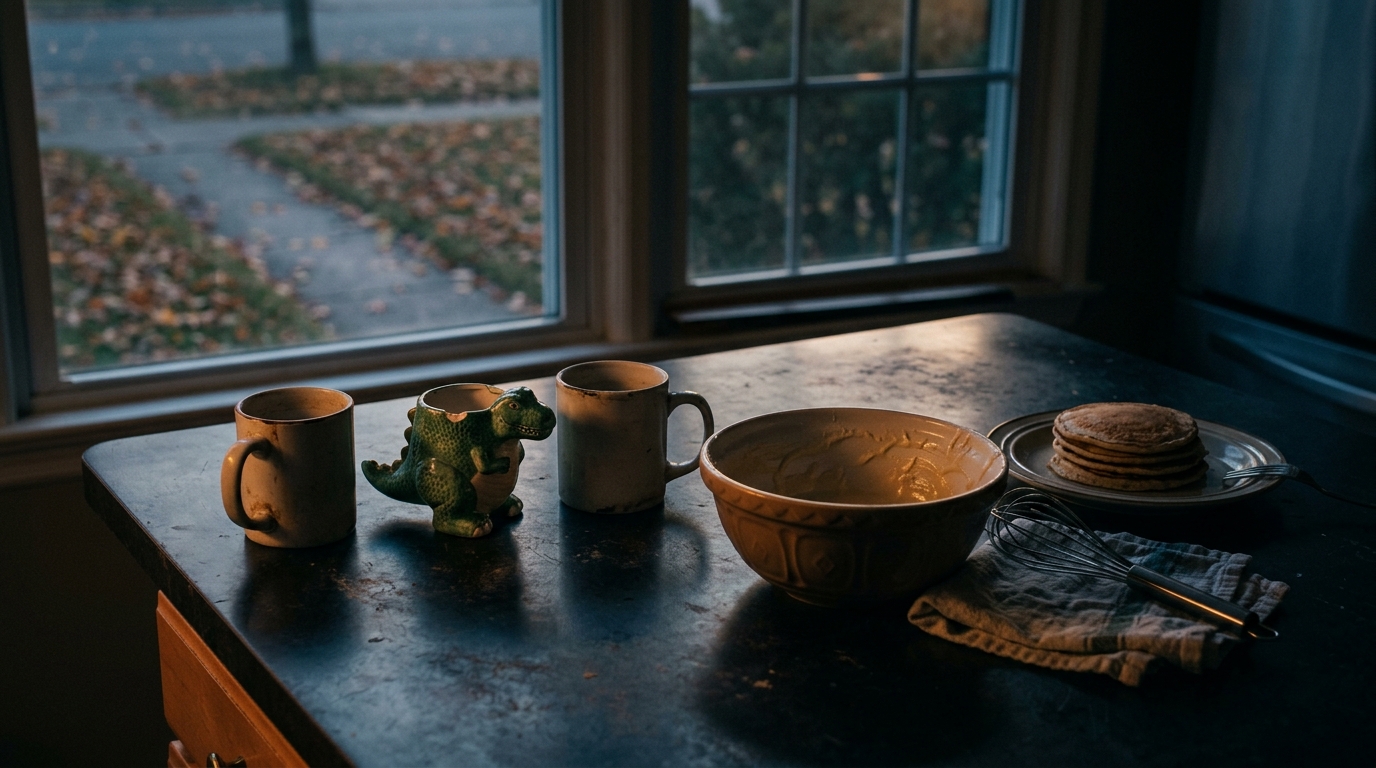
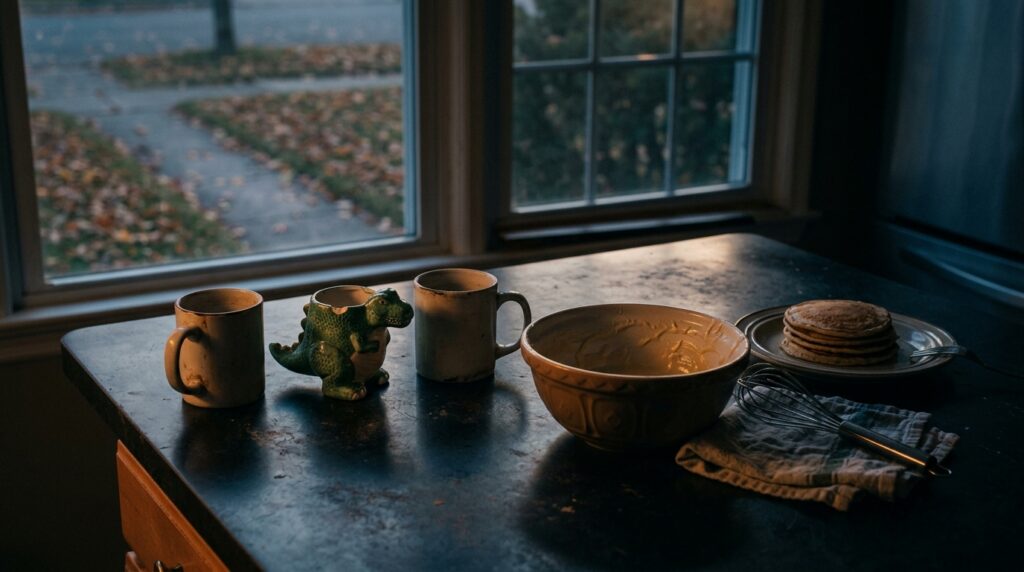
Cole Whitaker was 36 when his fourteen-year-old stepson told him, over a glass of orange juice, that he wasn’t his dad. It was a Saturday in late October, leaves matted on the sidewalk, and Cole stood at the kitchen island whisking pancake batter and humming a song his mother used to sing when the weather turned. Asher came in, pulled the juice from the fridge, and didn’t look up when Cole said good morning. Then he said it, flat and easy, the way a kid mentions the forecast: “You don’t need to make me breakfast. You’re not my dad.”
“I know I’m not,” Cole said, aiming for warm instead of wounded. “But I’m here, and you’re a growing human who needs more than juice. Pancakes would help.” Asher shrugged and left with his glass. Behind him the batter popped softly in the bowl, and Cole felt like a man on thin ice, listening for the crack.
The marriage was still new enough that everyone was pretending the arrangement had always existed. Cole and Marin had met at a charity 5K and bonded over a sweaty cool-down, each of them having spent their twenties working too hard and their early thirties cleaning up after it. She wanted safety, and he wanted a family that could share a room without fighting for air. He also knew what he was walking into: Asher’s biological father had moved three states away, and his visits had curdled into apologies and then excuses, leaving Asher and his mother as a tight team with their own language.
So Cole did what he does on any delicate job and slowed down. He learned Asher’s schedule the way you learn a subway map, from jazz band days to pickup basketball nights at the rec center. He showed up, clapped, drove, and put his number on every school and doctor’s form, not to be listed first, just to be listed. When he fixed the wobbly leg on Asher’s desk, he left the screwdriver in the top drawer in case Asher wanted to pretend he’d done it himself.
The problem was that Asher took the help and turned away the helper. He wore the better sports socks and learned to replace a bike chain without letting either one count as a relationship. Kids in stepfamilies sometimes decide to leave first so nobody can leave them, and Asher seemed to have made that call long before Cole arrived.
Left Off the Email
The small cuts started adding up. At a parent-teacher conference, Asher’s social studies teacher mentioned she’d emailed both parents about a missing assignment, and Cole’s inbox was empty. She scrolled, brightened, and said she must have sent it to Asher’s dad. The sentence wasn’t wrong, which was the trouble with it. It just skipped over the space Cole was trying to stand in.
That night he asked Asher to add him to the school portal. “Why would I do that?” Asher said. “You’re not family.” It wasn’t cruel, just matter-of-fact, like explaining where a puzzle piece goes. Over the next weeks the same pattern kept turning up: Asher’s grandfather took the two of them to breakfast without asking Cole, and a relative’s phone call got angled away so Cole could hear but not be heard.
Cole kept asking Marin whether she saw it, the crisp refusals, the way Asher said “he” instead of Cole when telling stories. She went still every time. “He’s at an age,” she’d say, and she didn’t want to push him. Cole understood wanting peace, but Marin wanted it so badly that she’d stopped setting any boundaries, and he was always the one left standing outside the fence she built around hard conversations.