
That night Cole told Marin what he’d seen. Her first response wasn’t an apology but an explanation: Asher didn’t trust easily, and forcing Cole into every moment would only make him resentful. It sounded like a verdict, not on Cole’s worth but on his place, which was the edges. He realized he wasn’t fighting for inclusion anymore. He was up against an exclusion two people had agreed to.
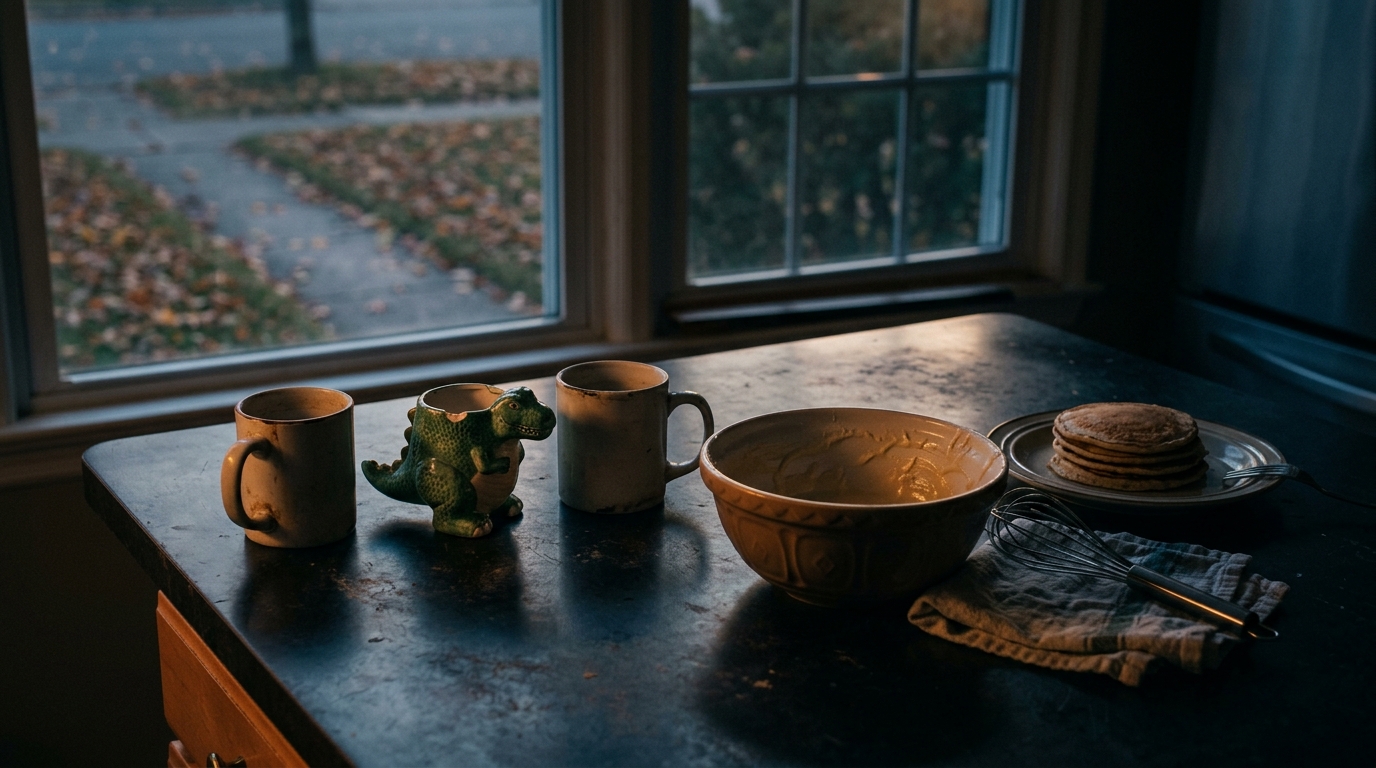
So he stopped asking. Dinners became something Marin and Asher did without mentioning it, and the Sunday pancakes he kept making went cold on a plate while laughter drifted down from upstairs. He started taking longer hours at work, where at least he knew his value. In bed he listened to Marin breathe and wondered if she noticed the space growing between them.
The work paid off. Cole took on a downtown warehouse renovation other contractors had turned down, with a mold problem and wiring from another century. A developer named Lyall liked how he solved problems under pressure and made him his go-to contractor, and soon Cole was sitting in rooms with architects and investors, where people took notes when he spoke. A younger crew member named Matteo told him one day, “Boss, you’ve got a reputation now.” An old college friend, David, told him over dinner to stop waiting for a seat at a table that wasn’t set for him. Marin and Asher had no idea, because Cole said nothing at home and nobody asked.
Two Envelopes at the Corner Booth
One evening Cole got home early and heard them laughing in the living room. “See, I told you he doesn’t matter,” Asher said. “He’s barely even around anymore.” Marin didn’t correct him or defend Cole. She sighed, almost indulgently, and said, “Let’s not talk about it right now.”
That silence did something to him. He lay awake that night while the decision took shape with sharp edges. He wasn’t going to explode or demand that they see him, because that would only prove Asher’s point. Instead, he’d give them exactly what they’d said they wanted.
The chance came on a warm Saturday in late spring, when Marin suggested a family dinner at a downtown restaurant Asher liked. Cole wore a collared shirt and told himself it was another performance. Marin ordered for both of them without glancing at him, and for ten minutes everything stayed polite. Then, as the plates were cleared, Asher leaned back, crossed his arms, and said, “You don’t have to keep coming to these things. It’s not like you’re really family. Mom and I can do it ourselves.” Marin didn’t flinch, and gave Cole the tired look that begged him not to make a scene.
Cole reached into his jacket and set two envelopes on the table, one with Marin’s name and one with Asher’s. “You’re right,” he said, calm and steady. “I don’t have to keep coming. And after tonight, I won’t.” Marin opened hers and froze. Inside was a check large enough to pay off what remained on the mortgage, along with a typed letter giving formal notice that he was leaving, signed and dated.
Asher’s envelope held a single folded sheet, blank except for one line in Cole’s handwriting: You got exactly what you wanted. The color left Asher’s face, though he tried to cover it with a smirk. Marin’s lips parted and nothing came out. Cole slid his chair back so it wouldn’t scrape, said, “Enjoy your dinner,” and walked out. Outside, the warm night felt heavy, the weight of carrying something too long, and underneath it was something sharper that he finally let himself call power.
He moved out the following week, with his name off the bills and his boxes already packed. A month later Marin called, her voice too light, saying it was strange not having him there. By the end of the call it cracked. “I didn’t think you meant it,” she said, and Cole answered that he’d told her he wouldn’t fight. Asher’s world shrank without a second adult to share the load, and his father’s promises dissolved the way they always had. Cole later heard Asher had walked into a game alone, and when someone asked if his parents were coming, he’d shrugged and said, “It’s just me tonight.”
Almost a year later, Cole was walking downtown to meet David when he spotted them through a restaurant window, eating without a word, each looking at their plate. Asher glanced up and froze with his fork in midair, and Marin’s hand tightened around her glass. Cole held their eyes for one unbroken second, then turned and walked inside, past them, into a different life.
Reflection: Cole’s patience was real, but it went unpaid for a year, and nobody noticed the bill. Marin kept the peace by asking the same person to give ground every time, and a teenager learns quickly what that gets him. Walking out silently makes a good last scene, but I suspect one honest conversation in October would have cost everyone less than that dinner did.