
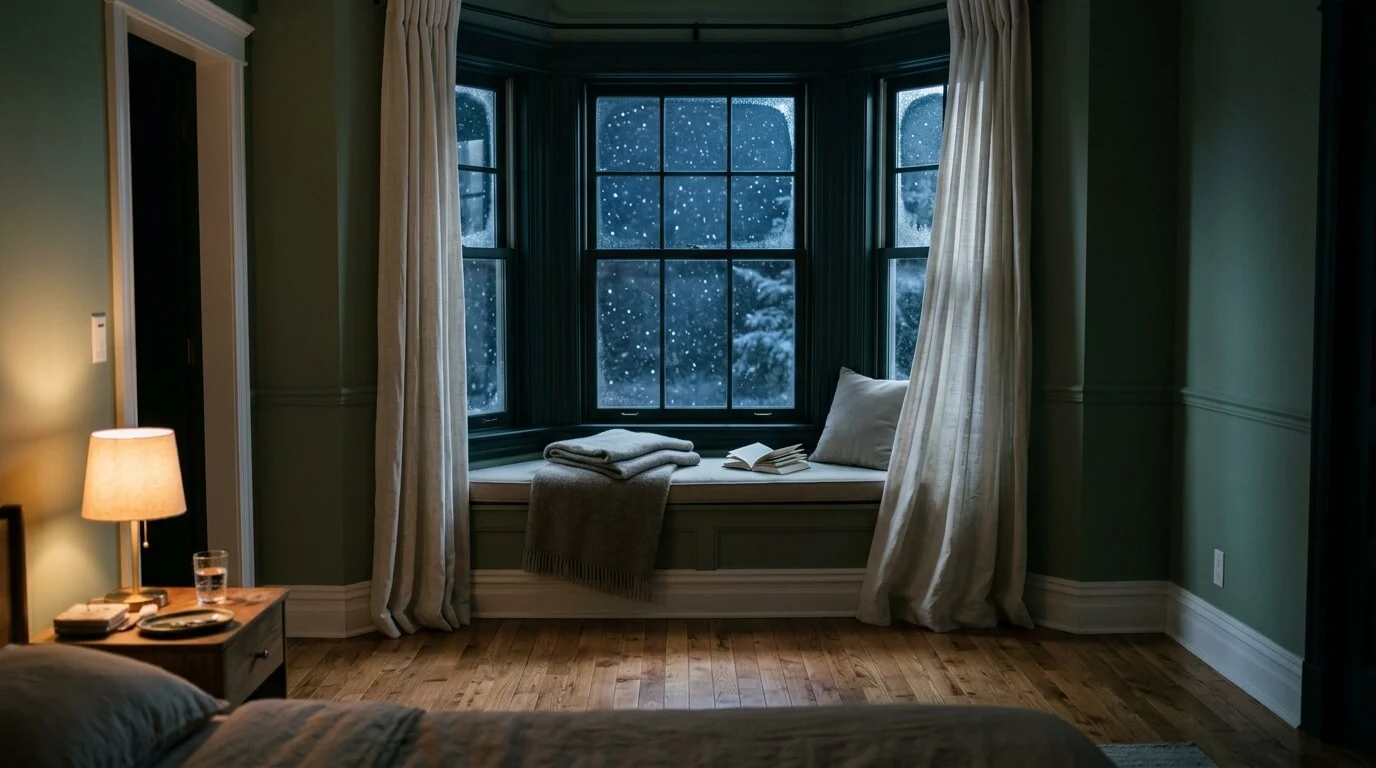
By evening Naomi had two cash offers. The strongest came from Mr. Bennett, a retired teacher moving closer to his daughter after his wife died. He liked the downstairs bedroom for his bad knees, the fenced yard because he planned to adopt a dog, and the reading nook for his granddaughter’s weekend visits. No financing contingency, no repair demands, closing in fourteen days. Angelica accepted.
The next morning her father turned up at the clinic while she was treating Pumpkin, an orange tabby who had picked a fight with a Christmas ribbon and lost. He waited forty-five minutes, visibly irritated that the world hadn’t paused for him, then followed her into a consultation room and told her to cancel the sale. She wasn’t the one giving away someone else’s bedroom, she said. When she mentioned that Marcus might move in later, he looked genuinely surprised; Karina hadn’t told him that.
“You’re blowing this out of proportion,” he said. “No, Dad. I’m ending the pattern,” she answered. “Karina makes a reckless decision, Mom panics, you call me selfish, and I pay.” Then she counted it out: $4,800 for Mom’s dental work, his transmission repair, the $3,200 deposit, four months of rent, camp fees twice, a property tax loan he never mentioned again. She had helped gladly, mostly. But the moment she spent money on herself, Karina claimed it, and he agreed so fast he’d assigned her the couch without asking. He left without saying goodbye.
Locks, a Rental Van, and What Came After
That weekend Karina posted a vague message about people who value property over family. Relatives called; an aunt said Angelica was being dramatic, and her mother forwarded two-bedroom listings as though Angelica were Karina’s assistant. On Sunday morning, while she wrapped dishes in newspaper, a vehicle backed into the driveway. Karina had rented a van. Marcus was with her, and so were Mom and Dad.
Angelica went out without a coat. The van held boxes, a mattress, Lily’s pink desk chair and two suitcases. Karina announced she was moving in before Angelica did something even more irresponsible. Marcus suggested they all talk inside, and Angelica told him nobody was entering her house. Her mother pleaded that Karina had nowhere else to go. When Karina started to spit out “You cold, selfish—”, Angelica told her not to finish, and something in her voice made her stop.
She walked to the garage keypad, entered the new code she’d set after listing the house, and let the door rise a few inches. The old codes no longer worked, she told them, the locks were new, the cameras were recording, and the buyer’s inspector was due that afternoon. Her father asked if she’d really changed the locks on her own family. “I changed the locks on my house,” she said. Lily watched from the back seat of Karina’s car, and the sight steadied her. Lily was welcome in her life, Angelica added, but nobody was going to use a child to pry her out of her home.
Marcus had gone quiet. Karina had told him it was all agreed. “You said your sister offered,” he said. “She would have eventually,” Karina snapped, and that line laid everything bare. Nobody had misunderstood anything. This was a strategy: push hard, bring Lily into it, get Mom emotional, let Dad lean on her, then arrive with boxes until refusing felt impossible. This time there was a sign on the lawn and a contract on Naomi’s desk. Marcus left in a rideshare, and the van drove away still full.
Thirteen days after Christmas she signed the closing papers, and Mr. Bennett shook her hand with both of his and said his granddaughter had already claimed the window seat. By the end of January Angelica was living in the clinic’s cottage: two bedrooms, a narrow kitchen, a fenced garden with a crooked apple tree. She ate noodles from a takeout container on the floor, surrounded by boxes. It should have felt like a loss. She slept better than she had in years.
In March she and Dr. Levin finalized the partnership. She hired another technician, expanded emergency hours and started a small fund for owners who couldn’t afford urgent care. She also adopted Mabel, a senior beagle mix with cloudy eyes, arthritis and an unreasonable hatred of delivery trucks.
Karina found a smaller two-bedroom twenty minutes from Lily’s school and picked up extra shifts. Marcus never moved in, and Mom later said that relationship ended soon after the van. After a month of silence, Lily called to ask about Mabel and spent a Saturday at the cottage under the apple tree. Before leaving she asked whether the house was sold because of them. Angelica told her she’d needed a change, and that adults have to ask before making plans with things that belong to other people. “I like your cottage better anyway,” Lily said. “It has Mabel.”
Her mother apologized eventually, over a lemon cake, not perfectly. “It was extreme,” Angelica told her when she admitted she’d expected her to calm down, “but it was also necessary. The only boundary you understood was a closing date.” Her father took longer. Months later, on her birthday, he messaged that he’d driven past the old house, seen a dog in the yard, and understood why she did it even if he hadn’t then. Karina stopped asking for money too; when Lily needed glasses she said, “I’m not asking. I already budgeted.”
Sometimes Angelica pictures the sage green room with a stranger’s granddaughter curled up on the window seat. She doesn’t regret the money she spent there, and she doesn’t regret leaving it behind either.
Reflection: Nobody at that table was really asking Angelica a question, because they’d stopped expecting her answer to matter. People get comfortable with whoever keeps absorbing the cost quietly, and they’ll call the first “no” cruelty. I think the lesson is that generosity with no limits teaches everyone around you to stop noticing the bill. Angelica didn’t sell a house so much as finally mean what she’d been saying for years.