
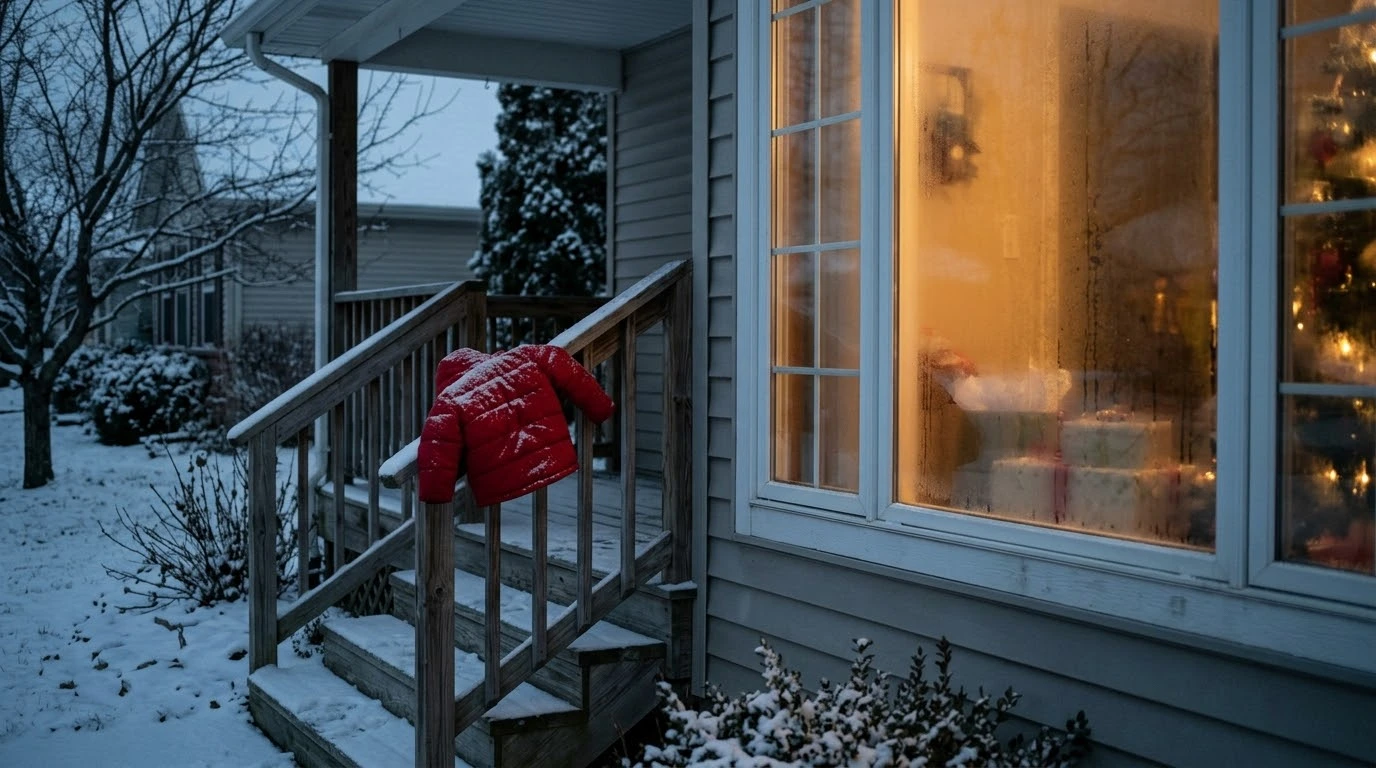
That night angry texts arrived. The one that stopped him cold told him to try raising her if he thought he could — she’d never win; Lily was their kid. Watching the child sleep under a blanket, James promised himself this would not continue.
The Binder, the Deadline, and What Came After
Fallout hit hard. Megan pounded on his door and called it kidnapping. Family members asked him to apologize. Church whispers turned him from dependable grandpa into the meddling problem. Lily’s birthday party happened without him. He stared at a half-finished toy chest in the garage and felt loneliness harden into clarity. Quiet talks with a lawyer friend covered grandparents’ rights and documentation. He kept a folder: notes, photos, texts. Neighbors admitted they’d seen something off and stayed silent.
He finished the toy chest anyway, painted her favorite color, added a lock so she’d have somewhere safe for her things, and covered it with a tarp. He put up a swing set for “when she comes back.” He volunteered with a kids’ art program because painting had been Lily’s joy when she was allowed to have it. Letters with doodles went out; uneven handwriting came back — I miss you. A school contact whispered about withdrawal and a requested conference. A counselor confirmed behavioral notes and encouraged counseling, carefully, without oversharing. James logged it.
Near Christmas he found Lily alone at a café table while Megan talked, told not to order anything. He slipped her money for a cookie. On the table he glimpsed a schedule of school counseling appointments. He didn’t steal the paper. He remembered the date, showed up in the hallway, and met the counselor’s quiet nod. His lawyer said the file was strong enough for formal visitation if needed. Then Megan offered Christmas morning — one hour.
He arrived early with the chest and the binder. When Megan tried to keep Lily upstairs until they said so, James set the chest in the middle of the room and said she could come down now. He read the year aloud: the snowy porch, the spilled water exile, the pattern in plain language. He told them he’d tried quiet reason for months. If it didn’t change, the binder went to court with witnesses. Lily hugged his waist and asked if she could stay the night. He left them a choice — work together or let a judge decide — and a deadline through New Year’s.
On December 30th Megan texted: Can we talk? At her kitchen table she admitted reading everything. She’d thought they were teaching behavior. Maybe they’d gone too far. James said they’d crossed the line repeatedly, and isolation leaves marks. He asked for two things: consistent visits, and family counseling for all of them — not just Lily. Megan agreed. Lily ran into his arms asking if she got to come over more. He said yes.
Spring filled the swing set with laughter. The toy chest held books and paints. Megan didn’t come every time, but she came enough to watch her daughter paint without hardening. One Saturday Lily flew down the slide and threw her arms around James. Best day ever, she said. The real win wasn’t a gavel or a speech. It was a child who didn’t have to sit outside on Christmas morning to learn she belonged.
Reflection: People will dress control up as discipline until a child starts disappearing in plain sight. Love that only shows up when it’s convenient isn’t protection — it’s preference. The adults who finally get it usually get it late; the ones who keep notes do it because hoping quietly already failed. What this story shows is simpler than court talk: a kid needs to feel wanted at the table, not managed like a problem in the yard.